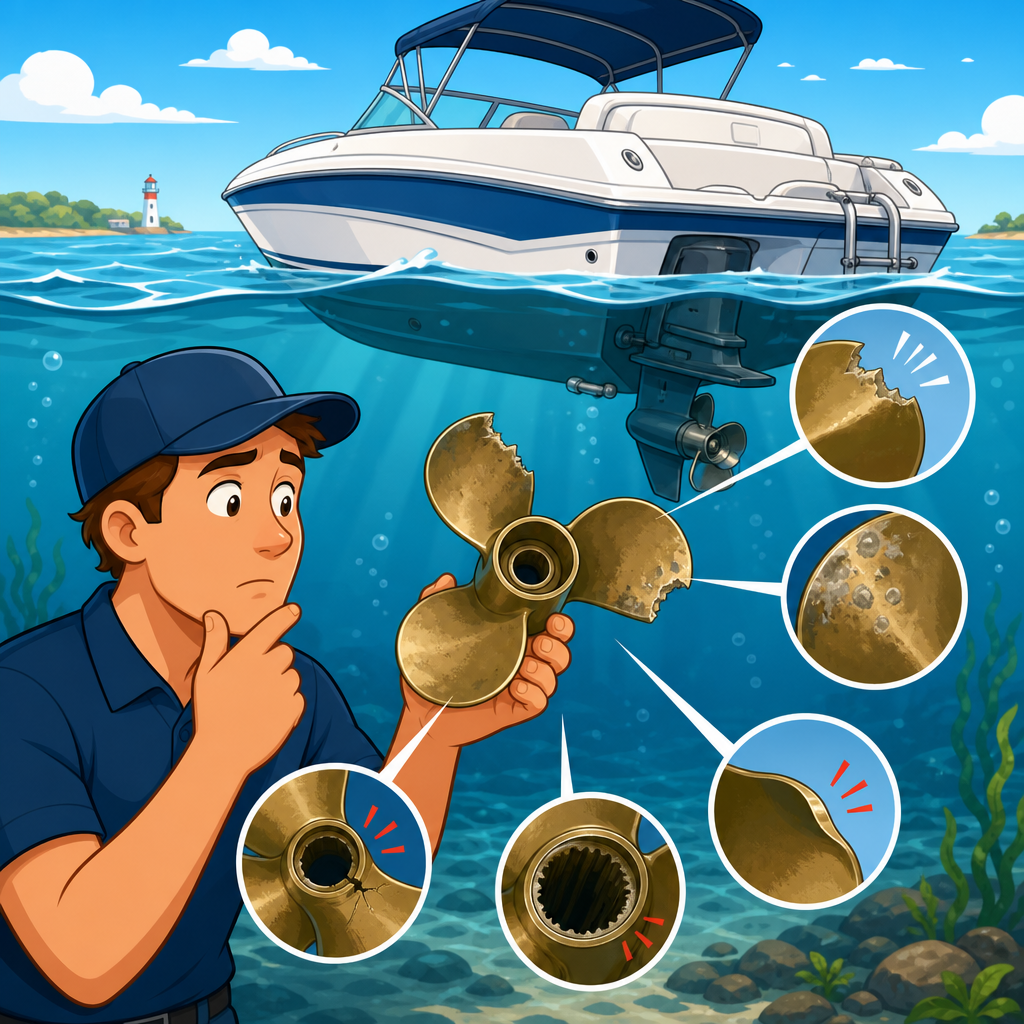
Boat storage is one of the most important decisions an owner makes because the right setup prevents wear and tear, lowers long-term repair costs, and extends the life of the hull, engine, upholstery, electronics, and trailer. In practical terms, boat storage means where and how a boat sits when it is not in use: on a trailer, in dry stack storage, in a covered slip, in a garage, in a storage yard, or under a purpose-built cover and support system. Preventative maintenance begins before the first crack in vinyl, before oxidation dulls the gelcoat, and before mildew reaches the cabin headliner. I have seen boats age ten years in three seasons simply because they were left uncovered, badly supported, or stored with trapped moisture, dead batteries, and stagnant fuel. I have also seen modest fishing boats and family runabouts hold value surprisingly well because owners treated storage as part of maintenance, not an afterthought.
For a hub page on boat maintenance and repairs, storage deserves special attention because it touches nearly every longevity issue. Sun exposure breaks down plastics, sealants, and finishes through ultraviolet radiation. Standing water stains decks, swells cores around failed fittings, and feeds mold. Freeze-thaw cycles split hoses and crack blocks if winterization is incomplete. Poor trailer support creates hull deformation at bunks and rollers. Salt-laden air accelerates corrosion on aluminum, stainless fasteners, steering components, and electrical terminals. Even indoor storage can cause problems if ventilation is poor or pests reach wiring and insulation. The best boat storage solutions work by controlling five threats: water intrusion, UV exposure, temperature extremes, structural stress, and corrosion. If you understand those threats, you can choose a storage method that matches your boat type, climate, budget, and usage pattern while reinforcing every other preventative maintenance task in your ownership routine.
Why storage choices directly affect boat lifespan
The basic rule is simple: every hour a boat spends unprotected invites avoidable deterioration. Gelcoat oxidation happens when UV and oxygen degrade the resin at the surface. Vinyl hardens and cracks when plasticizers evaporate faster under heat and direct sunlight. Moisture trapped under cheap tarps creates mildew on seats, canvas, and cabin liners. In freezing climates, any water left in engines, pumps, seacocks, livewells, or freshwater lines can expand and rupture components. Owners often focus on engine maintenance because the costs are visible, but poor storage quietly damages more systems at once than almost any single operational issue.
Storage is also about load management. Fiberglass hulls need even support, especially on heavier cruisers and wake boats. Aluminum boats can oil-can if tied down improperly. Personal watercraft, bass boats, pontoons, and center consoles all have different support needs based on hull shape and weight distribution. I recommend owners review manufacturer guidance for bunk placement, lifting points, and cover attachment rather than relying on generic yard practices. The American Boat and Yacht Council standards, marina handling guides, and trailer setup manuals exist for a reason: support errors lead to stress cracks, misaligned doors, and hull distortion that are expensive to correct.
Indoor storage: the best protection when conditions are controlled
Indoor storage is usually the best boat storage solution to prevent wear and tear because it reduces UV exposure, limits precipitation, and buffers temperature swings. A private garage, commercial warehouse, or dry stack facility can dramatically slow fading, oxidation, and moisture-related damage. Dry stack storage is especially effective for trailerable boats under marina size limits because the boat is stored on racks out of the water, eliminating constant hull fouling and reducing galvanic corrosion risks associated with prolonged wet slips. Owners who boat frequently also benefit from valet launch services, which encourage consistent use without sacrificing protection.
That said, indoor does not automatically mean ideal. Buildings with dirt floors, poor ventilation, or rodent problems can create their own failures. I have inspected boats with pristine gelcoat but chewed wiring harnesses, mildew under cockpit covers, and rusted trailer brakes from damp enclosed barns. The right indoor setup includes ventilation, battery maintenance, pest control, and enough clearance to avoid cover abrasion against towers, radar arches, and railings. If the building is unconditioned in a northern climate, winterization is still required. Indoor storage reduces exposure; it does not replace mechanical preparation.
Outdoor storage: effective when covers, support, and drainage are done right
Outdoor storage is the most common option because it is accessible and affordable, and it can be very effective if the boat is properly covered and supported. The key is to create a system, not merely throw a tarp over the boat. A quality marine-grade cover made from solution-dyed polyester or acrylic fabric resists UV better than lightweight polyethylene tarps. Proper support poles or a frame prevent water pooling, which otherwise stretches fabric, collapses covers, and forces moisture through seams. Tie-downs should be snug without chafing gelcoat at rub rails or cleats.
For owners storing at home, a custom mooring cover or full storage cover is usually worth the cost. Custom covers fit around consoles, windshields, trolling motors, and towers, reducing billow damage in wind. They also shed water more reliably. Shrink wrap remains a strong seasonal option in harsh climates because it creates a tight weather barrier, but it must include vents to prevent condensation. Reusable framed covers cost more upfront yet often pay off after several seasons. The best choice depends on whether the boat is accessed regularly, how severe the weather is, and whether the owner can monitor the cover during storms.
Choosing the right storage solution for your boat and climate
No single storage method is best for every owner. A center console in coastal Florida faces sun, salt, humidity, and tropical downpours. A bowrider in the upper Midwest faces snow load, freeze risk, and short seasonal use. A wake boat in Texas may spend more time battling UV damage than freeze damage. Match the solution to the main threats in your region and the amount of downtime between trips.
| Storage option | Best for | Main benefits | Key limitations |
|---|---|---|---|
| Indoor garage or warehouse | Trailerable boats, seasonal owners | Excellent UV and weather protection, lower fading and oxidation | Cost, space limits, still needs ventilation and winterization |
| Dry stack storage | Runabouts, center consoles, smaller cruisers | Out-of-water protection, reduced hull fouling, valet launch convenience | Size restrictions, scheduling, limited onboard maintenance access |
| Covered outdoor storage | Owners needing access with moderate budget | Good sun and rain protection, easier inspection | Wind-driven moisture, partial exposure, variable facility quality |
| Open outdoor with custom cover | Home storage, budget-conscious owners | Affordable, flexible, effective when cover fits correctly | Highest exposure to weather, requires active monitoring |
| Wet slip with full cover plan | Frequent boaters and larger non-trailerable boats | Immediate access, practical for heavy vessels | Hull fouling, corrosion, blister risk, more frequent bottom maintenance |
If you use a wet slip, prevention shifts from complete exposure control to damage mitigation. Bottom paint, galvanic protection, dehumidification, regular washdowns, and diligent bilge management become nonnegotiable. If you use trailer storage, tire pressure, bearing service, brake rinsing, and frame corrosion protection matter more. The right answer is the one that reduces your dominant risks and supports realistic maintenance habits. A theoretically perfect storage plan that you cannot afford or maintain consistently is less effective than a good plan you execute every season.
Protective covers, ventilation, and moisture control
Boat covers are not just accessories; they are primary protective equipment. A good cover blocks UV, keeps debris out, reduces bird droppings and tree sap exposure, and limits standing water inside the cockpit. However, covers fail when they are treated like sealed lids. Boats need airflow. Without ventilation, warm air condenses against cooler surfaces, and that trapped moisture feeds mildew, corrodes electronics, and creates odors that are difficult to remove from foam and carpeting.
The best practice is to combine a fitted cover with high points for runoff and dedicated vents. In enclosed cabins, moisture absorbers or compact dehumidifiers can help, especially in humid regions. Remove wet life jackets, towels, dock lines, and gear before storage. Open lockers on dry days to air them out. Clean bilges so organic residue does not become a mildew source. For long-term storage, I advise owners to lubricate zippers, inspect stitching, and wash covers with manufacturer-approved cleaners because degraded fabric leaks long before the damage is obvious from a distance.
Trailer, hull, and structural support considerations
One of the most overlooked boat storage solutions is simply correcting how the boat sits. On trailer-stored boats, bunks should carry the load, while rollers or guides stabilize where appropriate according to the trailer design. Misadjusted bunks can concentrate stress on a narrow area of hull laminate. Too much tongue weight strains tow equipment; too little encourages sway and unstable support. Pontoon trailers, stepped hulls, deep-V boats, and catamarans each require specific geometry. If the boat lists on the trailer, rocks at rest, or shows unusual stress cracking near chines or strakes, the support setup deserves immediate review.
For boats on blocks or stands, side stands stabilize while keel blocking carries weight. This is standard yard practice for a reason. Improper stand spacing can allow movement in storms or uneven settling. Owners should never crawl under a blocked boat without yard approval and proper safety procedures. During seasonal haul-out, inspect through-hulls, trim tabs, transducers, and lower units for impact damage or corrosion. Storage periods are ideal for finding small issues before they turn into laminate repairs, water intrusion, or expensive spring commissioning delays.
Winter storage and off-season preparation
Winter storage is where preventative maintenance and storage strategy merge most clearly. In freezing climates, protecting the engine and water systems is essential. Sterndrives and inboards need proper draining or antifreeze procedures based on manufacturer service guidance. Outboards should be stored in a position that allows water to drain fully. Fuel systems benefit from stabilization and, in many cases, a full tank to reduce condensation, though owners should confirm recommendations for their engine and fuel blend. Batteries should be disconnected or maintained on a quality smart charger, not a constant trickle charger that can overcook them.
The off-season is also the time to fog engines where applicable, change lower unit gear lube, inspect bellows, grease fittings, wash and wax the hull, condition vinyl, and remove electronics or valuables if theft is a concern. Canvas should be cleaned and fully dry before storage. Fire extinguishers, flares, and PFDs should be checked before spring launch, not on the first boating weekend. A disciplined winter storage checklist prevents the classic cascade of spring problems: dead batteries, stale fuel, split plumbing, seized pumps, and surprise leaks.
Making this page your hub for preventative maintenance and longevity tips
As a sub-pillar within Boat Maintenance and Repairs, this topic connects naturally to related maintenance tasks that determine whether storage actually protects the boat. Owners should treat storage planning as linked to hull care, corrosion control, winterization, battery maintenance, trailer maintenance, upholstery care, marine electronics protection, and engine preservation. For example, a boat stored outdoors near the coast needs a stronger washdown and anti-corrosion routine than a freshwater lake boat kept indoors. A wake boat with ballast systems needs more thorough draining and inspection than a simple skiff. A pontoon with vinyl flooring and furniture needs extra attention to UV and mildew prevention.
That is why the best boat storage solutions are never just about location. They are about combining the right environment with repeatable maintenance habits. If your goal is long boat life, better resale value, fewer repairs, and faster launch readiness, start by evaluating your current storage method against the five threats outlined earlier: water intrusion, UV exposure, temperature extremes, structural stress, and corrosion. Then upgrade the weak points. Add a fitted cover, improve ventilation, correct trailer support, winterize properly, and inspect the boat during storage rather than forgetting about it until launch day. Small storage improvements produce large durability gains over time. Review your setup this season and build a storage plan that protects every system on the boat.
Frequently Asked Questions
What is the best boat storage option to prevent wear and tear?
The best boat storage option depends on the size of the boat, how often it is used, the local climate, and the owner’s budget, but the general rule is simple: the more protection a storage setup provides from sun, moisture, standing water, and physical stress, the better it is at preventing wear and tear. Indoor storage, dry stack storage, and well-designed covered storage are often the most protective choices because they shield the boat from UV exposure, rain, debris, and temperature extremes that gradually damage gelcoat, paint, upholstery, seals, wiring, and electronics. Dry stack storage is especially effective for smaller powerboats because it keeps the hull out of the water between uses, reducing algae growth, blistering, corrosion, and dock rash. For trailered boats, storing the boat on a properly fitted trailer with the right support points, a quality cover, and good ventilation can also work extremely well when done correctly.
What matters most is not just the location, but the full storage system. A boat stored outdoors without a breathable cover, with poor drainage, uneven support, or direct sun exposure may suffer faster deterioration than a boat stored on a trailer under a well-ventilated canopy. The ideal setup keeps the hull properly supported, prevents water from pooling, reduces humidity around the interior, and limits exposure to the elements. It should also allow for easy inspection so small issues like mildew, loose fittings, battery drain, or cracked caulking can be caught early. In other words, the best storage solution is the one that protects the boat structurally, mechanically, and cosmetically while matching how the owner actually uses and maintains the vessel.
Is it better to store a boat in the water, on a trailer, or in dry stack storage?
For reducing long-term wear and tear, storing a boat out of the water is almost always better than leaving it in the water full time. When a boat remains in the water, the hull is constantly exposed to moisture, marine growth, mineral buildup, electrolysis risks, and staining. Even with bottom paint and regular cleaning, in-water storage typically increases maintenance demands and can shorten the life of certain materials and components. Covered slips improve protection from direct sun and precipitation, but they do not remove the constant water exposure that affects the hull, propeller, lower unit, and underwater fittings. In-water storage may be convenient for frequent use, but it generally requires more vigilant maintenance to control wear.
Trailer storage and dry stack storage both offer major advantages because they keep the hull dry between outings. Trailer storage gives the owner flexibility and can be highly cost-effective, especially if the boat can be kept in a garage, under a canopy, or on a well-drained storage pad. However, the trailer must fit the hull correctly to avoid pressure points and long-term deformation, and tires, bunks, rollers, wheel bearings, and straps all need regular inspection. Dry stack storage adds another layer of protection by placing the boat indoors or under cover, away from weather and accidental dock contact. It is one of the best options for many recreational boats because it combines convenience with excellent environmental protection. If the goal is maximum preservation and the boat qualifies for the facility, dry stack is often the strongest all-around choice.
How can a boat cover help prevent damage during storage?
A high-quality boat cover is one of the most effective tools for preventing storage-related damage because it acts as the first line of defense against UV rays, rain, dirt, leaves, bird droppings, and airborne pollutants. Sun exposure is especially destructive over time, fading gelcoat and paint, drying out vinyl, weakening stitching, and accelerating cracking in dashboards, seating, and trim. A properly fitted cover reduces that exposure significantly while also helping keep the interior clean and dry. This matters because moisture trapped in cushions, carpet, storage compartments, and bilge areas creates the ideal environment for mold, mildew, odors, and corrosion. For boats stored outdoors, a purpose-built marine cover is not just an accessory; it is an important part of the preservation plan.
That said, the cover has to be used correctly to provide real protection. A poor-fitting or non-breathable cover can trap humidity, rub against surfaces, or allow water to pool, which may create as much damage as it prevents. The best covers are designed specifically for the boat’s layout, include reinforcement at stress points, and are supported by poles or a frame that sheds water effectively. Ventilation is critical so condensation can escape rather than soak the interior. Owners should also check tie-down points and support systems periodically, especially after storms or long storage periods. A cover works best when paired with smart preparation such as cleaning the boat thoroughly, drying compartments, removing food and damp textiles, and making sure no low spots collect water.
What should be done before putting a boat into long-term storage?
Long-term boat storage should begin with a full cleaning and inspection because dirt, salt, organic residue, and unnoticed minor defects tend to become bigger problems during weeks or months of inactivity. The hull should be washed thoroughly, the interior cleaned and dried, and any standing water removed from the bilge, livewells, lockers, and compartments. Saltwater boats deserve extra attention, including a careful freshwater rinse of the hull, trailer, engine exterior, and metal hardware. Once the boat is clean, owners should inspect the gelcoat, seals, caulking, propeller, wiring, hoses, upholstery, and trailer components for wear that could worsen during storage. This is also the time to lubricate moving parts, grease fittings where appropriate, and address any small repairs before they become expensive ones.
Mechanical preparation is just as important. Fuel should be stabilized if it will sit for an extended period, batteries should be disconnected or placed on a proper maintenance charger, and the engine should be winterized when climate requires it. That may include flushing the cooling system, changing engine oil and lower unit fluid, fogging the engine if recommended, and protecting water systems from freezing. The boat should then be positioned so it drains correctly, with the bow slightly elevated when appropriate and no opportunities for water to collect. A breathable cover, adequate support under the hull, and protection for the trailer tires and suspension all contribute to reducing stress during storage. In short, preventative maintenance begins before the first day of storage, not after damage appears.
Can the wrong storage setup damage a boat even if it is covered?
Yes, absolutely. A cover alone cannot compensate for a poor storage setup. Boats are vulnerable not only to weather but also to improper support, trapped moisture, and neglected systems. For example, if a boat is stored on a trailer that does not match the hull design, weight may be concentrated unevenly, leading to stress cracks, hull distortion, or damage around bunks and rollers over time. If the boat sits bow-low or flat, rainwater may pool on the cover or in deck areas, adding unnecessary weight and increasing the chance of leaks, mildew, and staining. If the cover is cinched too tightly in some places and loose in others, it can chafe against gelcoat, windshield frames, and rails during wind events. These are common storage mistakes that slowly create very real wear and tear.
Moisture management is another major issue. A covered boat stored in a humid, poorly ventilated environment can develop mold, corrosion, and musty odors even without direct rain exposure. Electronics, connectors, fasteners, and upholstery can all suffer when air circulation is limited and condensation is allowed to build up. In the same way, leaving batteries unattended, failing to stabilize fuel, or ignoring trailer maintenance can result in costly problems that have nothing to do with the cover itself. The safest approach is to think of boat storage as a complete system: proper support, weather protection, drainage, ventilation, security, and periodic checks all have to work together. When those pieces are in place, storage truly helps extend the life of the boat instead of quietly contributing to its decline.