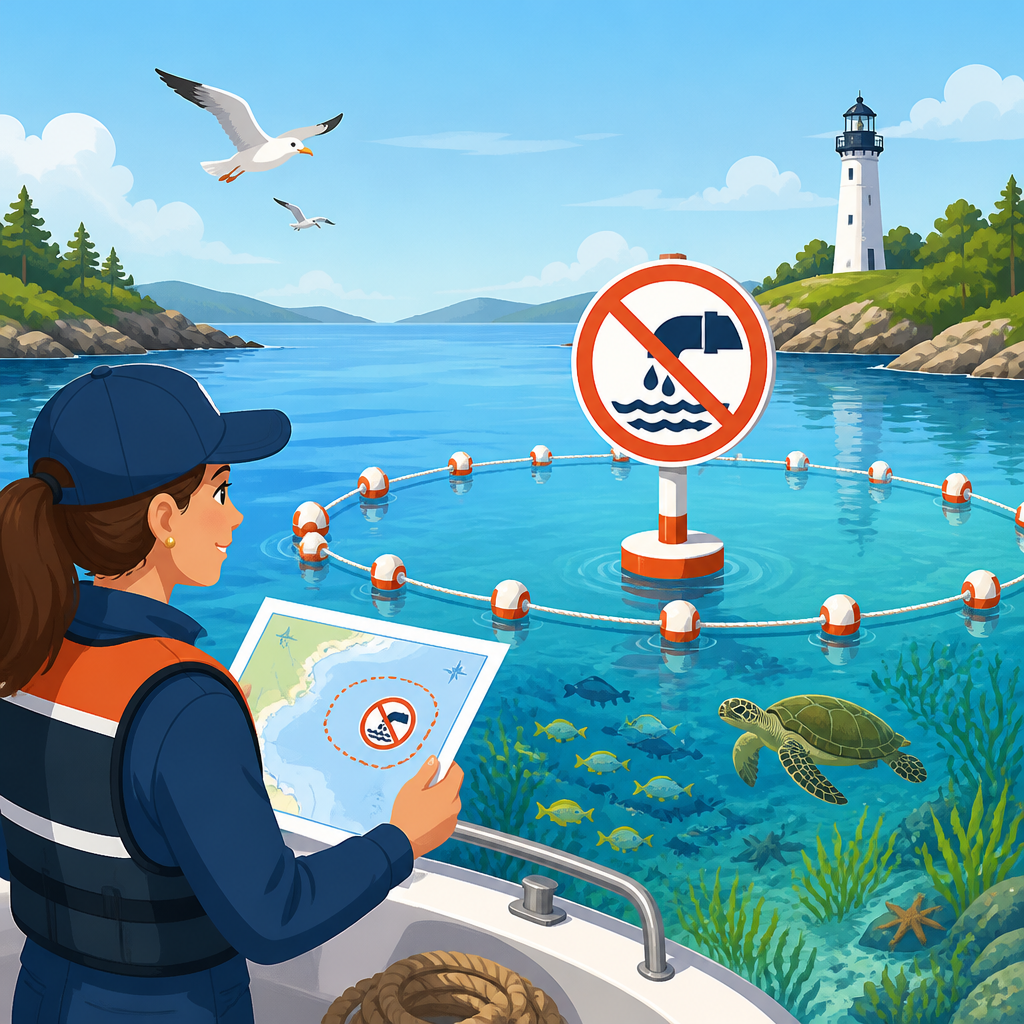
No-discharge zones are regulated waters where boaters cannot release sewage, whether treated or untreated, from any onboard sanitation device, and understanding them is essential for reducing water pollution while boating. In practical terms, a no-discharge zone, often shortened to NDZ, is an area approved by the U.S. Environmental Protection Agency where federal and state rules prohibit sewage discharges from vessels equipped with marine sanitation devices. These rules matter because even legal discharges outside restricted areas can add nutrients, pathogens, and oxygen-demanding waste to water that people use for swimming, fishing, and drinking. I have worked with marina operators, pump-out planning, and boater compliance checklists, and the same problem appears repeatedly: many owners know they should “boat green,” but they do not know exactly what actions satisfy the law on a real trip.
That gap matters because sewage pollution from recreational boating is not just an abstract environmental concern. Human waste can introduce bacteria, viruses, and excess nitrogen into enclosed bays, lakes, estuaries, and harbors. In sensitive waters, that contamination contributes to algal blooms, shellfish bed closures, unpleasant odors, and reduced dissolved oxygen that stresses fish and aquatic plants. The legal framework is also more layered than many boaters expect. Federal law under the Clean Water Act, Coast Guard rules governing marine sanitation devices, state no-discharge designations, and local marina procedures all affect what a skipper must do. If you miss one part of that system, you can violate the law even when you believe your onboard treatment unit is operating correctly.
This article serves as a hub for reducing water pollution while boating, with no-discharge zone compliance at the center. It explains what NDZs are, how the rules interact with marine sanitation devices, how to identify restricted waters before departure, what equipment and records help prove compliance, and how this topic connects to broader clean boating practices such as pump-out use, graywater reduction, spill prevention, and proper trash handling. The goal is simple: make compliance clear enough that you can protect water quality, avoid fines, and build habits that support every other sustainable boating practice.
What a no-discharge zone actually means for boaters
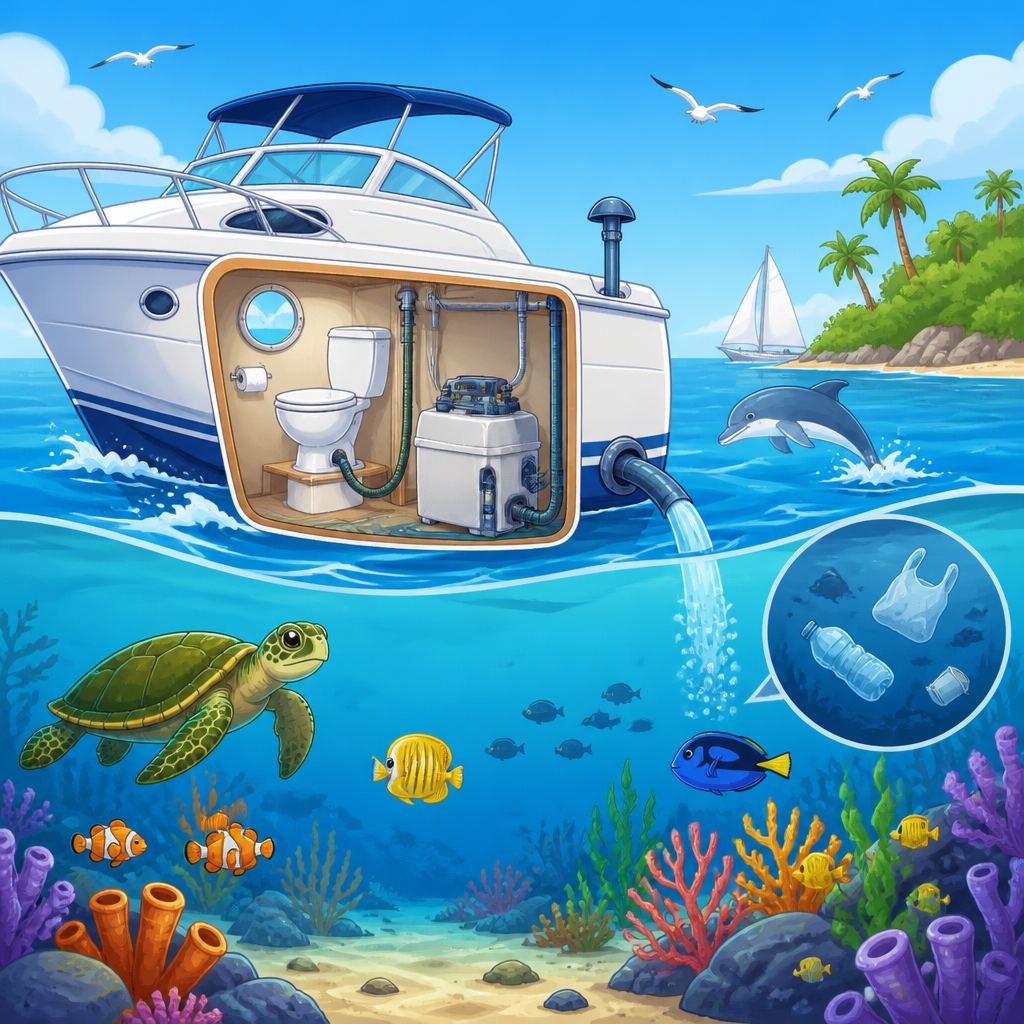
A no-discharge zone means you may not discharge sewage from your vessel into the designated waters, regardless of whether the sewage is treated by an approved onboard system. That last point causes the most confusion. Many boaters assume a Type I or Type II marine sanitation device, both recognized under Coast Guard standards, allows discharge everywhere because the waste has been treated. In an NDZ, that assumption is wrong. If the boat has a toilet connected to a holding tank or treatment device, the overboard discharge must be secured so sewage cannot be released in the zone. For most recreational vessels, compliance means using a holding tank and emptying it only at a pump-out station or beyond the waters where discharge is prohibited and otherwise lawful.
The rule applies to sewage, not all wastewater. Sewage is human body waste and the wastes from toilets and other receptacles intended to receive or retain body waste. Graywater from sinks, showers, or galleys is regulated differently depending on vessel type and location, but it still affects water quality and should be managed carefully. On smaller recreational boats, the immediate legal question is usually whether the toilet system can discharge overboard. If it can, the discharge seacock or Y-valve must typically be locked, sealed, or otherwise secured while operating in restricted waters. Coast Guard boarding officers and state enforcement personnel commonly look for that simple physical control first because it directly shows intent to comply.
No-discharge zones are established because some waters need stronger protection than the baseline national standard. States seek designation for areas where vessel sewage has a meaningful potential to degrade water quality and where adequate pump-out facilities are available. The EPA reviews those requests, and once approved, the prohibition becomes enforceable. That process is why NDZ maps can look uneven. One bay may be covered, while an adjacent waterway is not. Boaters should not guess based on appearance or remoteness. Freshwater lakes, urban harbors, shellfish areas, inland rivers, and popular anchorages can all qualify.
How sewage laws, marine sanitation devices, and pump-outs work together
To comply consistently, it helps to understand the three-part system onboard: the toilet, the treatment or storage method, and the discharge pathway. Recreational boats generally use one of three sanitation arrangements. A Type III system stores sewage in a holding tank for later pump-out, making it the most common setup for boats cruising in and around NDZs. Type I and Type II marine sanitation devices treat sewage to standards set under federal regulations, but they still discharge effluent overboard, which is why they cannot be used for overboard release inside a no-discharge zone. Portable toilets are allowed in many situations because they are self-contained and emptied ashore at approved facilities, but local requirements still matter.
In my experience, most compliance failures come from valves and habits, not from complex engineering. A boater installs a legal sanitation device, then forgets to secure the Y-valve that diverts flow overboard. Another pumps the tank before leaving the dock, assumes it is empty, and later learns the level sender was inaccurate. Others know the rules but cannot find a working pump-out when they need one. That is why good practice goes beyond meeting minimum design standards. You need a realistic waste management plan for each trip, including where you will pump out, how long your tank lasts with your crew size, and how you will confirm the system is secured before entering protected water.
| Sanitation setup | How it works | NDZ compliance approach | Best use case |
|---|---|---|---|
| Type III holding tank | Stores sewage until pumped out ashore or legally discharged where allowed | Keep overboard discharge closed and secured; use pump-out facilities | Most recreational cruising boats |
| Type I MSD | Treats sewage before discharge | No overboard discharge allowed in NDZ; secure discharge route | Boats operating mostly outside restricted waters |
| Type II MSD | Provides higher treatment standard before discharge | No overboard discharge allowed in NDZ; secure discharge route | Larger vessels with treatment equipment |
| Portable toilet | Self-contained unit emptied at approved shore facility | Retain waste onboard and empty ashore properly | Small boats and dayboats |
Pump-out systems are the backbone of lawful sewage management in no-discharge waters. A dockside pump-out removes waste from your holding tank into a shoreside treatment system, while a dump station serves portable toilets. The Clean Vessel Act has helped expand these services by supporting public pump-out access in many states, but availability and reliability still vary widely. Before a weekend cruise, I advise checking your state boating agency’s pump-out map, confirming marina hours, and identifying a backup location. That one step prevents most last-minute compliance problems, especially around holiday weekends when lines grow and portable service boats may not operate.
How to identify no-discharge zones before and during a trip
The safest assumption is that you should verify, not infer, whether your route includes a no-discharge zone. Start with your state environmental or boating agency website, because states usually maintain the most current public guidance and maps for their designated waters. Then confirm with EPA regional information if needed, especially for boundary questions. Many electronic chart systems and cruising guides include environmental notes, but they should supplement official sources, not replace them. I have seen chartplotter annotations lag behind state updates, and marina staff can be confident yet mistaken about where a zone begins. Official designation language controls.
For practical trip planning, build NDZ checks into the same workflow you use for weather, tides, and fuel. If you cruise the Chesapeake Bay, Puget Sound, Florida estuaries, the Great Lakes, or inland reservoirs with heavy recreation, expect patchwork regulation. Mark pump-out locations and NDZ boundaries on your route plan. If you captain a charter vessel or manage a club boat, make those notes visible to every operator, not just the owner. Compliance breaks down when only one person onboard understands the sanitation system or the geography of restricted water. A simple helm checklist prevents that weak point.
On the water, signage may help, but it is not guaranteed. Some NDZs are clearly marked near marinas, shellfish areas, or harbor entrances; others are not obvious at all. This is why “I didn’t see a sign” is a poor defense. Treat no-discharge zones the same way you treat speed-restricted or manatee protection areas: know the rule before arrival. If you transit from unrestricted water into a protected cove, secure the system before you cross the boundary, not after anchoring. Waiting until later invites mistakes and weakens your position if boarded.
Step-by-step compliance habits that prevent violations and pollution
Effective compliance is procedural. Before departure, inspect the head system, confirm tank capacity, and verify that every overboard discharge valve is closed and secured. “Secured” should mean more than hand-tight. Depending on the setup, use a padlock, non-releasable wire tie, or removal of the valve handle, provided the method is practical and consistent with safe operation. If your boat has a macerator pump tied to an overboard discharge, disable it in the NDZ the same way. During inspections, officers look for a physical barrier that prevents accidental or intentional discharge.
Next, brief everyone who may use the toilet. This sounds basic, but clear onboard instructions reduce both pollution and plumbing failures. Tell guests what can go into the system, how much tank capacity remains, and what to do if there is an odor or backup. “Nothing but human waste and marine toilet paper” is still the best rule for most systems. Wipes labeled flushable often clog marine hoses and pumps. Once a system backs up, some boaters make bad decisions under pressure, including illegal discharge. Prevention is cleaner and cheaper than emergency response.
While underway, track usage. Tank monitoring systems are useful, but they are often inaccurate when sensors foul. I recommend maintaining a simple estimate based on crew size and time aboard, especially on overnight trips. If your family of four typically fills half a 20-gallon tank in a weekend, do not plan a four-day holiday cruise without a pump-out stop. Build margins. Mechanical failure, rough weather, or marina closures can delay service. Responsible boating means never putting yourself in a situation where illegal discharge feels like the only practical option.
After pump-out, rinse if the facility and manufacturer guidance allow it, use approved tank treatments sparingly, and inspect fittings for leaks. Choose products intended for marine sanitation systems and avoid harsh chemicals that can damage seals or create treatment problems ashore. Keep receipts or digital records from pump-out facilities when possible. They are not universally required for recreational boats, but they help demonstrate a pattern of lawful waste management, particularly for charter operations, liveaboards, and boats that move frequently between regulated waters.
Reducing water pollution beyond sewage discharge
No-discharge zone compliance is the legal baseline for sewage, but clean boating requires a wider pollution prevention mindset. In every marina program I have supported, the most effective operators pair sewage control with graywater reduction, bilge management, fueling discipline, and trash containment. Galley wastewater can add grease, soap residue, and food scraps to crowded anchorages, so strain sink drains, wipe pans before washing, and use phosphate-free, biodegradable cleaners where appropriate. Never treat “biodegradable” as permission to dump recklessly. Breakdown rates vary, and concentrated discharges in shallow or low-flush waters still degrade quality.
Bilge water is another major issue because it often carries oil, fuel, detergents, and metal residues. Keep the bilge clean and dry, fix engine leaks promptly, and use absorbent pads made for hydrocarbons. Do not use soap to disperse oil sheen; that can violate pollution laws by sending contaminants into the water column instead of removing them. Dispose of used absorbents, filters, and maintenance waste through marina or municipal hazardous waste programs. These actions may seem separate from NDZ rules, but from a water quality perspective they are part of the same responsibility: keep pollutants on board until they can be handled properly ashore.
Solid waste management also belongs in this hub because trash often enters the water during routine boating, not dramatic accidents. Secure bins with lids, separate recyclables when local programs accept marine drop-off, and retain fishing line for proper disposal. Monofilament can entangle birds, turtles, and propellers for years. If your boat hosts groups, place waste containers where people actually sit and fish; convenience determines compliance. The same principle applies across sustainable boating: easy systems outperform good intentions.
Common mistakes, enforcement realities, and how to stay audit-ready
The most common mistake is assuming a treated discharge is acceptable everywhere. It is not in a no-discharge zone. The second is relying on memory instead of a written or digital routine. I have boarded boats for voluntary clean boating reviews where the owner fully supported environmental protection but could not say whether the Y-valve was currently set to tank or overboard. Another frequent problem is deferred maintenance: cracked vent lines, jammed valves, and failed tank sensors create uncertainty that leads to bad decisions. If you cannot verify where waste is going, your system is not compliant in any meaningful sense.
Enforcement can come from the Coast Guard, state marine patrols, harbor authorities, or environmental officers, depending on the waterbody. Fines and penalties vary, but the operational consequence is broader than the ticket. A pollution violation can affect marina relationships, charter reputation, and, in severe cases, insurance and business exposure. Staying audit-ready is straightforward. Maintain the system, secure discharge routes, know your local NDZ boundaries, keep pump-out records when available, and train anyone who operates the vessel. If you run a fleet or club, standardize labeling at every head and valve so operators do not have to interpret a different layout on each boat.
The larger benefit is not just avoiding enforcement. It is preserving the waters that make boating worthwhile in the first place. Clear coves, open shellfish beds, swimmable anchorages, and healthier habitat all depend on controlling sewage and the other routine pollutants boaters generate. Use this page as your starting point for reducing water pollution while boating: review your sanitation system, map your nearest pump-out options, and make clean-boating procedures part of every departure checklist. Compliance becomes easy when the right habits are built into every trip.
Frequently Asked Questions
What is a no-discharge zone, and how is it different from other boating sewage rules?
A no-discharge zone, or NDZ, is a body of water where boaters are prohibited from releasing any sewage from onboard sanitation systems, whether that sewage is treated or untreated. In the United States, these areas are established through a process involving the U.S. Environmental Protection Agency and state authorities. The key difference between an NDZ and general marine sanitation rules is that outside an NDZ, certain vessels with approved marine sanitation devices may be allowed to discharge treated sewage under limited circumstances. Inside an NDZ, that exception goes away. If your boat has a toilet or other onboard sanitation device, sewage must be retained in a holding tank and disposed of properly at a pump-out facility or similar approved location.
This distinction is important because many boaters assume that using a treatment device automatically makes discharge legal everywhere. It does not. NDZ rules are designed to provide stronger protection for environmentally sensitive waters, including drinking water sources, shellfish beds, swimming areas, marinas, estuaries, and other high-use recreational waters. Even when sewage has been treated, it can still introduce bacteria, nutrients, and contaminants that degrade water quality. Understanding whether you are operating in an NDZ is one of the most basic and important steps in complying with environmental laws while boating.
Why are no-discharge zones so important for environmental protection?
No-discharge zones play a major role in reducing water pollution because vessel sewage can harm waterways in several ways. Raw or inadequately managed sewage may carry pathogens, viruses, and bacteria that create health risks for swimmers, anglers, and nearby communities. It can also add excess nutrients such as nitrogen and phosphorus to the water, which may contribute to algal blooms, low oxygen levels, foul odors, and damage to fish and other aquatic life. In enclosed or heavily used waterways, even relatively small amounts of waste from multiple boats can create serious cumulative effects.
These protections matter even more in areas where water circulation is limited or where the water supports shellfish harvesting, tourism, or public drinking supplies. Treated sewage is not always harmless, especially in fragile ecosystems. NDZ regulations recognize that stricter controls are sometimes necessary to preserve water quality and public health. For boaters, compliance is not just about avoiding fines. It is also about reducing the impact of recreational and commercial boating on lakes, rivers, bays, and coastal waters that people and wildlife depend on every day.
How can I find out whether I am boating in a no-discharge zone?
The best way to determine whether you are in a no-discharge zone is to check current information from reliable official sources before and during your trip. State boating agencies, departments of environmental protection, harbor authorities, and the U.S. Environmental Protection Agency often publish NDZ maps, lists, and notices for regulated waters. Many marinas, launch ramps, and harbormasters also post local rules, including whether surrounding waters are designated as no-discharge zones. If you boat in unfamiliar areas, reviewing charts, local boating guides, and state marine sanitation regulations in advance is a smart habit.
Because boating rules can vary by location, boaters should avoid assuming that what is legal in one harbor, river, or bay is legal in another. Some NDZ boundaries are broad and cover entire water bodies, while others apply only to specific segments or protected areas. It is also wise to ask local officials or marina staff if you are uncertain, especially in places with seasonal traffic, shellfish protections, or special conservation status. When in doubt, the safest compliance approach is simple: do not discharge sewage overboard, secure your system for holding-tank use, and use an approved pump-out station as soon as practical.
What does a boat owner need to do to comply with no-discharge zone laws?
Compliance starts with understanding your vessel’s sanitation setup. If your boat has a marine sanitation device, head, portable toilet, or holding tank, you need to know exactly how waste is collected, stored, and emptied. In a no-discharge zone, sewage cannot be released from the vessel, even if your system is designed to treat waste. That generally means using a holding tank and making sure any overboard discharge valves are secured in the closed position as required by law. Depending on the vessel and jurisdiction, that may involve locking the valve, removing the handle, using a non-releasable wire tie, or taking another approved measure to prevent accidental or intentional discharge.
Boat owners should also plan ahead for pump-out access. Before departing, confirm where nearby pump-out facilities are located and whether they are operating. Keep your sanitation equipment maintained so that hoses, seals, valves, and tanks do not leak. Train everyone who uses the boat on the proper operation of the toilet and holding system, and make sure guests understand that nothing should be discharged overboard in restricted waters. Good recordkeeping can also help, especially for larger or commercial vessels. Ultimately, compliance is a combination of knowing the rules, using the right equipment, and following responsible waste-handling practices every time you are on the water.
What happens if someone violates no-discharge zone regulations?
Violating no-discharge zone regulations can lead to significant consequences, including civil penalties, citations, and enforcement actions by federal, state, or local authorities. The exact penalty depends on the jurisdiction, the nature of the violation, and whether it was accidental, negligent, or repeated. Enforcement officers may inspect marine sanitation devices, holding tanks, and discharge valves to verify compliance. If a vessel is found discharging sewage illegally, or if required equipment is not properly secured or maintained, the owner or operator may face fines and additional legal obligations.
Beyond penalties, violations can create environmental damage and reputational harm. Illegal sewage discharges may contribute to beach closures, shellfish bed contamination, and reduced water quality in areas used by the public and by marine wildlife. For charter operators, marinas, and commercial vessel owners, noncompliance can also affect customer trust and business relationships. The practical takeaway is straightforward: prevention is far easier and less costly than dealing with an enforcement case. By learning where NDZs apply, using pump-out services, and maintaining your onboard sanitation system, boaters can protect themselves legally while also helping keep waterways cleaner and safer.