Climate change is reshaping the boating industry faster than many owners, builders, and marina operators expected, and the shift is no longer limited to policy debates or distant forecasts. It is visible at launch ramps flooded by king tides, in insurance renewals that cost far more than they did three years ago, and on showroom floors where electric propulsion now sits beside gasoline outboards as a serious option. In practical terms, climate change refers to long-term changes in temperature, precipitation, storm intensity, sea level, and ocean chemistry driven largely by greenhouse gas emissions. For boating, those changes affect where people can navigate, how often they can boat safely, what equipment they need, and which business models remain profitable.
The boating industry includes recreational boaters, yacht owners, fishing guides, charter fleets, boat manufacturers, component suppliers, marinas, boatyards, insurers, and tourism businesses tied to waterways. Every part of that system depends on stable environmental conditions. When lake levels swing sharply, channels silt in, harmful algal blooms spread, or hurricanes intensify, boating becomes more expensive and less predictable. I have seen marina managers revise dredging budgets twice in one season and dealers rethink inventory because customers increasingly ask about fuel burn, battery range, and low-emission materials before they ask about upholstery colors.
This article serves as a hub for the rise of eco-friendly boating because the industry’s response is no longer optional. Sustainable boating means reducing environmental impact across the vessel lifecycle: design, manufacturing, propulsion, fuel choice, operation, maintenance, and end-of-life disposal. That includes electric boats, hybrid systems, more efficient hulls, cleaner marina infrastructure, low-toxicity bottom coatings, renewable shore power, better waste handling, and smarter navigation habits. It also includes adaptation measures such as resilient docks, weather routing, and flood planning. The key point is simple: climate change is not only damaging boating; it is accelerating innovation that is changing what responsible boating looks like.
Understanding that transition matters for buyers, fleet operators, and marine businesses because the winners will be the ones that cut operating costs, reduce regulatory risk, and align with changing consumer expectations. Younger buyers increasingly connect outdoor recreation with sustainability, while waterfront communities are tightening standards around emissions, runoff, sewage discharge, and habitat protection. At the same time, established boaters want practical answers: Which technologies work now? What costs more upfront but saves money later? Which upgrades meaningfully reduce impact without sacrificing usability? The sections below answer those questions directly and map the forces driving eco-friendly boating from niche trend to industry standard.
How climate change is disrupting boating operations and water access
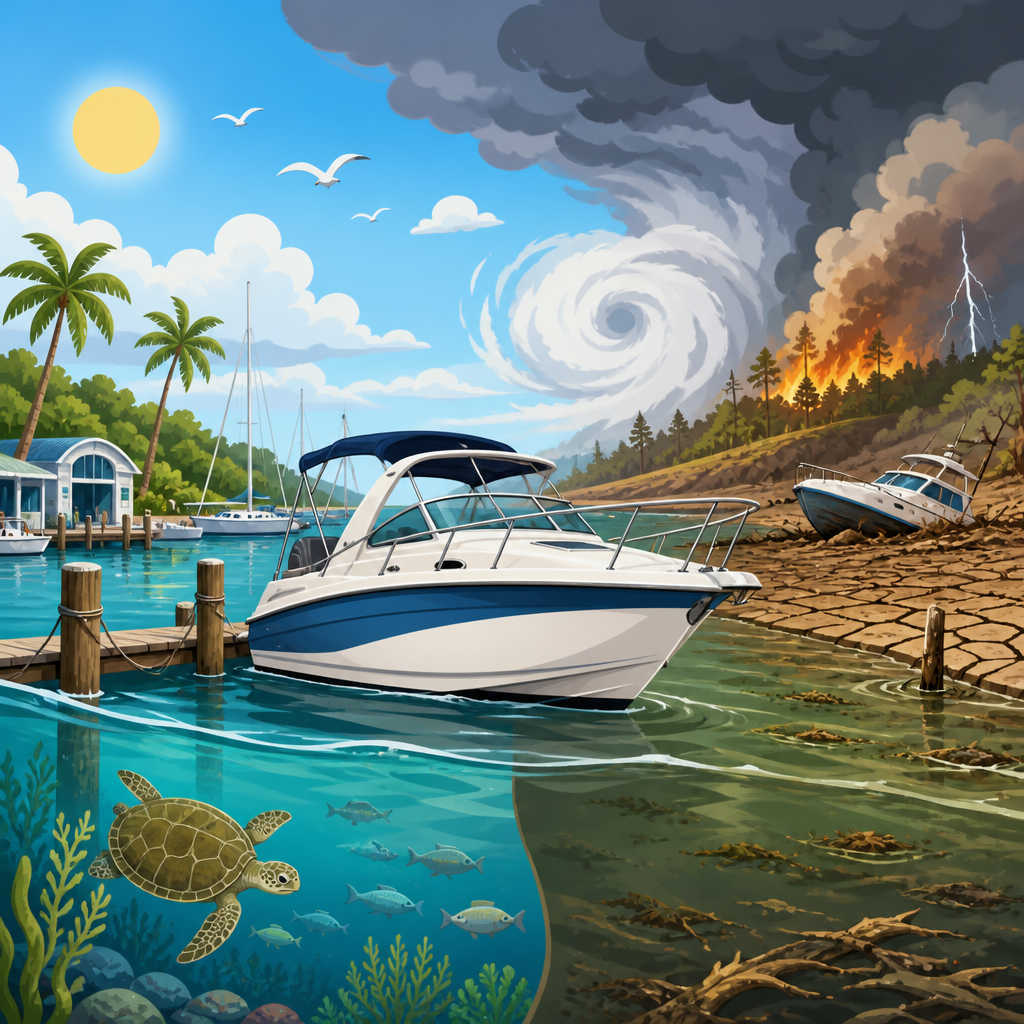
The first and most immediate impact of climate change on boating is operational disruption. Sea level rise is increasing nuisance flooding in coastal marinas, while stronger storms damage docks, lifts, fuel systems, and dry-stack buildings. The National Oceanic and Atmospheric Administration has documented a long-term increase in high-tide flooding in many U.S. coastal regions, and that matters because even minor flooding can close access roads, corrode electrical equipment, and interrupt fueling. On inland waters, prolonged drought can lower reservoir levels, exposing hazards and shortening boating seasons. In other areas, intense rainfall increases sediment and debris, requiring more dredging and channel maintenance.
Water quality is also becoming a central boating issue. Warmer water can contribute to harmful algal blooms, which restrict recreation, threaten fish populations, and create health risks for people and pets. Heavy rainfall washes more nutrients and pollutants into lakes, rivers, and estuaries, worsening turbidity and reducing oxygen levels. For anglers, charter captains, and waterfront resorts, that translates into fewer good boating days and weaker customer demand. I have worked with operators who now treat water condition alerts the way they once treated only wind forecasts, because a launchable boat does not guarantee a usable day on the water.
Insurance and financing are tightening in response. Underwriters increasingly assess hurricane exposure, flood history, haul-out plans, and marina resilience before pricing coverage. Some coastal owners face larger deductibles, named-storm exclusions, or mandatory storm preparation clauses. Lenders are similarly attentive to asset risk, especially for high-value vessels berthed in exposed regions. These changes influence purchasing decisions and encourage investment in resilient infrastructure, from floating docks designed for larger tidal variation to backup power systems that keep bilge pumps, security, and refrigeration running after severe weather.
Why eco-friendly boating is growing from trend to business necessity
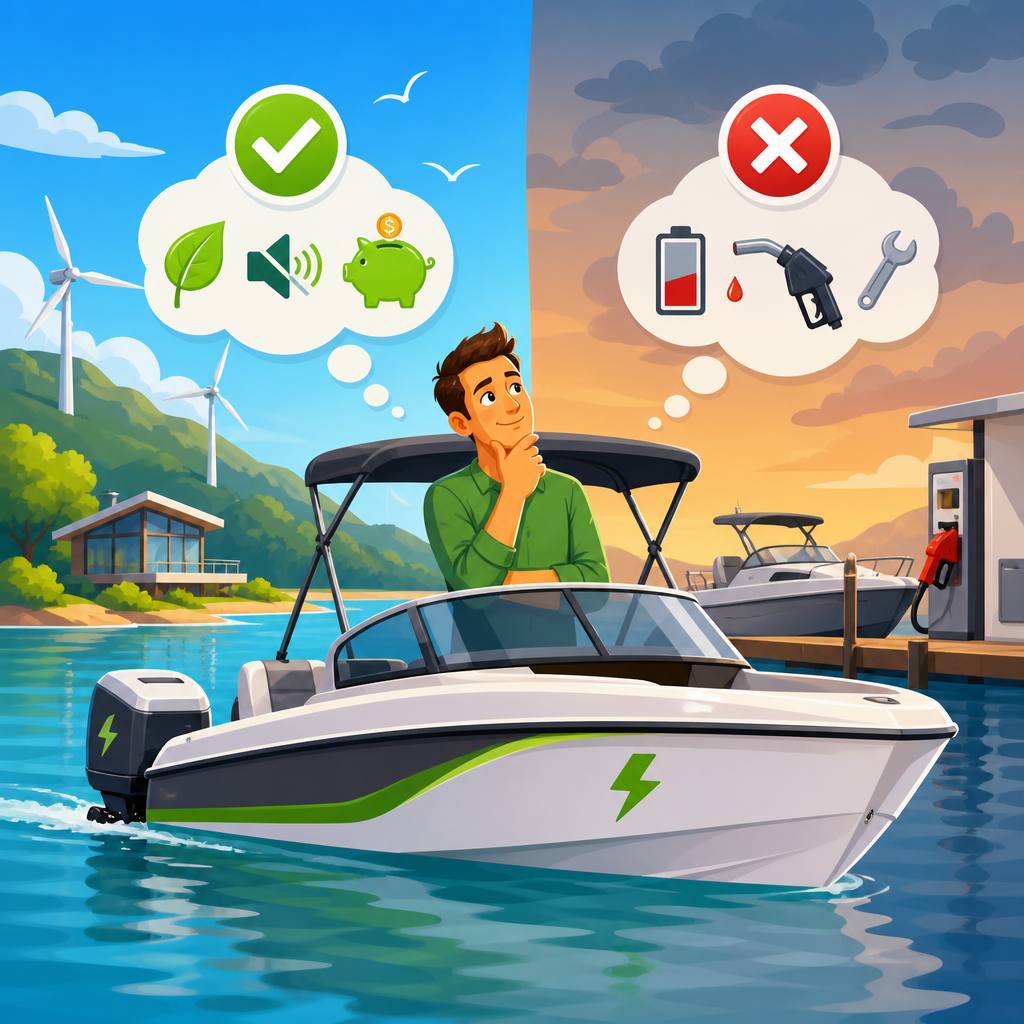
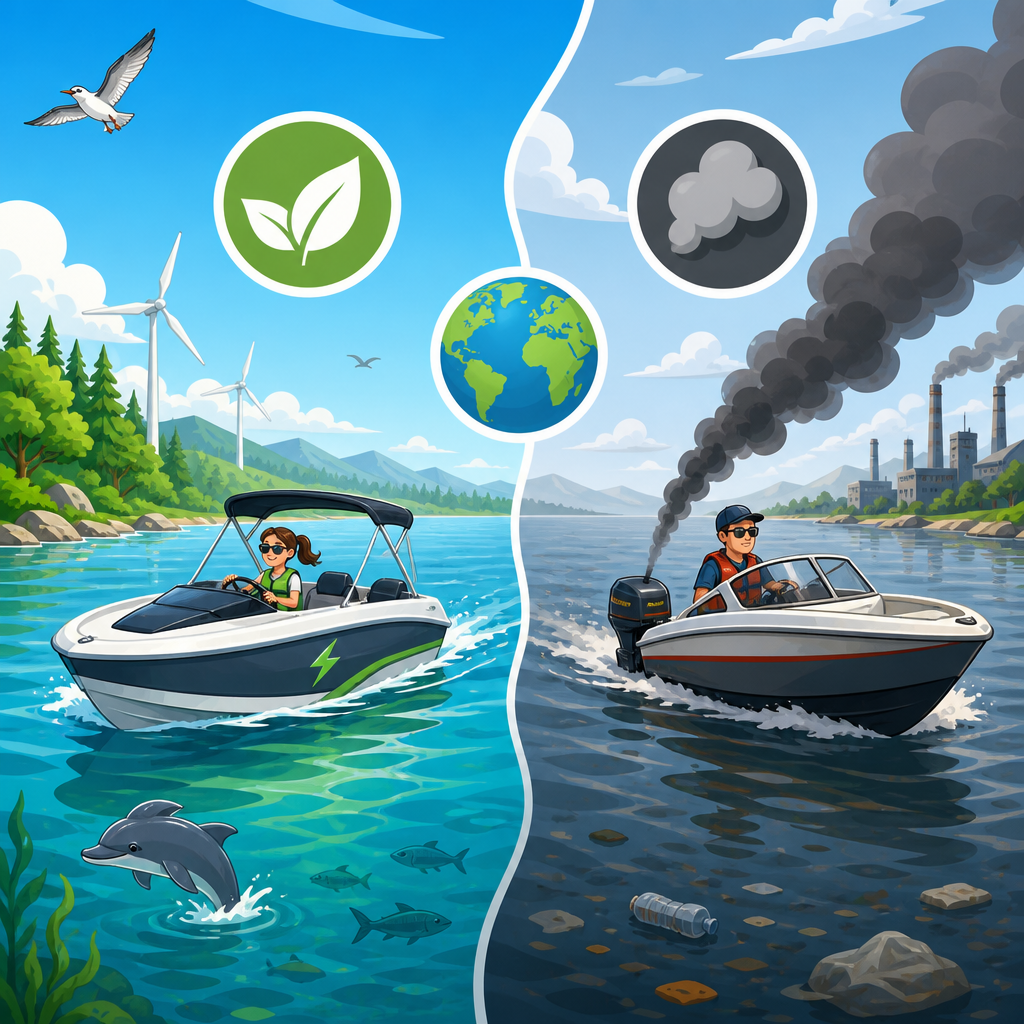
Eco-friendly boating is rising because it solves both environmental and commercial problems. Operators want lower fuel bills, quieter systems, easier maintenance, and equipment that fits future regulations. Consumers want to enjoy the water without feeling that recreation is directly worsening the ecosystems they value. Manufacturers want products that remain viable as emissions rules tighten and as urban waterways, protected lakes, and tourism-sensitive harbors favor quieter low-impact vessels. In that sense, sustainable boating is not a branding exercise. It is a risk-management and market-access strategy.
The growth pattern resembles what happened in the automotive sector a decade earlier: early adopters proved the concept, battery and power electronics improved, infrastructure slowly followed, and mainstream buyers started considering total cost of ownership rather than just sticker price. In boating, the transition is more complex because duty cycles vary widely. A small lake runabout, a harbor launch, a sailboat auxiliary motor, and a 40-foot offshore cruiser have very different energy needs. Still, the direction is clear. Electric propulsion is strongest today in short-range use cases, while efficiency improvements and lower-impact materials are spreading across nearly every category.
Policy pressure is reinforcing demand. The International Maritime Organization influences commercial shipping more directly than recreational boating, but its decarbonization agenda helps push marine suppliers toward cleaner technologies that eventually filter into smaller craft. National and local rules matter even more for leisure boating. Emissions standards for engines, no-discharge zones, restrictions on two-stroke engines in some waters, and local anti-idling or wake-management measures all reward cleaner, more efficient boats. Marinas are also adopting sustainability frameworks such as the Clean Marina program, which encourages better spill prevention, waste handling, habitat protection, and boater education.
Electric boats, hybrid propulsion, and cleaner fuels
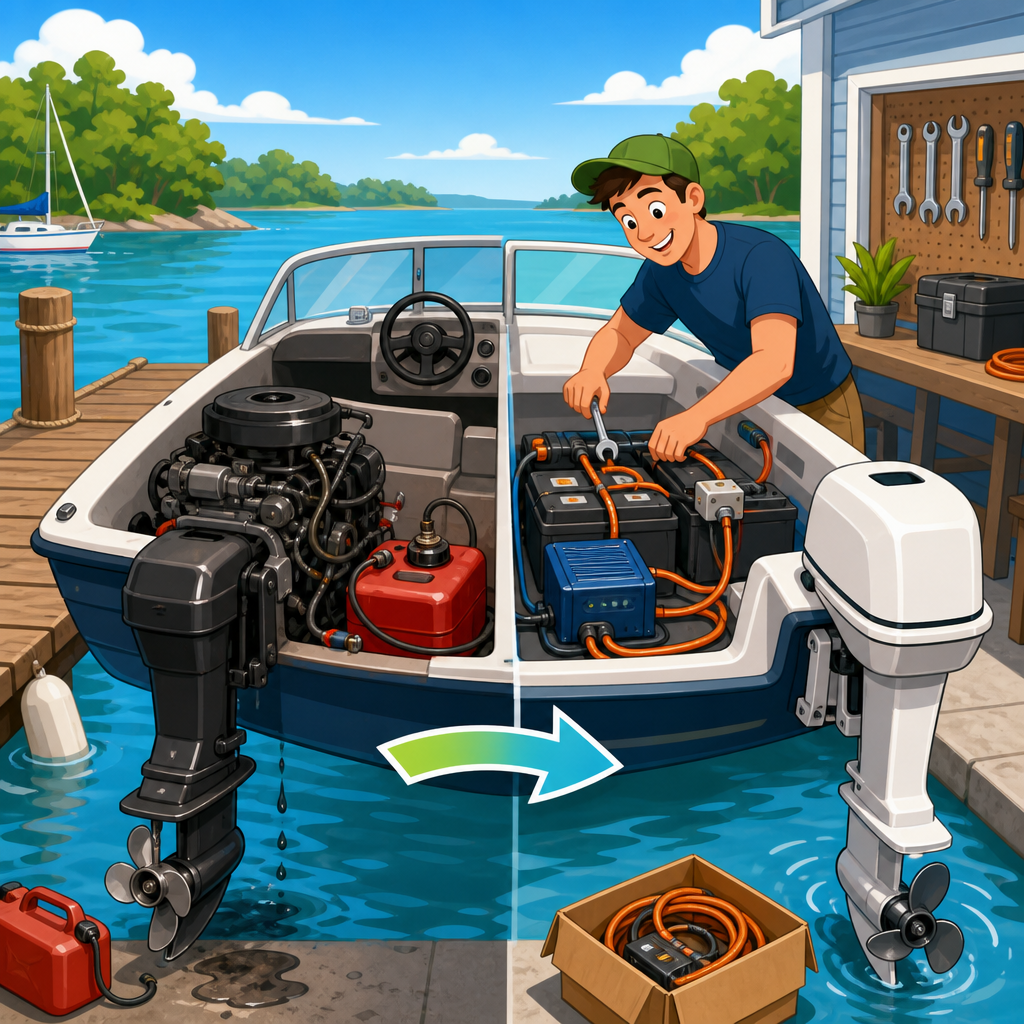
Propulsion is the most visible sign of the industry’s response to climate change. Electric boats have moved beyond novelty status in ferries, tenders, lake boats, rental fleets, and premium day cruisers. Brands such as Torqeedo, ePropulsion, Candela, and Vision Marine have shown that modern electric systems can deliver reliable torque, low noise, and minimal routine maintenance. Electric propulsion eliminates tailpipe emissions on the water and reduces vibration, which many users immediately notice. For marinas and waterfront communities, quieter operation is a meaningful benefit, particularly in sensitive habitats and dense residential areas.
The main limitation is energy density. Batteries are far heavier than liquid fuel for the same usable range, which makes full electrification most practical for shorter trips, predictable routes, and access to charging. That is why electric adoption has been strongest in club launches, rental pontoons, sailing auxiliaries, and fixed-route passenger vessels. Hybrid systems help bridge the gap for larger boats by combining battery power for low-speed operation with combustion engines or generators for range extension. In real use, hybrids can reduce fuel consumption in marinas, canals, and protected areas while preserving flexibility offshore.
Cleaner fuels are also part of the picture. Renewable diesel can reduce lifecycle emissions compared with conventional petroleum diesel while working in many existing engines, though availability and feedstock sourcing remain important considerations. Sustainable marine biofuels and, in limited pilot settings, hydrogen fuel cells are being tested as future pathways. None of these options is universal, and each has tradeoffs involving cost, infrastructure, and lifecycle analysis. The practical lesson for buyers is to match propulsion to usage: a lake commuter may be ideal for electric, a charter catamaran may benefit from hybrid hotel loads, and a long-range sportfisher still depends primarily on liquid fuel efficiency.
Design and manufacturing changes making boats more sustainable
Boat design is becoming more climate-conscious because the cleanest fuel is the fuel you do not need to burn. Naval architects are improving hull efficiency through reduced drag, lighter structures, and better weight distribution. Even modest gains matter. A hull that planes more efficiently or moves at displacement speed with less resistance can lower energy demand every hour it operates. Builders are also refining propeller selection, integrating digital trim control, and using computational fluid dynamics earlier in development to reduce losses that owners once accepted as normal.
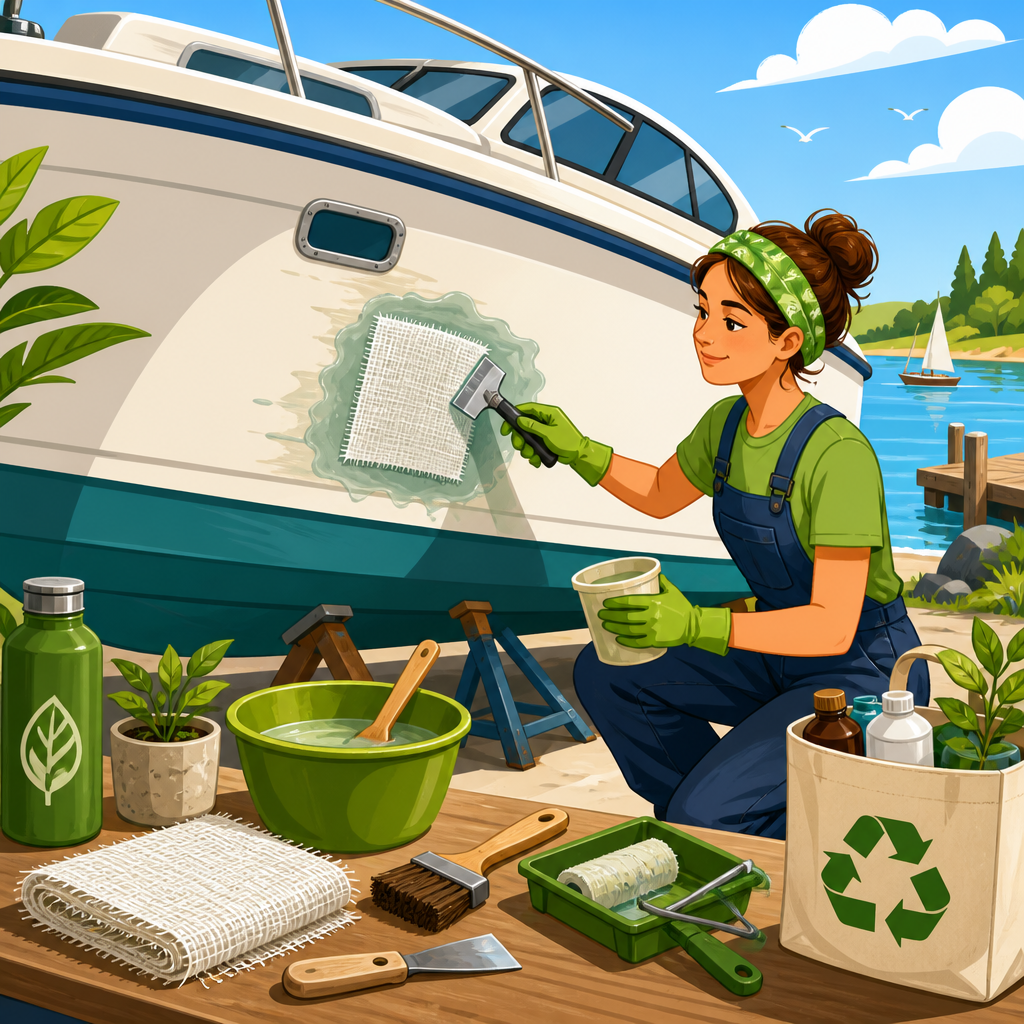
Materials are changing as well. Traditional fiberglass construction is durable but difficult to recycle at end of life. In response, some builders are testing recyclable thermoplastic composites, natural fiber reinforcements such as flax, lower-emission resin systems, and more controlled lamination processes that reduce volatile organic compound exposure in factories. Sustainable manufacturing also includes practical shop-floor improvements: closed-mold infusion, better dust extraction, renewable electricity, water recycling, and precise cutting systems that reduce waste. These changes may be invisible to buyers, but they improve environmental performance and often produce more consistent build quality.
Interior and deck components are part of the sustainability equation too. Recycled marine flooring, responsibly sourced teak alternatives, low-VOC adhesives, and longer-lasting upholstery reduce lifecycle impact. Suppliers such as Garmin, Navico, and Mastervolt are supporting efficiency through integrated electronics that help owners monitor battery state, power draw, route planning, and charging. Smart energy management is especially important on hybrid and electric boats because range confidence depends on accurate data. The broader trend is clear: sustainability in boating now extends from the hull shell to the software controlling onboard systems.
Marinas, maintenance, and the shore-side systems that matter
Boats do not operate in isolation, so eco-friendly boating depends heavily on marinas and maintenance practices. Shore power upgrades, EV-style marine charging, solar canopies, stormwater controls, and modern pump-out facilities all reduce impact while improving customer service. A well-run marina prevents fuel spills, contains wash-down runoff, stores hazardous materials correctly, and uses native shoreline buffers to limit erosion. Those operational details matter as much as the boat itself because pollution often occurs during fueling, cleaning, painting, and bilge management rather than underway.
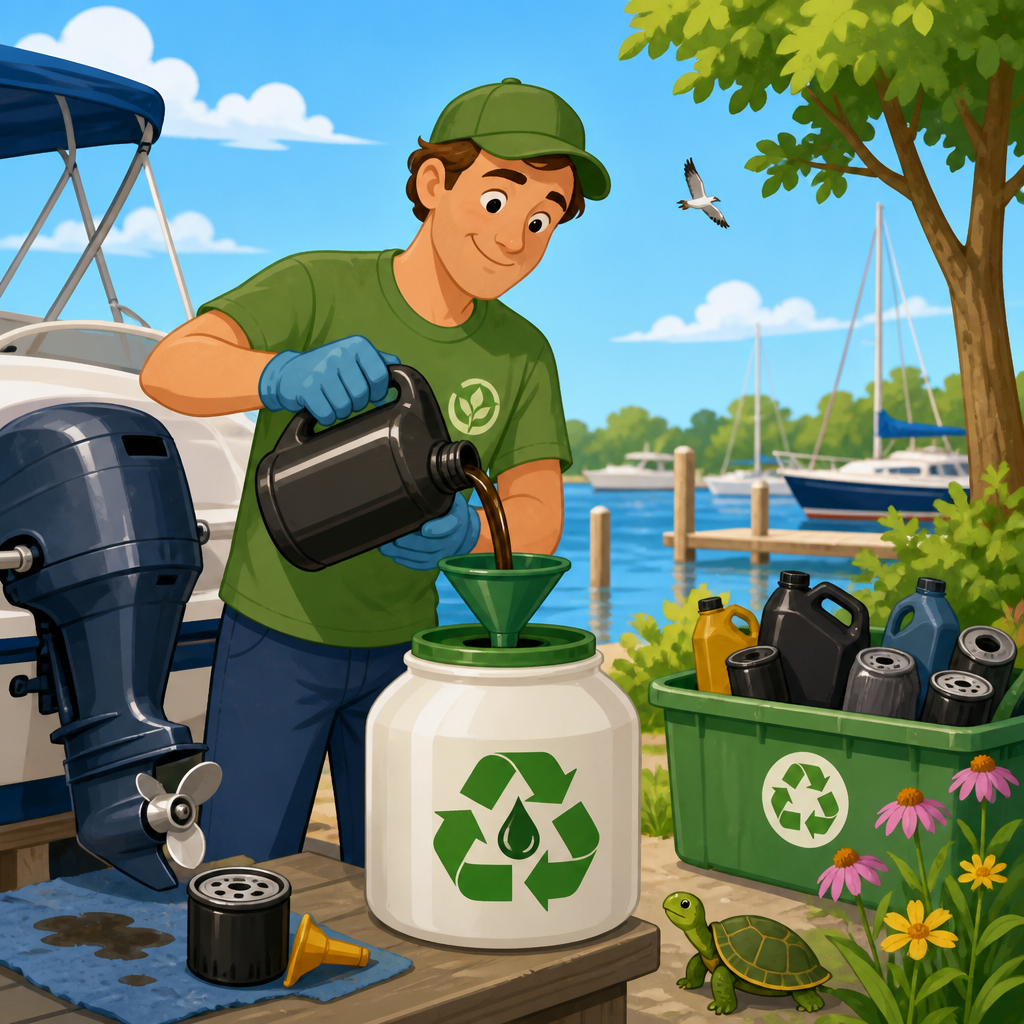
Maintenance choices strongly affect emissions and water quality. Efficient engines perform best when props are undamaged, hulls are clean, and filters, plugs, and injectors are serviced on schedule. Fouled hulls increase drag, which increases fuel use. Antifouling coatings present a tradeoff: they improve efficiency by limiting marine growth, but some formulations release biocides that can harm aquatic life. Many boatyards now recommend lower-toxicity coatings matched to local conditions and cleaning schedules that reduce excessive chemical release. Likewise, biodegradable cleaners, proper oil disposal, and vacuum-assisted sanding are straightforward ways to cut harm without compromising boat care.
| Boating area | Conventional practice | Eco-friendly alternative | Main benefit |
|---|---|---|---|
| Propulsion | Gasoline or diesel only | Electric or hybrid systems | Lower emissions, less noise, less maintenance |
| Dock power | Grid power without monitoring | Smart metering with solar support | Reduced energy waste and lower operating cost |
| Hull care | Harsh cleaners and reactive scraping | Low-toxicity coatings and scheduled cleaning | Better efficiency with less water pollution |
| Waste handling | Limited pump-out and mixed disposal | Pump-out access and separated recycling | Cleaner water and easier compliance |
Resilience upgrades are becoming standard shore-side investments. Marinas are raising electrical pedestals, using floating dock systems with stronger guide piles, hardening fuel infrastructure, and revising emergency plans for storms and wildfire smoke. These measures are not purely defensive. They protect revenue by reducing downtime and reassure insurers and customers that facilities can operate safely under more volatile conditions. As climate pressures rise, the most competitive marinas will be the ones that combine environmental stewardship with reliable service continuity.
What boat buyers, fleet operators, and brands should do next
The best response to climate change in boating is a staged, evidence-based plan. For individual buyers, that starts with an honest usage profile: average trip length, cruising speed, charging access, passenger load, and seasonal weather exposure. Those factors determine whether electric, hybrid, or high-efficiency combustion makes the most sense. Buyers should ask for real performance curves, not marketing estimates, and compare total ownership costs including fuel, maintenance, winter storage, insurance, and battery replacement intervals. A cheaper boat with poor efficiency often becomes more expensive within a few seasons.
Fleet operators should look first at routes and dwell time. Rental fleets, water taxis, yacht clubs, and hospitality operators often have the most favorable conditions for electrification because they return to base regularly and can schedule charging. They also benefit more quickly from reduced noise and simpler maintenance. Brands, meanwhile, should treat sustainability as a product architecture issue rather than a special edition. That means designing boats around modular energy systems, serviceable components, lighter structures, and digital monitoring from the start. It also means training dealer networks so they can explain charging, battery care, corrosion control, and realistic range in plain language.
The central takeaway is that climate change is pressuring the boating industry from both ends at once: environmental conditions are becoming harder to manage, and market expectations are rising. The rise of eco-friendly boating is the industry’s practical answer. Cleaner propulsion, efficient design, responsible marina operations, and smarter maintenance already deliver measurable benefits in fuel savings, lower noise, regulatory readiness, and better protection of the waters people use for recreation and work. If you are evaluating your next boat, marina upgrade, or fleet strategy, start with the highest-impact changes first and build a boating plan that performs well in a changing climate.
Frequently Asked Questions
How is climate change affecting day-to-day boating conditions?
Climate change is making everyday boating less predictable and, in many regions, more difficult to plan around. Warmer air and water temperatures can alter wind patterns, increase the intensity of storms, and extend seasons for harmful algae blooms, all of which affect when and where people can safely boat. Many boaters are also seeing more frequent tidal flooding at ramps, docks, and marina parking areas, especially during king tides and heavy rain events. In some places, lower water levels caused by drought can reduce access to lakes, rivers, and reservoirs, while in other areas rising water and shoreline erosion are damaging infrastructure.
For recreational boaters, this means more last-minute schedule changes, more attention to weather windows, and potentially higher maintenance demands. Rougher conditions can put additional stress on hulls, engines, electronics, and mooring systems. Saltwater intrusion and prolonged humidity can also speed up corrosion and mold issues. Commercial operators, charter businesses, and fishing fleets face even greater pressure because cancellations, route changes, and shorter safe operating windows directly affect revenue. In short, climate change is not just a future concern for boaters; it is already changing the practical realities of launching, navigating, storing, and maintaining a vessel.
Why are boating insurance costs rising in many areas?
Boating insurance costs are rising largely because insurers are reassessing risk in a climate that produces more frequent and more severe weather-related losses. Hurricanes, coastal flooding, storm surge, inland flash flooding, wildfire exposure near storage yards, and hail damage all contribute to larger claims and a more expensive underwriting environment. When insurance companies experience repeated losses in coastal or storm-prone regions, they often respond by raising premiums, increasing deductibles, limiting coverage, or pulling back from certain markets entirely.
Boat owners are especially feeling this shift in areas vulnerable to hurricanes and tidal flooding, where insurers may require stricter documentation, updated surveys, named-storm haul-out plans, or proof that a vessel is stored in a lower-risk location during peak storm season. Older boats can face even more scrutiny because replacement parts, labor, and repair timelines have all become more expensive. Marina operators and marine businesses are also seeing liability and property insurance climb, which often leads to higher slip fees, storage rates, and service costs passed on to customers. The broader takeaway is that climate change is influencing not only physical boating conditions but also the financial structure around boat ownership and marine operations.
What challenges does climate change create for marinas, docks, and waterfront infrastructure?
Marinas and waterfront facilities are on the front lines of climate-related disruption because they are directly exposed to rising seas, stronger storms, shifting water levels, and shoreline erosion. Docks, piers, pilings, fuel systems, boat lifts, electrical hookups, and drainage networks are all vulnerable when flooding becomes more common or storm surge pushes beyond historical norms. Infrastructure that was designed decades ago may no longer be adequate for today’s water conditions, let alone conditions expected over the next 10 to 20 years.
As a result, marina owners are increasingly being forced to invest in adaptation measures such as floating docks, elevated electrical systems, reinforced seawalls, improved stormwater drainage, stronger mooring equipment, and redesigned haul-out and storage areas. These upgrades can be expensive, and in some locations they are complicated by permitting requirements, environmental regulations, and limited space for expansion. The operational impacts are significant as well. Flooded parking lots, damaged gangways, unreliable utilities, and sedimentation in channels can interrupt service, reduce occupancy, and create safety concerns. For customers, that can mean longer waiting lists, higher slip costs, temporary closures, and fewer convenient access points to the water. Climate resilience is quickly becoming a core business issue for marinas rather than an optional long-term improvement.
Is climate change accelerating the shift toward electric and more efficient boats?
Yes, climate change is helping accelerate interest in electric propulsion, hybrid systems, and more fuel-efficient boat designs, although the pace varies by boat type and use case. As consumers, manufacturers, and regulators pay more attention to emissions, fuel costs, and environmental impact, electric boats are moving from niche products into more mainstream segments such as tenders, small fishing boats, lake cruisers, rental fleets, and short-range recreational craft. Advances in battery technology, quieter operation, lower routine maintenance, and the appeal of cleaner boating are all making these options more attractive.
That said, the transition is not uniform across the industry. Larger offshore boats, high-horsepower applications, and long-distance cruising still present major range, charging, and power-density challenges. Even so, climate concerns are influencing innovation well beyond full electrification. Builders are improving hull efficiency, reducing weight with advanced materials, integrating smarter energy management systems, and designing boats to work better with alternative propulsion technologies. Marinas are also beginning to evaluate charging infrastructure alongside traditional fueling systems. In practical terms, climate change is shaping both consumer expectations and product development, pushing the industry toward cleaner, quieter, and more efficient solutions even where full electrification is not yet realistic.
What can boat owners and marine businesses do to adapt to climate change right now?
Boat owners and marine businesses can take several practical steps immediately, and the most effective approach usually combines risk reduction, maintenance planning, and long-term investment. For individual owners, that starts with reviewing where and how the boat is stored, whether dock lines and fenders are appropriate for more extreme conditions, and whether the vessel has a realistic storm preparation plan. It is also smart to inspect bilge pumps, batteries, seals, electronics, and corrosion-prone components more frequently, especially in areas experiencing repeated flooding, higher humidity, or hotter temperatures. Keeping insurance coverage current, documenting the vessel’s condition, and understanding policy exclusions are also increasingly important.
For marinas, dealers, builders, and service yards, adaptation often involves both operational and capital decisions. Businesses may need to update emergency procedures, elevate critical equipment, improve drainage, harden utilities, diversify revenue streams around weather disruptions, and reassess site vulnerability over the next decade rather than just the next season. Builders can respond by designing boats for efficiency, durability, and lower emissions, while rental and charter operators can use better forecasting tools and more flexible scheduling policies to reduce weather-related losses. Perhaps most importantly, the industry benefits from treating climate change as a present-day management issue rather than a distant environmental topic. Organizations that plan early are generally better positioned to protect assets, control costs, maintain customer trust, and stay competitive as boating conditions continue to evolve.