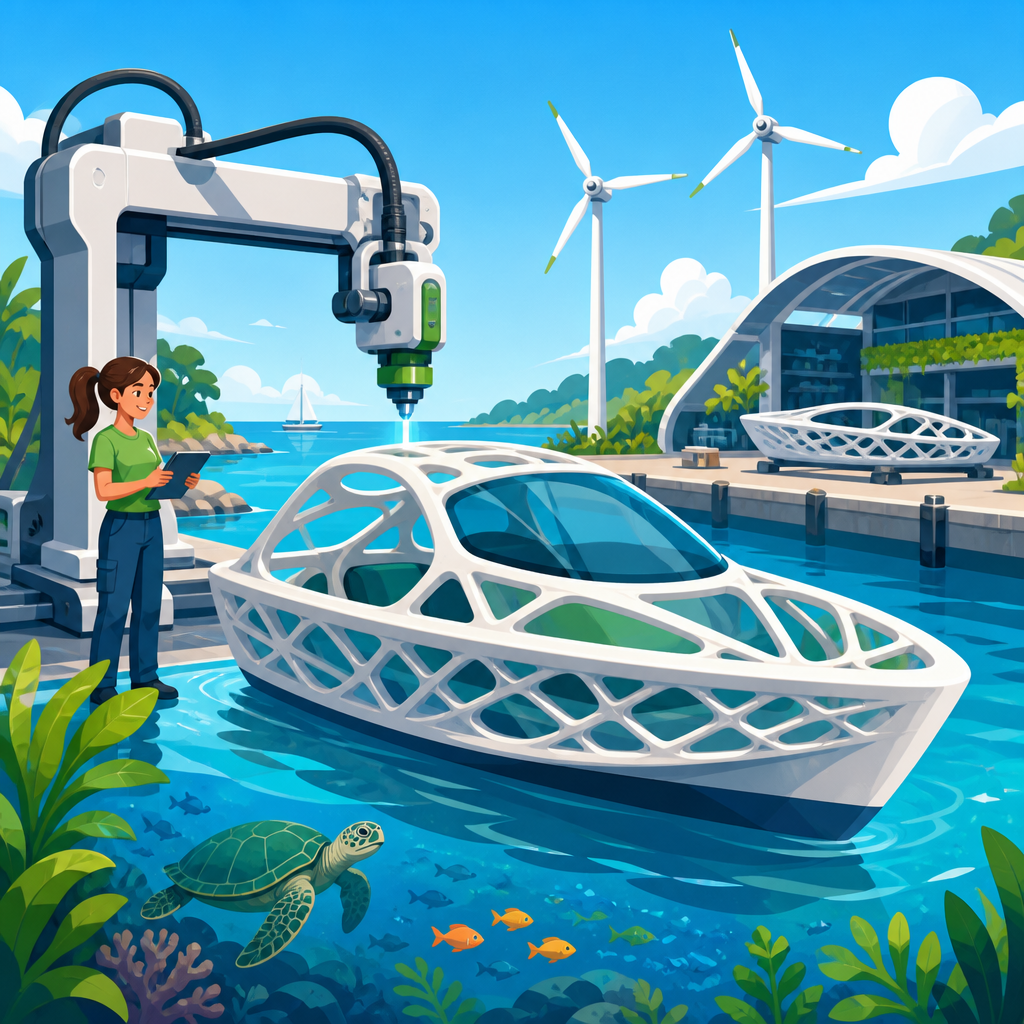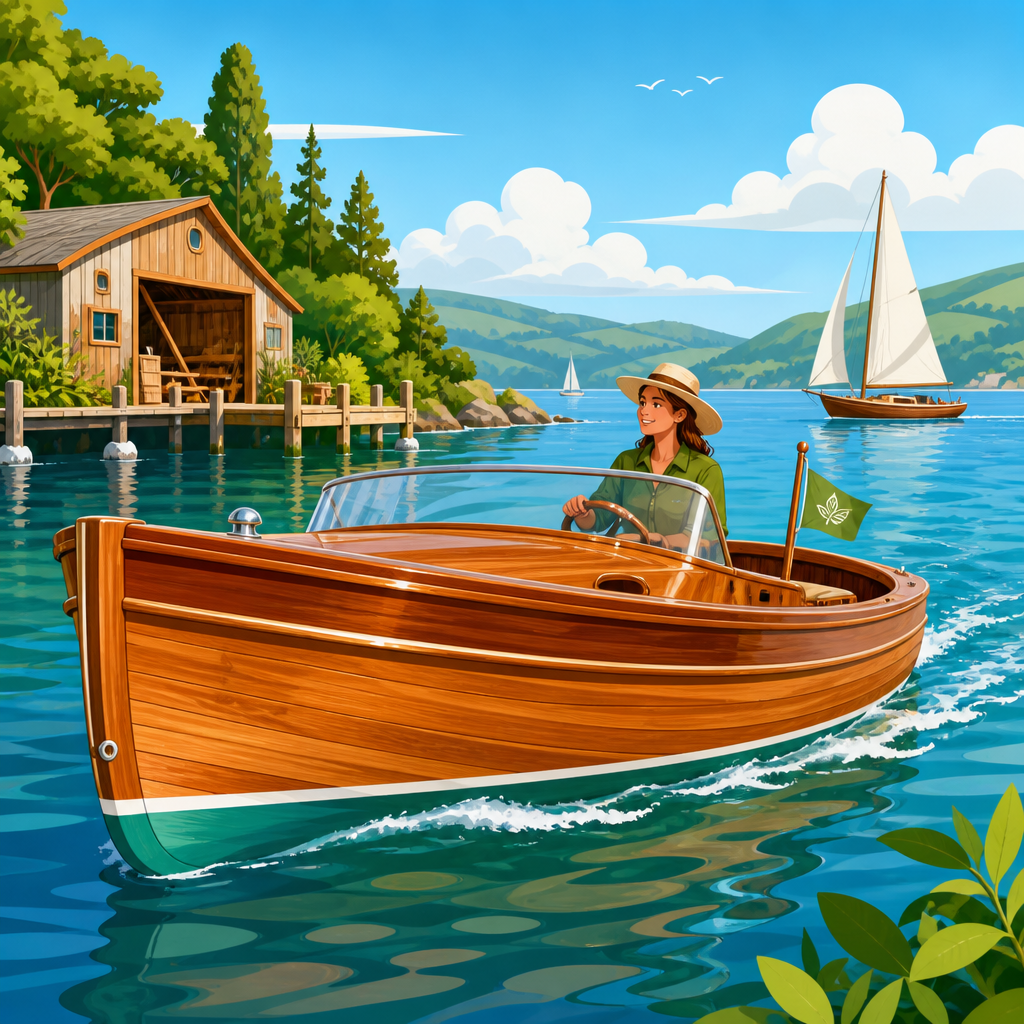
Wooden boats are making a comeback in sustainable boating because they solve a modern problem with an old material: how to build durable, beautiful vessels with lower environmental impact than many fiberglass and aluminum alternatives. In practical terms, sustainable boat design means reducing embodied carbon, limiting toxic inputs, extending service life, and making repairs possible without replacing entire hulls. Sustainable boat materials are the substances and systems used to achieve those goals, including responsibly harvested timber, low-VOC coatings, recycled metals, natural fiber composites, electric propulsion integration, and designs that use less fuel under sail or power. I have worked around refits, yard maintenance plans, and material-selection decisions long enough to see one pattern clearly: owners who choose wood wisely are not buying nostalgia alone. They are often choosing a repairable structure, a lower-waste lifecycle, and a boat that can stay in service for decades instead of being discarded when a laminate or molded component fails. That matters for boatyards, coastal communities, and buyers trying to reduce lifetime environmental cost without giving up seaworthiness, safety, or resale value.
The renewed interest in wooden boats is also tied to a broader shift in marine construction. For years, the default small-craft conversation centered on fiberglass because it was cheap to mass-produce, easy to shape, and familiar to insurers and brokers. But fiberglass production depends on petrochemicals, resin systems, and energy-intensive manufacturing, and end-of-life disposal remains a stubborn problem. By contrast, timber stores carbon during its growth phase, can often be sourced regionally, and fits a maintenance culture based on inspection, repair, and replacement of parts rather than scrapping entire assemblies. That does not mean every wooden boat is automatically sustainable. Species selection, forestry certification, adhesive chemistry, protective coatings, and design details all determine whether a build truly reduces impact. This article serves as a hub for sustainable boat design and materials, explaining why wood is returning, where it performs best, how modern builders combine tradition with technology, and what boat owners should evaluate before choosing timber, hybrid construction, or another eco-conscious path.
Why Wooden Boats Fit Sustainable Boat Design Today
Wood fits sustainable boat design because it aligns with four principles that matter in marine lifecycle assessment: renewable sourcing, carbon storage, repairability, and graceful aging. A plank, frame, or cold-molded panel can be repaired locally by a skilled yard using common tools, whereas cracked fiberglass structures often require specialized resins, dust control, and larger cutouts than owners expect. In my experience, this repairability is where wood gains its strongest practical advantage. A sprung plank, rotten sheer clamp, or damaged rubrail is serious, but it is usually visible, diagnosable, and sectional. A wet cored laminate can hide damage for years, then force an expensive rebuild that sends large composite sections to landfill.
Wood also supports lower-energy production at the material stage. The exact footprint varies by species, drying method, transport distance, and milling, but sawn timber generally requires less fossil-fuel input than primary aluminum or glass-reinforced plastic. Builders using Forest Stewardship Council-certified timber can document chain of custody and avoid illegal or destructive logging practices. Durable species such as white oak, Douglas fir, larch, sapele, and Accoya each bring different tradeoffs in rot resistance, dimensional stability, density, and cost. In small workboats, tenders, daysailers, and custom cruising yachts, thoughtful timber selection can produce a hull that lasts for generations if moisture management and ventilation are handled correctly.
Another reason for the comeback is performance. Modern wooden boats are not limited to heavy displacement classics. Strip-planked cedar epoxy hulls, cold-molded veneers, and wood-composite sandwich panels can achieve excellent strength-to-weight ratios. Designers can tune stiffness, weight distribution, and hull shape with surprising precision. That means less fuel burn in powerboats, lively performance in sailboats, and easier trailering for smaller craft. Sustainability in boating is not only about the origin of a material; it is also about how much energy a boat consumes over decades of use. Lightweight, efficient wooden construction directly affects that equation.
How Modern Wooden Boat Building Differs From Traditional Construction
When people imagine wooden boats, they often picture caulked carvel planking, steam-bent frames, and constant bilge pumping. Traditional methods still have their place, especially in heritage restorations and certain working craft, but the current comeback is driven largely by modern methods that improve dimensional stability and reduce maintenance. The most important techniques include glued lapstrake, strip planking, cold molding, and engineered timber systems that use marine-grade adhesives and protective encapsulation.
Cold-molded construction layers thin veneers diagonally over a mold, bonding them with epoxy to create a monocoque shell. This produces a strong, stiff hull with fewer fastener problems than conventionally planked boats. Strip planking uses narrow cedar or similar strips edge-glued over molds, then reinforced with fiberglass cloth and epoxy inside and out. Purists sometimes object that this is not “real” wood boatbuilding, but from a sustainability standpoint the key question is lifecycle performance. If a strip-planked hull uses less raw material, lasts longer, and remains repairable, it deserves serious consideration.
Builders also now use moisture meters, thermal imaging, CAD fairing, CNC-cut parts, and vacuum bagging to increase accuracy and reduce waste. A modern wooden build can have tighter tolerances than many older fiberglass production boats. Encapsulation systems, when applied correctly, slow moisture cycling and reduce rot risk. The caveat is important: encapsulation is not a magic shield. Water intrusion around poorly bedded hardware, chainplates, fasteners, or deck fittings can trap moisture where owners cannot see it. Good detailing, inspection hatches, and disciplined maintenance remain essential.
Comparing Wooden Boats With Fiberglass, Aluminum, and Composite Options
Wood is not the only sustainable boat material worth considering. A realistic hub article has to compare it with the alternatives owners are evaluating today. Fiberglass dominates the recreational market because tooling costs are spread across many hulls, shapes are repeatable, and routine cosmetic upkeep is relatively straightforward. Its environmental weaknesses are embodied carbon, difficult recycling, styrene emissions during production, and landfill-heavy end-of-life pathways. Aluminum offers excellent recyclability and impact resistance, making it attractive for expedition craft and workboats, but primary aluminum production is energy intensive and corrosion management requires knowledge and discipline. Advanced composites can cut weight dramatically, yet they often depend on expensive, energy-intensive fibers and remain challenging to recycle.
| Material | Main Sustainability Strength | Main Limitation | Best Fit |
|---|---|---|---|
| Responsibly sourced wood | Renewable, repairable, stores carbon | Needs moisture control and skilled upkeep | Custom builds, sailboats, tenders, classic restorations |
| Fiberglass | Long service life, low-cost mass production | Difficult end-of-life disposal and petrochemical inputs | Production recreational boats |
| Aluminum | Highly recyclable and very durable | High production energy and galvanic corrosion risk | Workboats, expedition cruisers |
| Hybrid composites | Low weight and strong performance potential | Complex recycling and higher material footprint | High-performance craft |
In real-world yards, the decision usually comes down to use case, local skills, and owner behavior. A neglected wooden boat will decline faster than a neglected aluminum skiff. A well-built timber yacht maintained on schedule can outlast multiple lower-cost production boats. Sustainability is not only embedded in the material; it is expressed through maintenance culture, access to craftspeople, and whether the vessel stays useful instead of becoming waste.
Responsible Timber, Coatings, and Adhesives: The Details That Matter
If wood is going to be part of sustainable boat materials, sourcing and chemistry cannot be afterthoughts. The best builders start with certified or demonstrably well-managed timber. FSC certification is widely recognized, but buyers should also ask about local forestry rules, transport distance, kiln-drying practices, and whether a substitute species could reduce pressure on tropical hardwoods. Teak is the obvious example. It remains desirable for decks because of its oils and weather resistance, yet plantation supply, legality, and transport impacts vary widely. In many cases, modified woods such as Accoya or thermally modified ash provide a more responsible solution for exterior joinery.
Adhesives and coatings matter almost as much as the timber itself. Epoxy transformed modern wooden boatbuilding by enabling strong bonds and sealed surfaces, but not all systems have the same environmental and occupational profile. Builders should look for low-VOC products where possible, proper mixing controls, and dust extraction during sanding. Traditional solvent-heavy coatings can create significant emissions, while newer marine paints and waterborne systems can lower exposure without sacrificing durability in every application. The right choice depends on UV load, abrasion, immersion cycles, and ease of touch-up.
Hardware bedding compounds, antifouling strategies, and sacrificial wear surfaces are part of the same sustainability discussion. A beautifully built wooden hull can lose its environmental advantage if it depends on coatings that fail quickly or require frequent toxic stripping. Copper-based antifouling remains common, but foul-release coatings, regular hull cleaning, and local regulatory compliance should all be considered. Sustainable design is not a single material choice. It is a chain of decisions from forest to launch ramp to haul-out yard.
Where Wooden Boats Excel in Real-World Use
Wooden boats make the most sense where efficiency, craftsmanship, and longevity can be fully used. Small sailing dinghies, rowing boats, pocket cruisers, classic motor launches, and custom passagemakers are strong candidates. In these categories, weight savings, hull quietness, and aesthetic value combine with practical benefits. Wood damps vibration better than aluminum, often feels warmer and less echo-prone aboard, and can be shaped for elegant, easily driven hulls. I have seen owners of cedar strip tenders keep them in service for decades with little more than seasonal varnish touch-ups, careful storage, and occasional fiberglass patch repairs.
Commercial examples exist as well. In Scandinavia, the Pacific Northwest, and parts of New England, wooden fishing craft and workboats remain in operation because local yards know how to maintain them economically. Heritage tourism has also helped sustain the trade, but the comeback is not just sentimental. Electric dayboats and harbor launches increasingly use timber or wood-hybrid construction because quiet propulsion pairs naturally with efficient, lightweight hulls. A low-wake electric launch built from certified timber sends a different environmental signal than a disposable plastic-feeling rental boat, and many waterfront operators understand that customers notice the difference.
Wood can also extend the life of existing boats through partial rebuilds rather than complete replacement. Deckhouses, cockpit soles, spars, and interior structural elements can be renewed in timber using better detailing than the original build. Refit culture is one of the least appreciated parts of sustainable boating. The greenest boat is often the one already afloat, improved with smarter materials and better systems instead of abandoned for a new hull.
The Limits, Costs, and Maintenance Reality Owners Should Understand
Wooden boats are not a universal answer, and credible advice has to say that plainly. Maintenance is real. Moisture intrusion, UV damage, fastener corrosion, fungal decay, and neglected ventilation can destroy value quickly. Buyers should commission a marine surveyor with timber-boat experience, not just general brokerage familiarity. Sounding, moisture readings, fastener inspection, frame condition, glue-line integrity, and deck-core assessment all matter. Insurance can also be more nuanced, especially for older planked boats without clear refit records.
Cost is another point of confusion. A production fiberglass boat may be cheaper to purchase initially, while a custom wooden boat may hold value because it occupies a niche market with craftsmanship appeal. Labor drives the economics. Skilled shipwright time is expensive, but that same skill allows targeted repairs instead of whole-structure replacement. Owners who can perform preventive care themselves often make wooden ownership far more affordable. Dry storage, breathable covers, prompt rebedding of deck hardware, and annual coating inspection prevent the expensive failures that give wood an unfair reputation.
The honest takeaway is that sustainable boating is inseparable from owner discipline. If an owner wants zero involvement, wood is rarely the best choice. If an owner values stewardship, understands inspection routines, and plans for long-term use, wood can be one of the most responsible materials available.
How This Topic Connects to the Wider Sustainable Boating Conversation
As a hub for sustainable boat design and materials, wooden boats belong in a bigger framework. Material choice affects propulsion efficiency, marina practices, haul-out frequency, paint selection, interior air quality, and eventual resale or reuse. Readers exploring this topic should also look at electric and hybrid propulsion, life-cycle analysis in boatbuilding, recycled and bio-based composites, low-toxicity antifouling systems, and retrofit strategies for older hulls. Those subjects are connected, not separate. A timber sailboat with an efficient auxiliary, LED electrical loads, and durable low-VOC finishes is a complete sustainability strategy, not a collection of isolated upgrades.
The comeback of wooden boats shows that progress in marine design does not always mean moving farther from traditional materials. Sometimes it means using established materials with better science, better forestry, better coatings, and clearer lifecycle thinking. That is why wood now sits at the center of serious conversations about sustainable boat materials rather than at the edge as a heritage curiosity. It offers a path that is technically credible, visually compelling, and environmentally defensible when executed well.
For boat owners, designers, and yards, the main lesson is simple: evaluate the whole lifecycle, not just the launch-day shine. Wooden boats can reduce waste, store carbon, support repair culture, and deliver efficient performance, but only when sourcing, design detailing, and maintenance are handled professionally. If you are building, buying, or refitting within the eco-friendly and sustainable boating space, start with the material decisions that shape every other outcome. Use this hub as your foundation, then explore the related topics that turn sustainable intent into a boat that performs well and lasts.
Frequently Asked Questions
Why are wooden boats becoming popular again in sustainable boating?
Wooden boats are gaining attention again because they align well with the core goals of sustainable boating: lower embodied carbon, longer service life, repairability, and reduced dependence on energy-intensive industrial materials. Unlike fiberglass, which is petroleum-based and difficult to recycle at the end of its life, responsibly sourced wood is a renewable material that stores carbon during tree growth and typically requires less energy to process into boatbuilding components. That makes it attractive to boat owners, designers, and builders who want to reduce environmental impact without giving up performance or craftsmanship.
There is also a practical reason behind the comeback. Modern boaters are increasingly questioning materials that are cheap to produce but costly to maintain, difficult to repair properly, or likely to end up in landfills. Wooden boats offer a different model. Many can be repaired section by section rather than discarded when one area is damaged. This can dramatically extend the usable life of the vessel and reduce waste over time. In addition, advances in marine coatings, adhesives, fasteners, and design methods have improved the durability and reliability of wooden construction, helping today’s wooden boats compete more effectively with conventional alternatives.
Beyond sustainability metrics, wooden boats also appeal to people who value timeless aesthetics, strong resale potential in certain niches, and a closer connection to traditional seamanship. For many owners, the return to wood is not nostalgia alone. It is a deliberate choice based on the idea that a beautiful, maintainable, long-lasting boat can be a more responsible option than one built for short-term convenience.
Are wooden boats really more environmentally friendly than fiberglass or aluminum boats?
In many cases, yes, wooden boats can be more environmentally friendly, but the answer depends on how the boat is built, maintained, and sourced. Wood has a major sustainability advantage because it is a natural, renewable material. When harvested from responsibly managed forests, it can support lower-impact production compared with fiberglass, which relies heavily on petrochemicals, or aluminum, which requires large amounts of energy to refine and manufacture. This lower embodied energy can make wood an appealing choice for builders focused on reducing lifecycle emissions.
Another important benefit is repairability. Fiberglass boats are often marketed as low-maintenance, but major damage can be difficult and expensive to fix, and aging fiberglass hulls can become disposal problems. Wooden boats, by contrast, are often repairable in targeted areas. A damaged plank, frame, or decking section may be replaced without scrapping the whole vessel. That supports one of the most important principles of sustainable design: extending the life of the product rather than replacing it entirely. A boat that lasts for generations with periodic restoration may have a smaller overall environmental footprint than a boat that is cheaper upfront but shorter-lived in practical use.
That said, not every wooden boat is automatically sustainable. Toxic finishes, poorly sourced tropical hardwoods, and high-maintenance systems can weaken the environmental case. The most sustainable wooden boats tend to use certified or locally sourced timber, durable design practices, and lower-toxicity coatings or sealants where possible. In other words, wood offers strong sustainability potential, but the best results come from thoughtful material selection and responsible long-term care.
How durable are modern wooden boats compared with older wooden boats?
Modern wooden boats can be extremely durable, especially when they are well designed, properly sealed, and maintained on a sensible schedule. One reason wooden boats are experiencing a comeback is that they are no longer limited to older construction methods alone. Today’s builders often combine traditional woodworking knowledge with advanced marine engineering, epoxy systems, laminated construction, precision milling, and improved moisture management. These innovations help reduce some of the common problems people associate with older wooden boats, such as swelling, rot, loose seams, or chronic leaks.
Durability in a wooden boat depends heavily on design and care. Wood performs best when water is managed intelligently, ventilation is adequate, and small issues are addressed before they become major structural problems. In that respect, wooden boats reward attentive ownership. However, that should not be confused with fragility. Many wooden vessels have survived for decades, even generations, because wood can be renewed. Components can be repaired, reinforced, or replaced as part of an ongoing stewardship model rather than treated as disposable parts of a sealed industrial shell.
Compared with older wooden boats, modern examples often benefit from better joinery, more stable laminates, superior protective finishes, and improved fasteners that resist corrosion. They may also be designed with easier inspection and maintenance access in mind. The result is a vessel that retains the warmth and character of wood while offering a more predictable ownership experience. For buyers who are willing to maintain them properly, modern wooden boats can be both robust and impressively long-lasting.
What makes wooden boats easier to repair and maintain sustainably?
Wooden boats support sustainable maintenance because they are typically built from accessible, modular materials that can be repaired in localized areas. If a section of planking, trim, frame, or decking is damaged, a skilled craftsperson can often replace just that component rather than removing large molded structures or replacing the entire hull. This kind of targeted repair helps preserve the majority of the boat, reduces material waste, and lowers the environmental cost of keeping the vessel in service.
Maintenance can also be more transparent with wood. Damage such as wear, moisture intrusion, or joint movement is often visible earlier, allowing owners to intervene before problems spread. That visibility encourages a preventative maintenance culture, which is generally more sustainable than postponing repairs until major failure occurs. By dealing with issues early, owners can avoid more resource-intensive restorations and keep the boat functioning efficiently for longer periods.
From a sustainability perspective, the key advantage is lifespan extension. A boat that can be repaired repeatedly over many decades may avoid the environmental burden associated with manufacturing a replacement vessel. Wooden construction also supports traditional marine trades, local repair economies, and custom restoration skills, all of which contribute to a more circular and less disposable boating culture. While wooden boats do require ongoing care, that care often translates into longevity, resource conservation, and a stronger return on the original materials invested in the boat.
What should buyers look for if they want a truly sustainable wooden boat?
Buyers should start by looking beyond appearance and focusing on the full lifecycle of the boat. A truly sustainable wooden boat begins with responsible material sourcing. That means asking whether the timber comes from certified sustainable forestry operations, well-managed domestic species, or reclaimed sources where appropriate. The type of wood matters, but so does the supply chain behind it. Locally sourced materials can reduce transportation emissions, and builders who are transparent about sourcing are usually a good sign.
Construction methods are equally important. Buyers should ask what adhesives, coatings, sealants, and finishes are used, because these can significantly affect environmental impact and indoor or onboard air quality during maintenance. Boats designed for easy inspection, straightforward repairs, and replacement of individual parts tend to be more sustainable over time than those built in ways that make future work difficult or wasteful. It is also worth evaluating whether the design prioritizes durability, efficient propulsion, and long service intervals, since these characteristics influence environmental performance long after launch day.
Finally, buyers should think about stewardship. The most sustainable boat is often the one that will be maintained consistently and used for many years. A smaller, well-built wooden boat that fits the owner’s actual boating habits may be more sustainable than a larger vessel with higher material demands and greater operating costs. Choosing a reputable builder, reviewing maintenance expectations honestly, and planning for long-term care are all part of making a sustainable purchase. In the wooden boat world, sustainability is not just about the material itself. It is about building and owning a vessel that is made to last, made to be repaired, and made to stay valuable in both practical and environmental terms.