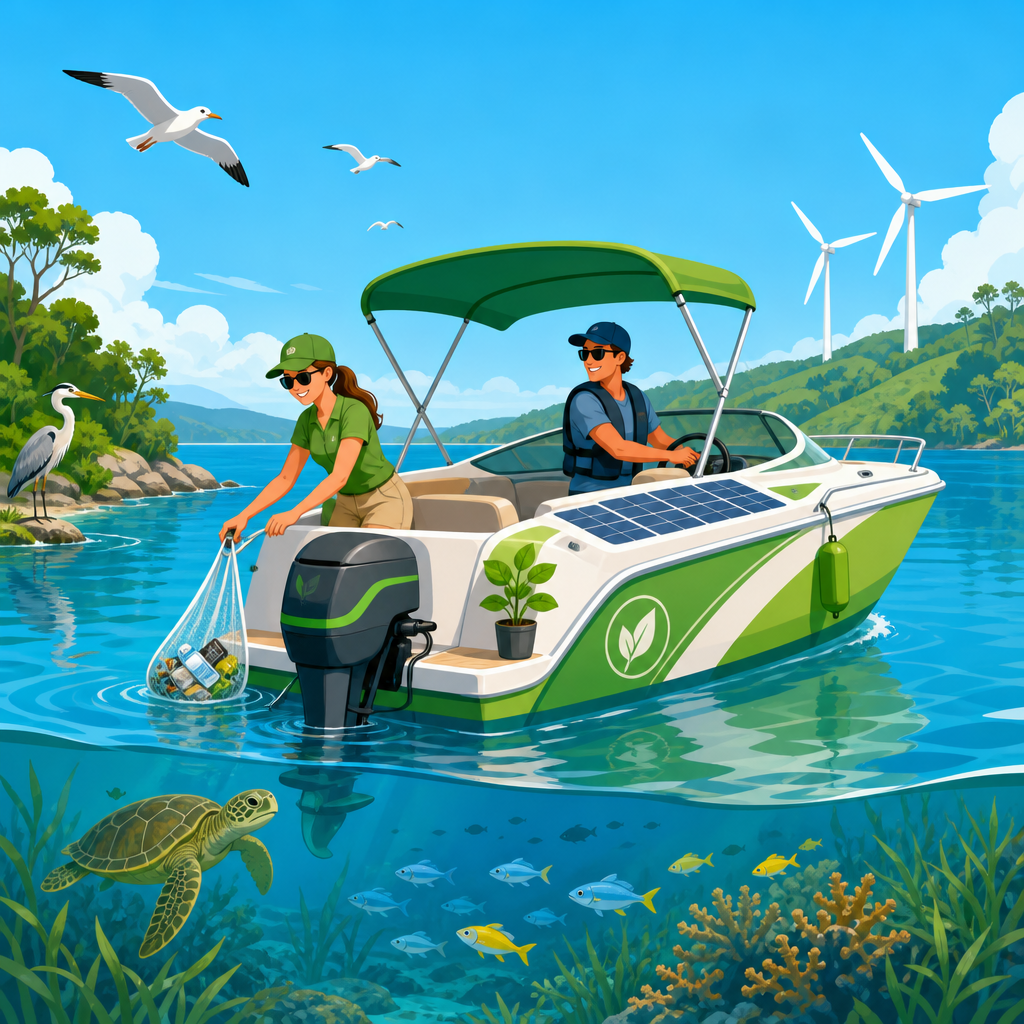
Green boating practices are no longer a niche concern for sailors, anglers, marina operators, and weekend cruisers; they are quickly becoming the standard for anyone who wants cleaner water, healthier wildlife, and lower long-term operating costs. In practical terms, eco-friendly boating means reducing fuel use, preventing pollution, choosing less toxic materials, and operating vessels in ways that protect shorelines and aquatic habitats. As someone who has spent years around working marinas and recreational docks, I have seen the difference firsthand: harbors with strong environmental routines stay cleaner, maintenance bills fall, and local boaters face fewer conflicts with regulators and waterfront communities. The rise of eco-friendly boating matters because marine ecosystems are under pressure from runoff, noise, greenhouse gas emissions, invasive species, and improper waste disposal. Boats are not the only source of those problems, but they are one source owners can control directly. That makes this topic important for every boater, whether running a small aluminum fishing skiff, a family pontoon, a cruising sailboat, or a diesel sportfisher. This hub explains the best green boating practices for a cleaner environment and shows how the broader movement toward sustainable boating is changing equipment choices, marina design, and on-water behavior.
The shift has accelerated for several reasons. First, boaters now have access to better technology, including electric outboards, lithium iron phosphate battery systems, solar charging, cleaner four-stroke engines, advanced hull coatings, and smart monitoring tools that reduce waste. Second, environmental rules have tightened around sewage discharge, spill prevention, and emissions, especially in sensitive coastal zones, inland lakes, and protected marine parks. Third, consumer expectations have changed. Many buyers now ask about fuel burn, recyclable materials, battery range, and the environmental certifications of marinas before they ask about upholstery or top speed. In response, builders, equipment manufacturers, and harbor managers are redesigning products and procedures. Understanding this trend helps boaters make smarter purchases and daily operating decisions. It also helps them connect the small habits, such as using phosphate-free soap or idling less, to the larger goal of sustainable waterways. The best green boating practices are not abstract ideals. They are concrete, proven methods that improve boating while reducing environmental harm.
The Rise of Eco-Friendly Boating
Eco-friendly boating has grown from a specialist interest into a mainstream part of marine recreation and vessel management. Two decades ago, most conversations focused narrowly on fuel prices and anti-fouling paint. Today the scope is much wider: engine emissions, wake impact, battery chemistry, shore power efficiency, recycling systems, graywater handling, wildlife-safe navigation, and responsible sourcing of boatbuilding materials all matter. This rise is driven by a simple reality. Waterways are finite, and heavily used ones show damage quickly. Excess fuel sheen in a marina basin, seagrass scars from propellers, shoreline erosion from oversized wakes, and fish kills linked to poor water quality are visible reminders that boating habits scale up when millions of trips occur every year.
Industry groups and public agencies have helped formalize the change. Programs such as Clean Marina certification, Environmental Protection Agency guidance for marinas, and International Maritime Organization emissions standards have established clear benchmarks. On the product side, major brands now market electric propulsion, high-efficiency propeller designs, closed-loop cooling improvements, and low-VOC resins because demand is real. Charter operators in places such as Scandinavia, the Pacific Northwest, and parts of the Mediterranean are adding hybrid or electric vessels not just for image, but because quiet operation and lower fuel demand improve the guest experience. The rise of eco-friendly boating is therefore both cultural and practical. It reflects a broader expectation that enjoying the water should include protecting it.
Cleaner Propulsion and Smarter Energy Use
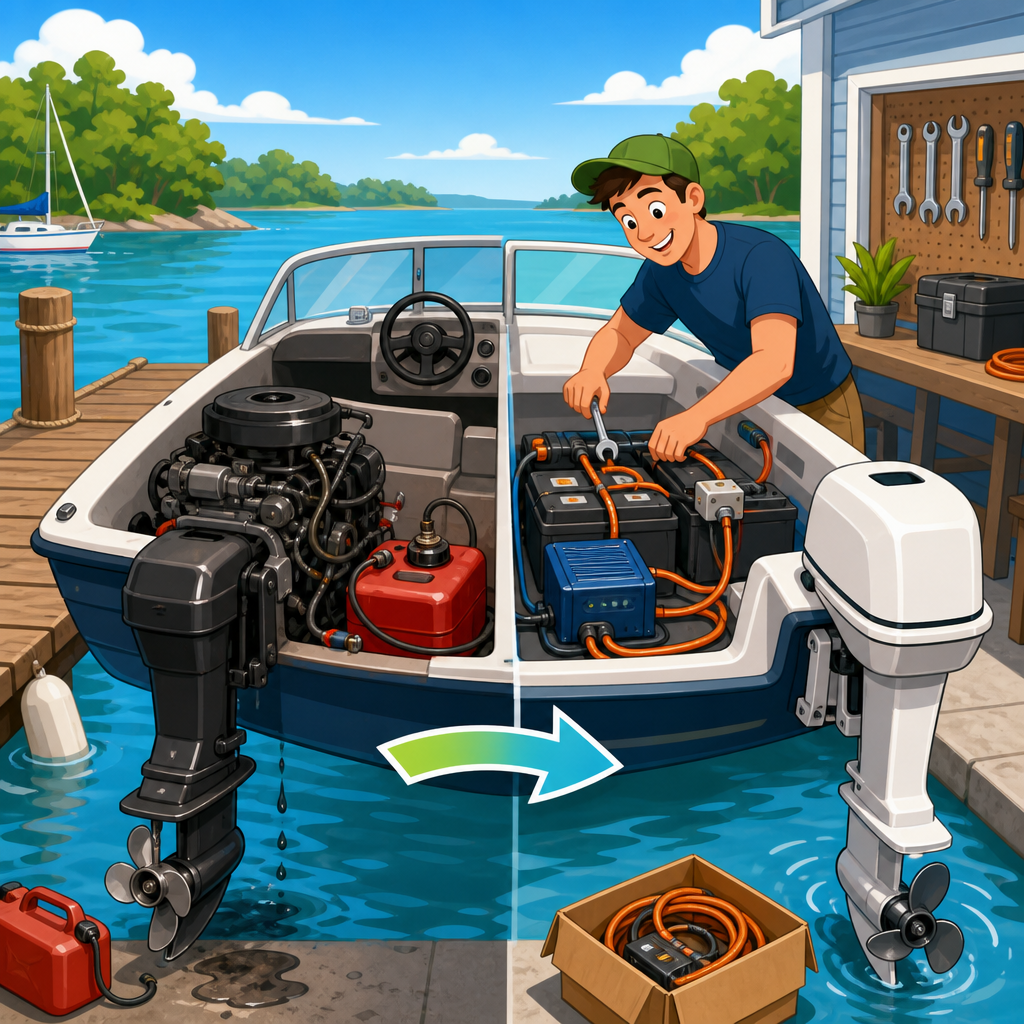
The most visible part of sustainable boating is propulsion. Traditional two-stroke outboards were once common, but older carbureted models release a significant share of unburned fuel directly into the water and air. Modern four-stroke outboards and direct-injection two-strokes are far cleaner and more fuel efficient. For many owners, simply repowering an aging engine is the single biggest environmental improvement available. I have seen owners cut fuel consumption dramatically after switching to newer engines matched correctly to hull weight and propeller pitch. That change reduces emissions, extends cruising range, and often lowers noise at idle and during acceleration.
Electric propulsion is the next major step. Small electric outboards from brands such as Torqeedo and ePropulsion are now practical for tenders, daysailers, and light fishing boats. Electric pontoons and lake boats are also becoming more common, especially on reservoirs with noise or emissions restrictions. Their advantages are direct: zero tailpipe emissions, much lower routine maintenance, and nearly silent operation. The limitation is still energy density. Battery range depends on hull shape, speed, weather, and accessory loads, so electric systems work best when owners understand their use profile. Slow displacement hulls and short predictable trips are ideal. Fast planing boats that need long range remain more difficult to electrify affordably, though battery and charging infrastructure continue to improve.
Energy efficiency extends beyond the motor. Solar panels can support refrigeration, navigation electronics, lighting, bilge monitoring, and battery charging on cruising boats. LED lighting reduces electrical load dramatically compared with halogen fixtures. Battery monitors from companies such as Victron Energy and Mastervolt help owners see exactly where energy is being used, which often changes behavior quickly. Once boaters can measure parasitic draw, overcharging, or inefficient inverter use, they begin managing power with much more discipline. Sustainable boating is often the result of dozens of small efficiency gains rather than one dramatic upgrade.
Pollution Prevention on Board and at the Dock
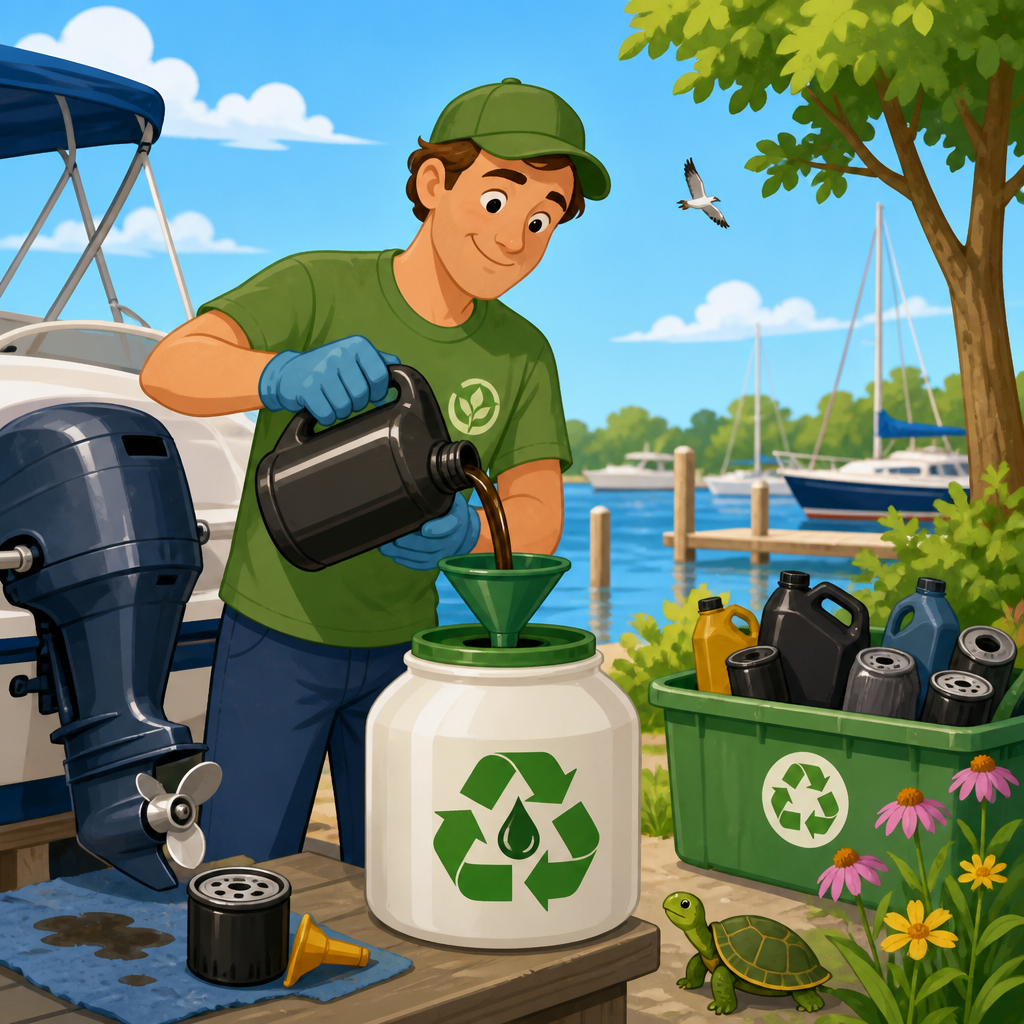
Preventing pollution is the foundation of green boating practices. Fuel spills, sewage discharge, oily bilge water, litter, and harsh cleaning chemicals all damage water quality. The best approach is prevention at the source. During fueling, use absorbent pads around deck fills, stop topping off when the automatic nozzle clicks, and leave room for thermal expansion. Most small marina spills happen because people rush or overfill, not because equipment fails. Keeping engines and fuel lines maintained also matters. A dripping primer bulb, cracked vent hose, or loose filter can create a chronic low-level pollution problem that owners may overlook for months.
Sewage management is equally important. Boats with installed toilets should use marine sanitation devices correctly and pump out at approved stations whenever possible. No-discharge zones exist for a reason: nutrients and pathogens from untreated sewage directly affect shellfish beds, swimming areas, and enclosed anchorages. Even graywater from sinks and showers can introduce detergents and food waste, so choosing biodegradable, phosphate-free products is a practical improvement. Bilges deserve special attention because they collect oil, coolant residue, and grime. If a bilge is oily, do not pump it overboard. Find and fix the leak, absorb the contamination, and dispose of waste according to marina or local hazardous-material rules.
| Practice | Environmental Benefit | Practical Example |
|---|---|---|
| Use spill pads while fueling | Reduces fuel sheen and toxic hydrocarbon release | Place an absorbent ring around the fill before inserting the nozzle |
| Pump out sewage at marina stations | Protects water quality and public health | Schedule pump-outs before busy holiday weekends |
| Switch to biodegradable cleaners | Lowers chemical loading in marinas and coves | Use phosphate-free boat soap for deck washdowns |
| Maintain a clean, dry bilge | Prevents oily discharge overboard | Inspect hoses and clamps monthly for leaks |
Hull Care, Materials, and Maintenance Choices
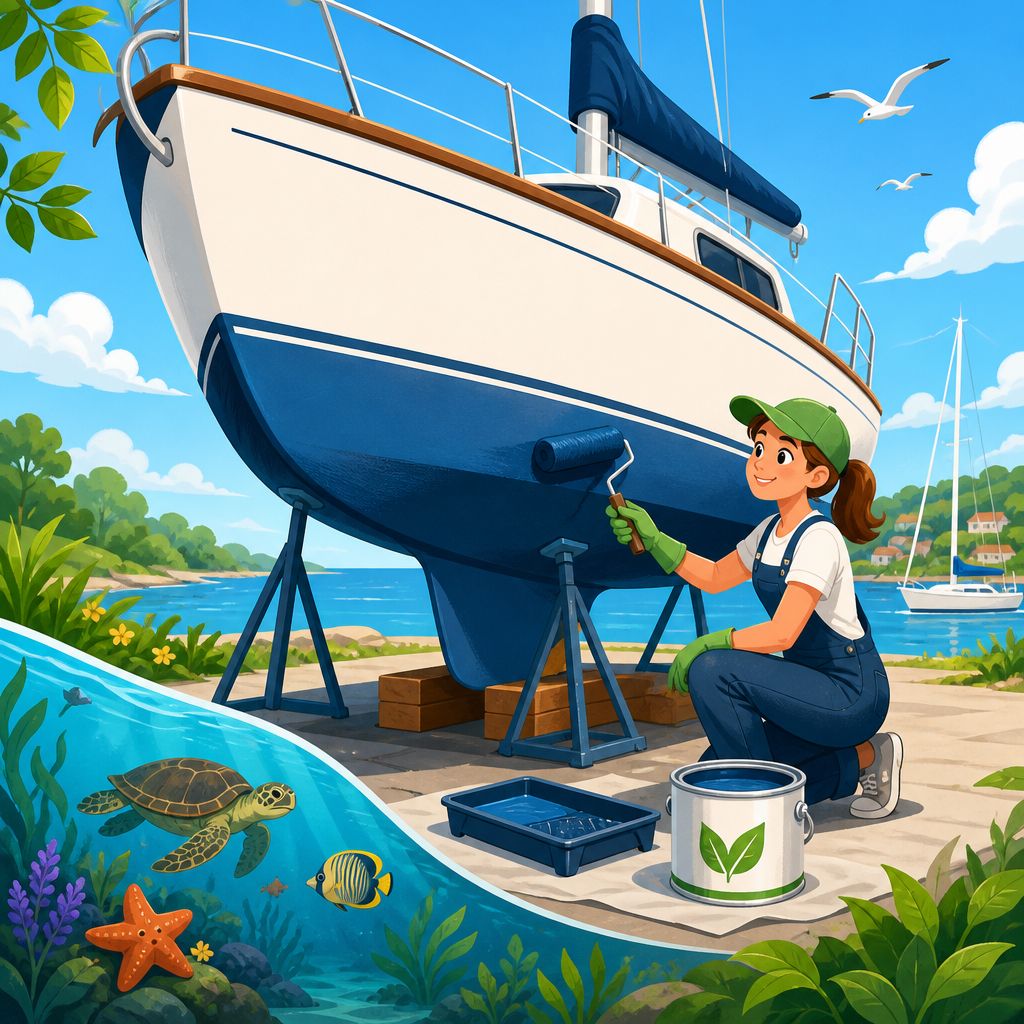
Maintenance decisions have long environmental consequences. Anti-fouling coatings are a good example. Fouled hulls increase drag, which raises fuel burn and emissions, but some legacy bottom paints release higher levels of biocides into the water. The greener approach is not to ignore hull growth; it is to choose the least harmful effective solution for the local environment and maintenance schedule. Hard coatings, low-copper paints, and nonbiocidal foul-release coatings can be strong options depending on whether a boat is trailered, dry-stored, or moored full time. Local conditions matter. Warm nutrient-rich water produces much faster growth than cold freshwater lakes, so the right system varies by region.
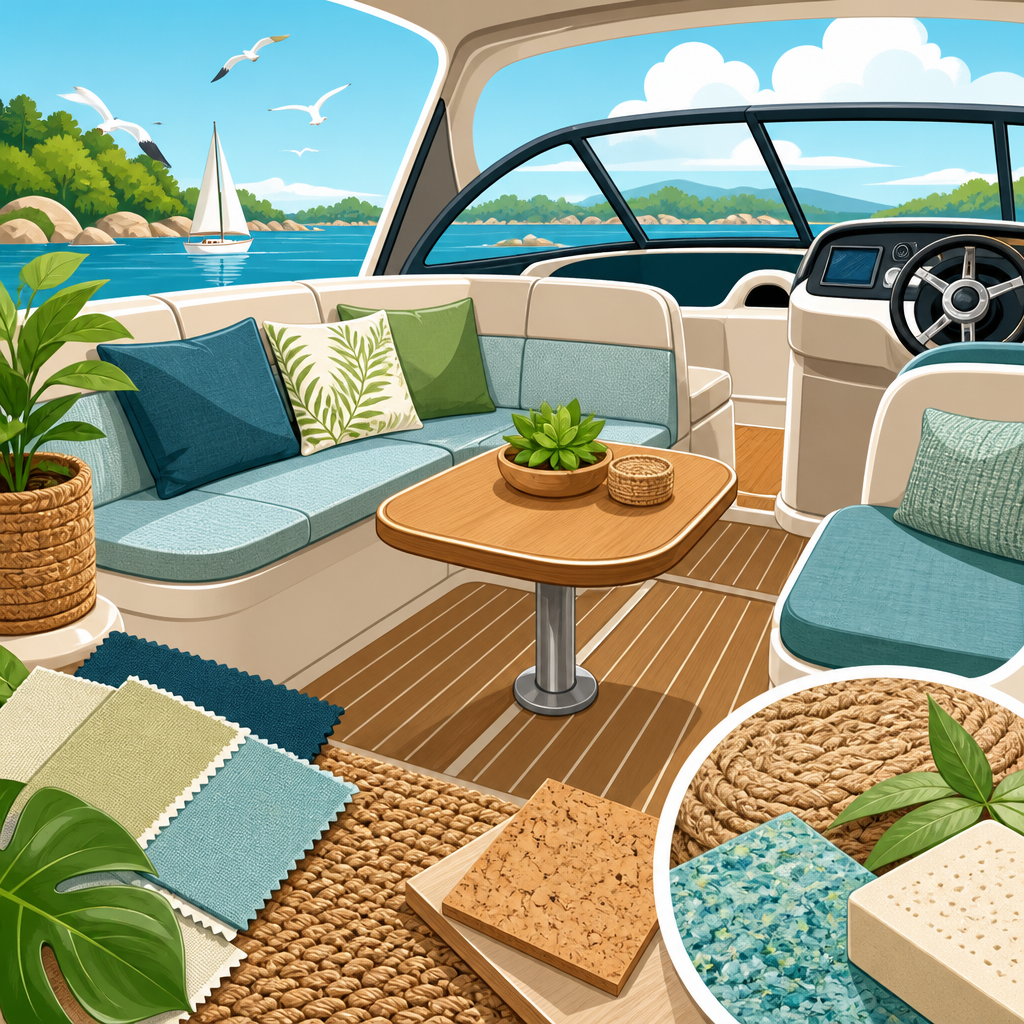
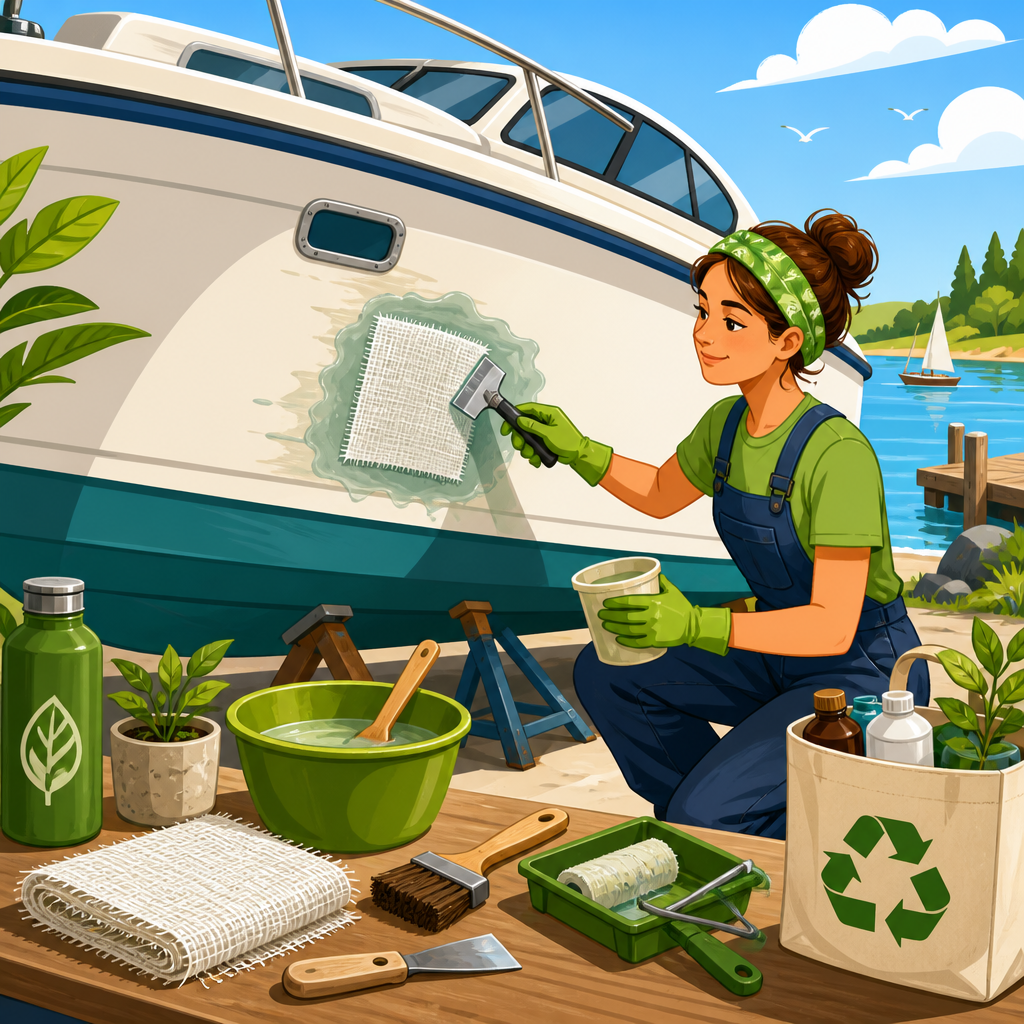
Boat washing and repair work also deserve scrutiny. Sanding bottom paint without containment spreads toxic dust. Responsible yards use tarps, vacuum sanders, and runoff controls to keep residue out of storm drains and basins. Owners doing their own maintenance should follow the same standard. When replacing components, durable materials usually beat disposable ones. Repairing canvas, refinishing wood trim, or rebuilding a pump can be more sustainable than replacing entire assemblies, especially when parts are readily available. Increasingly, builders are also using recycled composites, natural fiber reinforcements, and lower-emission manufacturing methods. These materials are not universal yet, but they signal where the industry is heading.
Regular maintenance itself is a green practice because an efficient boat is a cleaner boat. A tuned engine, properly aligned shaft, balanced propeller, and smooth hull all reduce energy demand. Something as simple as dragging fenders in the water while underway adds unnecessary resistance. On larger cruisers, clean heat exchangers and correctly inflated trailer tires also contribute indirectly by improving efficiency in operation and transport. Sustainable boating is not only about what owners buy; it is about how carefully they keep equipment working.
Wildlife Protection, Wake Management, and Responsible Navigation
Some of the most effective eco-friendly boating practices involve behavior rather than hardware. Speed choice, route planning, anchoring technique, and wildlife awareness can significantly reduce ecological damage. Excessive wake erodes shorelines, disturbs nesting areas, and increases turbidity in shallow water. On narrow rivers, marsh channels, and no-wake zones, slowing down is not merely courteous; it protects habitat. I have seen fragile banks collapse over seasons where heavy recreational traffic ignored posted limits. The cost shows up later as lost vegetation, muddier water, and expensive shoreline stabilization projects.
Anchoring is another key issue. Dropping anchor into seagrass meadows or coral areas can scar habitat that takes years to recover. Use designated mooring balls when available, study charts before entering sensitive zones, and choose sandy bottoms when anchoring is necessary. Wildlife-safe navigation also means keeping distance from marine mammals, seabirds, and spawning fish concentrations. In the United States, National Oceanic and Atmospheric Administration guidance and local regulations often specify approach distances for whales, dolphins, manatees, and other protected species. Following those rules reduces stress, collision risk, and legal exposure.
Boaters should also think about invasive species. Trailered boats moving between lakes and rivers can transport zebra mussels, aquatic plants, and microscopic organisms in live wells, bilges, and on trailers. The standard recommendation is clear, drain, and dry. Remove vegetation, drain water, and allow gear to dry thoroughly before launching elsewhere. Many regions now inspect boats at ramps because prevention is far cheaper than long-term control. For freshwater anglers and paddlers, this is one of the most important environmental habits they can adopt.
How Marinas and the Boating Industry Are Changing
The rise of eco-friendly boating is not limited to individual owners. Marinas, boatyards, manufacturers, and clubs are reshaping the entire boating environment. Clean Marina programs encourage facilities to improve stormwater control, recycling, sewage pump-out access, spill response, landscaping, and tenant education. Better marinas now install permeable surfaces, capture washdown water, provide clearly labeled waste streams, and train staff to respond quickly to leaks and fuel incidents. Those changes matter because even a highly conscientious boat owner depends on the surrounding facility. If the marina lacks pump-out services or hazardous-waste collection, good intentions become harder to maintain.
Manufacturers are responding as well. New models increasingly feature lighter construction, more efficient hull forms, recyclable packaging, digital switching that reduces wiring weight, and propulsion options that support hybrid or all-electric setups. Major marine trade shows now devote visible space to electrification, sustainable materials, and charging infrastructure. Insurers and lenders are also paying closer attention to environmental risk, especially for commercial operators and large yachts. In short, sustainable boating is moving from a lifestyle preference to a standard business consideration.
For readers building out a complete knowledge base under eco-friendly and sustainable boating, this hub connects naturally to detailed topics such as electric boat motors, sustainable marina design, marine-safe cleaning products, pump-out best practices, low-impact anchoring, and fuel-efficient boating techniques. That structure reflects how people actually research the subject: they start with the big question of how green boating works, then move into specific decisions about gear, maintenance, destinations, and daily routines.
The best green boating practices for a cleaner environment are practical, measurable, and increasingly essential to modern life on the water. Cleaner propulsion, efficient energy systems, careful fueling, proper sewage and bilge management, lower-impact maintenance, wildlife-safe navigation, and invasive-species prevention all reduce a boat’s footprint without reducing enjoyment. In many cases, they improve the boating experience by cutting noise, odor, fuel expense, and mechanical trouble. That is why the rise of eco-friendly boating is more than a trend. It is the logical response to crowded waterways, better technology, and a stronger understanding of how quickly marine and freshwater systems can be damaged.
The central lesson is simple: sustainability in boating comes from informed choices repeated consistently. A single owner who upgrades an old engine, uses pump-out facilities, avoids sensitive habitat, and maintains a clean bilge may seem like a small part of the picture, but multiplied across marinas and seasons, those actions have real environmental value. If you want cleaner water and a more resilient boating future, start with one improvement on your own vessel today, then expand to the next. Green boating works best when it becomes routine.
Frequently Asked Questions
What are the most important green boating practices every boat owner should follow?
The most effective green boating practices start with the basics: use less fuel, prevent anything harmful from entering the water, and operate your vessel in ways that reduce damage to shorelines and wildlife. For most boat owners, that means keeping the engine properly maintained, avoiding fuel spills during refueling, using pump-out stations instead of discharging waste, and choosing cleaning and maintenance products that are biodegradable and less toxic to aquatic life. It also means slowing down in no-wake zones, staying in marked channels when appropriate, and being mindful around seagrass beds, marsh edges, nesting areas, and shallow habitats where propellers and wakes can cause long-lasting harm.
A strong green boating routine also includes reducing unnecessary weight on board, planning efficient routes, and limiting idling to cut fuel consumption and emissions. Simple changes such as fixing oil leaks promptly, storing trash securely, recycling used oil and batteries, and washing boats with phosphate-free soap can make a measurable difference over time. These practices are not just good for the environment; they also tend to lower maintenance costs, improve engine performance, and help preserve the waterways that boaters depend on for recreation and business. In other words, green boating is not about doing one big thing once; it is about building smart habits into every trip.
How can boaters reduce fuel consumption and emissions without sacrificing performance?
Reducing fuel use begins with understanding that boat efficiency is heavily influenced by maintenance and operating habits. A clean hull creates less drag, a well-tuned engine burns fuel more efficiently, and the right propeller can improve performance while reducing strain on the motor. Regular tune-ups, proper tire pressure on trailers, fresh filters, and timely oil changes all contribute to cleaner, more efficient operation. On the water, one of the simplest ways to save fuel is to avoid excessive speed. Many boats have a “sweet spot” in the mid-range throttle setting where they run efficiently without burning fuel at the highest possible rate.
Trip planning matters too. Combining errands, choosing the shortest practical route, checking weather and currents in advance, and avoiding prolonged idling can significantly reduce fuel consumption over the course of a season. Boaters can also lighten unnecessary loads, carry only the gear they need, and distribute weight properly to improve handling and efficiency. For those looking to go further, newer four-stroke outboards, modern low-emission inboards, electric auxiliary systems, and solar-supported onboard power setups can reduce emissions even more. The key point is that greener performance is usually smarter performance: when a boat runs cleaner and more efficiently, it often runs better overall.
What should boaters do to prevent water pollution at marinas, docks, and while underway?
Preventing pollution on and around the water requires attention to everyday details. Fuel and oil are among the most common sources of boating-related contamination, so safe fueling practices are essential. Boaters should never top off tanks, should use absorbent pads around the fill area, and should clean up even small drips immediately with the correct materials rather than rinsing them into the water. Bilges should be kept clean and dry because oily bilge water often ends up being pumped overboard. If oil or fuel is collecting in the bilge, the right response is to find and repair the leak, not simply remove the evidence.
Sewage and trash management are just as important. Marine sanitation devices should be maintained properly, and pump-out stations should be used whenever available. Nothing should go overboard that does not belong in the water, including food packaging, fishing line, cigarette butts, or cleaning wipes. At the dock, sanding, painting, and scraping should be done with containment methods that keep dust and debris from blowing or washing into the marina basin. Using designated recycling and hazardous waste collection areas for oil, solvents, batteries, and antifreeze helps keep toxic materials out of sensitive ecosystems. Good pollution prevention is really about discipline: if boaters treat every dock and launch area as part of the environment they are responsible for protecting, cleaner waterways follow.
Are eco-friendly boating products and materials really worth the cost?
In many cases, yes. While some environmentally preferable products may cost more upfront, they often provide long-term value by reducing cleanup costs, lowering health risks, preventing regulatory issues, and helping extend the life of equipment and finishes. For example, less toxic cleaners can reduce corrosion and exposure to harsh fumes, while durable reusable absorbents, efficient batteries, and modern LED lighting can improve onboard reliability and lower replacement frequency. Non-phosphate soaps, low-VOC coatings, and environmentally safer maintenance products are especially valuable in enclosed marinas and heavily used waterways where chemical buildup can become a serious problem.
That said, not every product labeled “green” is automatically better, so boaters should look for credible certifications, read ingredient information, and focus on products that solve real environmental problems without compromising safety or performance. The best investments are usually the practical ones: efficient motors, quality containment supplies for fuel and oil, longer-lasting components, and maintenance products that reduce toxic runoff. For marina operators and frequent boaters, these choices can also improve public image and align with increasingly strict environmental standards. In short, eco-friendly boating products are worth it when they are chosen thoughtfully and used as part of a broader system of responsible operation and maintenance.
How does green boating help protect wildlife, shorelines, and the long-term future of boating itself?
Green boating protects wildlife by reducing the direct and indirect pressures that recreational and commercial vessels can place on aquatic ecosystems. Excess fuel use increases emissions, spills contaminate water, prop scarring damages submerged vegetation, and careless wakes can erode banks and disturb nesting and feeding areas. When boaters slow down near sensitive shorelines, avoid shallow habitat, dispose of waste properly, and use less toxic products, they help preserve the conditions fish, birds, shellfish, and aquatic plants need to survive. These are not abstract environmental benefits; they affect water clarity, fish populations, habitat quality, and the overall health of the places people boat, fish, and work.
There is also a bigger-picture benefit that experienced boaters understand well: protecting the environment protects the future of boating. Cleaner marinas, healthier fisheries, and less shoreline erosion support tourism, local economies, and public access to waterways. Responsible practices also reduce conflicts with regulators and waterfront communities, making it easier to sustain boating activity over the long term. Put simply, if boaters want clean launches, productive fishing grounds, and waterways that remain open and enjoyable for the next generation, green boating is not optional. It is one of the most practical and effective ways to preserve the resource while still enjoying it.