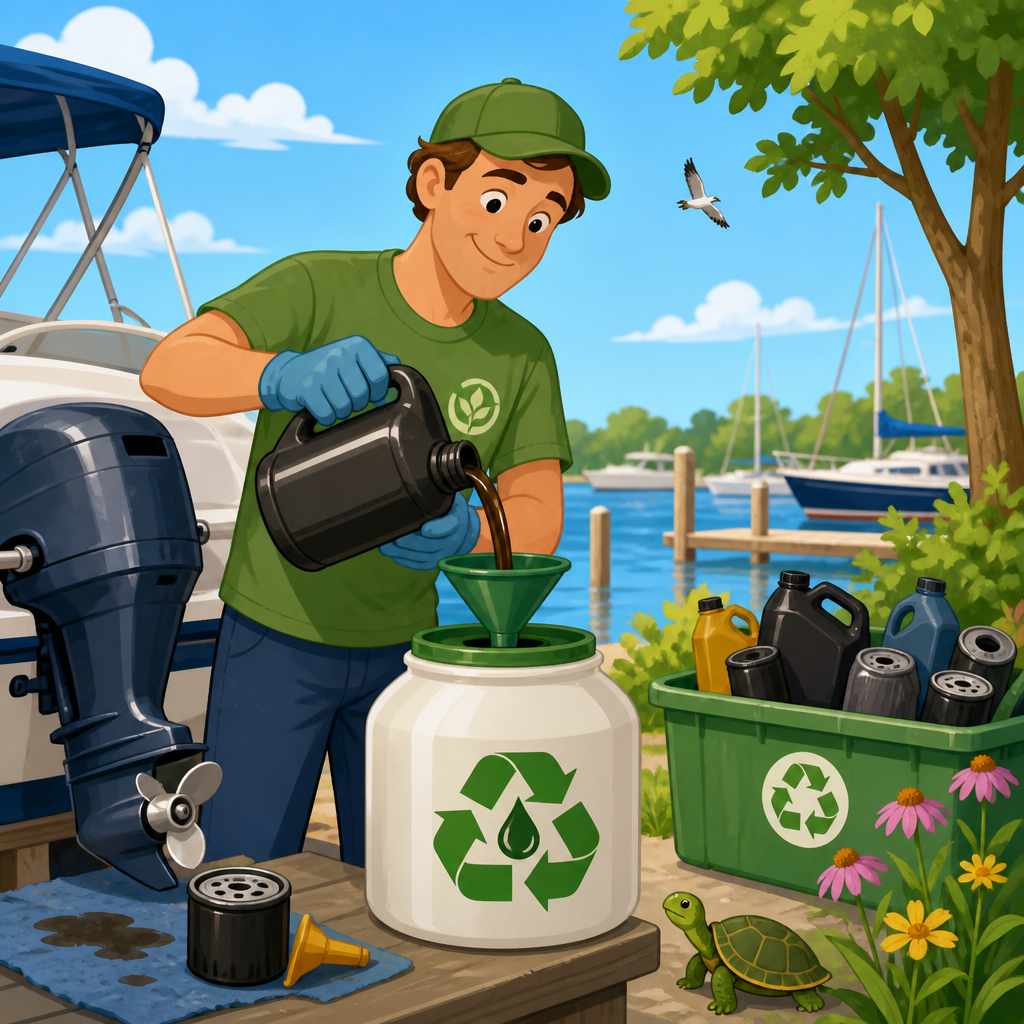
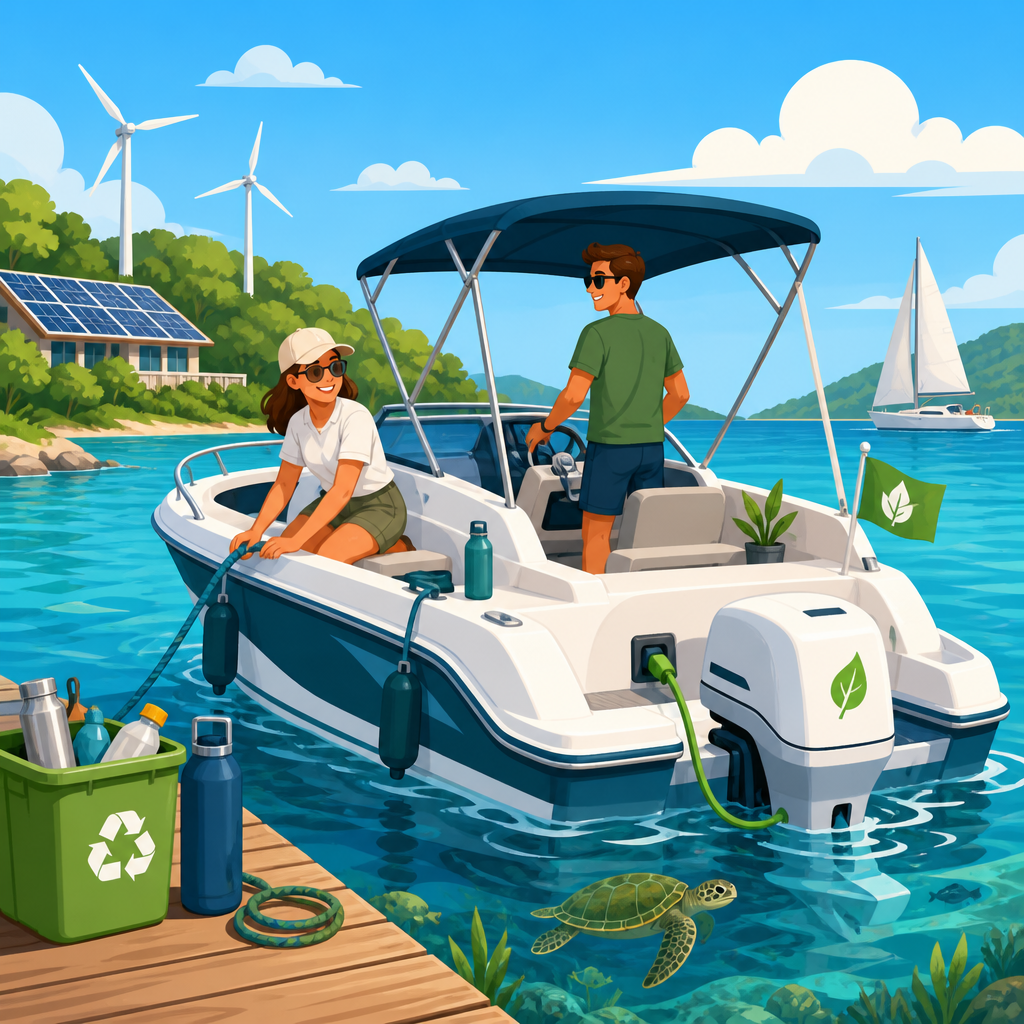
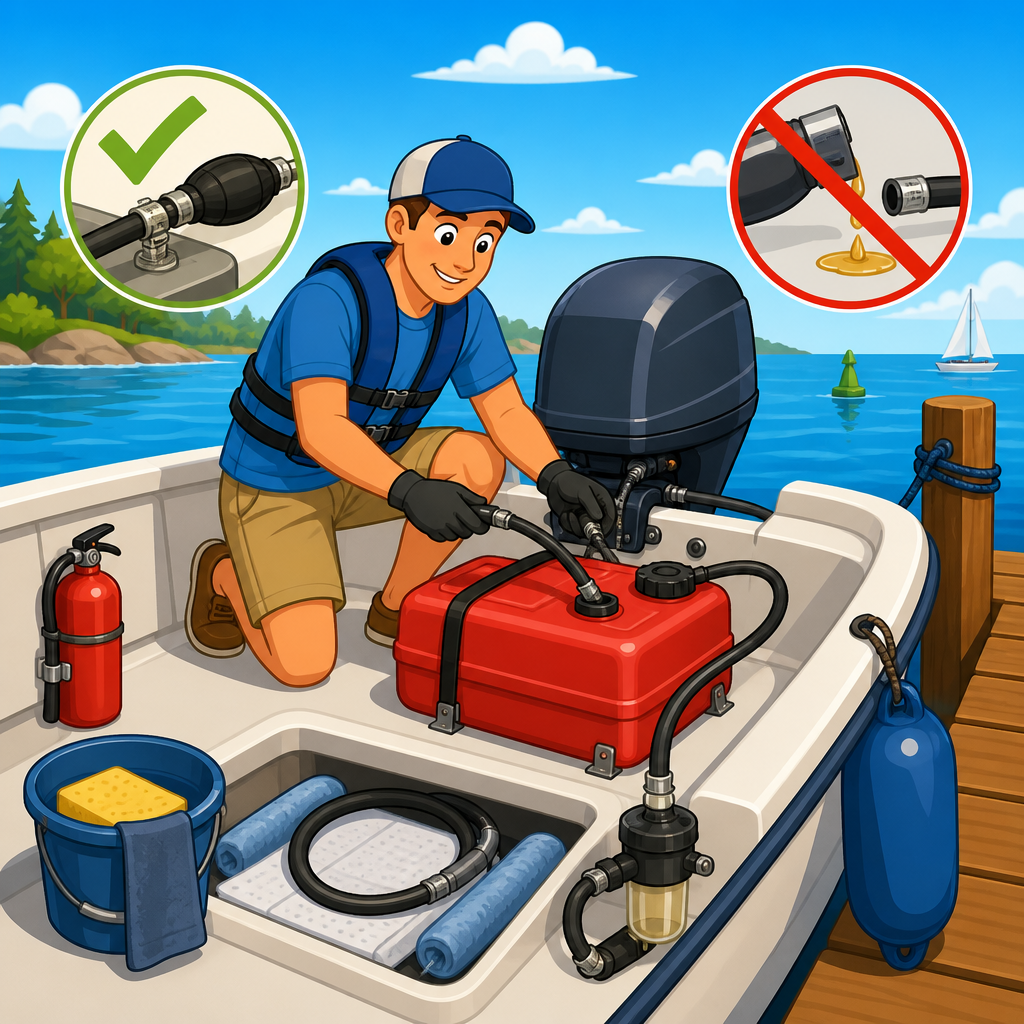
Eco-friendly boat cleaning is one of the most practical ways to reduce water pollution while boating because every soap, degreaser, wax, and stain remover used on deck can eventually reach a marina basin, river, lake, or coastal habitat. In daily marina operations, I have seen the difference between boats cleaned with conventional petroleum-based chemicals and those maintained with non-toxic products: the first often leave rainbow sheens, harsh fumes, and residue in scuppers, while the second support a cleaner work area and lower risk to fish, birds, and sensitive shorelines. For boat owners, the topic is not just about buying a “green” bottle. It involves understanding what makes a product safer, when even biodegradable cleaners can still cause harm, and how cleaning choices fit into a broader strategy for reducing water pollution while boating.
Non-toxic boat cleaning products are cleaners formulated to avoid substances commonly associated with aquatic toxicity, persistent pollution, excessive nutrient loading, or volatile emissions. In practice, that means looking for phosphate-free soaps, oxygen-based stain removers, plant-derived surfactants, low-VOC protectants, and metal-safe formulations that break down more readily without creating dangerous byproducts. Important related terms include graywater, which is wastewater from washing and rinsing; bilge contamination, where oil and chemicals mix in the lowest part of the hull; and runoff, the water carrying residues from decks and topsides into surrounding waters. These terms matter because boat cleaning pollution rarely comes from one dramatic spill. More often, it comes from small, repeated releases that accumulate over time.
This matters for three reasons. First, polluted wash water can harm aquatic life by reducing oxygen levels, introducing toxic compounds, and smothering eelgrass or benthic organisms with residues. Second, many marinas, yacht clubs, and harbormasters now enforce environmental rules based on Clean Water Act requirements, state stormwater permits, and local best management practices. Third, smarter cleaning usually saves time and money. Boats that are rinsed correctly, washed with the right concentration, and protected with durable non-toxic coatings need fewer aggressive treatments later. As a hub for reducing water pollution while boating, this guide explains which non-toxic products actually work, how to use them safely, and how cleaning ties into bilge care, hull maintenance, fueling discipline, and responsible marina habits.
Why Boat Cleaning Causes Water Pollution
Boat cleaning causes water pollution when residues travel directly overboard or indirectly through runoff, bilges, and marina drains. Soap alone is not always harmless. Surfactants can irritate fish gills and disturb the natural surface tension insects and larvae rely on. Some conventional cleaners contain ammonia, chlorine bleach, quaternary ammonium compounds, nonylphenol ethoxylates, or petroleum distillates, each of which can create environmental problems in enclosed waters. Phosphates, though restricted in many household products, remain a concern because they contribute to algal growth, especially in lakes and slow-moving harbors.
The biggest misconception I encounter is that “biodegradable” means safe to discharge. It does not. A biodegradable cleaner may break down eventually, but if enough wash water enters the marina all at once, it can still reduce oxygen during decomposition or expose aquatic organisms to harmful concentrations before breakdown occurs. That is why the safest approach is always to minimize the volume of wash water, scrub with controlled application, and capture or divert runoff where facilities allow. Reducing water pollution while boating starts with reducing the amount of chemistry and water used in the first place.
Pollution from cleaning also overlaps with other maintenance tasks. Rust removers can mobilize metals. Acid hull cleaners can alter pH dramatically if overused. Solvent-based degreasers often end up in absorbent pads, bilges, or dock surfaces. Even polishing compounds can release micro-abrasives and residues. A realistic pollution prevention plan therefore treats boat cleaning as part of a larger system, not an isolated weekend chore.
What Makes a Boat Cleaning Product Truly Non-Toxic
The best non-toxic boat cleaning products share several traits. They are free from chlorine bleach, caustic alkalis used at unnecessary strength, formaldehyde donors, heavy petroleum solvents, and persistent synthetic fragrances. They use surfactants that are readily biodegradable, often from coconut or corn-derived chemistry, and they avoid phosphates and unnecessary dyes. Good labels also provide full ingredient transparency or at least enough information to evaluate hazards through a Safety Data Sheet. If a manufacturer will not disclose meaningful safety data, I treat that as a warning sign.
Third-party certifications can help, though they are not perfect. Safer Choice from the U.S. Environmental Protection Agency is one useful signal for certain cleaner categories. Green Seal and ECOLOGO can also indicate reduced toxicity and stronger ingredient review. On the marine side, product reputation matters because a cleaner must work on gelcoat, painted surfaces, aluminum, teak, vinyl, and non-skid without causing damage. A non-toxic product that requires endless repeat applications is not automatically more sustainable if users compensate by using twice as much water and elbow grease.
Concentration is another key factor. High-quality concentrated boat soaps let owners mix small amounts in a bucket rather than flood the deck with product. That reduces packaging, transport emissions, and chemical loading. pH also matters. Neutral to mildly alkaline cleaners are usually better for routine washing, while specialty products should be reserved for specific stains. In my experience, the most effective eco-friendly boat cleaning kits are simple: a concentrated boat soap, a citrus-free or low-residue degreaser, an oxygen-based mildew treatment, a vinegar-free hard-water spot remover designed for marine finishes, and a polymer protectant with low solvent content.
The Best Non-Toxic Products by Cleaning Task
Different messes need different chemistry, and choosing the right product for each task prevents overuse. For routine hull and topside washing, look for phosphate-free marine soaps such as Better Boat Boat Soap, Biokleen products adapted for marine-safe use, or similar formulas using biodegradable surfactants. For grease around engines or transoms, use a water-based degreaser with low aquatic toxicity rather than mineral spirits. For mildew on seats or canvas, oxygen-based cleaners are usually safer than chlorine bleach because they avoid chlorinated byproducts and are less likely to damage stitching or discolor surfaces when used correctly.
For teak, the safest choice is often the least aggressive one: a soft brush, diluted pH-balanced teak cleaner, and patience. Two-part acid teak brighteners can work, but they should not be your first option because the runoff is harder to manage responsibly. For metal polishing, select products specifically labeled safe for aluminum or stainless and apply sparingly by hand rather than with excess compound. For glass and acrylic, ammonia-free cleaners are essential because ammonia can damage certain plastics and add unnecessary toxicity. For bilges, use enzyme or bioremediation products cautiously and only after physically removing oil with absorbent pads; no bilge cleaner should be viewed as permission to pump contaminated water overboard.
| Cleaning task | Best non-toxic product type | What to avoid | Why it reduces pollution |
|---|---|---|---|
| Routine hull and deck wash | Phosphate-free concentrated marine soap | Harsh dish detergents, bleach mixes | Lower nutrient loading and less residue in runoff |
| Engine grime and transom soot | Water-based low-VOC degreaser | Petroleum solvents | Reduces sheens and toxic hydrocarbon discharge |
| Mildew on vinyl or canvas | Oxygen-based cleaner | Chlorine bleach | Avoids chlorinated byproducts and material damage |
| Windows and clear plastic | Ammonia-free cleaner | Household glass cleaner with ammonia | Safer for acrylic and lowers unnecessary chemical exposure |
| Bilge maintenance | Absorbent pads plus targeted bilge cleaner | Pumping soapy oily bilge water overboard | Prevents direct discharge of oil and cleaner mixtures |
The strongest recommendation is to match product strength to soil level. If salt and dust are the problem, soap and microfiber are enough. If oxidation, rust, or tannin staining is the issue, spot-treat only the affected area. That simple discipline cuts chemical use dramatically.
How to Clean a Boat Without Sending Pollution Overboard
The best non-toxic products still need correct technique. Start by choosing the right location. Onshore wash pads connected to sanitary sewer systems are ideal because they keep runoff out of storm drains and surface waters. If cleaning in the slip is allowed, use minimum water pressure and avoid letting concentrated product enter the water. I recommend a pre-rinse only when necessary, followed by a bucket wash with measured dilution, soft brushes, and microfiber mitts that lift dirt efficiently with less soap.
Work from the least dirty surfaces to the dirtiest. Clean railings, fiberglass, and seating before greasy areas near engines or exhaust outlets. This avoids spreading contamination and lets you change tools before moving into oily zones. Use absorbent pads under fittings that drip. If you are removing rust stains, clean one small area at a time and wipe residue into rags instead of hosing continuously. For bird droppings or organic debris, lift solids first with paper towels or compostable wipes where local rules permit, then wash the remaining film.
Rinsing deserves more attention than most owners give it. A free-running hose wastes water and drives residues straight into the basin. A shutoff nozzle or low-flow sprayer allows control. After washing, inspect scuppers and deck drains for trapped debris so polluted water is not released in one sudden surge. Drying surfaces with microfiber towels is not just cosmetic; it reduces spotting and lowers the need for chemical spot removers later. Good technique is often more important than the brand name on the bottle.
Reducing Water Pollution While Boating Beyond Soap and Scrub Brushes
Because this page serves as a hub for reducing water pollution while boating, cleaning must be placed in the wider context of vessel stewardship. Bilge management is the next priority after deck washing. A clean bilge should be dry, monitored, and fitted with absorbent socks or pads near likely drips. Fuel, coolant, and oil leaks should be repaired promptly because no cleaner can safely neutralize a chronic leak. Under U.S. law, visible oil sheen on the water is prohibited, and marina staff routinely report violations.
Hull maintenance also affects water quality. Antifouling paint should be selected based on local fouling pressure, hull material, and regulations governing copper or alternative biocides. During haul-out, sanding dust must be captured with vacuum attachments and tarps. In-water hull scrubbing can release paint particles and invasive species, so it should follow local guidance and diver best practices. Even something as simple as choosing a durable ceramic or polymer protectant for topsides can reduce future cleaning frequency and lower cumulative runoff.
Other boating habits matter too. Fuel carefully with absorbents ready. Empty sewage only at pump-out stations. Use phosphate-free detergents for galley items. Choose refillable spray bottles to cut plastic waste. Store chemicals in sealed secondary containment so one locker spill does not become harbor pollution. When owners ask me for the single best strategy, I tell them to build an environmental routine: inspect, contain, clean lightly, fix leaks, and dispose of waste correctly every single trip.
Choosing Products and Building a Sustainable Cleaning Kit
A sustainable boat cleaning kit should be compact, purpose-built, and easy for any crew member to use correctly. Start with five essentials: concentrated phosphate-free boat soap, low-VOC water-based degreaser, oxygen-based mildew remover, ammonia-free clear-surface cleaner, and a protective wax or sealant with reduced solvent content. Add microfiber cloths, soft and medium brushes, a measuring cap, reusable spray bottles clearly labeled with dilution ratios, nitrile gloves, oil absorbent pads, and a lidded container for used rags.
When evaluating products, read the Safety Data Sheet, not just the front label. Look for signal words, volatile organic compound information, pH, and disposal guidance. Compare dilution rates because a gallon of concentrate can be more sustainable than several ready-to-use bottles. Check compatibility with fiberglass, vinyl, aluminum, and teak so one product does not create downstream damage requiring stronger remediation. If possible, buy from marine brands that publish ingredient philosophy and application instructions in detail.
Finally, track results. If a product requires heavy scrubbing, leaves film, or triggers headaches, replace it. The best eco-friendly boat cleaning system is repeatable, safe for the user, and gentle on the water. That is the standard boat owners should set.
Eco-friendly boat cleaning works because it addresses water pollution at its source: the routine products and habits that send residues into marinas, lakes, rivers, and coastal ecosystems. The key points are straightforward. Use genuinely non-toxic, phosphate-free, low-residue products. Match the cleaner to the task instead of reaching for the harshest option. Wash with minimal water, controlled dilution, and physical removal methods such as microfiber, spot treatment, and absorbent pads. Treat bilges, fueling, hull care, and waste storage as part of the same pollution prevention system.
The main benefit is not only a cleaner conscience. It is a cleaner boat maintained with less risk to marine life, less exposure for your crew, and less chance of regulatory trouble or expensive damage from aggressive chemicals. Over years of practical maintenance work, I have found that disciplined, low-toxicity cleaning produces better long-term results than constant heavy chemical use. Surfaces last longer, finishes stay more stable, and the boat is easier to maintain from one outing to the next.
If you want to reduce water pollution while boating, start with your cleaning kit this week. Replace the harshest product you own, add absorbent pads and a measured soap concentrate, and commit to low-runoff washing on every trip. Small changes on each boat add up to cleaner water everywhere.
Frequently Asked Questions
What makes a boat cleaning product truly eco-friendly and non-toxic?
A truly eco-friendly, non-toxic boat cleaning product is designed to clean effectively without introducing harmful ingredients into the water or surrounding environment. In practical terms, that usually means the formula is biodegradable, low in volatile organic compounds, free from phosphates, chlorine bleach, ammonia, and harsh petroleum solvents, and made to break down more safely after use. For boat owners, the biggest issue is runoff. Even when you clean carefully, some soap, degreaser, polish residue, or rinse water can make its way into the marina basin, river, lake, or coastal habitat. That is why ingredient choice matters so much.
Good eco-friendly products also tend to be safer for people using them. They produce fewer harsh fumes, are less likely to irritate skin and eyes, and are generally easier to use in enclosed cabins, heads, and storage compartments. Another sign of a better product is whether it is labeled for marine use or specifically formulated to minimize aquatic harm. While no cleaner should be dumped directly into the water, products marketed as non-toxic and biodegradable are usually far better than conventional cleaners that leave oily sheens, chemical odors, or persistent residue in deck drains and scuppers.
When evaluating a cleaner, look beyond the word “green” on the label. Check for transparent ingredient information, clear dilution instructions, and third-party certifications when available. Many of the best non-toxic boat cleaners rely on plant-based surfactants, citric acid, enzyme technology, or naturally derived solvents to remove grime without sacrificing performance. In short, the best eco-friendly boat cleaning product is one that protects gelcoat, vinyl, teak, metal, and painted surfaces while reducing pollution risk for the waters you boat on.
Are non-toxic boat cleaning products strong enough to remove salt, grime, mildew, and stains?
Yes, high-quality non-toxic boat cleaning products are absolutely capable of handling common marine messes, including salt film, dock grime, fish residue, sunscreen buildup, mildew staining, oxidation haze, and greasy cockpit dirt. The idea that only harsh chemicals can clean a boat well is outdated. Modern eco-friendly formulas have improved significantly, and many perform extremely well when matched to the right task. A biodegradable boat soap can remove everyday dirt and salt without stripping wax, an oxygen-based mildew remover can lift organic staining without chlorine fumes, and a citrus- or plant-based degreaser can cut through engine-room grime and oily residue far more safely than solvent-heavy alternatives.
The real key is using the right product for the right surface and not expecting one cleaner to do every job. Routine washing with a pH-balanced, biodegradable soap prevents heavy buildup and makes deep cleaning less necessary. For stubborn stains, a dedicated eco-friendly hull cleaner, non-abrasive deck cleaner, or enzymatic bilge cleaner will usually outperform a general-purpose spray. Technique matters too. Let the product dwell for the recommended time, use soft or medium marine brushes as appropriate, and avoid cleaning in direct sun where products dry too quickly to work effectively.
In marina settings, the biggest difference I have seen is consistency. Boats maintained regularly with non-toxic products often stay cleaner overall because owners are more willing to wash them often without dealing with overpowering fumes or worrying as much about chemical runoff. If a boat has years of neglected staining, oxidation, or mildew, stronger treatment may be needed initially, but for ongoing care, eco-friendly products are more than capable. They deliver the best results when part of a regular maintenance routine rather than a once-a-season rescue effort.
Which types of non-toxic products are best for different parts of a boat?
The best approach is to build a simple eco-friendly cleaning kit based on the surfaces and systems on your boat. For routine topside washing, a biodegradable marine boat soap is the foundation. It should be gentle enough for gelcoat, paint, metal, and vinyl, while removing salt and dirt without stripping protective coatings. For non-skid decks, use a dedicated eco-friendly deck cleaner that lifts grime without leaving slippery residue. Interior areas such as cabins, galleys, and heads benefit from non-toxic all-purpose cleaners that cut through moisture, fingerprints, and light mildew without filling enclosed spaces with strong fumes.
For problem areas, choose specialty products. A plant-based degreaser works well in bilges, around outboards, and in engine spaces where oil and fuel residue can collect. An oxygen-based stain remover or mildew treatment is usually a better environmental choice than chlorine bleach for vinyl seats, cushions, shower pans, and locker surfaces. For brightwork, use a teak cleaner or wood-safe soap that does not rely on overly caustic acids. Metal polish is another category where safer formulas matter; many modern non-toxic polishes can restore stainless steel and aluminum while reducing exposure to aggressive solvents.
Protection products matter just as much as cleaners. Non-toxic waxes, polymer protectants, and vinyl conditioners help repel dirt and UV damage, which means less aggressive cleaning later. Glass cleaners with ammonia-free formulas are better for marine plastics and enclosed use. Even odor control products can be chosen carefully, with enzyme-based treatments often working better and more safely than heavily perfumed sprays. The best kit is not necessarily large; it is targeted. A few well-chosen eco-friendly products for washing, degreasing, mildew control, and surface protection can handle most boat care needs effectively while keeping runoff cleaner.
How can I clean my boat in a way that reduces water pollution even when using green products?
Using eco-friendly products is a major step, but cleaning method is just as important as product choice. Even biodegradable cleaners should be used responsibly because concentrated runoff, loosened oil, and removed contaminants can still affect water quality. One of the best practices is to wash your boat sparingly and strategically. Use a bucket, sponge, and controlled hose spray instead of continuously flooding the deck. Spot-clean problem areas rather than overapplying product to every surface. Whenever possible, wipe up residue, absorb oily drips, and dispose of dirty rags properly instead of letting everything rinse overboard.
If your marina has designated wash-down areas or runoff controls, use them. These systems can help keep soap, oil, and debris out of the water. On land, place absorbent pads under engine work areas and use a bilge cleaner that helps break down residue for proper removal rather than masking the problem. On the water or in a slip, avoid power-washing or heavy chemical treatments that can send concentrated contaminants directly into the basin. Pre-rinsing lightly, scrubbing with minimal product, and rinsing efficiently can greatly reduce discharge.
It also helps to clean more often in smaller amounts. A boat that gets frequent light maintenance usually needs less soap, less scrubbing, and fewer specialty chemicals overall. Microfiber cloths, soft brushes, and squeegees can remove a surprising amount of dirt mechanically, which reduces product use. Reading dilution instructions is another important habit; many people use far more cleaner than necessary. The most environmentally responsible boat cleaning routine combines non-toxic products, minimal runoff, smart technique, and consistent maintenance. That combination protects both your boat’s finish and the waters where you spend time.
What ingredients should boat owners avoid when choosing cleaning products?
Boat owners should be cautious with ingredients that persist in the environment, create toxic runoff, or pose unnecessary health risks during routine use. Common ones to avoid include petroleum distillates, strong solvents, chlorine bleach, ammonia, phosphates, and harsh acids unless a very specific restoration job requires them and they can be managed safely. These ingredients may clean aggressively, but they also tend to produce strong fumes, damage sensitive surfaces, strip wax or protective coatings, and contribute to pollution when runoff enters the water. In marinas, these are often the products associated with rainbow sheens, chemical odors, and scupper residue that no one wants to see.
You should also be wary of products with vague labeling such as “industrial strength” or “heavy-duty” without clear ingredient disclosure. Some degreasers and hull cleaners are effective partly because they are extremely caustic or solvent-rich, which can make them a poor fit for regular maintenance. Synthetic fragrances and dye-heavy formulas are not always the biggest environmental offenders, but they can add unnecessary irritants, especially in enclosed cabins. For plastic windows, electronics areas, and delicate marine finishes, aggressive chemical blends can do as much harm as good.
A better path is to choose products that clearly state they are biodegradable, non-toxic, phosphate-free, and low-VOC, ideally with marine-specific guidance. Ingredient transparency is a strong sign of a trustworthy brand. If a product requires excessive protective gear, heavy ventilation, or special runoff handling just for normal boat washing, it may not be the best option for routine use. The safest long-term strategy is to reserve stronger chemistry only for exceptional cases and rely on gentler, targeted eco-friendly products for day-to-day care. That approach keeps maintenance practical, protects your surfaces, and significantly reduces your environmental footprint.