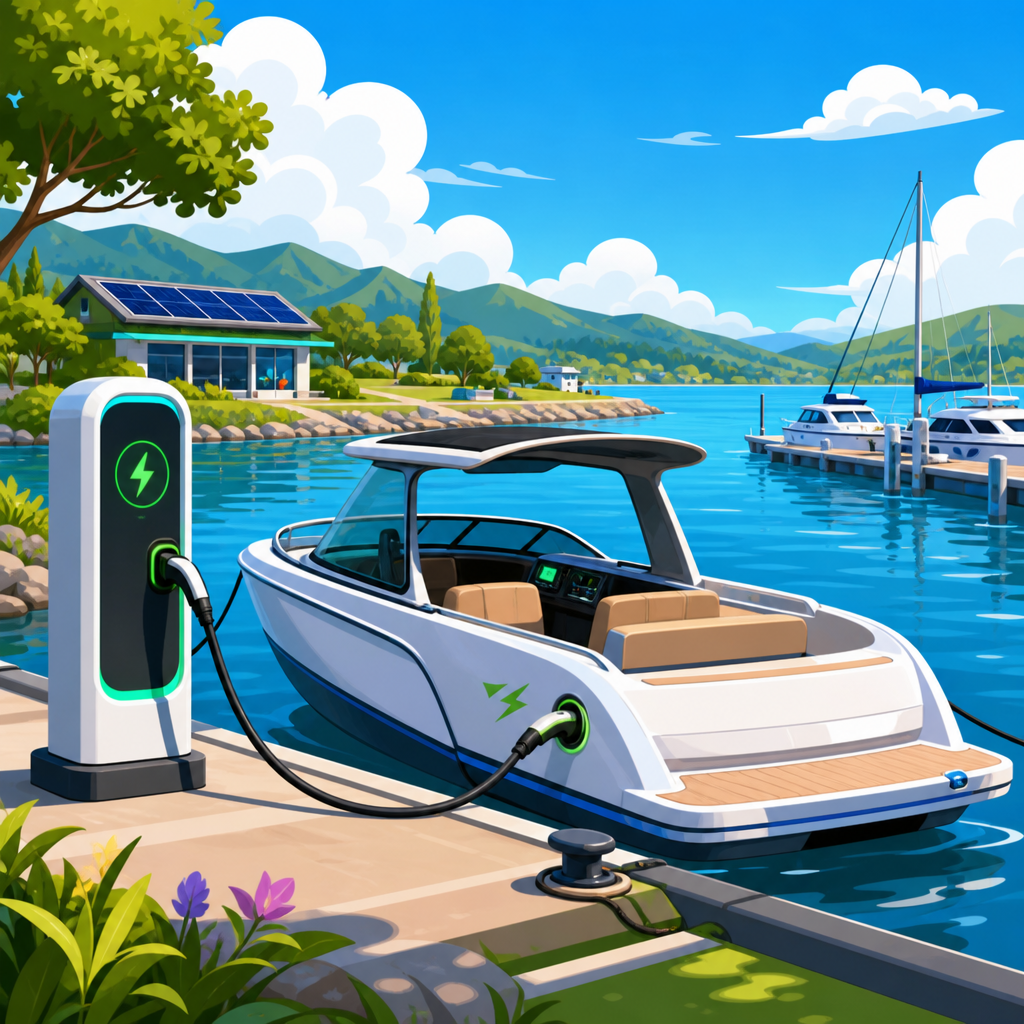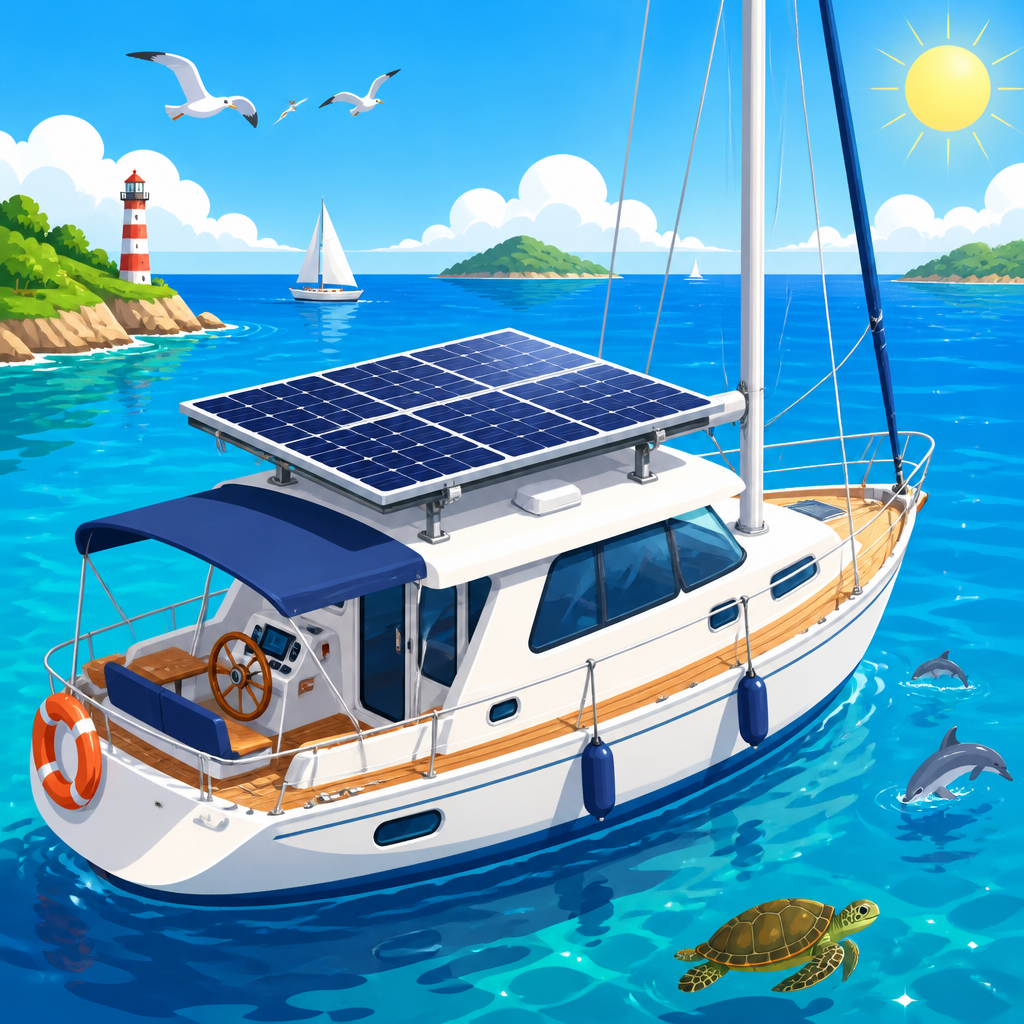
Solar panels have moved from niche gear to core equipment on modern boats, and for owners focused on electric and solar-powered boats, the right system can dramatically improve range, comfort, and energy independence at sea. In practical terms, a marine solar setup converts sunlight into usable DC electricity that charges house batteries, supports propulsion banks on some electric boats, and reduces engine run time for alternator or generator charging. The topic matters because energy demand afloat keeps rising while fuel costs, marina restrictions, and environmental expectations push boaters toward cleaner power. I have installed and evaluated solar arrays on cruising sailboats, center consoles, and electric day boats, and the pattern is consistent: the best solar panels for boats are not simply the most efficient modules on paper, but the panels that match available deck space, battery chemistry, shading conditions, and voyage profile. Understanding those variables is the difference between a system that meaningfully offsets consumption and one that looks good in a brochure but underperforms offshore.
For a hub article on electric and solar-powered boats, it helps to define the key terms clearly. Monocrystalline panels use single-crystal silicon cells and generally offer the highest efficiency, often around 20 to 23 percent in current marine products. Flexible panels are thin, lightweight modules that can conform slightly to curved surfaces, while rigid panels use aluminum frames and tempered glass for longer service life and better heat management. MPPT, or maximum power point tracking, is the charge-control method that optimizes output as light and temperature change; on boats, it consistently outperforms older PWM controllers, especially when panel voltage is well above battery voltage. Battery chemistry also matters. AGM remains common on legacy house banks, but LiFePO4 lithium iron phosphate batteries dominate new efficient installations because they accept charge faster, tolerate deeper cycling, and integrate well with electric propulsion. These terms matter because buyers searching for the best solar panels for boats are usually trying to answer a larger question: how do I build a reliable clean-energy system that actually works underway, at anchor, and in marina slips?
The answer starts with realistic expectations. Solar alone will not propel most cruising boats indefinitely, and even many purpose-built electric boats still rely on shore charging for full turnaround. Yet solar can cover a surprising share of daily loads. A pair of 200-watt marine panels in summer conditions may yield roughly 1.2 to 1.8 kilowatt-hours per day depending on latitude, tilt, shading, and temperature. That can run refrigeration, navigation electronics, lighting, communications, and water pumps on an efficient cruising boat, or extend the operating window of an electric tender and support hotel loads on a hybrid yacht. In coastal cruising, that means quieter anchorages, less generator time, lower maintenance, and a lighter environmental footprint. In this subtopic hub, the goal is to show how panel choices connect to the broader world of electric and solar-powered boats, from small trolling-motor skiffs to fully integrated electric day cruisers.
What makes a solar panel ideal for marine use
The best solar panels for boats share five traits: high conversion efficiency, strong resistance to saltwater corrosion, durable encapsulation, manageable weight, and stable performance under partial shading. Marine use is harsher than rooftop use. Salt deposits, constant vibration, UV exposure, and foot traffic on some installations quickly expose weak materials. In my experience, low-cost flexible panels are often attractive because they are light and easy to mount on biminis or cabin tops, but many degrade faster due to heat buildup and weaker backing materials. A rigid monocrystalline panel from marine-focused brands such as SunPower-based suppliers, Solbian, Victron partner manufacturers, or LG legacy stock typically lasts longer if the boat has the structure to support it. Tempered glass and aluminum frames are not liabilities offshore when mounting is properly engineered; they often provide better thermal dissipation, and cooler cells produce more power.
Efficiency matters most when deck space is limited. Boats rarely have the clean roof area available to RVs or houses, so every square foot must earn its place. A 100-watt high-efficiency monocrystalline panel may fit where a cheaper lower-efficiency panel cannot, allowing more total capacity on an arch or hardtop. However, chasing headline efficiency without considering shading is a mistake. Radar domes, booms, outriggers, and antennas create intermittent shadows that can cut output sharply. Panels with quality bypass diodes and cell layouts designed to handle partial shading hold up better in real conditions. This is one reason premium marine panels command higher prices: the gain is not only efficiency, but resilience in imperfect installation environments. If a buyer asks which solar panel type is best for a boat, the direct answer is monocrystalline in most cases, with rigid panels preferred for longevity and premium flexible panels reserved for weight-sensitive or curved surfaces where rigid mounting is impossible.
Rigid versus flexible panels for boats
Choosing between rigid and flexible panels is the first major decision in any marine solar project. Rigid panels are usually the best value over time because they run cooler, resist microcracking better, and maintain output for more years. On cruising sailboats, I often recommend rigid panels mounted on stern arches, davits, or hardtops because the airflow beneath the panel improves efficiency and the structure keeps the modules out of foot traffic. Typical rigid marine installations range from 200 to 800 watts on mid-size cruising boats and can exceed that on catamarans with wide hardtops. The tradeoff is weight aloft and windage, which affects sailing performance and bracket design.
Flexible panels serve a real purpose when mounting space is curved, weight is tightly constrained, or aesthetics matter. They work well on biminis, pop tops, and low-profile cabin roofs where a framed panel would snag lines or interfere with movement. The key is to buy truly marine-grade flexible panels using ETFE surfaces rather than cheaper PET laminates. ETFE resists UV damage better and is less prone to clouding. Even so, flexible panels generally run hotter because they are flush-mounted, and heat reduces voltage and output. They also face more stress when bonded directly to a deck that expands and flexes. For many owners, the strongest strategy is hybrid: rigid panels wherever structure allows, flexible panels only where no other option fits.
| Panel type | Best use on boats | Main strengths | Main limitations |
|---|---|---|---|
| Rigid monocrystalline | Arches, hardtops, davits, custom frames | Longest life, cooler operation, better output retention | Heavier, more visible, requires sturdy mounting |
| Flexible monocrystalline | Biminis, curved cabin tops, low-profile installs | Lightweight, low profile, easier on irregular surfaces | Runs hotter, shorter lifespan, more vulnerable to fatigue |
| Semi-flexible premium ETFE | Weight-sensitive yachts and tenders | Better UV resistance than basic flexible panels | Still less durable than rigid framed panels |
Best solar panel categories for different boat types
There is no single best solar panel for every vessel because power demand and mounting geometry vary radically. For a small fishing boat or skiff using a trolling motor and fishfinder, compact 50- to 200-watt monocrystalline panels paired with a lithium battery can keep the system topped up between outings or extend endurance during daylight. Brands commonly seen in these builds include Renogy, Newpowa, and BougeRV, though mount quality matters more than logo. For trailerable boats, removable rigid panels or portable folding kits are often smarter than permanent installations because they can be stowed during towing and aimed toward the sun at camp or dock.
For cruising sailboats, premium rigid panels in the 175- to 430-watt range are usually the best fit because liveaboard loads are substantial and available structures such as arches and davits can support them. A 40-foot monohull with refrigeration, autopilot, chartplotter, AIS, Starlink Mini or standard hardware, LED lighting, and water pressure pumps may consume 1.5 to 3 kilowatt-hours daily depending on usage. In that case, 600 to 1,000 watts of quality solar combined with MPPT control and LiFePO4 storage is a realistic target. Catamarans can often carry significantly more due to broad hardtops, making them excellent platforms for serious solar autonomy.
On electric day boats and solar-assisted hybrid craft, panel selection should prioritize integration with propulsion energy strategy. Manufacturers such as Torqeedo, ePropulsion, Candela, Navier, and Silent Yachts all illustrate different approaches, from small accessory charging systems to large arrays that support hotel loads and contribute meaningfully to range. A displacement electric launch benefits more from solar than a fast planing electric runabout because lower propulsion demand per mile gives harvested energy greater impact. For these boats, high-efficiency modules feeding a high-voltage battery through properly engineered DC-DC interfaces are essential. Off-the-shelf RV components are rarely adequate in this category.
How to size a marine solar system correctly
The right size starts with an energy audit, not panel shopping. List every load in watts, estimate hours of use per day, and calculate watt-hours. A practical example: a 12-volt refrigerator averaging 45 watts over 10 compressor hours uses 450 watt-hours; navigation electronics and instruments may add 250 to 400; anchor lights and cabin LEDs perhaps 50; pumps and charging devices another 100 to 200. The daily total could easily reach 900 to 1,200 watt-hours on a modest cruiser before any inverter loads are considered. If the boat uses induction cooking, air conditioning, or watermakers, consumption climbs sharply.
Next, estimate solar harvest conservatively. A common planning rule is to multiply panel wattage by average peak sun hours and then apply system losses. For marine systems, I often use 70 to 80 percent of the simple theoretical figure because controller losses, heat, wiring drop, dirt, and shading are unavoidable. So a 400-watt array in a location with five good sun hours might theoretically produce 2,000 watt-hours, but a realistic expectation is closer to 1,400 to 1,600. This approach prevents undersizing. If owners ask how much solar they need on a boat, the concise answer is enough to cover typical daily loads plus margin for cloudy periods, while keeping battery capacity large enough to bridge overnight use. That usually means pairing solar design with battery-bank design rather than treating them separately.
Controllers, batteries, and installation details that affect performance
Panels are only one part of the answer. An excellent module paired with a poor controller or undersized wiring will disappoint. MPPT controllers from Victron Energy, Morningstar, and Mastervolt consistently extract more energy than PWM units, especially in cooler morning light or when higher-voltage panel strings feed lower-voltage battery banks. Correct wire gauge is equally important because voltage drop wastes harvested energy; on longer marine runs, tinned copper conductors and marine-rated connectors are mandatory. Every penetration needs proper sealing, and every bracket must be designed for shock loading, not just static dockside conditions.
Battery chemistry determines how much of the harvested energy is actually useful. LiFePO4 batteries from Battle Born, Victron, Epoch, Lithionics, and similar suppliers have transformed marine solar because they can accept high charging currents and maintain voltage under load. Compared with AGM, they reduce recharge time and allow deeper useable capacity, often 80 to 90 percent rather than roughly 50 percent for good cycle life. For electric propulsion, a proper battery management system and manufacturer-approved integration are nonnegotiable. Safety, charge profile, and warranty support matter more than chasing the lowest cost per amp-hour. In practice, the owners happiest with solar are those who treat the boat as a complete energy system and balance generation, storage, distribution, and consumption together.
Common mistakes and the future of solar-powered boating
The most common mistake is buying panels before solving shading and mounting. A smaller unshaded panel often outperforms a larger panel that sits under the boom for hours. Another frequent error is overspending on generation while ignoring energy efficiency. Switching to LED lighting, a variable-speed refrigeration compressor, efficient autopilot settings, and low-draw networking gear can save more energy than adding one more small panel. I also see owners underestimate maintenance. Salt film, bird droppings, and hardware loosening reduce output over time, so routine cleaning and inspection belong in the maintenance plan.
Looking ahead, electric and solar-powered boats will keep expanding, but with clear distinctions between use cases. Solar is already excellent for house loads, tenders, canal boats, displacement cruisers, and hybrid support systems. It remains less decisive for high-speed planing boats because propulsion energy demand is immense. Cell efficiency will improve incrementally, while larger gains will come from better hull efficiency, smarter power electronics, lighter lithium systems, and integrated energy management software. For boaters building an eco-friendly cruising platform today, the best solar panels for boats are the ones selected as part of a disciplined system: efficient monocrystalline modules, marine-grade hardware, MPPT charging, and realistic load planning. Start with an energy audit, map your mounting space, and choose durable components that match how you actually boat. That is how solar stops being a gadget and becomes dependable power at sea.
Frequently Asked Questions
1. What should I look for when choosing the best solar panels for a boat?
The best solar panels for a boat are not just the highest-wattage panels you can fit on deck. A good marine setup starts with matching panel type, output, durability, and mounting style to the way your boat is used. Most owners begin by estimating daily energy consumption in amp-hours or watt-hours. That includes refrigeration, navigation electronics, lighting, water pumps, communication gear, and, on some electric boats, part of the propulsion-related charging load. Once you know your daily usage, you can size a solar array that meaningfully offsets it under real marine conditions, not just in ideal lab ratings.
Panel construction matters a great deal at sea. Monocrystalline panels are usually the top choice because they offer better efficiency and produce more power in a smaller footprint, which is important on boats where mounting space is limited. You should also consider whether rigid or flexible panels make more sense. Rigid panels typically last longer, run cooler, and produce more consistent output, making them a strong option for arches, hardtops, and stern frames. Flexible panels are useful where weight, low profile, or curved mounting surfaces matter, but they often have a shorter lifespan and can suffer if installed without enough airflow.
Marine durability is another major factor. Look for panels with strong corrosion resistance, quality encapsulation, and hardware suited for saltwater environments. A panel that performs well on land is not automatically ideal offshore. You also want a system built around a proper marine charge controller, preferably MPPT, because it will maximize energy harvest and improve charging efficiency, especially when sunlight changes throughout the day. In short, the best boat solar panel is the one that balances efficiency, reliability, available space, and your actual electrical needs on the water.
2. How much solar power does a boat need to run reliably at sea?
The amount of solar power a boat needs depends entirely on the boat’s electrical loads, cruising style, battery capacity, and how independent you want to be from shore power, engine charging, or a generator. For a small cruising sailboat or coastal powerboat, a modest array may be enough to maintain batteries and cover essentials like instruments, lights, USB charging, and a refrigerator. For larger liveaboard vessels or electric boats, solar may be expected to support heavier daily consumption, which means the system must be designed more like a full onboard energy platform than a simple battery maintainer.
A practical way to size a system is to calculate total daily usage first. Add up the wattage of each device and multiply by the number of hours it runs each day. For example, refrigeration, autopilot, chartplotters, radar, communications, and cabin fans can quickly add up. Once you have your daily watt-hour requirement, compare it to realistic solar production for your cruising area. Boat panels rarely operate at full rated output all day because of shading, panel angle, heat, cloud cover, rigging shadows, and seasonal sun changes. That means a 400-watt array does not deliver 400 watts continuously. Real-world production is always lower, so leaving a healthy margin is smart.
Battery storage is equally important. Solar only works well when paired with enough battery capacity to store daytime production for evening and overnight use. Many boat owners upgrade to lithium batteries because they accept charge faster, deliver more usable capacity, and pair well with renewable charging sources. On electric and solar-focused boats, this becomes even more important, since propulsion support places much greater demands on the energy system. In most cases, solar can significantly reduce charging needs and extend autonomy, but it should be viewed as part of a complete energy strategy that includes efficient appliances, smart battery management, and realistic expectations about available sunlight at sea.
3. Are flexible or rigid solar panels better for marine use?
Both flexible and rigid solar panels can work well on boats, but they serve different priorities. Rigid panels are generally considered the better long-term choice for marine use because they are more durable, better ventilated, and usually more efficient over time. Their aluminum frames and glass-faced construction help them hold up under constant UV exposure, temperature changes, and the wear of a harsh saltwater environment. Because they are mounted above a surface rather than directly bonded to it, air can circulate underneath, helping keep panel temperatures lower. That matters because excessive heat reduces solar performance.
Flexible panels, on the other hand, are popular when weight, deck profile, or mounting limitations make rigid panels impractical. They can be installed on curved cabin tops, biminis, and other surfaces where a framed panel would be awkward or intrusive. For smaller boats or owners who want a cleaner look with minimal windage, flexible panels can be very appealing. However, they usually run hotter, which can reduce output and accelerate wear. Lower-cost models may also suffer from delamination, cracking, or declining performance after repeated exposure to marine conditions. In other words, convenience sometimes comes with a durability tradeoff.
The right choice depends on your boat layout and how serious your energy goals are. If maximum efficiency, long service life, and reliable daily production are your top priorities, rigid panels usually win. If low profile installation and reduced weight matter more, high-quality flexible panels can still be a strong solution, especially when carefully mounted and paired with proper charge control. Many boat owners even combine both types, using rigid panels on arches or davits for core generation and flexible panels on cabin tops for supplemental charging. The best answer is not universal, but for demanding offshore or liveaboard use, rigid panels often remain the benchmark.
4. How important is a charge controller in a boat solar system?
A charge controller is absolutely essential in a boat solar system. It regulates the voltage and current coming from the panels so your batteries receive the correct charging profile without being overcharged or damaged. Marine batteries, whether AGM, gel, or lithium, have specific charging requirements, and solar panels by themselves do not provide that level of control. Without a proper controller, even a well-sized panel array can lead to poor battery health, wasted solar energy, or unsafe charging conditions.
For most marine applications, an MPPT charge controller is the preferred option. MPPT, or Maximum Power Point Tracking, extracts more usable power from the panels than a simpler PWM controller, especially when panel voltage is significantly higher than battery voltage. This is particularly valuable on boats because sunlight conditions are rarely stable. Shading from masts, sails, antennas, and rigging can change constantly, and boats often operate in mixed weather and variable angles to the sun. An MPPT controller helps the system adapt more efficiently, which translates into better energy harvest throughout the day.
A quality controller also improves overall system integration. Many modern marine units provide programmable charging settings, battery temperature compensation, remote monitoring, and compatibility with onboard energy networks. That is especially useful for electric boats and advanced cruising setups, where owners want accurate insight into charging performance, battery state, and energy balance. In practical terms, the charge controller is the intelligence layer of the solar system. The panels collect energy, but the controller ensures that energy is delivered safely, efficiently, and in a way that supports long battery life. It is one of the most important components in the entire installation and not an area where cutting corners makes sense.
5. Can solar panels meaningfully extend range and reduce engine use on boats?
Yes, in many cases solar panels can meaningfully extend range, reduce engine run time, and improve onboard comfort, especially for owners focused on energy efficiency and partial or full electric operation. On conventional boats, solar helps by covering house loads that would otherwise draw down the batteries and force the engine or generator to run for recharging. If your refrigeration, navigation electronics, lighting, and daily hotel loads are largely supported by solar, the alternator or generator does not need to work as often, which saves fuel, reduces noise, and lowers maintenance demands.
For electric boats, the benefits are especially compelling, although expectations need to stay realistic. Solar panels generally do not replace shore charging or full propulsion charging on their own, particularly on larger vessels or those running at higher speeds. However, they can still provide valuable energy input that helps maintain house systems, supports propulsion banks with supplemental charging, and reduces the total amount of external charging needed over time. On slower displacement hulls, day boats, and highly efficient electric designs, that contribution can translate into noticeable gains in usable endurance and better energy resilience between charging opportunities.
The real advantage of marine solar is that it turns available sunlight into daily operational flexibility. It supports quieter anchoring, longer time off-grid, fewer compromises on comfort systems, and a more self-sufficient onboard lifestyle. The impact is greatest when solar is combined with efficient appliances, quality battery storage, and careful system design. So while solar is not a magic solution for unlimited range, it is a highly practical way to improve energy independence at sea and make both conventional and electric boats more efficient, comfortable, and capable.