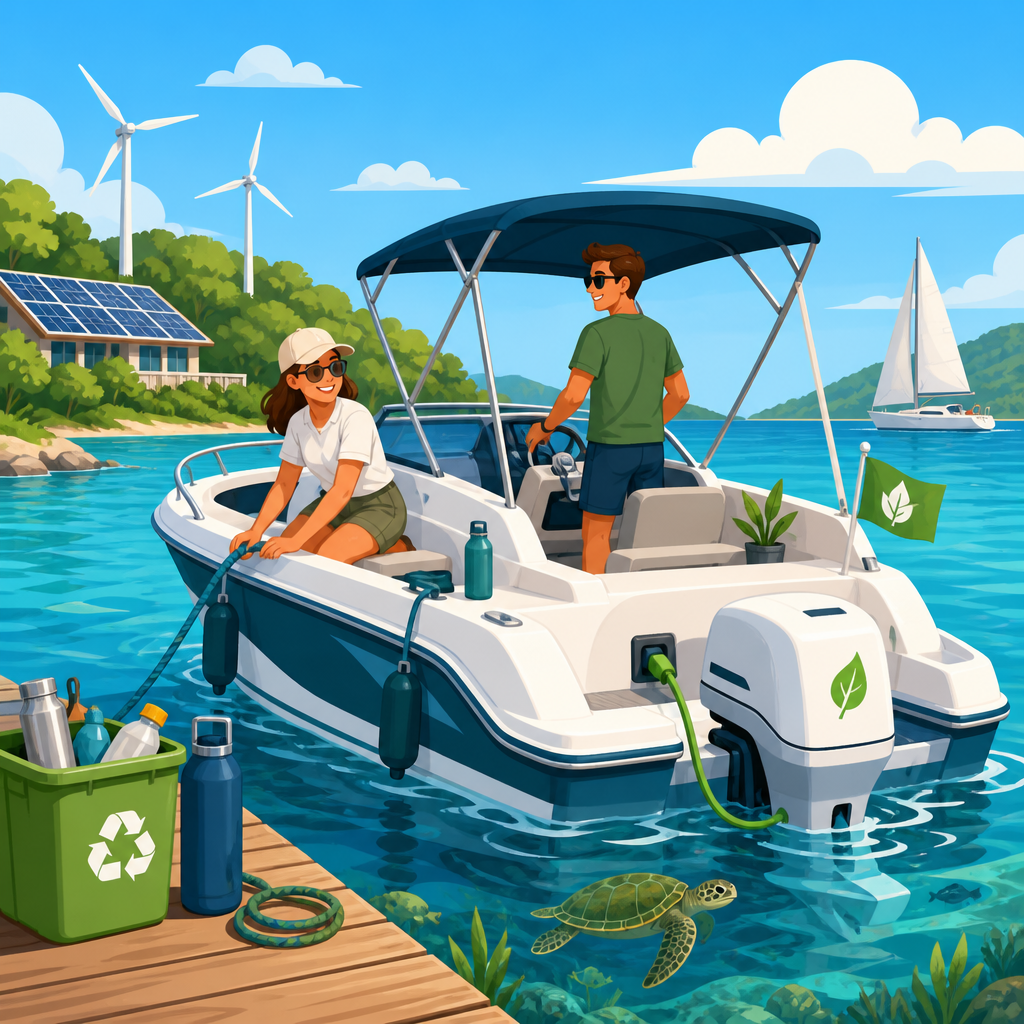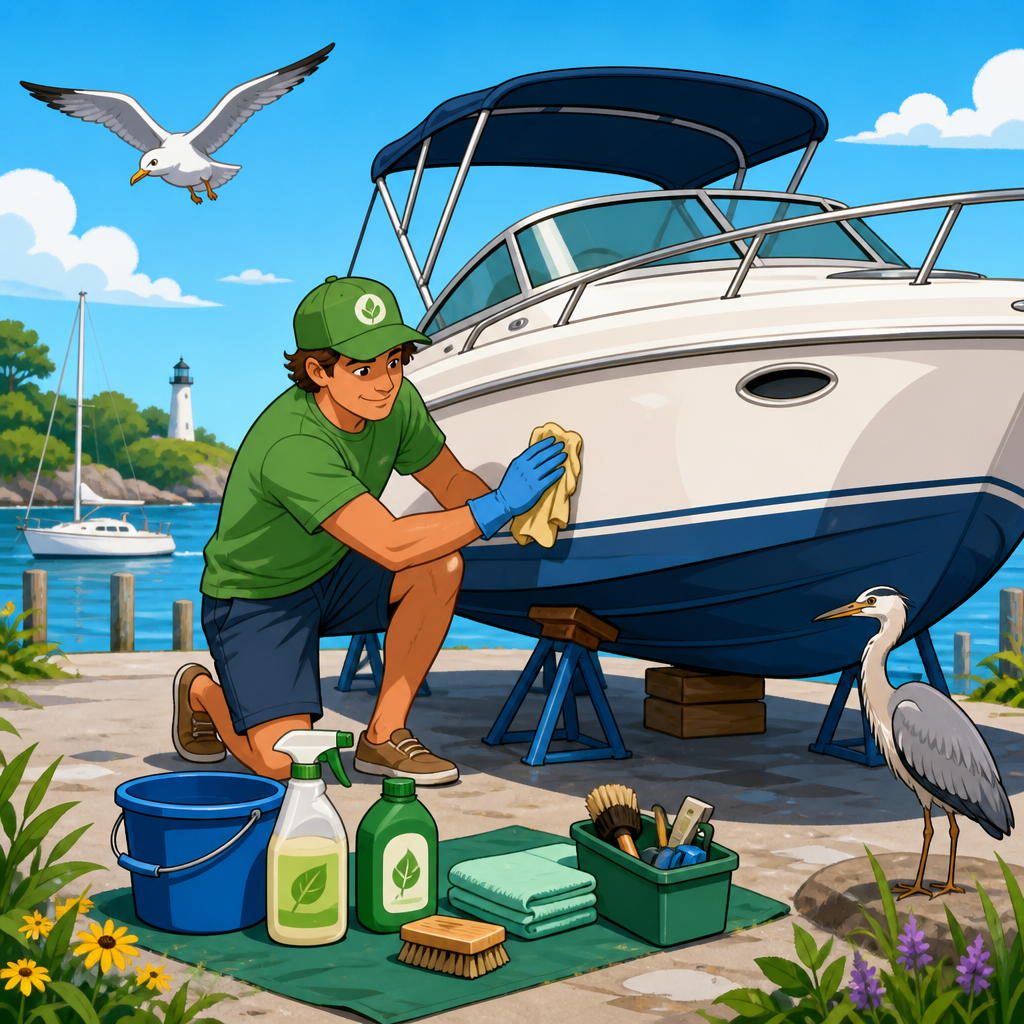
How to maintain your boat without harming the environment starts with a simple principle: every maintenance choice affects the water, the shoreline, and the life those systems support. Boat maintenance includes cleaning, repairing, fueling, storing, and replacing parts so a vessel remains safe, efficient, and reliable. Environmentally responsible boat maintenance means doing those jobs while minimizing toxic runoff, fuel loss, plastic waste, noise, and habitat disturbance. I have worked with owners who assumed the biggest risks came from major spills, but in practice, repeated small actions cause most cumulative harm: sanding dust blowing into a marina, harsh detergents washing overboard, oil drips in a bilge, antifouling paint applied carelessly, or old batteries stored improperly. This matters because boats operate directly on sensitive waterways where contaminants move quickly through fish habitat, shellfish beds, wetlands, and drinking-water sources.
Responsible maintenance is also practical. A cleaner hull reduces drag and fuel use. A well-tuned engine emits less exhaust and is less likely to leak oil or unburned fuel. Properly selected paints and cleaners protect the vessel while reducing crew exposure to solvents and volatile organic compounds. Organized storage extends equipment life and cuts replacement costs. In many regions, regulations from the U.S. Environmental Protection Agency, Clean Water Act permitting programs, local marinas, and state hazardous-waste rules already require better practices, so prevention is easier than fines, cleanup, or emergency repairs. For owners building an eco-friendly boating routine, this hub covers the core disciplines: choosing safer products, controlling runoff and dust, reducing fuel and oil pollution, handling waste correctly, planning lower-impact repairs, and creating a seasonal maintenance system that keeps the boat in service without treating the water like a workbench.
Choose maintenance products that clean effectively without adding toxins
The first decision point is product selection. Many conventional boat soaps, degreasers, polish compounds, and solvent cleaners work fast because they contain petroleum distillates, chlorine compounds, phosphates, or high-VOC ingredients. Those chemicals can strip wax, irritate skin, and enter the water through rinse runoff or overspray. A better standard is to use phosphate-free, biodegradable, non-caustic products that are specifically labeled for marine use and compatible with fiberglass, aluminum, painted surfaces, teak, and inflatable materials where applicable. I look for products with clear ingredient transparency, concentrated formulas that reduce packaging, and instructions that call for the smallest effective dose. Stronger is rarely better in a marina setting.
It also helps to match the cleaner to the actual problem. Salt residue usually needs fresh water and a mild wash solution, not a solvent degreaser. Waterline stains may respond to targeted oxalic-acid formulations used sparingly and captured onshore rather than broad scrubbing. Mildew can often be managed through ventilation, moisture control, and hydrogen peroxide-based cleaners instead of bleach-heavy sprays. For metal polishing, choose products that create less residue and buff with reusable microfiber cloths rather than disposable wipes. Read safety data sheets before buying in bulk. If a product requires special respiratory protection, runoff controls, and hazardous disposal for routine use, it is often the wrong first choice for a recreational boat owner working near open water.
Control runoff, wash water, and surface residue during cleaning
Environmentally safe boat cleaning depends less on what touches the hull than on where residue goes afterward. Whenever possible, wash the boat on land in a designated area that drains to a sanitary sewer or approved treatment system, not directly to stormwater. Many marinas now provide wash pads or require low-pressure rinsing only. That policy is sound because storm drains often discharge untreated water into rivers, bays, and lakes. If the boat must be cleaned in the slip, avoid soaps unless the marina expressly allows them, use minimal water, and wipe surfaces down instead of continuously rinsing. A soft brush, bucket, and absorbent towels usually remove far more grime than owners expect.
Before washing, dry collect debris. Sweep leaves, flaking paint, and sanding remnants into a container instead of hosing them overboard. Use tarps under work areas and along trailer zones. For deck cleaning, spot-clean bird droppings and fish residue rather than flooding the entire surface with cleaner. I recommend keeping separate rags for oil, polish, and general washing so contamination does not spread. Bilge water deserves special attention: if it has oil sheen, fuel odor, or detergent contamination, it should not be pumped overboard. Use absorbent bilge pads, identify the leak source, and dispose of saturated material through the marina or local hazardous-waste program. Preventing one contaminated bilge discharge does more good than any marketing claim on a soap bottle.
Use low-toxicity bottom paint and manage hull fouling carefully
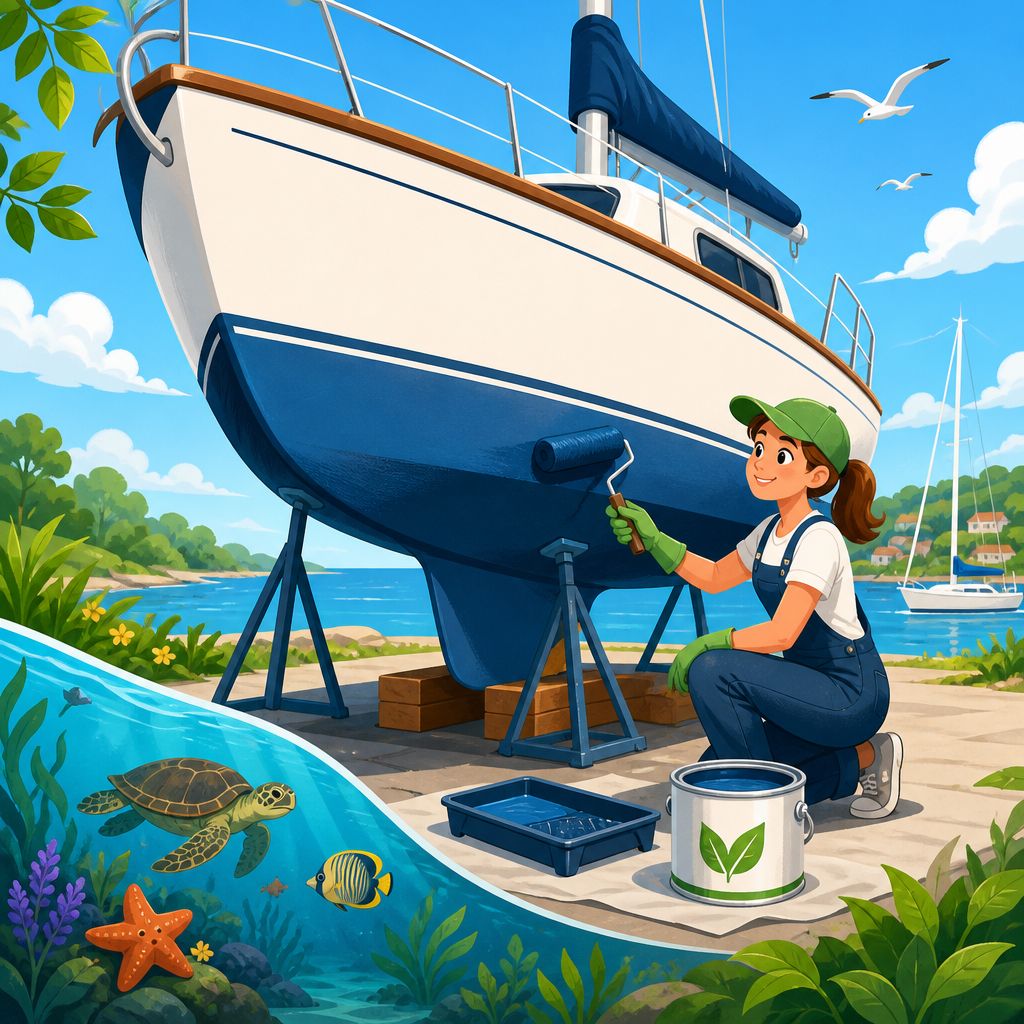
Hull fouling control is one of the hardest environmental tradeoffs in boating. Fouled bottoms increase drag, fuel burn, and invasive-species transfer, yet traditional antifouling coatings often rely on biocides such as copper compounds that accumulate in sediments and enclosed marinas. The right answer depends on boat type, speed, water conditions, and storage pattern. Trailered boats, dry-stacked boats, and frequently hauled sailboats can often avoid heavy biocide systems by using hard, scrubbable coatings, regular wipe-down schedules by compliant divers, or nonstick foul-release coatings where performance and budget allow. Boats that remain in warm, nutrient-rich water year-round may still need antifouling paint, but application and selection matter.
Choose the least toxic coating that will perform in your conditions, and follow the manufacturer’s film-thickness and cure specifications exactly. Overapplying paint does not create meaningful extra protection; it creates waste and dust. During removal or surface preparation, connect sanders to HEPA vacuums, tent the work area when possible, and never dry-sand where debris can blow into the water. Marina rules increasingly require vacuum sanding because copper and paint particulates are a known pollution source. When comparing coating options, focus on service interval, compatibility with existing layers, cleaning requirements, and local restrictions.
| Maintenance option | Best use case | Environmental profile | Key limitation |
|---|---|---|---|
| Manual cleaning with hard coating | Trailered boats or regularly hauled vessels | Lower biocide release | Requires frequent upkeep |
| Copper-based antifouling | Long-term in-water storage in high-growth areas | Effective but higher contaminant risk | Can contribute to sediment pollution |
| Foul-release coating | Fast boats used often | Very low biocide content | Higher upfront cost and surface prep demands |
| Hybrid reduced-copper paint | Owners seeking a middle ground | Lower metal loading than standard copper paint | Performance varies by location |
Prevent fuel, oil, and exhaust pollution through routine engine care
Clean propulsion is mostly a maintenance discipline. Gasoline and diesel engines release pollution when combustion is incomplete, fuel systems leak, injectors foul, carburetors drift out of tune, or crankcase oil escapes into the bilge. Follow the engine manufacturer’s maintenance intervals for spark plugs, filters, impellers, belts, thermostats, gear lube, and fuel-water separators. On older two-stroke outboards, the environmental gains from upgrading to modern direct-injection two-strokes or four-stroke engines can be substantial because legacy carbureted models discharge more unburned fuel. For inboards and sterndrives, inspect hoses, clamps, shaft seals, and exhaust components at the start of every season and after any grounding or overheating event.
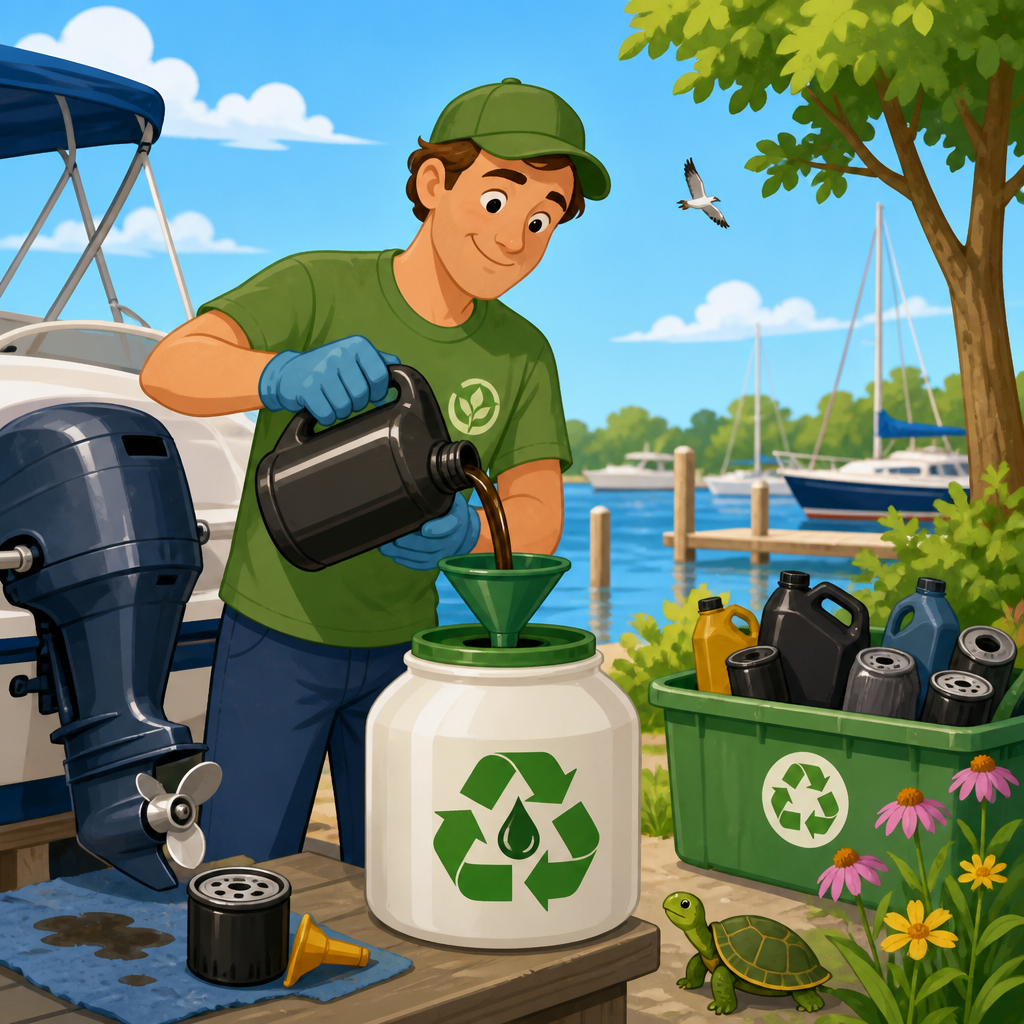
Spill prevention is equally important. During fueling, keep absorbent pads around the deck fill, listen for the tone change as the tank nears full, and stop before topping off into the vent line. Fuel expands with temperature; an overfilled tank often vents directly into the water. Use portable containers with self-closing spouts and store them upright in ventilated lockers or ashore as regulations require. For oil changes, warm the engine briefly, use a vacuum extractor, and transfer used oil immediately into labeled containers for recycling. Most marinas, automotive shops, and municipal depots accept used oil and filters. Never mix oil with solvents, paint, or gasoline, because that can convert recyclable waste into hazardous waste that is harder and more expensive to process.
Handle batteries, electronics, and hazardous waste with a closed-loop mindset
Boat maintenance generates waste streams that should never enter ordinary trash without verification. Lead-acid batteries contain sulfuric acid and lead; lithium systems contain energy-dense cells and battery-management electronics; fluorescent bulbs, old flares, solvents, adhesives, and some fire extinguishers all require controlled disposal. The safest approach is to track these materials from purchase to end of life. Keep batteries secured in noncorrosive trays, terminals protected, and charging systems properly set to the chemistry in use. Overcharging shortens life, creates unnecessary replacement waste, and can become a safety issue. When replacing electronics such as chartplotters, VHF radios, or trolling motors, ask whether the retailer or manufacturer offers take-back or recycling.
I advise owners to keep one labeled bin for maintenance waste: used filters in sealed bags, spent absorbents, empty sealant tubes, worn zincs or aluminum anodes, and contaminated rags. Separation matters because recyclable scrap metal should not be mixed with solvent-soaked cloth, and universal waste rules may differ by jurisdiction. Check local guidance on pyrotechnic flares; many areas prohibit disposal in household garbage and host periodic amnesty collections. If you use epoxy, fiberglass resin, or two-part paints, mix only the amount needed. Excess cured material is easier to manage than leftover reactive chemicals, but the real win is avoiding waste at the source. Good inventory control is one of the most overlooked sustainability practices in any boatyard.
Plan repairs to reduce material use, extend service life, and avoid emergency work
Eco-friendly boat maintenance and repairs are not just about buying greener supplies; they are about reducing the volume of repair work through better planning. Preventive inspections catch UV-damaged caulk, early corrosion, wet core intrusion, chafed dock lines, and hairline gelcoat cracks before they turn into structural jobs requiring fiberglass cloth, resins, fairing compound, primers, and repainting. Create a monthly checklist that covers through-hulls, seacocks, hose clamps, steering components, battery connections, pumps, navigation lights, and safety gear. Document findings with photos and dates. When patterns appear, such as repeated corrosion on a fitting, address root causes like galvanic imbalance, water intrusion, or incompatible metals rather than repeatedly replacing parts.
When repairs are necessary, prioritize durable fixes over quick cosmetic patches. Rebedding a leaking deck fitting with the correct marine sealant is better than repeatedly adding more sealant on top of failed material. Repairing a small fiberglass crack promptly prevents moisture migration into laminate and reduces the likelihood of larger delamination work later. Source replacement parts by exact specification so components fit properly and last. Rebuilt starters, alternators, and pumps can be viable options when supplied by reputable marine or industrial remanufacturers. The same is true for reclaimed teak or recycled plastic lumber in nonstructural applications. Sustainable repair work is, fundamentally, precise repair work that extends service life, minimizes rework, and keeps unnecessary materials out of the waste stream.
Create a seasonal maintenance system that supports cleaner boating year-round
The most effective way to maintain your boat without harming the environment is to turn isolated good intentions into a repeatable system. Build a seasonal plan with pre-launch, midseason, haul-out, and winterizing tasks. Pre-launch should cover bottom inspection, zinc or aluminum anode condition, hose and clamp checks, fluid changes, battery testing, and confirmation that spill kits, bilge pads, and waste containers are onboard. Midseason should include hull cleaning review, fuel system inspection, and deck-drain housekeeping so debris does not wash overboard. Haul-out is the time for controlled scraping, repairs, and inventory of chemicals that should not sit aging in lockers. Winterizing should focus on stabilizing or draining fuel correctly, preventing freeze damage without overusing toxic products, and storing soft goods dry to avoid mildew chemicals later.
Work with marinas and yards that provide pump-out stations, recycling, designated wash areas, and clear environmental rules. Those facilities usually make compliance easier, and their standards often reflect hard lessons from polluted runoff and enforcement cases. Keep records of products used, maintenance dates, disposal receipts, and engine hours. That documentation helps with warranty issues, resale value, and diagnosing recurring problems before they become expensive or polluting failures. The core lesson is straightforward: cleaner maintenance makes boats safer, more reliable, and less costly to own over time. Start by switching one product, one workflow, and one disposal habit this season, then build a full low-impact maintenance routine that protects both your boat and the water you depend on.
Frequently Asked Questions
1. What are the most important eco-friendly boat maintenance habits to follow year-round?
The most important habit is to treat every maintenance task as something that can either protect or pollute the water around your boat. That means planning work carefully, using the least toxic products available, and making sure nothing from your cleaning, sanding, painting, fueling, or repair work washes directly into the marina, boatyard, storm drain, or shoreline. Year-round, focus on preventing pollution instead of trying to clean it up later. Use phosphate-free and biodegradable boat soaps, wipe surfaces before washing when possible, and avoid harsh degreasers unless they are truly necessary. Even better, use a bucket, sponge, and controlled rinse rather than a high-pressure wash that blasts residue into the water.
It is also important to stay ahead of maintenance. A well-maintained boat is usually more environmentally responsible because it burns fuel more efficiently, leaks fewer fluids, and requires fewer emergency repairs. Check the engine regularly for oil, fuel, and coolant leaks. Inspect hoses, clamps, seals, and bilge areas often. Keep the hull clean to reduce drag and improve fuel economy, but choose cleaning methods and coatings that do not release unnecessary toxins. Store maintenance supplies securely so wind and rain cannot carry them away, and always collect waste such as used oil, filters, batteries, rags, paint chips, and old parts for proper disposal or recycling. Small habits done consistently make the biggest difference over time.
2. How can I clean my boat without releasing harmful chemicals into the water?
The best approach is to use the mildest effective cleaning method first. In many cases, warm water, a soft brush, and a microfiber cloth will remove dirt, salt, bird droppings, and general buildup without the need for strong chemical cleaners. If you do need a soap or specialty product, choose one specifically labeled as biodegradable, non-phosphate, and safe for marine environments. That said, even environmentally safer products should be used carefully. “Biodegradable” does not mean it is harmless in large amounts, especially if it goes straight into the water before it has a chance to break down properly. The goal is still to minimize discharge as much as possible.
Whenever possible, clean your boat on land in a designated wash-down area where runoff can be contained or treated. If your marina has best-practice wash areas, use them. Before washing, wipe away grease, scum, and residue with absorbent cloths so less material enters the rinse water. Avoid bleach, ammonia, strong acids, and household detergents that are not designed for marine use. For mildew, oxidation, and stubborn stains, spot-treat only the affected area instead of overusing product on the whole boat. If you are scrubbing the hull, place tarps or use vacuum-assisted sanding and cleaning tools when appropriate to capture debris. In practical terms, environmentally safer cleaning means using less water, fewer chemicals, and better containment at every step.
3. What is the safest way to handle boat fuel, oil, and bilge water to avoid pollution?
Fuel, oil, and bilge contamination are among the most common and damaging boating-related pollution issues, so careful handling here matters a great deal. When fueling, never top off the tank to the absolute brim. Fuel expands, especially in warm conditions, and overflow is a major source of spills. Fill slowly, listen for changes in tank sound, and stop before the tank is completely full. Keep absorbent pads around the fill area and under connections when needed, and wipe up drips immediately. Never rely on rinsing spills away. Even a small amount of fuel can spread quickly across the surface and harm fish, birds, and other aquatic life.
For oil and engine fluids, inspect the engine compartment and bilge routinely so leaks are caught early. Use drip pans during maintenance and absorbent bilge pads to capture minor leaks before they spread. Dispose of used oil, filters, coolant, and oily rags through approved recycling or hazardous waste collection programs. Bilge water deserves special attention because it often contains a mixture of oil, fuel residue, soap, and grime. It should never be pumped overboard if it is contaminated. First, identify and fix the source of the leak. Then clean the bilge with absorbents and manual removal methods rather than emulsifying cleaners that simply break oil into smaller droplets. Responsible fluid management is not just about compliance; it is one of the clearest ways a boat owner protects the water directly.
4. How do I repair, sand, paint, or replace boat parts in a more environmentally responsible way?
Environmentally responsible repair work starts with containment and product choice. Any task that creates dust, scrapings, solvent fumes, metal shavings, fiberglass particles, or paint residue can send harmful material into the surrounding environment if it is not controlled. Before sanding or scraping, place tarps or ground covers under the work area and use tools with vacuum attachments whenever possible. This is especially important when dealing with bottom paint, old coatings, or fiberglass repairs. Capture debris at the source, bag it securely, and dispose of it according to local marina, yard, and hazardous waste rules. Never let residue blow across the yard or wash into a drain.
When replacing parts, choose durable, high-quality components that reduce the frequency of future replacements. Longevity is an environmental benefit because it reduces waste, packaging, transport impacts, and the chance of repeat contamination from additional repair jobs. If repainting is necessary, select lower-VOC marine coatings when suitable for your boat and operating conditions, and apply them according to label instructions to avoid overuse and overspray. Store solvents, adhesives, and coatings in sealed containers, and never pour leftovers into the ground, water, or standard trash. Whenever possible, repair instead of replace, reuse serviceable hardware, recycle metals and batteries, and buy only the amount of material you realistically need. Good environmental maintenance is often simply more disciplined, more precise maintenance.
5. Are there environmentally friendly ways to improve boat performance and extend the boat’s lifespan?
Yes, and many of the best environmental choices also improve reliability, operating cost, and overall performance. One of the most effective steps is keeping the hull in good condition. A smooth, clean hull reduces drag, which means the engine works less and burns less fuel. A well-tuned engine, clean propeller, and properly inflated trailer tires if you trailer the boat all contribute to efficiency as well. Follow the engine manufacturer’s maintenance schedule for spark plugs, filters, lubricants, and cooling system checks, and use the correct fluids and parts. An engine that runs cleanly and efficiently generally produces fewer emissions and is less likely to leak.
Long-term protection also depends on storage and prevention. Cover the boat properly, ventilate enclosed areas to reduce mold and material breakdown, and protect wiring, seals, and upholstery from sun and moisture damage. During offseason storage, remove trash, food, and unnecessary plastics, and inspect for corrosion before it becomes severe. If you are upgrading equipment, consider energy-efficient electronics, modern propeller designs suited to your hull, or cleaner propulsion options where practical. The broader idea is simple: the longer a boat stays structurally sound, mechanically efficient, and free of preventable damage, the fewer resources it consumes over its lifetime. Sustainable boat maintenance is not separate from good seamanship; in most cases, it is the same thing done with more awareness and care.