Boating is becoming more sustainable as owners, builders, marinas, and regulators rethink how vessels are powered, maintained, and used on the water. Eco-friendly boating means reducing a boat’s total environmental footprint across fuel consumption, emissions, noise, sewage handling, hull maintenance, anchoring, waste disposal, and purchasing decisions. Sustainable boating goes beyond switching engines. It includes how a hull is designed, what cleaning products are used, where graywater goes, how often gear is replaced, and whether a cruise plan protects sensitive habitats. I have worked with recreational boaters and marina teams on sustainability upgrades, and the pattern is consistent: the most effective changes are practical, measurable, and often cost-saving over time. This matters because boating depends on healthy waterways. Seagrass beds, coral systems, estuaries, and freshwater lakes all suffer when fuel leaks, invasive species, sewage discharge, prop scarring, and toxic antifouling accumulate. At the same time, boaters face rising fuel prices, tighter emissions rules, and growing expectations from guests and waterfront communities. The rise of eco-friendly boating is therefore not a niche trend. It is a broad market shift driven by technology, regulation, and user demand. Electric propulsion, hybrid systems, cleaner fuels, solar integration, efficient hulls, and modern battery management are moving from early adoption into mainstream consideration. Marinas are adding pump-out stations, shore power, recycling programs, and charging infrastructure. Manufacturers increasingly publish fuel-burn data, lifecycle materials information, and low-emission options. For boat owners, the opportunity is clear: better boating practices can lower operating costs, protect destinations, and future-proof purchases. This guide explains how to make boating more sustainable and why eco-friendly boating is rising so quickly across the industry today.
The Rise of Eco-Friendly Boating and What Is Driving It
The rise of eco-friendly boating is the result of three forces converging: environmental pressure, technological maturity, and economic reality. Waterways are under visible strain. In many coastal regions, nutrient pollution and habitat loss have reduced water clarity and biodiversity, while inland lakes increasingly deal with algal blooms and invasive species transfers. Boaters now see direct links between vessel behavior and local ecosystem damage, which makes sustainability less abstract than it was a decade ago. At the same time, cleaner boating technology has improved significantly. Electric outboards from brands such as Torqeedo, ePropulsion, and Mercury’s emerging electrification programs offer usable range for tenders, fishing skiffs, and day boats. Lithium iron phosphate battery systems provide longer cycle life and greater safety stability than older chemistries when properly installed with battery management systems. Hybrid propulsion is also advancing in larger cruisers and commercial applications, especially where low-speed maneuvering or no-wake zones favor electric operation.
Economics are equally important. Fuel is one of the largest recurring costs in powerboating, and drag reduction, route planning, and engine efficiency can create immediate savings. Even simple changes such as propeller tuning, trim optimization, and regular bottom cleaning can reduce fuel burn noticeably. Marina operators are responding because sustainability investments attract customers, reduce liability, and align with local permitting requirements. Programs such as Clean Marina certification in the United States and similar initiatives in Europe and Australia have created visible benchmarks for better environmental practices. Insurance and resale considerations also matter. Buyers increasingly ask about engine hours, emissions profile, battery age, maintenance records, and whether a vessel can comply with restricted or protected waterways. In practice, eco-friendly boating is rising because it is becoming the smarter operational choice, not merely the greener one.
Cleaner Propulsion Options: Electric, Hybrid, Efficient Combustion, and Wind
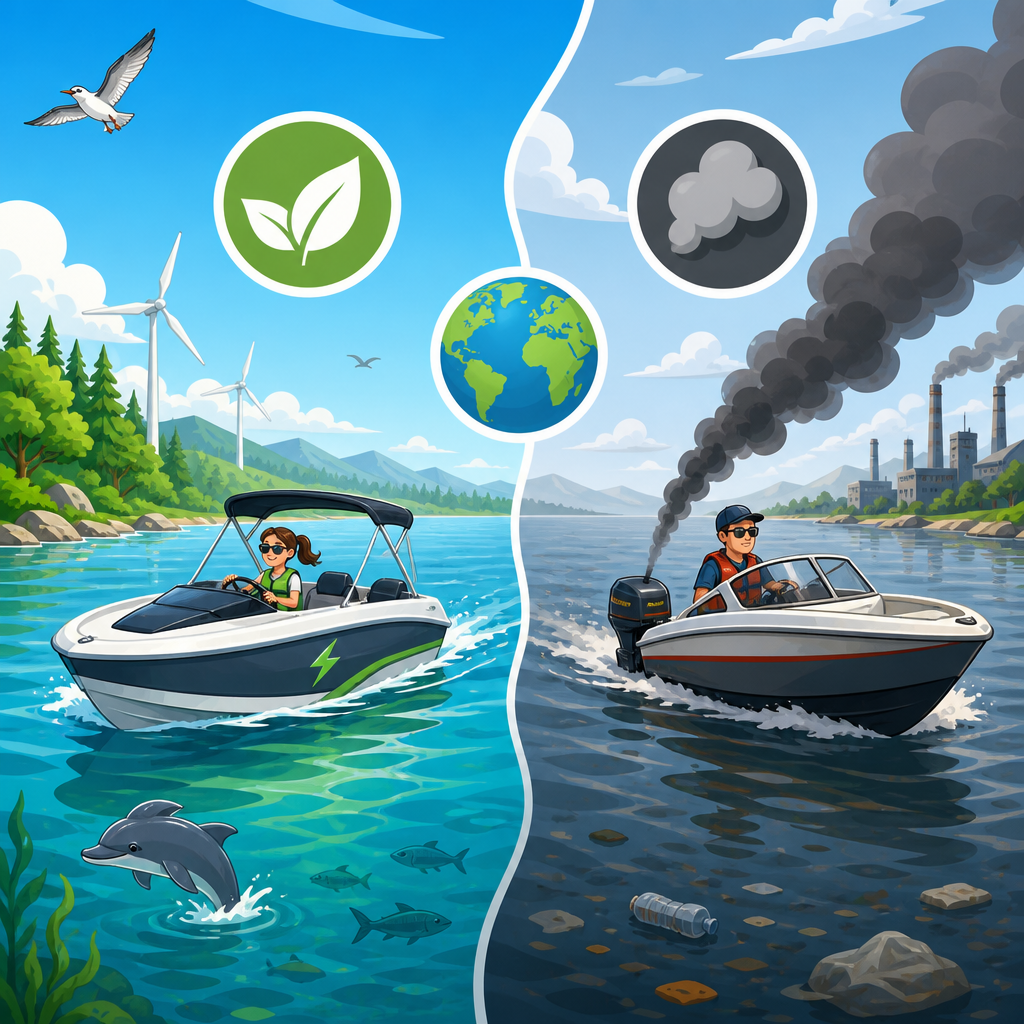
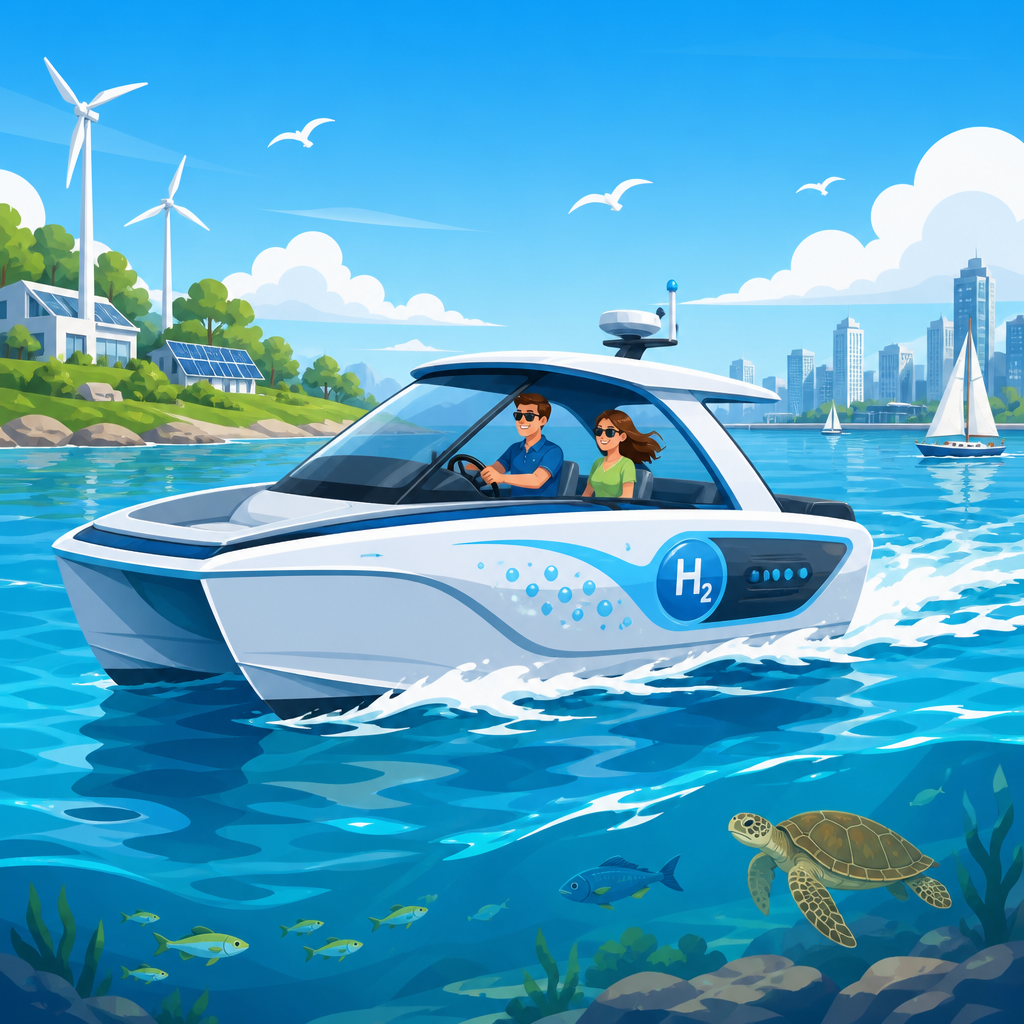
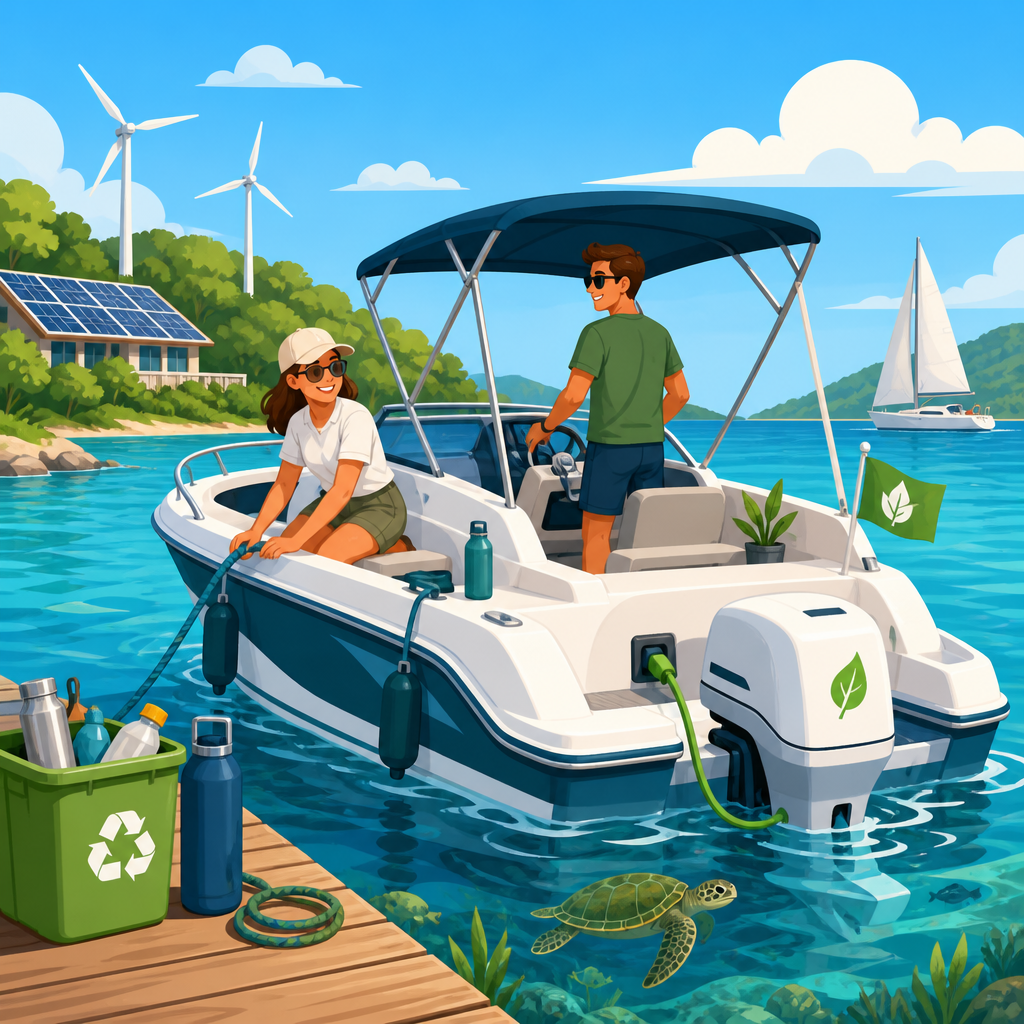
When boaters ask how to make boating more sustainable, propulsion is usually the first decision point. The cleanest option depends on vessel type, duty cycle, cruising range, charging access, and budget. Electric boats produce no tailpipe emissions on board and dramatically reduce noise and vibration. That makes them ideal for lakes, harbors, protected areas, sailing auxiliaries, and short-range leisure trips. Their limitation is energy density. Batteries still store far less usable energy per kilogram than diesel or gasoline, so a fast planing hull that runs all day offshore is not yet a strong all-electric candidate. Hybrid systems bridge that gap by pairing batteries and electric drive with an internal combustion engine or generator, allowing silent low-speed operation with range backup.
Efficient combustion remains relevant because many boats will stay gas or diesel powered for years. Sustainability gains here come from modern four-stroke outboards, direct injection where appropriate, electronic fuel management, proper prop selection, and disciplined maintenance. A poorly matched propeller can push an engine outside its recommended wide-open-throttle range, increasing fuel use and wear. Diesel engines on displacement and semi-displacement hulls can be highly efficient when run at correct load bands and maintained with clean injectors, filters, and cooling systems. Sailboats remain a leading example of low-impact boating because wind propulsion removes most fuel consumption underway, especially when owners reduce auxiliary engine use through better passage planning and battery charging from solar, hydrogeneration, or regeneration under sail.
| Propulsion option | Best use case | Main sustainability benefit | Primary limitation |
|---|---|---|---|
| Electric | Tenders, lake boats, day cruisers, harbor use | Zero onboard emissions, low noise, low maintenance | Limited range and charging dependence |
| Hybrid | Cruisers, ferries, mixed-speed operation | Reduced fuel burn in low-speed zones | Higher system complexity and cost |
| Modern gasoline or diesel | Longer range and higher speeds | Immediate gains through efficiency upgrades | Continued fossil fuel use and emissions |
| Sail with efficient auxiliary power | Cruising sailboats and training fleets | Minimal fuel use during passages | Weather dependence and slower schedules |
Design, Maintenance, and Operations That Cut Environmental Impact
A sustainable boat is not defined only by its engine. Hull design, onboard systems, and maintenance routines often determine how much energy a vessel uses and how much pollution it creates. Weight matters. Every unnecessary kilogram requires propulsion energy, so replacing obsolete equipment, carrying appropriate water and fuel loads, and choosing lighter materials where safe can improve efficiency. Hull form matters as well. A fouled hull can raise drag significantly, which directly increases fuel burn. In my experience, owners are often surprised that a routine bottom inspection and cleaning schedule can deliver one of the fastest environmental returns available. The same is true for propellers. Dings, bent blades, or marine growth reduce thrust efficiency and increase cavitation, which wastes energy and can harm performance.
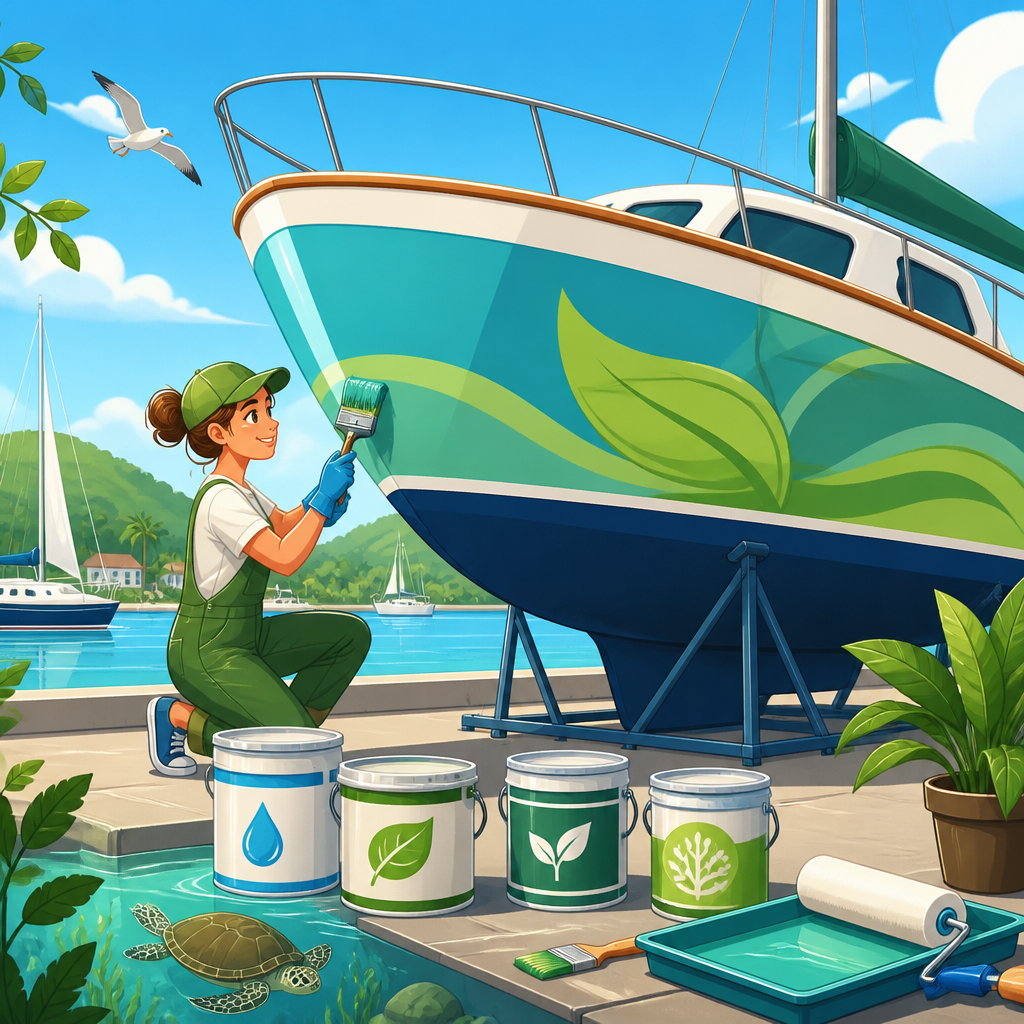
Antifouling choices require nuance. Traditional copper-based paints remain common, but excessive biocide release can affect local water quality, especially in marinas with low flushing. Hard coatings, foul-release silicon systems, and careful haul-out washing practices can reduce contamination when matched to the boat’s use pattern. Bilge management is another overlooked area. Oily bilge water should never be pumped overboard. Absorbent pads, proper leak tracing, and responsible disposal are basic sustainable boating practices. Graywater and blackwater handling are equally important. Using pump-out facilities, maintaining holding tanks, and understanding no-discharge zones protects public health and habitats. Efficient operations on the water also matter. Smooth throttle application, avoiding long idle periods, using trim tabs correctly, and planning routes around currents and weather all reduce fuel consumption. These are small habits individually, but together they define practical eco-friendly boating.
Marinas, Infrastructure, and the Systems That Support Greener Boating
Boaters can only go so far without supportive infrastructure, which is why marinas are central to the rise of eco-friendly boating. A well-run marina reduces pollution through design and policy. Key features include reliable shore power, pump-out stations, hazardous waste collection, spill response equipment, stormwater controls, recycling access, and designated hull-maintenance areas that capture debris and wash water. Shore power is particularly important because it allows vessels to avoid running generators at the dock, cutting emissions, noise, and fuel use. As electric boats become more common, charging capacity will matter just as much as fuel dock access does today. The best marina operators are already planning for load management, pedestal upgrades, and electrical safety standards.
Clean Marina programs provide a useful framework because they turn general intentions into audited practices. Typical standards cover fuel dock procedures, staff training, wastewater handling, landscaping, emergency planning, and boater education. For boat owners choosing a home port, these standards are practical signals of environmental competence. Infrastructure also affects habitat protection. Environmentally sensitive mooring systems can reduce anchor damage to seagrass and coral by keeping tackle off the bottom. Clearly marked no-wake zones protect shorelines from erosion and reduce disturbance to wildlife. Some harbors now integrate eelgrass-safe moorings, oyster restoration projects, and living shoreline features directly into marina planning. This is an important shift: sustainability is no longer treated as an optional add-on. It is becoming part of how boating access is built and managed.
Materials, Waste, and Buying Decisions Across a Boat’s Lifecycle
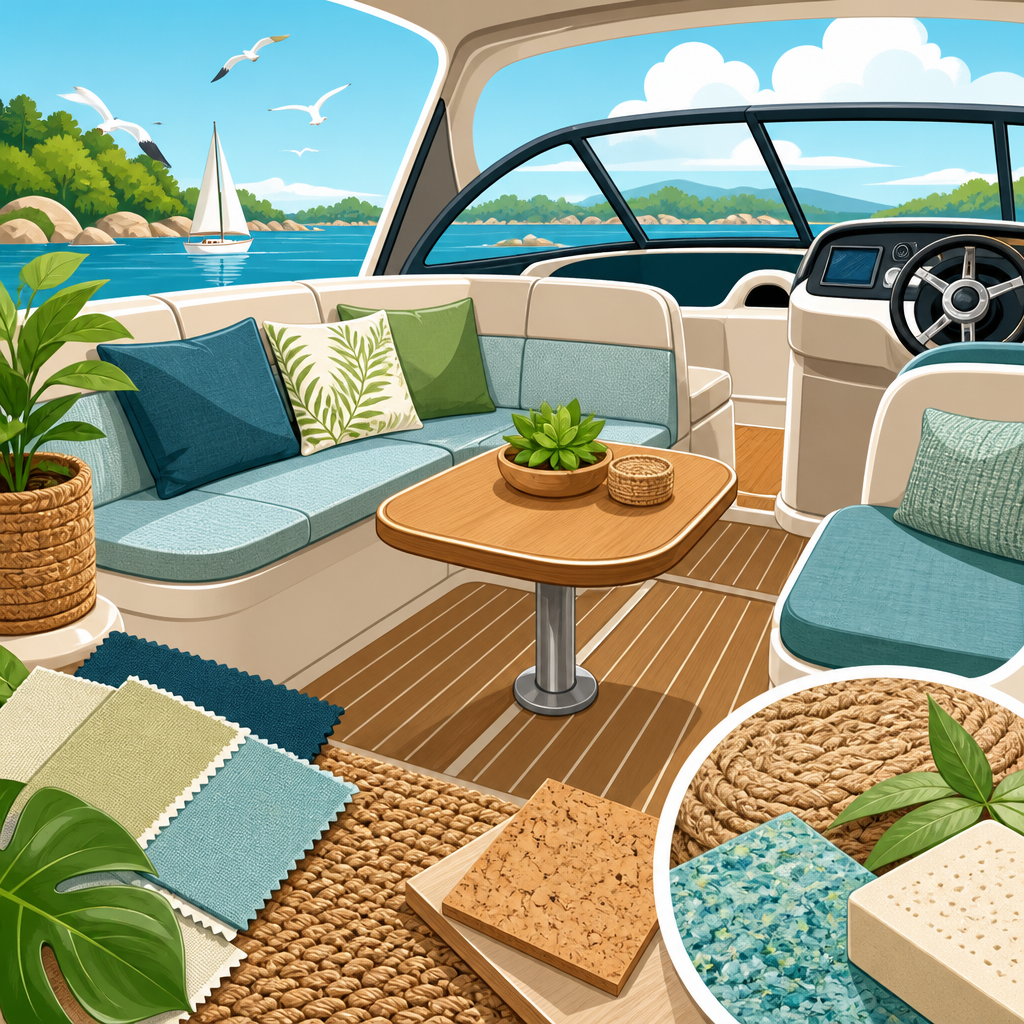
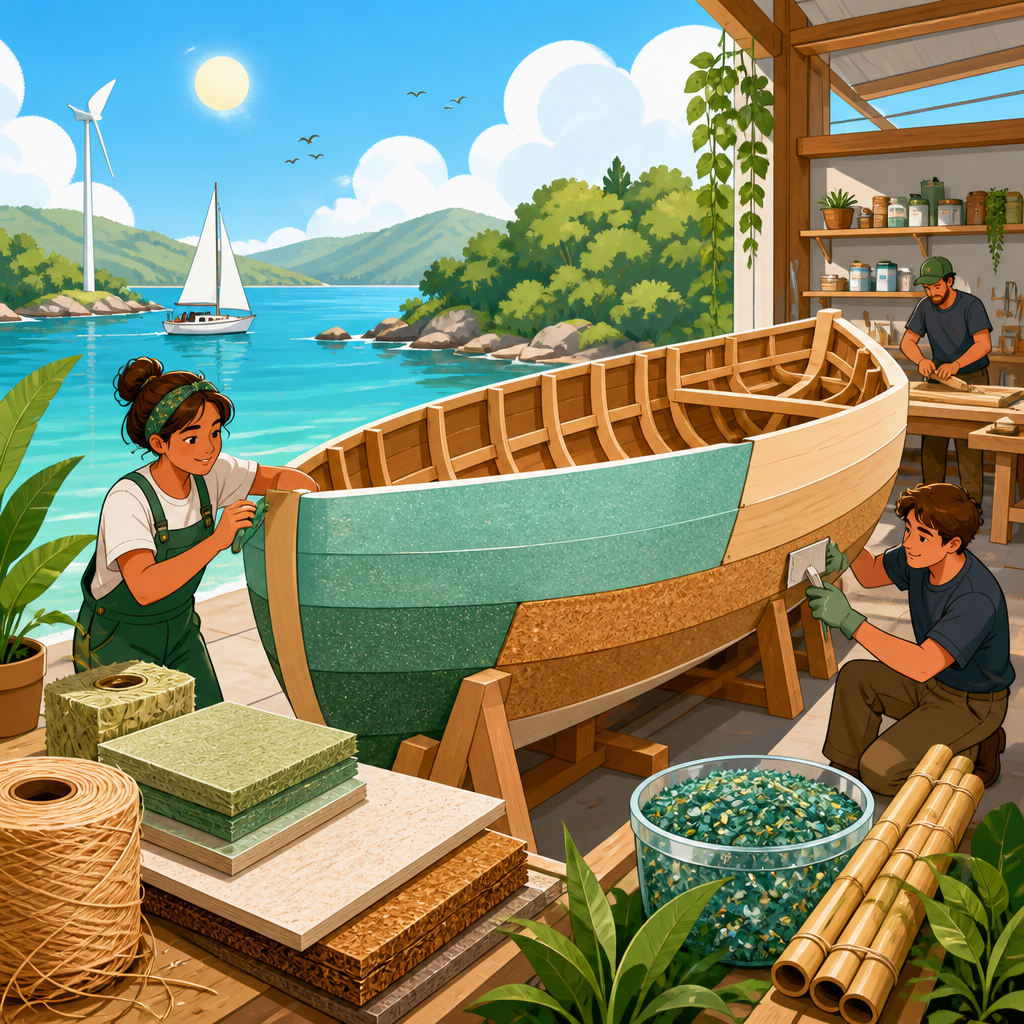
Sustainable boating starts before launch and continues long after a season ends. Materials selection, repair culture, and end-of-life planning all influence a boat’s total footprint. Fiberglass dominates recreational boatbuilding because it is strong and versatile, but it is difficult to recycle at scale. That reality makes durability and repairability especially important. Keeping a boat in service longer is often more sustainable than replacing it quickly, provided refits improve efficiency and safety. Buyers should look for quality lamination, accessible systems, documented maintenance history, and upgrade paths for electronics and power. Some builders are introducing recycled PET cores, bio-based resins, responsibly sourced cork decking, and lower-VOC manufacturing methods. These are meaningful improvements, though they do not erase the impact of energy-intensive production.
Waste management onboard and ashore is equally consequential. Single-use plastics are still common on day boats and charter trips, yet they are among the easiest impacts to reduce. Refillable water containers, reusable galley gear, line and net recycling, and proper segregation of oil filters, batteries, paint containers, and cleaning chemicals are straightforward steps. Product choice matters more than labels alone suggest. A biodegradable soap is only beneficial if it is used in a way that keeps concentrated discharge out of sensitive waters. The same goes for teak cleaners, degreasers, and polish compounds. Responsible purchasing means checking ingredients, application methods, and disposal instructions, not just marketing claims. For owners considering a new vessel, the most sustainable buying question is simple: does this boat fit how I actually boat? Oversizing almost always leads to higher fuel use, more materials consumption, and unnecessary cost.
Wildlife Protection, Responsible Seamanship, and the Future of Sustainable Boating
Boating sustainability is inseparable from seamanship. Even a low-emission vessel can damage ecosystems through speed, wake, noise, grounding, or poor anchoring. Responsible operation begins with awareness of local rules and habitat maps. In manatee zones, whale migration corridors, bird nesting areas, and shallow grass flats, speed and routing are conservation tools. Propeller scars in seagrass beds can take years to recover, and repeated anchor drops on coral can cause permanent structural damage. Using mooring buoys where provided, choosing sandy bottoms when anchoring is necessary, and setting anchors carefully are basic best practices. Clean hulls and drained live wells also help prevent invasive species spread between waterways, a major issue for freshwater boaters moving between lakes and rivers.
The future of eco-friendly boating will be shaped by better batteries, lighter materials, smart energy management, and stronger habitat rules, but the core principle will remain simple: the cleanest trip is the one planned and operated with intention. Digital tools already help. Modern chartplotters, engine displays, and apps can track fuel flow, battery state of charge, route efficiency, and maintenance intervals, making sustainability measurable rather than aspirational. That is good for owners because measurable behavior changes stick. The rise of eco-friendly boating is ultimately a rise in better decisions, from product selection to throttle control to marina choice. The key takeaways are straightforward. Choose the right propulsion for your actual use, maintain hull and prop efficiency, handle waste and wastewater responsibly, support marinas with strong environmental standards, and boat with wildlife and habitat in mind. Sustainable boating protects the places that make boating worth doing in the first place, while often reducing operating costs and improving onboard experience. If you want to make boating more sustainable, start with one upgrade and one operating habit this season, then build from there.
Frequently Asked Questions
What does sustainable boating actually mean?
Sustainable boating means reducing the environmental impact of boating across the full life of a vessel, not just improving fuel efficiency. It includes how a boat is designed, built, powered, maintained, operated, and eventually repaired or retired. A truly sustainable approach looks at emissions, fuel consumption, underwater noise, sewage and graywater management, waste disposal, hull coatings, anchoring habits, cleaning products, and even the materials used in onboard gear and replacement parts.
In practical terms, eco-friendly boating is about making better decisions every time the boat is used. That could mean choosing lower-emission propulsion, avoiding excessive idling, maintaining the engine so it burns fuel cleanly, using non-toxic cleaners, pumping out waste properly, and avoiding sensitive seagrass or coral areas when anchoring. It also means recognizing that sustainability is cumulative. Small operational changes, when repeated over a season, can significantly reduce a boat’s footprint.
Just as important, sustainable boating is not limited to new or expensive vessels. Owners of older boats can still make meaningful improvements by upgrading systems over time, reducing fuel burn through better trip planning, selecting safer maintenance products, and following marina and local waterway best practices. In other words, sustainable boating is less about achieving perfection and more about consistently lowering impact while protecting the waterways people depend on and enjoy.
What are the most effective ways to reduce fuel use and emissions while boating?
The biggest gains usually come from how a boat is operated. Running at efficient cruising speeds instead of full throttle, avoiding abrupt acceleration, reducing unnecessary idling, and planning routes carefully can all cut fuel use noticeably. Many boats burn fuel disproportionately fast at higher speeds, so even a modest reduction in cruising speed may produce meaningful savings in both fuel cost and emissions. Keeping unnecessary weight off the boat and balancing loads properly can also improve efficiency.
Maintenance is another major factor. A clean hull reduces drag, and a well-maintained propeller helps the engine work more efficiently. Fouling on the hull or damage to the prop can force the engine to burn more fuel to achieve the same performance. Routine engine tune-ups, correct oil changes, proper fuel system care, and timely filter replacements also improve combustion and reduce exhaust pollution. For owners with older engines, repowering with a newer, cleaner outboard or inboard system can be one of the most impactful long-term upgrades.
Technology and equipment choices matter as well. Electric propulsion, hybrid systems, high-efficiency hulls, solar support for onboard loads, and lithium battery systems can all reduce dependence on fossil fuel power in the right use cases. While full electrification may not be practical for every vessel yet, many boaters can still reduce emissions by electrifying auxiliary systems, relying less on generators, and selecting modern energy-efficient electronics and appliances. The most effective strategy is usually a combination of smart operation, diligent maintenance, and gradual equipment upgrades.
How can boat owners handle sewage, graywater, and waste in a more environmentally responsible way?
Responsible wastewater handling starts with understanding what should never go directly into the water. Blackwater, which comes from toilets, must be stored and disposed of according to local laws using approved pump-out facilities or compliant onboard treatment systems where permitted. Even in areas where discharge rules vary, the best practice is to use pump-out stations whenever possible. Keeping marine sanitation devices in good working order, checking hoses and seals for leaks, and avoiding illegal overboard discharge are basic but essential steps.
Graywater deserves attention too. Water from sinks, showers, and galley use may seem harmless, but it often contains soap, grease, food residue, sunscreen, and other contaminants. Boat owners can reduce graywater impact by using phosphate-free and biodegradable soaps, minimizing harsh cleaning chemicals, wiping greasy pans before washing, and capturing or filtering wastewater where systems allow. Being intentional about what goes down the drain is one of the simplest and most overlooked sustainability practices on board.
Solid waste management is equally important. Nothing should be thrown overboard, including food packaging, fishing line, cigarette butts, wipes, or small plastic items that can easily become marine debris. A good onboard setup includes labeled containers for trash, recycling, and hazardous waste such as batteries, used oil, paint materials, and oil-soaked rags. Marinas often provide dedicated disposal points for these items, and using them correctly helps prevent contamination of water, docks, and shorelines. Sustainable boating means treating every waste stream as part of environmental stewardship, not an afterthought at the end of the day.
What maintenance choices have the biggest impact on making a boat more sustainable?
Hull and engine maintenance are among the most important. A dirty hull increases drag, which raises fuel consumption and emissions, but sustainability also depends on how the hull is cleaned and protected. Choosing less toxic antifouling products where appropriate, following application guidelines carefully, containing sanding dust and paint scrapings during maintenance, and working with yards that use proper runoff controls can significantly reduce pollution. In-water cleaning should also be done according to local rules, since aggressive cleaning can release harmful material into the surrounding ecosystem.
Product selection matters throughout the boat. Many conventional cleaners, degreasers, solvents, and polishes contain ingredients that are harmful to aquatic life. Switching to biodegradable, low-toxicity marine-safe products reduces the risk of contamination from routine washing and spillover. The same principle applies to oil, coolant, fuel additives, and replacement components. Preventing leaks through regular inspections of hoses, clamps, seals, tanks, and bilges is one of the most practical ways to avoid chronic pollution.
Preventive maintenance is often more sustainable than reactive repairs. Catching a fuel leak early, replacing an inefficient pump, servicing batteries before failure, and winterizing properly can extend the life of equipment and reduce resource use over time. Sustainable maintenance also includes choosing durable parts, repairing before replacing when feasible, and working with service providers that dispose of waste responsibly. The goal is not only to keep the boat performing well, but to do so in a way that minimizes contamination, material waste, and avoidable energy use.
How can everyday boating habits help protect marine ecosystems and make a real difference?
Daily boating behavior has a direct effect on shoreline habitats, wildlife, and water quality. One of the most important habits is anchoring carefully. Dropping anchor in seagrass beds, coral areas, or other sensitive habitats can cause lasting damage, so using designated moorings or anchoring only in appropriate bottom conditions is a core sustainable practice. Following no-wake zones also matters because wake erosion can damage shorelines, disturb nesting areas, and stress other water users and wildlife.
Noise and disturbance should not be overlooked. High-speed passes near wildlife, repeated circling, and loud engine operation in shallow or enclosed areas can disrupt animals that rely on those habitats. Keeping a respectful distance from marine mammals, birds, and spawning grounds, and complying with local wildlife protection rules, helps reduce unnecessary stress on ecosystems. Sustainable boating is not only about pollution control; it is also about minimizing physical and acoustic disturbance in the places people visit.
Purchasing and trip-planning decisions also add up. Supporting marinas with pump-out facilities, recycling programs, and clean-energy investments helps strengthen the broader boating infrastructure for sustainability. Choosing reusable supplies over disposable plastics, bringing refillable water containers, packing out everything brought on board, and combining errands or outings to reduce engine hours are all practical ways to lower impact. These habits may seem small individually, but across an entire season they can meaningfully improve a boat’s environmental footprint while helping preserve healthier waterways for everyone.