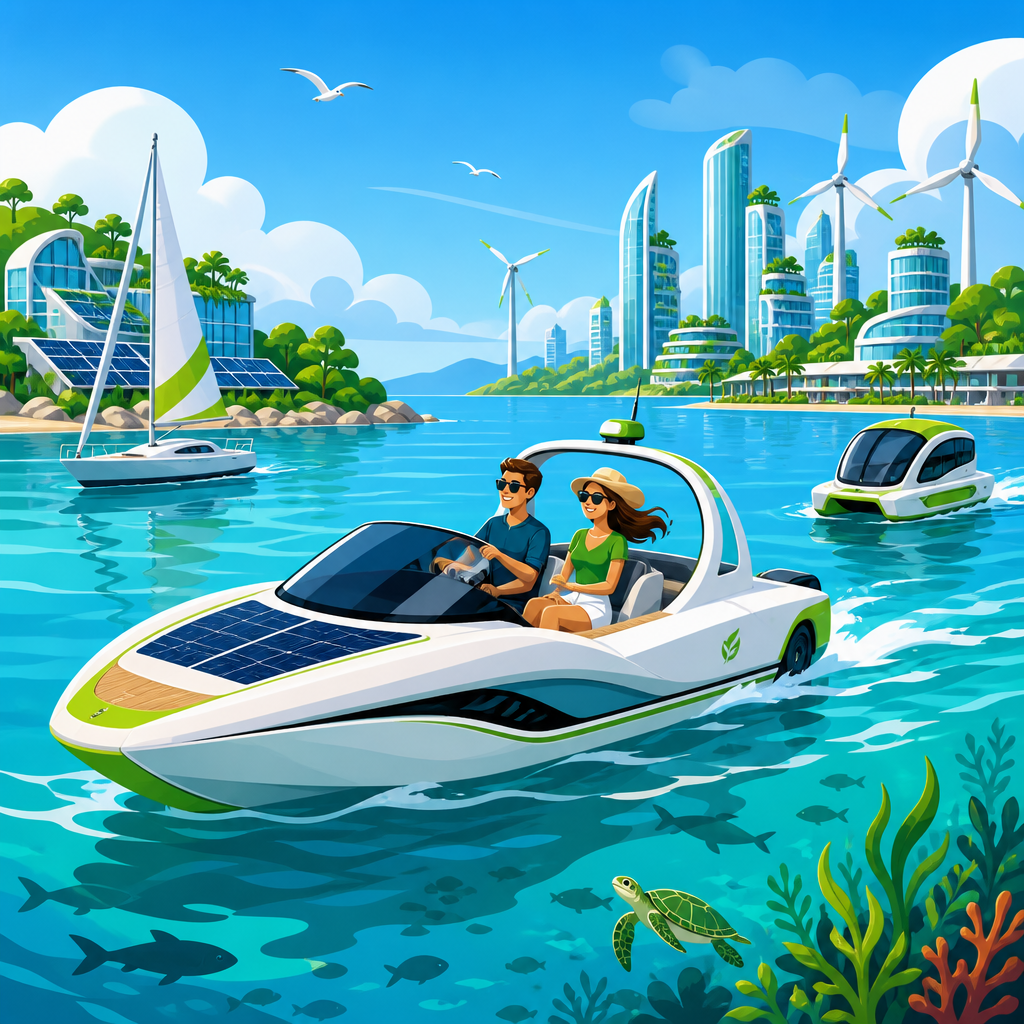
Eco-friendly boating is moving from niche interest to mainstream marine practice, driven by cleaner propulsion, smarter materials, tighter regulations, and a new generation of owners who want time on the water without the traditional fuel burn, noise, and pollution. In practical terms, eco-friendly boating means reducing a vessel’s environmental impact across its full lifecycle: design, construction, operation, maintenance, and end-of-life disposal. That includes lower-emission engines, electric or hybrid propulsion, renewable energy systems, non-toxic bottom coatings, recyclable materials, efficient hull forms, and better waste management onboard. As someone who has spent years watching marina upgrades, testing electric tenders, and comparing operating costs for conventional and low-emission craft, I have seen the conversation change from “Is green boating possible?” to “Which option fits this boat, route, and budget?”
The rise of eco-friendly boating matters because recreational and commercial vessels affect air quality, water quality, underwater noise, and shoreline ecosystems. Conventional two-stroke outboards historically released unburned fuel into the water. Antifouling paints can leach biocides. Idling diesel auxiliaries create localized emissions in crowded harbors. Even routine habits such as single-use plastic storage, improper graywater discharge, or overpowered planing hulls add up across millions of trips each year. At the same time, boating communities depend on healthy lakes, rivers, estuaries, and coastal habitats. Cleaner boating protects the very waters people use for fishing, cruising, watersports, and wildlife viewing. It also increasingly makes economic sense, since fuel prices, marina electrification, emissions standards, and consumer expectations are all reshaping the market.
This article serves as a hub for understanding the future of eco-friendly boating and the broader rise of sustainable marine recreation. It explains the technologies leading the transition, the infrastructure needed to support them, the materials and maintenance practices reducing impact, and the tradeoffs owners should weigh before choosing a greener vessel. If you are researching electric boats, sustainable yacht design, low-impact maintenance, solar charging, cleaner outboards, or marina sustainability, the trends below provide the framework. The central point is simple: eco-friendly boating is no longer a single product category. It is a system-wide shift in how boats are powered, built, operated, and supported.
Why Eco-Friendly Boating Is Growing So Quickly
The rise of eco-friendly boating is being driven by four forces at once: regulation, technology, operating cost, and customer demand. On the regulatory side, emissions standards from agencies such as the U.S. Environmental Protection Agency and the International Maritime Organization have pushed engine makers toward cleaner combustion, better aftertreatment, and lower sulfur fuel use in many segments. Local authorities also restrict discharge, noise, and wake in sensitive waterways. While not every rule targets recreational boats equally, the general direction is clear: cleaner marine operation is becoming the expected baseline.
Technology is the second driver. Lithium-ion battery packs now deliver far better energy density than earlier marine battery systems, making electric propulsion realistic for tenders, dayboats, small fishing craft, rental fleets, and inland excursion vessels. Digital power management, regenerative systems on some sailing applications, lightweight composites, and advanced hull modeling have improved efficiency beyond the engine room. I have seen owners who once dismissed electric boating after trying early low-range prototypes become serious buyers after testing modern systems with predictable runtime displays, shore charging integration, and quieter handling in marinas.
Economics also matter. Electric drivetrains have fewer moving parts than internal combustion engines, which can mean lower maintenance needs over time. Efficient hulls reduce fuel burn. Solar trickle charging can cut generator runtime for house loads. Even simple changes such as LED lighting, variable-speed pumps, and smart battery monitoring lower energy demand. Upfront costs remain a barrier, but total cost of ownership is increasingly part of the buying decision, especially for fleet operators, yacht clubs, resorts, and municipal programs running boats on fixed routes.
Finally, buyers are changing. Many new owners want quiet operation, cleaner technology, and brands that can explain sourcing, manufacturing, and end-of-life plans. Charter guests ask about emissions. Waterfront communities care about noise. Parents introducing children to boating often care deeply about preserving local waterways. Eco-friendly boating has grown because environmental responsibility now overlaps with comfort, simplicity, and better user experience.
Electric Boats and Hybrid Propulsion Lead the Shift
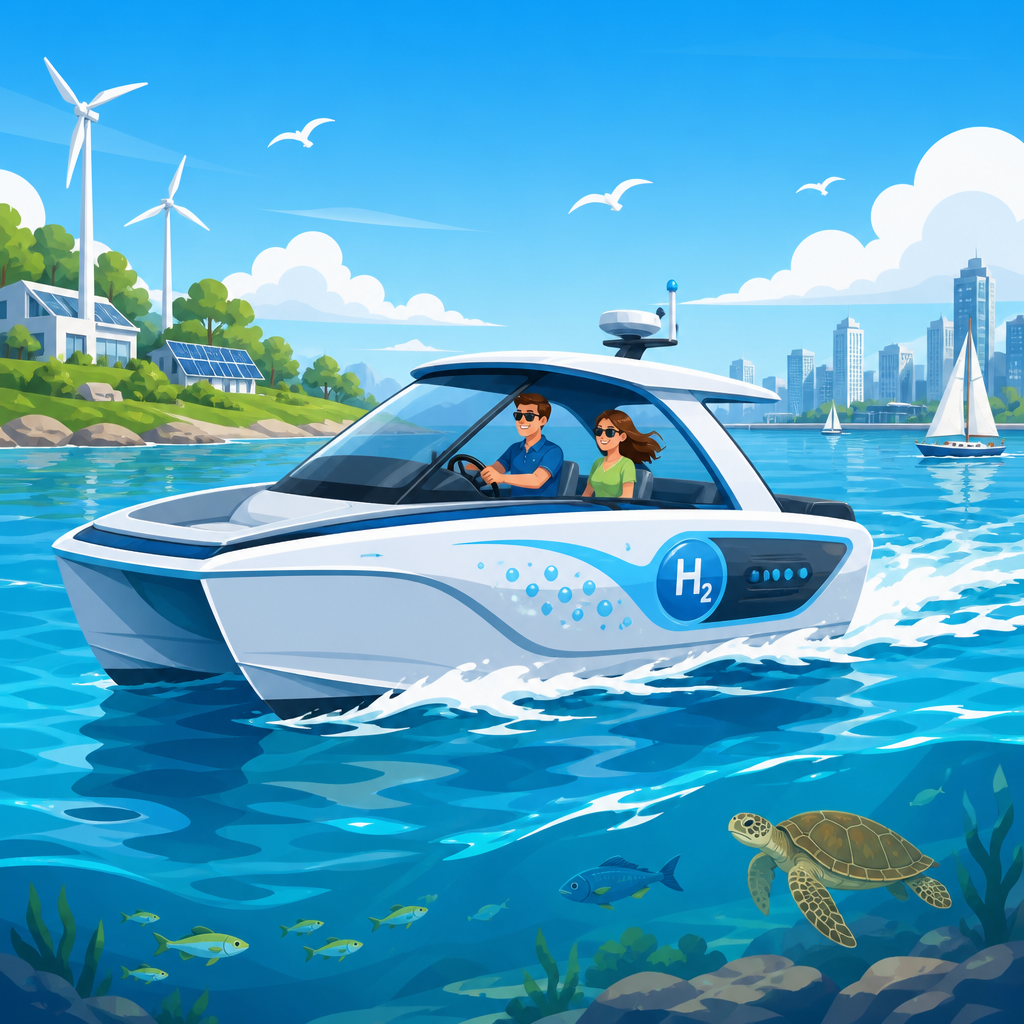
Electric boats are the clearest symbol of the industry’s direction. For small craft operating on short, predictable trips, fully electric propulsion already works well. Electric outboards from brands such as Torqeedo, ePropulsion, and Mercury’s Avator line are being used on dinghies, inflatables, aluminum fishing boats, and sailing club trainers. These motors offer instant torque, minimal vibration, and almost silent running. In no-wake zones and inland lakes, the user experience is often better than gasoline because there is no pull start, no fuel smell, and far less routine service.
The main limitation is still energy density. Liquid fuels contain far more usable energy per kilogram than current batteries, so range and speed must be balanced carefully. That is why electric boating is advancing first in segments with defined duty cycles: harbor shuttles, rental pontoons, coach boats, and day cruisers that return to the same dock for charging. Hybrid propulsion fills the gap for larger cruising boats and some commercial vessels. A hybrid system combines an internal combustion engine with electric drive, allowing low-speed electric maneuvering, battery-supported hotel loads, and engine operation at more efficient points. In practice, that means quieter departures, less generator use overnight, and lower fuel consumption on mixed-use routes.
Battery safety and system integration are crucial. Marine-grade installations require thermal management, proper enclosure design, certified components, and compatible charging hardware. Standards from bodies such as ABYC guide safe marine electrical design, and buyers should insist on professionally installed systems. The future of eco-friendly boating will not be defined only by “electric versus fuel,” but by matching propulsion architecture to real operating patterns. A lake commuter, a coastal cruiser, and a bluewater passagemaker need different solutions.
Cleaner Fuels and More Efficient Engines Still Matter
Not every boat will become fully electric soon, so cleaner liquid fuels remain part of sustainable boating. Modern four-stroke outboards and advanced diesel systems are dramatically cleaner than older marine engines. Direct fuel injection, electronic engine management, and improved combustion control reduce emissions and wasted fuel. For many owners replacing an aging two-stroke with a newer efficient outboard is one of the most meaningful environmental upgrades available today.
Alternative fuels are also gaining attention. Renewable diesel can reduce lifecycle greenhouse gas emissions compared with conventional petroleum diesel, depending on feedstock and production pathway, while often working in existing diesel engines with limited modification. Hydrotreated vegetable oil, sustainable biofuels, and in the longer term green methanol or hydrogen may play larger roles in specific marine sectors. However, fuel availability, storage requirements, energy density, and onboard safety all affect adoption. I advise owners to treat fuel claims carefully and distinguish tailpipe emissions from full lifecycle impact. A cleaner label alone does not guarantee the best real-world outcome.
Efficiency improvements around the engine are equally important. Correct propeller sizing, clean hulls, trim optimization, and realistic cruising speeds often save more fuel than owners expect. A boat pushed beyond its efficient speed curve burns disproportionate fuel. On many powerboats, slowing down by a few knots can cut consumption significantly while extending range and reducing wake. Sustainable boating often starts with operational discipline, not only new hardware.
Sustainable Boat Design, Materials, and Manufacturing
Eco-friendly boating begins before launch. Boatbuilders are rethinking hull geometry, production waste, resin chemistry, and interior materials to reduce environmental impact. Efficient hulls require less power for the same task. Catamarans, slender displacement forms, foiling support on select craft, and computational fluid dynamics optimization can all improve energy use. For electric boats especially, hull efficiency is not optional; it is central to practical range.
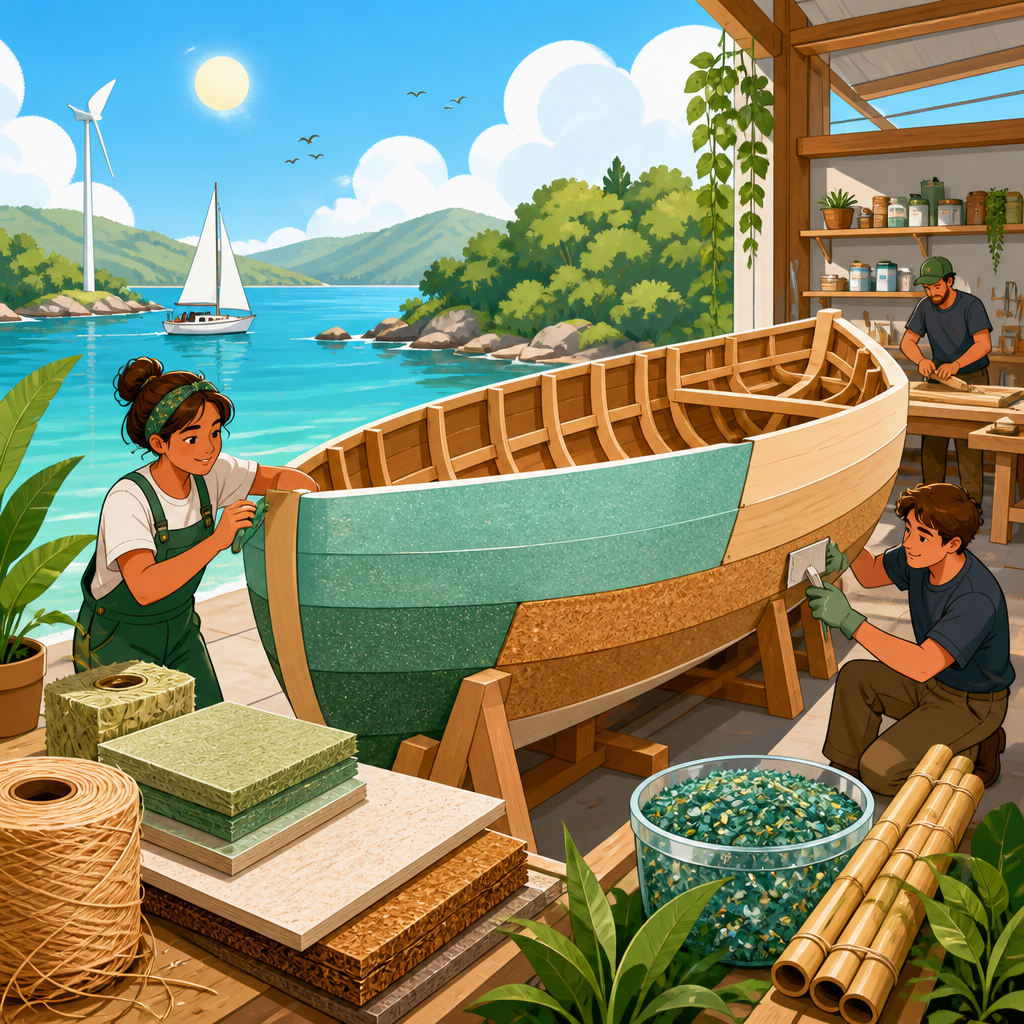
Materials are changing too. Traditional fiberglass construction is durable but difficult to recycle, which has made end-of-life disposal a major industry issue. Builders are experimenting with recycled aluminum, recyclable thermoplastic composites, natural fibers such as flax, lower-emission resins, and responsibly sourced wood certified through systems like FSC. None of these materials is perfect in every application. Aluminum is highly recyclable but energy intensive to produce initially. Bio-based composites can reduce fossil input but may not yet match conventional laminates in every structural use. The best designs evaluate performance, longevity, repairability, and disposal together.
Manufacturing practices also matter. Closed-mold processes can reduce volatile organic compound emissions compared with open layup methods. Digital cutting reduces waste. Modular interiors simplify repair and replacement. Some builders now publish sustainability reports covering factory energy use, waste diversion, and supply chain standards. That transparency is important because a boat marketed as green should be assessed across its full lifecycle, not just by what comes out of the exhaust outlet.
Smart Energy Systems and Marina Infrastructure
Propulsion gets most of the attention, but onboard energy management and shore infrastructure are just as important to the future of eco-friendly boating. Modern boats increasingly use integrated energy systems that combine lithium batteries, inverters, solar panels, alternator charging, shore power, and digital monitoring. A well-designed system reduces generator dependence and gives owners a clearer picture of consumption by load category, from refrigeration to navigation electronics.
Marinas are evolving alongside the boats they serve. Charging access, pedestal upgrades, load balancing, and fire safety planning are becoming part of marina redevelopment. Destinations that once only sold fuel are now assessing how many berths need high-amperage charging, whether solar can support common-area demand, and how reservation systems might coordinate charging windows. The shift will not happen uniformly. Urban marinas and club fleets on short-route waters are likely to electrify first, while remote cruising grounds will rely longer on hybrids, efficient combustion, and renewable onboard generation.
| Innovation | Primary Benefit | Best Use Case | Main Limitation |
|---|---|---|---|
| Fully electric propulsion | Zero tailpipe emissions, very low noise | Tenders, lake boats, short-range dayboats | Range and charging time |
| Hybrid propulsion | Lower fuel use with flexible range | Coastal cruisers, ferries, larger yachts | Higher system complexity |
| Solar onboard charging | Reduced generator runtime for house loads | Sailboats, trawlers, anchor-out cruising | Limited propulsion contribution |
| Advanced hull optimization | Less energy required at target speed | New builds in all categories | Design gains vary by mission |
| Renewable diesel | Lower lifecycle emissions potential | Existing diesel fleets | Supply consistency and sourcing |
For owners, the lesson is straightforward: sustainable boating works best when vessel, route, docking pattern, and energy supply are planned as one system. A brilliant electric boat without charging access will frustrate users. A marina with charging but no load management may hit costly infrastructure limits. The winners in the next decade will be operators that connect boat design with shore-side practicality.
Low-Impact Maintenance and Responsible Operation
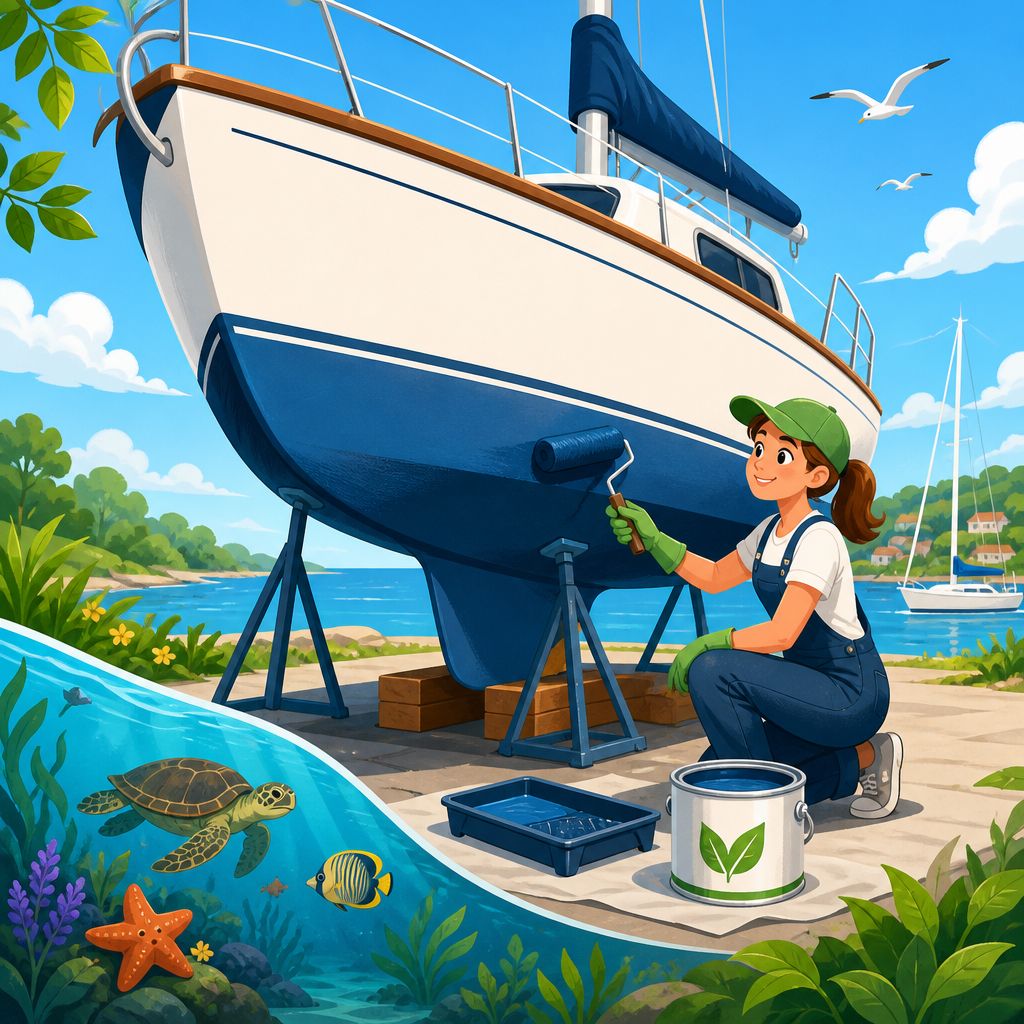
The rise of eco-friendly boating is not only about buying a new vessel. Day-to-day maintenance and operating habits often determine a boat’s real environmental footprint. Non-toxic or lower-toxicity hull coatings, haul-and-clean schedules, oil spill prevention, bilge filtration, proper sewage handling, and environmentally safer cleaning products all reduce damage to local waters. In many marinas I have visited, the biggest improvements came not from headline technology but from disciplined maintenance programs and staff training.
Responsible operation includes route planning, speed management, and wildlife awareness. Excessive wake erodes shorelines and disturbs paddlers and nesting areas. Poor anchoring damages seagrass and coral. Engine idling wastes fuel. Noise can affect both people and marine species. Sustainable boating practices therefore include using pump-out stations, obeying no-discharge zones, choosing moorings where available, stowing trash securely, and selecting the lowest-impact method for the conditions. These are simple actions, but across a season they matter as much as expensive upgrades.
For many readers, this hub is the starting point. The future of eco-friendly boating will be built by smarter propulsion, better materials, cleaner marinas, and more informed decisions on every trip. Start by auditing your current boat: fuel burn, maintenance products, charging options, onboard energy loads, and disposal habits. Then prioritize the changes that deliver the biggest practical gains. Cleaner boating is not an abstract ideal. It is a measurable way to protect waterways, reduce operating impact, and enjoy a quieter, more efficient experience on the water.
Frequently Asked Questions
1. What does eco-friendly boating actually mean in practice?
Eco-friendly boating goes far beyond simply swapping a gasoline engine for an electric motor. In practice, it means reducing a boat’s environmental impact across its entire lifecycle, from initial design and material sourcing to daily operation, maintenance, and eventual disposal or recycling. A truly sustainable approach looks at how a vessel is built, how much energy it uses, what emissions it produces, how it affects water quality and marine habitats, and how long its components can remain useful before they need replacement.
For many boat owners, this starts with cleaner propulsion options such as electric outboards, hybrid drivetrains, more efficient diesel systems, or alternative fuels where available. But it also includes hull designs that move through the water more efficiently, lightweight recycled or lower-impact materials, non-toxic antifouling coatings, solar charging support, reduced onboard waste, and smarter route planning that cuts unnecessary energy use. Even routine habits matter, such as preventing fuel spills, choosing environmentally responsible cleaning products, and maintaining engines and batteries properly so the vessel performs efficiently over time.
The future of eco-friendly boating is increasingly centered on systems thinking. Builders, marina operators, regulators, and owners are all starting to treat sustainability as a connected process rather than a single product choice. That is why the topic is moving into the mainstream. It is no longer only about “green” branding. It is about building boats that are quieter, more efficient, easier to operate in regulated waterways, and better aligned with the expectations of modern consumers who want to enjoy time on the water with less pollution, less noise, and less long-term environmental harm.
2. What are the biggest trends shaping the future of eco-friendly boating?
Several major trends are accelerating the shift toward cleaner boating, and they are reinforcing one another. The first and most visible is electrification. Battery-powered propulsion has advanced quickly, especially for smaller recreational boats, tenders, lake craft, ferries, and day-use vessels. Improvements in battery energy density, charging systems, and motor efficiency are making electric boating more practical than it was even a few years ago. For many use cases, especially shorter trips and inland waters, electric power is becoming a realistic mainstream option rather than an experimental one.
Another important trend is the rise of hybrid propulsion. Hybrid systems combine electric motors with conventional engines or onboard generators, giving operators more flexibility. This is especially useful for larger vessels or owners who need longer range but still want the benefits of quiet, low-emission cruising at lower speeds or in sensitive marine environments. Hybrids are often seen as a bridge technology, helping the boating industry reduce emissions now while battery technology and charging infrastructure continue to improve.
Materials innovation is also playing a major role. Boatbuilders are exploring recycled composites, natural fibers, lower-toxicity resins, and manufacturing techniques that reduce waste. Traditional fiberglass construction can be difficult to recycle, so there is growing interest in alternatives that make end-of-life processing easier and more responsible. At the same time, lighter materials can improve efficiency by reducing the amount of energy needed to move a vessel through the water.
Digital intelligence is another trend reshaping the sector. Smart onboard systems can monitor battery health, optimize power use, plan efficient routes, and provide real-time performance data. In practical terms, this helps owners get more usable range, reduce maintenance issues, and make better operating decisions. Marina infrastructure is evolving as well, with more charging points, energy management systems, and sustainability-focused facility upgrades. Together, these trends show that eco-friendly boating is not being driven by one breakthrough alone. It is emerging from coordinated innovation in propulsion, materials, software, infrastructure, and regulation.
3. Are electric boats really practical for everyday recreational use?
For many recreational boaters, the answer is yes, especially if their boating habits match current electric capabilities. Electric boats are already highly practical for short day trips, calm-water cruising, fishing on inland lakes, harbor use, yacht tenders, and other applications where predictable range and access to charging are manageable. They offer several immediate benefits that owners appreciate right away: near-silent operation, instant torque, lower routine maintenance, no direct tailpipe emissions, and a more relaxed on-water experience without engine vibration and exhaust smell.
That said, practicality depends heavily on how the boat is used. Range remains the most important consideration. A boater who typically spends a few hours cruising close to shore may find an electric setup ideal. A boater who regularly runs long offshore distances at high speed will likely encounter limits with current battery capacity and charging time. Speed, load, water conditions, and onboard systems all influence energy consumption, just as they affect fuel burn in conventional boats. In other words, electric boating works best when owners understand their actual usage patterns rather than their occasional maximum-demand scenarios.
Charging access is another important factor. Home dock charging, marina charging, and trailer-based charging all improve convenience, but availability varies by region. This is one reason electric adoption is strongest in locations with shorter boating distances, stronger environmental regulation, or established marine infrastructure. Costs can also be nuanced. Electric boats may have a higher upfront price, but they can offer savings over time through lower fuel costs, fewer moving parts, and reduced maintenance demands.
So while electric boats are not yet the perfect solution for every vessel category, they are absolutely practical for a growing share of everyday recreational use. The most important shift is that buyers are now evaluating boats based on mission-specific suitability rather than assuming one propulsion type must fit every need. As batteries improve and charging networks expand, the range of practical electric boating applications will continue to grow.
4. How are regulations and environmental standards influencing marine innovation?
Regulations are one of the most powerful forces pushing eco-friendly boating from niche to normal. Around the world, governments, port authorities, lake managers, and coastal jurisdictions are tightening emissions rules, noise restrictions, discharge standards, and habitat-protection requirements. In many areas, boaters are already seeing stricter expectations around engine emissions, fuel handling, wastewater management, and the use of certain paints or cleaning chemicals. These policies are not only limiting harmful practices, but also encouraging manufacturers to develop better alternatives.
For boatbuilders and equipment suppliers, regulation often acts as a design catalyst. When emissions limits become stricter, companies invest more heavily in efficient engines, hybrid systems, electric drivetrains, and lightweight construction. When waterways adopt low-noise or zero-emission zones, demand grows for vessels that can legally and comfortably operate there. Standards related to battery safety, charging systems, and onboard electrical architecture are also helping the market mature by giving buyers more confidence in performance, reliability, and compliance.
Environmental standards are influencing marinas too. Facilities are under increasing pressure to provide shore power, charging access, spill prevention systems, responsible waste disposal, and better stormwater management. This matters because a sustainable boating ecosystem depends on more than the vessel alone. Owners need the surrounding infrastructure to support cleaner operation and maintenance.
Importantly, regulation is not just a burden on the industry. It often creates commercial opportunity. Companies that adapt early can gain an advantage by offering cleaner, quieter, more future-ready products before regulations fully tighten. For boat owners, the practical takeaway is clear: choosing a more efficient, lower-impact vessel today can help protect resale value, expand access to environmentally sensitive waterways, and reduce the risk of owning technology that quickly feels outdated in a more regulated future.
5. What innovations beyond propulsion will make boating more sustainable in the years ahead?
While propulsion gets most of the attention, some of the most meaningful sustainability gains will come from innovations in boat design, materials, maintenance, and onboard energy management. Hull efficiency is a major area of progress. Better hull shapes, hydrofoil-assisted designs in some categories, drag-reducing coatings, and more advanced naval architecture can dramatically lower the energy required to achieve the same performance. A more efficient hull benefits every propulsion type, whether electric, hybrid, or conventional.
Material science is another area to watch closely. Researchers and manufacturers are developing recyclable composites, bio-based resins, responsibly sourced core materials, and construction methods that generate less waste. Since traditional marine construction can be resource-intensive and difficult to recycle, these advances could significantly reduce the environmental footprint of boatbuilding. Longer-lasting materials and modular components may also make repairs easier and extend vessel life, which is a sustainability advantage in its own right.
Onboard energy systems will also become much smarter. Solar integration, advanced battery management, efficient lighting and appliances, regenerative technologies in select applications, and intelligent power-monitoring platforms will help owners do more with less energy. These systems can improve comfort and functionality while reducing generator use and fuel dependence. Maintenance innovation matters as well. Non-toxic cleaning products, safer bottom coatings, predictive diagnostics, and digital service tracking can reduce pollution and prevent inefficient operation before it becomes a larger problem.
Finally, end-of-life planning is likely to become a much bigger part of sustainable marine design. The future of eco-friendly boating is not just about how boats perform when they are new, but about whether their parts can be reused, recycled, refurbished, or safely retired. That lifecycle perspective is what will separate genuinely sustainable innovation from marketing claims. The boats of the future will not simply run cleaner; they will be designed from the beginning to waste less, last longer, and fit into a more circular marine economy.