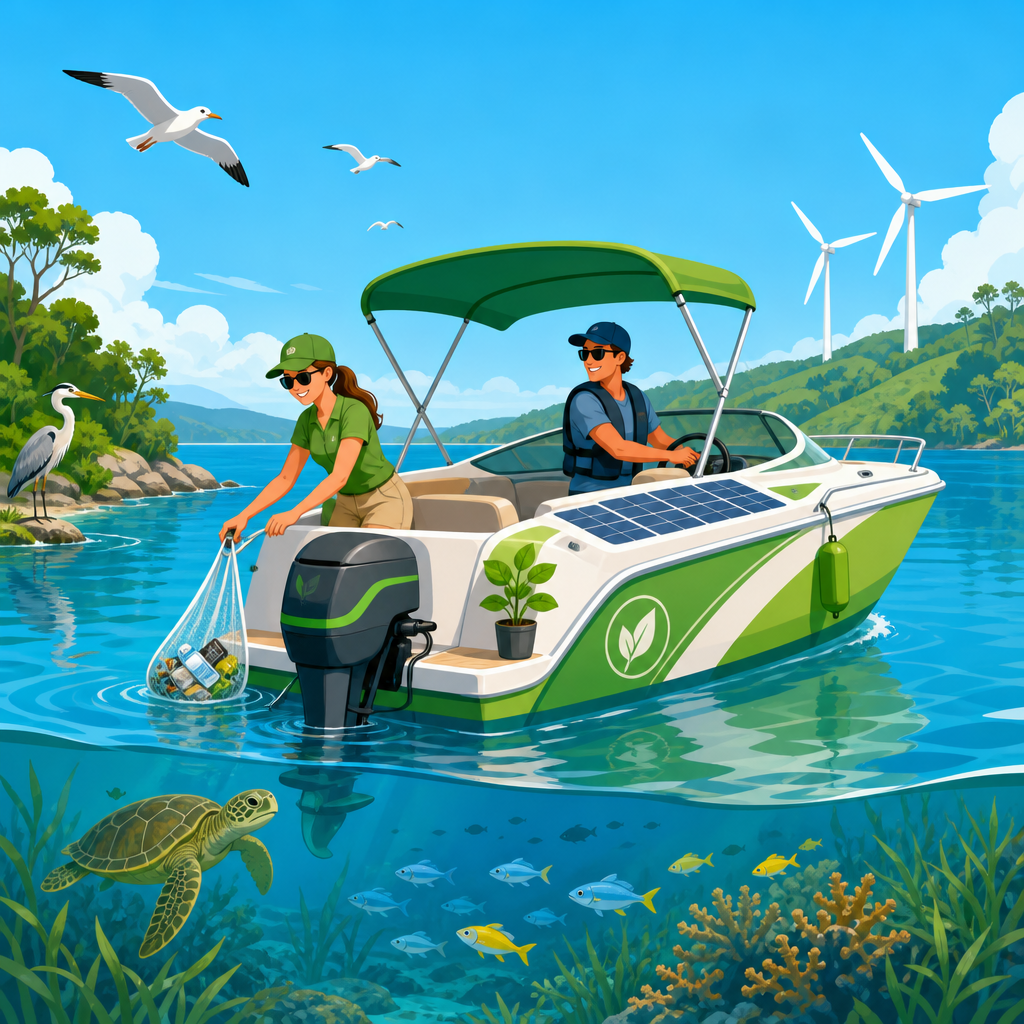
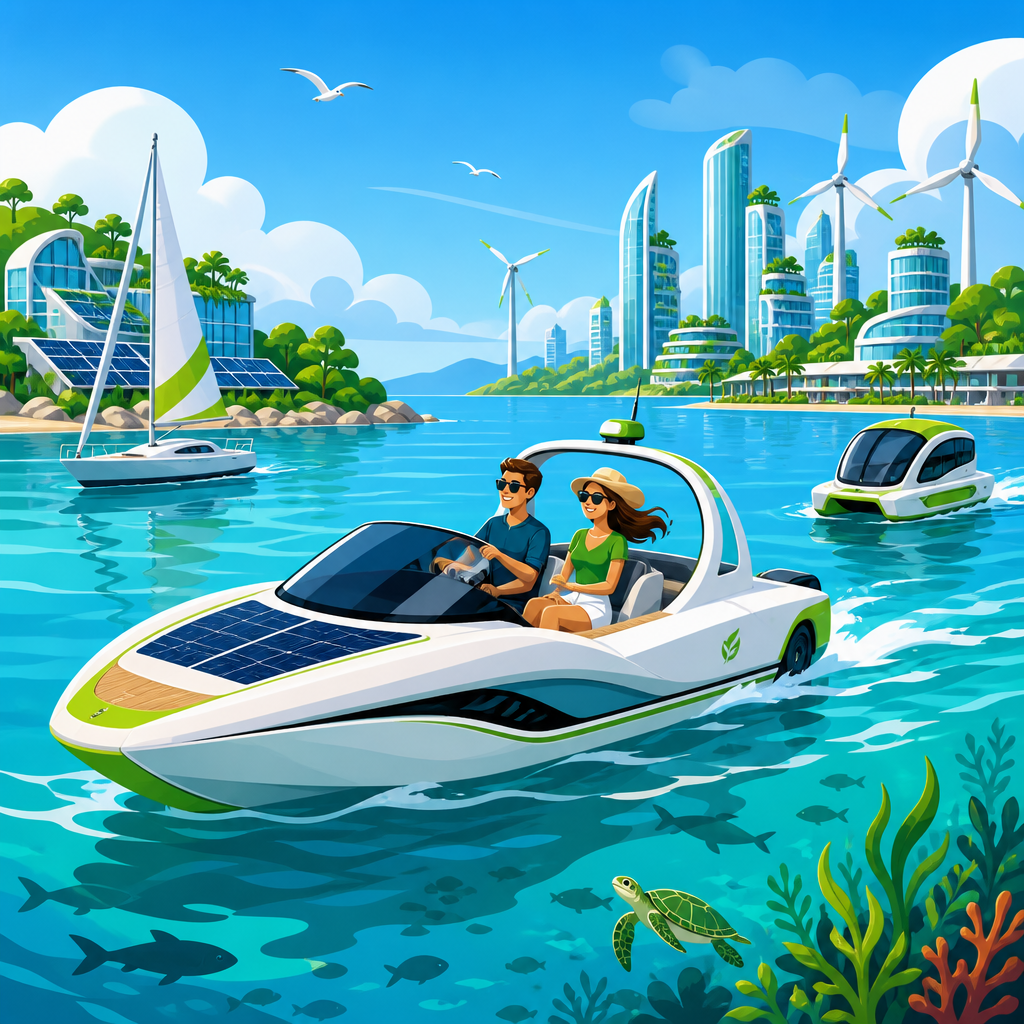
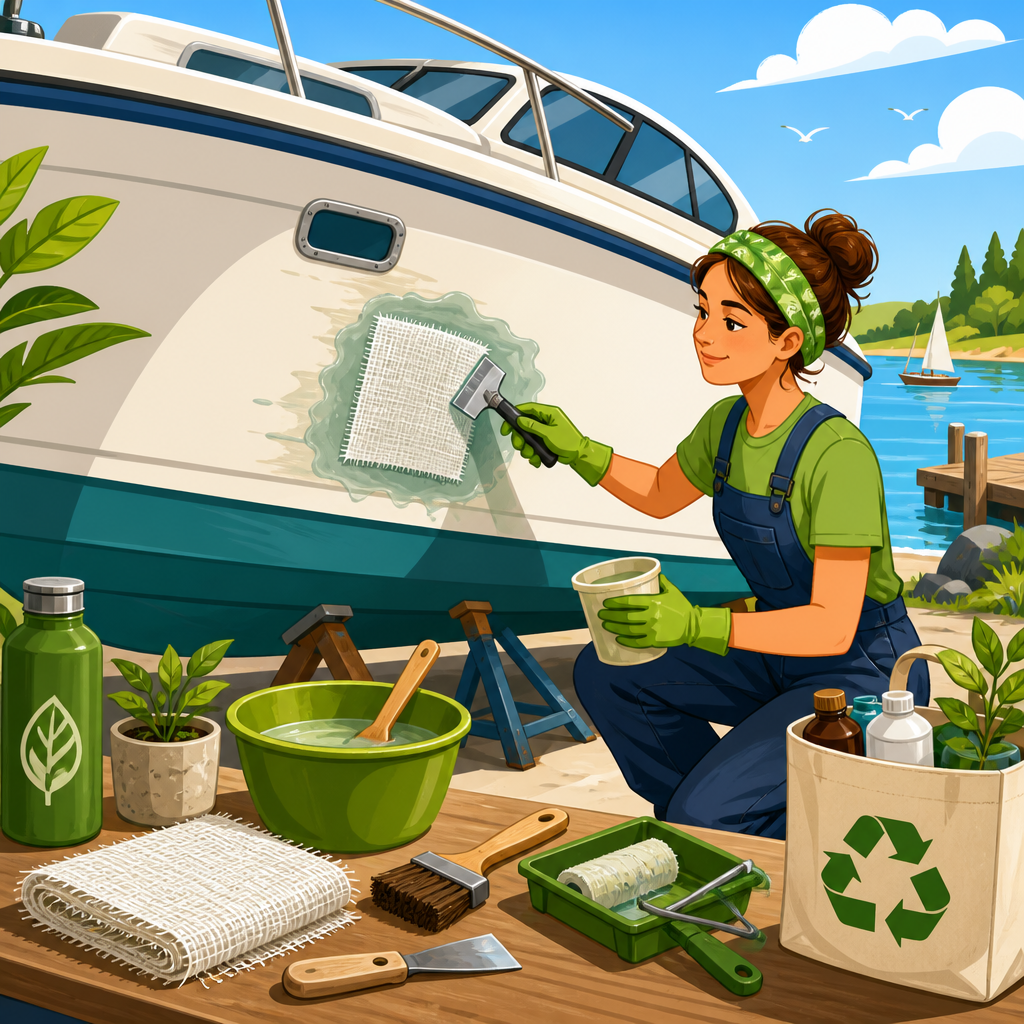
Eco-friendly boating is the practice of designing, operating, and maintaining boats in ways that reduce pollution, conserve energy, protect waterways, and lower lifetime environmental impact. In practical terms, an eco-friendly boat uses cleaner propulsion, efficient hull design, durable low-toxicity materials, and responsible onboard systems for fuel, waste, and power. Sustainable design goes beyond a single feature, such as an electric motor or solar panel. It evaluates the whole vessel: how it is built, how much energy it needs, what emissions it produces, how it affects marine life, and how long its parts can be repaired, reused, or recycled. That broad definition matters because the boating industry is changing quickly, driven by tighter emissions rules, better battery technology, rising fuel costs, and stronger consumer interest in low-impact recreation.
I have worked with boat owners who assumed sustainability simply meant swapping a gasoline outboard for an electric one. In reality, the best results usually come from systems thinking. A lighter hull can reduce power demand. A well-matched propeller can cut wasted energy. Shore power charging can be cleaner than onboard generation if the local grid has high renewable penetration. Even simple changes such as LED lighting, trim optimization, and non-toxic cleaning products can materially lower a vessel’s footprint over a season. Understanding what makes a boat eco-friendly therefore helps buyers make better purchasing decisions, helps marinas support cleaner fleets, and helps operators reduce operating costs without sacrificing safety or usability.
The rise of eco-friendly boating is not a trend built on marketing language alone. It reflects real advances in naval architecture, materials science, and marine engineering. Electric propulsion has become viable for tenders, day boats, harbor craft, and short-range leisure use. Hybrid systems are expanding options for cruising yachts and commercial vessels that need greater range. Builders are using recycled aluminum, responsibly sourced wood, bio-based resins, and improved composite manufacturing methods to reduce waste and volatile organic compound exposure. At the same time, regulators and certification bodies have raised expectations around emissions, wastewater handling, antifouling coatings, and end-of-life disposal. For anyone exploring sustainable boating, this hub explains the core design principles, technologies, tradeoffs, and decision points that define a genuinely eco-friendly boat.
The rise of eco-friendly boating and why it is accelerating
Eco-friendly boating has grown because environmental pressure and technical capability are finally meeting. Traditional marine engines emit carbon dioxide, nitrogen oxides, particulate matter, and unburned hydrocarbons, especially in older two-stroke systems. Fuel spills, bilge discharge, sewage mishandling, and toxic bottom paints add to the problem. In sensitive waters such as lakes, estuaries, and coral areas, even moderate boating traffic can degrade water quality and disturb wildlife. Many local authorities now limit noise, wake, discharge, or engine emissions, and some inland waterways actively encourage low-emission or electric craft. These rules are not uniform, but the direction is clear: cleaner boats face fewer restrictions and align better with future access requirements.
Technology is the second driver. Lithium iron phosphate battery packs are safer and more cycle-stable than earlier chemistries for many marine applications. High-efficiency permanent magnet motors deliver strong low-speed torque, which suits docking and displacement operation. Digital battery management systems, regenerative charging in some sailing and hybrid configurations, and faster shore charging have reduced practical barriers. In parallel, software-based energy monitoring lets owners track consumption in real time, making efficiency visible rather than abstract. When owners can see that a change in speed adds 30 percent more energy use for only a modest gain in arrival time, behavior changes quickly.
Economics also matter. Electric propulsion often has higher upfront cost but lower maintenance because there are fewer moving parts, no oil changes, and less routine service. Commercial operators, rental fleets, and marinas pay close attention to downtime, noise complaints, and fuel logistics, so low-maintenance systems can be compelling. Recreational buyers are increasingly motivated by comfort as much as conscience. Quiet running, reduced vibration, instant torque, and the absence of exhaust smell substantially improve the onboard experience. In markets where waterfront communities are sensitive to engine noise, that comfort advantage can be a deciding factor.
Core principles of sustainable boat design
A sustainable boat begins with efficiency. The less energy a hull requires, the easier every other environmental improvement becomes. Hull form, displacement, beam, wetted surface area, and weight distribution all affect drag. A slender displacement hull may be ideal for low-speed electric cruising because it moves efficiently through the water with modest power demand. A planing hull can also be improved, but it generally needs more energy to climb onto plane. Designers therefore match hull type to intended use rather than forcing one propulsion concept onto every boat. This is one of the most common mistakes I see in early-stage buyer research.
Material selection is the next principle. Conventional fiberglass construction is durable, but it can be energy intensive to produce and difficult to recycle. Aluminum is highly recyclable and long-lived, though its production has a high initial energy cost unless recycled feedstock is used. Responsibly certified wood can be an excellent material in some applications when protected and maintained correctly. Emerging options include flax or basalt fiber reinforcements, recycled PET core materials, and resin-infusion methods that reduce waste and improve worker air quality compared with open-mold lamination. No material is perfect, so the goal is to assess durability, repairability, toxicity, and end-of-life pathways together.
Longevity is often overlooked, yet it is central to sustainable design. A boat that lasts thirty years with refits can be greener than a poorly built vessel marketed as eco-conscious but replaced after a decade. Modular systems help here. If batteries, inverters, navigation electronics, pumps, and interior components can be upgraded without major structural demolition, the boat stays useful longer. Builders who provide detailed service documentation, accessible wiring runs, and standardized parts make sustainability practical rather than theoretical.
Propulsion choices: electric, hybrid, and efficient combustion
Electric propulsion is the most visible part of eco-friendly boating, but it is not the only valid path. For short-range use, electric boats are already proven. Harbor launches, lake boats, yacht tenders, and day cruisers with predictable duty cycles benefit most because they can return to shore power frequently. Their operating profile suits batteries, and the quiet experience is immediately noticeable. Brands such as Torqeedo, ePropulsion, Pure Watercraft, and several integrated boatbuilders have shown that electric systems can be reliable when properly specified. The key variable is not peak motor power alone; it is total energy demand across a real day on the water.
Hybrid propulsion bridges the gap between pure electric and conventional engines. In serial hybrid systems, an engine acts primarily as a generator while electric motors drive the propeller. In parallel hybrids, either the engine or motor can provide propulsion depending on mode. This flexibility helps cruising boats that need silent maneuvering in harbors, low-emission operation in protected areas, and longer range offshore. The tradeoff is complexity, weight, and cost. A poorly designed hybrid can carry both a large battery bank and a full combustion drivetrain without delivering meaningful efficiency gains. The best hybrid installations are duty-cycle driven, not trend driven.
Efficient combustion still has a role during this transition. Modern four-stroke outboards, direct-injection systems, and properly maintained diesel inboards are cleaner than the engines they replace. When paired with optimized propellers, smart throttling, and right-sized hulls, they can materially reduce fuel burn. Sustainable design is not an all-or-nothing label. A boat can become substantially more eco-friendly through incremental propulsion improvements while infrastructure, budgets, and technology continue to evolve.
| Propulsion type | Best use case | Main environmental benefit | Main limitation |
|---|---|---|---|
| Electric | Tenders, lakes, day boats, harbor craft | Zero tailpipe emissions and very low noise | Range depends on battery capacity and charging access |
| Hybrid | Coastal cruisers, mixed-duty yachts, commercial fleets | Lower fuel use in variable operating modes | Higher system complexity and upfront cost |
| Efficient combustion | Long-range or remote-area boating | Lower emissions than older engines with broad fueling access | Still relies on fossil fuel and produces exhaust |
Hull efficiency, lightweighting, and onboard energy systems
The cleanest propulsion system can be undermined by an inefficient hull. Resistance rises with speed, and the power required to move a boat through water often increases faster than non-specialists expect. That is why naval architects focus so heavily on displacement, trim, center of gravity, and appendage drag. In sea trials, I have seen simple propeller and trim-tab adjustments produce meaningful efficiency gains without changing the engine at all. For electric boats, those gains can translate directly into extra range. For fuel-powered boats, they lower cost and emissions on every trip.
Lightweighting matters for the same reason, but it must be done intelligently. Reducing unnecessary structure, choosing lighter interior components, and using high-strength cores can cut displacement. However, chasing low weight at the expense of impact resistance or repairability is not sustainable. A lightly built boat that suffers repeated structural damage creates waste and cost. The better approach is engineered lightweighting based on load paths, finite element analysis, and the actual operating environment. Commercial workboats and family day boats face different realities, and the structure should reflect that.
Onboard energy systems are another major part of sustainable design. Solar panels rarely power a fast boat entirely, but they can support hotel loads, refrigeration, lighting, navigation electronics, and battery topping between trips. That reduces generator runtime and extends battery endurance. LED lighting, induction cooking, variable-speed pumps, and efficient refrigeration compressors all matter because every watt saved is energy that does not need to be generated or stored. A serious eco-friendly boat treats energy budgeting as a design discipline. Loads are measured, not guessed. Charging sources are integrated. Critical systems are isolated and protected. Efficiency is designed into daily operation.
Materials, coatings, and the hidden environmental footprint
Some of the most important sustainability decisions are invisible to the casual buyer. Resin chemistry, core materials, surface coatings, adhesives, and manufacturing waste all shape a boat’s true footprint. Vacuum infusion and closed-mold processes can reduce resin waste and improve laminate consistency. Recycled aluminum lowers the embodied energy of metal boats dramatically compared with primary smelting. Cork decking can replace some synthetic or tropical hardwood options in appropriate applications. Interior fabrics made from recycled fibers now perform well in marine conditions when specified carefully.
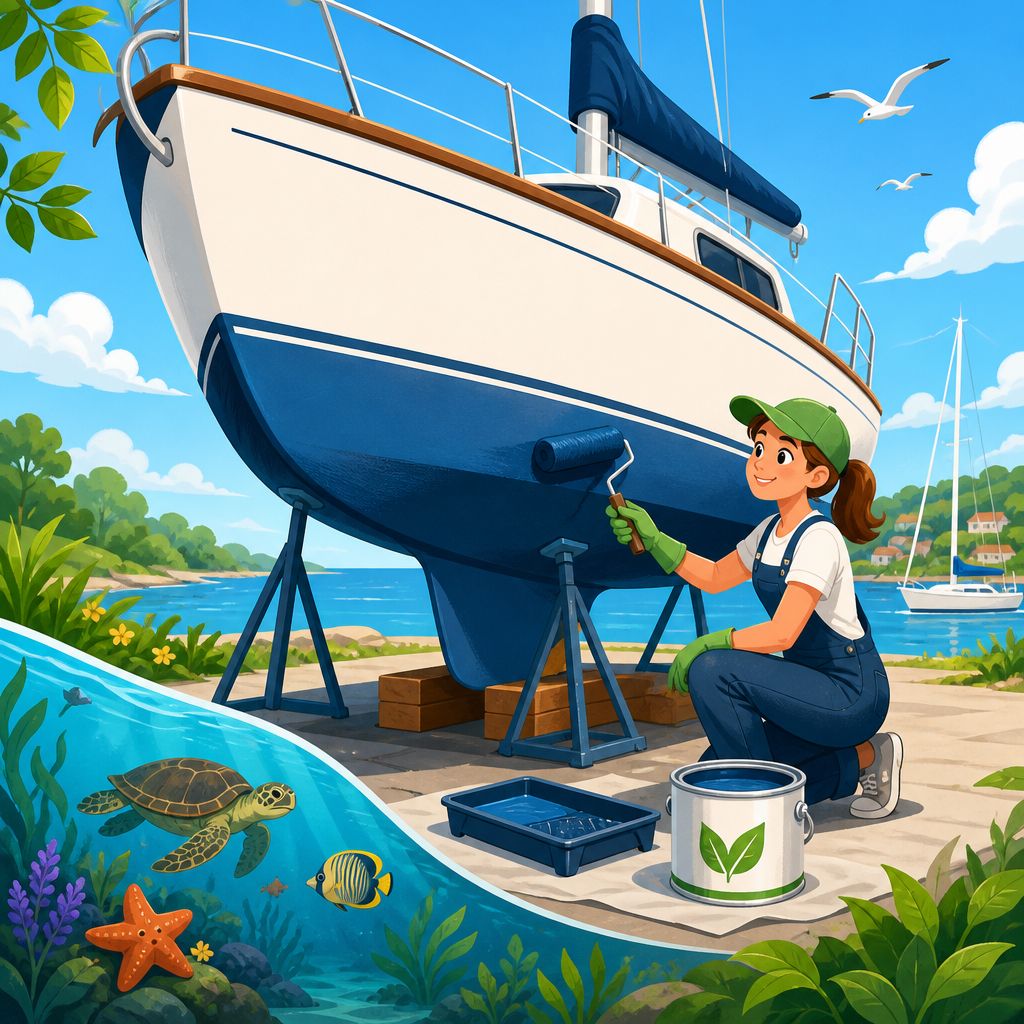
Bottom coatings deserve special attention. Traditional antifouling paints may leach biocides that control growth effectively but create ecological concerns in marinas and enclosed waters. Alternatives include lower-toxicity coatings, hard finishes designed for cleaning, and fouling-release silicone systems that make it harder for organisms to attach. None is universally best. Warm, high-growth waters pose different challenges than cold freshwater lakes. The right choice depends on boat speed, haul-out schedule, cleaning frequency, and local regulations. Responsible owners should consult yard professionals and waterway rules before selecting coatings.
Maintenance products matter too. Biodegradable soaps, low-VOC solvents, absorbent bilge pads, and spill-prevention fueling practices reduce day-to-day contamination. In my experience, many owners focus heavily on engine choice but ignore maintenance chemistry, even though repeated small discharges accumulate over years of use. Sustainable boating is built as much in the yard and marina as in the design office.
Waste, water, and wildlife: operating a boat responsibly
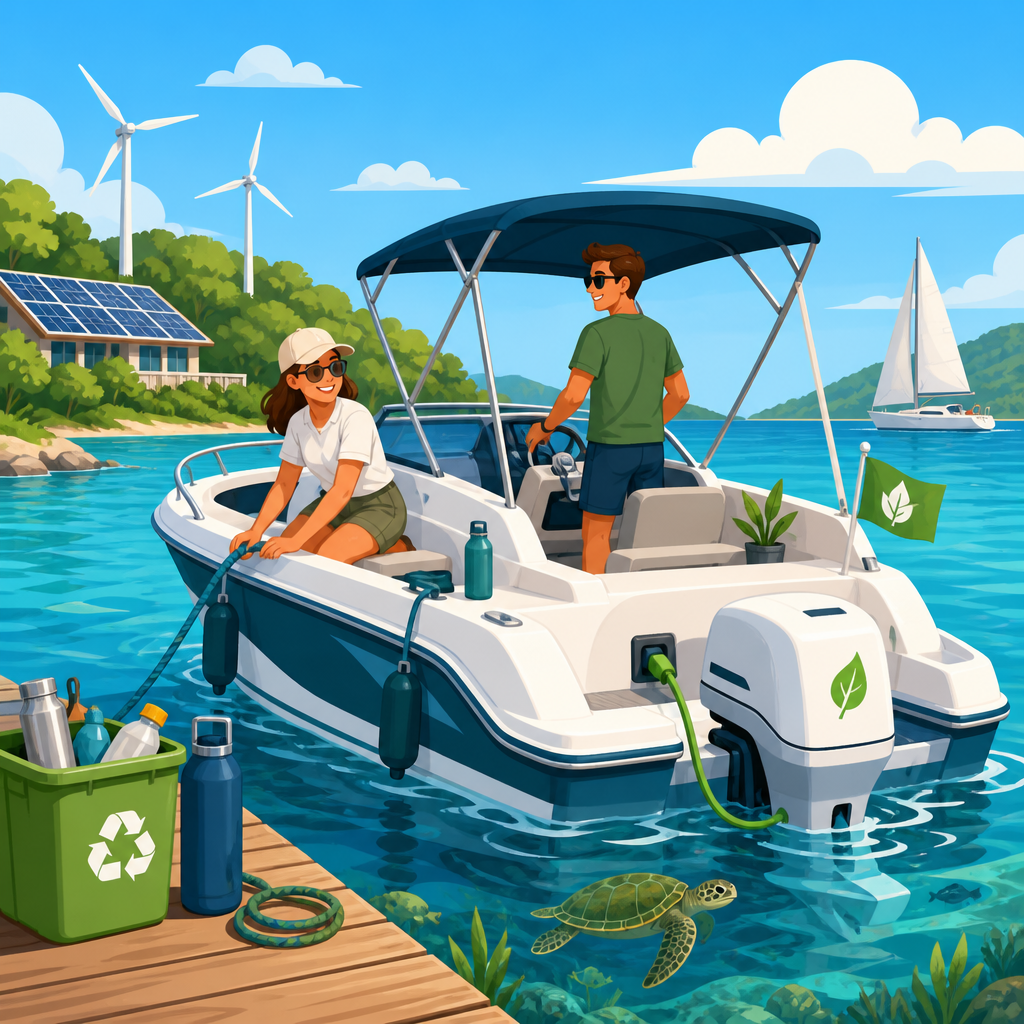
An eco-friendly boat is not truly eco-friendly if onboard systems allow sewage discharge, oily bilge water release, or frequent plastic waste loss overboard. Blackwater holding tanks, compliant marine sanitation devices, clearly labeled seacocks, and easy pump-out access are basic requirements for responsible cruising. Graywater management is becoming more relevant as larger leisure boats add residential-style amenities. Although regulations vary, reducing detergent load and food waste discharge is a practical step everywhere.
Wildlife impact extends beyond pollution. Noise affects fish behavior and marine mammals. Wake can erode shorelines and damage habitat in shallow or narrow waterways. Propeller strikes threaten turtles, manatees, and other vulnerable species in some regions. Sustainable boating therefore includes speed management, route awareness, use of no-wake zones, and updated charting. Many of the best practices are operational, not expensive. Slowing down in sensitive areas protects habitat and often saves energy at the same time.
Marina infrastructure is part of this system. Clean pump-out stations, recycling points, shore power, stormwater controls, and emergency spill kits make good behavior easier. Programs such as Blue Flag and Clean Marina initiatives have helped establish practical standards. For buyers using this article as a hub, related topics worth exploring next include electric boat charging, sustainable marina design, low-impact maintenance routines, and wildlife-safe navigation.
How to evaluate whether a boat is genuinely eco-friendly
Marketing claims can be vague, so buyers need a structured evaluation method. Start with intended use: trip length, cruising speed, passenger load, towing needs, and charging or fueling access. Then assess the boat in six categories: propulsion emissions, energy efficiency, material footprint, toxicity of coatings and maintenance systems, waste and water management, and expected service life. Ask builders for battery chemistry, usable capacity, cycle life, charging rate, real-world range at defined speeds, hull material sourcing, and maintenance intervals. If a seller cannot explain performance in those terms, the sustainability story is probably superficial.
Sea trials are essential. Review energy draw at multiple speeds, sound levels, maneuverability, and charging practicality. Confirm whether published range figures assume flat water, minimal payload, or conservative speed. For fuel-powered models, compare liters or gallons per hour at common cruising settings, not only at ideal test points. Ask about parts availability and upgrade paths. A boat that can be serviced locally and modernized over time is usually the more sustainable investment.
The central lesson is simple. Eco-friendly boating is not defined by one badge, material, or motor type. It is the result of efficient design, appropriate propulsion, careful material choices, clean onboard systems, and responsible operation over the full life of the vessel. As the rise of eco-friendly boating continues, buyers who understand these fundamentals will make smarter decisions, spend less on wasted energy, and help protect the waters they enjoy. Use this hub as your starting point, then dig deeper into propulsion, maintenance, marina infrastructure, and low-impact cruising practices before choosing your next boat.
Frequently Asked Questions
What exactly makes a boat eco-friendly?
An eco-friendly boat is designed, operated, and maintained to reduce its overall environmental impact across its full life cycle. That means it is not defined by just one “green” feature, such as an electric motor or a solar panel. Instead, a truly sustainable boat combines several elements that work together: cleaner propulsion, efficient hull design, durable and lower-toxicity materials, responsible energy use, and systems that minimize pollution from fuel, wastewater, and solid waste. The goal is to reduce emissions, conserve resources, and protect the health of lakes, rivers, coastal waters, and marine ecosystems.
In practical terms, an eco-friendly boat often uses less energy to move through the water, produces fewer air and water pollutants, and is built to last longer with fewer harmful coatings, chemicals, or replacement parts. Sustainable design also considers how the boat performs in real-world use. A vessel that is efficient at cruising speed, easy to maintain, and equipped with smart onboard power systems may have a lower lifetime impact than a boat with a single advanced technology but poor efficiency elsewhere. This whole-boat approach is what separates genuine eco-friendly design from simple marketing claims.
Is electric propulsion the main feature of a sustainable boat?
Electric propulsion is important, but it is only one part of sustainable boat design. Electric motors can reduce or eliminate tailpipe emissions on the water, lower noise levels, and improve energy efficiency, especially for smaller boats, day cruisers, tenders, and vessels operating in sensitive waterways. When charged from renewable electricity or supported by solar power, electric propulsion can significantly reduce a boat’s operational carbon footprint. It can also decrease fuel spills, exhaust fumes, and engine-related maintenance issues that affect water quality.
However, sustainability depends on the entire vessel, not just the drivetrain. Battery weight, charging infrastructure, range requirements, and the environmental impact of battery production all matter. For some use cases, hybrid systems, highly efficient modern combustion engines, or alternative fuels may currently be more practical than full electrification. In addition, hull shape, vessel weight, onboard energy demand, and operating habits often have a major influence on total impact. A poorly designed electric boat that requires excessive power to perform may be less sustainable in practice than a well-designed, highly efficient boat using a cleaner conventional setup. The most eco-friendly solution is the one that fits the vessel’s purpose while minimizing overall resource use and pollution.
How does hull design affect a boat’s environmental impact?
Hull design plays a major role in determining how much energy a boat needs to move through the water. An efficient hull reduces drag, improves fuel economy or battery range, and lowers emissions because the engine or motor does not have to work as hard. Designers can improve efficiency through factors such as hull shape, displacement, beam, weight distribution, and the intended cruising speed. A boat that is well matched to its operating profile—whether that means displacement cruising, planing performance, or low-wake travel—can use significantly less energy over time than one with an inefficient design.
Hull design also affects wake, erosion, and disturbance to aquatic habitats. Boats that produce excessive wake can damage shorelines, stir up sediment, and disrupt wildlife in shallow or protected areas. Sustainable design aims to create hulls that are not only energy-efficient but also appropriate for the waterways where they operate. Weight reduction through durable materials, careful structural engineering, and efficient layouts can further improve performance without sacrificing safety. Even surface treatments matter: low-toxicity bottom coatings and smoother underwater finishes can help reduce resistance while limiting the release of harmful substances into the water. In short, an eco-friendly hull is one that delivers the required performance using the least possible energy and causing the least harm to surrounding ecosystems.
What materials are considered more sustainable in boat building?
More sustainable boat-building materials are those that balance durability, safety, maintenance needs, and lower environmental impact during production, use, and eventual disposal. There is no single perfect material for every boat, but eco-friendly design generally favors materials that last a long time, require fewer toxic treatments, and can reduce the need for frequent repairs or replacement. Designers may look for responsibly sourced wood, recycled metals, lower-emission resins, recyclable aluminum components, or composites engineered for durability and reduced waste. Long service life is especially important because a boat that remains functional for decades can spread its manufacturing impact over a much longer period.
Material choice also affects toxicity and end-of-life management. Traditional boat construction can involve coatings, adhesives, solvents, fiberglass resins, and anti-fouling paints that release volatile compounds or harmful chemicals. Sustainable design tries to reduce these hazards by selecting lower-toxicity finishes, safer manufacturing methods, and components that are easier to maintain or replace individually. In many cases, the most sustainable material is not simply the newest or most advanced one, but the one that performs reliably in marine conditions with minimal environmental harm over time. A durable hull, corrosion-resistant fittings, repairable systems, and well-chosen finishes can all help reduce waste, lower maintenance demands, and improve the boat’s long-term environmental profile.
What onboard systems matter most for eco-friendly boating?
Several onboard systems strongly influence whether a boat is truly eco-friendly. Propulsion is one of the most visible, but fuel management, electrical systems, waste handling, and water systems are just as important. Efficient fuel tanks, sealed lines, and well-maintained engines help prevent leaks and spills. Smart electrical systems, including LED lighting, efficient appliances, battery monitoring, and renewable charging sources such as solar panels, reduce energy demand and improve overall efficiency. On larger or overnight boats, responsible freshwater use and wastewater handling are essential to protecting local water quality.
Waste systems are especially important in sustainable boating. Proper blackwater and graywater management, pump-out compatibility, spill prevention, and secure storage for trash and recyclables all help prevent direct harm to waterways. Ventilation, bilge management, and non-toxic cleaning products also matter because many forms of pollution come from routine operation and maintenance rather than dramatic accidents. The most sustainable boats are designed so that responsible behavior is easy: systems are accessible, efficient, clearly monitored, and built to reduce the chance of discharge, overconsumption, or contamination. When these practical features are combined with efficient design and thoughtful operation, a boat becomes meaningfully more eco-friendly over its full lifetime.