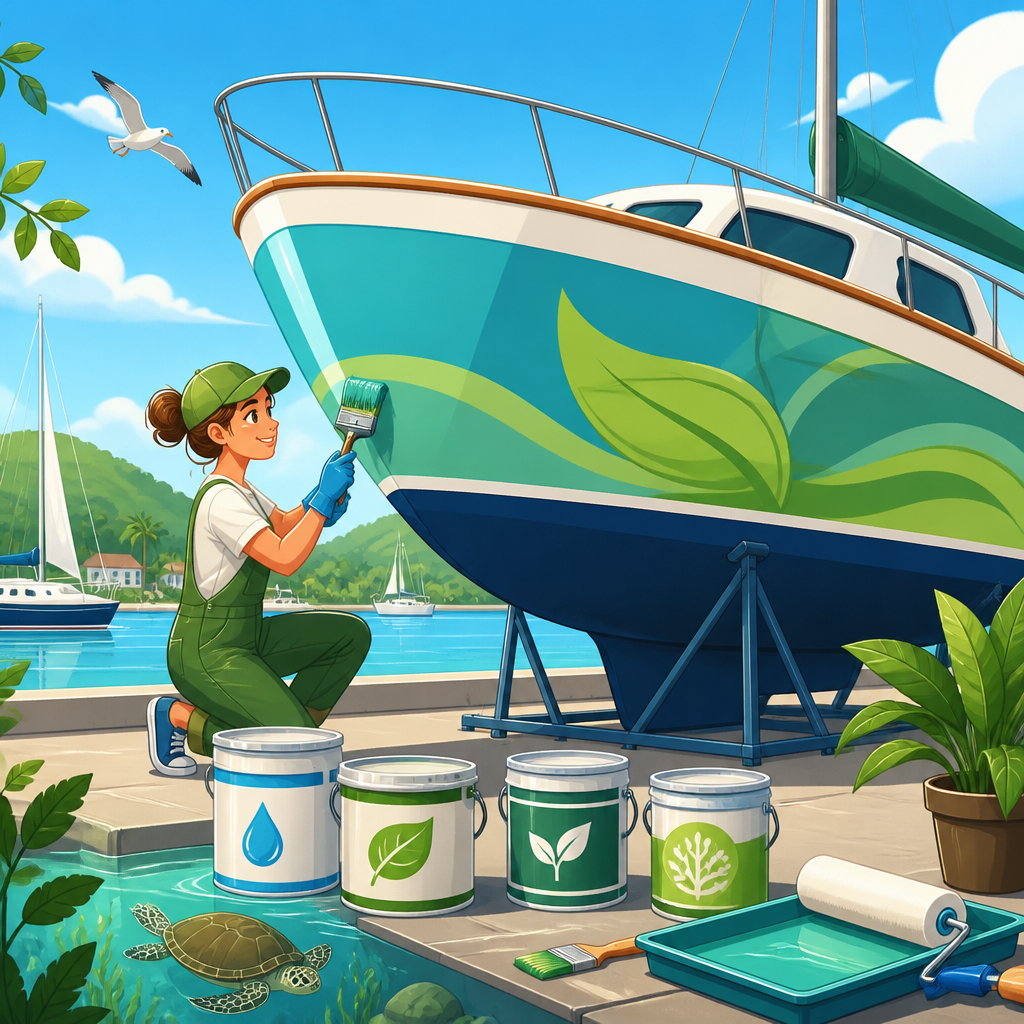
Choosing the best eco-friendly paints and coatings for your boat starts with understanding what these products actually do: they protect hulls, decks, bilges, cabins, and underwater surfaces from corrosion, ultraviolet damage, abrasion, moisture intrusion, and marine growth while limiting harm to water quality, marine life, and the people applying them. In practical terms, eco-friendly boat paint usually means lower volatile organic compound content, fewer persistent biocides, safer resin chemistry, better durability that reduces repainting frequency, and application methods that cut sanding dust and solvent emissions. For owners focused on sustainable boat design and materials, coatings matter because they sit at the intersection of performance, maintenance cost, and environmental impact. A poorly chosen bottom paint can leach copper into marinas for years, while an inefficient topside system can fail early, forcing repeated sanding, stripping, and disposal. I have worked with refit projects where the biggest sustainability gains did not come from exotic materials, but from simply replacing high-solvent primers, extending maintenance intervals, and matching coatings to actual use conditions. This article serves as a hub for sustainable boat design and materials by showing how paint systems fit into the larger strategy: select durable substrates, prepare surfaces responsibly, choose lower-impact products, and maintain finishes so the boat consumes fewer resources over its lifespan. If you want a greener boat without sacrificing reliability, coatings are one of the highest-leverage places to begin.
What makes a boat paint or coating eco-friendly
An eco-friendly marine coating is not defined by one marketing claim. It is defined by a combination of chemistry, emissions profile, service life, and end-of-life consequences. The first factor is VOC content. VOCs contribute to smog formation and increase exposure risks during application, especially in enclosed boatyards and cabins. Water-based acrylics, waterborne epoxies, and some high-solids urethanes generally emit fewer solvents than traditional solvent-heavy alkyds and two-part systems, although performance varies by brand and cure conditions. The second factor is toxicity in use. This matters most below the waterline, where conventional antifouling paints often rely on copper compounds or booster biocides that continuously leach into surrounding water. Lower-impact alternatives reduce or eliminate this release through harder foul-release surfaces, photoactive coatings, or lower-copper formulations engineered for controlled polishing.
Durability is equally important. A coating that lasts twice as long can be the greener option even if its chemistry is not perfect, because it reduces repaint cycles, haul-outs, labor, packaging waste, and blasting or sanding debris. Third-party documentation helps sort genuine progress from greenwashing. Look for product data sheets that specify VOC grams per liter, solids by volume, recommended film thickness, and substrate compatibility. Safety data sheets should clearly disclose solvents, isocyanates, amines, and biocides. In many regions, the Environmental Protection Agency, the European Chemicals Agency, and California Air Resources Board rules shape what can be sold and how it can be used. For interior products, certifications such as GREENGUARD or low-emission labels can add confidence, though marine suitability still must be verified. In short, eco-friendly boat paint is about lower toxicity, lower emissions, and longer service life, not color palettes or vague natural branding.
How coatings support sustainable boat design and materials
Sustainable boat design is often discussed in terms of hull materials like recycled aluminum, responsibly sourced timber, cork decking, basalt fiber, recycled PET core, or bio-based resins, but coatings determine whether those materials achieve their intended lifespan. Aluminum needs carefully specified primers and barrier systems to prevent galvanic and pitting corrosion. Timber needs breathable yet water-resistant finishes that limit checking and fungal damage without burying the grain under high-solvent varnish layers. Composite structures need moisture control and ultraviolet protection to avoid print-through, chalking, and osmotic problems. Because coatings are the interface between the boat and its environment, they can either preserve material value or accelerate waste.
On projects where owners invested in greener structural materials, the environmental benefits were often undermined by conventional finishing choices. A low-impact cedar interior finished with a harsh solvent coating can create unnecessary worker exposure. A recycled-aluminum tender painted with the wrong etching system may need premature refinishing. Better coating selection strengthens the full sustainability chain. It also affects energy use. Smooth, low-friction hull coatings can reduce drag and fuel consumption, particularly on displacement and semi-displacement boats that spend long periods in the water. Light-colored roof coatings can reduce cabin heat gain and air-conditioning demand. Anti-corrosion coatings in bilges and lockers extend service life of fasteners and support structures, reducing replacement parts over time. That is why this subtopic hub connects directly to related themes such as eco-friendly hull materials, sustainable decking, low-impact insulation, responsible adhesives and sealants, and end-of-life refit planning. Paint is not a cosmetic afterthought. It is a functional sustainability layer.
Best eco-friendly options for hull bottoms, topsides, decks, and interiors
The right product depends on where it will be used. Below the waterline, the best eco-friendly choice for many boats is not automatically a “green antifouling” label, but the coating system that matches local fouling pressure and usage pattern with the least contaminant release. Trailered boats often do well with hard, inert epoxy barriers plus regular cleaning because they do not sit long enough to justify continuous biocide leaching. Fast powerboats and performance sailboats may benefit from silicone or fluoropolymer foul-release coatings, which create very slick surfaces that make fouling easier to wash away. These systems can be excellent in high-use conditions but are expensive, demand meticulous preparation, and may be vulnerable to mechanical damage. For boats kept full time in marinas, reduced-copper or copper-free antifouling paints based on zinc omadine, Econea, or other alternatives can lower metal loading, although they still require careful review of local regulations and haul-out practices.
Above the waterline, waterborne polyurethane and acrylic enamel systems have improved significantly. On cabin sides, cockpit modules, and topsides, many now offer gloss retention and color stability suitable for cruising boats, especially when applied over compatible low-VOC primers. Two-part linear polyurethane still sets the benchmark for extreme gloss and hardness, but some products contain isocyanates and require strict respiratory protection. On working boats, I often recommend prioritizing high-solids, repairable coatings over show-finish systems because touch-up ability is a sustainability advantage. For decks, seek low-VOC coatings with integrated non-skid aggregates or add inert recycled media to compatible finishes. Interiors are the easiest place to improve quickly: use water-based bilge paint, low-odor cabin enamel, and low-emission clear coats for joinery. Natural oil finishes can work on interior wood trim, but in wet marine areas they need realistic maintenance expectations. The best eco-friendly coating is the one that protects effectively, fits the maintenance schedule, and avoids unnecessary toxic load.
Comparing common marine coating categories
| Coating type | Typical use | Environmental strengths | Tradeoffs |
|---|---|---|---|
| Waterborne acrylic or polyurethane | Topsides, interiors, lockers | Lower VOCs, easier cleanup, reduced applicator exposure | Humidity and temperature can affect cure; premium products cost more |
| High-solids epoxy | Barrier coats, bilges, tanks, primers | Long service life, strong moisture protection, fewer repaint cycles | Surface prep is critical; amine blush and mixing accuracy matter |
| Silicone foul-release | Hull bottoms on frequently used boats | No continuous heavy-metal leaching, lower drag | High upfront cost, specialized repair, less effective on idle boats |
| Reduced-copper or copper-free antifouling | Bottom paint in marinas | Lower copper loading than legacy paints | Still biocidal; performance varies by region and fouling pressure |
| Natural oil or low-emission clear finish | Interior wood trim and furniture | Lower odor, easier spot repair, attractive on natural materials | Less durable in wet or high-traffic areas than harder film finishes |
This comparison highlights a key rule: no single product is best for every boat. A freshwater trailer sailer, a charter catamaran in the tropics, and a wooden daysailer stored under cover all need different coating strategies. Match chemistry to service environment before comparing labels.
Surface preparation, application, and maintenance with lower impact
The greenest coating system will still underperform if preparation is poor. Most failures come from contamination, moisture, incompatible layers, or incorrect film build. Sustainable practice begins with testing existing coatings before overcoating. Determine whether the old layer is epoxy, polyurethane, alkyd, antifouling, or unknown. Check adhesion with cross-hatch or tape tests, inspect for osmotic blistering, and measure moisture where laminate saturation is suspected. When removal is necessary, favor dust-controlled sanding with vacuum extraction, chemical strippers approved for marine substrates, or professional media blasting with containment rather than uncontrolled dry sanding. Bottom paint waste can contain metals and biocides, so tarps, slurry capture, and legal disposal are not optional.
Application choices matter too. Use the minimum effective system recommended by the manufacturer: typically cleaner, primer, fairing compound if needed, and finish coats at specified film thickness. More coats than necessary increase material use without improving longevity. Respect recoat windows and dew point limits, especially with waterborne and epoxy products. A coating applied in the wrong humidity can fail early, wiping out any environmental advantage. During maintenance, routine washing, soft-hull cleaning, sacrificial chafe protection, and prompt touch-ups extend life dramatically. I have seen foul-release coatings lose effectiveness simply because owners let slime build for months, and I have seen water-based deck coatings last for years when washed with pH-neutral soap and covered from ultraviolet exposure. Reduced impact does not mean reduced discipline. It means applying skill so the coating reaches its full service interval.
How to choose the right product for your boat and where this hub leads next
Start with five questions. First, what is the substrate: fiberglass, aluminum, steel, wood, or composite with specialty cores? Second, where will the boat live: trailer, dry stack, freshwater slip, saltwater marina, or tropical mooring? Third, how often does it move? Foul-release systems need regular speed and water flow, while hard inert coatings can suit boats that are hauled often. Fourth, what are your repair skills and facility constraints? A low-VOC waterborne topside paint may be smarter for a home workshop than a spray-applied two-part coating requiring supplied-air protection. Fifth, what does total lifecycle cost look like over five years, including prep, haul-outs, labor, disposal, and fuel effects from surface roughness?
As the hub page for sustainable boat design and materials, this article points naturally to deeper topics. From here, build your plan around sustainable hull materials, low-impact decking, recycled and bio-based composites, greener adhesives and sealants, responsible insulation, and maintenance practices that reduce waste. The takeaway is simple: the best eco-friendly paints and coatings for your boat are the ones that protect surfaces for the longest realistic interval with the lowest practical emissions and toxicity. Read product data sheets carefully, follow substrate-specific preparation, and choose durability over marketing claims. If you are upgrading your boat for sustainability, audit every coated surface and create a system-by-system plan before buying a single can.
Frequently Asked Questions
What makes a boat paint or coating truly eco-friendly?
An eco-friendly boat paint or coating is designed to reduce environmental impact without sacrificing the protection a boat needs in harsh marine conditions. In most cases, that means the product has lower volatile organic compound (VOC) content, fewer hazardous solvents, and reduced reliance on persistent toxic biocides that can accumulate in water and marine ecosystems. It may also use safer resin systems, water-based technology, or advanced additives that improve durability while limiting harmful runoff during application, use, and maintenance.
That said, “eco-friendly” does not mean one single thing. A coating can be greener because it emits fewer fumes during application, because it is less toxic to aquatic life, because it lasts longer and needs less frequent recoating, or because it creates less sanding dust and cleanup waste over time. For boat owners, the best approach is to look beyond marketing language and review the product’s technical data sheet and safety data sheet. Check for VOC levels, intended use, cleanup requirements, and whether the coating is formulated for reduced environmental hazard in marinas and waterways.
It is also important to remember that sustainability involves the entire lifecycle of the product. A coating that lasts longer, adheres better, and resists ultraviolet degradation, moisture intrusion, and abrasion can be the more responsible choice even if it costs more upfront. Fewer repaints mean less material consumption, less labor, and less contamination from scraping and sanding. In short, a truly eco-friendly marine coating protects your hull, deck, cabin, or bilge effectively while lowering the overall burden on water quality, marine life, and human health.
Are low-VOC marine paints durable enough for real-world boating conditions?
Yes, many modern low-VOC marine paints and coatings are absolutely durable enough for real-world use, provided you choose the right product for the specific surface and service conditions. Advances in marine coating technology have made it possible for lower-emission products to deliver strong adhesion, corrosion resistance, UV protection, flexibility, and abrasion resistance. Today’s water-based and lower-solvent formulations can perform very well on topsides, cabins, decks, and interior spaces, and some specialized systems are also suitable for bilges and certain underwater applications.
The key is understanding that performance depends less on the “eco-friendly” label and more on proper product matching and application. A topside coating must handle sunlight, salt spray, temperature swings, and cosmetic wear. A deck coating also needs texture, slip resistance, and toughness under foot traffic. Bilge coatings need chemical and moisture resistance. Underwater coatings must deal with constant immersion and, in some cases, marine growth. If the coating is engineered for that purpose and applied over a correctly prepared surface, low-VOC does not automatically mean lower performance.
Surface preparation remains the deciding factor in how long any marine finish lasts. Even the best eco-friendlier coating can fail if applied over chalking paint, contamination, oxidation, rust, or trapped moisture. Following the manufacturer’s instructions for cleaning, sanding, priming, film thickness, cure time, and environmental conditions is essential. When boat owners are disappointed with durability, the problem is often inadequate prep or using a product outside its intended exposure range rather than a limitation of low-VOC technology itself.
What are the best eco-friendly coating options for different parts of a boat?
The best eco-friendly option depends on where the coating will be used, because each area of a boat faces different forms of stress. For topsides and cabins, low-VOC polyurethane alternatives, water-based enamels, and advanced marine acrylic systems are often strong choices because they provide color retention, gloss stability, and UV resistance with lower emissions during application. These are well suited for above-the-waterline surfaces where appearance matters and where reduced fumes can make painting more comfortable and safer.
For decks, look for eco-friendlier deck paints or coatings that combine durability with slip resistance. These products should stand up to foot traffic, sun exposure, moisture, and regular cleaning while avoiding unnecessarily harsh solvent systems. In bilges and interior compartments, low-odor, chemical-resistant coatings can help seal surfaces against oil splashes, humidity, and staining while improving visibility and ease of maintenance. Because these are enclosed areas, choosing a lower-VOC product can make a meaningful difference for both application safety and onboard air quality.
Underwater surfaces require the most careful selection. Traditional antifouling paints often rely on biocides to deter marine growth, so environmentally preferable options may include lower-toxicity antifouling systems, hard coatings designed for regular cleaning, or specialized foul-release coatings that make it harder for organisms to adhere. The right solution depends on your boat’s speed, how often it is used, whether it is trailered or moored, and local fouling pressure. In some cases, a less toxic underwater coating paired with routine hull cleaning may be the most balanced approach. For metal components, eco-friendlier epoxy primers and barrier coats can also play a major role by preventing corrosion and moisture intrusion while supporting a longer-lasting overall coating system.
How can I choose an eco-friendly antifouling paint without risking heavy marine growth on the hull?
Choosing an eco-friendly antifouling paint is really about balancing environmental responsibility with the realities of your boating environment. Not every hull needs the same level of fouling protection. A sailboat kept year-round in warm, nutrient-rich saltwater will face very different growth pressure than a trailered fishing boat launched on weekends or a vessel stored in freshwater for limited periods. The first step is to assess how and where the boat is used: water temperature, salinity, marina conditions, boat speed, cleaning frequency, and how long the hull remains in the water all affect the best coating choice.
If your priority is reducing environmental impact, consider options such as lower-copper antifouling paints, coatings with reduced biocide loading, or foul-release systems that use slick surfaces rather than high toxicity to discourage attachment. Hard antifouling coatings can also be a practical choice for some owners because they tend to release less material through erosion and can tolerate periodic scrubbing. However, these coatings must still match the vessel’s operating profile. Some products work best when the boat moves regularly, while others are better for boats that spend long periods moored.
It is also wise to check local regulations and marina guidelines, since some regions restrict certain antifouling chemistries. An environmentally preferable paint that is well suited to your area will usually outperform a greener-sounding product that does not match local fouling conditions. Finally, remember that hull maintenance is part of the equation. Gentle, scheduled cleaning, prompt inspection, and timely touch-ups can help you use less aggressive coatings more successfully. The goal is not simply to buy the least toxic paint available, but to create a hull protection strategy that minimizes environmental harm while still keeping drag, fuel consumption, and maintenance under control.
What application and maintenance practices make eco-friendly boat paints work their best?
Even the most advanced eco-friendly coating performs best when paired with disciplined application and maintenance practices. Start with preparation: remove salt, wax, grease, oxidation, rust, and loose coating material before painting. Repair damaged substrates, allow wet areas to dry fully, and use compatible primers or barrier coats where recommended. Clean, stable surfaces help the coating bond properly, which directly improves longevity and reduces the need for premature repainting. From a sustainability standpoint, long service life is one of the biggest advantages you can create through good workmanship.
Application conditions matter just as much. Follow the manufacturer’s guidance for temperature, humidity, ventilation, recoat windows, and film thickness. Applying too thickly, too thinly, or under poor environmental conditions can lead to blistering, weak curing, poor gloss retention, or early failure. Use the recommended rollers, brushes, or spray equipment, and mix only what you need to reduce waste. During sanding and removal, capture dust and debris whenever possible so residues do not wash into the water or surrounding soil. Responsible containment practices are a major part of what makes a coating project genuinely more eco-conscious.
After application, routine maintenance will extend the life of the finish and reduce the frequency of major refinishing jobs. Wash the boat with gentler, marine-safe cleaners, inspect surfaces for chips or abrasion, and address small coating failures before moisture gets underneath. For underwater coatings, follow a scheduled inspection and cleaning plan appropriate to the paint type rather than waiting for heavy growth to build up. With decks, keep non-skid areas clean without using overly aggressive scrub methods that wear the coating prematurely. In practical terms, the greenest paint system is often the one that stays intact and effective the longest, because durability reduces waste, labor, emissions, and material use over time.