Inflatable boats occupy an unusual place in sustainable boating because they promise lower weight, smaller engines, and easier storage, yet they are also made from synthetic materials that raise real questions about durability, repairability, and end-of-life waste. In practice, whether an inflatable boat is an eco-friendly alternative depends less on marketing claims and more on the boat’s fabric, construction method, expected lifespan, propulsion setup, and how often it replaces a heavier rigid craft for the same job. That makes sustainable boat design and materials the right lens for evaluating them.
When I assess boats for environmental impact, I start with a simple principle: the greenest boat is not the one with the most eco labels, but the one that delivers the required performance with the least lifetime material use, fuel burn, maintenance burden, and disposal harm. Inflatable boats matter in this conversation because they can cut transport weight dramatically, work with small electric or low-horsepower outboards, and avoid the marina footprint associated with permanently berthed vessels. At the same time, many cheaper models are built from polyvinyl chloride, adhesives, and composite fittings that are difficult to recycle and often fail long before a well-built aluminum or fiberglass hull.
For readers exploring eco-friendly and sustainable boating, this article serves as a hub for sustainable boat design and materials. It explains what inflatable boats are, which fabrics and hull systems matter most, how manufacturing choices affect emissions, where inflatables outperform conventional boats, and where they fall short. It also connects the design decisions that shape broader sustainability outcomes: energy use on the water, repair and refurbishment options, accessory choices, and end-of-life planning. If you want to compare PVC versus Hypalon, inflatable hulls versus rigid alternatives, or portable electric setups versus gasoline outboards, this page gives you the framework to make an informed decision.
What makes a boat environmentally sustainable?
An environmentally sustainable boat minimizes impact across its full life cycle: raw material extraction, manufacturing, transport, use, maintenance, and disposal. For boats, operational emissions usually come first because fuel use dominates long-term impact for many owners. A heavy planing boat with a large gasoline outboard can burn dozens of liters per hour, while a light inflatable tender with a 3 to 10 horsepower motor may use a small fraction of that. Weight reduction matters because hydrodynamic resistance rises with displacement and speed. A lighter craft also needs less tow vehicle capacity, fewer marina services, and less antifouling paint if it is stored out of the water.
However, lower fuel burn does not automatically make a boat sustainable. Materials matter. Most inflatable tubes use either PVC or chlorosulfonated polyethylene synthetic rubber, commonly called Hypalon, often over polyester or nylon base cloth. PVC is common because it is inexpensive, weldable, and widely available, but lower-grade PVC can become brittle under ultraviolet exposure, heat cycling, and repeated folding. Hypalon-style fabrics are usually heavier and costlier, yet they are known for UV resistance, chemical stability, and long service life in harsh climates. If a cheap inflatable lasts three seasons and a premium one lasts fifteen, the lifetime material efficiency picture changes significantly.
Sustainability also includes practical use patterns. I have seen owners replace a rigid runabout used twice each summer with a roll-up inflatable stored at home and launched only when needed. That switch cuts storage overhead, haul-out work, and routine upkeep. I have also seen the opposite: buyers choose the cheapest inflatable, leave it inflated in the sun, drag it over concrete, and discard it after seam failure. The environmental outcome comes from design plus behavior, not design alone.
How inflatable boats compare with rigid boats
Inflatable boats can be genuinely efficient alternatives when the mission is short-range transport, fishing on protected waters, tender service, or compact recreation. Compared with rigid fiberglass boats, they usually weigh less, require smaller engines, and can often be transported without a dedicated trailer. A 10-foot inflatable may weigh under 50 kilograms in basic form, while a similarly sized rigid dinghy can weigh much more before adding a motor. Lower mass reduces fuel consumption during both towing and on-water operation. It can also open the door to electric propulsion because small battery packs can move a lightweight hull effectively at displacement speeds.
Safety and performance characteristics also influence sustainability. Inflatable tubes provide buoyancy and stability, which can reduce the need for oversized hulls in some use cases. Search and rescue agencies, yacht tenders, and dive operators use rigid inflatable boats because they carry loads safely and remain stable during boarding. That said, rigid inflatable boats combine inflatable tubes with hard hulls, fiberglass components, fuel systems, and more complex fittings. They can be highly capable, but they are not as materially simple as portable inflatables and should not be treated as automatically low impact.
The key tradeoff is longevity versus efficiency. A welded aluminum skiff can last decades with straightforward repairs and strong resale value. A well-built inflatable can also last a long time, but only if fabric quality, seam construction, and storage practices are good. Cheap inflatables often lose shape, leak at valves, or delaminate at transoms. When comparing options, ask a practical question: will this boat still be serviceable in ten years, and can ordinary repair shops fix it? That question reveals more about sustainability than brand slogans do.
Sustainable boat materials: PVC, Hypalon, TPU, aluminum, and composites
Material choice is the center of sustainable boat design and materials. In inflatables, the main tube fabric typically combines a base textile with a protective coating. PVC dominates entry-level and midrange markets because it can be heat welded, allowing consistent seams with less adhesive use. Heat welding is generally preferable to glue-only assembly because it can create durable bonds with lower solvent exposure during manufacturing. The weakness is lifespan variability. Thick, high-quality marine PVC from reputable manufacturers performs far better than thin budget fabric sold through generic private-label channels.
Hypalon, though often used as a catchall term, typically refers to CSM-coated fabric. It is valued for resistance to UV radiation, salt, temperature extremes, and abrasion. In tropical environments, commercial operators often choose it because replacement intervals are longer. The downside is cost, weight, and labor-intensive assembly, since many boats rely on adhesive bonding rather than simple welding. More labor can increase manufacturing impact, but if the boat remains usable much longer, the annualized footprint may still be lower. In my experience, serious buyers in hot climates usually recover the higher upfront cost through service life.
Thermoplastic polyurethane, or TPU, is another material worth watching. It is used in high-performance inflatable kayaks, packrafts, and some specialized tenders because it can be light, abrasion resistant, and repairable with proper techniques. Its sustainability advantage depends on formulation and support availability, but it points toward future lower-weight fabrics with improved durability.
| Material | Main sustainability strength | Main limitation | Best fit |
|---|---|---|---|
| Marine PVC | Low cost, weldable seams, wide availability | Variable lifespan, weaker UV resistance in cheap grades | Occasional use, mild climates, budget tenders |
| CSM/Hypalon | Excellent UV and weather durability, long service life | Higher cost, heavier, adhesive-intensive construction | Frequent use, hot climates, commercial duty |
| TPU | Very light weight, strong abrasion performance in some designs | Less common, repair support can be limited | Portable craft, packable recreation, specialty use |
| Aluminum hulls | Long life, repairable, widely recycled material stream | Heavier than portable inflatables, more transport burden | Utility boats, long-term ownership, rough use |
Beyond tubes, transoms, floors, stringers, and fittings deserve attention. Aluminum floor panels usually outlast plywood, though marine-grade sealed plywood can perform well if edges are protected. Wood transoms fail when water enters bolt holes and cutouts, so good sealing and replaceable hardware matter. In rigid inflatable boats, fiberglass hulls add stiffness and speed but also introduce composite disposal challenges. Most thermoset fiberglass remains difficult to recycle at scale, making longevity and repairability especially important.
Manufacturing impact, repairability, and life span
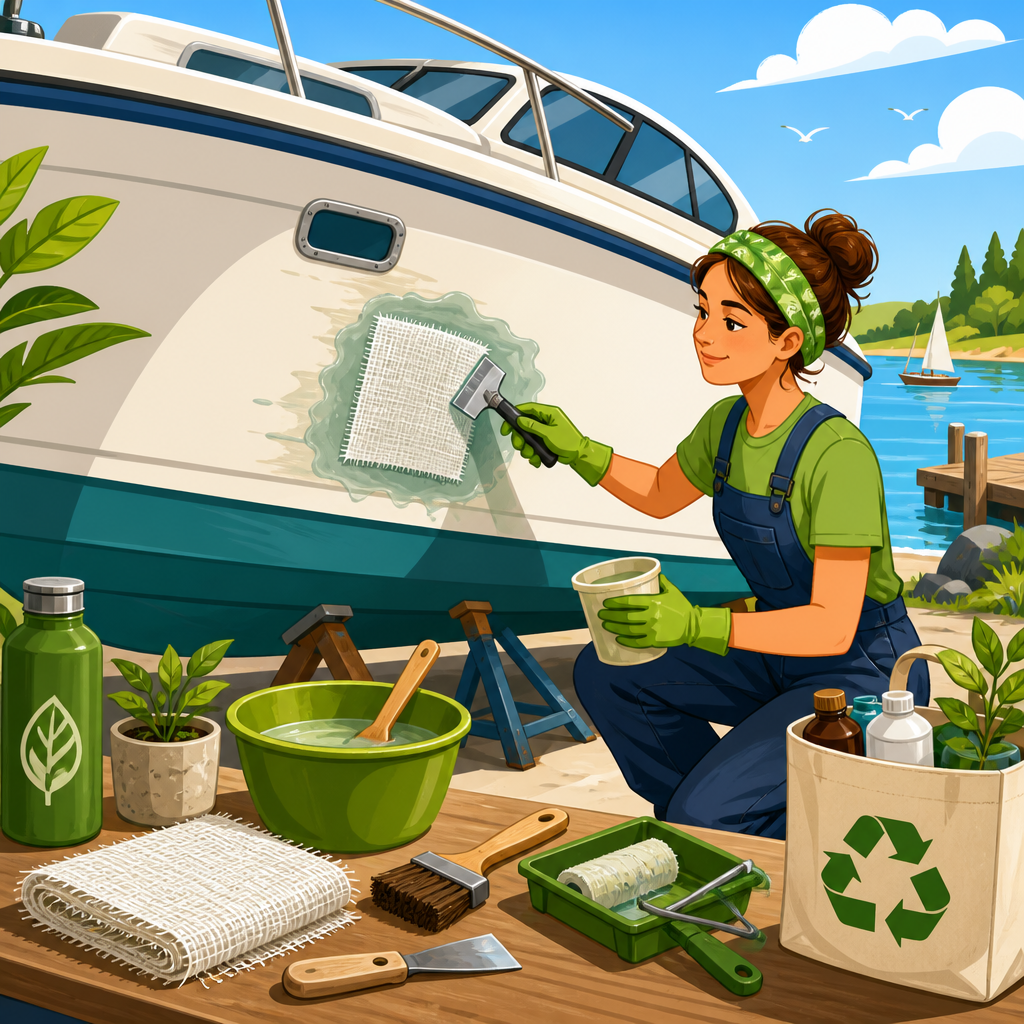
The most sustainable inflatable boat is usually the one designed to be repaired repeatedly. Repairability depends on spare part availability, standardized valves, patch compatibility, and access to service manuals. Brands that support replacement transoms, rub strakes, floor panels, oars, and valve kits keep boats in use longer. Some commercial-grade makers publish fabric specifications, denier ratings, and seam methods; that transparency is a strong signal. If a brand will not tell you the fabric weight, coating type, or repair process, durability claims deserve skepticism.
Manufacturing methods matter too. Solvent-heavy adhesives can create occupational and environmental concerns if factories lack proper controls. Heat-welded seams reduce some of that burden and often improve consistency. Precision cutting also lowers material waste. Established marine manufacturers tend to have tighter quality systems than anonymous import sellers, and quality control has direct environmental value because defects create premature waste. One failed seam can send an otherwise usable boat to landfill.
Life span varies enormously by storage and care. An inflatable kept clean, shaded, lightly pressurized in heat, and protected from fuel spills can last many years. A boat stored wet, overinflated in direct sun, or folded with sand in the creases ages quickly. This is why total environmental impact should be discussed in years of service, not just in purchase price. A premium inflatable used for twelve years is often a better environmental choice than buying three disposable ones in the same period.
Propulsion, efficiency, and low-impact use on the water
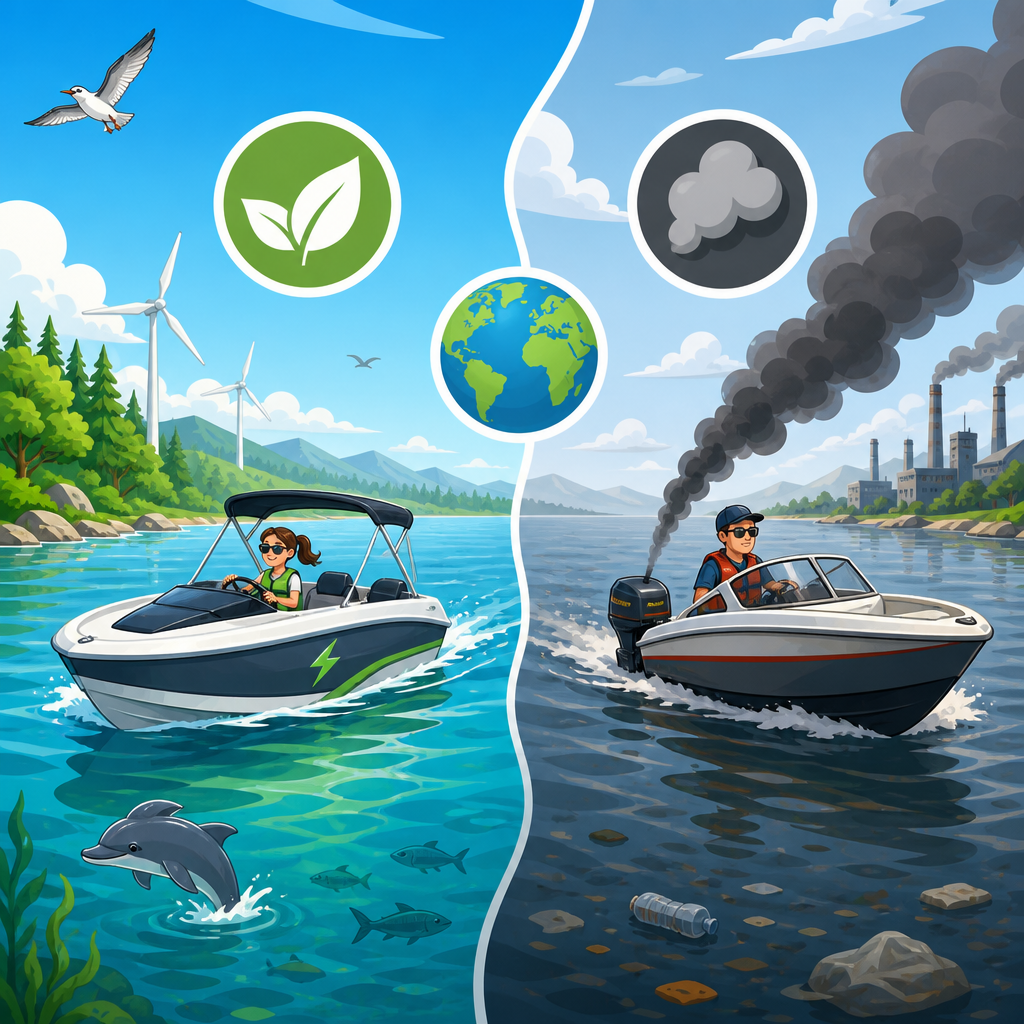
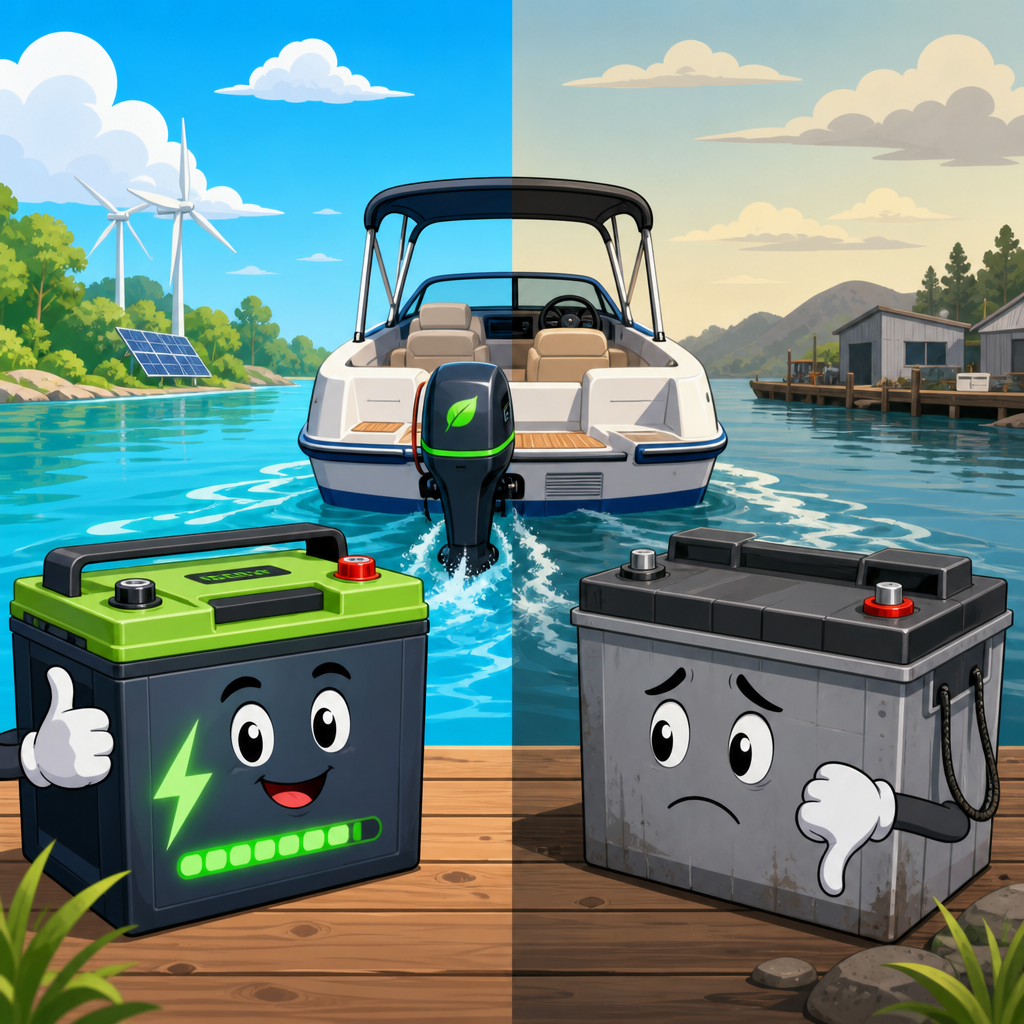
Inflatable boats often become more eco-friendly through the propulsion they enable. Because they are light and buoyant, they pair well with small outboards, rowing systems, and electric motors. On sheltered lakes, estuaries, and harbors, a compact electric outboard from brands such as Torqeedo, ePropulsion, or Mercury Avator can move a tender efficiently with no direct exhaust emissions and very low noise. Quiet operation reduces disturbance to wildlife and improves the boating experience in no-wake areas.
Range remains the main limitation of electric propulsion. Batteries add weight and cost, and charging infrastructure is uneven outside developed marinas. For many owners, though, inflatable boats are used for exactly the short trips where electric works best: shore transfers, nearshore fishing, camp access, and low-speed exploration. Matching the boat to that use case matters more than chasing headline speed. A lightweight inflatable with a small electric motor used within its realistic range can be one of the lowest-impact forms of motorized boating available today.
Even with gasoline outboards, efficiency gains are meaningful. A modern 6 horsepower four-stroke on a light inflatable can handle tasks that might otherwise tempt buyers toward a far larger engine and hull. The fuel saved over years of use is substantial. The broader lesson in sustainable boat design is straightforward: right-size the boat, right-size the power, and avoid carrying unnecessary structure for the mission.
Where inflatable boats are the better environmental choice, and where they are not
Inflatable boats are the better environmental choice when portability replaces infrastructure-heavy ownership, when light weight allows efficient propulsion, and when a durable build is maintained for a long service life. They are especially compelling for apartment dwellers, seasonal users, yacht owners needing a tender, travelers who would otherwise trailer long distances, and anglers operating on small inland waters. They are also valuable in shared-use fleets because one compact boat can serve multiple users without permanent dock space.
They are not automatically the best option for every boater. Offshore passagemaking, high-load commercial transport, and abrasive environments such as oyster beds or rocky surf launches can punish inflatables. In those cases, aluminum or well-built rigid hulls may last much longer and create less waste over time. Likewise, buyers seeking high speed in rough water may end up with larger rigid inflatable boats using powerful engines, where the sustainability advantage narrows considerably. If the real need is heavy-duty utility use for twenty years, a repairable aluminum skiff can be the greener answer.
This hub page should guide every downstream decision in sustainable boat design and materials: choose durable fabrics over disposable ones, favor repairable construction, evaluate the full life cycle, and match propulsion to realistic use. Inflatable boats can absolutely be an eco-friendly alternative, but only when they are built well, used intelligently, and kept in service for years rather than seasons. If you are comparing sustainable boat materials for your next purchase, start by defining your use case, climate, storage conditions, and power needs, then narrow the field to designs that minimize weight without sacrificing longevity. That is how greener boating choices hold up in the real world.
Frequently Asked Questions
Are inflatable boats actually more eco-friendly than traditional rigid boats?
They can be, but not automatically. Inflatable boats often have clear environmental advantages in day-to-day use because they are lighter, easier to transport, and typically require smaller motors than heavier rigid boats. Less weight usually means lower fuel consumption, reduced operating emissions, and less strain during launching, towing, and storage. In many real-world cases, that makes an inflatable a lower-impact option for short trips, fishing, tender use, and recreational boating on lakes, rivers, and nearshore waters.
That said, the full sustainability picture is more complicated than fuel savings alone. Most inflatable boats are made from synthetic materials such as PVC or Hypalon-type rubber fabrics, and those materials come with environmental tradeoffs tied to manufacturing, chemical inputs, and end-of-life disposal. A low-cost inflatable that degrades quickly, becomes difficult to repair, and gets replaced after only a few seasons may be less eco-friendly overall than a durable rigid boat used for many years. By contrast, a well-built inflatable with quality seams, UV-resistant fabric, repairable construction, and careful maintenance can deliver a longer useful life that improves its overall environmental case.
So the best answer is that inflatable boats are not inherently green, but they can be an eco-friendlier alternative when they are durable, appropriately sized, efficiently powered, and used often enough to replace a heavier, more resource-intensive craft. The real sustainability advantage depends on the specific boat, how long it lasts, and whether it meaningfully reduces fuel use and material demand over time.
What materials make one inflatable boat more sustainable than another?
Material choice is one of the biggest factors in determining whether an inflatable boat is a responsible environmental option. The two most common fabric systems are PVC and Hypalon or similar synthetic rubber-coated fabrics. PVC is widely used because it is affordable, lightweight, and easy to manufacture, which helps keep inflatable boats accessible and efficient. However, budget-grade PVC models may be more vulnerable to UV damage, seam failure, and general wear, especially if they are stored outdoors or used heavily. If a PVC boat has a short lifespan, its lower purchase cost may come at a higher environmental cost due to frequent replacement.
Hypalon-style fabrics, while often more expensive, are generally prized for stronger resistance to sunlight, abrasion, saltwater, and extreme temperatures. In practical terms, that durability can matter more than marketing language about sustainability. A boat that lasts 10 to 15 years with patching and routine maintenance is usually a better ecological choice than one that lasts only a fraction of that time. Construction also matters just as much as the fabric itself. Welded seams, high-quality adhesives, reinforced wear points, and replaceable components all contribute to longevity and repairability, which are essential to reducing waste.
Buyers should also look beyond surface claims like “eco-safe” or “green marine materials” and ask more concrete questions: Is the fabric thick enough for the intended use? Can punctures and seam issues be repaired locally? Are valves, floors, and transoms replaceable? Does the manufacturer have a reputation for long-term support? In sustainability terms, the most responsible material is often the one that keeps the boat in service the longest with the fewest replacements.
Does the type of motor or propulsion system affect how eco-friendly an inflatable boat is?
Absolutely. In many cases, the propulsion setup has as much influence on environmental impact as the boat itself. One of the strongest arguments in favor of inflatable boats is that their low weight and efficient hull designs often allow them to perform well with smaller outboards than a comparable rigid craft. A smaller gasoline motor usually consumes less fuel and produces fewer emissions, especially during routine low- to moderate-speed use. That can make a meaningful difference over the life of the boat.
Inflatable boats also pair well with electric propulsion in the right conditions. For calm inland waters, short-distance trips, and slow-speed applications, an electric outboard on a lightweight inflatable can be a very low-impact setup. Electric propulsion reduces direct exhaust emissions, minimizes noise, and often decreases the risk of fuel spills and oily discharge. It also enhances one of the inflatable boat’s natural advantages: efficient movement with minimal power. However, battery production, charging sources, range limits, and battery lifespan should still be considered when evaluating the overall environmental profile.
Human-powered use matters too. Small inflatables that can be rowed effectively may offer a practical alternative to powered boating for certain activities. Ultimately, the greenest inflatable is usually the one matched with the least resource-intensive propulsion system that still meets the owner’s real needs. Oversizing the engine, running high speeds unnecessarily, or using a heavy fuel-hungry setup undermines many of the ecological benefits that inflatables can offer.
How important are durability and repairability when judging whether an inflatable boat is environmentally responsible?
They are crucial. Sustainability is not just about what a product is made from; it is also about how long it stays useful. Inflatable boats exist in a wide quality range, from inexpensive recreational models designed for occasional casual use to robust tenders and expedition-grade craft built for years of service. A boat that punctures easily, suffers adhesive failure, or cannot be economically repaired becomes waste quickly, which weakens any claim of environmental friendliness.
Repairability is especially important because one of the practical strengths of inflatable construction is that many issues can be fixed without replacing the whole boat. Small punctures, valve leaks, worn chafe patches, and some seam problems can often be repaired if the fabric and construction quality are decent and replacement materials are available. That ability to patch and extend service life is a major sustainability advantage over products that are essentially disposable once damaged. It also means owners play a direct role in reducing waste by storing the boat properly, cleaning it after use, protecting it from prolonged UV exposure, and addressing minor wear before it becomes major failure.
From an environmental perspective, a repairable inflatable with a long service life is far more defensible than a cheap model purchased for convenience and discarded after limited use. If you want the greener option, look for boats with strong warranties, available repair kits and spare parts, proven seam construction, and a manufacturer that supports maintenance rather than replacement. Longevity is one of the most reliable indicators of lower overall impact.
What should buyers look for if they want the most eco-conscious inflatable boat possible?
The most eco-conscious approach is to think in terms of total lifecycle value rather than just initial price or simple “green” branding. Start by choosing a boat that genuinely fits the intended use. A properly sized inflatable used regularly and powered efficiently is usually a better environmental decision than an oversized model with excess material and a larger-than-necessary engine. Focus on durability first: high-quality fabric, reinforced high-wear areas, dependable valves, a sturdy floor system, and construction methods known for long-term reliability. A boat that lasts longer will almost always outperform a short-lived bargain option in sustainability terms.
Next, consider propulsion and usage patterns. If your boating is local, low-speed, and relatively short-range, a lightweight inflatable paired with an electric outboard or even oars may significantly reduce emissions and noise. If you need a gas outboard, choose the smallest efficient engine that safely does the job. Transportation and storage matter as well. Because inflatables can often be deflated and stored compactly, they may eliminate the need for marina space, reduce towing demands, and lower storage-related resource use. Those secondary benefits can meaningfully improve the boat’s overall environmental profile.
Finally, pay attention to maintenance support and end-of-life realities. Buy from manufacturers with a track record of replacement parts, repair guidance, and long-term customer support. Ask whether damaged sections can be serviced and whether local repair shops work on that fabric type. There is no perfectly impact-free boat, but the most responsible choice is one designed to stay in use for many seasons, consume as little energy as practical, and avoid premature disposal. In other words, the greenest inflatable boat is usually the one that is durable, repairable, efficiently powered, and used thoughtfully over a long lifespan.