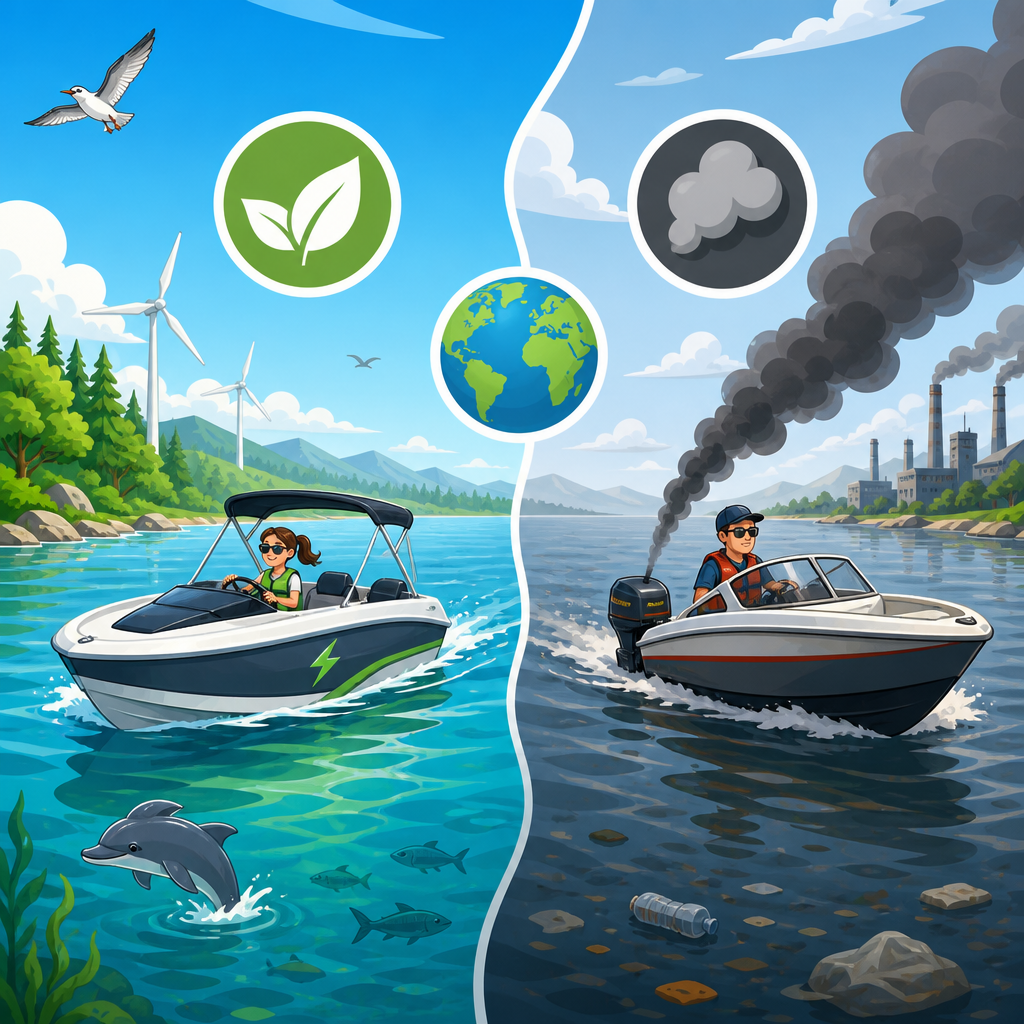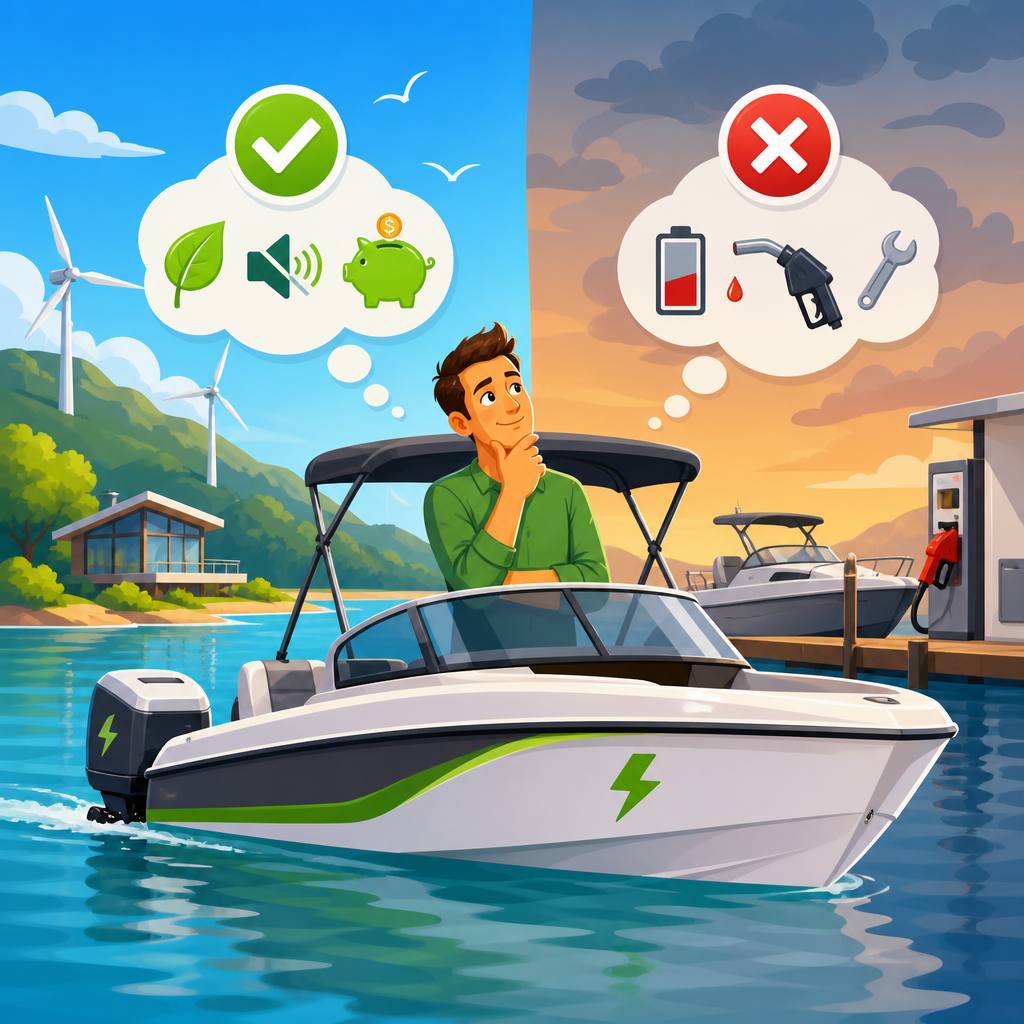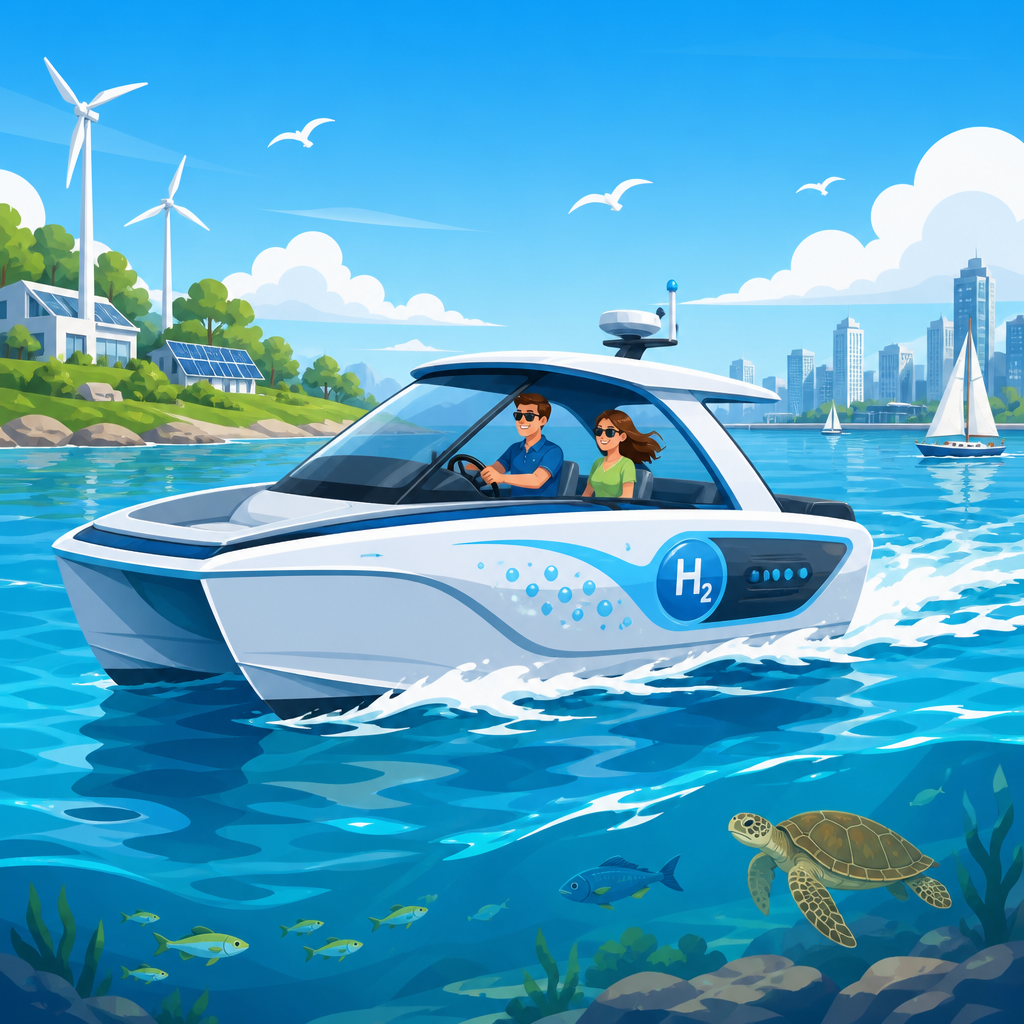
Electric and solar-powered boats are moving from fringe experiments to practical vessels, and they now sit at the center of any serious conversation about eco-friendly and sustainable boating. In this subtopic, “electric boats” refers to vessels propelled primarily by battery-powered electric motors, while “solar-powered boats” describes craft that use onboard photovoltaic panels to generate energy, usually to extend range, charge house systems, or support propulsion. Hydrogen-powered boats also enter the discussion because many owners, builders, and marina planners ask the same question: which zero-emission boating technology is most likely to scale?
I have tested electric propulsion systems, reviewed charging layouts with yard technicians, and compared operating data from inland day boats, coastal tenders, and hybrid cruising cats. The pattern is consistent: electric propulsion works best today when hull efficiency, battery size, charging access, and use case are matched carefully. Solar helps, but usually as a range extender rather than a complete energy source for anything larger than very light craft. Hydrogen remains promising for specific commercial and long-range applications, yet for most recreational boaters, battery-electric and solar-assisted systems are farther along right now.
This matters because propulsion choices affect far more than fuel bills. They shape maintenance schedules, marina infrastructure, onboard comfort, local air quality, and access to waterways with tightening emissions and noise restrictions. They also influence how future-proof a purchase will be. Buyers increasingly want to know whether an electric boat can handle a weekend routine, whether solar panels make a measurable difference, how charging compares with fueling, and where hydrogen fits into the long-term picture. This hub answers those questions directly and provides the framework for deeper articles on battery technology, charging, motor selection, solar integration, operating costs, and real-world ownership.
What Electric and Solar-Powered Boats Actually Are
An electric boat replaces or supplements an internal combustion engine with an electric drivetrain made up of a motor, controller, battery bank, charging hardware, and monitoring system. In small craft, this may be as simple as a tiller-steered outboard paired with lithium iron phosphate batteries. In larger vessels, it often means integrated propulsion packages from brands such as Torqeedo, ePropulsion, Elco, Oceanvolt, or Volvo Penta’s hybrid platforms. The cleanest installations are full battery-electric systems, but many cruising boats use parallel or serial hybrids to balance silence and lower emissions with backup flexibility.
Solar-powered boats are often misunderstood. Except in ultralight catamarans, canal boats, low-speed ferries, and specialized demonstrators, solar panels alone rarely provide enough continuous propulsion energy for mainstream recreational use. Their real value is strategic. A well-designed solar array can reduce shore-power dependence, keep auxiliary systems running, offset hotel loads like refrigeration and navigation electronics, and add meaningful charging during long daylight windows. On displacement hulls moving at efficient speeds, that contribution can be surprisingly useful. On fast planing boats, it is usually modest compared with propulsion demand.
For readers evaluating the broader zero-emission boating landscape, hydrogen-powered boats deserve a clear definition too. These vessels typically use hydrogen fuel cells to generate electricity onboard, which then powers electric motors or charges batteries in a hybrid architecture. Hydrogen is not a direct competitor in every segment. Instead, it tends to make the most sense where weight, duty cycle, rapid refueling, or long range make pure batteries difficult, such as passenger ferries, workboats, and potentially superyacht hotel loads. That context is essential when asking whether hydrogen-powered boats are the future of zero-emission boating.
How Electric Boat Propulsion Works in Real Use
The simplest answer is that an electric motor turns stored electrical energy into thrust with very high efficiency and very little noise. In practice, the ownership experience depends on three variables: hull resistance, speed profile, and usable battery capacity. I have seen owners thrilled with a six-kilowatt setup on a lake launch because they cruise at four knots for two hours, then recharge overnight from a dock pedestal. I have also seen unrealistic expectations sink projects where a heavy boat was expected to plane on battery power without the space or budget for the battery mass required.
Displacement hulls are the natural fit because energy demand rises more gradually with speed. A narrow canal boat, picnic launch, harbor shuttle, or compact sailboat auxiliary can operate efficiently on moderate battery banks. Planing hulls are harder because the power spike needed to climb onto plane is substantial. Some premium electric speedboats solve this with large, expensive battery packs and optimized hulls, but buyers should understand the tradeoff: excellent performance is possible, yet range at high speed remains limited compared with gasoline or diesel.
Battery chemistry also matters. Lithium iron phosphate has become a preferred option for many marine systems because of thermal stability, long cycle life, and predictable performance, though energy density is lower than some nickel manganese cobalt chemistries. Marine battery management systems, DC protection, waterproofing, and ventilation standards are not optional details; they are the backbone of reliability and safety. Reputable installers follow ABYC guidance, manufacturer torque specs, and system-level commissioning procedures. That is one reason integrated electric propulsion packages usually outperform improvised conversions over the long term.
Where Solar Power Adds the Most Value on Boats
Solar works best when owners treat it as a daily energy input, not a magic replacement for every charging need. On cruising sailboats and trawlers, solar often delivers its biggest benefit by covering house loads. A refrigerated galley, autopilot, instruments, lighting, and communications can quietly consume several kilowatt-hours over a day. Panels mounted on a hardtop, bimini, davit frame, or cabin roof can replace much of that draw, preserving battery reserves for propulsion or reducing generator runtime. For electric boats, that means the usable range can improve because fewer watt-hours are diverted to onboard systems.
Output depends on panel area, shading, orientation, temperature, charge controller quality, and latitude. A 400-watt array under ideal summer conditions will not produce 400 watts all day; actual daily harvest is far lower and varies significantly. Yet modest gains add up. On a low-speed electric day boat, solar can extend operation enough to avoid range anxiety on sunny afternoons. On a liveaboard cruising vessel, it can transform the ownership experience by reducing marina dependence. This is why solar integration should be considered alongside propulsion design instead of as a separate accessory purchase.
High-quality installations rely on MPPT charge controllers, marine-grade wiring, watertight gland entries, proper fusing, and realistic load calculations. Flexible panels may suit curved surfaces, but rigid framed panels generally offer better longevity and cooling. I advise owners to map every daily load before buying a single panel. That exercise reveals whether the goal is propulsion support, silent anchoring, or lower shore-power use. The answer determines panel placement, controller sizing, and battery strategy.
Electric Boats, Solar Boats, and Hydrogen Boats Compared
The most useful comparison is not ideological; it is operational. Each technology has ideal conditions. Electric propulsion is already practical for small recreational boats, inland craft, sailing auxiliaries, and defined-route commercial vessels. Solar improves efficiency and self-sufficiency, especially on slower boats with available surface area. Hydrogen offers faster refueling and higher energy potential by weight than batteries, but storage complexity, cost, and marina infrastructure remain major barriers. For most buyers today, the question is not whether hydrogen is elegant on paper. It is whether the ecosystem exists where they actually boat.
| Technology | Best Current Use Cases | Main Advantages | Main Limits |
|---|---|---|---|
| Battery-electric | Lake boats, tenders, sailboat auxiliaries, day cruisers, ferries on fixed routes | Quiet operation, low maintenance, high motor efficiency, zero tailpipe emissions | Charging time, battery cost, reduced range at high speed |
| Solar-assisted electric | Displacement hulls, cruising boats, canal craft, house-load support | Lower shore-power demand, range extension, silent energy generation | Limited panel area, weather dependence, insufficient for high-speed propulsion alone |
| Hydrogen fuel cell | Commercial ferries, workboats, research craft, long-duration projects | Rapid refueling potential, longer range, electric drive benefits onboard | Fuel storage complexity, sparse refueling network, high capital cost |
Examples illustrate the divide. Candela’s electric hydrofoiling boats cut drag dramatically and achieve ranges that would be difficult for conventional hulls on the same battery mass. Torqeedo systems have proven effective in saildrives and small passenger boats where predictable duty cycles simplify charging. Meanwhile, projects from companies such as Sea Change and other hydrogen ferry initiatives show technical viability, but they also highlight how dependent hydrogen remains on specialized supply chains and regulatory coordination. Recreational adoption will trail commercial pilots unless infrastructure expands substantially.
Costs, Maintenance, and Charging Reality
Upfront cost is still the biggest obstacle for electric and solar-powered boats. Batteries, power electronics, waterproof components, and marine-certified installation add real expense. However, operating costs can be materially lower. Electric motors have fewer moving parts than combustion engines, there are no oil changes, winterization is simpler, and routine service centers more on software updates, cooling checks, cable inspections, and drivetrain alignment. For owners who log frequent short trips, the savings in fuel and maintenance can narrow the total cost gap over time.
Charging reality is mixed. At home or at a berth with stable shore power, overnight charging is straightforward. Public fast-charging for boats is still limited compared with road EV infrastructure, although destinations on inland networks and urban waterfronts are improving. Smart energy management matters. Owners who understand state of charge, reserve planning, and charger output are far more satisfied than those who expect gasoline-style spontaneity. In many ways, electric boating rewards routine: plug in after each outing, monitor loads, and plan around weather and distance.
Hydrogen has a different cost structure. Refueling can be quick where available, but vessel systems, storage tanks, compression, and fuel logistics are expensive. That is why hydrogen is more likely to appear first in funded commercial fleets than in family runabouts. For now, battery-electric boats generally offer the most achievable path to zero-emission boating for private owners.
Choosing the Right Sustainable Boat for Your Use Case
The smartest buying question is simple: how do you actually boat? If your pattern is short lake cruises, protected-water sightseeing, marina hopping, or sailboat auxiliary use, an electric boat is likely ready now. If you spend days at anchor and want quieter onboard living, solar should be part of the design brief. If your route is long, fast, remote, or heavily loaded, today’s battery limits may push you toward hybrid solutions while the market matures. Hydrogen belongs on the watch list, especially for commercial operators and future infrastructure planners, but it is not yet the default answer for most recreational buyers.
Use this subtopic hub as the starting point for deeper decisions: battery sizing, electric outboards, inboard systems, solar panel design, charging options, hybrid tradeoffs, and total ownership costs. Zero-emission boating is no longer a concept piece. It is a real purchasing category with clear strengths, known limits, and fast-improving technology. Match the system to the mission, verify the numbers, and speak with builders or installers who can show actual performance data. That approach leads to better boats, lower-impact cruising, and far fewer surprises once you leave the dock.
Frequently Asked Questions
1. What is a hydrogen-powered boat, and how does it work?
A hydrogen-powered boat is a vessel that uses hydrogen as an energy source to drive electric propulsion systems. In most modern designs, hydrogen is stored onboard in high-pressure tanks and fed into a fuel cell, which combines hydrogen with oxygen from the air to produce electricity. That electricity then powers an electric motor, which turns the propeller or waterjet. The only direct byproducts from the fuel cell process are water and heat, which is why hydrogen is often discussed as a zero-emission boating technology at the point of use.
In practical terms, hydrogen boats share some similarities with battery-electric boats because both rely on electric motors for propulsion. The major difference is where the electricity comes from. A battery-electric boat stores electricity directly in batteries, while a hydrogen-powered boat stores energy chemically in hydrogen and converts it into electricity as needed. Some hydrogen vessels also include battery packs to handle peak power demands, improve efficiency, and store recovered or supplemental energy. This hybrid arrangement can make the system more responsive and better suited to marine operating conditions.
Hydrogen can be especially appealing for larger vessels, commercial craft, ferries, and boats that need longer range or faster refueling than batteries alone can easily provide. While the technology is still developing, hydrogen-powered boats are increasingly seen as part of the broader shift toward cleaner marine propulsion alongside electric and solar-assisted vessels.
2. Are hydrogen-powered boats truly zero-emission?
Hydrogen-powered boats are generally considered zero-emission at the point of operation because they do not burn diesel or gasoline and do not release carbon dioxide, soot, or other combustion-related pollutants from the vessel itself. When a fuel cell is used, the main exhaust product is water vapor or liquid water. This makes hydrogen especially attractive in environmentally sensitive waterways, harbors, inland routes, and regions with strict air-quality regulations.
That said, the full environmental picture depends on how the hydrogen is produced. If the hydrogen comes from renewable-powered electrolysis, where electricity from sources like wind, solar, or hydropower is used to split water into hydrogen and oxygen, the overall lifecycle emissions can be very low. This is often called green hydrogen and represents the cleanest pathway. However, if hydrogen is produced from natural gas without meaningful carbon capture, the upstream carbon footprint can be significant. In that case, the boat may still be clean on the water, but the fuel itself is not fully low-carbon from a lifecycle perspective.
So the most accurate answer is that hydrogen boats can be a major step toward truly zero-emission boating, but the result depends on fuel sourcing, infrastructure, and the broader energy system. For boat owners, fleet operators, and policymakers, the real goal is not just zero tailpipe emissions, but low-emission or near-zero-emission energy across the entire chain from production to propulsion.
3. How do hydrogen-powered boats compare with battery-electric and solar-powered boats?
Hydrogen-powered boats, battery-electric boats, and solar-powered boats all support cleaner marine transportation, but they serve different needs. Battery-electric boats are currently the most straightforward option for short-range cruising, inland boating, harbor operations, and recreational use where charging is convenient. They are mechanically simple, quiet, efficient, and increasingly practical as battery technology improves. Solar-powered boats add another layer of sustainability by using onboard photovoltaic panels to generate electricity, usually to extend range, support hotel loads, or reduce dependence on shore power.
Hydrogen enters the conversation when range, payload, operating hours, or refueling speed become more demanding. Batteries can become heavy and space-intensive when a boat needs to travel long distances or run continuously for many hours. Hydrogen has the potential to offer higher usable energy for its weight in certain applications, making it attractive for larger vessels or commercial operations where downtime matters. Refueling hydrogen can also be faster than recharging large battery banks, depending on the fueling setup.
However, hydrogen systems are usually more complex and currently more expensive than standard battery-electric setups. They also depend on specialized storage, fuel cell technology, and access to hydrogen fueling infrastructure, which remains limited in many boating markets. Solar power, by comparison, is highly useful but generally not enough on its own to propel most larger boats continuously at higher speeds. In many cases, the future may not be one technology replacing all others, but rather a mix: batteries for shorter routes, solar for supplemental energy, and hydrogen for extended range and heavier-duty marine applications.
4. Is hydrogen safe to use on boats?
Yes, hydrogen can be used safely on boats, but like any marine fuel, it requires well-engineered systems, proper storage, and rigorous safety standards. Hydrogen has unique characteristics that influence how marine designers manage risk. It is very light, disperses quickly when released, and behaves differently from liquid fuels such as gasoline or diesel. Because it is highly flammable, hydrogen systems must be designed with robust leak detection, ventilation, pressure management, tank protection, emergency shutoff systems, and careful separation of fuel storage from occupied spaces.
Modern hydrogen boats are built around layered safety principles. These include certified storage tanks, controlled fueling procedures, gas sensors, continuous system monitoring, and structural designs intended to minimize the consequences of leaks or impacts. Marine classification societies, engineering firms, and vessel manufacturers are actively developing standards tailored to hydrogen use at sea and on inland waterways. In many respects, the safety conversation around hydrogen is similar to the evolution of LNG, batteries, and even early gasoline systems: new technology requires new rules, training, and operational discipline.
For boaters and operators, the key point is that safety depends less on the fuel name itself and more on the quality of system design, installation, inspection, and maintenance. A professionally engineered hydrogen vessel operated under established protocols can be very safe. As adoption grows, clearer regulations, better crew training, and more mature fueling networks will continue to improve confidence in hydrogen as a marine fuel.
5. Will hydrogen-powered boats become a major part of the future of zero-emission boating?
Hydrogen-powered boats have strong potential to become an important part of zero-emission boating, but probably not as a one-size-fits-all solution. The marine sector is extremely diverse, ranging from small lake boats and coastal day cruisers to ferries, workboats, research vessels, and superyachts. Because of that diversity, the future is likely to be technology-specific rather than universal. Battery-electric propulsion is already well suited to many small and medium-duty applications, while hydrogen may become especially valuable in segments where batteries alone struggle with range, vessel weight, turnaround time, or continuous power needs.
Hydrogen is particularly promising for commercial fleets, passenger ferries, patrol craft, and other vessels operating on predictable routes where centralized fueling can be built. In these use cases, operators can justify the investment in infrastructure and benefit from the operational advantages of fast refueling and longer endurance. It may also play a role in hybrid systems that combine fuel cells, batteries, and even solar input for greater efficiency and flexibility. That kind of integrated approach could help marine operators reduce emissions without sacrificing performance.
The biggest factors shaping hydrogen’s future will be cost, fuel availability, infrastructure rollout, regulation, and the availability of green hydrogen at scale. If those barriers continue to improve, hydrogen could become a major pillar of sustainable boating. If progress is slower, it may remain focused on niche or commercial segments for longer. Either way, hydrogen is no longer just a theoretical idea. It is increasingly part of the real-world conversation about how boating can move beyond fossil fuels and toward a cleaner, quieter, and more sustainable future.