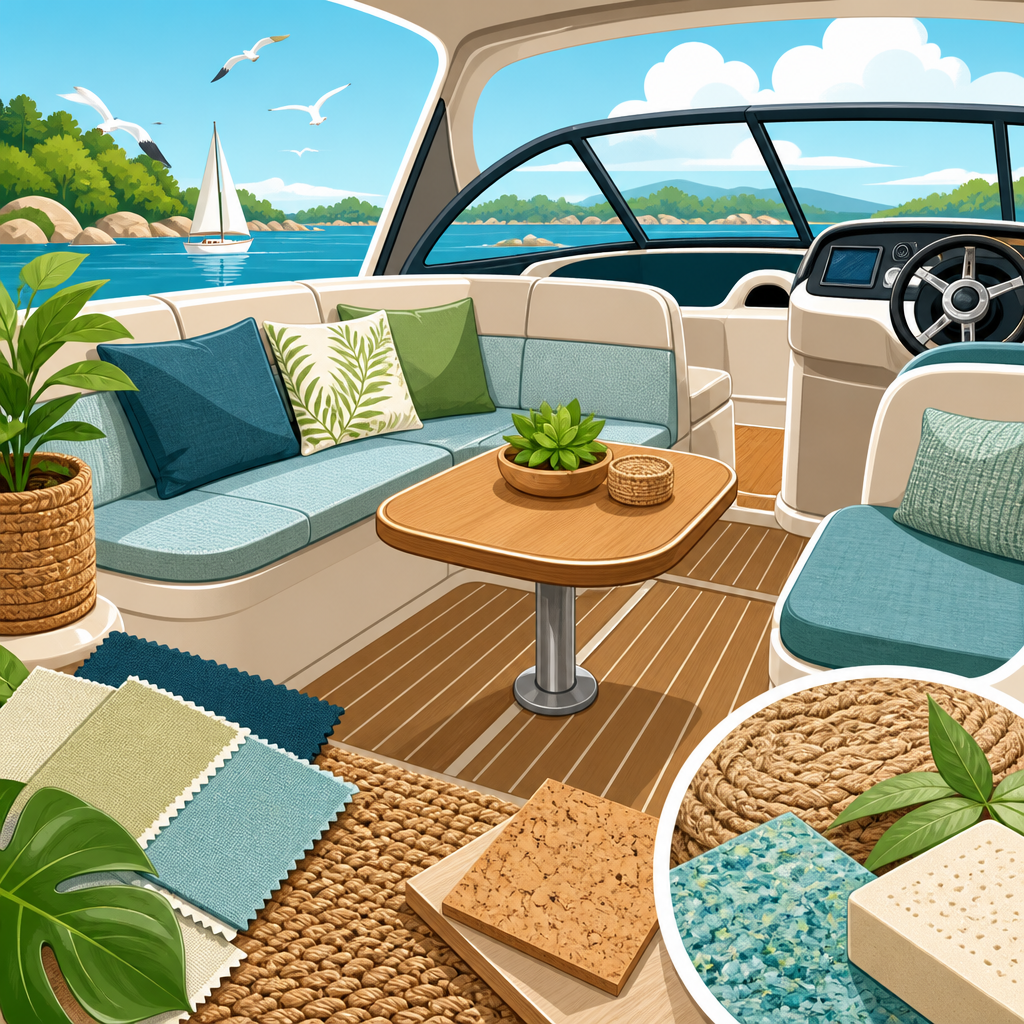
Sustainable boat upholstery and interior materials shape more than appearance. They affect onboard air quality, moisture control, maintenance costs, comfort under sun exposure, and the overall environmental footprint of a vessel across its full service life. In practical terms, sustainable boat design and materials means choosing fabrics, foams, panels, adhesives, flooring, and finishes that reduce waste, limit harmful emissions, last longer in marine conditions, and can be repaired or recycled more easily when they wear out. For owners refitting a center console, designers specifying a new cruiser, or marina businesses updating charter fleets, these choices matter because interior components are replaced far more often than hulls or engines, making them a high-impact area for improvement.
I have worked on boat refit projects where the biggest gains did not come from dramatic technology upgrades but from smarter materials selection. Replacing conventional vinyl with marine-grade recycled-content upholstery, switching to low-VOC adhesives, and using cork or responsibly sourced composite panels consistently reduced odor complaints, cleaning time, and early wear. Boat interiors are harsh environments. Salt, ultraviolet radiation, mildew, body oils, sunscreen, fish residue, and constant wet-dry cycles punish every surface. That is why sustainability in marine interiors cannot mean fragile, fashionable materials that fail after one season. It has to mean durable, traceable, safe materials that perform in demanding conditions while reducing lifecycle impact.
This hub article covers the core categories within sustainable boat design and materials, with a focus on upholstery and interior surfaces. It explains what makes a material genuinely better, where tradeoffs exist, and which products or certifications are worth evaluating. If you want a practical framework for selecting eco-friendly marine upholstery, cushions, wall liners, cabinetry panels, flooring, and coatings, start here. These principles also connect directly to related topics such as sustainable decking, low-impact maintenance products, circular refit planning, and responsible disposal strategies across the wider eco-friendly boating category.
What Makes a Marine Interior Material Sustainable
A sustainable marine material does four things well. First, it minimizes resource extraction by using recycled, rapidly renewable, or responsibly harvested inputs. Second, it avoids hazardous chemistry such as high solvent content, formaldehyde-heavy binders, certain phthalates, or finishes that release harmful volatile organic compounds into enclosed cabins. Third, it survives the marine environment long enough to justify its footprint. Fourth, it supports repair, cleaning, refurbishment, or recycling instead of immediate landfill disposal.
Lifecycle thinking is essential. A seat vinyl that contains recycled content but cracks in three years is usually a weaker sustainability choice than a longer-lasting fabric with lower recycled input. The same logic applies to substrate panels, foam cores, insulation, and adhesive systems. In my experience, the most successful projects compare materials using expected service life, maintenance burden, embodied carbon, toxicity profile, and end-of-life options, not just marketing claims. Established assessment frameworks such as life cycle assessment, GREENGUARD emissions testing, FSC certification for wood products, and OEKO-TEX screening for textiles provide stronger signals than vague eco labels.
For boat owners, the most important question is simple: will this material remain safe, cleanable, and structurally sound after years of moisture, heat, and motion? If the answer is no, it is not sustainable in real-world boating.
Sustainable Upholstery Fabrics and Marine Vinyl Alternatives
Upholstery is usually the first place owners look, and for good reason. Seat skins, bolsters, berth cushions, and headliners dominate the look and feel of an interior. Conventional marine vinyl remains common because it is waterproof, easy to sanitize, and relatively affordable, but traditional PVC-based products can have significant environmental downsides depending on formulation, plasticizers, and backing materials. Better options now exist, including recycled-content marine vinyl, polyurethane-coated textiles, silicone-based upholstery, and solution-dyed acrylic or olefin fabrics for less exposed areas.
Silicone upholstery has become a serious premium option for some marine applications. It resists UV exposure, staining, and microbial growth well, and it typically avoids several additives associated with older vinyl systems. Polyurethane alternatives can feel softer and more textile-like, though performance varies by coating quality and backing construction. Recycled-content marine vinyl can be a practical middle path, especially when sourced from manufacturers with documented durability testing for abrasion, cold crack resistance, and mildew resistance. Look for materials tested to ASTM standards and proven in hospitality, healthcare, or transportation sectors, where cleaning demands are intense.
For interior cabins, solution-dyed acrylic fabrics from brands such as Sunbrella have long been valued for fade resistance and cleanability. Olefin also deserves attention because it is lightweight, stain resistant, and often lower impact in production than many synthetic alternatives. Natural fibers like organic cotton or linen are rarely ideal for exposed marine seating because they absorb moisture and invite mildew unless carefully engineered into protected interior uses. In short, the most sustainable upholstery is usually a high-performance synthetic or coated textile chosen to last, not a delicate natural fabric selected for appearances alone.
Foams, Cushion Cores, and Healthier Comfort Layers
The sustainability conversation often overlooks what sits under the fabric. Foam selection matters for comfort, drainage, odor control, and waste reduction. Traditional polyurethane foam is still common, but options with bio-based polyol content, CertiPUR-US style chemical screening, and improved durability are now easier to source. Dry-fast reticulated foam is especially valuable for cockpit seating because its open-cell structure drains water quickly, reducing mildew risk and extending upholstery life. That means fewer premature cushion replacements, which is a meaningful environmental gain.
Natural latex can work in protected interior bunks and seating where direct soaking is unlikely, offering durability and reduced reliance on petrochemicals. Rebond foam made from shredded foam scrap is another useful option for backing layers or secondary cushions. The key is matching the foam to the use case. I have seen well-intentioned projects fail because owners chose household eco foam for a wet marine bench, only to face saturation, odor, and adhesive breakdown within months.
Foam wraps, batting, and backing fabrics should also be reviewed. Recycled polyester batting can replace virgin polyester in many applications. Antimicrobial treatments deserve caution. Some are useful; others add chemistry without solving the root problem, which is usually poor drainage or inadequate ventilation. Better design beats chemical dependence almost every time.
Panels, Cabinetry, and Interior Substrates With Lower Impact
Marine interiors rely heavily on hidden materials: plywood, honeycomb panels, laminates, trims, and cores behind visible upholstery. Conventional plywood can be durable, but sustainability depends on forest sourcing and resin chemistry. FSC-certified plywood is a strong baseline. Low-formaldehyde or no-added-formaldehyde panels improve cabin air quality, especially in smaller enclosed boats where off-gassing accumulates. Lightweight composite panels with recycled content can also reduce fuel use indirectly by trimming vessel weight, though they must still meet marine moisture and fastening requirements.
Cork is one of the most interesting materials in this category. It is renewable, naturally resilient, and useful for wall panels, trim accents, and some underlayment applications. Bamboo can be effective too, particularly in cabinetry faces and decorative elements, but quality varies widely depending on adhesive systems and finish durability. Recycled PET felt panels are increasingly used for acoustic control in cabins and enclosed helm stations. They absorb sound well, often incorporate post-consumer recycled bottles, and can replace heavier synthetic liners in certain areas.
When selecting laminates or decorative films, focus on repairability and bond strength. A sustainably sourced panel covered with a thin finish that delaminates quickly is still a poor choice. Mechanical fastening where possible, modular panel design, and access for future replacement all support a lower-impact refit.
Marine Flooring, Wall Coverings, and Surface Finishes
Flooring is another high-wear zone where sustainable choices can deliver immediate practical benefits. Cork flooring offers underfoot comfort, thermal insulation, and sound dampening, making it a compelling option for cabins. Linoleum, made primarily from linseed oil, wood flour, cork dust, and natural pigments, can be suitable in some protected interior areas when installed correctly over stable substrates. Recycled-content synthetic flooring products can work well in galleys and heads if they provide slip resistance, dimensional stability, and mold resistance.
For wall coverings and liners, recycled PET textiles, low-emission woven panels, and washable fabric-backed systems can replace more problematic foam-backed vinyls in certain spaces. Headliners benefit from materials that resist sagging and allow cleaning without fiber shedding. Surface finishes matter just as much as base materials. Water-based coatings, low-VOC sealers, and hardwax oils for appropriate wood surfaces generally create a healthier cabin environment than heavy-solvent products. However, they must be chosen for marine humidity and abrasion, not simply because they are marketed as green.
| Material Category | Best Sustainable Options | Main Advantages | Key Watchouts |
|---|---|---|---|
| Upholstery | Recycled-content marine vinyl, silicone upholstery, solution-dyed acrylic | UV resistance, cleanability, longer service life | Verify marine testing, seam construction, backing quality |
| Cushion Core | Reticulated foam, bio-based polyurethane foam, natural latex for dry interiors | Drainage, comfort, reduced replacement frequency | Match foam to wet or dry location |
| Panels | FSC plywood, low-formaldehyde boards, recycled-content composites | Better air quality, lighter weight, responsible sourcing | Edge sealing and fastener compatibility |
| Flooring | Cork, recycled synthetic flooring, linoleum in protected spaces | Comfort, acoustics, renewable content | Slip resistance and moisture tolerance |
| Adhesives and Finishes | Low-VOC water-based adhesives, waterborne coatings | Lower emissions, safer installation environment | Cure times and substrate preparation |
Adhesives, Sealants, and the Hidden Chemistry of a Refit
Many otherwise responsible refits lose ground because of the products used to glue everything together. Solvent-heavy adhesives can create strong initial bonds, but they often introduce avoidable fumes and health concerns during installation. Water-based contact adhesives and lower-emission bonding systems have improved significantly and now perform well in many upholstery, panel, and flooring applications when installers respect temperature, open time, and surface preparation requirements.
The same principle applies to sealants and edge treatments. Low-toxicity products that still meet marine performance needs should be prioritized, especially in sleeping areas and cabins with limited ventilation. Product data sheets matter. So do cure schedules. I have seen low-VOC products blamed unfairly for failure when the real problem was bonding to contaminated fiberglass or applying adhesive before trapped moisture had flashed off. Sustainability depends on workmanship as much as ingredients. A correctly installed lower-emission adhesive system that lasts ten years is far better than a poorly executed “green” install that requires early replacement.
How to Evaluate Suppliers, Certifications, and Real-World Performance
Choosing sustainable boat materials is easier when buyers ask structured questions. Request technical data on UV stability, abrasion resistance, mildew resistance, cleanability, and fire performance where relevant. Ask whether recycled content is pre-consumer or post-consumer. Confirm whether wood products carry FSC chain-of-custody certification. Review safety data sheets for solvents, isocyanates, formaldehyde, and added antimicrobials. If a supplier cannot explain what is in a product and how it behaves in marine service, move on.
Real-world references are invaluable. Charter operators, boatbuilders, and upholstery shops can often tell you which materials still look good after five seasons of heavy use. That practical evidence matters more than showroom samples. Good sustainable design also accounts for local repair access. A slightly less novel material with established replacement pathways may be a stronger environmental choice than an exotic option that becomes impossible to patch or match later. Durability, serviceability, and transparency consistently separate credible products from greenwashed ones.
Building a Sustainable Boat Interior Strategy
The best results come from treating upholstery and interior materials as a connected system. Start by mapping every major component: seating surfaces, foam, backing boards, substrates, flooring, liners, adhesives, and finishes. Next, rank each one by exposure level, replacement frequency, and occupant contact. Then choose the highest-performing lower-impact option that fits that exact zone. Wet cockpit cushions need drainage and UV resistance. Cabin berth cushions need comfort, low odor, and manageable humidity behavior. Galley flooring needs slip resistance and easy sanitation. There is no single miracle material.
As a hub topic within sustainable boat design and materials, this page should point owners toward deeper work in adjacent areas: recycled composite structures, responsibly sourced decking, lightweight panel engineering, circular refit planning, and end-of-life recycling. But for many boats, interior material choices are the most accessible place to begin. They improve the experience of using the boat immediately while supporting lower emissions, better health conditions, and less waste over time.
The clearest takeaway is this: sustainable boat upholstery and interior materials should be judged by durability, chemistry, sourcing, and repairability together. Recycled or renewable content is valuable, but it is only one part of the decision. The strongest marine interiors use proven performance materials, low-emission installation methods, and designs that allow maintenance instead of disposal. If you are planning a refit or specifying a new build, audit one interior zone at a time, compare data sheets carefully, and ask your fabricator to justify every adhesive, foam, panel, and finish. Better material choices made now will give you a cleaner, healthier, longer-lasting boat for years to come.
Frequently Asked Questions
1. What makes a boat upholstery or interior material truly sustainable?
A material is truly sustainable when it performs well in marine conditions while reducing environmental impact over its full life cycle. That means looking beyond surface-level labels and considering where the material comes from, how it is manufactured, how long it lasts, what it emits inside the cabin, how easy it is to clean and repair, and whether it can be recycled or responsibly disposed of at the end of its service life. On a boat, sustainability is closely tied to durability because products that fail early create more waste, more replacement costs, and often more chemical use over time.
For upholstery, sustainable choices often include recycled-content marine fabrics, responsibly manufactured vinyl alternatives, solution-dyed textiles that resist fading without heavy chemical treatments, and foams made with renewable or lower-impact inputs. For interiors, this can include FSC-certified wood products, recycled composite panels, cork or natural fiber flooring, low-VOC finishes, and marine adhesives formulated to reduce harmful emissions. A sustainable option should also help manage moisture, mold risk, UV exposure, and salt-air wear, because these factors determine whether the material remains usable and safe for years.
In practical terms, the best sustainable marine materials balance four things: longevity, low toxicity, maintainability, and lower resource use. If a fabric is marketed as eco-friendly but degrades quickly under sun and spray, it may not be the most sustainable choice. By contrast, a material that lasts many seasons, cleans easily with less aggressive products, and supports refurbishment instead of full replacement often delivers better environmental and economic value.
2. Which sustainable upholstery fabrics and foams are best for marine use?
The best sustainable marine upholstery materials are those designed specifically for wet, high-UV, high-humidity environments. Solution-dyed acrylics, recycled polyester marine fabrics, and select PVC-free or reduced-impact synthetic upholstery materials are among the most practical options. Solution-dyed fabrics are especially strong candidates because the color is built into the fiber rather than applied later, which improves fade resistance and often reduces water and chemical use during manufacturing. Recycled polyester can also perform well when engineered for marine use, offering good strength and stain resistance while helping divert plastic waste from landfills.
When it comes to foam, sustainability and marine performance must go together. High-resilience foam with partial bio-based content can be a smart choice when it is formulated for moisture resistance and long-term shape retention. Reticulated or open-cell dry-fast foam is often ideal for cushions exposed to spray and rain because it drains quickly and helps reduce mildew risk. A foam that lasts longer, dries faster, and resists breakdown is often the better sustainable option, even if it costs more initially, because it reduces replacement frequency and improves onboard comfort.
It is also important to evaluate the entire upholstery assembly, not just the face fabric. Backings, thread, zippers, adhesives, and underlayers all affect durability and recyclability. Look for mildew-resistant threads, removable cushion covers for easier cleaning and repair, and low-emission adhesives where bonding is required. In many cases, a sustainable upholstery upgrade means building cushions and covers so that individual components can be replaced instead of discarding the entire unit. That approach extends service life and lowers long-term waste.
3. Are low-VOC adhesives, finishes, and panels important in a boat interior?
Yes, they are extremely important, especially in enclosed marine environments where ventilation can be limited. Adhesives, sealants, paints, laminates, and composite panels can release volatile organic compounds, or VOCs, into the cabin air. On a boat, those emissions may be more noticeable because heat, sunlight, and confined interior spaces can intensify odors and concentrate airborne chemicals. Choosing low-VOC or no-added-formaldehyde products can help improve onboard air quality, reduce irritation, and create a healthier interior for owners, guests, and crew.
Low-emission materials also support long-term interior performance. Panels and finishes that are better engineered for moisture stability are less likely to swell, warp, delaminate, or trap odors. Sustainable interior panels may include responsibly sourced plywood, recycled-content boards, or marine-grade alternatives designed to balance strength with lower environmental impact. Likewise, water-based or lower-toxicity finishes can provide good surface protection while reducing the chemical load introduced during installation or refurbishment.
It is worth remembering that sustainability is not only about recycled content. Indoor environmental quality matters just as much. A boat interior that smells strongly of solvents, traps moisture behind panels, or uses products prone to early failure is not an ideal sustainable outcome. The strongest approach is to choose low-VOC adhesives and coatings together with moisture-tolerant substrates, allowing the interior to remain comfortable, durable, and easier to maintain throughout its service life.
4. What sustainable flooring and wall panel options work best on boats?
For boat flooring, the best sustainable options are materials that resist water intrusion, tolerate heavy use, stay comfortable underfoot, and require minimal harsh cleaning chemicals. Cork is often a leading option because it is renewable, naturally resilient, and offers good acoustic and thermal comfort. It can make cabins quieter and more comfortable while bringing a warm appearance to the interior. Recycled-content synthetic flooring products can also be strong choices when they are marine-rated and designed for slip resistance, moisture tolerance, and dimensional stability.
Natural-looking woven vinyl and other durable composite flooring systems may also support sustainability when they are long-lasting, easy to clean, and manufactured with lower emissions or recycled inputs. The key is to choose flooring that will not curl, trap moisture, or deteriorate quickly in a marine setting. A floor that withstands sand, sunscreen, humidity, and repeated cleaning without needing frequent replacement is often the better environmental choice.
For wall panels and cabinetry surfaces, look for responsibly sourced wood veneers, FSC-certified plywood, recycled composite panels, and laminates made with lower-emission binders. These materials can deliver a refined interior appearance while reducing pressure on virgin resources. Panel systems that can be removed, refinished, or selectively repaired are especially valuable from a sustainability standpoint. Instead of replacing an entire section after cosmetic wear or minor damage, you can maintain or update only the affected area, which saves money and reduces material waste.
5. How can boat owners choose sustainable interior materials without sacrificing comfort, style, or durability?
The most effective approach is to evaluate materials based on real marine performance first, then compare sustainability benefits within that shortlist. Start with the demands of the space: direct sun exposure, salt air, wet traffic, cabin humidity, abrasion, and cleaning frequency. Once those conditions are clear, focus on products that combine UV resistance, mildew control, colorfastness, dimensional stability, and ease of maintenance with recycled content, renewable inputs, low emissions, or repair-friendly construction. Sustainability should strengthen overall material quality, not compete with it.
Comfort is also a major part of the decision. Upholstery should remain usable in hot weather, not become excessively sticky or heat-retentive in the sun. Cushions should dry efficiently and support the body well over time. Flooring should feel secure and pleasant underfoot. Interior finishes should help create a cleaner-smelling, healthier space rather than introducing strong chemical odors. The best sustainable materials contribute directly to onboard livability, which is one reason they are increasingly preferred in both refits and new builds.
Style does not need to be compromised either. Today’s sustainable marine materials are available in a wide range of textures, weaves, colors, wood looks, matte finishes, and contemporary surface treatments. Boat owners can create modern, classic, minimalist, or luxury interiors while still prioritizing lower-impact products. To make the most informed choice, ask suppliers about product certifications, recycled or renewable content, expected service life, cleaning requirements, and end-of-life options. A well-chosen sustainable interior package should look polished, feel comfortable, perform reliably, and reduce environmental impact over many seasons of use.