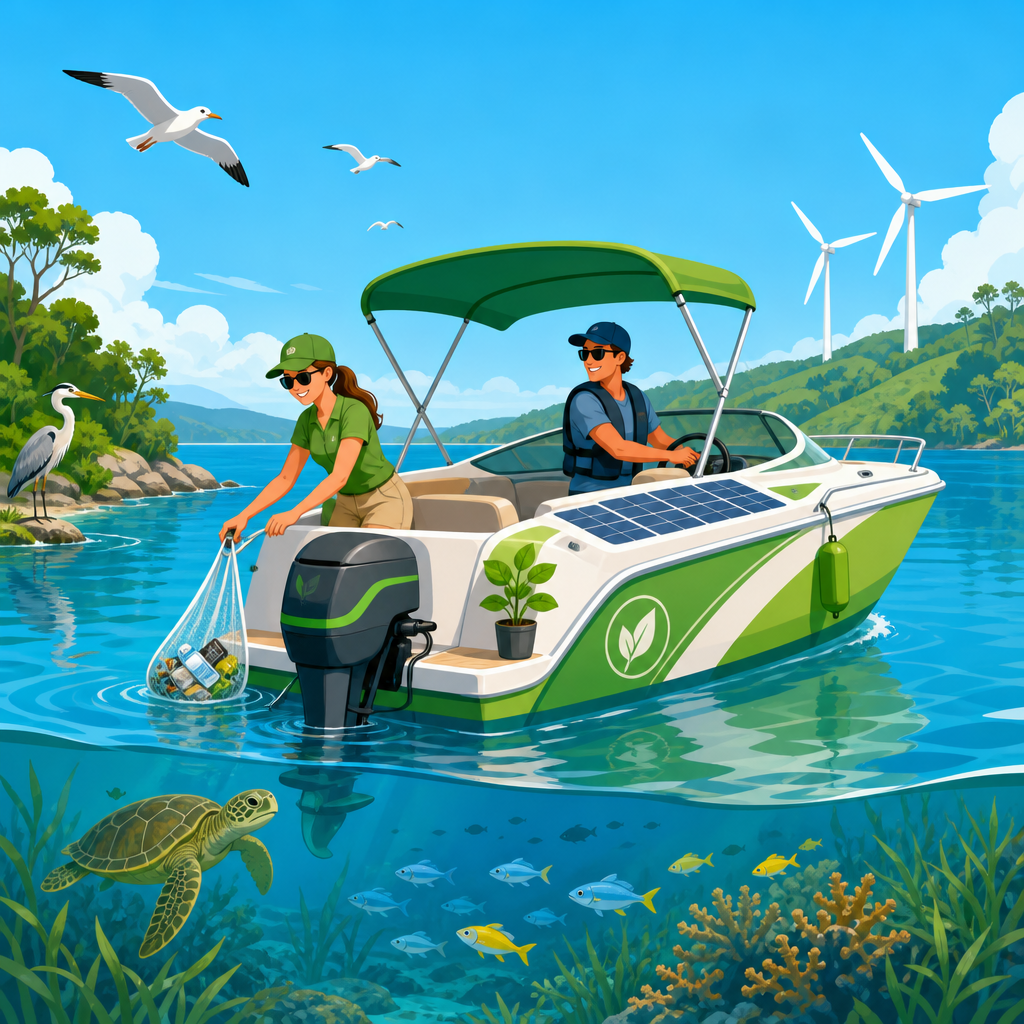
Eco-friendly ways to repair a fiberglass boat start with a simple goal: extend the life of the hull while reducing waste, toxic runoff, and unnecessary material use. Fiberglass boats are durable because they combine glass fiber reinforcement with polyester, vinyl ester, or epoxy resin, but every repair creates decisions about sanding dust, solvents, fillers, paint systems, and disposal. In my experience maintaining aging cruising boats and small center consoles, the greenest repair is rarely the quickest patch. It is the repair that restores strength, prevents water intrusion, and avoids repeating the same job next season.
For boat owners, eco-friendly boat maintenance and repairs matter for three practical reasons. First, fiberglass repair materials can release volatile organic compounds, generate hazardous dust, and contaminate waterways if handled poorly. Second, many common failures, including gelcoat cracks, osmotic blistering, delamination, and hardware leaks, grow worse when temporary fixes trap moisture. Third, sustainable boating is not only about electric motors or cleaner fuels. It also means preserving existing boats, choosing lower-toxicity products where performance allows, and creating a maintenance workflow that protects marinas, yards, and shorelines.
This hub article covers the full scope of eco-friendly boat maintenance and repairs for fiberglass boats. It explains what boat owners should inspect, which products and processes reduce environmental impact, how to manage common structural and cosmetic repairs, and when a professional yard is the better option. It also serves as a practical map for deeper maintenance planning, because most sustainable repairs connect to related topics such as bottom care, deck hardware bedding, bilge cleanliness, corrosion control, and finish preservation. If you want a fiberglass boat that lasts longer with less waste and fewer pollutants, the repair strategy matters as much as the repair itself.
Start with diagnosis, moisture control, and damage mapping
The most sustainable fiberglass boat repair begins before any grinder touches the hull. Diagnose the failure accurately. A star crack around a cleat may look cosmetic, yet the root cause is often unsupported hardware, a wet core, or repeated flexing. A blistered hull may indicate isolated moisture pockets, or it may reflect a larger laminate permeability issue. Good diagnosis prevents over-repair and under-repair, both of which waste materials.
My standard process is simple and repeatable. Clean the area with boat soap rather than aggressive solvent, mark the visible damage with a wax pencil, tap-test for delamination using a phenolic hammer or the handle of a screwdriver, and use a moisture meter such as a Tramex Skipper Plus where core intrusion is possible. Then identify the laminate schedule if you can. Solid glass hulls, balsa-cored decks, and foam-cored cabin tops each require different repair choices. This matters environmentally because unnecessary excavation increases waste, while missed wet core can force a larger second repair later.
Containment is part of diagnosis. Before opening damaged laminate, set up dust collection with a HEPA-equipped vacuum and hang plastic sheeting if you are working indoors. Fiberglass dust is an irritant, and bottom areas may also contain legacy antifouling residues with copper or older biocides. Responsible yards now treat sanding control as baseline practice, and private owners should do the same. The cleanest repair is one that keeps debris out of the water, storm drains, and neighboring boats.
Choose lower-impact materials without compromising structure
Not every “green” product belongs on a boat, because marine repairs face immersion, flex, ultraviolet exposure, and cyclic loading. The right eco-friendly approach is to choose lower-impact materials that still meet the demands of the location. For structural bonding and laminate rebuilding, marine epoxy is usually the most durable option, especially for secondary bonds. WEST SYSTEM, MAS Epoxies, and SP Systems have long published repair guidance showing epoxy’s strong adhesion to cured fiberglass compared with general-purpose polyester resin. That stronger bond can reduce repair frequency, which is a genuine sustainability gain.
For lower emissions, select low-VOC epoxies, water-based cleaners where appropriate, and fillers matched to the job. Microballoons or fairing blends work for shaping, while colloidal silica and milled fiber improve gap filling and strength. Avoid using high-strength fillers where easy sanding is needed, because excessive sanding creates extra dust and labor. Likewise, avoid solvent-heavy products when a water-based degreaser, citrus cleaner, or manufacturer-approved surface prep can do the job. One caution from experience: “bio-based” does not automatically mean suitable below the waterline, so always verify immersion ratings and cure data.
When coatings are involved, look for durable systems rather than the cheapest can on the shelf. A long-life topside coating that lasts seven years is often greener than a weaker finish that needs rework in two. The same logic applies to bedding compounds. Modern marine sealants such as butyl tape for deck hardware, or a polyurethane or polyether sealant where specified, can prevent recurring leaks into cored laminates. Leak prevention is one of the highest-value sustainable repairs because wet core repairs consume large amounts of material and labor.
| Repair area | Preferred lower-impact choice | Why it is eco-friendlier | Key limitation |
|---|---|---|---|
| Structural laminate | Low-VOC marine epoxy with glass cloth | Strong secondary bond, long service life, fewer repeat repairs | Higher cost and careful mix ratios required |
| Fairing | Epoxy fairing compound with lightweight filler | Accurate shaping reduces rework and sanding waste | Not a substitute for structural reinforcement |
| Hardware bedding | Butyl tape or polyether sealant | Prevents leaks that damage core and trigger major repairs | Must match hardware loads and joint design |
| Surface cleaning | Biodegradable soap or manufacturer-approved water-based cleaner | Less solvent exposure and runoff risk | May not remove heavy wax or silicone contamination |
| Topside refinishing | Durable low-VOC marine coating system | Longer repaint cycles reduce total material use | Surface prep still determines most of the outcome |
Use repair methods that minimize waste and preserve original structure
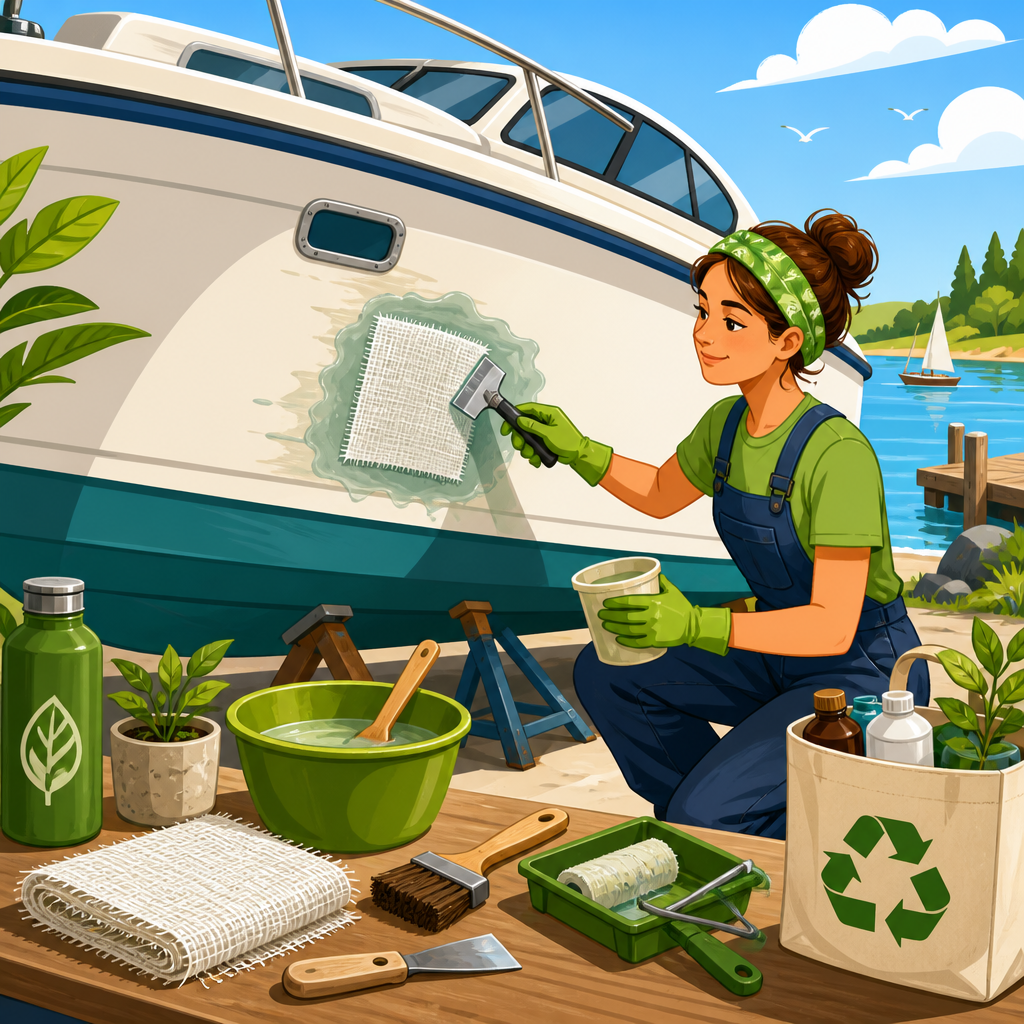
Eco-friendly boat maintenance and repairs depend as much on technique as on product labels. The best repair keeps as much sound laminate as possible. For a localized impact crack in solid fiberglass, bevel only the damaged zone, typically at a 12:1 taper for structural layup, then rebuild with staged layers of fiberglass cloth or biaxial fabric. Do not grind a wide decorative crater just to make fairing easier. Controlled material removal reduces dust, shortens cure cycles, and preserves factory laminate thickness where it still has value.
For gelcoat crazing, distinguish between surface-only cracking and structural movement. If the laminate beneath is sound, a targeted cosmetic repair may be enough: open each crack with a rotary tool, clean thoroughly, fill with color-matched gelcoat paste or an epoxy-compatible surfacing system, then wet sand and polish. Owners often overreact by stripping broad areas. In many cases, a careful localized treatment is both technically correct and less wasteful.
Core repairs need more discipline. If deck hardware leaked into a balsa core, remove only the wet or crushed material, dry the cavity fully, and restore compression strength with replacement core or a high-density insert where hardware loads are concentrated. Overdrill-and-fill methods around fastener penetrations are especially effective. You drill oversize, remove a ring of core, fill the annulus with thickened epoxy, and redrill the fastener hole after cure. This isolates the core from future leaks and is one of the most reliable sustainability upgrades you can make on a fiberglass boat.
Whenever possible, repair components instead of replacing complete assemblies. A cracked hatch surround may need reinforcement and rebedding, not a new hatch. A worn bilge cover may need recoring, not disposal. Marine waste is bulky and difficult to recycle, especially mixed composite parts. Extending service life through precise repairs keeps that material out of landfills.
Handle common fiberglass boat repairs with environmentally responsible practices
The most common fiberglass boat repairs can be done responsibly if the workflow is controlled. For hull gouges above the waterline, wash first, grind back only fractured fibers, laminate with epoxy and glass as needed, fair minimally, and finish with a durable coating. Capture sanding residue with vacuum-assisted sanders. Do not dry-sand in an open yard where dust can drift into the basin.
For osmotic blisters below the waterline, environmentally responsible work means resisting the urge to spot-fill everything without assessment. Small isolated blisters can sometimes be opened, washed, dried, filled, faired, and barrier-coated successfully. Widespread blistering may require peeling, extended drying, and a full epoxy barrier system. That is material-intensive, so verify need through moisture readings, blister contents, and laminate condition before committing. The technical benchmark is not appearance alone; it is whether the laminate can return to a stable moisture state and maintain adhesion.
Transom and stringer issues deserve caution. If moisture has migrated into structural timber reinforcement, superficial sealing rarely works. Here the greener decision may be a properly engineered rebuild by a specialist rather than years of stopgap patches, fuel inefficiency from hull flex, and eventual catastrophic disposal. Boats kept structurally sound remain usable longer, retain more value, and are less likely to become abandoned vessels, which are an expensive environmental problem for harbors and states.
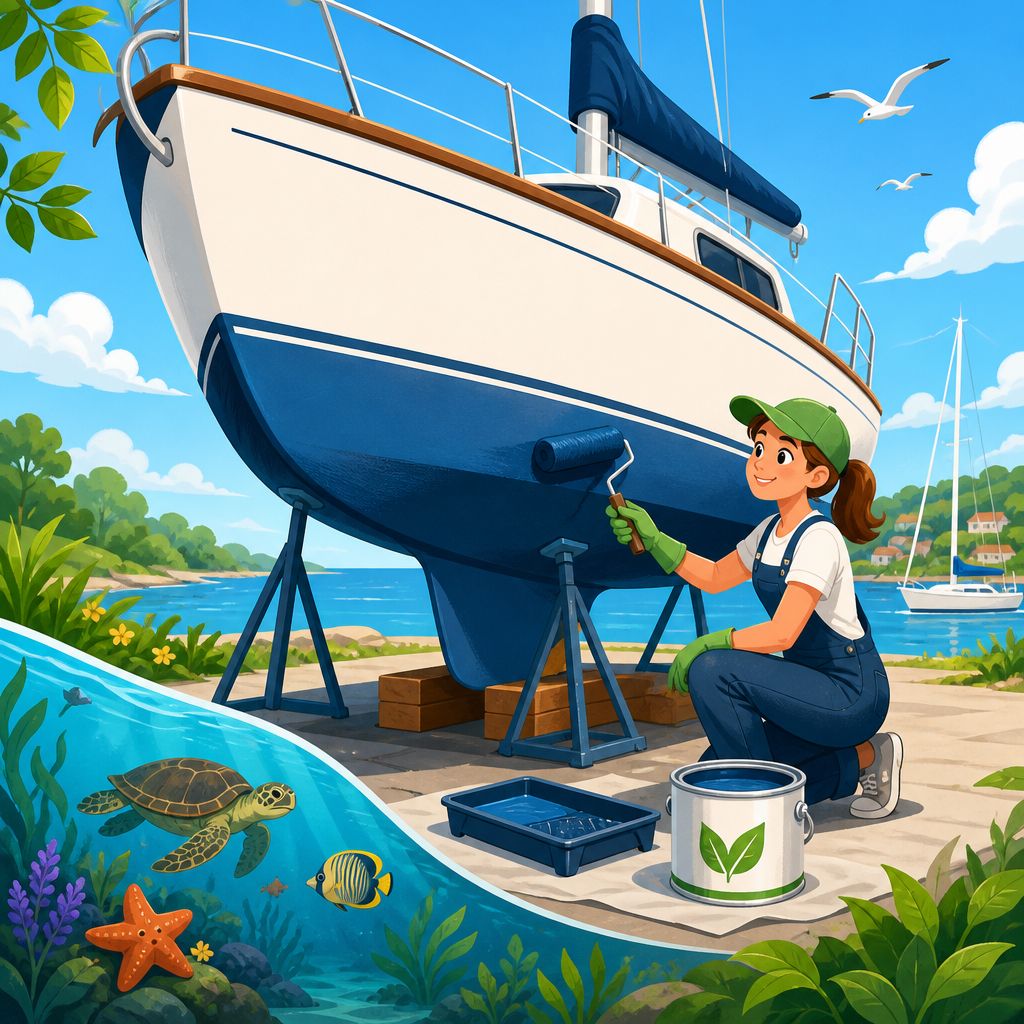
Paint and bottom maintenance also belong in this hub. Bottom paint removal can release copper and paint solids, so many yards now require vacuum sanding and tarping. Consider whether your boating pattern supports a lower-toxicity antifouling, a hard coating that can be cleaned in water where regulations allow, or even dry storage for trailer boats. Matching the coating to actual use is a major sustainability win. A trailered skiff used twice a month does not need the same antifouling strategy as a liveaboard sailboat in warm fouling-heavy water.
Build a sustainable maintenance system around the repair
Repairs last longer when the surrounding maintenance system improves. After every fiberglass repair, document the location, laminate type, products used, batch data if available, and cure conditions. I keep a simple digital log with photos, moisture readings, and launch dates. That record prevents redundant work, supports warranty claims, and helps identify recurring causes such as deck compression under stanchions or standing water in lockers.
Prevention is where eco-friendly boat maintenance and repairs deliver the biggest payoff. Wash with phosphate-free soaps. Wax or ceramic-protect topsides to reduce oxidation so aggressive compounding is needed less often. Rebed hardware on a schedule before leaks stain the liner or rot the core. Keep cockpit drains clear, bilges dry, and limber holes open. Service pumps and hose clamps before failures spread contaminated bilge water. Install backing plates under loaded fittings to reduce flex cracking. None of these tasks is glamorous, but they stop the repair cycle at its source.
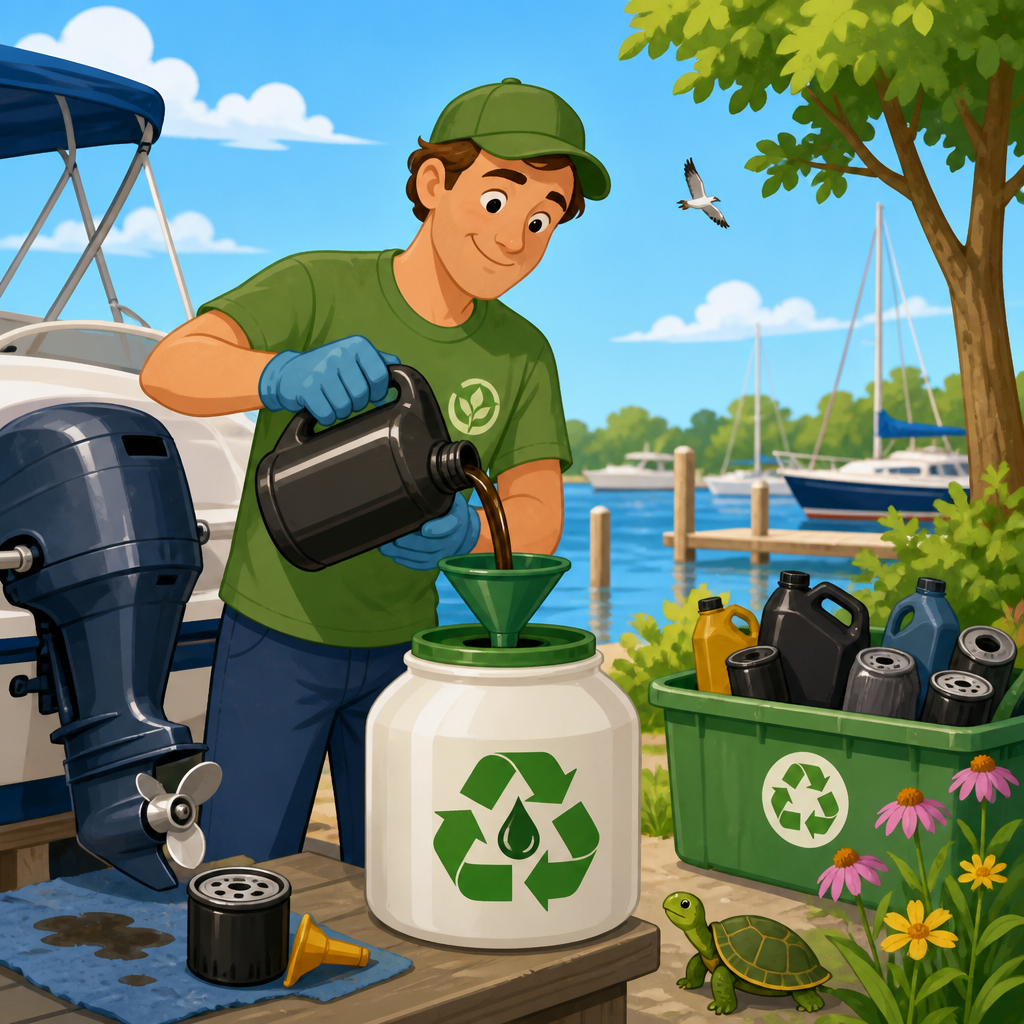
Waste handling is nonnegotiable. Collect cured resin scraps, used abrasive discs, masking materials, and solvent rags separately according to local hazardous waste rules. Never rinse tools where residue can reach the storm drain. Use mixing pots sized to the batch so excess epoxy does not cure unused. Buy fiberglass cloth by planned repair dimensions, not by guesswork. Small process controls like these reduce both pollution and cost.
Professional help is sometimes the most responsible choice. If the repair affects through-hull areas, chainplate structure, fuel tank supports, or major hull stiffness, use a qualified composite technician or marine surveyor for scope review. Standards from ABYC and coating guidance from manufacturers exist for a reason. Sustainable repair is not about doing everything yourself. It is about making the repair once, making it safely, and protecting the boat’s remaining service life.
Eco-friendly ways to repair a fiberglass boat come down to five principles: diagnose accurately, keep water out, choose durable lower-toxicity materials, control dust and waste, and prevent the same failure from returning. For fiberglass boats, sustainability is practical rather than abstract. A sealed deck fitting prevents wet core. A proper epoxy laminate patch avoids repeat grinding. A moisture-tested blister repair prevents cosmetic rework that solves nothing. Each good decision reduces material consumption, labor, and pollution over the life of the boat.
As a hub for eco-friendly boat maintenance and repairs, this topic connects every part of ownership. Hull repairs influence bottom coatings. Deck leaks affect core health and hardware bedding. Cleaning choices affect runoff. Storage decisions affect how often coatings, sealants, and structural repairs are needed. Boat owners who think in systems consistently spend less over time because they stop fixing symptoms and start correcting causes.
If you want your boat to stay safer, cleaner, and more valuable, begin with a repair plan instead of a patch kit. Inspect one problem area this week, document what you find, and choose the repair method that delivers long service life with the least environmental impact. That is how sustainable boating becomes real: one well-executed maintenance decision at a time.
Frequently Asked Questions
What is the most eco-friendly way to repair a fiberglass boat?
The most eco-friendly repair is usually the smallest effective repair that safely restores strength, keeps water out, and extends the life of the boat without replacing more material than necessary. In practice, that means accurately diagnosing the damage first, then repairing only the affected laminate, core, fairing, or finish rather than cutting out large areas by default. For minor cracks, chips, and isolated delamination, a targeted repair often creates far less sanding dust, resin waste, packaging waste, and solvent use than a full cosmetic overhaul. It also reduces the chance of removing sound fiberglass that still has years of service left.
A green repair approach starts with planning. Confirm whether the issue is cosmetic gelcoat crazing, a structural crack, moisture intrusion, impact damage, or core deterioration. Once you know what actually needs attention, choose durable materials that match the repair. Epoxy is often preferred for many fiberglass repairs because it bonds well to properly prepared old laminate and can reduce the need for rework, though the best choice still depends on the original construction and the specific repair. The goal is longevity. A repair that fails in two seasons and has to be redone is less sustainable than one that lasts for many years.
Eco-friendly technique matters just as much as material choice. Use careful masking, controlled mixing, and measured batches to avoid wasted resin and filler. Collect sanding dust with vacuum-attached tools whenever possible. Use only as much solvent as needed for final wipe-downs, and avoid routine “wash everything in acetone” habits that create unnecessary emissions and hazardous waste. If existing hardware, backing plates, trim, or access panels can be cleaned and reused safely, keep them in service. The most sustainable fiberglass repair is not necessarily the one marketed as “green”; it is the one that solves the problem completely, minimizes toxic byproducts, and postpones replacement of the boat or major components for as long as possible.
Which repair materials are better for the environment when fixing fiberglass damage?
Environmentally better repair materials are those that combine durability, compatibility, low waste, and lower toxicity in actual use. For many repairs, marine epoxy is a practical choice because it adheres well to cured fiberglass, can often be used in small, precise batches, and tends to support strong, lasting repairs. A long-lasting bond is a major environmental advantage because it reduces repeat work, repeat sanding, and repeat disposal. That said, “better for the environment” does not mean harmless. Resins, hardeners, fillers, and coatings all require careful handling, ventilation, and disposal.
When selecting fillers and fairing compounds, look for products that let you build only what you need and sand efficiently without excessive dust. Lightweight fairing compounds can reduce material use on cosmetic surfacing, while higher-density fillers may be better for hardware bedding or structural bonding where strength matters. Avoid overbuilding repairs with thick layers of compound just to save time on laminate work. If a damaged section needs fiberglass reinforcement, use the minimum cloth schedule that restores the required strength and stiffness. More layers than necessary mean more resin, more sanding, and more weight.
Paints and coatings also matter. If the repaired area will be topcoated, lower-VOC marine coatings can help reduce solvent emissions, especially in enclosed work areas. For small above-waterline repairs, matching and polishing existing surfaces may be greener than repainting an entire section. Below the waterline, choose coating systems based on local regulations, fouling conditions, and service life. A durable bottom coating that lasts longer and requires fewer heavy sandings may be the better environmental choice over time. In general, the best material package is one that is compatible with the existing hull, sized to the actual repair, and proven to last in the boat’s real operating conditions.
How can I reduce toxic dust, fumes, and runoff during a fiberglass boat repair?
The cleanest fiberglass repair is the one that controls contaminants at the source. Sanding dust is one of the biggest environmental and health concerns in boat repair, especially when old coatings, gelcoat, fairing compounds, or bottom paint are involved. Use dust-extracting sanders connected to a proper vacuum, and choose abrasives that cut efficiently so you spend less time grinding. Hand sanding may be appropriate for small repairs or final feathering, but even then, capture dust with vacuums and cleanup cloths rather than sweeping it into the yard or washing it away. Never let sanding residue blow into the water, storm drains, or neighboring properties.
Fumes and solvent exposure can be reduced by using only the chemicals necessary for the job and improving airflow without spreading contamination. Work in a well-ventilated area, but do not rely on open-air conditions alone if vapors are accumulating in enclosed spaces or under shrinkwrap. Measure resin accurately, mix in small batches, and keep containers closed whenever possible. Many people use more solvent than they truly need. Instead of repeated solvent washes, scrape and wipe tools promptly, use disposable mixing surfaces strategically, and reserve solvent for final cleaning where it actually improves bond quality. This cuts both emissions and hazardous waste.
Runoff prevention is equally important. Wet sanding can sometimes reduce airborne dust on cured, non-hazardous topcoat work, but the resulting slurry must be captured and disposed of properly, not rinsed onto the ground. Use drop cloths, containment sheeting, and catch basins under the repair area. If you are working on old antifouling paint, assume the waste may require extra caution because it can contain biocides or heavy metals. Marinas and boatyards often have specific best management practices and disposal rules; following them is part of an eco-friendly repair. Good containment protects the water, protects your health, and usually leads to a cleaner, more professional result.
Is it greener to repair old fiberglass damage or replace the damaged part entirely?
In many cases, repair is the greener option because it preserves the embodied energy already invested in the boat and avoids the manufacturing, shipping, and packaging impacts of a new part. Fiberglass components are durable but resource-intensive to make, and disposal is rarely simple. If a hatch, locker lid, transom corner, deck section, or hull area can be safely repaired to full serviceability, that often keeps a significant amount of material out of the waste stream. It also reduces the need for new resin, new fiberglass, and new coatings associated with fabricating or fitting a replacement part.
However, repair is not automatically the best environmental choice in every situation. If damage is extensive, recurring, or tied to widespread moisture intrusion and rotten core, repeated patching can become wasteful. A repair that demands large amounts of grinding, laminate rebuilding, fairing, and refinishing across a broad area may consume more material and labor than a well-made replacement that solves the issue permanently. The key is to compare life-cycle value, not just immediate convenience. Ask whether the repaired part will remain reliable for years, whether hidden damage is likely to continue spreading, and whether replacement would actually reduce future maintenance.
A practical rule is this: if the original part can be restored with a contained, durable repair that preserves most of the existing structure, repair is usually the greener path. If the component is so compromised that repairs would be temporary, overly invasive, or structurally uncertain, replacement may be justified. Even then, you can still lower impact by salvaging reusable hardware, choosing a long-life replacement, minimizing custom rework, and disposing of the old material responsibly through local waste channels that handle marine composites or construction debris. Sustainability in boat repair is not about avoiding replacement at all costs; it is about making the choice that prevents the most waste over the longest period.
How should I dispose of leftover resin, sanding dust, old fiberglass, and solvent waste responsibly?
Responsible disposal begins with separating waste streams instead of tossing everything into one bag. Leftover mixed resin should be allowed to fully cure in a safe, ventilated place before disposal, following local regulations. Fully cured resin is generally less hazardous than liquid components, but uncured resin and hardener should never be poured onto the ground, into drains, or into the water. Whenever possible, avoid leftover liquid material in the first place by mixing smaller batches and tracking actual usage. That simple habit is one of the easiest ways to reduce both cost and environmental impact.
Sanding dust and grinding debris should be captured at the source and bagged securely. If you are sanding standard fiberglass laminate and topside coatings, disposal requirements may differ from waste generated from bottom paint or older unknown coatings, which can contain more hazardous ingredients. Keep those materials separate and check local marina, municipal, or hazardous waste guidance before disposal. Old fiberglass offcuts, removed laminate, and broken parts are difficult materials from a waste standpoint because fiberglass is not widely recycled through normal curbside systems. In most areas, small quantities will still go through approved solid-waste channels, but they should be wrapped or contained to prevent fibers and dust from escaping.
Solvents, contaminated rags, used mixing pots, brushes, and chemical containers deserve special attention. Store solvent waste in labeled, sealed containers and bring it to an approved hazardous waste facility if required in your area. Oily or solvent-soaked rags can create fire and health risks, so do not leave them piled in the boat or workshop. Let your local disposal rules guide the final handling, because requirements vary widely by region