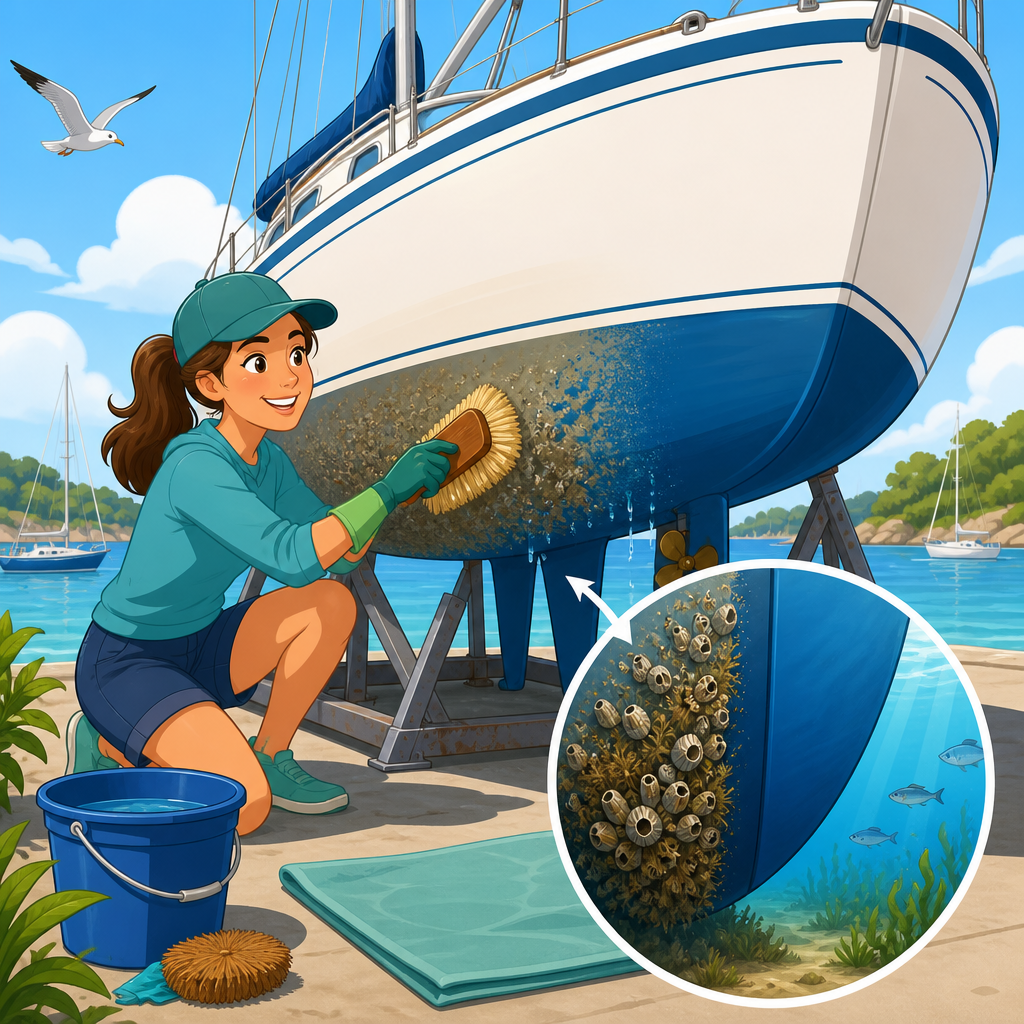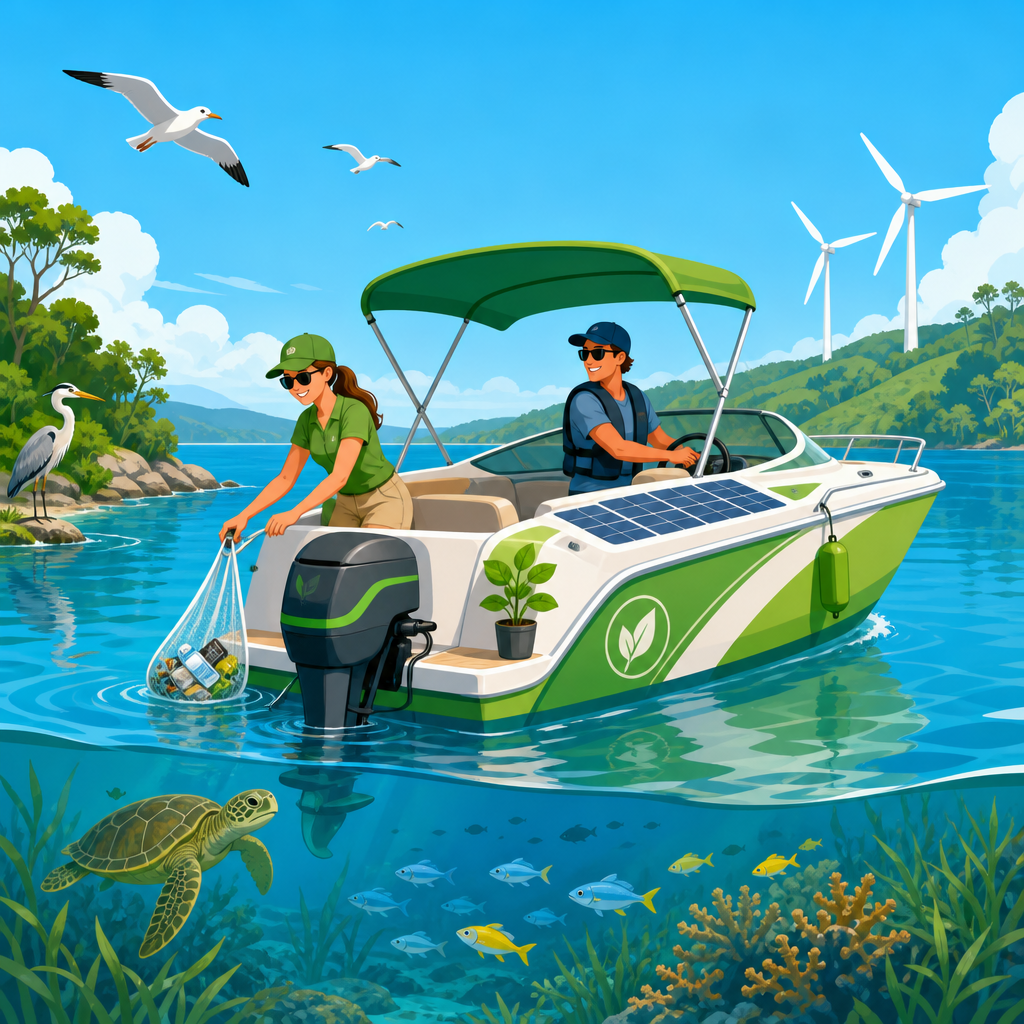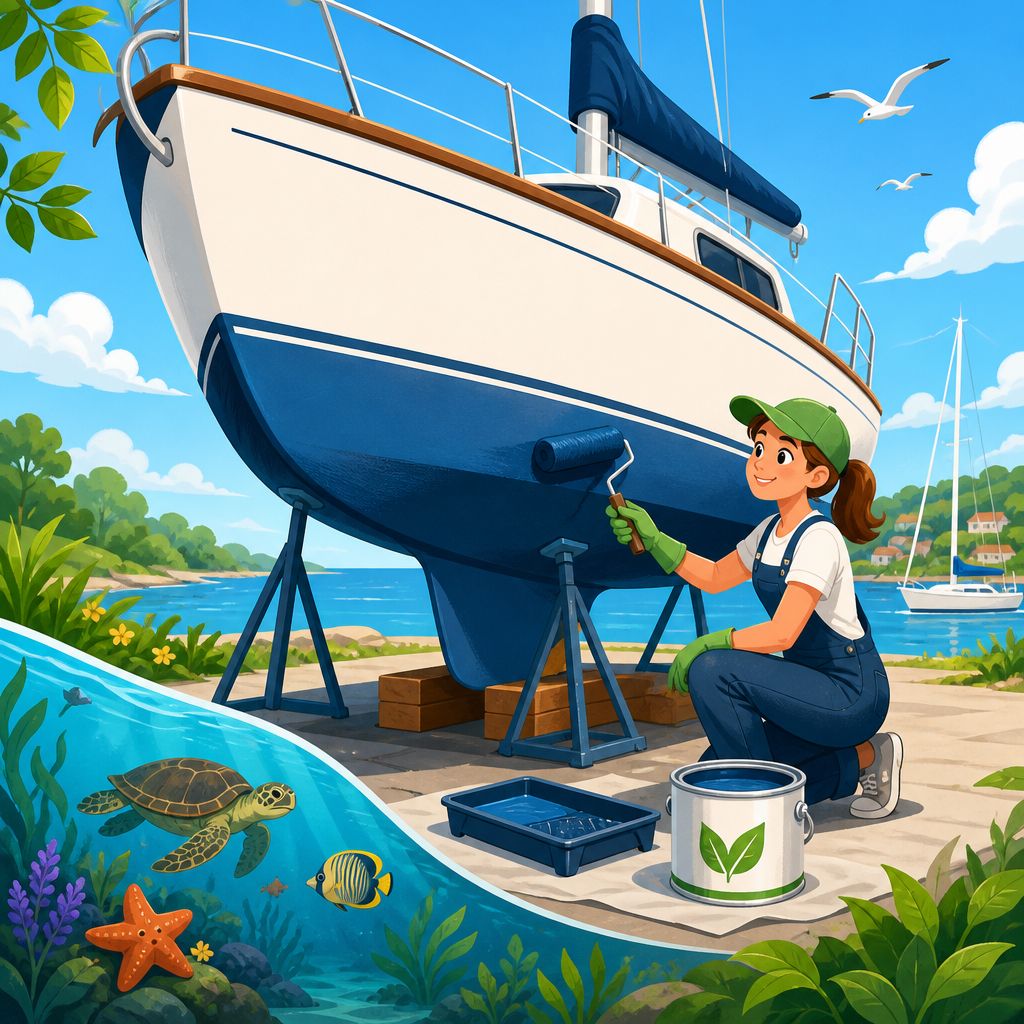
Choosing the best non-toxic anti-fouling paints for boats starts with understanding a hard truth: traditional bottom paints protect hulls well, but many rely on biocides that can harm marinas, estuaries, and the marine food web. In practical boat maintenance, anti-fouling means preventing barnacles, slime, algae, and mussels from attaching to the underwater hull. Non-toxic anti-fouling paints and coatings do that without releasing high loads of copper, zinc, or synthetic pesticides into the water. For owners focused on eco-friendly boat maintenance and repairs, this matters because hull fouling increases drag, burns more fuel, slows sailing performance, and drives up haul-out and cleaning costs. A sustainable maintenance plan has to balance marine protection, durability, local regulations, and real-world workload at the dock.
I have worked with cruising sailboats, trailered boats, and light commercial craft where the wrong bottom coating created more labor, not less. Some owners switched to so-called green products expecting a miracle and were disappointed because they chose a coating that did not match their use pattern, water temperature, or storage method. Others cut fuel burn and cleaning frequency noticeably by pairing a hard, slick coating with regular wipe-downs. That is the core idea behind modern non-toxic anti-fouling systems: instead of poisoning growth, they either make attachment difficult, create an ultra-smooth release surface, or support in-water cleaning without shedding toxic residue. As a hub for eco-friendly boat maintenance and repairs, this guide explains the leading non-toxic paint types, which boats they fit best, how to compare products, and how bottom coatings connect to broader sustainable upkeep decisions.
What makes an anti-fouling paint non-toxic
A non-toxic anti-fouling paint for boats is a hull coating designed to reduce or release marine growth without depending on harmful biocides as the primary defense. Most conventional paints work by slowly eroding and releasing copper compounds or booster biocides. In contrast, non-toxic systems usually fall into three categories: foul-release silicone coatings, fluoropolymer-enhanced slick coatings, and hard epoxy or ceramic-like coatings intended for regular cleaning. Some products also use mineral or hydrogel technologies to create a hydration layer that makes it harder for organisms to gain a strong hold. The key distinction is environmental loading. If a coating prevents fouling mainly through surface properties instead of leaching toxins, it is generally the cleaner option.
That distinction has become more important as regulators scrutinize copper in boating centers. Washington State has repeatedly evaluated recreational vessel paint impacts. California marinas operate under strict water quality permits that track dissolved metals. In Europe, the Biocidal Products Regulation has tightened product approvals. Even where copper paint remains legal, many harbormasters and environmentally minded owners want alternatives because cumulative contamination settles into marina sediments and can affect invertebrates and juvenile fish. If your boat lives in a slip year-round, your maintenance choices extend beyond your hull. They influence what enters a semi-enclosed basin every tide cycle.
It is also worth defining terms carefully. “Non-toxic” does not mean maintenance-free, universally safe in every application, or automatically the most durable. A silicone foul-release coating may be excellent on a fast powerboat but underperform on a boat that sits idle for months in warm nutrient-rich water. A hard epoxy system may be environmentally preferable yet require diver cleaning to remain effective. The best non-toxic anti-fouling paint is therefore not one product. It is the one that matches hull material, vessel speed, cleaning access, water conditions, and your tolerance for scheduled upkeep.
Top non-toxic anti-fouling paint types and best-use cases
For most boat owners comparing options, the field narrows quickly to three serious categories. Silicone foul-release coatings, sold by brands such as Propspeed for running gear and Hempel Silic One or Sea Hawk BIOCOP alternatives in selected markets, create a very low surface-energy finish. Organisms struggle to bond strongly, and movement through water helps wash away slime and juvenile growth. These coatings perform best on boats used frequently and moving at meaningful speed. They are especially attractive for performance sailboats, RIBs, powerboats, and yachts where low drag matters. The advantage is outstanding smoothness and no continuous toxic leaching. The limitation is cost, exacting surface prep, and less success on boats that remain static for long periods.
Hard non-biocide epoxy systems are the next major option. These coatings do not stop every bit of slime from forming, but they create a durable scrubbable barrier that tolerates periodic in-water cleaning. On workboats, club racers, and trailer boats, this can be a practical sustainable choice because the coating lasts multiple seasons and does not intentionally release pesticides. Some owners combine a hard epoxy barrier with scheduled gentle wiping using microfiber pads or by haul-and-wash routines. The environmental logic is simple: remove fouling mechanically before it becomes a heavy colony, instead of dissolving toxins into the harbor all season.
Hybrid low-toxicity and niche coatings occupy a middle ground. These may include zinc-free formulations, enzyme claims, hydrogel top layers, or products marketed for freshwater where fouling pressure is lower. They can be useful, but they require skepticism and local evidence. I advise owners to ask two blunt questions before buying: what is the active anti-fouling mechanism, and what is the expected cleaning interval in my waters? If a manufacturer cannot answer both clearly, the product is not ready for a demanding mooring environment.
| Coating type | How it works | Best for | Main tradeoff |
|---|---|---|---|
| Silicone foul-release | Ultra-slick low surface energy reduces attachment strength | Fast or frequently used boats | Higher cost and careful prep |
| Hard epoxy non-biocide | Durable scrubbable barrier supports mechanical cleaning | Trailer boats, racers, maintained slip boats | Needs regular cleaning |
| Hydrogel or fluoropolymer systems | Smooth hydrated or low-friction surface impedes settlement | Owners seeking low-toxicity alternatives | Mixed long-term track record |
| Running gear coatings | Specialized adhesion and foul-release on metal surfaces | Props, shafts, trim tabs | Shorter lifespan on high-abrasion parts |
How to choose the best non-toxic anti-fouling paint for your boat
The best selection process starts with use pattern, not marketing. If your boat is trailered and launched for day use, you may not need anti-fouling paint at all. A polished hull, washdowns, and careful storage may be the greenest answer. If the boat lives in freshwater with light fouling, a hard smooth coating plus occasional cleaning is often enough. In heavy saltwater fouling zones such as the U.S. Southeast, Gulf Coast, or tropical marinas, stationary boats face tougher conditions. There, silicone foul-release can still work, but only if the boat moves often enough and the owner commits to cleaning protocols approved by the marina.
Hull material also matters. Fiberglass usually accepts the widest range of systems, provided old coatings are removed or properly isolated with a tie-coat. Aluminum hulls and outdrives demand special caution because copper-based paints can trigger galvanic problems; this is one area where non-toxic alternatives are especially valuable. Wood hulls introduce movement and moisture considerations that some brittle coatings cannot tolerate. Manufacturer data sheets should always be treated as mandatory documents, not suggestions. Recoat windows, humidity limits, and primer compatibility determine whether the system succeeds.
Budget should be evaluated across a three- to five-year cycle. A non-toxic coating may cost more upfront, especially if blasting or fairing is needed, but save money through lower fuel use, fewer repaints, or easier hull cleaning. Independent tests and owner logs regularly show that even moderate slime can increase fuel consumption by double-digit percentages. The International Maritime Organization and multiple naval engineering studies have long linked hull roughness to higher resistance. On a cruising powerboat, that means more diesel burned every trip. On a sailboat, it means worse light-air performance and weaker pointing ability. Environmental maintenance is not separate from operating efficiency; it is part of it.
Application, maintenance, and repair in an eco-friendly system
Application quality determines whether a non-toxic bottom coating performs as promised. Surface contamination, remaining unstable paint layers, and poor film thickness are the usual reasons owners blame a product unfairly. In refits I have overseen, the most successful conversions from copper paint started with full removal by dust-controlled sanding or media blasting, followed by epoxy fairing where needed, then the exact primer and topcoat sequence specified by the manufacturer. This approach reduces future uncertainty. Patching over a stack of unknown old paints may look cheaper, but it often leads to adhesion failure and wasted haul-out costs.
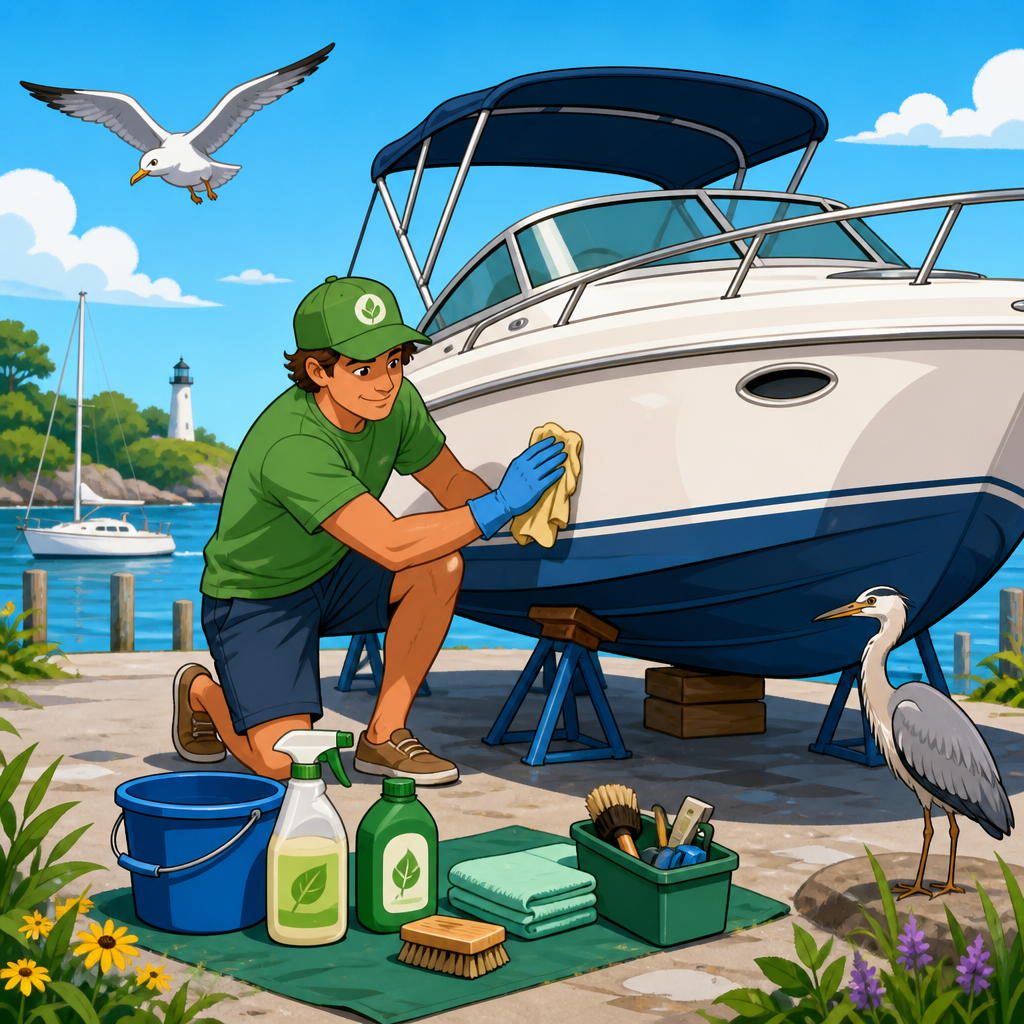
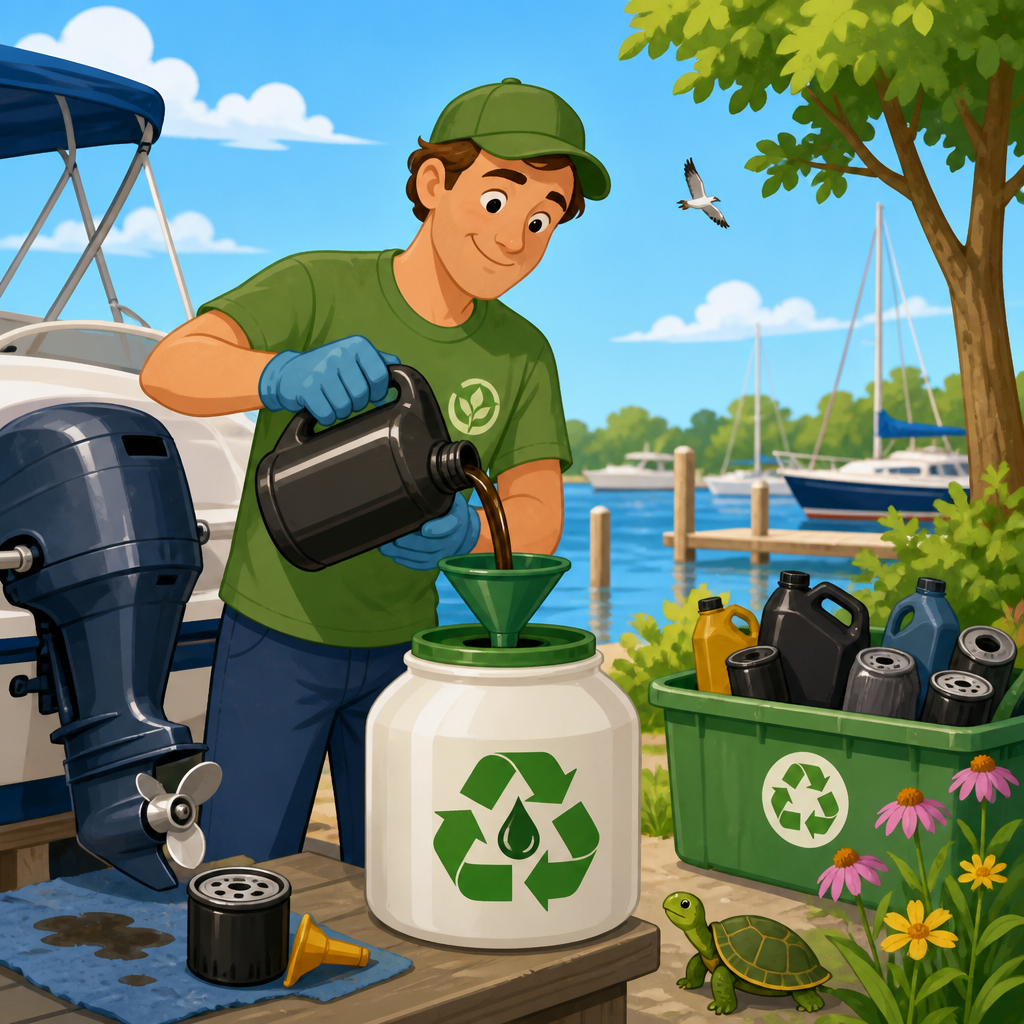
Eco-friendly boat maintenance and repairs go beyond the coating itself. Capture sanding dust with HEPA extraction. Use tarps and vacuum sanders to prevent debris entering the yard or water. Choose low-VOC solvents where the coating system allows. If underwater cleaning is part of your plan, confirm marina rules first. Some facilities prohibit aggressive in-water hull cleaning because removed growth and paint particles can degrade water quality. The cleaner method is light, frequent wiping before hard growth establishes, using tools approved for your coating type. Divers should understand the difference between maintaining a hard non-toxic surface and scrubbing away a soft ablative paint.
Running gear deserves separate attention because propellers, shafts, rudders, and trim tabs foul faster than hulls. Specialized non-toxic coatings such as silicone-metal systems are often used here, but prep is unforgiving. Metal must be clean, profiled correctly, and coated within tight time windows. Even then, high cavitation or sandy environments can shorten service life. Many owners get better overall results by combining a hull coating with a dedicated propeller treatment and a regular inspection schedule. This is a good example of sustainable maintenance in practice: use the least harmful system that still fits the stress level of each component.
Repairs should be handled with the same discipline as original application. If a boat suffers grounding damage or blister repair, restore the barrier system before recoating. Spot repairs that skip primer compatibility or edge preparation create weak points where fouling starts first. Keep a maintenance log listing product batch numbers, application dates, water temperature, and cleaning intervals. Over time, that record becomes more useful than any advertisement because it shows what actually works on your boat, in your marina, under your operating schedule.
How bottom coatings fit into sustainable boat maintenance overall
A hull coating is only one part of eco-friendly boat maintenance and repairs, but it connects to almost every other choice. Clean hulls reduce fuel burn, which lowers emissions and extends range. Durable coatings reduce haul-out frequency and material waste. Careful prep and capture practices limit contamination in boatyards. Once owners start thinking this way, other improvements follow naturally: biodegradable cleaners for topsides, water-based bilge products, LED lighting conversions, dripless shaft seals maintained correctly, and repair-first habits that extend the life of existing equipment instead of replacing parts prematurely.
This page is the hub because owners researching non-toxic anti-fouling paints usually need answers on adjacent topics too. They need to know how to remove old bottom paint responsibly, how to choose low-VOC primers, when underwater cleaning is safe, how to prevent galvanic corrosion on aluminum boats, and whether polishing a trailer boat can replace anti-fouling entirely. They often also need guidance on gelcoat repair, blister prevention, teak alternatives, sealants, and sustainable yard practices. Good maintenance is a system, not a single product purchase.
The strongest results come from matching realistic expectations to local conditions. In heavy-fouling marinas, a non-toxic coating may still require monthly attention in summer. In cooler northern waters, the same coating may stay clean far longer. Boats that move weekly generally outperform boats that sit. Owners who monitor slime early avoid the expensive labor of removing hard barnacle colonies later. If you approach bottom paint as part of an annual maintenance strategy rather than a one-time cure, you will make better decisions and spend less over the life of the boat.
The best non-toxic anti-fouling paints for boats are the coatings that reduce marine growth without relying on harmful biocides, while still matching how and where your boat is used. For fast or frequently operated boats, silicone foul-release systems are often the top choice because they deliver a slick hull and low drag. For many practical owners, hard non-biocide epoxy systems offer the best balance of durability, scrubbability, and environmental responsibility. Niche hydrogel or hybrid products can work in the right conditions, but they should be chosen only after reviewing data sheets, local fouling pressure, and real-world reports from similar boats.
The larger lesson for eco-friendly boat maintenance and repairs is that sustainability comes from systems thinking. Responsible surface prep, dust capture, compatible primers, careful in-water cleaning, and component-specific protection for props and metals matter just as much as the label on the can. A clean bottom saves fuel, improves performance, and reduces pollution at the same time. That is why this topic sits at the center of sustainable boating practice.
If you are planning your next haul-out, start by assessing your boat’s storage pattern, speed, local water conditions, and current bottom paint history. Then compare non-toxic coating systems based on their actual mechanism, maintenance needs, and documented performance. Build the rest of your upkeep plan around the same standard, and your boat can stay fast, clean, and easier on the water it depends on.
Frequently Asked Questions
What makes an anti-fouling paint “non-toxic,” and how is it different from traditional bottom paint?
A non-toxic anti-fouling paint is designed to discourage marine growth like slime, algae, barnacles, and mussels without depending on high levels of leaching biocides such as copper, zinc, or synthetic pesticides. Traditional bottom paints often work by slowly releasing these toxic ingredients into the surrounding water, creating a chemical barrier that kills or repels organisms trying to attach to the hull. While effective, that approach can contribute to pollution in marinas, estuaries, and other sensitive coastal environments where water circulation is limited and contamination can build up over time.
By contrast, non-toxic coatings usually rely on physical and surface-performance strategies rather than poison. Some create an ultra-slick finish that makes it difficult for organisms to gain a strong foothold. Others use hard, smooth ceramic, epoxy, silicone, or fluoropolymer-based technologies that reduce adhesion so fouling can be removed more easily through normal boat movement or gentle cleaning. The core difference is that the coating is engineered to manage fouling mechanically instead of chemically. For boat owners who want to reduce environmental impact without giving up hull protection, that distinction matters.
Do non-toxic anti-fouling paints actually work as well as copper-based bottom paints?
They can work very well, but performance depends heavily on where and how the boat is used. Copper-based paints have long been popular because they deliver broad, consistent protection in a wide range of fouling conditions, especially for boats that sit in the water for extended periods. Non-toxic alternatives can be highly effective too, but they are often more sensitive to factors such as water temperature, salinity, nutrient levels, sunlight exposure, boat speed, and how often the vessel is moved. In other words, the “best” result often comes from matching the coating to the boat’s real operating profile rather than assuming one product performs the same in every marina.
For example, foul-release coatings tend to perform best on boats that are used regularly because water flow helps wash away organisms before they become firmly attached. Hard, slick coatings can also be an excellent choice for owners who are willing to inspect and clean the hull periodically. However, in extremely aggressive fouling areas or on boats that remain idle for long stretches, some non-toxic systems may require more maintenance than traditional ablative paints. That does not mean they fail; it means expectations should be realistic. The strongest results come from choosing the right coating for the local environment and following the manufacturer’s prep, cure, and maintenance guidance carefully.
What types of non-toxic anti-fouling coatings are available for boats?
There are several main categories, and each solves the fouling problem in a slightly different way. Silicone and fluoropolymer foul-release coatings are among the best known. These create a very slick, low-friction surface that makes it hard for marine growth to bond strongly to the hull. They are especially attractive for boaters who want reduced drag and easier cleaning. Another option is hard non-biocide coatings, including certain epoxy or ceramic-reinforced systems, which provide a dense, smooth finish that resists buildup and can be scrubbed repeatedly without wearing away as quickly as softer paints.
Some products are marketed as eco-friendlier hybrid systems, combining a durable resin base with low-toxicity performance additives rather than relying on traditional heavy-metal loading. There are also specialized coatings intended for trailered boats, racing sailboats, powerboats that run frequently, and even freshwater-specific applications. The right choice depends on whether the boat lives in saltwater or freshwater, how often it moves, whether haul-outs are frequent, and how much cleaning the owner is prepared to do. A coating that is excellent for a fast center console used weekly may not be ideal for a sailboat that sits for months in a warm marina slip.
How do I choose the best non-toxic anti-fouling paint for my boat and local waters?
Start with your fouling pressure and usage pattern. Warm, nutrient-rich saltwater with lots of sunlight usually produces heavier fouling than cold water or many freshwater environments. If your boat stays in the water year-round in a high-growth marina, you need a coating that can handle prolonged immersion and easy cleaning. If you trailer the boat, haul it often, or run it at speed several times a week, a slick foul-release system may be a strong candidate. Hull material also matters, especially for aluminum boats, where avoiding certain metal-based paints is particularly important. Always check whether a coating is approved for fiberglass, aluminum, steel, or wood before buying.
Next, look closely at the practical side of ownership. Consider surface preparation requirements, compatibility with existing paint, cure times, recoat windows, expected service life, and the cost of future maintenance. Some premium non-toxic systems have a higher upfront price but can deliver value through easier cleaning, lower drag, and longer-lasting performance when properly maintained. It is also smart to talk with local yards, hull cleaners, or boat owners in the same harbor because regional experience is often more useful than broad marketing claims. The best non-toxic anti-fouling paint is not simply the most expensive or most advanced formula; it is the one that matches your boat, your waters, and your maintenance habits.
Do non-toxic anti-fouling paints require special maintenance or application techniques?
Yes, and that is one of the most important things boat owners should understand before switching. Many non-toxic coatings are less forgiving of poor surface preparation than conventional bottom paints. The hull may need careful sanding, cleaning, fairing, dewaxing, priming, or removal of incompatible old coatings to achieve proper adhesion. Some systems require very specific film thickness, application temperature, humidity conditions, or cure schedules. Skipping those steps can reduce durability and compromise performance, even if the product itself is high quality. Following the manufacturer’s instructions exactly is essential, and in some cases professional application is worth considering.
Maintenance also tends to be different rather than necessarily more difficult. Because non-toxic coatings do not rely on constant biocide release, they often perform best when the hull is inspected regularly and cleaned before heavy growth hardens in place. The good news is that many of these surfaces are easier to wipe or gently clean than traditional paints, especially when fouling is caught early. Owners should use approved cleaning methods and avoid overly aggressive scrubbing that could damage the finish. In exchange for a more intentional maintenance routine, many boaters gain lower environmental impact, cleaner hull performance, and a bottom-coating strategy that aligns better with modern water-quality concerns.