Biofuels are moving from niche experiment to serious marine fuel option, and many boaters now ask whether they could become the next big thing on the water. In boating, biofuels usually mean liquid fuels made from renewable biological sources rather than fossil petroleum, including biodiesel, renewable diesel, ethanol blends, sustainable marine diesel alternatives, and newer drop-in fuels made from waste oils, agricultural residues, algae, or other biomass. Green boating technology is the wider field of equipment and operating practices that reduce environmental impact, from electric propulsion and hybrid systems to efficient hull design, shore power, low-toxicity coatings, and cleaner fuels. I have worked with marina operators, diesel mechanics, and owners retrofitting cruising boats, and the same question keeps coming up: which technologies cut emissions without compromising safety, range, maintenance, or cost?
That matters because recreational and commercial boating face rising pressure from fuel costs, air quality rules, carbon reduction targets, and customer expectations. In protected waterways, ports, and inland regions, emissions are no longer an abstract policy issue; they affect permitting, marina planning, and the resale value of vessels. At the same time, boaters are practical. A fuel can sound sustainable on paper and still fail if it absorbs water, clogs filters, shortens engine life, or is unavailable beyond a few pilot locations. The future of green boating technology will not be defined by one miracle solution. It will be shaped by how well each option fits specific use cases such as day boats, offshore sportfishing vessels, ferries, workboats, and long-range trawlers. Biofuels deserve attention because they promise lower lifecycle emissions while using much of today’s fueling and engine infrastructure.
This article serves as a hub for understanding where biofuels fit within sustainable boating and how they compare with electrification, hybrid propulsion, efficiency upgrades, and operational changes. It explains the main fuel types, what works now, what still has technical limits, and how owners can evaluate options responsibly. If you want a clear answer, it is this: biofuels are likely to become an important part of greener boating, especially for vessels that need range and fast refueling, but adoption will depend on fuel quality standards, engine compatibility, reliable supply, and realistic economics.
What counts as a marine biofuel, and why does it matter?
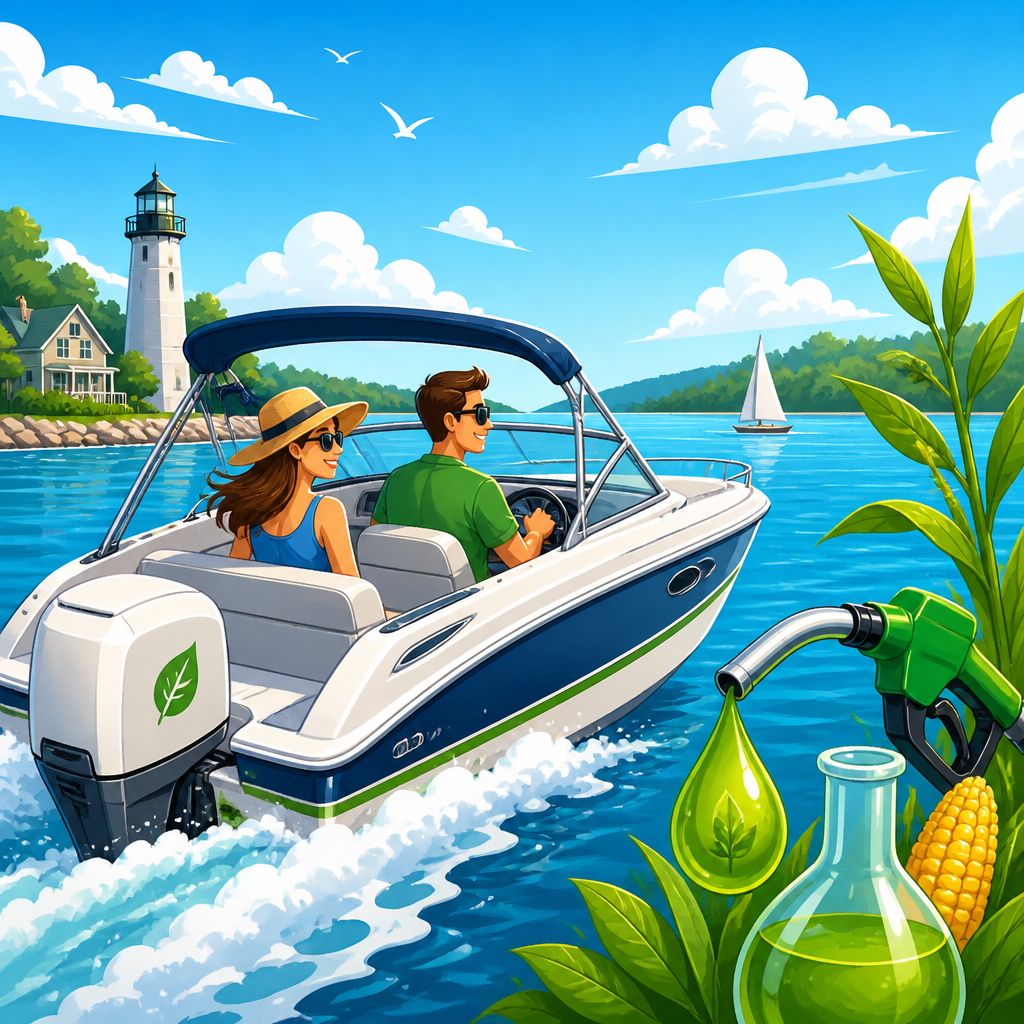
Marine biofuels are renewable fuels used in spark-ignition or compression-ignition boat engines. The most discussed categories are biodiesel, renewable diesel, ethanol-containing gasoline, and emerging sustainable marine fuels. Biodiesel is commonly made through transesterification of vegetable oils, used cooking oil, or animal fats and is typically sold in blends such as B5 or B20. Renewable diesel is different: it is produced through hydrotreating and is chemically closer to petroleum diesel, which makes it a better drop-in option for many engines. Ethanol blends are already common in road gasoline, but in marine use they create more concern because of water absorption and phase separation risks in vented tanks. Newer low-carbon fuels, including advanced bio-oils and biomethanol pathways, are being studied for larger marine applications.
These distinctions matter because the wrong assumption can lead to expensive mistakes. I have seen owners think biodiesel and renewable diesel are interchangeable because both are marketed as cleaner diesel alternatives. In practice, they behave differently in storage, cold weather, material compatibility, and microbial growth conditions. Biodiesel can loosen legacy deposits in tanks and lines, causing early filter plugging during transition. Renewable diesel generally avoids many of those issues and often has superior combustion characteristics, but supply is regionally uneven and pricing can swing with policy incentives. For outboards and gasoline sterndrives, ethanol content is often the first issue to check, especially on older boats with fiberglass tanks, incompatible hoses, or infrequent usage patterns.
The reason biofuels matter in the broader green boating technology conversation is simple: they address emissions from the existing fleet. Electric boats are improving rapidly, but battery energy density still limits many high-speed and long-range marine applications. Hull optimization, propeller tuning, and route planning can cut fuel burn meaningfully, yet they do not eliminate reliance on liquid fuel for most larger vessels. Biofuels can reduce lifecycle greenhouse gas emissions without requiring every boater to buy a new propulsion system. That makes them one of the few decarbonization tools that can scale through current engines, tanks, docks, and fueling habits, provided the fuel quality and engine guidance are right.
How biofuels compare with other green boating technologies
Boaters often ask which technology is best, but the better question is which technology best fits a boating profile. For a small lake boat that returns to the same dock every evening, battery-electric propulsion may be the cleanest and quietest choice. For a sightseeing ferry with predictable routes, hybrid systems paired with efficient charging windows can work well. For an offshore center console running long distances at speed, the realistic low-carbon path today is more likely an efficient modern engine using a suitable renewable liquid fuel. In other words, the future of green boating technology is not a winner-take-all contest; it is a portfolio strategy.
In practical evaluations, I separate options into energy source, propulsion architecture, and efficiency measures. Energy source covers diesel, gasoline, electricity, hydrogen, and bio-derived fuels. Propulsion architecture covers pure internal combustion, pure electric, serial hybrid, and parallel hybrid. Efficiency measures include lightweight construction, hull coatings, trim optimization, variable-speed auxiliaries, and energy management systems. Biofuels fit primarily in the energy-source category, yet their value increases when paired with the other two. A boat that uses renewable diesel and also runs a clean bottom, optimized propeller pitch, and smart speed management will reduce total emissions more than fuel switching alone.
| Technology | Best use case | Main advantage | Main limitation |
|---|---|---|---|
| Biofuels | Existing boats needing range and fast fueling | Uses much of current infrastructure | Fuel quality and availability vary |
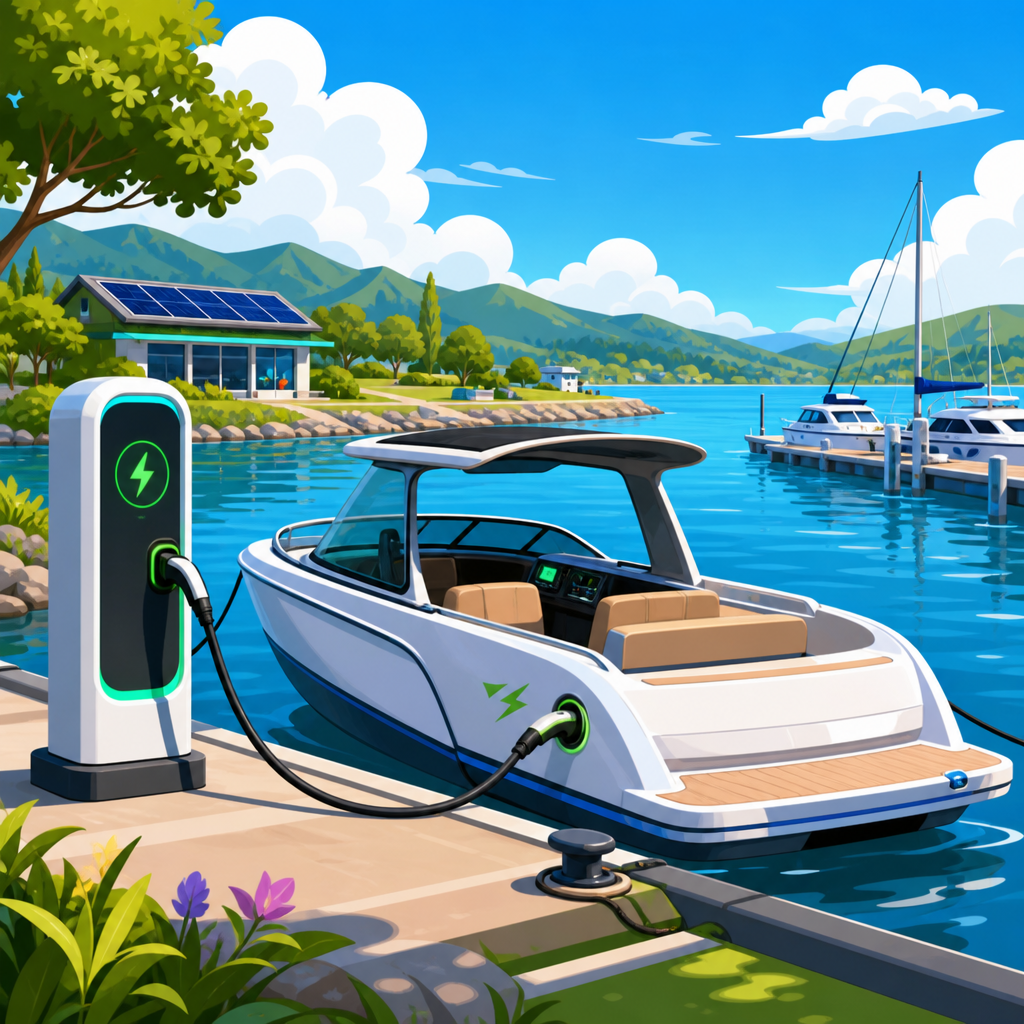
| Battery electric | Short-range day boats and tenders | Zero tailpipe emissions and low noise | Range and charging time constraints |
| Hybrid propulsion | Ferries, patrol craft, mixed-duty vessels | Efficiency across variable duty cycles | Higher system complexity and cost |
| Efficiency upgrades | All vessel types | Immediate fuel savings | Does not replace fossil fuel by itself |
This comparison explains why biofuels continue to gain attention. They are not the cleanest option in every sense, and they do not solve every environmental issue, but they offer one of the strongest near-term pathways for boats that cannot easily electrify. That is especially relevant in saltwater cruising, charter operations, pilot boats, and workboats where payload, range, and quick turnaround matter more than headline innovation.
The real benefits and the real limitations for boaters
The strongest argument for marine biofuels is reduced lifecycle carbon intensity. Depending on feedstock and production pathway, fuels made from waste oils or residues can deliver significantly lower net greenhouse gas emissions than conventional diesel. They can also reduce particulate matter, sulfur-related emissions where applicable, and visible smoke in some engines. For operators managing public perception, that matters. Passengers notice noise, odor, and exhaust. Some marina groups and municipal fleets are already testing renewable diesel because it can improve local air quality while requiring little operational change.
Another benefit is transition speed. Replacing a fleet of diesel boats with electric or hydrogen models requires capital expenditure, charging or bunkering infrastructure, training, and often vessel redesign. Switching to approved renewable fuels can happen much faster. Standards and certifications are critical here. Biodiesel quality is addressed by ASTM D6751 in the United States, while petroleum diesel and blends relate to standards such as ASTM D975. Engine builders also publish their own blend limits and warranty conditions. Following those specifications is not optional. In my experience, most fuel-related failures blamed on alternative fuels actually trace back to poor storage, contamination, or using a blend the manufacturer never approved.
Still, the limitations are real. Biodiesel can oxidize faster than petroleum diesel, may have lower storage stability, and can increase concern about microbial contamination in tanks with water presence. Cold-flow performance can also be an issue in some climates. Ethanol-blended gasoline remains problematic for many marine engines because boats often sit unused, tanks breathe moist air, and separation risk rises. Availability is uneven; a boater might fill with renewable diesel at one coastal marina and find nothing comparable on the next leg. Cost can also be higher, especially when policy credits change or supply tightens.
Feedstock sustainability is another necessary nuance. Not every biofuel delivers the same environmental value. Waste-derived fuels generally present a stronger case than fuels linked to land-use change or intensive monoculture. Serious buyers should ask where the fuel came from, what standard it meets, and whether the supplier can document consistency. Green claims unsupported by technical data are not enough when an engine, voyage plan, and safety margin are on the line.
What boat owners should check before switching fuels
Before using any biofuel, start with the engine manufacturer’s documentation. Look for approved blends, material compatibility notes, service interval adjustments, and storage guidance. Cummins, Volvo Penta, Yanmar, Mercury, Yamaha, and other major manufacturers do not all take the same position across all models. One engine may allow a biodiesel blend up to a specified percentage, while another may prefer renewable diesel or caution against long-term use of ethanol blends. If a manual is unclear, get written guidance from a dealer or factory support channel. That protects both equipment and warranty position.
Next, inspect the whole fuel system, not just the engine. Hoses, seals, gaskets, primer bulbs, tanks, vents, and filter housings all matter. Older boats are more likely to have components that degrade when exposed to certain fuels or cleaning action. A prudent conversion plan includes replacing suspect hoses with current alcohol-resistant or compatible marine-grade components, cleaning tanks where sludge has accumulated, and carrying spare primary and secondary filters during the transition period. On diesel boats, polishing contaminated fuel and draining water from separators are basic steps that prevent many avoidable breakdowns.
Storage and usage pattern should shape the decision. Boats that run frequently and refill from a trusted supplier tend to handle fuel transitions better than boats that sit for months. For seasonal owners, stabilizers, tank management, and minimizing water intrusion become more important. Marinas considering biofuel offerings also need proper tank turnover, staff training, filtration, and clear labeling. The goal is not simply to stock a greener fuel; it is to deliver a consistent product that protects customers’ engines.
Finally, evaluate economics honestly. Compare price per usable energy, not just price per gallon, and include maintenance implications. If a fuel costs more but cuts smoke, meets policy requirements, and avoids a major repower, it may still be the best decision. The right evaluation looks at total operating context rather than a single number on the dock pump.
Where the market is heading and what it means for green boating
The marine market is moving toward multiple low-emission pathways rather than a single endpoint. Over the next decade, small electric boats will expand quickly in inland and nearshore use, hybrids will grow in commercial duty cycles, and efficient combustion engines will remain essential for heavy and long-range applications. In that landscape, biofuels are positioned as a bridge and, for many segments, a durable solution. Renewable diesel is especially promising because it integrates relatively easily into existing diesel ecosystems. Larger shipping sectors are also pushing investment into biomethanol, advanced biodiesel pathways, and other low-carbon fuels, which can improve marine supply chains over time.
Policy and infrastructure will decide how fast adoption grows. Low-carbon fuel standards, port emissions programs, marina modernization, and cleaner-engine regulations all push the market toward alternatives. At the same time, insurers, lenders, charter guests, and eco-conscious buyers increasingly ask how a vessel manages environmental impact. That creates a commercial reason to act even before regulations require it. The most successful operators I have seen do not chase every trend. They build a staged plan: improve efficiency first, verify fuel compatibility second, test cleaner fuels under controlled conditions third, and monitor results with maintenance logs and fuel-burn data.
So, are biofuels the next big thing for boaters? They are not the only big thing, but they are one of the most practical. Their main advantage is compatibility with the boats people already own and the operating realities that define marine travel. For many boaters, the path to lower emissions will begin not with a complete reinvention of propulsion but with smarter fuel choices supported by better maintenance, better data, and better infrastructure. If you are building an eco-friendly boating strategy, start by auditing your current engine, fuel system, and operating profile, then explore the cleanest approved fuel your boat can use confidently.
Frequently Asked Questions
1. What exactly are biofuels in boating, and how are they different from traditional marine fuels?
In the marine world, biofuels are liquid fuels made from renewable biological materials instead of conventional fossil petroleum. Depending on the product, that can include waste cooking oil, plant oils, agricultural residues, animal fats, algae, or other forms of biomass. For boaters, the most commonly discussed options include biodiesel blends, renewable diesel, ethanol-blended gasoline, and newer sustainable drop-in marine fuels designed to work in existing engines and fuel systems with little or no modification.
The main difference between biofuels and traditional marine fuels is where the carbon comes from. Conventional diesel and gasoline release carbon that has been locked underground for millions of years. Biofuels, by contrast, are made from recently grown or recently used biological feedstocks, which can lower lifecycle greenhouse gas emissions when the fuels are responsibly sourced and processed. That does not make every biofuel automatically clean or perfect, but it does mean they are often part of broader green boating technology strategies aimed at reducing emissions without abandoning internal combustion engines overnight.
Another important difference is compatibility. Some biofuels, such as renewable diesel, are considered “drop-in” fuels because they behave very similarly to petroleum diesel and can often be used in existing diesel engines, tanks, and infrastructure. Others, such as biodiesel or ethanol blends, may have blending limits, storage considerations, material compatibility issues, or performance tradeoffs that boaters need to understand before filling up. In practical terms, biofuels are not one single product. They are a category of renewable marine fuel options, and each type has its own benefits, limitations, and ideal use cases.
2. Are biofuels a realistic option for everyday boaters, or are they still mostly experimental?
Biofuels are no longer just a laboratory concept or a niche sustainability project. In many areas, they are already a realistic option for everyday boaters, especially where marinas, fuel distributors, and engine manufacturers have begun supporting them. Renewable diesel, in particular, has gained serious attention because it can often be used in existing diesel engines without the handling concerns associated with higher biodiesel blends. That makes it attractive for commercial operators, yacht owners, and recreational boaters who want lower-emission fuel without a complete system redesign.
That said, the answer still depends on location, fuel type, and vessel setup. Some boaters have access to approved biodiesel blends or renewable diesel at local fuel docks, while others may have no practical access at all. Availability remains one of the biggest barriers to widespread adoption. In addition, gasoline-powered boats face a somewhat different conversation, since ethanol blends are already common in many fuel markets but can create problems in marine environments if not carefully managed, particularly in older engines or boats with fuel systems not designed for them.
So yes, biofuels are realistic for many boaters today, but not in a one-size-fits-all way. The strongest near-term growth is likely to come from marine fuels that can fit into existing infrastructure and engine fleets, because that lowers the cost and complexity of adoption. As regulations tighten and pressure builds to reduce boating emissions, biofuels are increasingly seen as a practical bridge between traditional fuels and future propulsion technologies like hybrid systems, batteries, hydrogen, or e-fuels.
3. Can my boat engine run on biofuels safely, and do I need to make modifications?
The safe use of biofuels depends on your engine type, the specific fuel involved, the blend level, and the recommendations of your engine manufacturer. Many diesel engines can operate on certain biodiesel blends, such as B5 or sometimes higher, if approved by the manufacturer. Renewable diesel is often even easier from a compatibility standpoint because its properties are closer to conventional diesel and it generally works as a true drop-in fuel. However, “often” does not mean “always,” so the first step is to check your engine manual, fuel system materials, and warranty guidance before making any switch.
Potential issues vary by fuel. Biodiesel can have strong solvent properties, which may loosen deposits in older fuel tanks and lines when first introduced, leading to clogged filters. It can also be more sensitive to water contamination, oxidation, and long storage periods, which matters in boating because vessels often sit unused longer than road vehicles. Ethanol-blended gasoline can present additional challenges, including moisture absorption, phase separation, and possible deterioration of older hoses, seals, fiberglass tanks, or carbureted fuel systems. These are manageable risks in the right setup, but they are not details boaters should ignore.
If you are considering biofuels, best practice is to confirm approved fuel types and blend limits with the engine manufacturer, inspect tanks and fuel lines, replace aging components if necessary, and monitor filters closely during the transition. It is also smart to buy fuel from reputable marine suppliers and stay current on maintenance. In many cases, no major modification is needed, especially with approved renewable diesel products, but safe operation depends on matching the right biofuel to the right engine and storage conditions.
4. What are the main benefits and drawbacks of using biofuels for boating?
The biggest benefit is emissions reduction. Many biofuels can lower lifecycle greenhouse gas emissions compared with conventional petroleum fuels, especially when they are produced from waste oils, residues, or other lower-impact feedstocks. Some marine biofuels may also reduce particulate emissions, smoke, or certain exhaust pollutants, depending on the engine and fuel formulation. For boaters who want to make their time on the water more sustainable without replacing their entire propulsion system, that is a major advantage.
Another benefit is that some biofuels fit into today’s marine infrastructure. That matters more than many people realize. A fuel that works with existing engines, tanks, pumps, and supply chains has a much better chance of scaling quickly than a technology that requires a total fleet overhaul. Renewable diesel is especially promising in this respect because it offers a lower-carbon pathway that feels familiar operationally. From an industry perspective, biofuels can help marinas, charter fleets, and commercial operators reduce environmental impact while keeping vessels in service.
The drawbacks are equally important to understand. Availability is still uneven, and prices can be higher depending on region and policy incentives. Fuel quality and sourcing also matter. Not all biofuels deliver the same environmental benefits, and poorly managed production can raise concerns related to land use, food competition, or supply chain sustainability. On the operational side, some fuels have storage stability issues, cold-weather concerns, water sensitivity, or material compatibility limits. For boaters, that means the promise is real, but the details matter. The best outcomes come from choosing the right fuel, using it in the right engine, and understanding both environmental and practical tradeoffs.
5. Are biofuels likely to become the next big thing for boaters in the near future?
They have a strong chance to become a much bigger part of the marine fuel mix, especially in the near and medium term. Biofuels solve an important problem: they offer a way to reduce emissions from the existing boating fleet without waiting for every vessel to be replaced by electric or other next-generation propulsion systems. Since boats often stay in service for many years, drop-in or near-drop-in renewable fuels are one of the most practical tools available for reducing the environmental footprint of recreational and commercial boating sooner rather than later.
That does not mean biofuels will completely take over or become the single future of boating. The marine sector is diverse, and different vessel types will likely adopt different technologies. Small inland craft may see more electrification, while offshore vessels and long-range cruisers may continue to rely on liquid fuels for energy density and range. In that landscape, biofuels are well positioned to play a major role because they can complement broader green boating technology trends rather than compete with all of them directly.
The most realistic outlook is that biofuels will grow significantly where they are cost-competitive, available, and approved by engine makers, particularly in diesel-powered segments. Their momentum will also depend on regulation, marina infrastructure, fuel standards, consumer demand, and confidence in sustainability claims. So, are biofuels the next big thing for boaters? Very possibly yes, especially as a practical transition fuel. They may not be the only answer, but they are increasingly one of the most credible and scalable answers on the water today.