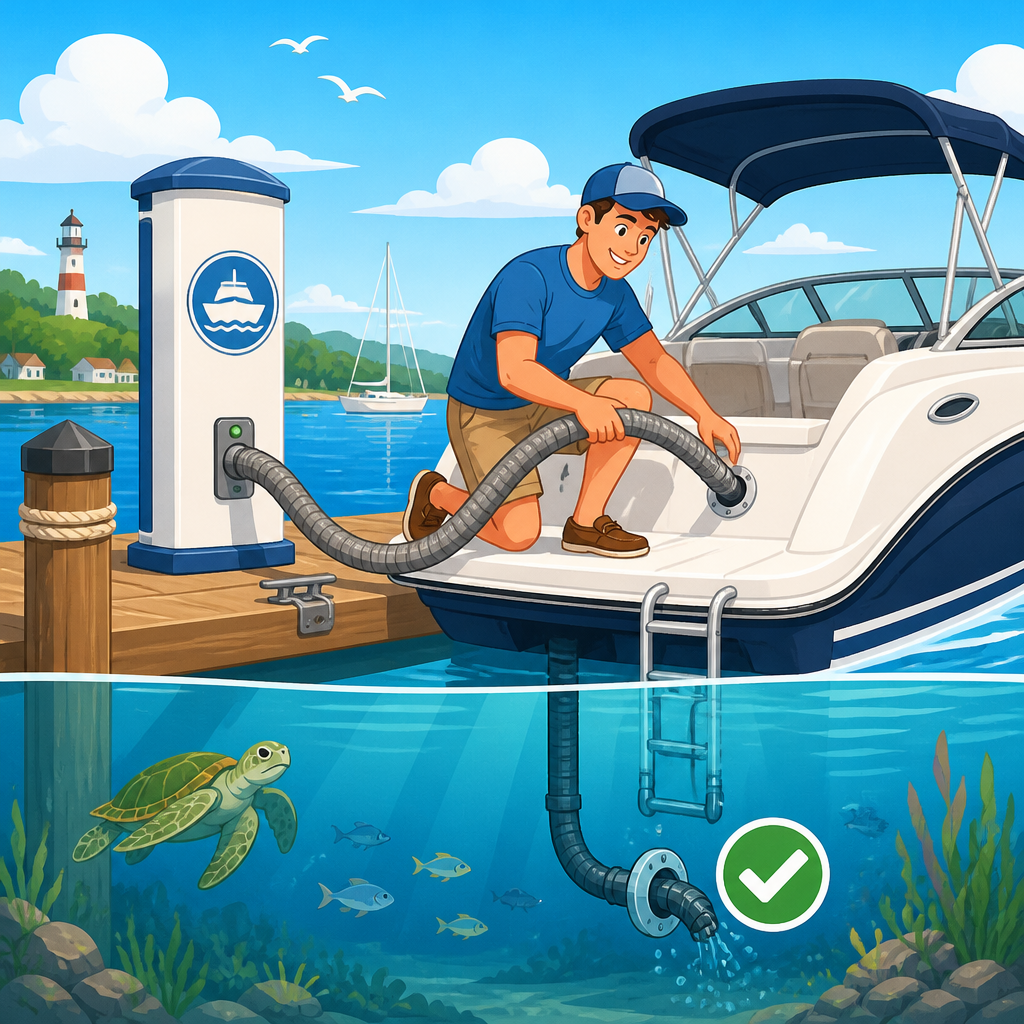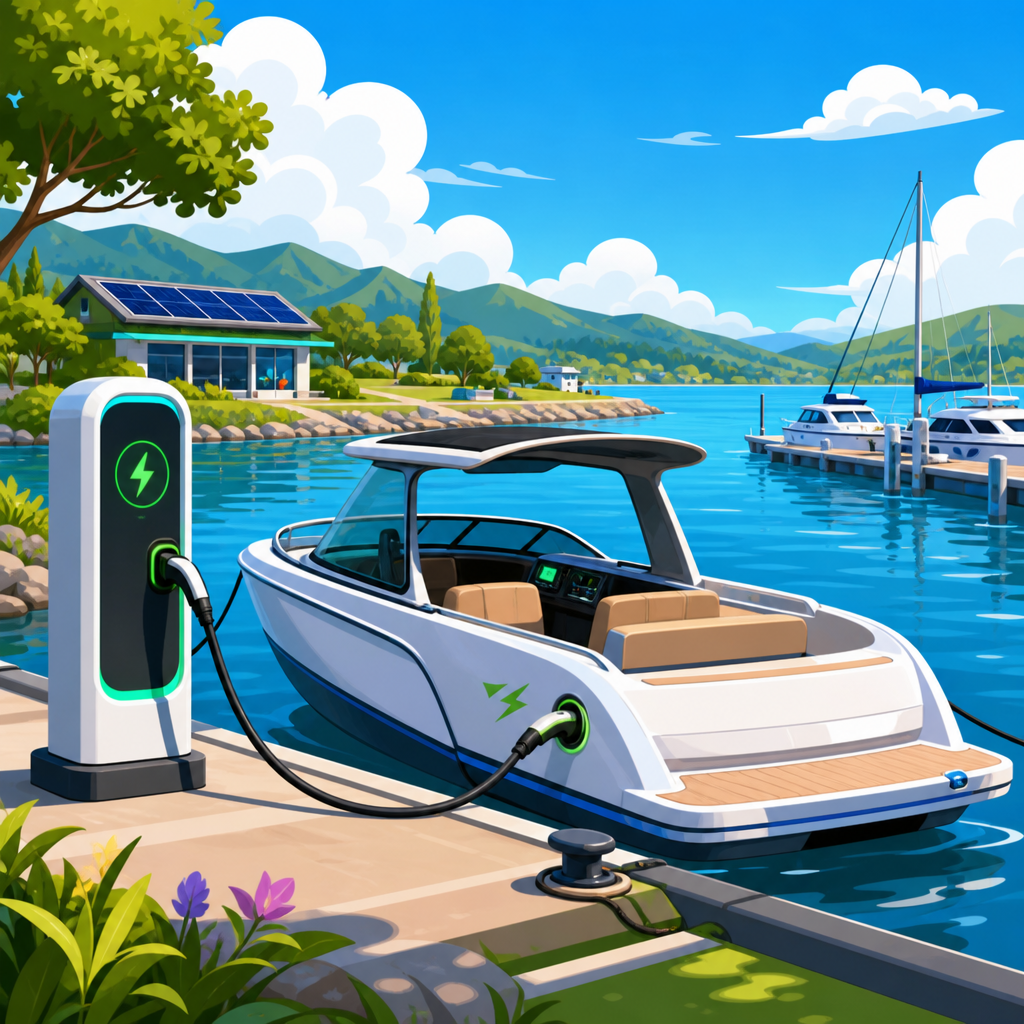
Electric boating has moved from a niche experiment to a practical option for marinas, yacht clubs, tour operators, and private owners, and the best charging stations for electric boats now play a central role in making that transition reliable. An electric boat uses battery power rather than an internal combustion engine for propulsion, while a solar-powered boat adds photovoltaic panels to extend range or support onboard systems. Charging stations for electric boats are the shore-power points, dedicated marine chargers, battery management interfaces, and networked dockside systems that replenish those batteries safely in a wet, corrosive environment. In my work reviewing marina electrification plans, I have seen one truth repeatedly: owners are rarely blocked by the boat itself; they are blocked by uncertainty about where to charge, how fast charging will be, and whether marina infrastructure can support regular use. This matters because charging access determines route planning, resale confidence, operating costs, and the feasibility of replacing fuel with electricity on real waterways. As more builders release electric pontoons, launches, tenders, ferries, fishing skiffs, canal boats, and day cruisers, the charging network becomes the practical backbone of the entire electric and solar-powered boating category.
The topic also matters because marine charging is not simply a copy of electric car charging. Boats face galvanic corrosion risk, shore power compatibility issues, varying marina electrical standards, tidal dock movement, weather exposure, and battery chemistries that require precise charging profiles. A high-quality charging station for an electric boat must combine the right connector, current rating, ingress protection, cable management, smart monitoring, and fault protection. Boat owners also need to understand the difference between overnight AC charging, higher-power three-phase marina charging, and emerging DC fast charging for commercial fleets. For a sub-pillar hub within eco-friendly and sustainable boating, this page connects the whole picture: vessel types, battery technologies, marina infrastructure, solar integration, charging hardware, trip planning, and where the strongest charging ecosystems are developing. If you are comparing electric and solar-powered boats, choosing a marina, or planning a retrofit, the quality and location of charging stations should be treated as a first-order decision, not an afterthought.
What makes a charging station suitable for electric boats
The best charging stations for electric boats combine marine-grade safety, dependable power delivery, and compatibility with the vessel’s onboard charger. In practice, that usually means weather-sealed enclosures, residual current protection, corrosion-resistant components, proper grounding, load management, and connectors that match the boat’s accepted shore power input. Many smaller electric boats charge from standard single-phase AC service through portable chargers, but regular use is better served by dock pedestals with dedicated breakers and metering. Larger electric day boats and commercial vessels often benefit from three-phase AC because it supports faster charging with lower current per phase, reducing cable stress and improving efficiency.
I look first at power level, because charging speed determines how useful a station will be in daily boating. A compact electric tender with a 10 to 20 kWh battery may recharge overnight from modest shore power. A larger electric cruiser with 80 kWh or more needs substantially more current, especially if it operates multiple trips per day. Smart chargers from established marine electrical brands such as Victron Energy, Mastervolt, and Fischer Panda integrate battery monitoring, temperature compensation, and remote diagnostics. On the infrastructure side, marina power pedestals from suppliers like Rolec, Marina Electrical Equipment, and Eaton are commonly adapted for electric vessel charging because they offer controlled distribution, metering, and robust environmental protection.
Standards and system design matter just as much as raw output. American Boat and Yacht Council guidance, National Electrical Code marina provisions, and IEC shore power practices all shape how safe installations are built. The best stations also include energy management software that balances multiple boats charging at once, preventing demand spikes that can overwhelm marina service. That feature is especially important at busy waterfronts where restaurants, workshops, and berth utilities already compete for power. A station is only truly good if it works reliably during a wet weekend with several boats plugged in, not just in a brochure specification sheet.
Best charging station types and who they suit
There is no single best charging station for every electric boat; the right choice depends on vessel size, duty cycle, and the marina’s grid capacity. For private owners with electric tenders, runabouts, and lake boats, Level 2 style AC charging adapted for marine use is often the sweet spot. It is widely available, less expensive to install than DC fast charging, and sufficient for overnight replenishment. These setups usually rely on onboard chargers that convert AC from shore power into DC for the battery bank. They are practical, proven, and easier for marinas to deploy across multiple slips.
For electric ferries, water taxis, and high-utilization rental fleets, DC charging is becoming the premium option because turnaround time matters more than installation simplicity. Commercial operators cannot wait all night between trips. Fast DC systems reduce downtime by charging the battery directly, bypassing the onboard AC charger bottleneck. Norway has been a leader here, with electric ferry infrastructure demonstrating that shore-side high-power charging can support frequent scheduled service. Those systems are more specialized and expensive, but they show what mature electric marine transport looks like in operation.
Solar-assisted charging adds another layer. Solar-powered boats rarely rely on sunlight alone for all propulsion energy unless they are very light, very slow, or operating in favorable conditions. In most real-world cases, solar extends range, runs hotel loads, and slows battery depletion rather than fully replacing dock charging. Marinas with solar canopies, battery storage, and managed charging gain resilience and can reduce peak electricity costs. I have seen these hybrid energy layouts work especially well at eco-resorts and inland marinas with predictable daytime usage.
| Charging option | Best for | Typical advantage | Main limitation |
|---|---|---|---|
| Single-phase AC dock charging | Small private electric boats | Lower installation cost and broad availability | Slower recharge for larger batteries |
| Three-phase AC marina charging | Larger leisure boats and club fleets | Faster charging with good efficiency | Requires stronger marina electrical service |
| DC fast charging | Ferries, taxis, rental operations | Shortest turnaround between trips | High equipment and grid upgrade cost |
| Solar-assisted charging | Eco-marinas and solar-hybrid boats | Reduced operating energy from the grid | Weather dependent and rarely sufficient alone |
Where to find the best charging stations for electric boats
The strongest charging ecosystems are appearing first in regions where electric boating already has policy support, dense marina networks, and short-range cruising patterns. Scandinavia stands out. Norway, Sweden, and Finland have invested heavily in shoreline electrification, and operators there benefit from public support for maritime decarbonization. Norway in particular has become a reference market because electric ferries, municipal projects, and marine technology companies have normalized the idea that a charging berth is standard infrastructure rather than an experimental add-on. If you want to see high-quality examples of marine charging done at scale, Nordic marinas and ferry terminals are among the best places to study.
The Netherlands is another leading destination, especially for canal boats, sloops, and low-wake leisure craft. Dutch waterways suit electric propulsion because routes are often sheltered, speeds are moderate, and distances between stops are manageable. Marinas around Amsterdam, Utrecht, and Friesland increasingly advertise electric boat support, and rental fleets often maintain dedicated chargers for their own vessels. The practical lesson from the Dutch market is that electric boating succeeds fastest where the cruising pattern fits the battery range and charging access is integrated into routine mooring.
In North America, the picture is more fragmented but improving. Lake communities, environmentally sensitive harbors, and premium marinas in California, the Pacific Northwest, Florida, and parts of the Northeast are the most likely places to find reliable charging stations for electric boats. Yacht clubs and private marinas often move faster than public docks because they control infrastructure directly and can align upgrades with member demand. For current discovery, owners should check marina directories, Plugboat’s global map, local harbor authority listings, and manufacturer partner networks from brands such as X Shore, Candela, Vision Marine Technologies, and Torqeedo. Those sources often reveal charging access before broad mapping platforms catch up.
How electric and solar-powered boats fit different use cases
Electric and solar-powered boats are not one category in practice; they cover distinct use cases with different charging needs. Small electric outboards from Torqeedo or ePropulsion work well for tenders, inflatables, and fishing skiffs where owners can remove batteries for charging or top up easily at the dock. Electric pontoons and lake cruisers are ideal for inland waters because they prioritize quiet operation, low maintenance, and short-range recreation. Day boats from builders such as X Shore and Candela push performance further, using larger lithium-ion packs, advanced hull design, and digital energy management to make electric propulsion viable for premium coastal use.
Solar-powered boats make the most sense when the mission profile favors efficiency over speed. Sightseeing boats, research craft, canal cruisers, and houseboats can benefit substantially from rooftop solar because they have usable deck area and relatively steady operating patterns. PlanetSolar demonstrated the extreme end of solar marine capability with an around-the-world voyage, but that project also highlighted the limitations of relying mainly on sunlight for propulsion. In the market today, the smarter model is hybrid thinking: efficient hull, right-sized battery, shore charging as the primary energy source, and solar as a valuable supplement.
For this reason, buyers should match the charging ecosystem to the boating style before choosing a vessel. A waterfront homeowner with a private dock and dependable shore power can own an electric boat comfortably even if the regional public network is thin. A charter operator running multiple departures a day should prioritize marina charging contracts, electrical capacity studies, and fleet management software before selecting hulls. The boat and the charging plan are one system, and successful owners evaluate them together.
How to evaluate marinas, connectors, and charging reliability
When I assess a marina for electric boat readiness, I start with five checkpoints: available amperage, voltage, connector compatibility, protection systems, and berth access. Many frustrations come from assuming that any shore power outlet can charge any electric boat. It cannot. Some boats depend on specific onboard chargers, some accept only certain shore power arrangements, and some marinas restrict sustained high loads on guest berths. Ask the marina whether charging is explicitly permitted, not merely physically possible.
Next, verify whether power is continuous and metered. Some dock pedestals are switched off overnight, tied to office hours, or priced in ways that make long charging sessions impractical. Reliability also includes cable run length and dock layout. A charger that is technically available but too far from the slip or exposed to heavy wake can be inconvenient enough to undermine regular use. In saltwater locations, maintenance discipline matters as much as initial installation quality because corrosion and moisture intrusion can degrade connections over time.
Digital monitoring is becoming a differentiator. The better marinas can track electrical loads, allocate billing accurately, and alert staff to faults before boat owners discover a problem. If you operate a solar-hybrid vessel, ask whether the marina allows time-of-use charging or supports battery storage integration, because those features can reduce costs and improve energy resilience. Good electric boating infrastructure is not just a plug on a dock. It is a managed energy service built for the marine environment.
Why this subtopic matters for sustainable boating
Electric and solar-powered boats reduce direct exhaust emissions, cut noise dramatically, and simplify maintenance by eliminating oil changes, fuel polishing, and many vibration-related engine issues. Those benefits are especially meaningful on lakes, urban waterfronts, canals, and protected coastal areas where air quality, wildlife disturbance, and shoreline experience matter. They also shift operating economics. Electricity prices vary, but energy per mile is often lower than gasoline or diesel for comparable low- to moderate-speed use, particularly with efficient hulls and regenerative or solar support systems.
There are still tradeoffs. Battery production has environmental impacts, charging infrastructure requires capital, and range remains limited compared with liquid fuels for many offshore or high-speed applications. Cold weather can affect battery performance, and repowering an existing boat is not always straightforward. Still, the trajectory is clear. As cell chemistry improves, hulls become more efficient, and marinas add better charging stations, electric boating becomes a more practical part of sustainable boating rather than a symbolic one.
This hub should help you navigate the full electric and solar-powered boating landscape: boats, batteries, charging stations, marinas, and operating realities. Start by identifying your typical route, dwell time at the dock, and access to shore power, then compare those needs against marina infrastructure and vessel charging specifications. If you make charging strategy the foundation of your buying or retrofit decision, you will choose an electric or solar-powered boat that works in daily life, not just on paper.
Frequently Asked Questions
What makes a charging station one of the best options for electric boats?
The best charging stations for electric boats combine reliability, safety, compatible power delivery, and convenient marina access. Unlike a simple shore-power pedestal used only for onboard appliances, a true boat charging setup needs to support consistent battery charging in a marine environment where moisture, salt exposure, and fluctuating usage levels can quickly expose weak equipment. High-quality stations typically offer durable weather-resistant housings, corrosion-resistant components, ground-fault protection, and clear output specifications so owners know whether the station is suitable for overnight charging, opportunity charging between trips, or faster turnaround for commercial operations.
Another major factor is compatibility. Not every electric boat uses the same battery size, onboard charger, or plug standard, so the best locations usually provide flexible service options or are designed around commonly used marine charging requirements. For example, some marinas offer standard AC shore power that works well for slow and steady charging, while others are beginning to install higher-capacity systems for larger electric vessels, passenger boats, or fleet operations. The most useful stations are also easy to access from the dock, clearly labeled, and supported by marina staff who understand safe charging procedures. In practice, the “best” station is not just the one with the highest power output, but the one that matches the vessel’s charging needs and supports dependable day-to-day use.
Where can you find charging stations for electric boats?
Charging stations for electric boats are most commonly found at forward-looking marinas, yacht clubs, waterfront resorts, public docks, eco-tourism hubs, and boatyards that are actively investing in clean marine infrastructure. In many regions, the first adopters have been marinas serving inland lakes, canal systems, protected coastal waters, and urban waterfronts where electric boating is especially practical because trips are shorter, noise restrictions may be stricter, and environmental concerns are more visible. Tourist destinations offering electric rental boats or guided electric cruises are also strong candidates, since dependable charging is essential to keeping those vessels in service.
To locate them, boat owners usually start with marina directories, harbor authority resources, electric boating associations, and local boating networks. Increasingly, marina websites list shore-power specifications and sustainability amenities, making it easier to confirm whether charging is available before arrival. It is also helpful to call ahead and ask specific questions: what voltage and amperage are provided, whether charging is reserved for slip holders or available to transient boaters, whether adapters are permitted, and whether the pedestal is intended for propulsion battery charging rather than only hotel loads. Because electric boating infrastructure is still developing, the best approach is to combine online research with direct confirmation from marina operators. In established electric boating areas, you may find clusters of charging-friendly facilities along popular routes, while in emerging markets, charging may be available at selected premium marinas rather than every stop along the shoreline.
Can regular shore power be used to charge an electric boat, or do you need a specialized charging station?
In many cases, regular shore power can charge an electric boat, but whether it is the right solution depends on the vessel’s onboard charging system, battery capacity, and operating schedule. Most electric boats rely on an onboard charger that converts dockside AC power into the DC power needed by the battery pack. If the marina pedestal provides the correct electrical service and the boat manufacturer approves that setup, standard shore power may be perfectly adequate for overnight charging or routine use. This is especially true for smaller electric boats, day boats, tenders, and leisure craft that return to the dock with enough downtime to recharge gradually.
However, a specialized charging station becomes more important when operators need faster turnaround, better monitoring, smarter load management, or support for larger battery systems. Commercial tour boats, water taxis, rental fleets, and larger private electric vessels may need more robust infrastructure than a conventional pedestal can deliver efficiently. Dedicated systems can offer improved charge control, communication features, usage tracking, and equipment specifically designed around propulsion charging in wet marine settings. The key is to follow the boat manufacturer’s charging guidance and confirm that the marina’s electrical supply is suitable. Using the wrong voltage, overloaded circuits, poor cabling, or unapproved adapters can reduce charging efficiency and create safety risks. So while regular shore power often works, the best long-term setup is one that is intentionally designed for the boat’s battery and usage profile.
How do solar-powered boats fit into marina charging, and do they still need charging stations?
Solar-powered boats still benefit greatly from marina charging stations. The solar panels on a boat can extend cruising range, offset auxiliary power use, and help maintain batteries while the vessel is moored or operating in good sunlight, but in most real-world conditions they do not fully replace dockside charging. The amount of energy solar panels can generate is limited by available surface area, panel efficiency, weather, shading, and how the boat is used. For smaller craft with modest energy demands, solar may cover a meaningful share of consumption. For larger boats or vessels running longer routes, higher speeds, or heavier onboard systems, shore-based charging remains essential.
In practical terms, solar and marina charging work best together rather than as competing solutions. A solar-equipped electric boat can arrive at the dock with a higher state of charge than a non-solar vessel, reducing charging time and lowering overall energy costs. That can be especially useful for private owners who want extra resilience or for operators who need every bit of efficiency during a busy schedule. Still, dependable charging stations are the backbone of predictable operations because they provide controlled, consistent energy regardless of weather or season. When evaluating marinas, owners of solar-assisted boats should look for the same fundamentals as any electric boater: safe electrical service, suitable power levels, secure dock access, and staff familiarity with modern electric propulsion systems.
What should boat owners and operators ask before choosing a marina with electric boat charging?
Before committing to a marina, boat owners and operators should ask detailed questions about electrical capacity, charging policies, access conditions, and support services. Start with the basics: what voltage and amperage are available at the slip or dock, whether the service is single-phase or otherwise tailored to the vessel’s charger requirements, and whether the marina allows propulsion battery charging on all pedestals. It is also important to ask whether charging is included in moorage fees, billed separately by time or energy use, or restricted during peak periods. For anyone running a business, understanding availability windows and potential queuing is just as important as the technical specifications.
Beyond power delivery, ask about safety and practicality. Find out whether the charging points are exposed to spray, whether cables can be routed cleanly without creating trip hazards, and whether the marina has clear procedures for connecting and monitoring electric vessels. Ask if staff have experience with electric boats, whether help is available after hours, and whether the site has backup plans in case a pedestal is out of service. It is also wise to ask about nearby alternative charging locations in case your route changes or a station is occupied. The best marinas for electric boats do more than offer an outlet; they provide a dependable operating environment that supports smooth arrivals, secure charging, and confidence that the vessel will be ready when it is time to leave the dock.