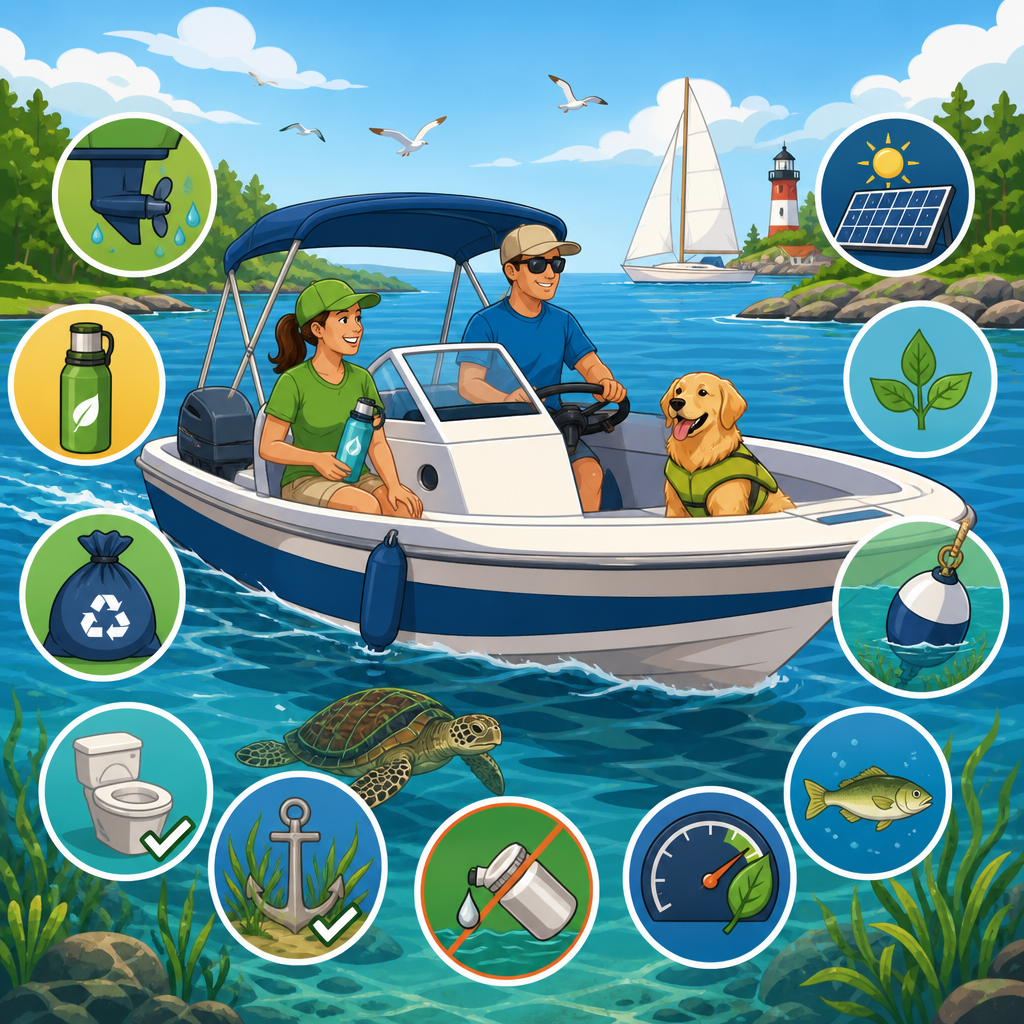
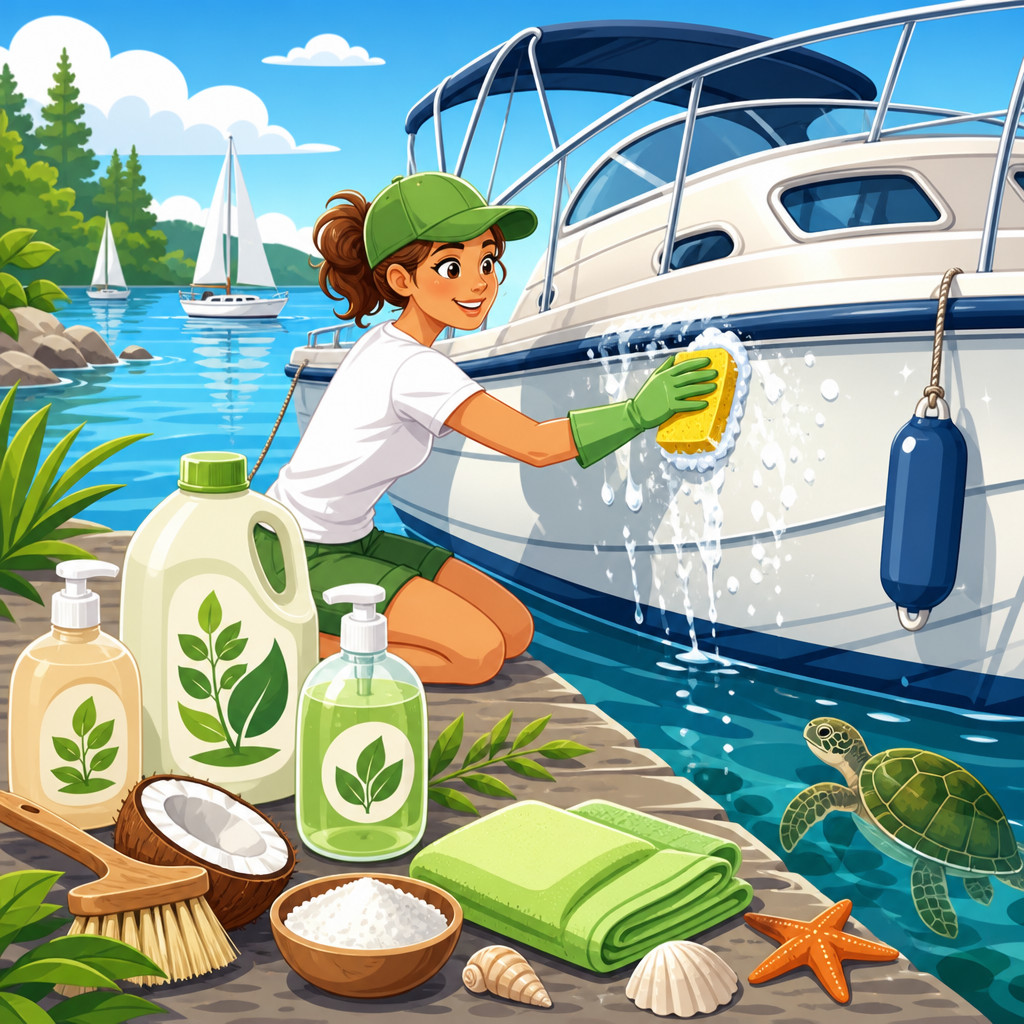
Choosing the best biodegradable soaps and detergents for boat cleaning is one of the most practical ways to reduce water pollution while boating. In marina yards, launch ramps, and anchorages, I have seen the same pattern for years: a quick wash seems harmless, yet the runoff carries surfactants, oils, waxes, and loosened grime straight into the water. Biodegradable boat soap matters because it is formulated to break down more readily, reduce persistence in the environment, and limit harm to fish, aquatic plants, and the microbial life that keeps waterways healthy. For boat owners committed to eco-friendly and sustainable boating, cleaning products are not a minor choice; they sit at the center of responsible maintenance.
Biodegradable does not mean universally safe, and that distinction is important. A product may biodegrade under specific conditions yet still consume oxygen during breakdown, contain ingredients that are harmful in concentrated form, or perform poorly if overused. Detergents are blends of surfactants, builders, chelating agents, solvents, and preservatives, and each component affects environmental impact. The best biodegradable soaps and detergents for boat cleaning combine effective soil removal with low aquatic toxicity, phosphate-free formulas, and clear directions for dilution and disposal. They also help owners clean more efficiently, which reduces water consumption and lowers the chance that harsh scrubbing will damage gelcoat, paint, teak, vinyl, or aluminum.
This article serves as a hub for reducing water pollution while boating by connecting product choice to the larger system of runoff control, hull maintenance, bilge management, and marina practices. Boat cleaning touches every part of a vessel: topsides, decks, non-skid, canvas, heads, galleys, bilges, and engines. Each area needs a different approach, and using the wrong cleaner can create pollution or damage surfaces. A sustainable cleaning routine starts with understanding where contamination comes from, selecting the right biodegradable soap, and using methods that keep dirty water out of the lake, river, or harbor whenever possible.
In practical terms, the goal is simple: remove salt, bird droppings, soot, sunscreen residue, fish blood, diesel film, mildew, and ordinary grime without adding a bigger pollutant load than the dirt you started with. That means washing onshore when facilities capture runoff, using fresh water sparingly, choosing concentrated products with transparent ingredient policies, and favoring mechanical cleaning tools such as soft brushes and microfiber mitts. It also means accepting tradeoffs. The strongest degreasers often pose the highest environmental risk, while the gentlest cleaners may require more dwell time and elbow grease. The best results come from matching the cleaner to the task rather than relying on one aggressive product for everything.
What makes a boat soap truly biodegradable and better for waterways
A biodegradable boat cleaner is designed so microorganisms can break its ingredients into simpler compounds within a reasonable time frame, usually under standardized laboratory conditions. In my experience testing marine cleaners, the better products also avoid phosphates, chlorine bleach, ammonia-heavy formulations, and unnecessary petroleum solvents. Phosphates are especially problematic because they contribute to algal blooms and eutrophication, which reduce oxygen levels and stress aquatic ecosystems. Reputable manufacturers often align formula design with programs such as the U.S. EPA Safer Choice criteria or publish ingredient information that helps buyers evaluate what is inside the bottle.
Surfactants do the main cleaning work by reducing surface tension so water can lift away oils and dirt. For sustainable boat cleaning, look for readily biodegradable surfactants derived from plant-based feedstocks or other lower-impact chemistries, but do not assume “natural” automatically means safer or more effective. Concentration, pH, rinse behavior, and surface compatibility all matter. A neutral or near-neutral pH wash is usually best for routine cleaning of fiberglass, painted surfaces, and coatings because it minimizes stripping and protects wax or sealants. Strong alkaline cleaners may be appropriate for greasy scum lines, but they should be used selectively and according to label directions.
Packaging and use patterns matter too. Concentrates reduce plastic waste and transportation emissions because one bottle makes multiple buckets of wash solution. Accurate dilution also prevents overapplication, which is a common problem at docks. I regularly see boaters squeeze soap directly onto decks, creating more suds than cleaning power. Excess suds are not a sign of better performance; they usually mean money wasted and more chemical runoff. The best biodegradable detergents clean effectively at low concentrations, rinse clean, and leave minimal residue that could affect water repellency, traction, or future coating adhesion.
Best biodegradable soaps and detergents for common boat cleaning jobs
No single product is ideal for every surface, so a smart cleaning kit uses a few specialized biodegradable options. For routine hull and topside washing, marine wash soaps from brands such as Better Boat, Star brite, and Boat Juice offer phosphate-free formulas intended for fiberglass, painted surfaces, metal, and glass. For owners who want broad household and marine versatility, Sal Suds Biodegradable Cleaner from Dr. Bronner’s is widely used as a concentrated all-purpose detergent, though it should still be diluted correctly and kept out of direct discharge when possible. For heavy grime, Simple Green Marine products are frequently chosen because they are formulated specifically for marine environments and aluminum-safe variants are available.
Decks and non-skid need a cleaner that removes sunscreen oils and dirt without leaving a slippery film. A biodegradable non-skid deck cleaner should rinse residue-free and work with a medium bristle brush instead of requiring solvent strength. Teak is a special case. Traditional two-part teak cleaners can be effective, but they are often acidic or caustic and should be used carefully because runoff can be harsh on surrounding materials and water quality. For regular upkeep, mild soap, salt removal, and gentle brushing preserve teak better than repeated aggressive brightening. Vinyl seats benefit from a mild biodegradable soap followed by prompt rinsing and drying, while mildew should be addressed early with targeted products approved for the material.
Bilges, heads, and galleys deserve separate treatment because they involve oils, fuel traces, food residues, and sanitation concerns. A bilge cleaner may be labeled biodegradable, yet that does not make it acceptable to pump contaminated bilge water overboard where regulations prohibit discharge. The cleaner is only one part of the equation; absorbent pads, proper containment, and pump-out facilities are essential. For heads and holding tanks, marine-safe biodegradable cleaners that support rather than kill beneficial tank treatments are the better choice. In galleys, dish detergents marketed as biodegradable can work well, but graywater practices still matter because food scraps and soap residue contribute to nutrient loading in confined waters.
| Cleaning job | Best product type | Key traits to look for | Main caution |
|---|---|---|---|
| Routine hull and topsides | Concentrated boat wash soap | Phosphate-free, neutral pH, low-residue rinse | Do not overconcentrate |
| Non-skid decks | Residue-free deck cleaner | Good oil removal, safe on coatings, brush-friendly | Avoid slippery gloss enhancers |
| Teak maintenance | Mild biodegradable soap | Gentle cleaning, minimal stripping | Limit harsh acid or caustic systems |
| Bilges | Marine bilge cleaner | Emulsifies grime, compatible with absorbents | Never use as a license to discharge oily water |
| Vinyl and interiors | All-purpose biodegradable detergent | Mild surfactants, no sticky residue | Test on hidden area first |
How to clean a boat while reducing water pollution
The cleanest product can still cause pollution if the process is sloppy, so technique matters as much as the label. The best approach is dry cleanup first: sweep, vacuum, wipe bird droppings and fish residue with absorbent towels, and use oil pads in bilges before adding any water. This reduces the contaminant load that soap has to carry away. Next, wash on land in a designated wash-down area if your marina provides one. Modern facilities may route runoff through filters, separators, or sanitary systems, which is far better than letting wash water drain directly into the basin. If dockside washing is allowed, use the minimum practical volume of water and avoid windy conditions that spread spray and chemical mist.
Dilution discipline makes a measurable difference. Many concentrated biodegradable soaps clean effectively at one to two ounces per gallon, and some need even less for light maintenance. I recommend mixing in a bucket rather than applying concentrate directly to the surface because bucket washing controls dosage and improves coverage. Work from the top down so you are not recontaminating cleaned areas, and rinse in sections to prevent spotting. Soft brushes, chenille mitts, and microfiber cloths increase mechanical removal so you can rely on chemistry less. On stubborn stains, repeated mild washes are often safer for the surface and the waterway than one round with a harsh degreaser.
Timing also influences runoff quality. Cleaning after every outing may sound excessive, but light, frequent washing is usually more sustainable than letting salt, soot, and biological growth accumulate into a problem that requires aggressive chemicals later. Salt crystals abrade finishes, while organic buildup traps moisture and accelerates mildew. A quick freshwater rinse and a small amount of biodegradable boat soap can prevent that cycle. During hauling season, coordinate bottom work separately from topside washing because antifouling paint dust and scrapings introduce an entirely different pollution category that requires tarps, vacuum sanding, and compliant disposal methods.
Common mistakes boat owners make with eco-friendly cleaners
The biggest mistake is assuming that a biodegradable label grants permission to wash anything anywhere. Environmental impact depends on dose, receiving water volume, local regulations, and what else is being washed off the boat. A second mistake is using household products that are not intended for marine materials. Dish soap, for example, can strip protective wax from gelcoat if used repeatedly, even if it is biodegradable. That leaves surfaces chalkier and more porous, which eventually increases the need for stronger restoration chemicals. Another common problem is mixing cleaners. Combining acids, alkalis, bleach substitutes, or quaternary disinfectants can reduce effectiveness, damage surfaces, or create hazardous reactions.
Product mismatch is also frequent. Aluminum pontoons and trailers need cleaners labeled safe for aluminum because some acidic products stain or etch the metal. Teak suffers when owners attack weathering with repeated brightener cycles rather than gentler maintenance. Vinyl seats are often damaged by solvent-heavy stain removers that pull plasticizers and accelerate cracking. In engine spaces, an all-purpose soap may not be enough for petroleum contamination, but escalating immediately to strong degreasers can drive oily emulsions into places that are harder to contain. The better approach is staged cleaning: absorb free oil first, then spot-treat, then wipe and collect waste for proper disposal.
Finally, many owners overlook the cumulative effect of small actions. One extra ounce of soap, one rinse bucket dumped overboard, one bilge cleaned without absorbents, or one fuel sheen ignored at the dock may seem trivial. Across a busy marina, those habits add up quickly. Sustainable boating is less about a perfect product than a disciplined system. Clear labeling, measured dilution, surface-specific cleaners, runoff capture, and routine maintenance together deliver the real environmental benefit. That is the framework behind reducing water pollution while boating, and it links directly to related practices such as spill prevention, graywater management, bottom maintenance, and marina compliance.
How this hub connects to the wider goal of reducing water pollution while boating
Boat soaps and detergents are the entry point, but they should lead owners to a broader pollution-reduction plan. Start with runoff: know where wash water goes at your marina or storage yard, and choose facilities with designated wash pads whenever possible. Continue with bilge care by using absorbent pads, fixing leaks promptly, and disposing of oily waste correctly. Review your head and holding tank setup, use pump-out stations consistently, and choose tank treatments that support onboard systems without creating secondary pollution problems. If you trailer your boat, remember that road grime, invasive species residue, and cleaning wastewater at home all still affect local storm drains and waterways.
Think of cleaning as preventive maintenance for the entire vessel. A well-maintained hull needs fewer restorative compounds. Protected vinyl resists mildew longer. Engines without chronic leaks need less degreasing. Canvas cleaned before stains set lasts longer and avoids harsh spot removers. Over time, these choices reduce not only water pollution but also material waste and maintenance cost. If you are building an eco-friendly boating routine, audit your current products, replace the harshest offenders first, and create a written checklist for washing, bilges, heads, and seasonal projects. Responsible boat cleaning is not glamorous, but it is one of the most immediate, controllable ways to protect the waters you enjoy.
The best biodegradable soaps and detergents for boat cleaning help boat owners reduce water pollution while boating when they are chosen carefully and used with discipline. The essentials are straightforward: select phosphate-free, low-residue, surface-appropriate cleaners; dilute them correctly; rely on brushes and microfiber instead of brute-force chemistry; and keep dirty wash water out of the water whenever facilities allow. Routine hull washing, deck cleaning, interior care, and bilge maintenance all benefit from this approach, and each task becomes safer for the boat as well as the surrounding ecosystem.
The larger lesson is that product choice and process cannot be separated. A good biodegradable boat soap is valuable, but runoff capture, spill prevention, proper disposal, and frequent light cleaning deliver the full environmental payoff. For anyone focused on eco-friendly and sustainable boating, this hub is the foundation for reducing water pollution across every maintenance habit, from topsides to holding tanks. Review the cleaners you use now, identify one practice that sends avoidable pollutants into the water, and improve it before your next wash. Small changes at the dock protect waterways on a scale that every boater can influence.
Frequently Asked Questions
What makes a soap or detergent truly biodegradable for boat cleaning?
A biodegradable boat soap is designed so its ingredients can break down more quickly and completely through natural biological processes, usually with the help of bacteria and other microorganisms. That matters because when wash water runs off a hull, deck, trailer, or bilge area, it may carry soap residue along with oils, salt, fish blood, sunscreen, dirt, and oxidation. A product labeled biodegradable is generally formulated to reduce how long those cleaning agents persist in the environment compared with conventional harsh detergents.
That said, “biodegradable” does not mean “harmless in all situations.” A soap can still affect water quality if too much is used or if runoff goes directly into a marina basin, lake, or stream. The best biodegradable soaps for boat cleaning usually avoid phosphates, chlorine bleach, ammonia, and unnecessarily aggressive solvents. Many also use plant-based or readily degradable surfactants that lift grime without leaving behind a long-lasting chemical load. Reading the label matters: look for products specifically intended for marine use, clear ingredient transparency, and language indicating phosphate-free, non-toxic, or safer-for-aquatic-environments formulas.
In practical terms, a truly better choice is a product that cleans effectively with small amounts, rinses clean, and does not rely on heavy petroleum distillates or caustic additives to get results. For boat owners, the goal is not just to buy a soap with a green label, but to choose one that balances cleaning performance with reduced environmental persistence and lower risk to fish, aquatic plants, and marina ecosystems.
Why is using biodegradable soap so important when cleaning a boat?
Using biodegradable soap for boat cleaning is important because boats are cleaned in places where runoff often has a direct path to the water. On a driveway, in a boatyard, at a launch ramp, or at the dock, even a quick rinse can send soapy water mixed with grease, fuel residue, wax, and loosened debris into the surrounding environment. Conventional detergents may contain surfactants and additives that linger longer in the water, interfere with aquatic life, and contribute to water pollution.
Biodegradable soaps help reduce that impact because they are formulated to break down more readily instead of remaining active in the environment for extended periods. This can make a meaningful difference in marinas, coves, and freshwater launch areas where repeated washing from many boats adds up over time. While no soap should be treated as environmentally neutral once it enters the water, choosing a more readily degradable product is one of the simplest and most effective steps a boat owner can take to clean more responsibly.
There is also a broader maintenance benefit. Boat owners who switch to marine-safe biodegradable detergents often find that these products are gentler on gelcoat, painted surfaces, vinyl, and hardware than heavy-duty household cleaners. That means you are not only helping protect fish and water quality, but also preserving your boat’s finish, reducing long-term wear, and avoiding residue that can attract more dirt later. It is a practical decision that supports both environmental stewardship and better boat care.
Can biodegradable soaps still clean tough grime, salt, and scum effectively?
Yes, high-quality biodegradable boat soaps can be very effective on common marine messes such as salt film, bird droppings, dock grime, light mildew staining, sunscreen residue, fish slime, and general waterline buildup. The key is using the right product for the job and applying it correctly. A basic biodegradable boat wash is ideal for routine cleaning, while a stronger biodegradable degreaser or specialty marine cleaner may be better for oily residue, non-skid surfaces, or heavily soiled bilge-adjacent areas.
One reason some boat owners think eco-friendlier products do not work is that they compare them to highly aggressive cleaners that strip wax, dull finishes, or rely on harsh solvents. A well-formulated biodegradable soap may clean more safely rather than more aggressively. In many cases, allowing the product to dwell briefly, using a soft brush, microfiber mitt, or non-scratch pad, and washing in sections produces excellent results without the collateral damage of stronger chemicals.
For especially stubborn buildup, the best approach is to match the cleaner to the surface and the type of soil instead of simply using more soap. For example, salt and everyday grime respond well to a pH-balanced boat wash, while grease around engines or trailers may need a biodegradable degreaser approved for marine use. Waterline stains, oxidation, and severe mildew may require specialized products, but even then it makes sense to start with the least harmful option first. Good cleaning technique, prompt rinsing, and regular maintenance often matter as much as the soap itself.
What ingredients should I avoid in boat cleaning soaps and detergents?
When choosing a soap or detergent for boat cleaning, it is wise to avoid ingredients and formulas known to be unnecessarily harsh, persistent, or problematic for aquatic environments. Phosphates are a major concern because they can contribute to nutrient pollution and promote excessive algae growth in lakes, rivers, and marinas. Harsh bleach-based cleaners, ammonia-heavy products, and caustic degreasers can also be poor choices for routine washing because they may irritate skin, damage boat materials, and create more harmful runoff.
It is also best to be cautious with petroleum solvents, strong synthetic fragrances, and general-purpose household detergents that are not designed for marine surfaces. Some all-purpose cleaners cut grease fast but can strip protective wax, dry out vinyl, haze clear plastics, or accelerate wear on painted and gelcoat finishes. In addition, products with vague labeling or no clear indication of marine suitability should raise questions. If a manufacturer does not explain where and how the product is intended to be used, that is often a sign to keep looking.
A better approach is to look for biodegradable, phosphate-free, marine-specific cleaners with clear dilution instructions and a reputation for being safe on fiberglass, metal, plastic, canvas, and vinyl. Labels that mention concentrated formulas can also be helpful, since a small amount used properly often generates less waste than overusing a weaker product. Ultimately, avoiding harmful ingredients is about protecting both the water and the boat: the cleanest-looking result is not worth it if the cleaner damages finishes or leaves a bigger environmental footprint behind.
How can I clean my boat in the most environmentally responsible way beyond just choosing biodegradable soap?
Choosing a biodegradable soap is an excellent first step, but environmentally responsible boat cleaning also depends on how, where, and how often you wash. Whenever possible, clean your boat in a designated wash area where runoff can be captured or filtered rather than flowing directly into the water. If you are washing on land, use as little product as necessary, follow dilution instructions carefully, and avoid letting wastewater drain into storm sewers that lead untreated to rivers, bays, or lakes.
Another smart practice is to start with the least intensive method. A freshwater rinse, a bucket wash, and a soft brush can often remove salt and surface dirt without the need for heavy scrubbing or repeated soap application. Wipe up fuel drips, oil spots, and grease separately with absorbent pads before washing, because that prevents contaminants from being spread across the hull and into runoff. Keeping the boat clean between major washes also helps; frequent light cleaning usually requires less detergent than infrequent deep cleaning of baked-on grime.
Timing and maintenance habits matter too. Wash away from the shoreline when possible, avoid cleaning right before rain that can increase runoff, and keep your engine, bilge, and fittings in good condition so you are not constantly washing away leaks and residues. Use reusable cloths, durable brushes, and targeted marine-safe cleaners instead of a one-product-for-everything approach. Taken together, these steps make a real difference. The most environmentally friendly boat cleaning routine is not just about buying a better soap; it is about reducing runoff, minimizing chemical use, and treating the surrounding water as part of the workspace you are responsible for protecting.