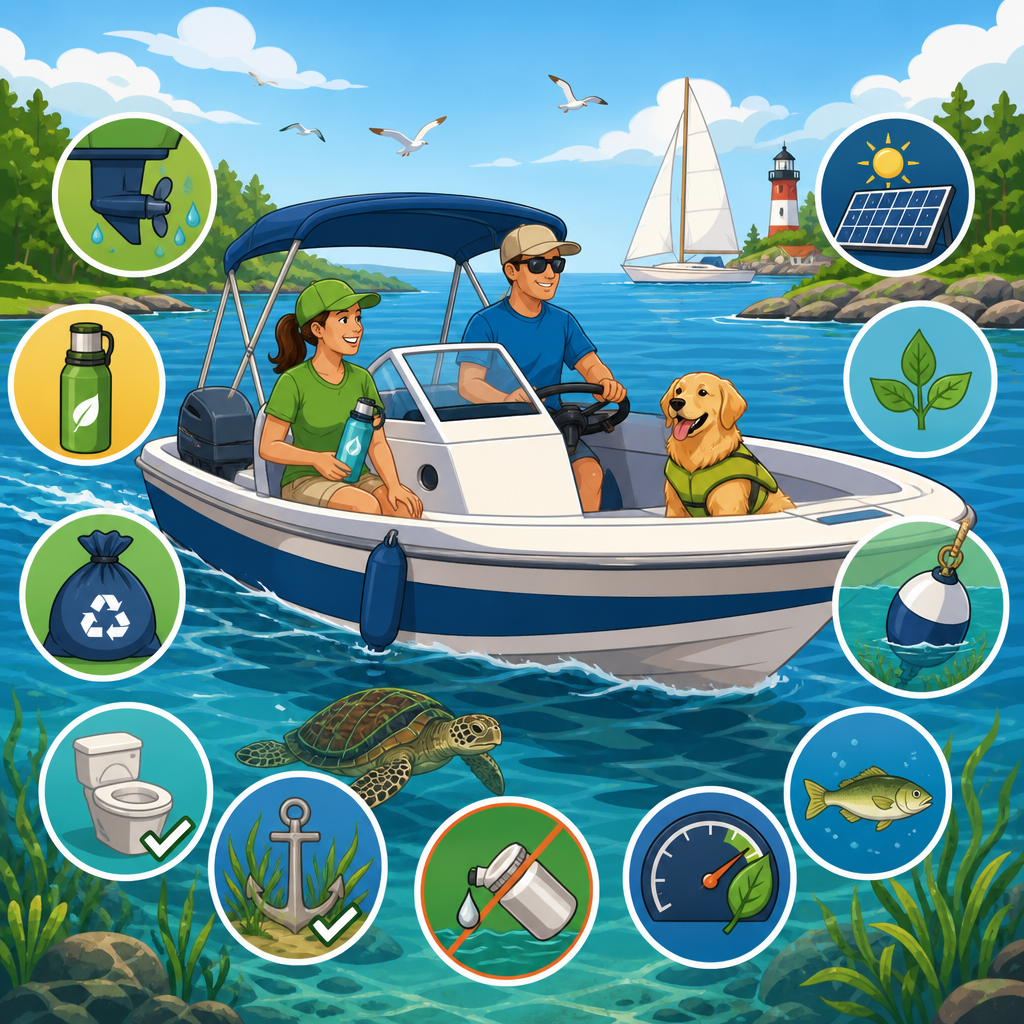
Boating puts people close to wildlife, shorelines, and open water, which makes every decision on board matter. Green boating practices are the everyday habits that reduce fuel use, prevent pollution, protect habitats, and lower wear on marine ecosystems without taking the fun out of time on the water. I have worked with boat owners, marina operators, and skippers who wanted practical changes, not abstract advice, and the same pattern always appears: small operational improvements add up fast. When boaters maintain engines, manage waste correctly, choose safer cleaning products, and navigate with more care, they cut costs and reduce environmental impact while boating at the same time.
This matters because waterways are unusually sensitive to cumulative damage. A few ounces of spilled fuel spread quickly across the surface. Excessive wake accelerates shoreline erosion. Improper sewage discharge adds nutrients and pathogens to enclosed waters. Even routine choices such as hull maintenance or route planning affect emissions, aquatic plants, fish nurseries, and bird habitat. Recreational boating is only one source of pressure, but it is widespread, seasonal, and often concentrated in marinas, coves, estuaries, and lakes where ecosystems are already stressed.
For most boaters, sustainability does not start with buying a new electric vessel. It starts with operating the boat they already own more responsibly. That means understanding where impact comes from: combustion engines emit carbon dioxide, nitrogen oxides, and particulate matter; anti-fouling coatings can release biocides; greywater and trash can enter the water accidentally; anchors can scar seagrass beds and corals; and noise can disturb marine mammals and fish behavior. Reducing impact is therefore a combination of maintenance, seamanship, product choice, and trip planning.
This hub article covers ten simple ways to reduce your environmental impact while boating and explains how each one works in real conditions. It is designed for powerboaters, sailors, anglers, paddlers with support craft, and charter guests who want clear actions they can take immediately. If you want lower fuel bills, cleaner gear practices, and better stewardship of the places you cruise, these green boating practices for every boater provide the best place to begin.
1. Maintain your engine for cleaner, more efficient operation
The fastest environmental win for most motorized boats is a well-maintained engine. Poorly tuned gasoline outboards and aging inboards burn more fuel, produce more exhaust, and are more likely to leak oil or fuel into the bilge. In my experience, owners often focus on visible upgrades while ignoring basic service intervals, yet spark plugs, fuel filters, injectors, cooling systems, and propeller condition have direct effects on efficiency. Follow the manufacturer schedule, fix hard starts and rough idling early, and investigate any fuel smell immediately. A clean-running engine is not just cheaper to operate; it is measurably less polluting.
Two-stroke versus four-stroke differences also matter. Older carbureted two-strokes are known to release a higher percentage of unburned fuel into the water and air compared with modern four-stroke or direct-injection systems. If replacement is already under consideration, newer low-emission models offer substantial gains. Even without repowering, checking compression, adjusting idle, replacing damaged fuel lines, and using the correct oil grade can reduce waste and improve reliability. Good engine care is foundational because it supports nearly every other eco-friendly boating habit.
2. Reduce fuel consumption through smarter speed and trip planning
If boaters ask which habit saves the most money and emissions, the answer is usually simple: slow down and plan better. Fuel burn rises sharply as speed increases, especially once a planing hull is pushed beyond its efficient cruising range. Every boat has a sweet spot where trim, throttle, and hull attitude produce the best miles per gallon or liters per nautical mile. Use your tachometer and fuel-flow data if available, and test performance in calm conditions to identify that range. Running slightly slower often cuts fuel use far more than owners expect.
Trip planning matters just as much. Combine errands, avoid unnecessary idling, account for tide and current, and choose marinas or anchorages that reduce detours. Modern chartplotters, engine monitors, and apps such as Navionics help boaters plan direct routes and avoid shallow areas that force inefficient operation. Weight control also matters: carrying excess water, duplicate gear, and rarely used equipment increases drag and fuel demand. Sustainable boating is rarely about one dramatic change; it is usually about dozens of operational decisions that make each voyage cleaner and more efficient.
3. Fuel carefully and prevent spills before they happen
Fuel spills are common, preventable, and disproportionately harmful. Hydrocarbons spread across the surface, reduce oxygen exchange, coat feathers and fur, and contaminate marinas where flushing is limited. The best practice is strict fueling discipline: secure the boat, turn off engines and electronics, close hatches where fumes can collect, keep absorbent pads ready, and never top off the tank to the brim. Leave expansion space, especially in heat, because fuel expands and can vent overboard. Listen to the fill tone, slow down near the end, and assign one person to watch the vent if your setup allows it safely.
If a spill occurs, do not use dish soap or detergent to disperse it. That pushes pollution into the water column and is generally prohibited because it makes recovery harder. Use absorbent materials designed for petroleum and report significant spills according to local marina or environmental authority procedures. Portable tanks deserve the same care: inspect caps and fittings, transport upright, and fill them onshore when possible. Spill prevention is one of the clearest examples of why green boating practices for every boater are practical, not ideological. A cleaner fuel stop protects the water and avoids cleanup costs, fines, and fire risk.
4. Choose less toxic cleaning and maintenance products
Many common boat soaps, degreasers, brighteners, and stain removers contain ingredients that are tough on aquatic life, especially in enclosed basins and freshwater lakes. Phosphates can contribute to algal growth, while harsh solvents can harm invertebrates and fish. The safer approach is to use biodegradable, phosphate-free, and marina-safe products, then use the minimum amount needed. In actual marina work, I have found that technique matters as much as chemistry: soft brushes, spot cleaning, microfiber cloths, and fresh water rinses often reduce the need for aggressive cleaners.
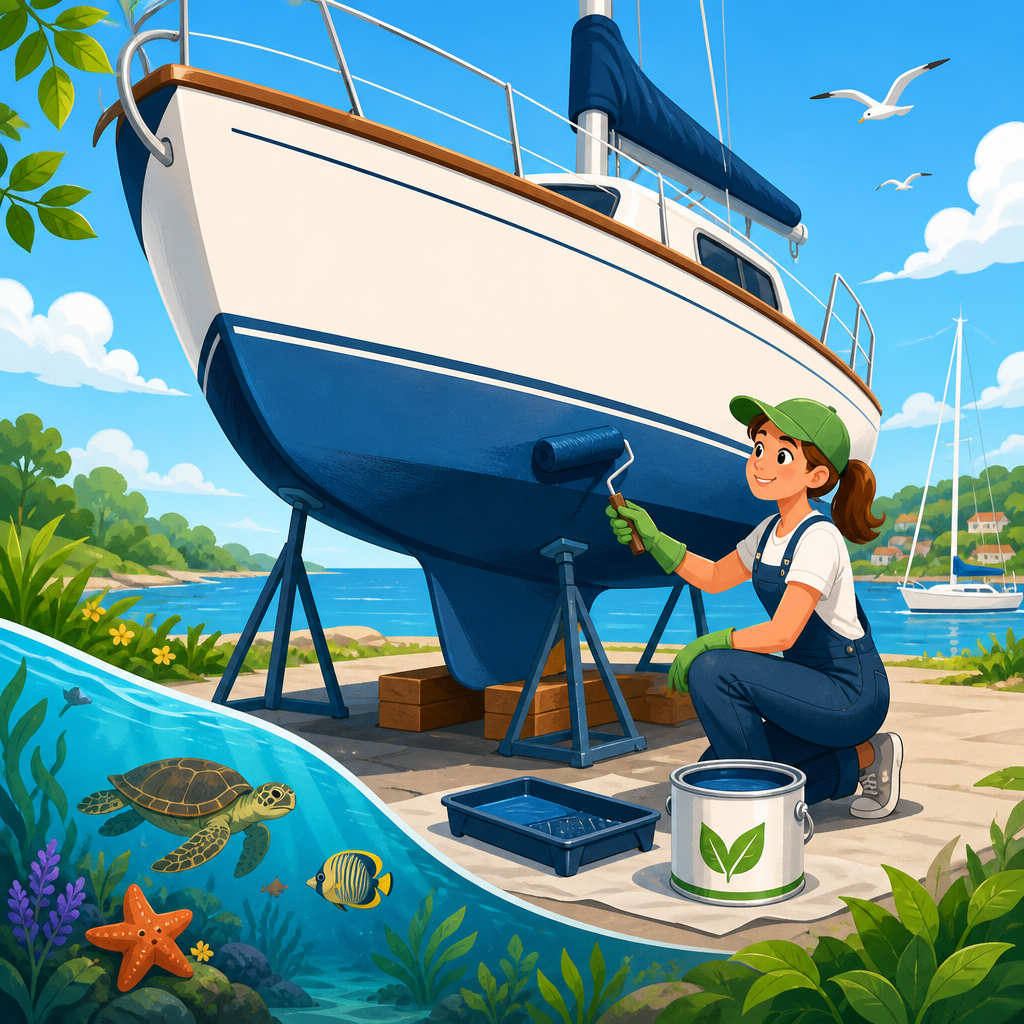
Hull maintenance deserves special attention. Anti-fouling paints are important for efficiency and invasive species control, but some coatings release copper or other biocides into the water. Selection should match local regulations, boat use patterns, and haul-out schedules. Hard growth on the hull increases drag, so cleaning at approved facilities or by permitted divers can lower fuel burn significantly. Sanding and scraping should be contained to keep paint dust out of the water and storm drains. The goal is balance: prevent fouling and maintain performance without introducing unnecessary toxins into the environment.
5. Handle sewage, greywater, and trash with zero-discharge habits
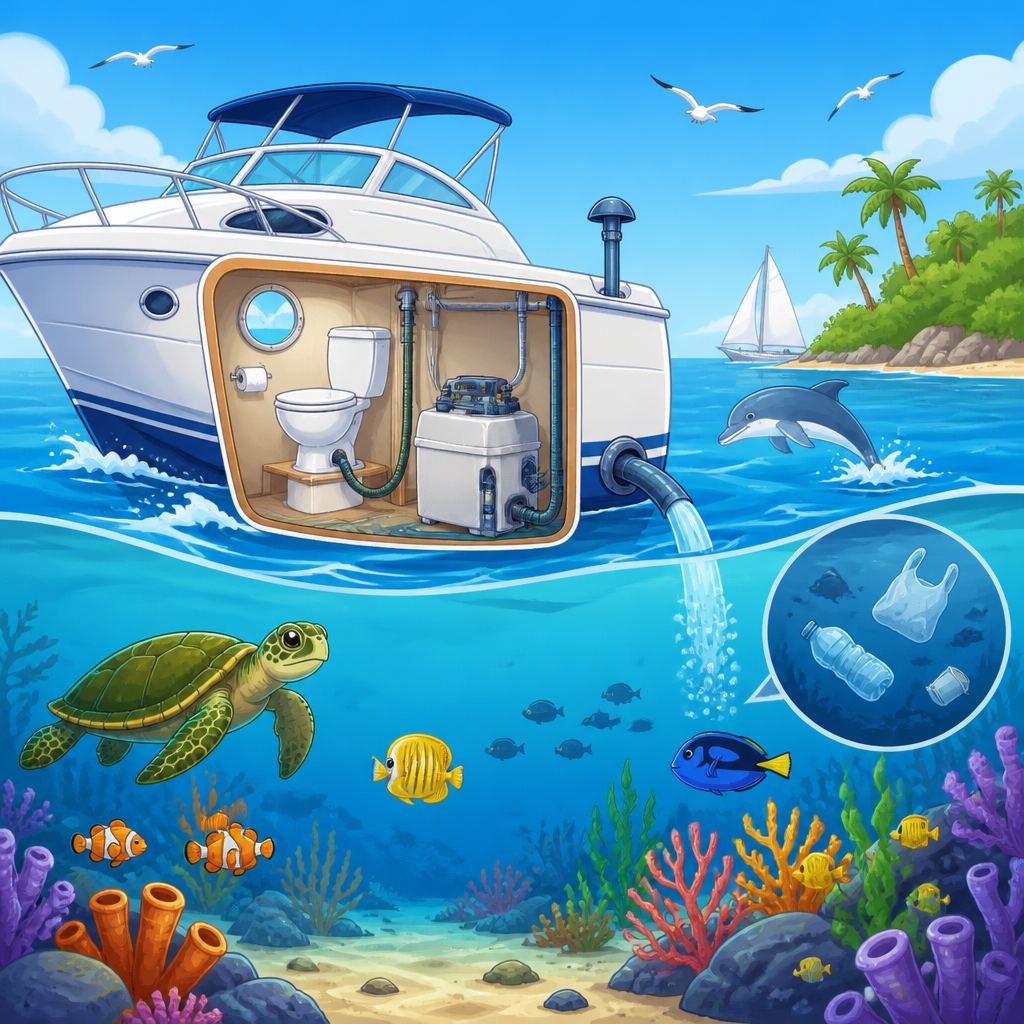
Nothing undermines responsible boating faster than careless waste disposal. Sewage introduces bacteria, viruses, and nutrients that degrade swimming areas and shellfish waters. Use marine sanitation devices correctly, know your discharge zone rules, and pump out whenever facilities are available. In the United States, no-discharge zones have stricter requirements, and they exist because some waters need added protection. Greywater from sinks and showers is less regulated in many small recreational boats, but it still carries soap, food particles, and residues, so minimizing harmful chemicals and solids matters.
Trash control is equally simple and equally important. Secure bins so wind cannot carry wrappers, line, or cups overboard, and separate recyclables if your marina supports it. Fishing line is especially dangerous because it entangles birds, turtles, and propellers. Keep a dedicated container for used line and soft plastics. On busy family boats, assign responsibility clearly: one bag for recyclables, one sealed bag for landfill waste, one container for hazardous items such as batteries or oily rags. The cleanest boat is usually the one with a system, not the one with the best intentions.
6. Protect habitats when anchoring, beaching, and navigating
Boats can damage habitat even when engines are off. Anchors and chains drag across seagrass meadows, oyster beds, and coral, leaving scars that may take years to recover. The solution is deliberate anchoring. Study charts, look at water color, use polarized glasses in clear shallows, and choose sand or mud where appropriate rather than vegetated bottoms. In sensitive areas, use established mooring buoys instead of anchoring. One well-used mooring field can prevent repeated anchor damage across a broad area.
Navigation choices matter too. Running through shallow flats can uproot vegetation and stir sediment that smothers nearby life. Repeated beaching of boats can compact shore habitat and disturb nesting birds. No-wake zones are not just courtesy rules; they reduce bank erosion, protect docks, and limit stress in narrow channels. The table below summarizes practical habitat-protection choices boaters can apply immediately.
| Boating activity | Lower-impact practice | Why it helps |
|---|---|---|
| Anchoring in clear shallows | Anchor on sand or use a mooring buoy | Prevents chain scarring on seagrass and coral |
| Traveling near shore | Observe no-wake speed and stay in marked channels | Reduces erosion, turbidity, and collision risk |
| Approaching wildlife areas | Slow down and increase distance | Lowers stress on birds, mammals, and fish nurseries |
| Stopping for a beach visit | Use designated landings where available | Avoids trampling dunes, nests, and shoreline plants |
7. Respect wildlife and reduce noise disturbance
Wildlife-friendly boating means more than avoiding obvious collisions. Repeated close approaches can interrupt feeding, nesting, resting, and migration. Marine mammals may alter breathing or diving behavior when pursued. Nesting birds can flush from eggs or chicks if boats pass too close. Fish in spawning areas can be stressed by prop wash and repeated noise. The practical rule is to watch without pressing in. Use binoculars, keep pets controlled, and idle away if animals change behavior because of your presence.
Noise reduction is often overlooked. Properly maintained engines, intact exhaust systems, and slower speeds lower sound levels both above and below the surface. On some inland lakes and protected coastlines, noise complaints are one of the first signs that recreational pressure is exceeding what residents and wildlife can tolerate. If your boat carries music outside the cockpit, keep it local, not broadcast across a cove. Quiet operation is one of the simplest ways to reduce your environmental impact while boating because it requires no new equipment, only awareness and restraint.
8. Prevent invasive species from hitchhiking with your boat
Invasive species spread when organisms attached to hulls, trailers, anchors, bait buckets, and live wells move from one waterbody to another. Zebra mussels, quagga mussels, Eurasian watermilfoil, and hydrilla are classic examples in freshwater systems; marine fouling species create similar problems in coastal regions. Once established, they can clog infrastructure, outcompete native species, alter food webs, and cost millions in control efforts. Prevention is far cheaper and more effective than eradication.
The standard routine is simple: clean, drain, and dry. Remove visible plants and mud from trailers and gear, drain bilges and live wells where regulations require, and allow equipment to dry thoroughly before launching elsewhere. Some regions require hot-water decontamination or inspection checkpoints, especially in western North America. Compliance should not be treated as optional bureaucracy. It is a frontline conservation measure. If your boat stays in the water for long periods, regular hull inspections and timely cleaning also prevent transporting fouling organisms between harbors.
9. Upgrade gear and onboard systems for lower impact
Not every sustainable improvement is operational; some come from smarter equipment choices. Switching cabin and navigation lights to LEDs cuts electrical demand and battery charging time. Modern lithium iron phosphate battery systems, when properly installed with compatible charging and battery management systems, can improve efficiency and usable capacity, though cost and installation quality matter. Solar panels can offset house loads on cruising boats, reducing generator runtime for refrigeration, electronics, and lighting. On smaller boats, even a simple solar trickle setup can help maintain batteries between trips.
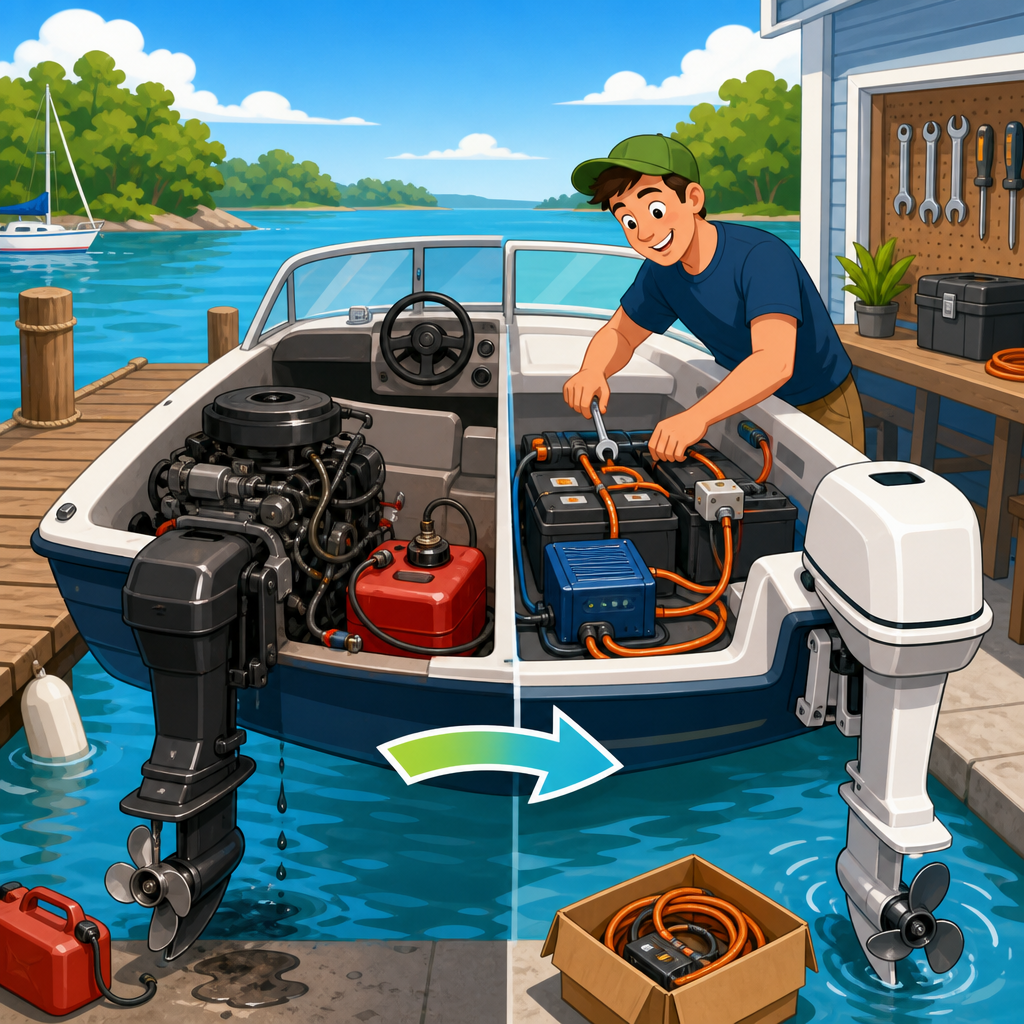
Other upgrades include reusable galley ware instead of disposable plastics, high-efficiency bilge absorbents, water-saving fixtures, and fuel-water separators in good condition. For some owners, the next step is propulsion transition: electric outboards for tenders and lake boats, hybrid systems for niche use cases, or newer low-emission combustion engines replacing obsolete ones. These changes are not equally practical for every vessel, but incremental upgrades still matter. The best return usually comes from improving the systems you use every trip, not chasing technology that does not fit your boating pattern.
10. Make sustainability part of crew culture every trip
The most reliable environmental gains come from routine, not one-off effort. Before departure, brief guests on trash handling, wildlife distance, head use, and spill prevention. Keep labeled bins and absorbent pads where people can see them. Build a post-trip checklist that includes checking the bilge for sheen, removing all waste, rinsing gear responsibly, and recording any maintenance issue that could cause pollution later. On charter boats and club boats, visible rules work because they remove ambiguity. People usually comply when expectations are simple and immediate.
Crew culture also shapes what happens at marinas and launch ramps. If experienced boaters normalize topping off fuel, blasting through no-wake zones, or tossing monofilament into dock bins, new boaters copy them. The opposite is also true. When skippers model patient fueling, pump-out use, shoreline respect, and invasive-species checks, these actions become standard seamanship. That is why this topic works well as a hub within eco-friendly and sustainable boating: every related practice, from clean marinas to efficient route planning, depends on boaters treating stewardship as part of competent operation.
Reducing your environmental impact while boating does not require perfection, and it does not require giving up performance, comfort, or adventure. It requires attention to the ten choices that matter most: maintain engines, run at efficient speeds, prevent fuel spills, use less toxic products, manage waste correctly, protect habitats, respect wildlife, stop invasive species, upgrade practical systems, and train everyone on board to follow through. These are the green boating practices for every boater because they apply across boat types, budgets, and waterways.
The main benefit is straightforward: cleaner boating is usually better boating. You spend less on fuel, avoid breakdowns and fines, protect the places you use, and leave a better experience for the next crew, angler, paddler, or family at anchor. Start with two or three habits this season, turn them into a checklist, and build from there. Small changes on one boat may seem modest, but repeated across thousands of outings, they make a visible difference on the water.
Frequently Asked Questions
1. What are the easiest ways to make boating more environmentally friendly without changing my entire routine?
The easiest place to start is with the small habits you repeat every trip, because those are the changes that create the biggest long-term results. Run your boat at an efficient cruising speed instead of constantly accelerating hard, since smooth throttle control reduces fuel burn and lowers emissions. Keep up with engine maintenance, including tune-ups, oil changes, and propeller checks, because a well-maintained boat operates cleaner and more efficiently. Avoid overloading the vessel with unnecessary gear, and plan routes in advance so you spend less time idling, circling, or backtracking. On board, switch to reusable water bottles, food containers, and cleaning cloths to cut down on plastic waste that can easily blow overboard. Use marina pump-out stations instead of discharging waste, and choose phosphate-free, biodegradable soaps for any necessary cleaning. Even simple decisions like securing trash, refueling carefully, and shutting off the engine instead of idling for long periods can significantly reduce your impact. The key is not perfection; it is consistency. A handful of practical choices made every outing can protect water quality, reduce fuel use, and make boating noticeably greener without taking away from the enjoyment of being on the water.
2. How does boat speed and engine use affect the environment?
Boat speed has a bigger environmental effect than many people realize. Higher speeds usually mean sharply higher fuel consumption, which increases exhaust emissions and operating costs at the same time. Rapid acceleration and running at full throttle for long stretches also create larger wakes, which can erode shorelines, disturb nesting areas, damage sensitive vegetation, and stress wildlife in shallow or narrow waterways. In many cases, a moderate cruising speed is the most efficient operating range for both fuel economy and reduced environmental disruption. Engine use matters just as much. Excessive idling wastes fuel, produces avoidable emissions, and can release pollutants into the water if the engine is not running cleanly. Poorly maintained engines may leak oil, burn fuel inefficiently, and produce more smoke and residue than necessary. Two boaters on the same route can have very different environmental footprints depending on how they handle throttle, idle time, and maintenance. If you want a practical rule, operate smoothly, avoid sudden power changes, and slow down near shorelines, wildlife areas, docks, and no-wake zones. This protects habitat, improves safety, and often gives you a quieter, more enjoyable ride.
3. What should I do to prevent pollution from fuel, oil, trash, and sewage while boating?
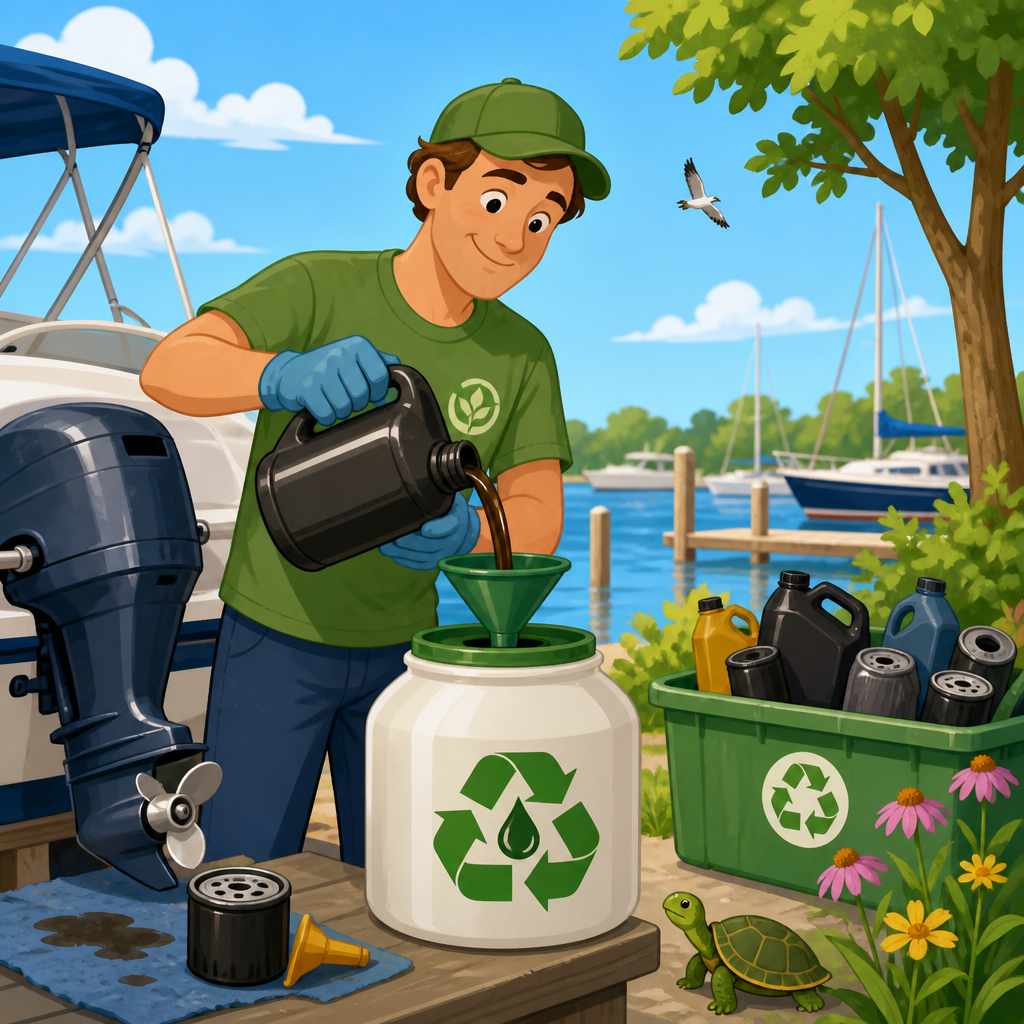
Preventing pollution comes down to careful handling, preparation, and using the right disposal systems. Start with fueling, because even small spills can spread quickly and harm aquatic life. Fill slowly, do not top off the tank, and use absorbent pads or rings around the fuel fill to catch drips. Check fuel lines, fittings, and the bilge regularly for leaks, and never ignore the smell of fuel. The bilge should be kept as clean and dry as possible, since oily water often ends up getting pumped overboard if it is allowed to collect. Store engine fluids securely and dispose of used oil, filters, coolant, and batteries through marina programs or approved recycling centers. For trash, bring more containment than you think you need. Use covered bins or secured bags so nothing blows into the water, and sort recyclables if facilities are available at your marina or launch site. Sewage management is equally important. Use onboard holding tanks properly and pump them out at designated stations instead of discharging waste into the water. If your boat has a marine sanitation device, make sure it is functioning correctly and legal for the area where you boat. Also be careful with soaps, detergents, and deck cleaners. Many common products contain chemicals that damage water quality, so use marine-safe, biodegradable options sparingly. Good pollution prevention is mostly about discipline: if it does not belong in the water, secure it, contain it, or dispose of it ashore.
4. How can boaters protect wildlife and sensitive habitats while still enjoying the water?
Protecting wildlife does not mean staying off the water; it means operating with awareness. Animals and habitats are often most vulnerable in shallow coves, marsh edges, seagrass beds, nesting shorelines, and quiet inlets where boat traffic can seem harmless but still cause real damage. One of the most important steps is to keep a respectful distance from birds, seals, dolphins, turtles, and other marine life. Chasing, circling, or approaching too closely can interrupt feeding, resting, breeding, and migration patterns. Slow down in habitat-rich areas, and watch for posted markers that identify no-wake zones, manatee areas, seabird nesting sites, or protected vegetation. Anchoring also deserves attention. Dropping anchor carelessly can scar seagrass, damage coral, and disturb bottom habitat, so use designated moorings whenever possible and choose sandy or durable bottoms if anchoring is necessary. Noise matters as well. Loud engines, generators, and sound systems can disturb both wildlife and other boaters seeking a natural experience. Another overlooked issue is transporting invasive species. Clean your hull, prop, trailer, anchor, and fishing gear so you do not move plants or organisms between waterways. The general principle is simple: enjoy nature without forcing it to react to you. When you boat quietly, slow down where appropriate, and avoid direct disturbance, you help preserve the very landscapes and wildlife that make boating worthwhile in the first place.
5. Why do small green boating habits matter so much if my single boat seems insignificant?
It is easy to assume one boat cannot make much difference, but marine environments are shaped by cumulative impact. A single bit of trash, a small fuel drip, an unnecessary wake, or a few extra gallons of fuel burned may seem minor in isolation. Multiply that by every trip, every weekend, every marina, and every season, and the effect becomes substantial. Shoreline erosion, water contamination, habitat disturbance, and unnecessary emissions often come from many small actions repeated over time, not only from major accidents or obvious pollution events. That is why everyday habits matter so much. A boater who maintains the engine, respects no-wake zones, avoids spills, pumps out waste properly, and reduces single-use plastics is lowering impact in several categories at once. Those choices also influence others. In practice, one environmentally responsible boat often leads to better habits among family, guests, dock neighbors, and even marina staff conversations about best practices. Green boating works because it is practical, repeatable, and scalable. You do not need a perfect vessel or expensive retrofit to make a meaningful difference. Consistent small improvements reduce strain on local waters, protect wildlife, and help preserve access and water quality for everyone. In boating, as in most environmental issues, the biggest results usually come from many people doing the simple things well and doing them often.