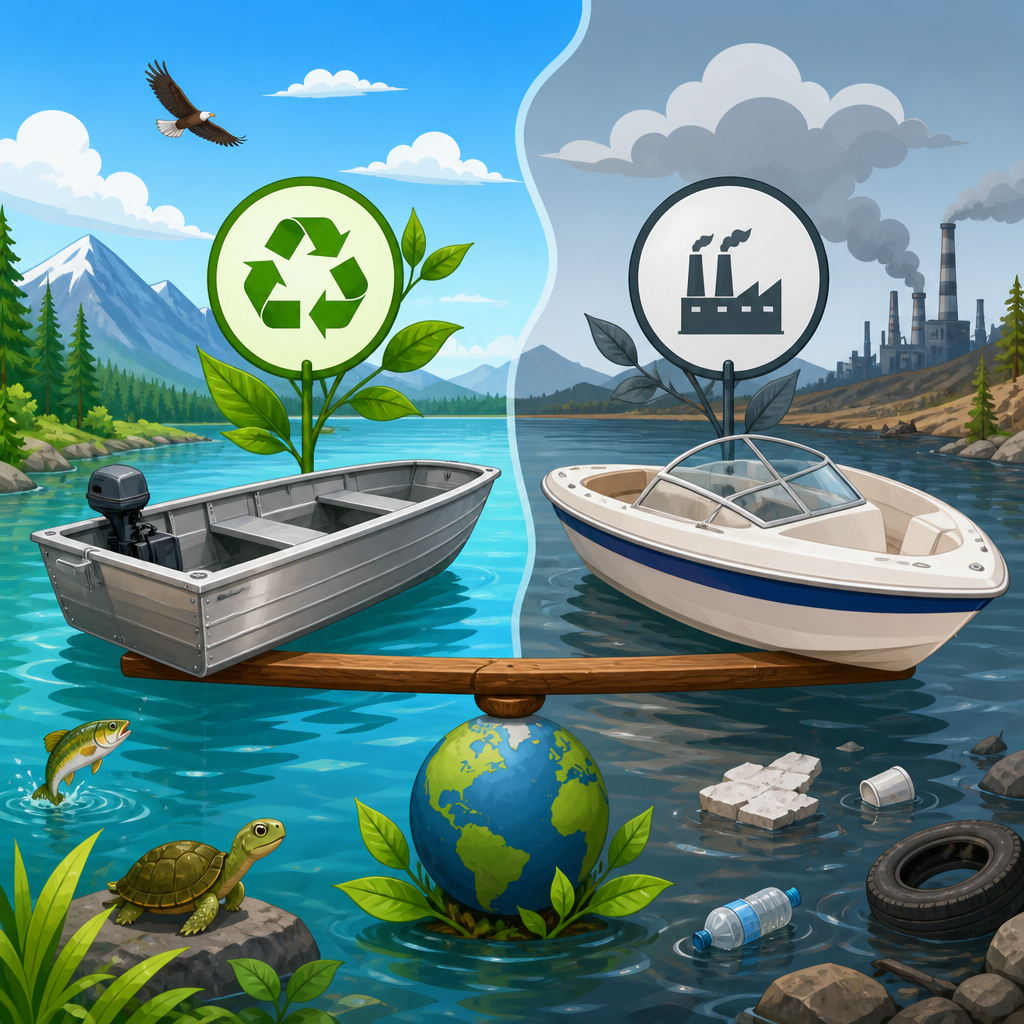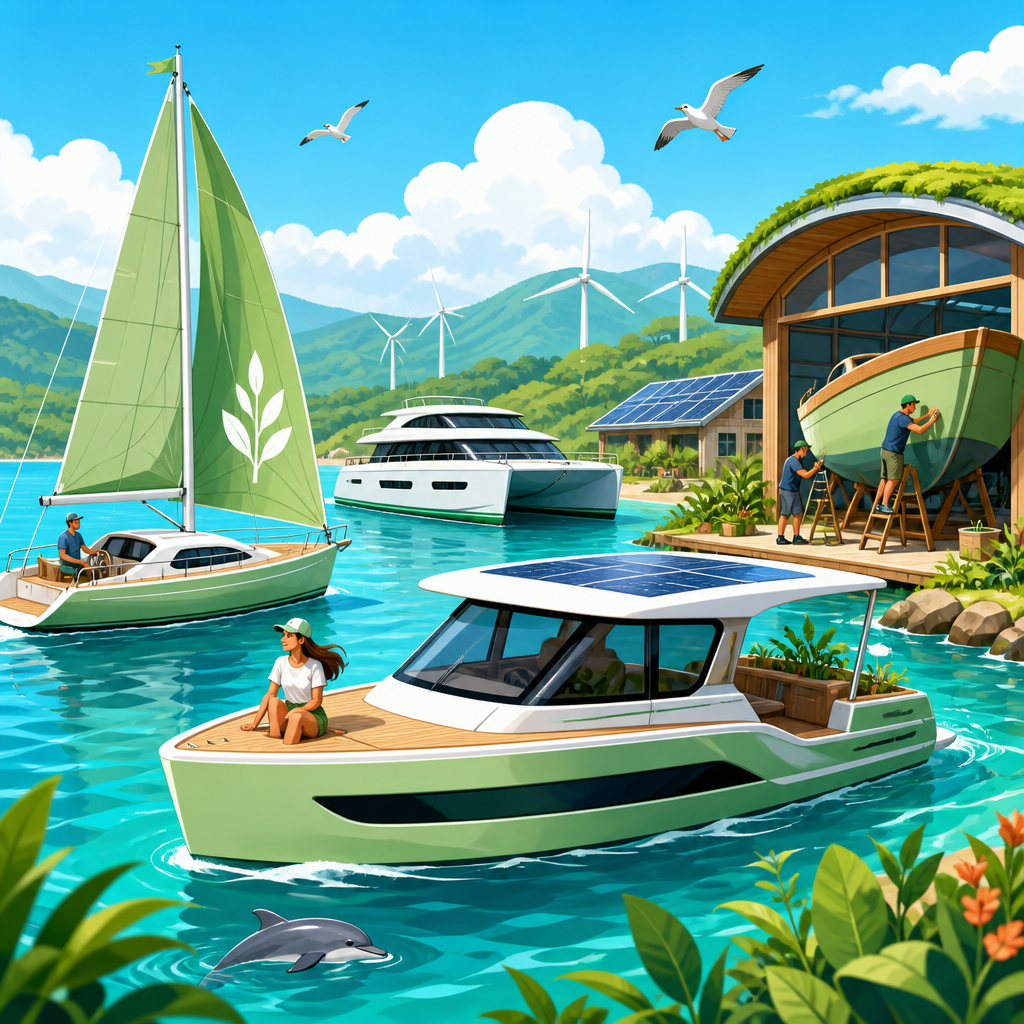
Planning an eco-friendly boating trip starts long before the boat leaves the dock. It begins with the choices you make about fuel, routes, waste, wildlife, gear, and onboard habits. In practical terms, eco-friendly boating means reducing pollution, protecting aquatic habitats, conserving fuel and water, and leaving shorelines cleaner than you found them. Sustainable boating is not limited to electric vessels or expensive retrofits. It applies to every boater, whether you run a fishing skiff, trailer a family pontoon, charter a sailboat, or spend weekends on a personal watercraft.
I have seen the difference that good planning makes. Boats that depart with secure waste systems, efficient loading, updated charts, and a realistic route use less fuel, create less wake damage, and generate fewer emergencies. Boats that are packed carelessly and operated without environmental awareness often burn extra fuel, disturb nesting areas, spill fluids at the ramp, and bring disposable clutter home as trash. That gap is why green boating practices matter. They protect waterways, reduce operating costs, and help marinas, fisheries, and recreation areas remain healthy enough to enjoy next season.
For most boaters, the goal is simple: enjoy the water with the lightest practical footprint. That means selecting lower-impact propulsion when possible, maintaining engines to manufacturer standards, preventing sewage and graywater discharge, choosing non-toxic cleaning products, anchoring responsibly, and respecting no-wake and no-go zones. It also means planning around weather and currents, because efficient passage is environmental stewardship in action. A well-planned eco-friendly boating trip is safer, cheaper, quieter, and better for the places that make boating worth doing in the first place.
Start With Trip Design: Boat Choice, Route, and Timing
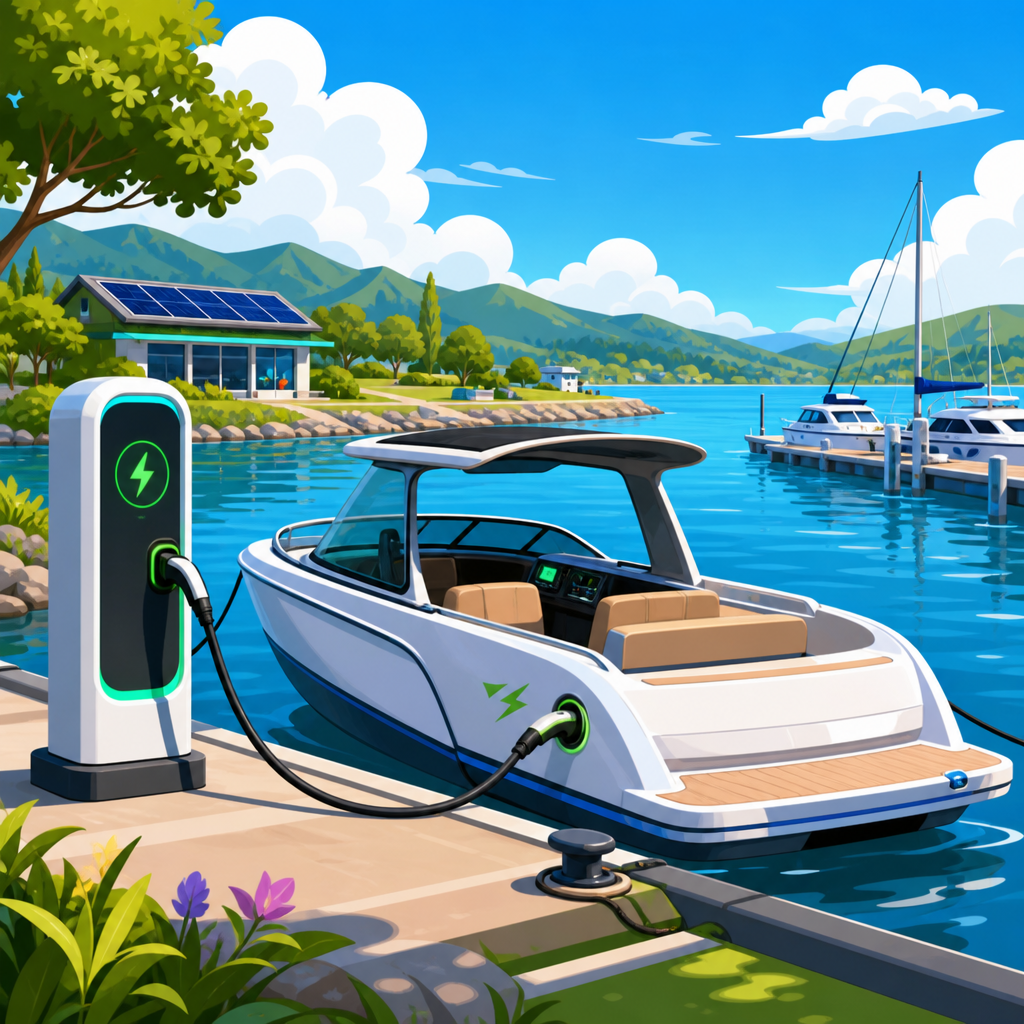
The cleanest boating decision is often made before launch day. Match the trip to the boat instead of forcing the boat into an inefficient job. For a short lake outing, a lightweight skiff, sailboat, paddlecraft, or electric pontoon usually has a lower impact than a large twin-engine cruiser carrying unnecessary fuel and gear. If you rent or charter, ask about four-stroke outboards, direct-injection engines, electric propulsion, shore power capability, and whether the operator follows clean marina or pump-out standards. These details affect emissions, fuel consumption, and spill risk.
Route planning is equally important. On coastal runs, I plan around tide windows and prevailing winds because current-assisted travel reduces throttle demand. On inland lakes and rivers, avoiding repeated high-speed crossings saves fuel and reduces shoreline erosion from wake. Use updated charts from NOAA or your local hydrographic authority, review restricted habitat areas, and identify pump-out stations, trash facilities, and no-wake zones in advance. Smart route design also reduces idling time, which is one of the least efficient operating states for many gasoline engines.
Timing matters more than many recreational boaters realize. Launching during less congested periods reduces time spent waiting at ramps and marinas with engines running. It also lowers collision risk and cuts wake stacking in narrow channels. Seasonal timing matters too. Many waterways have bird nesting closures, manatee speed restrictions, seagrass protection zones, or fish spawning protections. Respecting those rules is not optional housekeeping. It is core trip planning for anyone serious about eco-friendly boating.
Prepare the Boat to Prevent Pollution Before It Starts
Most boating pollution comes from routine neglect, not dramatic accidents. Small fuel drips, chronic oil seepage, overfilled portable tanks, cracked fuel lines, and poorly stored chemicals do steady harm. Before any trip, inspect the bilge for sheen, check hose clamps, confirm the fuel vent is clear, and verify that absorbent pads are in place where minor drips could occur. A clean, dry bilge is one of the simplest indicators of a well-maintained, lower-impact boat.
Engine maintenance has a direct environmental payoff. Properly tuned engines burn fuel more completely and emit fewer hydrocarbons and particulates. Replace worn spark plugs, change filters on schedule, use manufacturer-specified oil, and address smoky starts instead of normalizing them. If you own an older carbureted two-stroke, understand that it generally emits more unburned fuel than a modern four-stroke or direct-injection alternative. Upgrading may be a major expense, but over time it can reduce fuel use, smoke, and water contamination substantially.
Hull condition matters too. A fouled hull increases drag, which means more throttle for the same speed. Keep the bottom clean, and if antifouling paint is necessary, choose products suited to your waters and follow application and disposal rules carefully. Copper-based coatings can be effective, but they are not impact-free. In some marinas and enclosed waters, lower-toxicity coatings or non-biocide foul-release systems are the better option. The point is not to treat maintenance as cosmetic. It is a pollution-prevention system.
Run Efficiently: Fuel, Speed, and Operating Habits
One of the most practical green boating practices for every boater is operating at efficient speed. On planing hulls, there is usually a sweet spot where the boat is fully on plane without excessive bow rise or throttle. That zone often delivers the best miles per gallon. Constant hard acceleration, unnecessary wide-open throttle runs, and prolonged idling waste fuel and increase emissions. If your boat has fuel-flow data through NMEA 2000 displays, use it. If not, track burn manually and build your own baseline by speed and sea state.
Trim is another overlooked factor. Proper engine trim and balanced loading reduce drag, improve visibility, and lower fuel consumption. Distribute passengers and gear evenly, keep heavy equipment low and centered, and remove items that are not needed for the trip. I routinely see boats carrying extra anchors, duplicate coolers, and waterlogged gear all season. That weight costs fuel every mile. Efficient boating is not about going slow all the time. It is about matching speed to conditions, hull design, and safety while avoiding wasted energy.
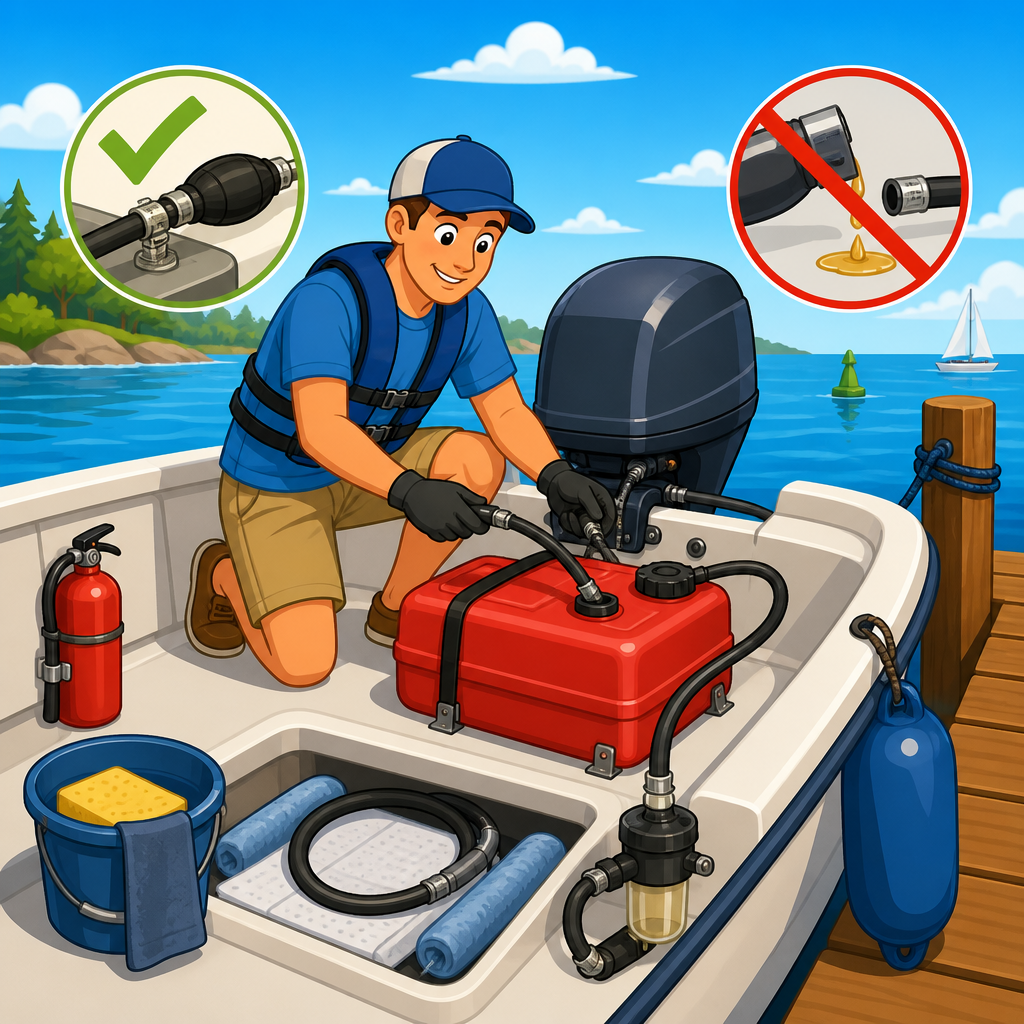
Dockside fueling requires discipline. Never top off to the point of overflow, especially on hot days when fuel expands. Listen to the tank, fill at a controlled rate, and keep absorbent materials ready. The U.S. Environmental Protection Agency and many state agencies repeatedly note that small spills at marinas add up quickly because hydrocarbons spread into a surface sheen and affect water quality. Good fueling practice is one of the highest-value habits in sustainable boating.
Manage Waste, Water, and Onboard Supplies Responsibly
Trash control sounds basic, but it separates genuinely eco-friendly boaters from people who simply like the label. Every item brought aboard should have a storage plan and a disposal plan. Secure a lidded container for recyclables, another for landfill waste, and reusable food containers to reduce packaging. Single-use plastics are especially problematic around marinas and launch ramps because lightweight wrappers and bottles blow overboard easily. A packed lunch in reusable containers is not a symbolic gesture. It directly reduces the most common form of visible litter.
Human waste management is even more important. If your boat has a marine sanitation device, know which type it is and where discharge is legal or prohibited. In no-discharge zones, use pump-out facilities without exception. Portable toilets must be emptied only at approved dump stations or marina services. Never improvise. Sewage introduces pathogens and nutrients that contribute to algal growth and degraded swimming conditions. Graywater can also matter, especially from soaps and food residue. Use phosphate-free, biodegradable products, and minimize dishwashing discharge in sensitive waters.
Freshwater use deserves planning too. Carry only what you need, fix leaks in washdown and galley systems, and use refillable jugs instead of disposable bottled water. Cleaning products should be marine-safe and used sparingly. “Biodegradable” does not mean harmless in concentrated form, and it does not justify direct release into the water. The best practice is simple: contain waste, minimize chemicals, and dispose of everything ashore through the proper facility.
Protect Wildlife, Habitat, and Shorelines
Boaters shape ecosystems through wake, noise, propeller strikes, and anchoring pressure. The most visible damage often comes from shoreline erosion and habitat scarring. Excessive wake in narrow canals, marsh edges, and small coves undercuts banks, uproots vegetation, and disturbs docks and moorings. Following no-wake zones is not only about courtesy and enforcement. It protects nursery habitats for fish, amphibians, and birds. In seagrass areas, prop scarring can persist for years, so use marked channels, pole through skinny water when appropriate, or avoid entry altogether.
Anchoring deserves the same care. Choose sand or mud bottoms when possible, avoid coral, submerged vegetation, and shellfish beds, and use mooring buoys where provided. Many popular destinations now install mooring fields precisely because repeated anchoring damages the bottom. If you are unsure what lies below, check charts, local guidebooks, or water clarity before dropping the hook. Responsible anchoring is one of the clearest examples of low-cost, high-impact stewardship.
Wildlife viewing should be passive. Keep legal distances from marine mammals, birds, and hauled-out seals where applicable, and never use the boat to chase a photo. Slow down when animals are nearby, particularly in manatee zones or where turtles surface unpredictably. Sound carries differently over water, so loud music and repeated close passes can stress wildlife even without contact. A memorable boating trip should leave no sign that you were there.
Choose Better Gear, Marinas, and Boating Routines
Eco-friendly boating is easier when your equipment and service network support it. Favor reusable dock lines protectors, refillable water bottles, durable fenders, LED lighting, solar battery maintenance chargers, and long-life safety gear from reputable brands. For cleaning, use concentrated marine products with clear ingredient disclosure rather than harsh degreasers of unknown composition. Batteries, used oil, expired flares, and old electronics all require proper disposal through marina programs, county hazardous waste sites, or marine retailers that accept returns.
Where you keep and service the boat matters. Marinas participating in clean marina programs generally provide spill kits, pump-out access, recycling, and stormwater controls. Ask how they handle bottom washing, wastewater capture, and hazardous materials. A marina that treats environmental management seriously usually also has better operational discipline overall. The same logic applies to haul-out yards and mobile mechanics. Competent service reduces the risk of chronic leaks, improper paint handling, and careless waste disposal.
| Boating decision | Lower-impact choice | Why it works |
|---|---|---|
| Trip propulsion | Sail, paddle, or electric for short routes | Reduces fuel burn, exhaust, and noise |
| Engine care | Scheduled tune-ups and clean bilge checks | Cuts emissions and prevents oily discharge |
| Fueling | Controlled fill with absorbent pads ready | Prevents sheen-forming spills at the dock |
| Waste handling | Reusable containers and pump-out use | Reduces litter and sewage pollution |
| Anchoring | Mooring buoy or sand-bottom anchoring | Avoids coral, grass, and habitat damage |
| Route selection | Marked channels and no-wake compliance | Protects shorelines and sensitive species |
Daily routines lock these choices into habit. Do a pre-departure walkaround, verify nothing can blow overboard, store lines and trash securely, and assign someone to monitor wildlife and depth in sensitive areas. On return, remove waste, rinse with minimal water, and log any maintenance issue immediately. Sustainability is not one grand gesture. It is the result of repeatable decisions made correctly every trip.
Build an Eco-Friendly Boating Checklist You Will Actually Use
The best green boating plan is one simple enough to repeat. Create a checklist that covers maintenance, fueling, route review, waste storage, sanitation, wildlife rules, and post-trip disposal. Keep it on your phone or laminated at the helm. Include local essentials such as pump-out locations, no-discharge zones, invasive species inspection rules, and emergency spill reporting numbers. If you trailer between lakes or watersheds, add a clean-drain-dry step to prevent spreading invasive species such as zebra mussels, Eurasian watermilfoil, or quagga mussels.
If you boat with guests, brief them. Explain where trash goes, why some areas are off-limits, why you are slowing for marsh edges, and why nothing is thrown overboard, including food scraps, fishing line, or cigarette butts. People generally cooperate when expectations are clear. Families can turn this into a positive routine by assigning roles: one person checks reusable water bottles, another verifies the waste bag, another confirms the charted route and no-wake areas. Shared responsibility works.
An eco-friendly boating trip does not require perfection. It requires intention, preparation, and steady improvement. Start with the biggest wins: maintain the engine, fuel carefully, reduce disposables, use pump-out services, respect habitat, and operate efficiently. Then build from there with smarter gear, cleaner marinas, and better route planning. Those actions lower costs, reduce environmental damage, and make every trip more competent from dock to destination. Before your next outing, review your setup and choose three upgrades you can put into practice immediately.
Frequently Asked Questions
What makes a boating trip eco-friendly in the first place?
An eco-friendly boating trip is defined by the choices you make before, during, and after time on the water. At its core, sustainable boating means minimizing harm to waterways, shorelines, fish, birds, and marine habitats while still enjoying the trip responsibly. That includes reducing fuel use, preventing oil or chemical leaks, managing trash and sewage properly, choosing reusable supplies, respecting no-wake and wildlife protection zones, and avoiding behaviors that stir up sediment or damage vegetation. It is not limited to people who own electric boats or have invested in major upgrades. Even small actions, such as planning a shorter route, packing refillable water bottles, checking the engine for leaks, and using non-toxic cleaning products, can significantly lower your environmental impact.
Eco-friendly boating also involves thinking beyond the vessel itself. The launch site you choose, the way you dispose of waste, the products you bring onboard, and how closely you approach sensitive habitats all matter. A responsible boater aims to leave the area better than they found it, or at minimum unchanged. That mindset turns sustainability into a practical routine rather than a special project. In other words, eco-friendly boating is less about perfection and more about consistent decisions that reduce pollution, conserve resources, and protect the places people go boating to enjoy.
How can I reduce fuel use and emissions when planning my route?
Fuel efficiency starts with trip planning. One of the easiest ways to lower emissions is to create a direct, realistic route that avoids unnecessary detours, excessive idling, and high-speed travel for long stretches. Study charts, tides, weather forecasts, currents, and marina locations in advance so you can travel more efficiently and safely. If wind, current, or tide can help you rather than work against you, plan around them. A well-timed departure can reduce engine strain and save a surprising amount of fuel over the course of a day or weekend trip.
Boat speed also has a major effect on fuel consumption. Running at maximum throttle is rarely the most efficient option. Many boats have a cruising speed that provides the best balance of performance and fuel economy, so it is worth learning where that range is for your vessel. Keeping the hull clean, reducing excess onboard weight, maintaining proper engine tune-ups, and checking propeller condition can all improve efficiency as well. If your boat is carrying gear you do not need, you are burning more fuel than necessary. Smart packing, good maintenance, and moderate speed are some of the most practical ways to boat more sustainably without changing your entire setup.
If you are renting or upgrading, you can also look for cleaner propulsion options such as newer low-emission outboards, hybrid systems, or electric motors where appropriate. But even with a conventional engine, route discipline and maintenance habits make a measurable difference. The most sustainable trip is often the one that uses the least fuel while still meeting your safety needs and allowing you to enjoy the water responsibly.
What should I pack to cut down on waste and pollution onboard?
A low-waste boating kit starts with reusables. Bring refillable water bottles, insulated drink containers, washable food containers, cloth towels, and reusable cutlery instead of disposable plastic items. Pre-portion snacks and meals at home to reduce packaging, and choose foods that do not create excessive wrappers or single-use waste. It is also smart to pack clearly labeled trash and recycling bags so nothing blows overboard or gets mixed together. Waste tends to spread quickly on a boat if it is not contained, so having a simple system in place makes cleanup much easier.
Beyond food and drink supplies, your gear choices matter too. Use reef-safe or water-friendly sunscreen where appropriate, biodegradable soap only when local rules and conditions allow, and non-toxic cleaning products designed for marine use. Keep absorbent pads onboard in case of minor fuel or oil drips, and never rinse chemicals, paint residue, or contaminated water into the lake, river, or ocean. If your boat has a head, make sure you understand pump-out procedures before leaving the dock. Sewage management is a major part of responsible boating, and planning ahead prevents last-minute decisions that can damage water quality.
You should also pack with wildlife and habitat protection in mind. Avoid loose plastic bags, fishing line scraps, six-pack rings, and lightweight materials that can blow away and entangle animals. Bring a small container for cigarette butts if anyone onboard smokes, and secure all gear so it stays in the boat even if conditions get rough. The best packing strategy is simple: bring only what you need, store it securely, and make it easy to carry every piece of waste back to shore for proper disposal.
How do I protect wildlife and sensitive habitats during a boating trip?
Protecting wildlife begins with awareness. Before your trip, learn whether the area includes seagrass beds, marsh edges, nesting zones, shellfish areas, manatee or whale slow-speed zones, or other protected habitats. These places can be easily damaged by propellers, anchors, wakes, noise, and close approach. Once you are on the water, obey posted speed restrictions and no-wake zones, not just for safety but because excessive wake can erode shorelines, disturb nesting birds, and stress animals that depend on calm shallows. Slowing down in sensitive areas is one of the simplest and most effective conservation actions a boater can take.
Anchoring practices are equally important. Drop anchor only in appropriate bottom types and avoid vegetation, coral, and fragile habitat whenever possible. In popular or protected areas, use designated mooring buoys if they are available instead of anchoring. When observing wildlife, keep a respectful distance and resist the urge to follow, feed, or surround animals for photos. Feeding wildlife changes natural behavior, increases human dependence, and can create safety issues for both animals and boaters. Quiet observation is usually the most responsible and most rewarding approach.
It also helps to think about the less visible impacts of boating. Shallow-water operation can scar underwater vegetation, prop wash can stir up sediment, and repeated disturbance in one cove or shoreline can alter animal use of the area over time. If you fish, collect all line, hooks, and bait packaging before leaving. If you bring pets, prevent them from trampling dunes or disturbing birds near shore. Eco-friendly boating means treating the waterway like a shared habitat, not just a recreation space, and adjusting your behavior so your presence does not disrupt the ecosystem.
What are the best onboard habits for leaving shorelines and waterways cleaner than I found them?
The best onboard habits are the ones that become automatic. Start by adopting a strict nothing-overboard rule for every passenger, including food scraps, biodegradable items, fishing line, and cigarette butts. Many people assume small or natural items will harmlessly disappear, but even organic waste can attract wildlife, alter local conditions, or contribute to litter problems. Keep a dedicated bag or bin within easy reach so everyone has a clear place to put trash immediately. When the system is convenient, people are far more likely to follow it consistently.
Clean boating habits also include preventing spills and leaks. Fuel carefully, avoid topping off tanks, wipe up drips immediately, and check the bilge regularly to make sure it is free of oil, fuel sheen, or chemical contamination. Never discharge contaminated bilge water. Use shore facilities for sewage pump-out and waste disposal whenever available, and clean the boat with as little soap and freshwater as possible. Conserving water matters too, especially on longer trips or in marinas and regions where water resources are limited.
If you want to go a step further, make cleanup part of the trip. Bring gloves and a spare bag so you can safely remove a small amount of floating or shoreline litter if conditions allow. Many boaters build a habit of picking up debris at anchorages, launches, or beaches they visit. That kind of stewardship has a direct impact and sets a strong example for others onboard, especially children or new boaters. Ultimately, leaving shorelines cleaner than you found them comes down to discipline, preparation, and respect. Good habits protect the places you enjoy and help keep boating sustainable for everyone who uses the water.