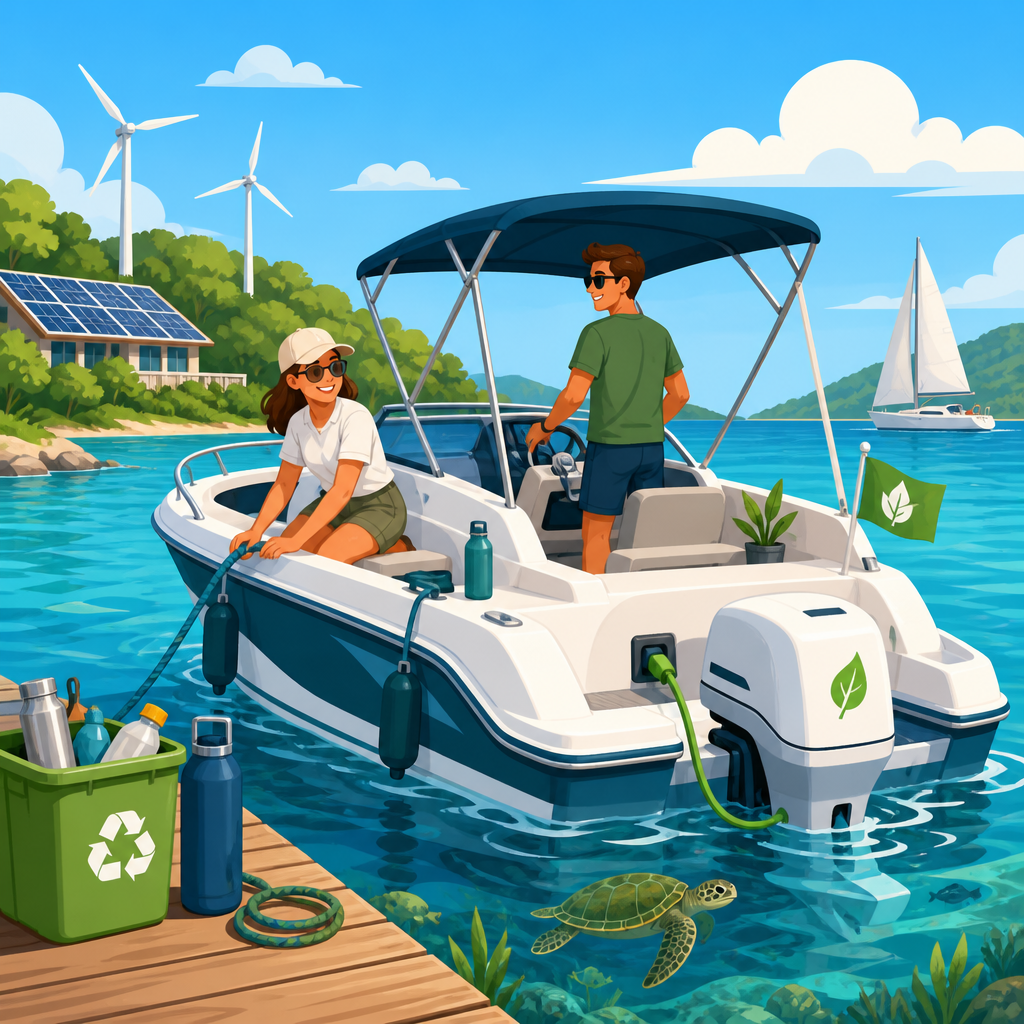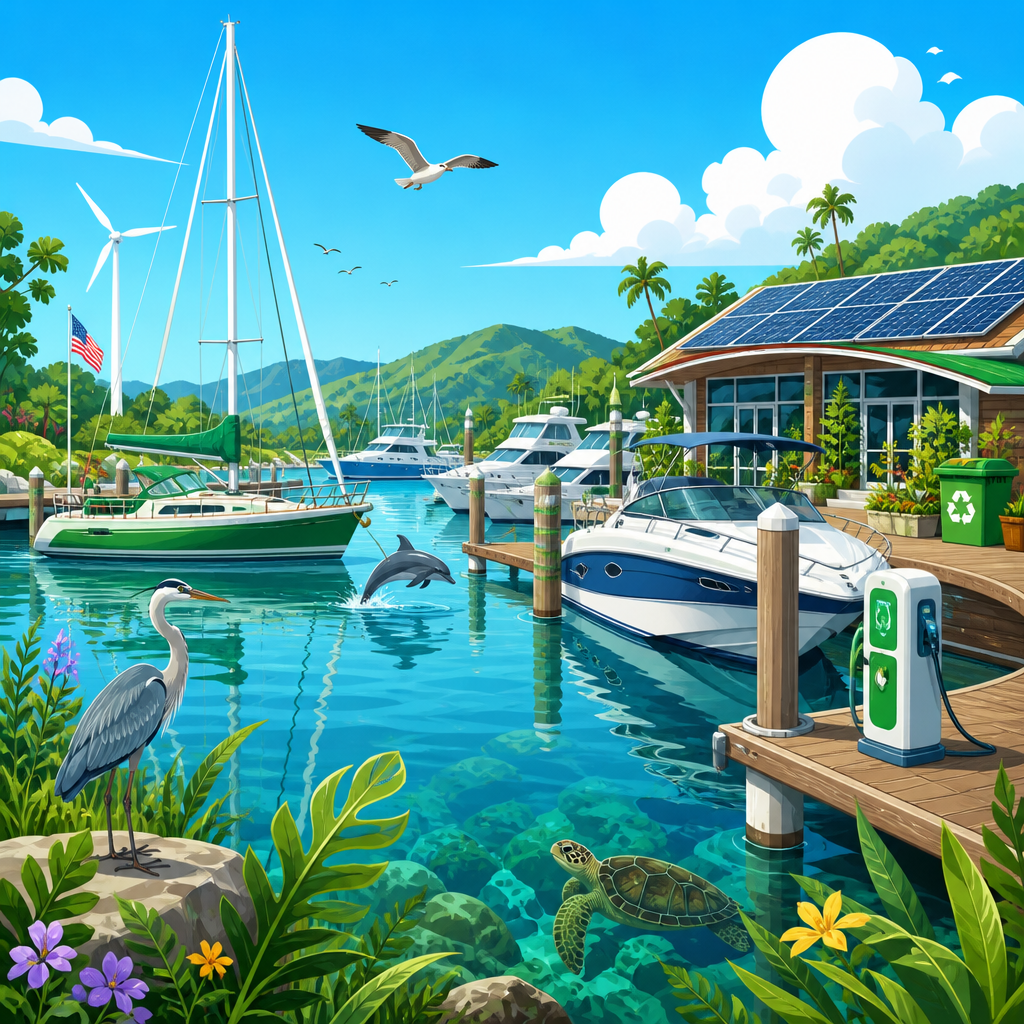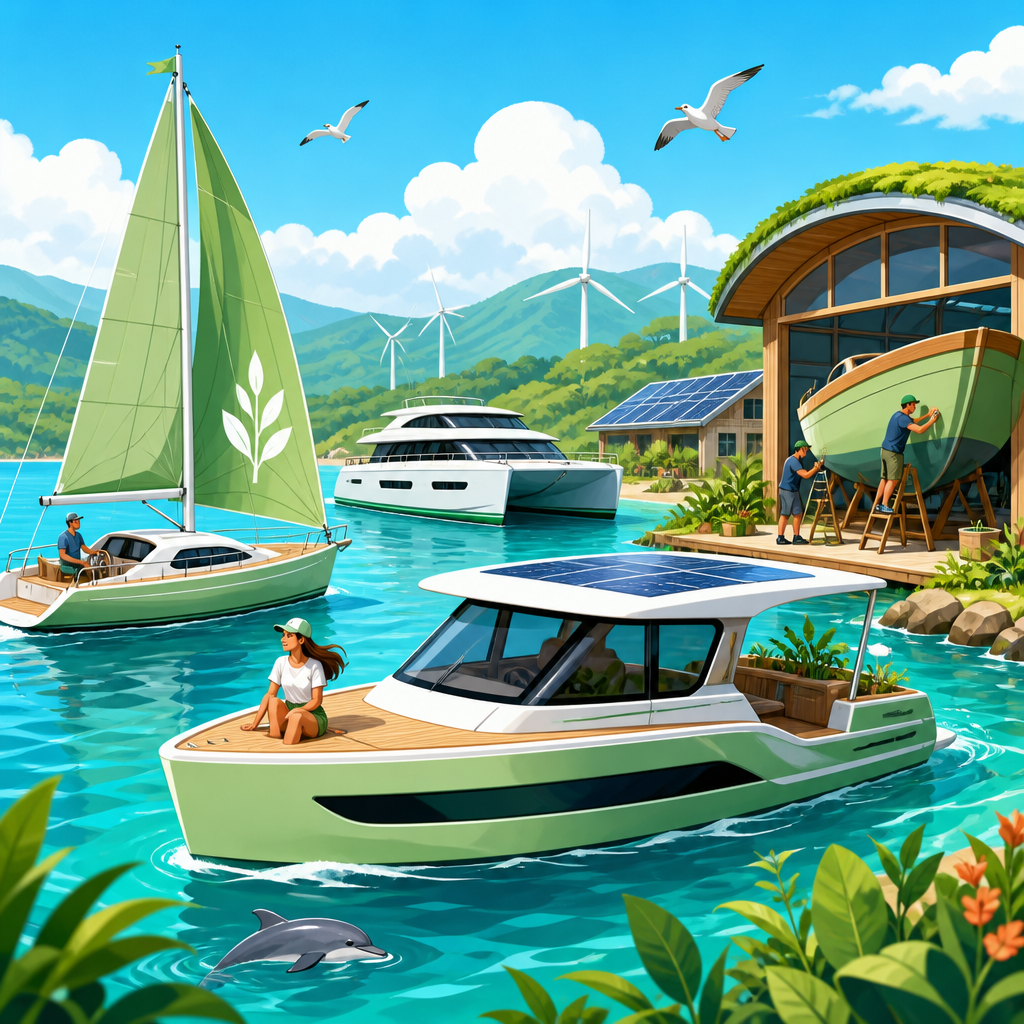
Eco-friendly boat builders and brands are reshaping marine manufacturing by reducing emissions, cutting waste, and designing vessels that perform well without relying on outdated, resource-intensive methods. In practical terms, sustainable boat design means using lower-impact materials, cleaner propulsion, efficient hull forms, and production processes that minimize pollution across the boat’s full life cycle. When I evaluate a builder’s sustainability claims, I look beyond marketing language and focus on measurable factors: recycled or bio-based content, electric or hybrid integration, responsible composites, repairability, end-of-life planning, and compliance with marine standards such as ISO systems, ABYC guidance, and lifecycle assessment principles. This matters because recreational boating has traditionally depended on fiberglass, solvent-heavy resins, diesel propulsion, and manufacturing waste streams that are difficult to recover. As regulations tighten, fuel costs fluctuate, and buyers ask harder questions about environmental impact, the best eco-friendly boat brands are setting a new benchmark for what modern boatbuilding should look like. This guide serves as a hub for sustainable boat design and materials, helping readers understand the leading builders, the technologies behind them, and the tradeoffs that separate genuinely greener boats from superficial claims.
What Makes a Boat Builder Truly Eco-Friendly
A boat builder earns the eco-friendly label when sustainability is built into design, sourcing, manufacturing, operation, and service life rather than added as a single premium feature. In yard audits and product reviews, the strongest indicators are straightforward. First, the builder reduces operational emissions through electric propulsion, hybrid systems, light displacement engineering, or highly efficient hull geometry. Second, it addresses embodied impact by selecting recyclable aluminum, responsibly sourced timber, cork decking, recycled PET core materials, natural fibers such as flax, and lower-VOC resin systems where performance allows. Third, it manages waste with closed-mold infusion, resin control, digital cutting plans, renewable energy at the yard, and traceable suppliers.
The fourth marker is durability. A sustainable boat that delaminates early or becomes technologically obsolete in five years is not sustainable in any serious sense. Builders that use modular battery bays, serviceable systems, standardized fittings, and upgrade paths reduce whole-life impact because owners can maintain and modernize the boat instead of replacing it. Fifth, the brand should be transparent. Credible companies publish material data, battery chemistry information, expected range under different loads, and realistic charging requirements. They do not imply that electric propulsion is universally superior for every cruising profile. For example, short-hop inland boating, harbor workboats, and day cruisers are strong electric use cases, while long-range offshore passagemaking still often requires hybridization or efficient conventional support systems.
Finally, the best sustainable boat builders connect design choices to actual user behavior. A fast electric runabout used for one-hour lake outings can be a better environmental fit than an underused diesel cruiser sitting in a marina year-round. Likewise, a robust aluminum expedition craft may outperform a composite alternative over decades because it is repairable and widely recyclable. The core question is always the same: does the brand reduce total impact without compromising safety, seaworthiness, and owner usability?
Leading Eco-Friendly Boat Builders and Brands to Know
Several boat builders stand out because they pair strong engineering with credible sustainability choices. Candela is one of the clearest examples. Its electric hydrofoiling boats dramatically reduce drag by lifting the hull above the water at speed, which lowers energy use and extends range compared with conventional electric planing craft. That design choice is not cosmetic; it solves one of the main constraints in electric boating, which is battery weight versus usable distance. Candela has also pushed electric ferries into commercial service, showing that sustainable marine design is not limited to luxury leisure boats.
X Shore is another important brand in the electric segment. The company combines electric propulsion with Scandinavian minimalism, recycled materials, and digital monitoring that helps owners understand energy consumption in real time. In practice, that feedback loop matters because operators drive more efficiently when they can see how speed changes range. Silent Yachts has built a strong reputation around solar-assisted electric catamarans. Its approach is especially relevant for sustainable cruising because catamarans offer large roof areas for photovoltaic panels, excellent efficiency at displacement speeds, and enough volume for meaningful battery capacity. Solar alone will not power all onboard needs in every climate, but integrated generation reduces generator dependence substantially.
Among established production brands, Greenline Yachts deserves attention for mainstreaming hybrid and efficient cruising concepts. Greenline focused early on practical owner use, combining efficient hulls, solar support, and hybrid drivetrains that fit real weekend and coastal cruising patterns. On the sailing side, brands including Excess, Lagoon, and Beneteau have explored recycled materials, lower-impact components, and energy-management improvements, though progress varies by model line. Arc Boats has entered the market with high-performance electric recreational boats, showing how software, torque delivery, and integrated systems can make electric boating attractive beyond purely environmental motivations.
There are also builders whose sustainability story centers more on materials and longevity than propulsion alone. Aluminum specialists, custom timber-epoxy yards using certified wood, and smaller Nordic builders experimenting with flax reinforcement or recycled cores all contribute meaningful advances. The best eco-friendly boat brands are not identical; some lead in electrification, some in recyclable structure, and others in low-waste production. Buyers should compare each brand based on intended use rather than assuming one technology wins in every category.
Sustainable Boat Design and Materials That Matter Most
Sustainable boat design starts with the hull and the laminate schedule because those choices determine weight, efficiency, strength, maintenance profile, and end-of-life options. Traditional fiberglass reinforced with polyester resin became dominant because it is affordable and durable, but disposal remains a major challenge. That is why material innovation matters. Recycled aluminum is one of the strongest options for certain vessel types because it is highly recyclable, durable, and repairable, though its production can be energy intensive if not sourced from recycled feedstock. Marine-grade aluminum also excels in commercial craft, patrol boats, and expedition designs where robustness and long service life offset initial embodied impact.
In composites, the most meaningful improvements come from resin infusion, recycled PET foam cores, thermoplastic composites, bio-based resins, and natural fiber reinforcement in noncritical or semi-structural areas. Flax fiber is increasingly used for interior panels, deck components, and selected composite parts because it reduces reliance on glass fiber and can damp vibration well. Cork decking is replacing synthetic teak or tropical hardwood in many applications because it offers grip, thermal comfort, and renewability. Responsibly sourced timber remains viable for interiors and specialty construction when certification and durability are taken seriously. The problem is not wood itself; the problem is untraceable sourcing and short-lived applications.
Hydrodynamics are just as important as material selection. A narrow displacement hull, a well-designed catamaran, or a hydrofoiling platform can cut required propulsion energy far more than a token eco material applied to an inefficient hull. In my experience, owners often underestimate this. They ask about solar panels before asking how many kilowatt-hours per nautical mile the boat actually needs. Efficient design always comes first. Weight control, clean appendages, optimized propellers, and smart onboard energy systems usually deliver larger real-world gains than decorative sustainability add-ons.
| Design choice | Main sustainability benefit | Best fit | Key limitation |
|---|---|---|---|
| Electric propulsion | Zero exhaust emissions at point of use, low noise, high drivetrain efficiency | Day boats, inland craft, ferries, short coastal use | Range and charging constraints |
| Hybrid propulsion | Lower fuel burn with flexible range and redundancy | Coastal cruisers, passagemaking support, mixed-use vessels | Added system complexity and cost |
| Recycled aluminum | High recyclability, long life, strong repairability | Workboats, expedition craft, utility boats | Higher upfront cost, corrosion management needed |
| Recycled or bio-based composites | Reduced virgin material use and lower process emissions | Production boats, interiors, selective structural parts | Material performance varies by application |
Electric, Hybrid, and Low-Impact Propulsion by Boat Type
The best propulsion system depends on how the boat is used, not on ideology. Electric boats are most compelling when daily operating patterns are predictable, charging access is reliable, and silence has clear value. Lake boats, tender fleets, water taxis, harbor patrol craft, and premium day boats fit that profile well. Torque is immediate, maintenance is reduced because there are fewer moving parts, and the onboard experience is quieter and cleaner. Owners who return to the same dock after each use can treat charging much like electric car ownership.
Hybrid propulsion works better when range flexibility is nonnegotiable. Parallel and serial hybrid architectures each have use cases, but the central benefit is operational adaptability. A cruiser can maneuver in marina zones under electric power, run hotel loads more cleanly at anchor, and rely on combustion support for longer passages. This is why brands such as Greenline gained traction: the system aligns with actual cruising behavior rather than idealized conditions. Hydrogen and methanol receive attention in commercial shipping and demonstration projects, but for small recreational boats they remain limited by storage, cost, infrastructure, and system complexity.
Low-impact propulsion also includes simple efficiency upgrades that many owners overlook. A highly optimized diesel in a light, slippery hull can outperform a heavier, poorly matched hybrid boat in total lifecycle impact, especially where renewable electricity is scarce. Propeller matching, shaft angle, hull cleanliness, and battery management software all affect real efficiency. Regenerative charging under sail has become more common on electric and hybrid sailboats, but results depend heavily on boat speed and drive configuration. There is no universal propulsion answer. The right question is which system reduces environmental impact for the intended duty cycle while preserving reliability and safety margins.
How to Evaluate Green Claims When Comparing Boat Brands
Green claims in boating deserve scrutiny because the industry is still unevenly regulated in how sustainability is presented. Start with the bill of materials. Ask what percentage of recycled or renewable content is actually in the hull, deck, interior, wiring, upholstery, and decking. Ask whether the core is recycled PET, whether wood is FSC certified, whether the builder uses epoxy, vinylester, or bio-based resin systems, and whether volatile organic compound reduction is verified through closed-mold production. Specific answers are a good sign; vague language is not.
Next, ask for operating data in plain numbers. What is the range at 5, 15, and 25 knots? What is the energy use in kilowatt-hours per nautical mile? How long does charging take on shore power versus fast charging? What happens to range in cold weather, rough water, or with a full passenger load? Reliable builders provide curves, not just headline figures. Battery warranties, thermal management strategy, and service network depth matter as much as top speed. I also look at repair policy. Can a damaged battery module be replaced individually? Are electronic systems proprietary? Is remote diagnostics available?
Manufacturing practices should be part of the comparison too. Some of the best builders use digital nesting to reduce material offcuts, renewable electricity in the yard, and formal environmental management systems. End-of-life planning is another differentiator. Aluminum boats have a clear recycling pathway. Composite boats are harder, although cement co-processing, thermal recovery, and emerging composite recycling methods are improving the picture. A trustworthy eco-friendly boat brand will acknowledge these limitations rather than pretending every component is circular today. That honesty usually signals a builder worth taking seriously.
The Future of Sustainable Boat Building
The future of sustainable boat building will be shaped by better batteries, smarter hulls, cleaner composite chemistry, and stronger pressure from buyers, marinas, insurers, and regulators. Battery energy density is improving gradually, but the more immediate gains will likely come from software-led efficiency, lighter structures, and charging ecosystems designed specifically for marinas and commercial docks. Hydrofoils, surface-piercing efficiency concepts, and advanced displacement hulls will expand because reducing drag is still the fastest route to lower energy demand.
Material science is also moving quickly. Thermoplastic composites offer promising repair and recycling advantages compared with traditional thermoset laminates, though cost and process adaptation remain barriers. Natural fibers will continue growing in interiors and selected structures, especially where vibration damping and lower embodied carbon are valuable. Expect more builders to publish lifecycle assessments and supplier traceability as larger marine groups standardize reporting. Refit will become part of the sustainability conversation as well. Converting existing boats with electric auxiliary systems, modern batteries, efficient motors, and lighter hotel loads can reduce impact more effectively than building new for some owners.
The key trend is maturity. Sustainable boating is moving past novelty and into engineering discipline. The best eco-friendly boat builders and brands are proving that lower-impact design can be fast, commercially viable, and desirable on the water. If you are researching sustainable boat design and materials, use this hub as your starting point, compare brands against transparent criteria, and match technology to your real boating profile before you buy.
Frequently Asked Questions
What makes a boat builder or brand truly eco-friendly?
A truly eco-friendly boat builder goes far beyond adding a few “green” features to its marketing materials. The most credible brands look at sustainability across the entire life cycle of a vessel, from raw material sourcing and factory operations to on-water efficiency, maintenance needs, and end-of-life disposal or recycling. That means using lower-impact materials where possible, reducing waste during construction, limiting harmful emissions from production facilities, and designing boats that require less energy to operate. It also means being transparent about where materials come from and how environmental claims are measured.
In practice, the best eco-conscious boat builders often focus on several areas at once. They may use recycled aluminum, responsibly sourced wood, lower-VOC resins, recyclable composites, or alternative construction methods that cut material waste. Many also invest in cleaner propulsion options such as electric or hybrid systems, while improving hull efficiency so the boat needs less power in the first place. An efficient hull is one of the most overlooked sustainability features because it directly affects energy consumption every time the boat is used.
Just as important, reputable brands back up their claims with evidence. Look for builders that share details about certifications, manufacturing standards, emissions reductions, material choices, and durability testing. A sustainable boat is not just one that is cleaner to build; it is also one that lasts longer, performs efficiently, and avoids frequent replacement of major systems. In other words, true sustainability in boating is a combination of responsible manufacturing, practical performance, and long-term ownership value.
Are electric and hybrid boats always the most sustainable option?
Not always, although they can be an excellent choice in the right application. Electric and hybrid propulsion systems reduce or eliminate tailpipe emissions on the water, which is especially valuable in inland lakes, harbors, protected coastal areas, and places with strict noise or air-quality regulations. Electric boats are also quieter, require less routine engine maintenance, and can provide a cleaner onboard experience overall. For short-range use cases, day cruising, tender service, and marina-to-marina travel, electric propulsion can be one of the most practical and sustainable solutions available today.
However, sustainability depends on more than the motor alone. Battery manufacturing has its own environmental footprint, and the true impact of an electric boat is influenced by battery chemistry, expected service life, charging infrastructure, and the source of electricity used to recharge it. A boat powered by electricity from a clean grid or renewable energy source is generally more environmentally beneficial than one charged from a heavily fossil-fuel-dependent power system. In addition, for long-range offshore passages or heavy-duty commercial use, current battery limitations may make hybrid systems or highly efficient combustion-based alternatives more realistic in the near term.
That is why the best eco-friendly boat brands do not treat propulsion as a one-size-fits-all issue. Instead, they match propulsion technology to the vessel’s intended use while also improving efficiency through lightweight construction, smarter hull design, and reduced drag. In many cases, a highly efficient boat with moderate power demand may have a stronger sustainability profile than a poorly designed electric vessel that requires oversized batteries to achieve acceptable performance. The most sustainable option is usually the one that balances real-world usability, longevity, and lower total environmental impact over time.
Which materials are considered more sustainable in modern boat building?
Several materials can improve sustainability in boat building, but each comes with tradeoffs. Recycled aluminum is often viewed as one of the strongest candidates because it is durable, widely recyclable, and well suited to long service lives. A well-built aluminum boat can remain in use for decades, and the material itself retains value at the end of the vessel’s life. Responsibly sourced timber is another option, especially in select applications where natural materials can replace more energy-intensive alternatives. When wood is certified and harvested under strong forestry standards, it can be a renewable material with a lower environmental burden than many people expect.
Composite construction is more complicated. Traditional fiberglass has long been popular for its strength, flexibility, and cost efficiency, but it can be difficult to recycle and often relies on resins and processes with significant environmental drawbacks. In response, some forward-looking builders are adopting bio-based resins, recycled core materials, natural fibers such as flax, and infusion techniques that reduce waste and airborne emissions. These developments do not eliminate every concern around composites, but they can meaningfully improve their sustainability profile compared with older construction methods.
The key point is that no material should be judged in isolation. A “greener” material on paper is not automatically the better choice if it shortens lifespan, increases maintenance, or compromises performance. The best eco-friendly boat brands evaluate materials based on durability, reparability, recyclability, manufacturing impact, and how efficiently the finished boat performs in the water. Sustainable material selection is ultimately about choosing the right combination of lower-impact inputs and long-term usability, not simply following trends.
How can buyers verify whether a boat brand’s sustainability claims are legitimate?
The best way to evaluate a brand’s sustainability claims is to look for specifics rather than broad promises. If a builder says its boats are eco-friendly, it should be able to explain why in measurable terms. Buyers should look for clear information about propulsion efficiency, material sourcing, waste reduction practices, emissions controls, factory energy use, and the expected service life of the vessel. Vague phrases like “green innovation” or “environmentally conscious craftsmanship” mean very little unless they are supported by real data, third-party standards, or transparent reporting.
It is also useful to examine whether the company’s sustainability approach appears integrated into its business model or limited to a few showcase products. Some of the most credible brands apply cleaner manufacturing methods across their product lines, invest in research and development for lower-impact materials, and publish tangible goals for emissions and waste reduction. Certifications, environmental management systems, and partnerships with recognized marine or sustainability organizations can add credibility, though buyers should still look beyond the labels to understand what those standards actually cover.
Another strong indicator is how a builder addresses durability and support after the sale. A boat that can be maintained, upgraded, repaired, and kept in service for many years is often the more sustainable choice. Ask about replacement parts, battery serviceability, recyclability of major components, and warranty support for new technologies. A serious eco-friendly brand should be willing to discuss these topics openly. If the company can clearly explain not just what it is doing, but how those efforts reduce environmental impact in practice, that is usually a good sign its claims are more than just marketing.
What should buyers prioritize when choosing among the best eco-friendly boat builders and brands?
Buyers should start by matching the boat to their actual use, because sustainability improves when a vessel is appropriately sized and efficiently operated. A smaller, well-designed boat that fits your real boating habits is typically more responsible than a larger vessel with excess power, unnecessary weight, and systems you rarely use. Think carefully about range needs, passenger capacity, cruising speed, storage, and where the boat will operate. If your boating consists mainly of short day trips, a lightweight electric model may be ideal. If you need longer range or more demanding capabilities, a hybrid or ultra-efficient conventional setup may make more sense.
From there, focus on the factors that create long-term impact: hull efficiency, construction quality, propulsion suitability, maintenance requirements, and expected lifespan. Efficient hull shapes reduce energy use every time the boat leaves the dock. Durable construction reduces the chances of early replacement or major structural repairs. Simple, serviceable systems can lower both ownership costs and environmental burden over time. Buyers should also consider the practical side of ownership, such as charging access for electric boats, local service support, haul-out needs, and the availability of replacement components.
Finally, prioritize builders that treat sustainability as part of performance and quality, not as a separate add-on. The strongest eco-friendly boat brands usually produce vessels that are quiet, efficient, thoughtfully engineered, and built to last. They understand that true sustainability is not just about reducing emissions in one area; it is about creating boats that are enjoyable to own, economical to operate, and less resource-intensive across their full life cycle. When buyers compare brands through that broader lens, they are much more likely to identify companies making a real contribution to cleaner, smarter boating.