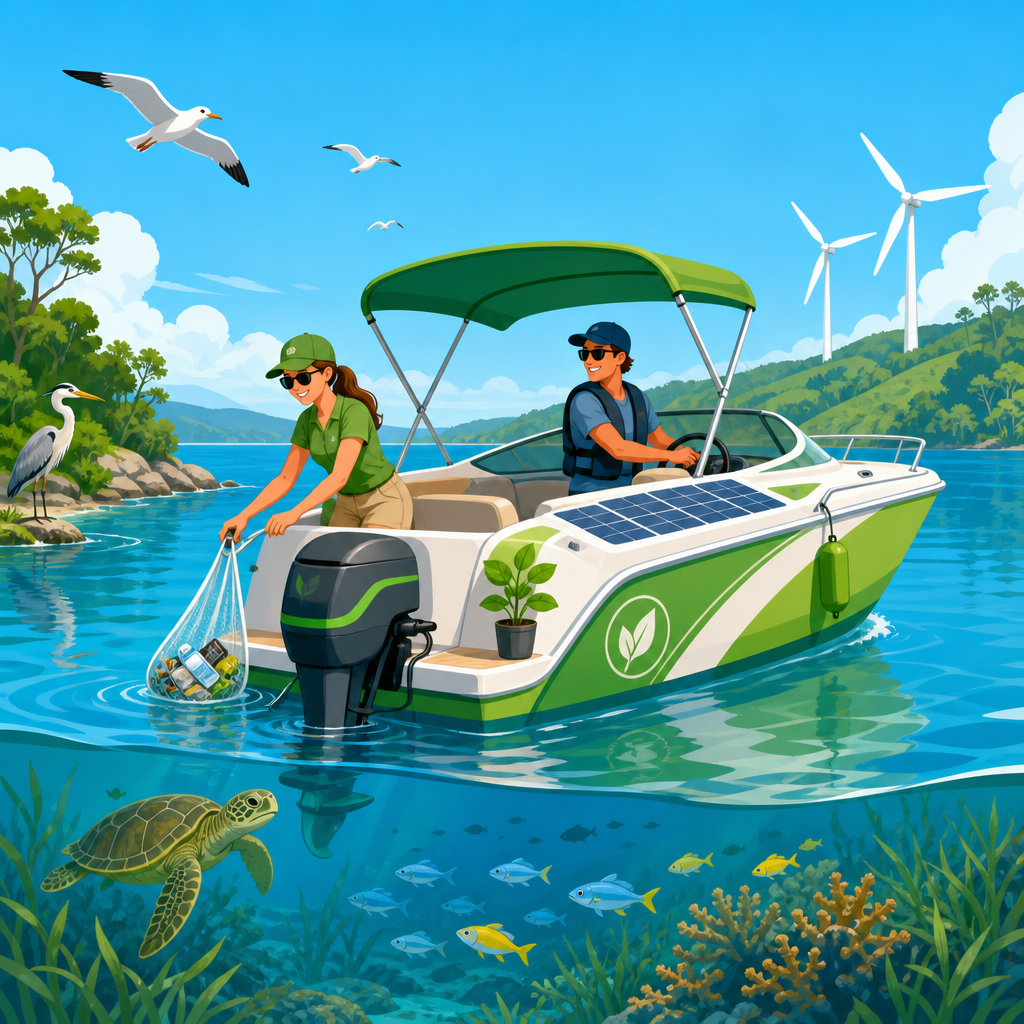
Wastewater from boats is one of the most misunderstood sources of marine pollution, and handling it properly is essential for anyone serious about eco-friendly, sustainable boating. In marina consultations, onboard audits, and skipper briefings, I have found that many owners know they should not discharge sewage in the wrong place, yet far fewer understand the full wastewater picture: blackwater, greywater, oily bilge water, and runoff from cleaning and maintenance. Each stream carries different contaminants, faces different legal rules, and needs different disposal methods. If you want to reduce water pollution while boating, protect fisheries and swimming areas, and stay compliant with local and international regulations, you need a practical wastewater management plan rather than a single rule of thumb.
Proper boat wastewater disposal matters because even small discharges accumulate quickly in enclosed waterways, marinas, estuaries, and popular anchorages. Nutrients such as nitrogen and phosphorus can trigger algal blooms. Pathogens from sewage can contaminate shellfish beds and force beach closures. Detergents, hydrocarbons, solvents, and metals can impair aquatic life even at low concentrations. A single vessel may seem insignificant, but crowded boating destinations operate like floating neighborhoods. When dozens or hundreds of vessels release untreated or poorly managed wastewater into the same basin, local water quality declines fast. That decline affects marine ecosystems, tourism, public health, and the boating experience itself.
Key terms are worth defining clearly. Blackwater is sewage from toilets and medical spaces; it contains human waste, toilet paper, and high pathogen loads. Greywater is wastewater from sinks, showers, dishwashing, laundry, and sometimes air conditioning condensate, depending on vessel design and local definitions. Bilge water is the liquid that collects in the lowest part of the hull and often contains fuel residue, engine oil, coolant, detergents, and grime. Runoff and maintenance wastewater include hull-wash water, paint residue, teak cleaners, acid washes, and pressure-washing discharge. On larger vessels, sludge from treatment systems and waste oil add another layer. Treating all of these as interchangeable is the mistake that causes both pollution and enforcement problems.
The central principle is simple: collect, separate, store, and discharge each waste stream only through the correct legal and environmental pathway. That usually means using pump-out stations for sewage, minimizing and filtering greywater where possible, keeping bilges clean and dry so contaminants never reach the water, and containing maintenance runoff onshore. It also means planning ahead before departure because many mistakes happen when operators improvise after tanks are full or when weather changes a route. A boat equipped with labeled tanks, shut valves, absorbents, maintenance logs, and a crew that knows procedures is far less likely to pollute than one relying on memory and convenience.
Understand the main wastewater streams before you leave the dock
The first step in proper boat wastewater disposal is classification. On inspections, I start by tracing every drain and sump on board because many owners do not actually know where each line leads. A galley sink may discharge directly overboard on one boat and into a greywater tank on another. A shower sump may combine with bilge water if modified badly. An air conditioner condensate line may be harmless alone but can carry cleaner residue if someone flushes the pan improperly. Mapping the system prevents accidental illegal discharge and reveals where upgrades will have the biggest impact.
Blackwater demands the strictest control. It should go into a properly sized holding tank or an approved onboard marine sanitation device, depending on the vessel and jurisdiction. The United States regulates installed sanitation devices through the Coast Guard and applies discharge restrictions under the Clean Water Act, including stricter no-discharge zones in many waters. Other countries and local harbors often impose their own rules. The best practice is conservative: if you are inshore, in a marina, on inland waters, near swimming areas, or uncertain about local discharge laws, retain sewage and use a pump-out facility. This is the baseline expectation for reducing water pollution while boating.
Greywater is regulated less consistently than blackwater, but it should not be treated as harmless. Dishwater contains food particles, fats, and detergents. Shower water often includes surfactants, fragrances, sunscreen residue, and microfibers. On larger vessels, laundry discharge can carry significant nutrient and chemical loads. In sensitive waters, repeated greywater release contributes to oxygen depletion and bacterial growth. Practical control starts with source reduction: use phosphate-free soaps, avoid bleach or harsh degreasers onboard, scrape plates into trash before washing, fit sink strainers, and store used cooking oil for shore disposal instead of rinsing pans into the drain.
Bilge water is where many boaters unintentionally create pollution. A clean bilge mostly collects rainwater and condensation. A neglected bilge becomes a chemical soup. Fuel drips from filters, oil seeps from seals, coolant spills during service, and cleaners get washed down through engine spaces. Once contaminated, bilge discharge creates a visible sheen and may violate pollution laws immediately. The right strategy is prevention first: fix leaks, place drip trays under engines and generators, secure fluid containers, and never use detergents to disperse oil in the bilge. Detergents do not remove pollution; they simply break oil into droplets that are harder to recover and still toxic to aquatic life.
Use legal disposal systems for sewage and know the rules that apply
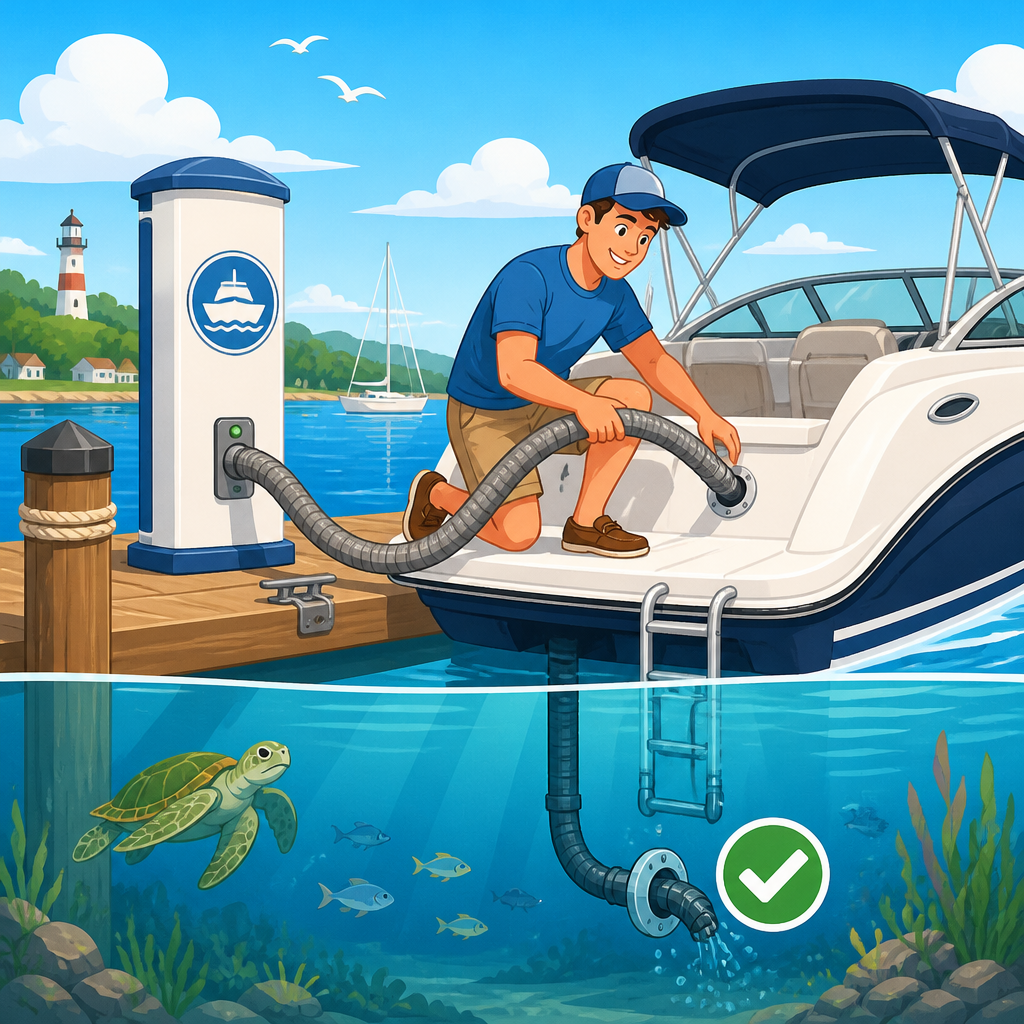
For sewage, the proper disposal method is straightforward: use a shore-side pump-out station or a licensed mobile pump-out service unless you are in waters where lawful offshore discharge from an approved system is explicitly allowed. Reliable compliance depends on equipment condition. Holding tanks should be vented correctly, deck fittings should be labeled, hoses should be odor-resistant sanitation hose rather than generic plumbing hose, and Y-valves should be secured where required by law. In U.S. waters, securing a valve typically means a lock, non-releasable wire tie, or removed handle that prevents accidental overboard discharge in restricted areas.
Route planning matters more than many crews realize. Before departure, identify pump-out locations using marina guides, navigation apps, or harbor authority maps. Budget tank capacity conservatively; real usage often exceeds estimates on family trips and charter days. If your boat carries eight people for a weekend, calculate blackwater storage based on actual toilet use, not brochure numbers. I also advise skippers to test pump-out fittings and rinse systems before peak season. The worst time to discover a cracked cap, blocked vent, or failed macerator interlock is when the tank is nearly full and the nearest facility is closed.
| Wastewater type | Main pollutants | Proper disposal method | Common mistake to avoid |
|---|---|---|---|
| Blackwater | Pathogens, nutrients, solids | Hold in tank and use pump-out or approved treatment/discharge where lawful | Assuming offshore rules apply in marinas, rivers, or no-discharge waters |
| Greywater | Detergents, food waste, grease, microfibers | Minimize at source, collect if equipped, discharge only where permitted | Using harsh cleaners and rinsing food scraps overboard |
| Bilge water | Oil, fuel, coolant, solvents | Keep bilge clean, absorb contaminants, dispose through hazardous waste or oily water service | Pumping oily bilge overboard or adding soap to hide a sheen |
| Maintenance runoff | Paint dust, acids, metals, cleaners | Contain onshore and send to approved waste handling systems | Pressure washing hulls where runoff flows directly to the marina basin |
Onboard treatment systems can reduce risk when installed and operated correctly, but they are not a free pass. Type I and Type II marine sanitation devices, for example, treat sewage to performance standards, yet discharge legality still depends on where you are. Small-vessel treatment units also demand maintenance discipline: electrodes foul, disinfectant systems lose effectiveness, and sensors drift. If a system is not maintained to spec, it stops being a treatment solution and becomes a compliance liability. For most recreational boaters, a well-managed holding tank and dependable pump-out routine remain the simplest, most protective option.
Reduce greywater impacts through product choice, storage, and daily habits
Greywater control is where sustainable boating habits make the most visible difference. Start with what goes down the drain. Choose biodegradable, phosphate-free marine soaps, but read labels carefully because “biodegradable” does not mean safe for direct aquatic discharge in all conditions. Concentrated products reduce packaging and encourage measured use. Microfiber control also matters. Synthetic clothing sheds during washing, and even hand-rinsing gear can release fibers. If your vessel has onboard laundry, use a microfiber filter and wash only when necessary. For most cruising boats, doing laundry ashore at proper facilities is the lower-impact choice.
Food handling is another major factor. Scrape plates into compostable or sealed trash bags before washing. Wipe greasy pans with paper or reusable absorbent cloths and bin the waste rather than rinsing fat down the drain. In warm anchorages, that small habit significantly reduces organic load around the boat. I have seen popular mooring fields develop visible surface slicks from sunscreen, galley waste, and detergent combined, even when no one considered themselves a polluter. Simple controls work because they address everyday cumulative impacts rather than only dramatic spills.
If your vessel is equipped with a greywater tank, use it intelligently. Tanks need venting, level monitoring, and regular cleaning to prevent odor and bacterial buildup. Where regulations require retention, monitor capacity just as carefully as blackwater capacity. Where direct discharge is legal offshore, many owners still choose to retain greywater in sensitive habitats such as coral areas, seagrass beds, and crowded coves, then discharge only in more open waters or ashore. That extra step is not always legally required, but it is often the environmentally responsible choice.
Keep bilge water out of the environment by preventing contamination at the source
The cleanest bilge discharge is the one you never need to make. Preventive engine-room housekeeping is the most effective bilge pollution strategy I know. Lay absorbent pads under engines, shaft seals, hydraulic fittings, and fuel filters. Replace pads before they saturate. Store oils and chemicals in secondary containment bins. During oil changes, use closed extraction systems rather than open pans when possible. Check stuffing boxes, hoses, and clamps regularly. A two-minute visual inspection before getting underway catches many leaks before they become a sheen trailing behind the boat.
When contamination does occur, collect it manually. Use absorbent socks and pads, then dispose of them as oily waste according to local hazardous waste rules. If a bilge is heavily contaminated, pump the liquid into suitable containers for shore disposal through a marina service yard or hazardous waste facility. Do not activate an automatic bilge pump if the bilge contains oil. Modern bilge alarms, high-water switches, and oil-absorbing bilge pillows help, but they are not substitutes for maintenance. The U.S. Environmental Protection Agency and many port authorities treat visible sheen as evidence of unlawful oil discharge, and fines can be substantial.
There is also a design lesson here. Boats with accessible machinery spaces, drip containment, and separated drainage paths are easier to keep clean. If you are refitting, route clean freshwater leaks away from machinery contamination, isolate shower sumps from bilges, and install service-friendly trays beneath common leak points. Those upgrades pay for themselves through lower cleanup time, reduced odor, and fewer disposal emergencies. Good wastewater management is not just a disposal issue; it starts with systems design.
Handle washdown, hull cleaning, and maintenance runoff on shore whenever possible
Some of the dirtiest wastewater associated with boating comes not from living aboard but from cleaning and maintenance. Bottom paint residue can contain copper and biocides. Fiberglass dust and sanding debris persist in marina sediments. Acid hull cleaners, teak brighteners, and rust removers can alter water chemistry in small basins quickly. Pressure washing after haul-out should occur only where wash water is captured and treated. Reputable boatyards use bermed pads, filtration systems, and solids capture to keep contaminants out of storm drains and surface waters. If a yard cannot explain how it manages runoff, that is a warning sign.
For routine washdowns, use the least aggressive method that gets the job done. Freshwater rinse, soft brushes, and spot cleaning usually outperform heavy detergent use. Wash your boat away from the water’s edge when practical, especially for canvas, cushions, and removable gear. Choose non-toxic hull and deck cleaners approved for marine use, and follow dilution instructions exactly; overdosing creates more contamination without improving results. If you are tackling oxidation removal, teak restoration, compounding, or painting, schedule the work at a yard equipped for containment rather than trying to manage it from a slip.
Stormwater deserves attention too. Open containers of paint, solvents, used oil, and dirty rags can turn rain into contaminated runoff. Keep maintenance materials sealed and under cover, and dispose of batteries, antifreeze, and waste oil through established recycling programs. Many marinas participate in clean marina certification schemes that provide collection points and best-practice signage. Use them. A clean boating culture is built as much on ordinary housekeeping as on equipment.
Build a practical wastewater management routine for every trip
The most effective way to reduce water pollution while boating is to make wastewater control routine, not reactive. Before departure, confirm tank levels, valve positions, absorbent supplies, and pump-out locations. During the trip, separate trash from sink waste, keep chemicals out of bilges, and log any leak or overflow immediately. After returning, pump out promptly, inspect hoses and fittings, remove oily absorbents for proper disposal, and review what filled faster than expected. That feedback loop is how experienced operators steadily improve performance.
Crew briefing matters, even on small recreational boats. Show guests which toilet paper is suitable, what cannot be flushed, how to report a spill, and why dishwashing habits matter. Label through-hulls and valves clearly. If you run charters or shared ownership boats, post a simple wastewater checklist near the galley and head. Standardization reduces mistakes far more effectively than verbal reminders alone.
Good wastewater disposal protects the places boaters value most: clear anchorages, healthy fisheries, swimmable beaches, and marinas without odors or sheen. The essentials are consistent across boat types: store sewage for pump-out, minimize and control greywater, keep bilges free of oil and chemicals, and contain all maintenance runoff on shore. These steps are practical, legal, and proven. Review your boat’s drains and tanks this week, replace one harmful habit with a better one, and turn sustainable boating into standard operating procedure.
Frequently Asked Questions
What types of wastewater come from a boat, and why does it matter how each type is handled?
Boat wastewater is not just one thing, and that is where many owners get tripped up. In practical terms, you are usually dealing with four main categories: blackwater, greywater, oily bilge water, and runoff from cleaning or maintenance. Blackwater is sewage from toilets and heads, and it carries pathogens, nutrients, and contaminants that can harm human health, close shellfish beds, and degrade water quality if discharged improperly. Greywater comes from sinks, showers, galleys, and sometimes air-conditioning condensate or laundry systems on larger vessels. People often assume greywater is harmless, but it can contain soap, grease, food waste, sunscreen, detergents, and microplastics that contribute to pollution and oxygen depletion.
Oily bilge water is another major concern because even a small sheen can spread quickly and introduce petroleum products into the water. Bilges often collect fuel drips, engine oil, hydraulic fluid, solvents, and dirty water, so pumping them overboard without proper treatment is both environmentally damaging and frequently illegal. Then there is deck runoff and maintenance wastewater, which can carry paint dust, varnish residue, acids, cleaners, and metals washed from fittings and hull surfaces. Each stream matters because the law, the disposal method, and the environmental risks are different. If you treat all wastewater the same, you are far more likely to violate local regulations or pollute sensitive areas. The responsible approach is to identify what type of wastewater you have, store it safely if needed, and use the correct disposal option for that specific stream.
How should I legally and responsibly dispose of blackwater from my boat?
The first rule with blackwater is simple: know where discharge is prohibited and assume you need a proper disposal plan before leaving the dock. In most cases, the best practice is to collect sewage in a marine sanitation device or holding tank and empty it only at approved pump-out stations or through legal offshore discharge where regulations specifically allow it. Many marinas, harbors, inland waterways, and no-discharge zones strictly prohibit the release of untreated sewage, and enforcement can be significant. Even where offshore discharge may be legal beyond a certain distance from shore, responsible boaters still need to verify federal, state, and local requirements because distance rules, treatment standards, and restricted areas vary by jurisdiction.
Good blackwater management starts with maintaining your onboard system. Make sure hoses, seals, vents, and tank fittings are in good condition to prevent leaks and odors. Use pump-out stations correctly, avoid overfilling the holding tank, and keep records if your cruising area or charter operation requires them. It also helps to use marine-safe toilet paper and avoid flushing wipes, hygiene products, or chemicals that can damage the system or interfere with treatment. If your boat has a treatment unit, confirm it is approved, functioning properly, and legal in the waters where you operate. From an environmental standpoint, the goal is not just compliance but prevention: untreated sewage introduces bacteria, viruses, and excess nutrients that can trigger algae blooms and reduce oxygen in the water. Responsible disposal protects swimmers, fisheries, wildlife, and the reputation of the boating community as a whole.
Is greywater really a pollution issue, and what should boaters do with it?
Yes, greywater is absolutely a pollution issue, even though it is often underestimated because it does not come from the toilet. Water from sinks, showers, galley drains, and onboard washing can contain grease, food particles, phosphates, surfactants, personal care products, and residues from cleaners. In enclosed marinas, anchorages, rivers, and lakes, repeated greywater discharge can contribute to poor water quality, surface scum, unpleasant odors, and nutrient loading. It can also attract wildlife to unsafe feeding behavior if food scraps are involved. On larger boats or liveaboards, the volume of greywater can be substantial enough to create a real cumulative impact.
The best practice is to reduce greywater pollution at the source. Use biodegradable, phosphate-free, and marine-friendly soaps sparingly, scrape dishes before washing, keep grease and cooking oils out of drains, and install strainers to catch food debris. If your vessel is equipped with a greywater holding system, use it and discharge only where permitted or pump out when facilities are available. In areas with sensitive habitats, shellfish waters, or local discharge restrictions, holding and shore-side disposal may be the most responsible option even if direct discharge is not explicitly banned. Boaters should also remember that “eco” labels are not a free pass; even less-toxic products can be harmful in concentration or in poorly flushed waters. The most effective strategy is a combination of minimizing what goes down the drain, understanding local rules, and treating greywater as a managed waste stream rather than harmless rinse water.
What is the correct way to deal with oily bilge water and small fuel or oil spills?
Oily bilge water should never be treated like ordinary water. If your bilge contains oil, fuel, or chemical contamination, pumping it overboard is the wrong move and can lead to environmental damage and fines. The proper approach is to prevent contamination first by fixing leaks promptly, keeping engines and machinery well maintained, and using drip pans or absorbent pads beneath engines, filters, and fittings. Clean bilges are much easier to manage than dirty ones. If water collects in the bilge, inspect it before pumping. A visible sheen, fuel smell, or oily residue is a clear sign that it needs special handling.
Use oil-absorbent pads or bilge socks to remove trace petroleum, and collect heavily contaminated bilge water for disposal at a marina, service yard, or hazardous waste facility that accepts it. If your vessel has an approved oily water separator, it must be used and maintained according to regulations, especially on commercial or larger vessels. For small spills during fueling or maintenance, stop the source immediately, contain the spill with absorbents, notify the marina if required, and dispose of used absorbent materials properly as oily waste. Never use soap or detergent to disperse a fuel sheen, because that typically makes the pollution less visible rather than less harmful and can violate anti-pollution rules. The right mindset is that bilge contamination is a maintenance issue first and a disposal issue second: the cleaner and drier your bilge stays, the lower your risk of accidental discharge and the easier your compliance becomes.
How can I reduce wastewater pollution from boat cleaning, maintenance, and everyday operation?
The most effective wastewater strategy is prevention. Every product and habit onboard affects what eventually reaches the water, whether directly or through runoff. Start by choosing less-toxic, phosphate-free, and biodegradable marine cleaning products, but use them conservatively. More soap does not mean a cleaner boat; it usually just means more residue entering the environment. Whenever possible, perform heavy cleaning, engine work, paint removal, sanding, and chemical-intensive maintenance ashore in designated washdown or service areas where wastewater can be captured and treated. In-water hull scraping, uncontrolled deck washing, and rinsing paint dust or solvents into the marina are common but avoidable sources of pollution.
Operational habits matter too. Sweep decks before hosing them down, use buckets and microfiber cloths instead of constant running water, contain sanding dust with tarps or vacuum attachments, and store fuels, oils, and chemicals securely to prevent drips and wash-off. Keep scuppers and drains in mind during maintenance so residues do not flow straight overboard. Train everyone onboard to understand what can and cannot go into sinks, heads, and bilges. It is also smart to review marina rules before starting any maintenance project, because many facilities have specific requirements for wash water, bottom cleaning, fueling, and hazardous waste disposal. Sustainable boating is rarely about one dramatic change; it is the result of many small, disciplined practices that keep sewage, soaps, oils, and maintenance residues out of the water in the first place.