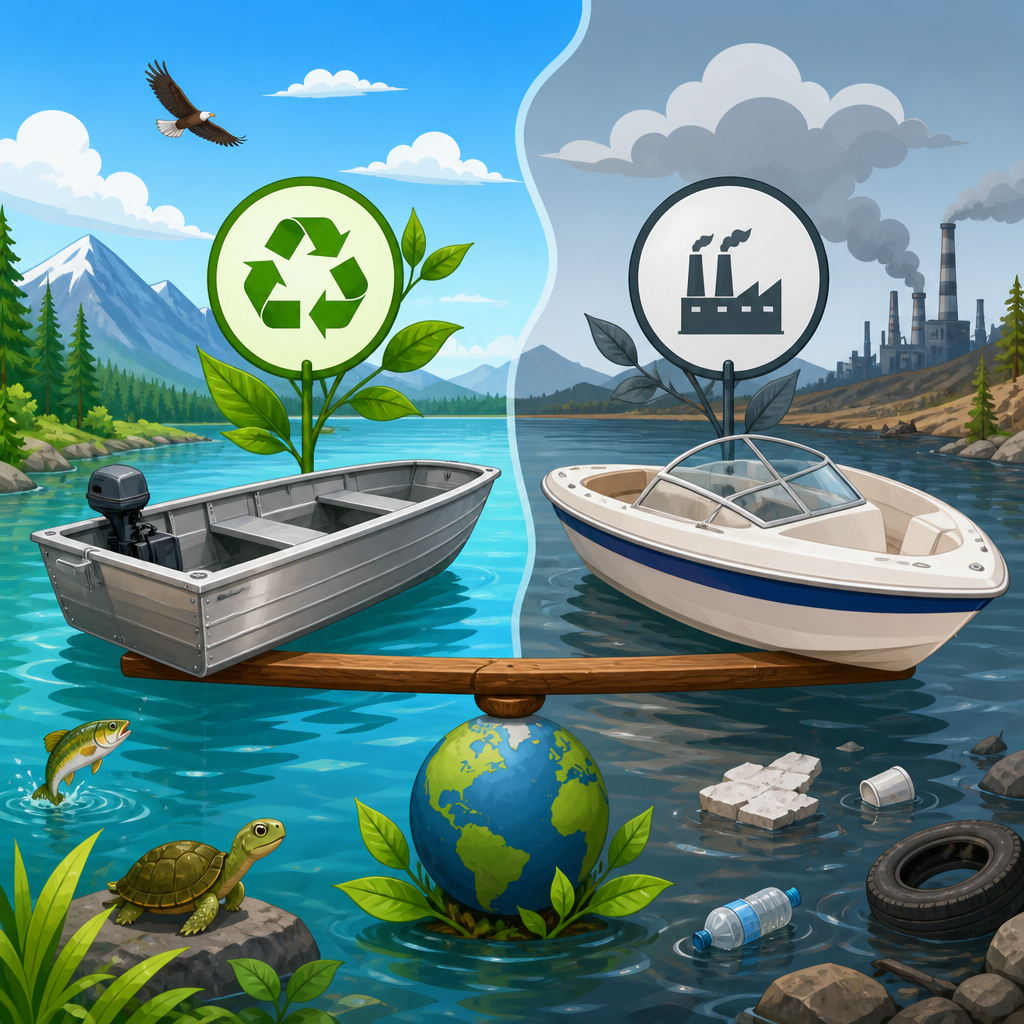
Eco-friendly boating is the practice of operating, maintaining, and choosing boats in ways that reduce harm to waterways, shorelines, wildlife, and the climate while still delivering safety, performance, and enjoyment on the water. In practical terms, it means using cleaner propulsion, cutting fuel waste, preventing spills, reducing noise, handling sewage and trash correctly, and selecting materials and products with lower lifetime impact. The rise of eco-friendly boating matters because recreational and commercial boating both depend on healthy aquatic ecosystems. When lakes, rivers, estuaries, and coastal waters decline, boaters lose access, fisheries weaken, invasive species spread, and communities that rely on tourism or marinas face real economic damage. I have seen this firsthand at ramps and marinas where oily bilge discharge, excessive wake, and careless fueling created visible pollution within a single weekend.
The shift toward sustainable boating is being driven by several forces at once. Environmental regulations are tighter, especially around emissions, sewage discharge, and antifouling chemicals. Boat owners also face higher fuel costs, making efficiency more than a moral preference. At the same time, technology has improved dramatically. Electric outboards are now practical for tenders, inland fishing boats, and day cruisers. Modern four-stroke outboards and direct-injection systems burn cleaner than older carbureted engines. Solar charging, lithium iron phosphate batteries, and smart battery management systems have become reliable enough for serious marine use. Buyers who once assumed sustainability meant compromise are finding that quieter operation, lower maintenance, and better torque often improve the boating experience.
As a sub-pillar hub, this guide explains the major areas every boater should understand: cleaner propulsion, efficient operation, responsible maintenance, waste and wastewater control, habitat protection, and smarter purchasing decisions. It also addresses a basic question many searchers have: what actually reduces environmental impact the most? In most cases, the biggest gains come from the fundamentals. Choose the right boat for the job, run the most efficient propulsion you can afford, maintain the hull and engine carefully, minimize idling and speed spikes, and never release fuel, sewage, trash, or invasive species into the water. Small behavior changes compound quickly over a season. A few liters of fuel saved each trip, a properly fitted propeller, and disciplined no-discharge practices can prevent far more damage than a single premium “green” product.
The Rise of Eco-Friendly Boating and What Is Driving It
Eco-friendly boating is growing because the marine industry is changing from a niche culture of conservation-minded owners to a broader market expectation. Manufacturers now market electric propulsion, recyclable composites, low-VOC finishes, and integrated energy monitoring because consumers ask for them and regulators increasingly reward them. In Europe, inland and harbor restrictions on noise and emissions have accelerated adoption of electric systems. In North America, clean marina programs, stricter emissions standards, and local protections for seagrass beds, manatees, and spawning habitat have pushed boaters toward lower-impact practices. The pattern is clear: sustainability is moving from optional to standard.
Another reason for the rise is that many environmental improvements align with better ownership economics. A clean hull reduces drag, so the engine burns less fuel to maintain the same speed. Proper trim lowers wake and improves efficiency. Lithium batteries cost more upfront but can last longer, charge faster, and reduce generator run time. Shore power monitoring and LED lighting cut electrical demand. I have worked with owners who switched from habitual high-RPM cruising to a planned, tide-aware operating style and reduced seasonal fuel use by double-digit percentages without adding travel time on short coastal routes. Sustainability often starts with paying attention.
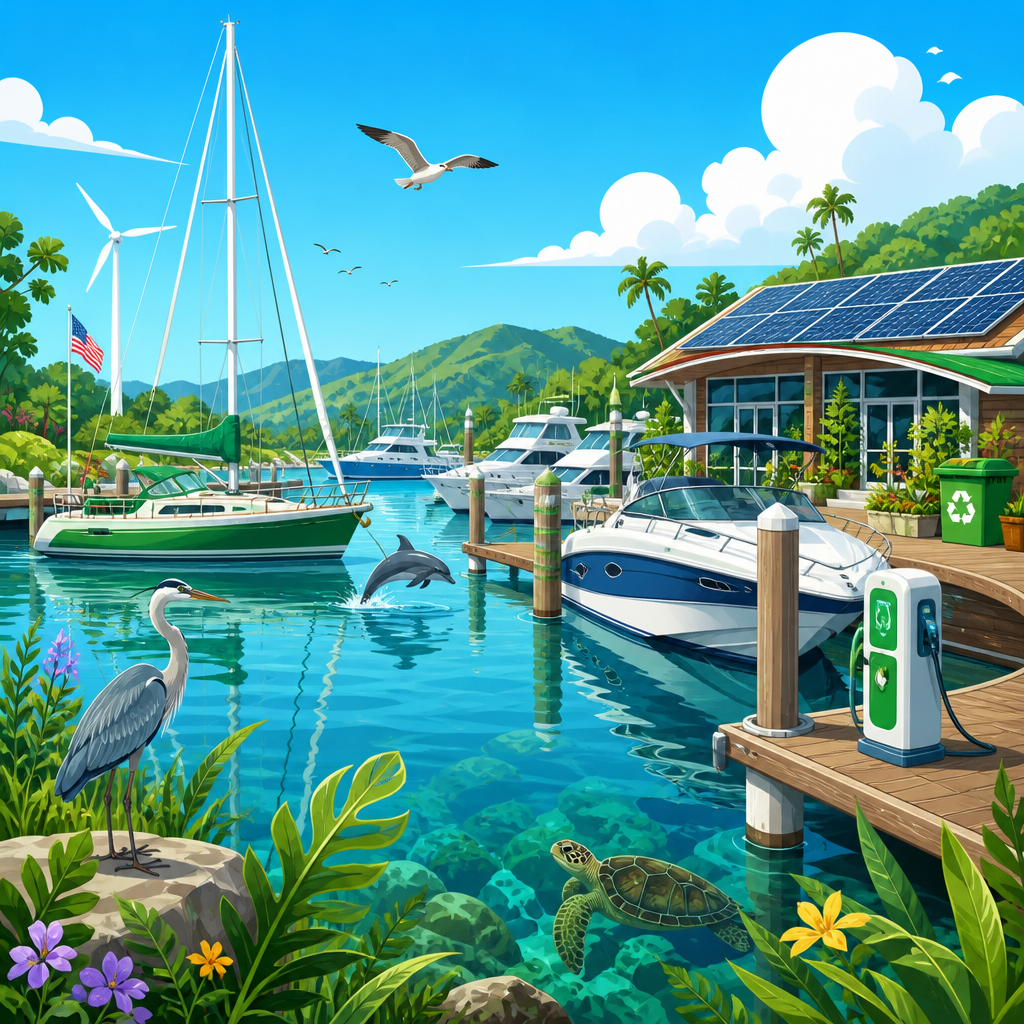
Social expectations also matter. Younger buyers tend to ask where materials come from, how long equipment lasts, and what happens at end of life. Charter guests notice smoke, noise, and the smell of fuel. Waterfront communities are less tolerant of wake damage and discharge. Marinas increasingly provide pump-out access, recycling points, spill kits, and educational signage because these services affect reputation and occupancy. The result is an ecosystem of pressure and support: policy, technology, economics, and customer preference all point in the same direction.
Cleaner Propulsion: Electric, Hybrid, and Efficient Combustion Options
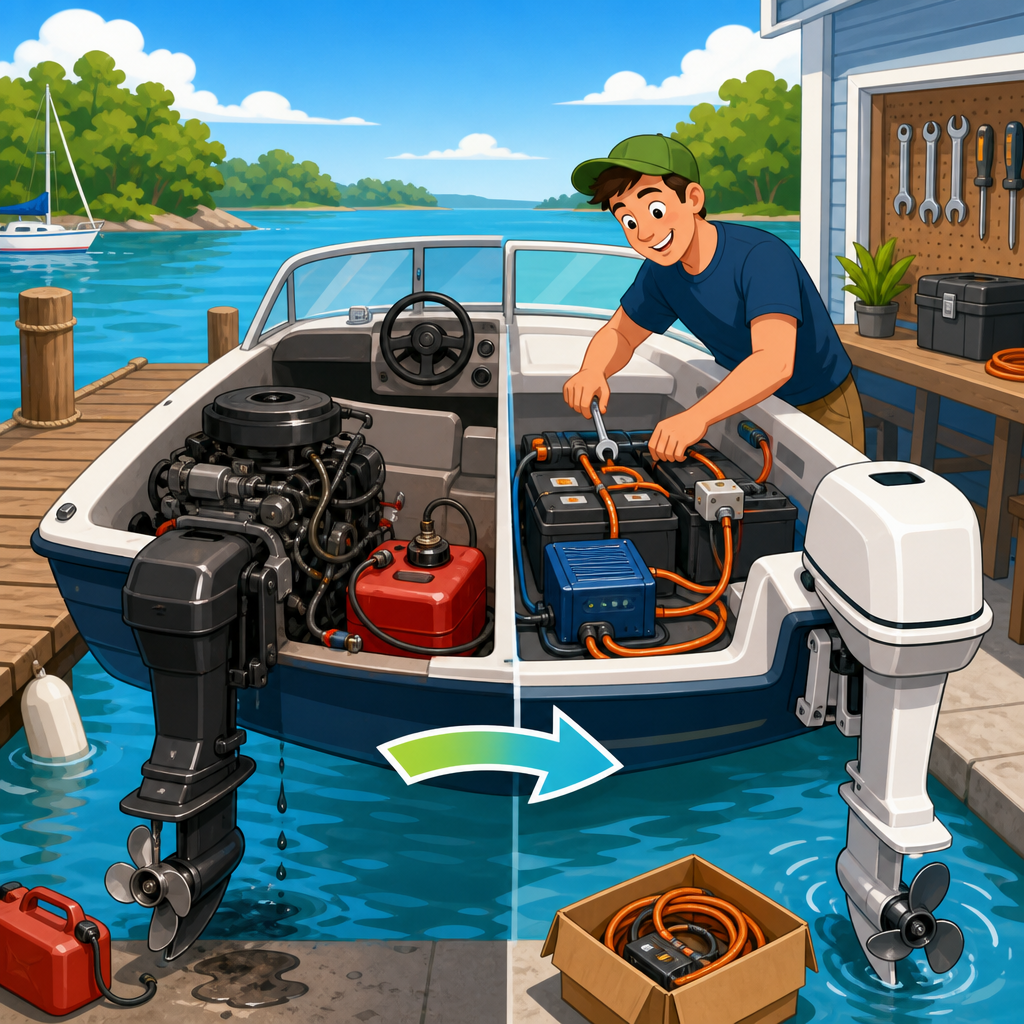
The most visible part of sustainable boating is propulsion choice. Electric boating works best when the use case matches the technology. For short-range trips, inland lakes, protected bays, sailing auxiliaries, and marina tenders, electric motors can nearly eliminate direct emissions, cut noise dramatically, and simplify maintenance because there are fewer moving parts, no oil changes, and less vibration. Torque delivery is immediate, which improves docking control. The main limits are battery cost, charging access, and range under load or in headwinds. Anyone considering electric should calculate real energy demand, not brochure range. Hull type, speed target, current, and accessory loads all matter.
Hybrid systems sit between fully electric and conventional combustion. They can make sense for larger cruising boats that need quiet low-speed maneuvering, hotel loads at anchor, and extended range offshore. A hybrid setup might combine diesel generation with battery banks, solar input, and electric drive motors. These systems are complex and must be designed carefully around duty cycle, charging profile, redundancy, and thermal management. They are not automatically greener if the boat remains heavy, overpowered, and generator dependent. The right question is total lifecycle and operating efficiency, not whether a system sounds innovative.
Internal combustion still dominates, so improving conventional engines remains important. Modern four-stroke outboards and newer direct-injection two-stroke designs are cleaner and more fuel efficient than legacy carbureted models. Repowering an older boat can reduce fuel burn and local air pollution significantly while improving reliability. Correct propeller pitch, healthy injectors, clean fuel filters, and engine tuning all affect emissions. In many fleets, replacing neglected older engines delivers a larger environmental benefit than cosmetic upgrades marketed as sustainable.
| Propulsion option | Best use case | Main benefits | Main limitations |
|---|---|---|---|
| Electric | Short trips, lakes, tenders, day boats | Zero tailpipe emissions, low noise, low maintenance | Range, charging time, battery cost |
| Hybrid | Coastal cruisers, mixed-use vessels | Flexible energy management, quieter maneuvering | System complexity, higher upfront cost |
| Modern four-stroke or direct-injection combustion | Long-range boating, higher speeds | Wide fueling access, strong range, improved efficiency | Ongoing emissions, fuel dependence, maintenance needs |
Fuel Efficiency and Operating Habits That Reduce Impact Immediately
If you want the fastest path to lower impact, start with how the boat is operated. Most boats have a speed band where fuel economy is best, often at moderate planing speeds or efficient displacement speeds depending on hull design. Running slightly slower can cut fuel use sharply because resistance rises nonlinearly with speed. Avoid aggressive throttle changes, long idle periods, and excess weight. Store only the gear you actually use. Empty unnecessary water or fuel load before short trips if safe to do so. Watch trim tabs and engine trim closely. Poor trim can waste fuel and increase wake, which erodes shorelines and disturbs habitat.
Route planning matters more than many owners realize. Tides, currents, weather windows, and no-wake zones affect efficiency. Leaving twenty minutes earlier to ride a fair tide may save more energy than any fuel additive. GPS plotters, engine data displays, and fuel flow meters make this measurable. On boats with NMEA 2000 networks, owners can track fuel burn by RPM and build repeatable operating profiles. I encourage keeping a simple log of conditions, speed, and consumption for several trips. Patterns appear quickly, and informed operators make better decisions.
Wake discipline is a core part of eco-friendly boating. Large wakes damage marsh edges, disturb nesting birds, stress docks, and create safety hazards for paddlers and anglers. A sustainable operator slows early near shore, in channels, and around moorings. This is not only etiquette; it is direct habitat protection. Similarly, anchoring technique matters. Dragging anchors through seagrass or coral can destroy habitat that took years to establish. Use designated moorings where available and choose sandy patches over vegetated bottoms.
Maintenance, Materials, and Products That Prevent Pollution
Good maintenance is environmental protection in its most practical form. A poorly maintained boat leaks fuel, oil, coolant, hydraulic fluid, and sewage. It burns more energy, creates more smoke, and fails more often in ways that lead to emergency response or salvage. Regular inspections of fuel lines, clamps, seals, through-hulls, bilge pumps, shaft seals, and exhaust components prevent many incidents. Bilges should stay dry and clean enough that any new leak is obvious. If there is oil in the bilge, absorbent pads are appropriate; detergent is not. Soap only disperses hydrocarbons into the water column, which makes the pollution harder to recover and can violate local rules.
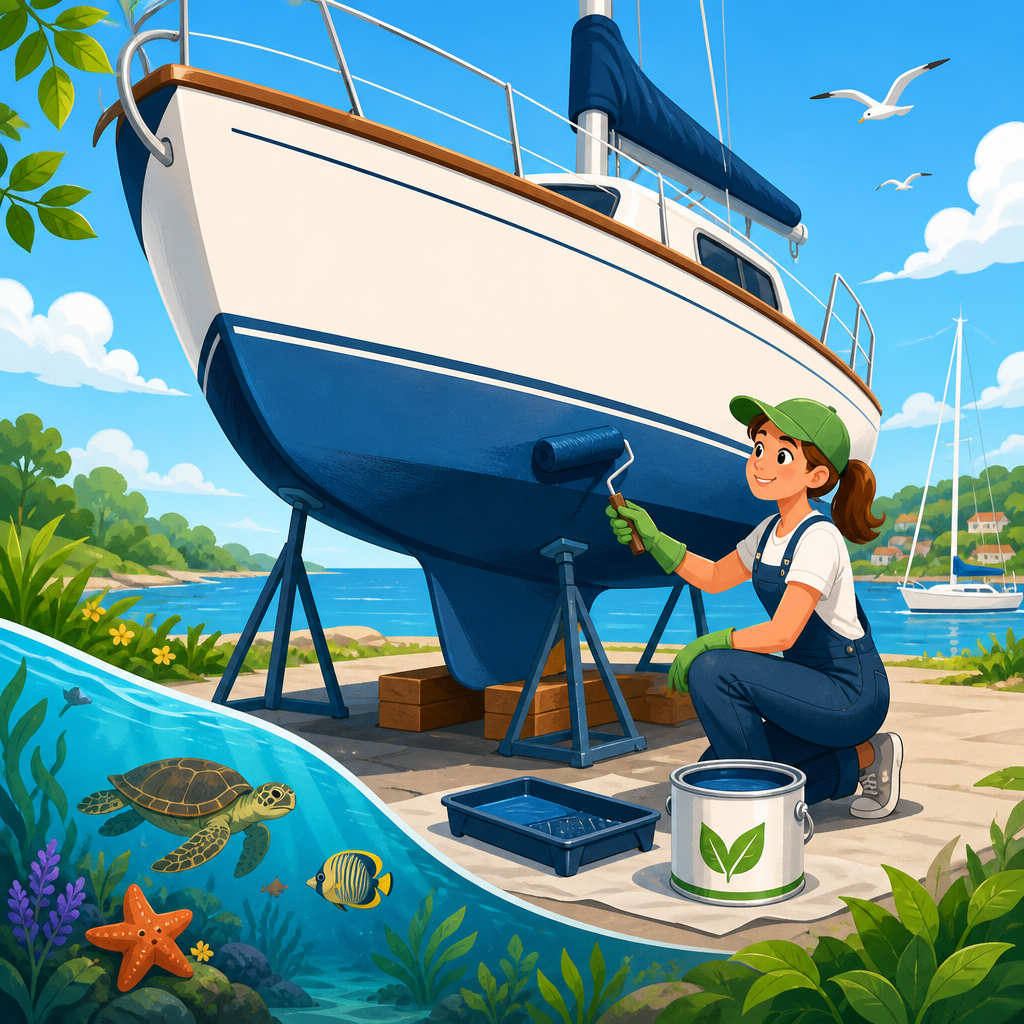
Bottom paint deserves careful attention. Traditional antifouling coatings can release biocides that protect hulls from marine growth but also affect non-target organisms. The right choice depends on local fouling pressure, water chemistry, and haul-out schedule. In some regions, hard coatings, low-copper paints, or non-biocide foul-release coatings reduce pollution compared with older high-toxicity formulas. Hull cleaning should follow marina rules because in-water cleaning can release paint particles and invasive organisms. The cleanest solution is a coating and maintenance plan matched to where and how the boat actually operates.
Onboard products matter too. Biodegradable cleaners are useful, but labels should be read critically. “Green” claims are not enough if the product still introduces unnecessary surfactants or fragrances into confined waterways. Use phosphate-free soaps where required, minimize solvent use, and choose low-VOC paints, adhesives, and finishes when possible. Durable gear is often more sustainable than trendy alternatives because replacement cycles drive waste. Fenders that last for years and repairable canvas can beat lower-cost items that crack and enter the waste stream after one season.
Waste, Sewage, and Water Quality Protection
One of the clearest signs of responsible boating is strict control of waste and wastewater. Blackwater from toilets must be stored and pumped out where required, using a functioning marine sanitation device that complies with applicable rules. In no-discharge zones, overboard release is prohibited even if treatment equipment is installed. Graywater from sinks and showers is regulated differently depending on vessel type and location, but reducing soaps, food scraps, and oily residue is always wise. Wipe pans before washing, strain food waste, and use shore facilities when practical. These habits protect oxygen levels and reduce nutrient loading that contributes to algal blooms.
Trash management should be routine, not improvised. Secure bins with lids, separate recyclables if marina infrastructure supports it, and never rely on wind-exposed deck storage for light packaging, fishing line, or foam. Monofilament line is especially damaging because it entangles birds, turtles, and propellers. Keep a dedicated line recycling container onboard. Cigarette butts are also persistent litter; a sealed butt canister is a simple fix. Many cleanups show that the most common shoreline boating waste is not dramatic spills but repeated loss of small disposable items.
Fueling procedures are another major water quality issue. Turn off engines and electronics if required, know the tank capacity, fill slowly near the top-off stage, and keep absorbent materials ready. Never force fuel into a full tank. Warm temperatures can expand fuel and push it out through vents. A vent whistle or overflow protector can help on some installations. After fueling, inspect the water around the boat immediately. Quick detection prevents a small mistake from becoming a marina-wide sheen.
Wildlife, Invasive Species, and Responsible Access
Eco-friendly boating is also about where you go and what you carry between waterways. Wildlife disturbance often comes from speed, proximity, and noise. Manatees, whales, seals, and nesting birds all require space, and protected distances may be mandated by law. Even where rules are less specific, operators should reduce speed in known habitat areas and avoid sudden course changes around animals. Sonar and fish-finding electronics do not justify crowding schools or sensitive areas. Respect for wildlife begins with predictable, low-stress vessel behavior.
Invasive species prevention is one of the most important habits for trailer boaters. Plants, larvae, and pathogens can hitchhike on hulls, trailers, anchors, live wells, and ballast tanks. The standard response is simple: clean, drain, and dry the boat and gear between water bodies. Some regions require hot-water decontamination or inspections, especially for zebra mussels and quagga mussels. These species clog infrastructure, alter food webs, and create long-term management costs. A ten-minute cleaning routine can prevent years of ecological and financial damage.
Access choices matter as well. Repeated beaching in fragile dune or marsh areas destroys vegetation and accelerates erosion. Use marked channels, designated launches, and approved landing sites. If you cruise remote areas, learn local seasonal closures and habitat maps before departure. Sustainable boating is not anti-access; it is access managed so the place remains worth visiting.
Buying Smarter and Building a Long-Term Sustainable Boating Plan
The greenest boat is not always the newest one. Sometimes it is the well-maintained boat already in service, used efficiently and upgraded strategically. Before buying, define the mission clearly: fishing, coastal cruising, watersports, sailing, or tender duty. Oversizing is common and environmentally expensive. A lighter, right-sized boat with an efficient hull usually outperforms a larger boat that spends its life underloaded at inefficient speeds. Survey the condition of engines, tanks, wiring, and sanitation systems because hidden defects can turn a “bargain” into a high-impact project.
When comparing new models, look beyond brochure claims. Ask for fuel-burn curves, battery chemistry details, charger specifications, recycling information, and service support. Check whether components are standardized or proprietary. Widely supported systems are easier to maintain for a decade or more, which reduces waste. Certifications and marina programs can also guide decisions. Clean marina initiatives, ABYC standards for electrical and fuel systems, and manufacturer documentation on emissions compliance are useful signals of seriousness.
Finally, create a seasonal sustainability checklist. Include engine service, hull inspection, spill kit restocking, pump-out planning, wildlife distance rules, route planning, and end-of-trip clean-drain-dry steps. Train every regular crew member. The benefit of eco-friendly boating is not abstract. It means cleaner water, quieter trips, lower fuel bills, healthier fisheries, and marinas that remain attractive and compliant. Start with one boat, one checklist, and one season of measurable improvements. Those choices add up, and they help keep boating viable for the long term.
Frequently Asked Questions
What does eco-friendly boating actually mean in everyday practice?
Eco-friendly boating means making choices on and off the water that reduce pollution, conserve fuel, protect wildlife, and limit damage to shorelines and aquatic habitats. In everyday practice, that can include operating at efficient speeds to cut fuel burn, keeping your engine well maintained so it runs cleaner, and choosing newer low-emission outboards, electric motors, or hybrid systems when it is time to upgrade. It also means preventing leaks and spills during fueling, using bilge pads to capture oil residue, and never allowing trash, fishing line, sewage, or chemical cleaners to enter the water.
It also extends to how you navigate and where you boat. Responsible operators avoid seagrass beds, shallow habitat areas, and sensitive shorelines that can be damaged by propellers, wakes, or anchoring. Slowing down in no-wake zones reduces bank erosion, lowers underwater noise, and protects paddlers, swimmers, and wildlife. Even small habits matter, such as using reef-safe or biodegradable products where appropriate, selecting durable gear instead of disposable items, and planning trips to minimize unnecessary idling and long fuel-heavy runs. In short, eco-friendly boating is less about giving up enjoyment and more about boating in a way that preserves the places you enjoy for the long term.
How can boaters reduce fuel consumption and emissions without sacrificing performance?
One of the most effective ways to reduce your environmental impact is to improve fuel efficiency, because lower fuel use usually means fewer emissions and less operating cost. Start by running your boat at its most efficient cruising speed rather than constantly pushing at full throttle. Many boats have a “sweet spot” where the engine performs well while burning significantly less fuel. Proper trim also matters. A well-trimmed boat rides more efficiently through the water, reducing drag and helping the engine work less. Keeping the hull clean is equally important, since algae, slime, and marine growth can noticeably increase resistance and fuel burn.
Maintenance plays a major role as well. A tuned engine, clean fuel filters, fresh spark plugs, and the correct propeller size all help maximize efficiency. Underinflated trailer tires and unnecessary onboard weight can also increase energy use before you even reach the launch. If you are shopping for a new boat or repower option, modern four-stroke outboards, direct-injection engines, and electric propulsion systems can dramatically improve efficiency and reduce emissions compared with older technology. Smart trip planning helps too: combine errands, map efficient routes, monitor weather and tides, and avoid prolonged idling. These steps allow boaters to maintain reliable performance while significantly lowering their carbon footprint and fuel costs.
What are the best ways to prevent water pollution from fuel, oil, sewage, and cleaning products?
Preventing water pollution starts with careful handling of every fluid and product used on board. During fueling, never top off the tank, because fuel expands and can overflow into the water. Use absorbent pads or collars around the fill area, fill slowly, and stop when the tank reaches a safe level. Regularly inspect fuel lines, fittings, and tanks for cracks or leaks, especially at the start of the season. In the bilge, oil and fuel residue should never be pumped overboard. Bilge absorbent pads are a simple and highly effective tool for capturing contaminants before they spread. Any oily waste, used oil, filters, coolant, batteries, or paint products should be disposed of through approved hazardous waste or marina collection programs.
Sewage management is just as important. Use marine sanitation devices correctly, know local discharge rules, and pump out holding tanks only at designated facilities. Even where overboard discharge may be technically legal, pump-out use is the more environmentally responsible choice because it reduces bacteria, nutrient pollution, and harm to swimming and shellfish areas. Cleaning products deserve attention too. Many conventional soaps, degreasers, and bleach-based products can damage aquatic ecosystems. Choose phosphate-free, biodegradable, and marine-safe products whenever possible, and use them sparingly. A good rule is simple: if a product can wash, drip, or spill into the water, it should be selected and handled with the same care you would give to fuel.
How does boating affect wildlife and shorelines, and what can I do to minimize that impact?
Boating can affect ecosystems in ways that are not always obvious. Excessive wake can erode shorelines, damage nesting areas, and stir up sediments that reduce water clarity and stress aquatic plants. Propellers can scar seagrass meadows and disturb shallow habitat that fish, crabs, and juvenile marine life depend on. Noise from engines and high-speed traffic can disrupt feeding, migration, and breeding behavior in birds, marine mammals, and fish. Anchoring in sensitive areas may damage coral, vegetation, or the lake and seabed structure that supports healthy habitat.
To minimize these impacts, follow no-wake zones carefully and reduce speed near shore, marshes, estuaries, and wildlife-heavy areas. Give animals plenty of space and never chase, crowd, or feed them. If you are unsure whether an area contains seagrass, shellfish beds, coral, or nesting habitat, err on the side of caution and use marked channels or deeper water. Choose established mooring buoys where available instead of anchoring, and if you must anchor, do so on suitable bottom away from fragile habitat. It is also wise to clean your hull, trailer, and gear between waterways to prevent the spread of invasive species. These practices protect biodiversity while also improving safety and preserving access to the waterways boaters value most.
What upgrades, gear choices, and maintenance habits make a boat more environmentally friendly over time?
Long-term environmental performance comes from a combination of smart upgrades and consistent care. If you are considering equipment changes, cleaner propulsion is one of the biggest opportunities. Electric motors are increasingly practical for smaller boats, inland waters, and short-range use, while newer fuel-efficient engines can sharply reduce emissions compared with older models. Solar charging can support house batteries and reduce generator run time. LED lighting lowers electrical demand, and efficient battery systems can improve overall energy management on board. Even relatively small changes, such as installing a fuel-flow monitor, can help operators identify inefficient habits and operate more responsibly.
Material choices and maintenance routines matter just as much. Use durable, repairable equipment when possible, because extending product life reduces waste and resource consumption. Select low-toxicity bottom paints and marine-safe cleaning products that meet local environmental standards. Keep the hull, propeller, and engine in good condition to maintain performance and reduce fuel waste. Store the boat properly to prevent leaks, weather damage, and premature replacement of parts. Recycle shrink wrap, batteries, oil, and electronics through proper channels rather than sending them to landfill. Over time, these decisions lower the boat’s lifetime environmental impact while often saving money through better efficiency, fewer repairs, and longer-lasting equipment.