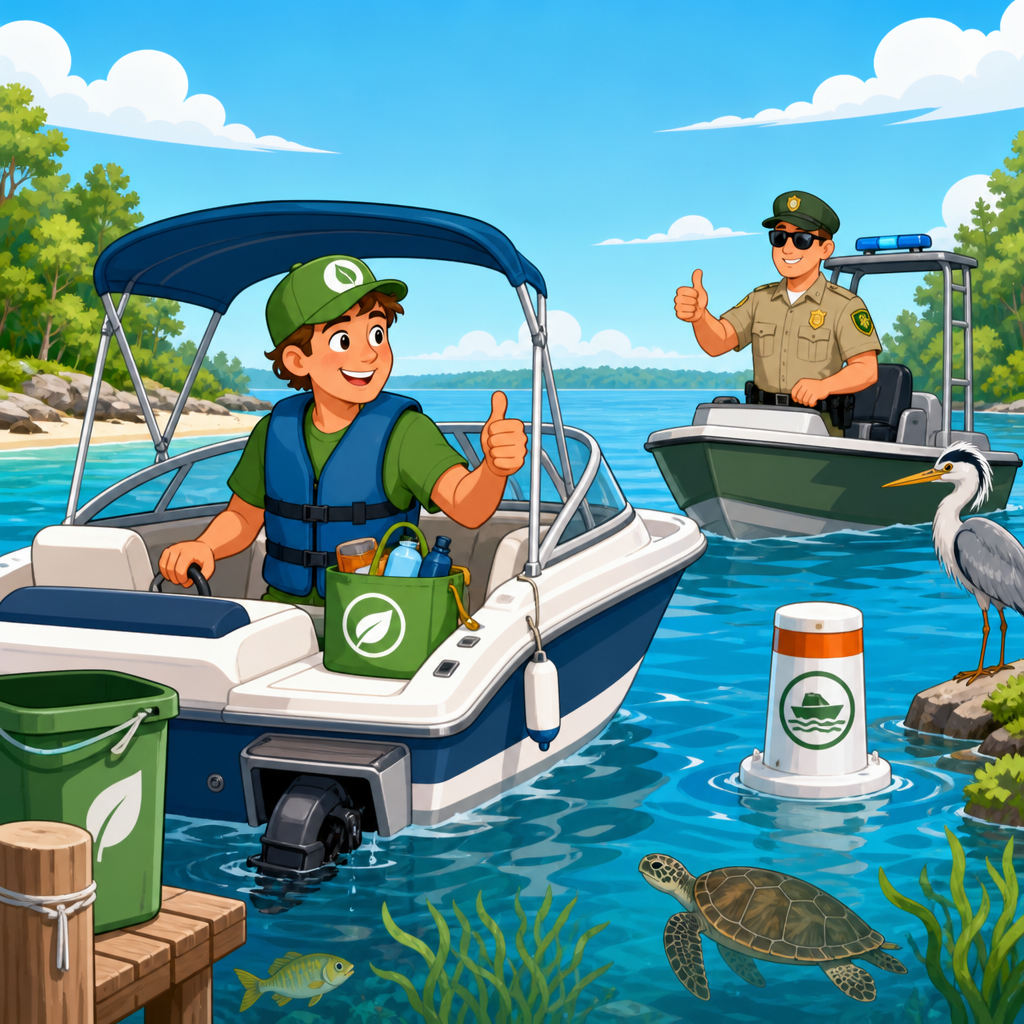
How to avoid fines for breaking environmental boating laws starts with understanding a simple truth: most penalties are preventable when operators know the rules, prepare before launching, and treat compliance as part of safe seamanship. Environmental boating laws are the federal, state, provincial, and local rules that control pollution, habitat damage, waste disposal, fueling practices, speed in sensitive zones, sewage discharge, and the transport of invasive species. In the marinas, ramps, and inspection stations where I have worked with boat owners, the pattern is consistent. Fines rarely come from one dramatic act. They usually come from routine shortcuts: pumping bilge water with an oil sheen, anchoring in a protected seagrass bed, skipping a required clean-drain-dry step, or assuming a lake rule is the same as the neighboring one.
This matters because boating enforcement has become more data driven, more visible, and more expensive. Agencies now combine ramp inspections, marina patrols, drone observation, AIS and camera evidence in commercial areas, and citizen reporting. Penalties can range from a written warning to civil fines in the hundreds or thousands of dollars, cleanup cost recovery, permit suspension, or criminal liability for intentional dumping. Beyond money, violations can damage wetlands, shellfish beds, fisheries, and drinking water sources. A good compliance plan protects both the environment and your boating access. This hub article explains the core laws and regulations for sustainable boating, the practical habits that prevent violations, and the areas where every owner should seek local guidance before leaving the dock.
Know which environmental boating laws apply before every trip
The fastest way to avoid fines is to identify the exact rules that govern your vessel, waterway, and activity before departure. Many boaters rely on memory or assume federal navigation rules cover everything, but environmental compliance is layered. In the United States, the Clean Water Act, the Act to Prevent Pollution from Ships, U.S. Coast Guard requirements, EPA vessel guidance, National Park Service rules, state natural resource codes, marine sanctuary regulations, and county or harbor ordinances can all apply at once. In Canada, Transport Canada requirements can overlap with provincial invasive species measures and local conservation restrictions. The same boat can be legal in one harbor and in violation ten miles away.
Start with five questions. Where are you launching? What type of boat are you operating? Are you carrying fuel, sewage, gray water, bait, or cleaning chemicals? Are you entering a no-discharge zone, manatee zone, sanctuary, or aquatic invasive species inspection area? Are there seasonal closures for nesting birds, eelgrass, salmon, or shoreline restoration? I advise owners to save regulations in a trip folder on their phone and keep printed essentials onboard because cell service often disappears where enforcement still happens. Marina offices, state boating agencies, NOAA sanctuary pages, and launch ramp signage are your primary sources, not dock talk.
Registration and documentation also support environmental compliance. Officers often begin with registration, then move to discharge devices, trash handling, fire safety, and local restrictions. If paperwork is expired or missing, inspections tend to deepen. Keep vessel registration, pump-out receipts when relevant, invasive species permits where required, and any local access permits together. This is especially important for trailered boats crossing state lines, because invasive species declarations and decontamination proof may be required on western lakes and reservoirs.
Prevent discharge violations from sewage, bilge, and trash
Illegal discharge is one of the most common and avoidable sources of environmental boating fines. The rule is straightforward: do not let sewage, oily bilge, trash, or hazardous liquids enter the water. On recreational vessels with installed toilets, use a properly functioning marine sanitation device and know whether your destination is a no-discharge zone. In those zones, even treated sewage may be prohibited, which means securing overboard discharge valves and using pump-out facilities. I have seen boaters cited not because they intended to dump waste, but because a Y-valve was left in the wrong position during a routine safety inspection.
Bilge discharge creates another frequent problem. A rainbow sheen behind the boat can be enough to trigger enforcement action. Fuel drips, engine oil leaks, solvent residues, and detergent runoff collect in the bilge, then get pumped overboard. The correct response is prevention first: fix leaks, place absorbent pads in the bilge, and never use soap to disperse oil because that can worsen the violation by pushing pollutants into the water column. Dispose of oily pads and fluids through marina collection points or household hazardous waste programs. Under pollution laws, “I was cleaning it up” is not a defense if contaminated water was discharged.
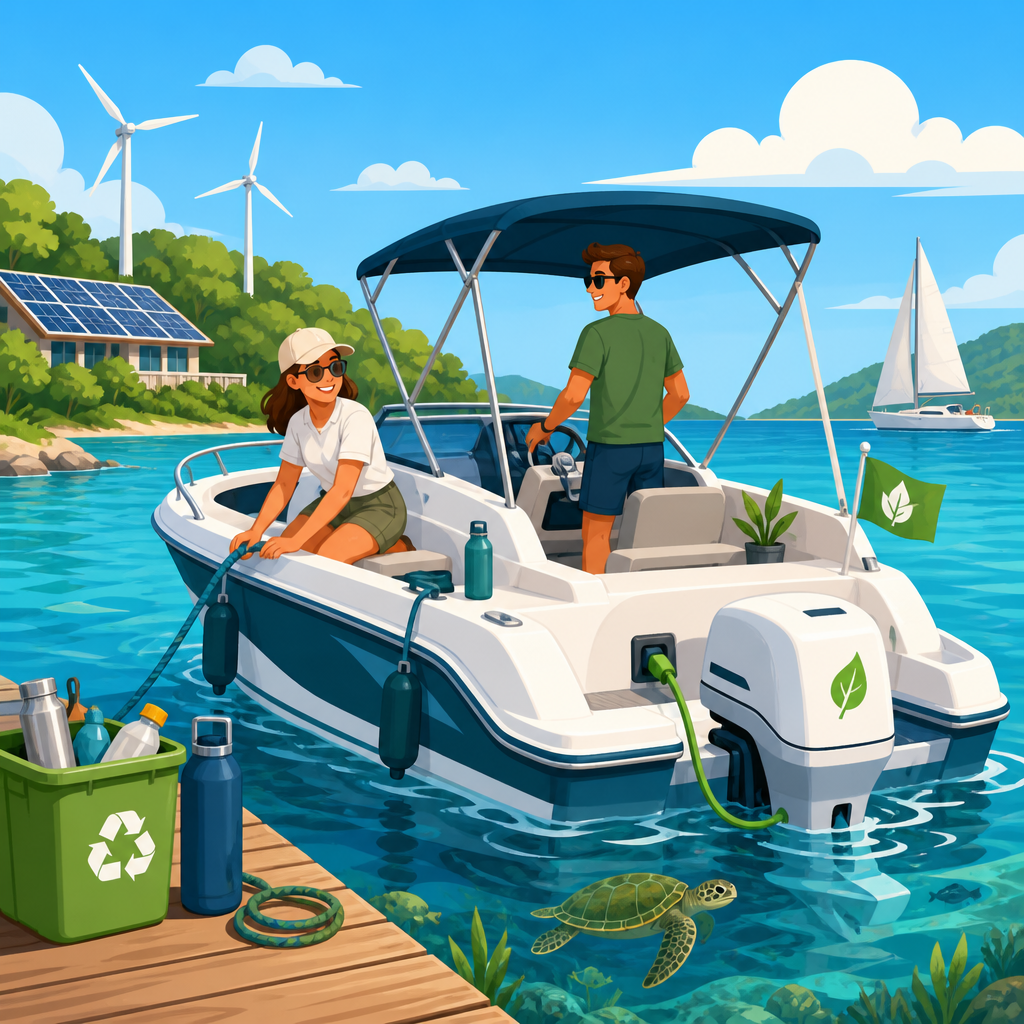
Trash rules are equally strict. Plastics should never go overboard, and food waste may also be restricted depending on distance from shore and local regulation. Secure lightweight packaging before departure because wind loss counts as littering whether intentional or not. Keep a lidded onboard trash container, separate recyclables if your marina accepts them, and make sure guests know where waste goes. If you fish, store monofilament line for recycling; many marinas and tackle shops provide collection tubes because abandoned line injures birds, turtles, and propellers.
Fuel safely and control pollution at the dock and underway
Fueling errors are expensive because even a small spill can trigger reporting duties, cleanup costs, and civil penalties. Most incidents are preventable with a disciplined procedure. Before fueling, shut off engines and electrical equipment, close hatches and ports, assign one person to handle the nozzle, and place absorbent pads around the fill. Listen for the vent, fill slowly near the top, and never “top off” because heat expansion can push fuel out of the vent after departure. If a spill occurs, stop fueling immediately, contain what you can with pads, notify the marina, and report the spill if required. Do not use dish soap; dispersants are regulated and soap makes sheens harder for responders to recover.
Underway, watch for exhaust, smoke, and fuel odors that suggest poor combustion or leaks. Two-stroke engines, older carbureted systems, and neglected fuel lines can release unburned fuel and hydrocarbons. While many older boats remain legal, operators should understand that maintenance is not only mechanical stewardship but environmental compliance. Replace cracked hoses with EPA-compliant fuel lines, inspect clamps, and service portable tanks and vents. For diesel boats, keep spill kits onboard and train crew to use them. Commercial and passenger vessels face additional recordkeeping and pollution prevention requirements, but recreational operators are not exempt from cleanup liability simply because the spill was accidental.
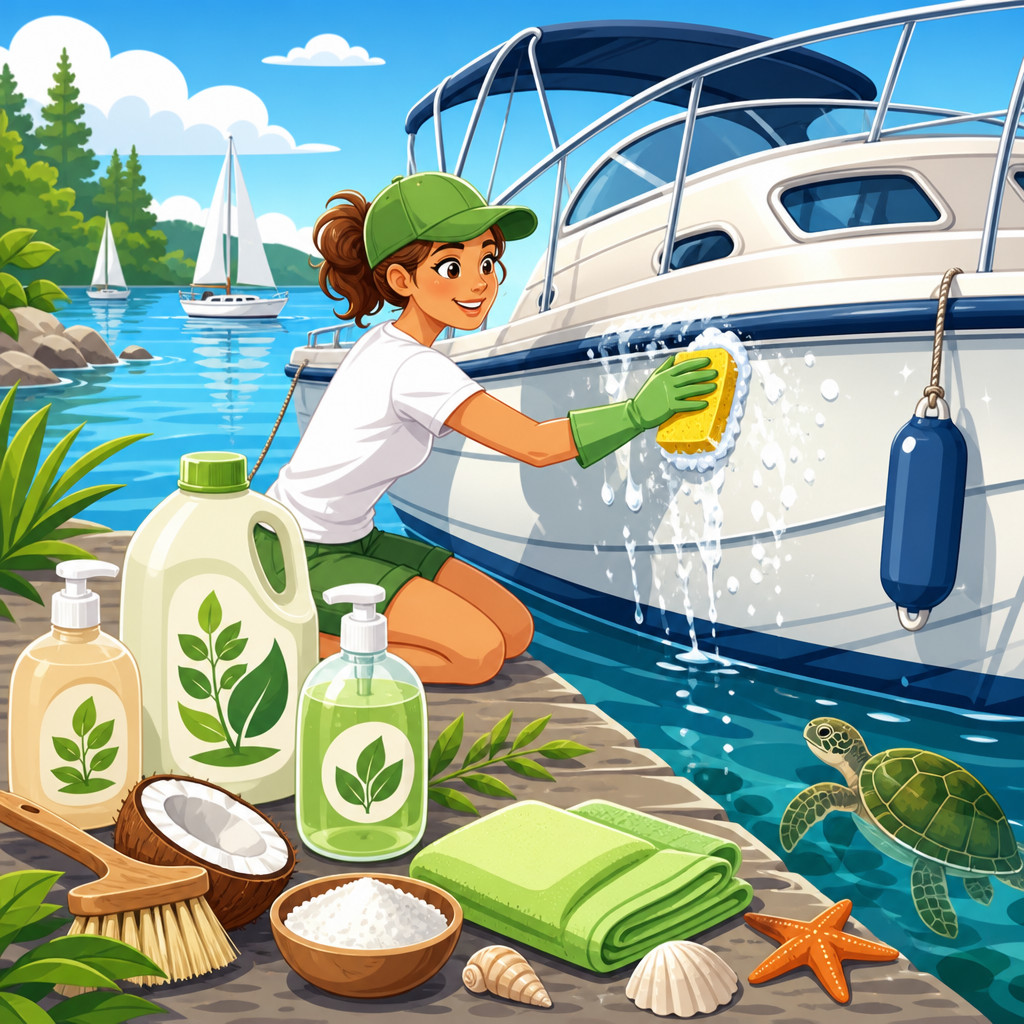
Boat washing and maintenance at the dock also create legal risk. Scrubbing hulls with bleach, acid cleaners, or phosphate-heavy soaps where runoff enters the water can violate local ordinances and marina rules. Use non-toxic, biodegradable products approved for marine use, capture sanding dust when doing topside work, and follow antifouling paint restrictions. Copper and biocide leaching are regulated more closely in some regions, especially enclosed marinas and freshwater lakes. If your marina requires tarps, vacuum sanders, or contractor permits for bottom work, comply exactly. These site rules often mirror permit conditions imposed by environmental agencies.
Protect habitats, wildlife, and shoreline areas
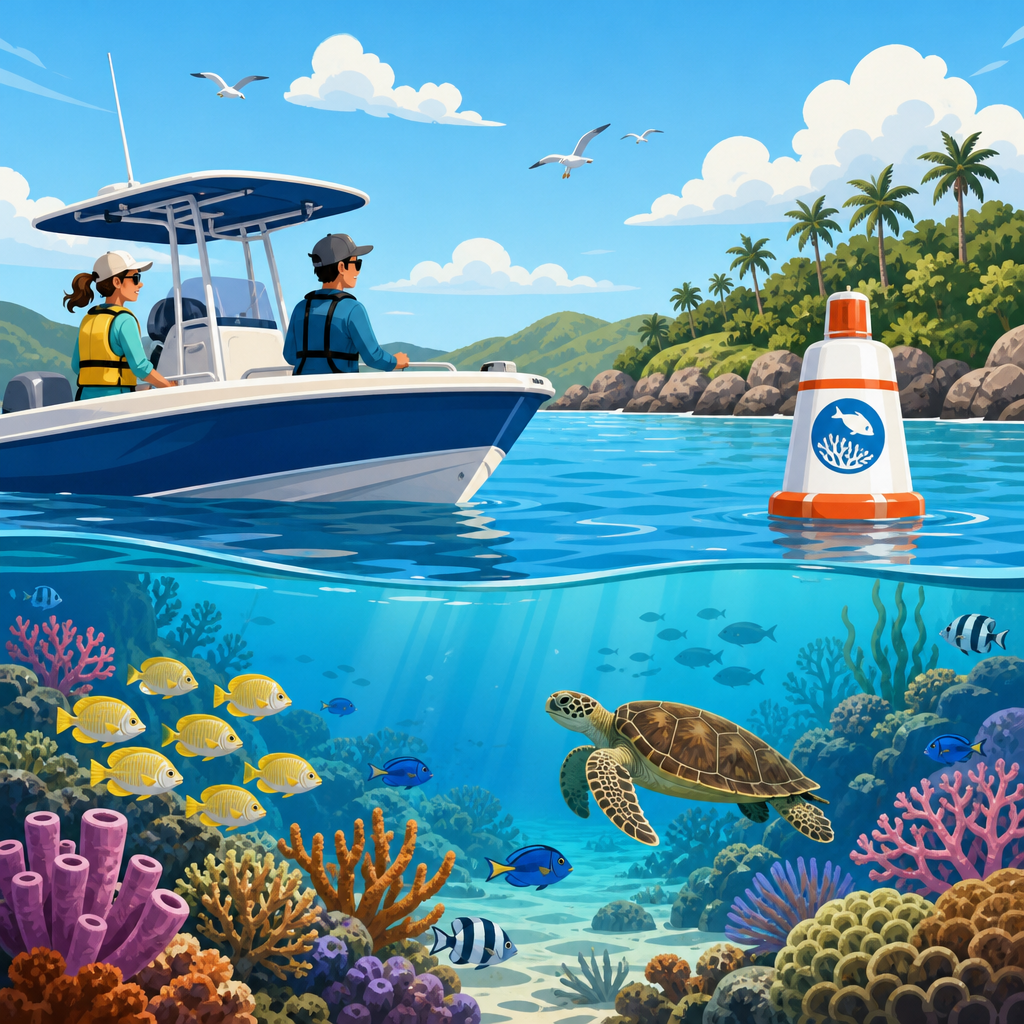
Many sustainable boating laws are habitat laws in practice. You may be fined without discharging anything if your operation damages seagrass, wetlands, reefs, nesting areas, or protected wildlife. Grounding a prop in a marked seagrass flat, for example, can leave scars that persist for years and may carry restoration costs on top of a citation. The safe habit is simple: know the chart, honor idle zones, and use your depth sounder before entering shallow backwaters. In sensitive areas, trim up, pole, troll, or stay out entirely. If there are marked channels, use them.
Wildlife rules are often speed and distance rules. Manatee protection zones in Florida, whale approach limits in federal waters, seal haul-out restrictions, and bird nesting closures are enforced because disturbance causes injury even when no collision occurs. Keep binoculars onboard, scan ahead, and reduce speed early. If an animal changes direction because of your vessel, you are already too close. Tour operators often train crews with species-specific approach distances; private boaters should adopt the same standard of care rather than assuming leisure use earns more leniency.
Anchoring is another overlooked issue. Dropping anchor on coral, shellfish beds, cables, or restoration sites can bring both environmental and navigational penalties. Use designated mooring buoys where provided and verify that “free anchoring” is actually allowed. In some lakes and reservoirs, shoreline landing itself is restricted to prevent erosion or protect cultural resources. Paddlers, sailboats, and powerboats all need the same habit: read the management plan for the waterbody, not just the navigation chart.
| Risk area | Typical violation | Best prevention step | Common enforcement trigger |
|---|---|---|---|
| Sewage | Discharge in a no-discharge zone | Lock Y-valve and use pump-out | Inspection of sanitation system |
| Bilge | Oily sheen behind vessel | Fix leaks and use absorbent pads | Visible sheen at dock or underway |
| Fueling | Overflow from vent during fill | Do not top off; fuel slowly | Marina report or camera evidence |
| Habitat | Prop scarring or illegal anchoring | Stay in channels and use moorings | Patrol observation or complaint |
| Invasive species | Launching with plants or standing water | Clean, drain, dry, decontaminate | Ramp inspection |
Stop invasive species violations before they start
Invasive species laws are now among the most actively enforced boating regulations, especially for trailered boats. Zebra mussels, quagga mussels, Eurasian watermilfoil, hydrilla, and spiny water flea spread through microscopic larvae, fragments on trailers, and standing water in bilges, ballast tanks, live wells, and engine cooling systems. Because the ecological and infrastructure costs are enormous, many states and provinces have inspection stations, mandatory permits, seal programs, and decontamination orders. Fines are common when operators bypass stations, fail to remove drain plugs, or lie on launch questionnaires.
The compliance routine is nonnegotiable: clean visible plants and mud from hull, prop, bunks, trailer, anchors, and gear; drain all water from bilge, live wells, ballast, and coolers away from the launch; and dry the vessel for the recommended period, or use an approved hot-water decontamination service. “Dry” is not a guess. Agencies often specify temperatures and time intervals because mussel veligers survive longer than many boaters assume. Wake boats, fishing boats with multiple live wells, and paddlecraft with fabric components need special attention because hidden moisture persists.
Bait laws fit this category too. Transporting live bait, releasing unused minnows, or moving water between lakes can violate fish and invasive species regulations. Buy bait near the destination, keep receipts when required, and dispose of bait on land, never into the water. If your boat has ballast systems, know the exact drain and flush procedure. Some western reservoirs prohibit launches until ballast tanks are professionally decontaminated. Owners who build a written post-trip checklist avoid mistakes far better than those relying on memory at the ramp.
Build a compliance system that stands up during inspections
The most effective way to avoid environmental fines is to turn compliance into a repeatable operating system. I recommend a three-stage checklist: before launch, during operation, and after retrieval. Before launch, confirm permits, route restrictions, pump-out status, drain plug and decontamination requirements, absorbent materials, spill kit, trash storage, and legal cleaning products. During operation, monitor depth, speed zones, wildlife distance, fuel odors, and guest behavior. After retrieval, clean, drain, dry, inspect for leaks, log any spills or malfunctions, and schedule repairs before the next outing. This is the same logic used in aviation and commercial marine safety because checklists reduce human error.
Training matters just as much as gear. Brief everyone onboard about trash, toilets, fueling roles, no-wake zones, and what to do if wildlife appears. Many citations occur when a guest flushes something inappropriate, tosses a can overboard, or restarts a bilge pump after you intentionally disabled it to prevent oily discharge. Clear roles prevent confusion. If children or first-time passengers are aboard, make the rules visible with simple labels near the head, helm, and trash bin.
Finally, treat local updates as part of trip planning. Regulations change with drought, harmful algal blooms, restoration work, endangered species protections, and inspection staffing. Join marina alerts, state boating newsletters, and conservation area notices. If you are unsure, call the harbor master, park office, or invasive species hotline before launching. One five-minute call can prevent a fine, a ruined weekend, and lasting environmental harm.
Avoiding fines for breaking environmental boating laws is not about memorizing every statute. It is about adopting habits that keep pollution out of the water, protect habitats, and prove you took reasonable steps to comply. Know the rules for each waterbody, secure sewage systems, prevent oily bilge discharge, fuel carefully, respect wildlife and sensitive shorelines, and follow clean-drain-dry requirements every time you move a boat. These are the core laws and regulations for sustainable boating, and they shape every other topic in this sub-pillar, from no-discharge zones to invasive species inspections and marina best practices.
The payoff is larger than avoiding tickets. Consistent compliance protects fisheries, access ramps, mooring fields, and the reputation of responsible boaters. It also saves money by preventing spills, cleanup bills, and equipment damage caused by neglect. Build a written checklist, keep your documents organized, and review local rules before each trip. If you manage a crew or family boat, brief everyone onboard so the standard is shared. Start there, and you will reduce enforcement risk while making every outing cleaner, safer, and more sustainable.
Frequently Asked Questions
1. What are the most common environmental boating violations that lead to fines?
The most common violations usually involve routine actions that boaters underestimate. These include illegal sewage discharge, improper disposal of trash or oily waste, fuel spills during fueling, operating too fast in no-wake or habitat protection zones, damaging seagrass beds or other sensitive shoreline areas, and failing to clean, drain, and dry a vessel to prevent the spread of invasive species. In many areas, boaters are also cited for not carrying required waste management equipment, bypassing marine sanitation device rules, or ignoring local restrictions around wetlands, shellfish beds, manatee zones, or protected spawning habitat.
What catches many operators off guard is that environmental enforcement is not limited to major pollution events. Small spills, careless anchoring, discharging untreated waste, or washing contaminants overboard can all trigger penalties. Enforcement officers often focus on visible, preventable problems: sheen on the water, unsecured trash, signs of bilge discharge, or obvious damage caused by propellers in restricted shallows. The safest approach is to assume that every part of vessel operation—from launch to fueling to docking—has an environmental compliance component. If you treat these rules as part of standard seamanship instead of optional extras, you dramatically lower your risk of citations.
2. How can I make sure I understand the environmental boating laws that apply where I operate?
The best way to avoid fines is to research the rules before you launch, not after an officer approaches your boat. Environmental boating laws can come from several levels of authority at once, including federal agencies, state or provincial regulators, county or municipal ordinances, harbor authorities, park services, and marina rules. That means the legal requirements on one lake, river, coastal inlet, or protected bay may differ from those in the next jurisdiction. A prudent operator checks the regulations for the exact waterway, launch site, and destination area before every trip, especially when traveling somewhere new.
Start with official sources. Review boating agency websites, fish and wildlife regulations, park notices, and local marine patrol guidance. Look for rules on no-discharge zones, marine sanitation devices, fueling procedures, invasive species inspections, ballast or bilge restrictions, speed limits in sensitive areas, and seasonal closures. If you are launching from a marina or public ramp, read the posted signage carefully and ask staff whether there are any local environmental restrictions boaters commonly miss. It is also smart to keep a printed or digital checklist onboard summarizing the rules that apply to your vessel and route. That habit turns compliance into a repeatable process and helps everyone onboard follow the same standards.
3. What should I do before launching to reduce the risk of environmental fines?
Pre-launch preparation is one of the most effective ways to prevent violations. Begin with a vessel inspection focused specifically on environmental compliance. Check your fuel system for leaks, confirm that absorbent pads and spill-control materials are onboard, inspect the bilge for oil or residue, and make sure garbage can be stored securely until it can be disposed of ashore. If your boat has a toilet or sanitation system, verify that it is legal for the waters you will use and that any holding tank, valve, or treatment device is functioning properly. If local law requires placards, documentation, seals, or pump-out records, have them accessible.
You should also prepare for habitat and invasive species compliance before the boat ever reaches the water. Remove plant matter, mud, and debris from the hull, trailer, propeller, anchor, and live wells. Drain water from areas where regulations require draining, and follow any clean-drain-dry or inspection protocol in force at the launch ramp. Review your route for shallow grass flats, wildlife refuge zones, shoreline buffers, and no-wake areas so you are not making last-minute navigation decisions. Finally, brief your passengers or crew. Many fines happen because someone onboard tosses trash, mishandles fuel, or ignores restricted areas. A two-minute compliance briefing before departure can prevent expensive mistakes later.
4. How can I avoid fuel, sewage, and waste-related violations while I am on the water?
On-the-water compliance comes down to disciplined habits. During fueling, never top off aggressively, and always monitor the fill closely to prevent overflow. Use absorbent materials around the fueling area when appropriate, wipe drips immediately, and report spills if local law requires it. In the bilge, never pump oily water overboard. If you see a sheen, stop and correct the source instead of treating it as minor. Store trash securely so wind cannot blow it into the water, and keep hazardous materials such as used oil, solvents, batteries, and contaminated absorbents for proper disposal on shore.
Sewage compliance is equally important and heavily enforced in many boating areas. Know whether your location is a no-discharge zone and assume that untreated discharge is prohibited unless you have verified otherwise. Use approved pump-out facilities, maintain your marine sanitation device properly, and ensure valves are set legally for the waters you are operating in. Beyond waste handling, pay close attention to speed and wake. Excessive wake can erode shorelines, damage habitat, and violate local environmental protections. Slow down in marked areas, avoid prop scarring in shallow zones, anchor only where permitted, and stay alert to seasonal wildlife restrictions. When in doubt, the environmentally safer choice is usually the legally safer one as well.
5. What should I do if I am inspected or accused of breaking an environmental boating law?
If you are inspected, stay calm, courteous, and organized. Provide registration, permits, and any requested compliance documentation promptly. If you have kept your vessel clean, your waste systems maintained, and your local rule checklist onboard, an inspection usually goes much more smoothly. Do not argue on the water or become defensive. Many enforcement decisions are influenced by whether the operator appears cooperative, informed, and committed to correcting problems. If an officer identifies a minor issue, ask respectful questions so you understand exactly what rule applies and what steps are needed to fix the problem immediately.
If you are cited or warned, document the situation carefully. Write down the location, time, officer’s explanation, photographs of relevant equipment or conditions, and any corrective actions you took. Then review the cited regulation from an official source as soon as possible. Some cases involve misunderstandings about local rules, signage, or the condition of the vessel at the time of inspection, while others reveal a genuine compliance gap that should be fixed before the next trip. If the fine is significant or the allegation involves discharge, habitat damage, or invasive species violations, it may be wise to speak with a qualified maritime or local environmental law attorney. Most importantly, treat the event as a compliance audit. The goal is not just to resolve one citation, but to improve your operating procedures so the same issue never happens again.