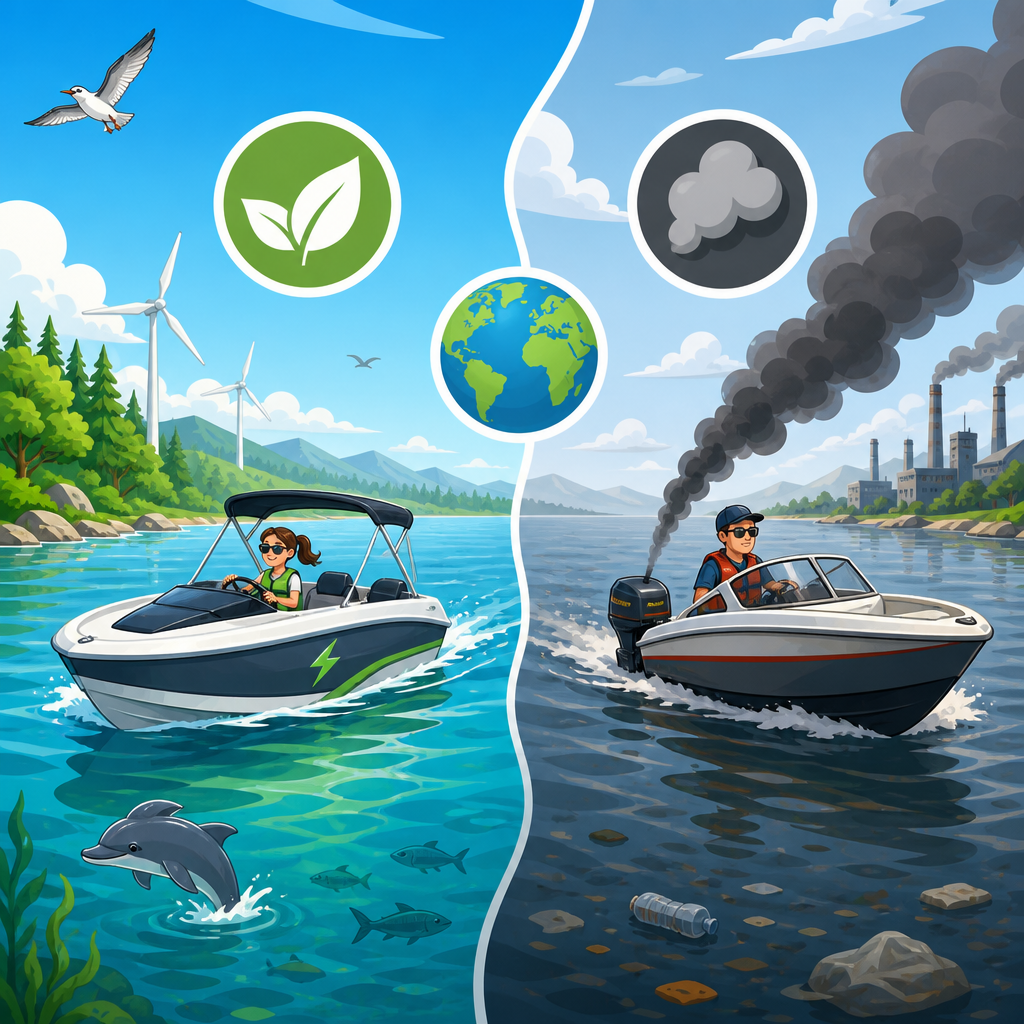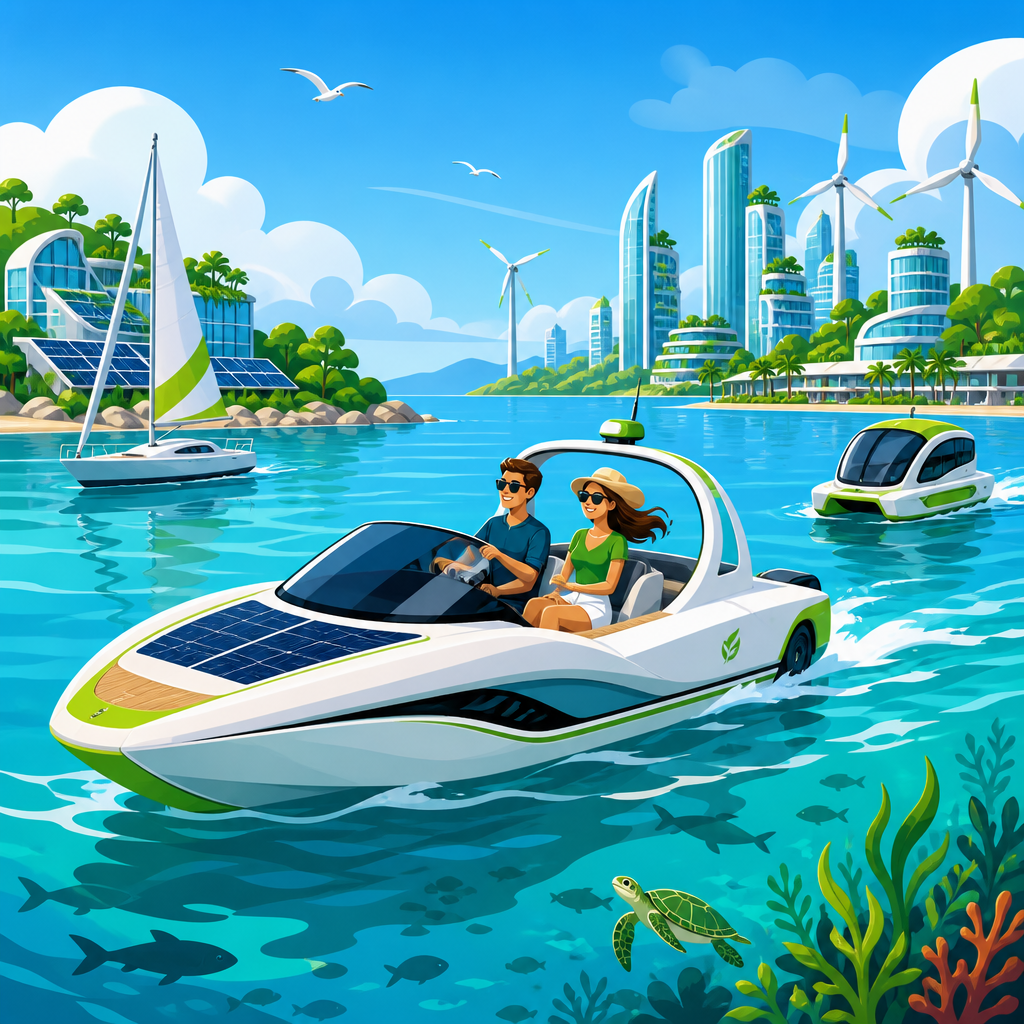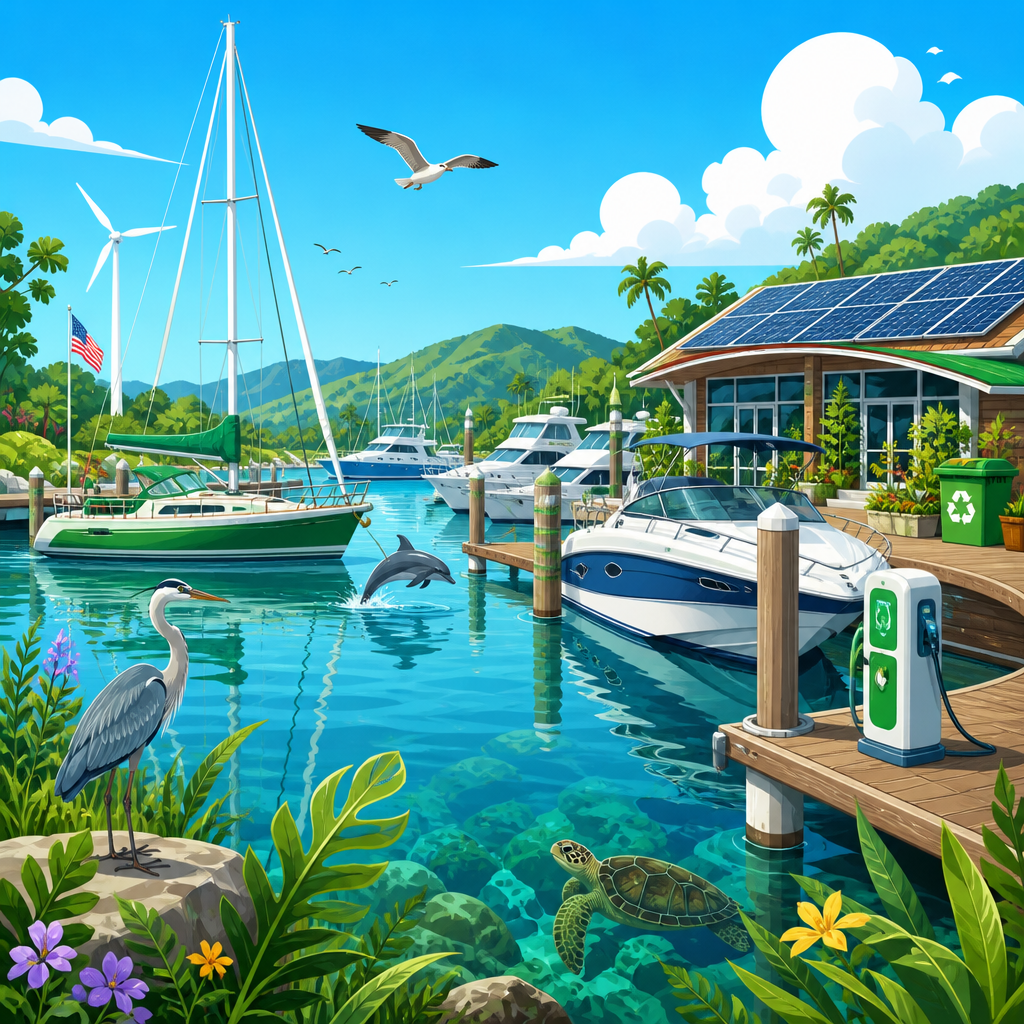
Eco-friendly marinas are reshaping recreational boating in the United States by proving that clean water, efficient infrastructure, and better boater habits can coexist with world-class service and access. In practical terms, an eco-friendly marina is a harbor or docking facility that reduces pollution, conserves energy and water, protects habitat, and guides boaters toward lower-impact operations through design, policies, and education. That can include everything from shore power, pump-out stations, and spill prevention plans to native shoreline restoration, renewable energy, and support for electric boats. I have visited and evaluated marinas with these features for years, and the difference is visible on the docks: less fuel sheen, cleaner restrooms, smarter waste stations, quieter slips, and staff who can explain exactly why a procedure matters. For boat owners, charter guests, and coastal communities, this shift matters because marinas sit at the intersection of tourism, marine ecosystems, and local economies. They influence water quality, wildlife health, operating costs, and the public image of boating itself. As the rise of eco-friendly boating accelerates, the best marinas are becoming hubs for cleaner technology and practical stewardship.
The rise of eco-friendly boating is not a trend driven by branding alone. It is a response to real pressures: stricter environmental expectations, higher fuel and utility costs, aging waterfront infrastructure, and a new generation of boaters who expect sustainability to be built into the experience. Programs such as Clean Marina certification, the Clean Vessel Act pump-out network, LEED-aligned building practices, and state stormwater rules have pushed the sector toward measurable improvements. At the same time, advances in lithium battery systems, electric outboards, low-VOC maintenance products, and digital monitoring have made cleaner boating easier to implement. A marina now has the ability to track electricity use by pedestal, detect leaks, install solar canopies, recycle shrink wrap, and direct customers toward non-toxic hull cleaning methods. For readers exploring eco-friendly and sustainable boating, marinas are the ideal place to start because they connect every major topic in the category: fuel use, emissions, wastewater, habitat, materials, electrification, and boater education. This hub article explains what makes a marina environmentally strong, identifies standout facilities across the country, and shows how these sites reflect the broader transformation of sustainable boating in the U.S.
What makes a marina genuinely eco-friendly
A marina deserves the eco-friendly label only when sustainability is built into operations, not treated as a decorative amenity. The clearest markers are straightforward. First, the marina prevents water pollution through pump-out access, bilge management, clearly labeled oil-absorbent disposal, and disciplined fueling procedures. Second, it reduces resource use with LED dock lighting, efficient HVAC systems, low-flow fixtures, and, increasingly, solar arrays or battery-backed microgrids. Third, it manages waste responsibly by separating recyclables, handling hazardous materials correctly, and reducing single-use plastics in dock stores and events. Fourth, it protects habitat by preserving wetlands, planting native vegetation, using living shorelines where feasible, and reducing light spill into sensitive areas. Fifth, it educates boaters with signage, staff training, and incentives for better practices.
Certification helps separate serious operators from those using vague green claims. Clean Marina programs, which vary by state but follow similar principles, generally require standards for fueling, sewage disposal, fish waste, stormwater, petroleum control, and emergency planning. Many top marinas also align with recommendations from the Association of Marina Industries, NOAA coastal resilience guidance, and local harbor best management practices. In my experience, the most credible facilities can show visitors exactly where storm drains lead, how often pump-out systems are serviced, what products are approved for use on site, and how staff respond to a spill. Transparency is the signal to trust. If a marina cannot explain its environmental systems in plain language, its sustainability program is probably shallow.
Why marinas are central to the rise of eco-friendly boating
Boats may be the visible symbol of boating culture, but marinas shape the environmental footprint more than many owners realize. A well-run marina influences the behavior of hundreds or thousands of vessels through layout, rules, pricing, and convenience. If pump-out access is easy, more crews use it. If shore power is reliable, fewer engines idle at the dock. If maintenance areas capture runoff and dust, less copper, paint residue, and detergent enter the basin. In other words, marinas can make the sustainable choice the default choice.
This is why the rise of eco-friendly boating often begins on land. Electric boats need charging infrastructure. Hybrid cruisers need staff trained on battery safety. Refit yards need dust containment and wastewater treatment. Charter operators need visible sustainability practices that reassure customers. Communities need marinas that can survive floods and sea-level rise without exporting debris and contamination into estuaries. The marina is the service layer connecting technology, regulation, tourism, and ecology. The best operators understand that environmental performance is not separate from business performance. Lower energy bills, stronger storm resilience, better customer retention, and easier permitting often follow the same investments.
Leading eco-friendly marinas in the U.S.
Several U.S. marinas stand out for combining environmental standards with practical boater value. Safe Harbor Marathon in the Florida Keys operates in a region where seagrass, coral ecosystems, and water clarity are central to both ecology and tourism, making pump-out access, spill control, and habitat sensitivity nonnegotiable. Brewer Sakonnet Marina in Rhode Island has long been associated with strong environmental management in New England, where stormwater control and proper yard practices matter because of dense boating activity in enclosed waters. On the West Coast, Monterey Harbor in California has earned attention for water quality programs, fishing harbor stewardship, and public-facing environmental education in a biologically significant bay.
In the Pacific Northwest, Cap Sante Marina in Anacortes, Washington, benefits from a region with robust boater education and strong expectations around marine habitat protection. It is a useful example of how public marinas can combine transient moorage, pump-out services, and environmental messaging without sacrificing convenience. In the Mid-Atlantic, Chesapeake-area facilities such as Haven Harbour Marina in Maryland have become case studies in resilience and stewardship, with shoreline management and practical sustainability improvements tied directly to the health of the Bay. Down south, marinas around Sarasota and St. Petersburg, including several recognized through Florida’s Clean Marina efforts, show how warm-weather boating hubs can integrate recycling, sewage management, and customer outreach at high volume.
| Marina | Region | Notable sustainability strengths | Why it matters to boaters |
|---|---|---|---|
| Safe Harbor Marathon | Florida Keys | Pump-out access, spill prevention, sensitive-waterway practices | Protects reef-adjacent waters and improves cruising confidence |
| Brewer Sakonnet Marina | Rhode Island | Managed yard practices, waste handling, stormwater awareness | Reduces maintenance-related pollution in busy coastal waters |
| Monterey Harbor | California | Water quality focus, public education, habitat stewardship | Supports boating in a nationally significant marine ecosystem |
| Cap Sante Marina | Washington | Pump-out availability, clean boating outreach, public management | Makes lower-impact cruising straightforward for transients |
| Haven Harbour Marina | Maryland | Bay-conscious operations, shoreline care, resilient infrastructure | Connects sustainable boating with Chesapeake restoration goals |
No single marina is perfect, and sustainability looks different by geography. A Gulf Coast marina may focus on hurricane resilience and sewage management, while a Great Lakes facility may prioritize runoff, invasive species prevention, and winter storage waste. What separates leaders from average operators is consistency. The staff know the procedures, the infrastructure is maintained, and the environmental message reaches customers without sounding performative. Boaters notice that level of discipline quickly.
Core practices that define sustainable marina operations
The strongest eco-friendly marinas share a set of operational practices that go beyond marketing. Fuel docks use automatic shutoff nozzles, absorbent pads, emergency spill kits, and trained attendants. Maintenance yards use designated washdown pads or filtration systems so paint dust, zinc particles, and detergents do not run untreated into the water. Restroom and shower buildings are upgraded with efficient fixtures because marinas can consume large water volumes during peak season. Lighting is switched to LEDs with shields or warmer color temperatures to reduce energy use and limit impacts on insects, turtles, and other wildlife where relevant.
Waste management is another dividing line. Better marinas do not just place a few recycling bins near the office. They create clear stations for cardboard, aluminum, plastics accepted by the local hauler, fishing line, used oil, oil filters, batteries, and flares where permitted. Some partner with local nonprofits on monofilament recovery or with shrink-wrap recyclers after haul-out season. Others digitize billing and forms to reduce paper, stock pump bottles instead of single-use toiletries, and phase out foam products during events. These details matter because small-volume waste streams become large when multiplied by hundreds of slips and thousands of visitor days.
How cleaner boating technologies are changing marina design
Technology is pushing marinas from passive service providers into active energy and data managers. Shore power has long reduced generator use, but modern systems now support larger electrical loads, smarter metering, and usage-based billing that encourages efficiency. Solar installations over parking lots or service buildings help offset daytime demand, while battery storage can stabilize critical loads during outages. In hurricane and wildfire-prone regions, resilience is becoming part of sustainability because backup power protects fuel systems, communications, refrigeration, and emergency lighting without relying entirely on diesel generators.
Electric boats are still a small part of the U.S. fleet, but the marina implications are already clear. Facilities serving electric day boats need dependable charging, load planning, and staff who understand lithium battery safety basics. High-end yacht clubs and urban waterfront marinas are also seeing interest in electric tenders, e-foils, and hybrid auxiliary craft. That means the best eco-friendly marinas are thinking ahead about pedestal upgrades, fire response planning, ventilation in enclosed charging areas, and signage for proper connection practices. The same planning supports broader electrification, including maintenance carts, forklifts, and dock vehicles.
Digital systems help as well. Submetering can identify unusual water or power use before it becomes expensive waste. Weather and tide monitoring support safer operations and faster storm preparation. Reservation software reduces paperwork and allows marinas to share environmental rules before a vessel arrives. None of these tools are glamorous, but they make sustainable operations repeatable, measurable, and easier to enforce.
The role of habitat protection, resilience, and community education
Eco-friendly marinas do more than reduce their own footprint. They can actively improve the health of the waterfront around them. Living shorelines, oyster restoration partnerships, native plant buffers, and careful dredging practices all help stabilize sediment, improve habitat, and soften wave energy. In estuaries and bays, that can translate into better water clarity, healthier nurseries for fish and crabs, and less erosion during storms. In places like the Chesapeake Bay and parts of the Gulf Coast, these measures are not abstract environmental gestures. They are practical defenses against loss of shoreline and declining water quality.
Education is equally important because a marina cannot control every action once a boat leaves the slip. The best facilities teach through short, direct interventions: signs showing where sewage discharge is prohibited, checklists for green cleaning products, handouts on no-wake erosion, and staff reminders about fueling etiquette. Some host workshops with local extension programs, sailing schools, or conservation groups. Others support citizen science, shoreline cleanups, or youth boating camps that explain why seagrass beds, manatees, kelp forests, or tidal marshes matter. When customers understand the reason behind a rule, compliance rises.
Community credibility also grows when marinas report outcomes. A facility that can say it recycled a certain tonnage of shrink wrap, installed a measurable amount of solar capacity, or completed a shoreline restoration project is far more persuasive than one relying on broad promises. For local governments and waterfront neighbors, that accountability helps justify future marina investment.
How boaters can choose and support the best eco-friendly marinas
Boaters should evaluate marinas with the same scrutiny they apply to navigation gear or maintenance yards. Start by asking direct questions. Is there an operational pump-out, and how easy is it to use? Are used oil, batteries, and filters accepted on site? What certification or clean marina program does the facility participate in? How is runoff handled in maintenance areas? Is shore power reliable enough to avoid unnecessary generator hours? Serious marinas answer quickly and specifically.
Then look at the visible details. Clean recycling areas, intact spill kits, native landscaping, labeled drains, and updated lighting tell you more than a brochure. Watch the fueling operation. Observe whether staff intervene when customers create a risk. Ask what products are prohibited for hull cleaning or deck washing. If you store your boat seasonally, ask how shrink wrap is managed and whether the yard uses dust collection during sanding. These are simple checks, but they reveal whether sustainability is operational or cosmetic.
Boaters can also reinforce good practices by rewarding them. Choose marinas that invest in pump-out access and proper waste handling, even if rates are slightly higher. Use non-phosphate cleaners, maintain engines to reduce emissions and fuel sheen, connect to shore power responsibly, and respect no-discharge zones. Share constructive feedback when facilities do something well. Demand from informed customers is one reason the rise of eco-friendly boating continues to gain traction across the U.S.
The best eco-friendly marinas in the U.S. are not defined by scenic views alone. They stand out because they turn sustainability into daily dockside practice through clean fueling, pump-out access, efficient buildings, resilient infrastructure, habitat protection, and clear boater education. As the rise of eco-friendly boating continues, these marinas are becoming the operating system of a cleaner marine industry, linking electric propulsion, smarter maintenance, lower waste, and healthier waterways in one place. They also prove an important point: environmental performance and a great boating experience are not competing goals. In most cases, they reinforce each other through better service, safer operations, and stronger long-term value for owners and communities.
If you are building your knowledge of eco-friendly and sustainable boating, use marinas as your starting point and your benchmark. The right facility can reduce your impact immediately and help you make better choices about gear, cleaning products, power systems, and cruising habits. Explore certified clean marinas in your cruising region, ask specific questions before booking a slip, and support operators that can demonstrate results. Cleaner boating begins long before the lines are cast off, and the marina you choose is one of the most important decisions you make.
Frequently Asked Questions
What makes a marina truly eco-friendly?
An eco-friendly marina goes well beyond adding a few recycling bins or using “green” language in its marketing. At a practical level, it is a docking facility designed and managed to reduce environmental harm while still delivering a high-quality experience for boaters. The best eco-friendly marinas focus on several core areas at once: protecting water quality, reducing waste, conserving energy and water, limiting emissions, and supporting local habitat. That can mean installing shore power so boats can plug in instead of idling generators, providing reliable pump-out stations to keep sewage out of the water, using spill-prevention systems at fueling docks, and maintaining stormwater controls that stop runoff from carrying oil, soap, and debris into nearby bays, rivers, and harbors.
Strong environmental management is another key sign. Leading marinas often have formal sustainability policies, staff training programs, and clear rules for waste disposal, hull cleaning, fueling, and maintenance. Many also use efficient lighting, low-flow fixtures, native landscaping, and modern dock materials chosen for durability and lower ecological impact. Some facilities go further by supporting clean boating education, encouraging non-toxic products, and protecting adjacent wetlands, seagrass beds, oyster habitat, or shorebird nesting areas. In other words, a truly eco-friendly marina is not defined by a single feature. It is defined by a system of design choices, operating practices, and boater guidance that works together to keep recreational access compatible with healthier waterways.
How can boaters identify the best eco-friendly marinas in the U.S.?
Boaters can usually spot a genuinely eco-friendly marina by looking for evidence of both infrastructure and accountability. The first thing to check is whether the marina offers practical environmental services that are easy to use, such as pump-out stations, recycling collection, oil and battery disposal, shore power hookups, and clearly marked waste-management areas. These features matter because they make low-impact boating more convenient, which increases participation. A marina that wants to reduce pollution should make the responsible choice the easy choice. Clean, well-maintained docks, visible spill kits, modern fuel handling systems, and signage about no-discharge practices are also strong indicators that environmental protection is built into daily operations rather than treated as an afterthought.
It also helps to look for certifications, affiliations, or published sustainability commitments. Many respected marinas participate in clean marina programs, environmental stewardship initiatives, or regional best-practice frameworks. While labels alone are not enough, they can show that the facility has been evaluated against recognized standards. Reviews from experienced boaters can provide additional insight, especially when they mention water cleanliness, staff responsiveness, and the marina’s commitment to responsible maintenance and conservation. Finally, pay attention to whether the marina educates guests. The best eco-friendly marinas usually explain their expectations clearly, from fueling protocols to wildlife-friendly boating behavior, and they make it obvious that environmental performance is part of the customer experience, not separate from it.
Why are eco-friendly marinas important for water quality and coastal ecosystems?
Marinas sit at a critical intersection between boating activity and sensitive aquatic environments, so their environmental performance can have a direct effect on water quality. Without good management, marinas can become concentrated sources of fuel spills, sewage discharge, contaminated runoff, paint particles, cleaning chemicals, and floating debris. Those pollutants can reduce oxygen levels, cloud the water, damage seagrass, stress fish populations, and contribute to algae growth. Eco-friendly marinas help prevent these problems by controlling pollution at the source. Pump-out systems reduce the likelihood of sewage entering the water. Spill-prevention tools and fueling procedures help keep petroleum products out of marinas and tidal areas. Better stormwater controls limit the movement of oil, metals, and sediment from parking lots, service yards, and upland surfaces into nearby waterways.
The ecological benefits extend beyond cleaner water. Many sustainable marinas also consider habitat protection in how they are built and operated. They may preserve living shorelines, reduce unnecessary dredging, use downward-facing lighting that minimizes disturbance, or establish no-wake and wildlife-awareness guidelines. In estuaries, bays, and protected harbors, these practices can support healthier nurseries for fish, shellfish, birds, and other species that depend on stable coastal habitat. Eco-friendly marinas therefore play an important role in balancing recreation with conservation. They help ensure that boat access does not come at the expense of the very landscapes and waters that attract boaters in the first place.
What sustainable features should boaters expect at top eco-friendly marinas?
The best eco-friendly marinas typically combine visible guest-facing amenities with behind-the-scenes operational improvements. On the guest side, boaters should expect access to shore power, pump-out stations, recycling, and safe disposal options for used oil, antifreeze, filters, batteries, and other maintenance-related waste. Water-saving fixtures in restrooms and dockside utility areas are increasingly common, as are energy-efficient lighting systems and clearly labeled collection points for trash and recyclables. Some marinas also provide green cleaning guidance, encourage the use of phosphate-free or biodegradable products, and share information about local no-discharge rules, wildlife protection zones, and responsible fueling practices.
Operationally, stronger marinas often invest in systems that the average visitor may not immediately notice but that have major environmental value. These can include permeable paving, runoff filtration, containment areas for repairs, efficient irrigation, leak detection, renewable energy installations, and modern dock electrical systems that improve safety while reducing unnecessary energy use. Some properties also integrate habitat-friendly landscaping using native plants, maintain buffers that reduce erosion, and design infrastructure to withstand storms more effectively, lowering the risk of debris and contamination after severe weather. Together, these features signal that the marina is taking a comprehensive approach to sustainability rather than relying on one or two symbolic upgrades.
How do eco-friendly marinas improve the boating experience for visitors?
One of the biggest misconceptions about sustainability in boating is that it requires sacrificing comfort or convenience. In reality, the best eco-friendly marinas often provide a better overall visitor experience because efficient infrastructure and cleaner operations tend to improve safety, reliability, and comfort. Shore power can mean quieter docks with fewer fumes from generators. Well-maintained pump-out facilities and waste systems reduce odors and keep the marina cleaner. Modern lighting, upgraded utilities, and organized maintenance areas create a more polished, professional environment. When a marina is serious about water quality and environmental care, guests often notice that the basin looks cleaner, the grounds are better maintained, and the facility feels more thoughtfully run.
Eco-friendly marinas also add value by helping boaters make responsible choices without extra hassle. Instead of asking guests to go out of their way, they build cleaner boating into the routine of docking, fueling, and maintaining a vessel. Staff at these marinas are often more proactive about education, local conditions, and best practices, which can be especially helpful for traveling boaters exploring unfamiliar regions. Over time, that combination of convenience, cleaner surroundings, and stronger management can make the entire trip feel smoother and more enjoyable. For many boaters, the appeal is simple: a marina that protects the water usually does a better job protecting the long-term quality of the boating experience as well.