The Clean Water Act shapes everyday boating more than most owners realize, because it governs what can enter U.S. waters, how marinas manage waste, and where enforcement agencies draw the line between acceptable recreation and unlawful pollution. For boaters, the law is not an abstract federal statute from 1972; it is the reason pumpout stations exist, why fuel spills trigger reporting duties, why some maintenance practices are restricted at the dock, and why local no-discharge rules can carry real penalties. In practical terms, the Clean Water Act is the backbone of laws and regulations for sustainable boating in the United States. It matters whether you run a kayak, a center console, a wake boat, a sailboat, or a liveaboard cruiser, because each vessel can affect water quality through sewage, graywater, bilge discharge, antifouling residue, trash, oil, and shoreline disturbance. I have worked with marina compliance checklists, spill response plans, and boater education programs long enough to see the pattern clearly: boaters who understand the law avoid fines, protect access, and operate more responsibly without sacrificing enjoyment. This article serves as a hub for sustainable boating regulations by explaining the key legal framework, the boating activities it affects, the agencies involved, and the practical compliance steps every operator should know before leaving the dock.
What the Clean Water Act covers for recreational boating
The Clean Water Act is the primary federal law regulating discharges of pollutants into waters of the United States and establishing quality standards for surface waters. Its core idea is simple: you cannot add pollutants to protected waters from a point source without authorization, and states must maintain water quality standards for fishing, swimming, drinking water sources, and aquatic habitat. Recreational boats are not regulated in exactly the same way as factories or municipal treatment plants, but they are still part of the system. The law affects vessel sewage, oil and fuel releases, hazardous substances, marina stormwater practices, dredging and shoreline work, and habitat impacts in wetlands and nearshore areas. Boaters often assume only commercial vessels need to care. That is incorrect. A small accidental sheen from overfilling a portable tank, discharge from an improperly secured marine sanitation device, or in-water hull cleaning that releases paint residue can all create legal consequences under the broader water pollution framework.
Several related programs matter to boaters. Section 402 created the National Pollutant Discharge Elimination System, usually called NPDES, which governs permits for certain discharges. Section 404 covers dredge and fill activities in wetlands and other protected waters, which affects marina construction, dock expansion, boat ramp work, and shoreline stabilization projects. Section 311 addresses oil and hazardous substance discharges, including spill prevention and reporting. States also adopt water quality standards and can create stricter rules than the federal floor, especially in sensitive estuaries, reservoirs, and shellfish waters. In day-to-day boating, that means the practical rules you face may come from a mix of federal law, state environmental agencies, harbor authorities, and marina operating policies. Sustainable boating starts with recognizing that legal compliance is layered, place-specific, and tied directly to how water quality is protected on the ground.
Sewage, marine sanitation devices, and no-discharge areas
If one issue generates the most direct boater obligations under clean water rules, it is sewage management. Vessel sewage contains pathogens, nutrients, and oxygen-demanding material that can close shellfish beds, contaminate swimming areas, and worsen algae blooms. Federal law, working alongside the Marine Sanitation Device framework administered by the U.S. Coast Guard and the Environmental Protection Agency, requires installed toilets on boats to use approved systems. Type I and Type II devices treat waste to specified standards, while Type III devices hold sewage for later pumpout or shore-side disposal. On most recreational boats, Type III holding tanks are the familiar solution. The legal point is straightforward: untreated sewage discharge is heavily restricted, and in many inland and coastal waters any sewage discharge from installed toilets is prohibited.
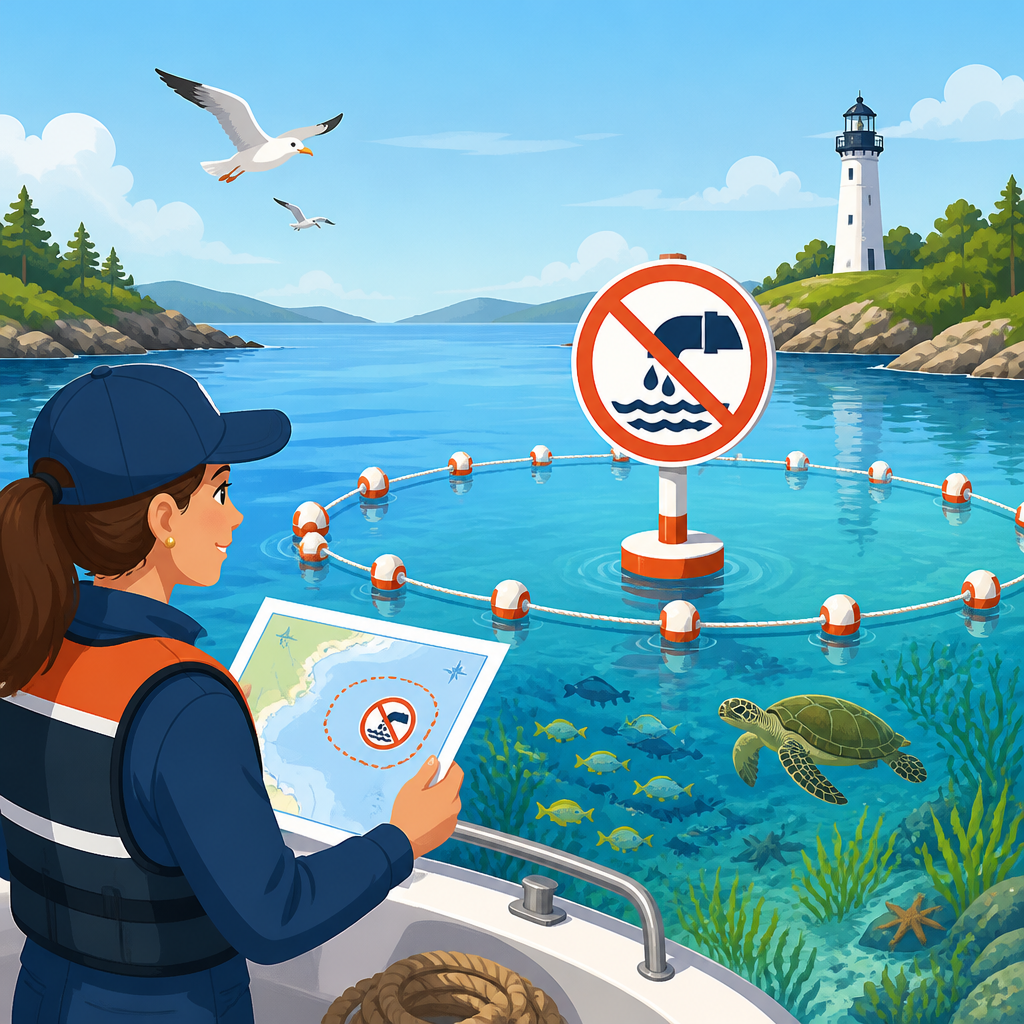
No-discharge zones are especially important for sustainable boating. In these waters, even treated sewage from approved devices cannot be discharged. States request these designations from EPA for water bodies where extra protection is justified, often because of ecological sensitivity or heavy recreation pressure. I have seen many boaters caught off guard by local no-discharge maps, particularly on popular cruising routes where one harbor allows discharge offshore but the next bay prohibits it entirely. The compliance habit that works is simple: know your tank capacity, verify Y-valves are secured where required, inspect hoses and vent filters, and identify pumpout locations before a trip. The Clean Vessel Act, a separate but complementary law, helps fund pumpout and dump station infrastructure, making compliance more practical. For a sustainable boating program, sewage control is the first operational pillar because it combines clear legal rules with immediate water quality benefits.
Oil, fuel, and hazardous discharges: what triggers liability
Many recreational boaters think a spill only counts if gallons of fuel enter the water. Under federal spill rules, that is a dangerous misunderstanding. A discharge that creates a visible sheen, sludge, or emulsion on the water can be reportable even if the quantity seems small. The familiar rainbow sheen at a fuel dock is not just bad optics; it is a sign that petroleum has entered the water in a way regulators take seriously. Section 311 of the Clean Water Act prohibits harmful discharges of oil and hazardous substances into covered waters and adjoining shorelines. For boaters, common sources include topping off tanks until vent overflow occurs, leaking fuel lines, oily bilge water, careless oil changes, and solvent disposal during maintenance.
Best practice is both legal and operational. Use absorbent pads during fueling, stop before the tank is visually full to allow for expansion, inspect vents and clamps, and never pump bilge water overboard if it contains fuel or oil residue. Keep a spill kit aboard with pads, a disposal bag, gloves, and contact numbers. If a spill causes a sheen, report it promptly to the National Response Center. Timely reporting does not erase liability, but failure to report can create additional violations. Marinas increasingly train staff to document incidents, deploy containment booms, and preserve camera footage, so informal assumptions rarely survive scrutiny. Sustainable boating law is not only about preventing dramatic environmental harm; it also addresses repetitive small releases that collectively degrade harbors and marinas over time.
Maintenance, cleaning, and marina operations under water quality rules
Some of the most overlooked clean water issues arise not while boating, but while maintaining a boat. Hull sanding, pressure washing, bottom paint removal, teak brightening, engine servicing, and detergent-heavy washdowns can all send pollutants into surface waters or storm drains that lead there. Copper and zinc from antifouling paint, paint chips, solvents, acids, and suspended solids are common concerns. In marina audits, I have repeatedly found that recreational boaters assume if a product is sold in a chandlery, it is automatically lawful to use anywhere. It is not. Location, runoff control, and disposal method matter. A legal product can still be used illegally if the residue enters the water without proper containment.
Marinas often operate under stormwater permits, local ordinances, or lease conditions that require best management practices. Those requirements commonly include designated wash areas, filtration for pressure wash water, covered sanding zones, spill prevention plans, and waste segregation for oil, batteries, solvents, and paint. Boaters should treat marina rules as an extension of environmental law, not optional house policies. If your marina prohibits in-water hull scraping, requires tarps for sanding, or limits engine flushing methods, those restrictions are usually grounded in permit conditions or documented risk controls. Following them protects both the facility and the boater. It also aligns with the broader legal principle behind sustainable boating regulations: pollution prevention is preferred over after-the-fact cleanup, because diffuse contamination from maintenance is expensive to trace and difficult to reverse.
How federal, state, and local rules overlap in practice
One reason boating compliance feels confusing is that the Clean Water Act sets the main federal structure, but state and local authorities often implement or tighten the rules. EPA oversees major federal programs, the Coast Guard enforces vessel-related requirements, the U.S. Army Corps of Engineers handles dredge and fill permitting under Section 404, and state environmental agencies administer water quality standards, certifications, and many permit programs. Add county health departments, harbor masters, and special district rules, and a boater can face multiple layers of regulation on a single weekend trip. This does not mean the system is arbitrary. It reflects how water quality protection works across different activities and jurisdictions.
The table below shows how these layers usually affect recreational boaters and marina users.
| Authority | Main role | What boaters typically notice |
|---|---|---|
| EPA | Sets federal water pollution rules, approves no-discharge zones, oversees permits | National standards, sewage restrictions, spill expectations |
| U.S. Coast Guard | Enforces vessel equipment and discharge-related requirements | Marine sanitation device checks, safety boardings, oily discharge concerns |
| Army Corps of Engineers | Permits dredge and fill work in protected waters and wetlands | Dock, marina, ramp, and shoreline project approvals |
| State environmental agencies | Implement water quality programs and add stricter state protections | Local discharge rules, clean marina standards, inspection programs |
| Local harbor or marina authorities | Apply operational rules tied to permits, leases, and public health goals | Pumpout requirements, maintenance restrictions, liveaboard policies |
For example, a marina expansion may need federal wetland review, state water quality certification, and local shoreline permits. A boater using that marina may then face pumpout rules, maintenance limits, and fueling procedures that are stricter than the federal minimum. This layered system is the real-world framework for laws and regulations for sustainable boating, and it explains why the safest approach is to verify local rules every season instead of relying on memory.
Enforcement, penalties, and how to stay compliant
Clean water enforcement is more practical than many boaters expect. Agencies rely on marina inspections, citizen complaints, visible evidence, spill reports, and routine patrols. Digital reporting has made it easier for witnesses to document sheens, illegal discharges, or shoreline damage with time-stamped photos. Penalties vary by violation, severity, negligence, and state law, but they can include civil fines, cleanup costs, permit consequences, and, in serious cases, criminal exposure. For recreational boaters, the most common pathway to trouble is not intentional dumping. It is preventable carelessness: a locked-open Y-valve in a prohibited area, repeated fuel vent overflows, oily bilge pumping, or maintenance debris entering the basin.
The strongest compliance strategy is a repeatable routine. Before launch or departure, confirm the sanitation system is operable, seacocks and valves are correctly set, absorbents are stocked, and trash and hazardous waste have designated containers. During fueling, assign one person to monitor the nozzle and vent. During maintenance, use containment, choose less toxic products where practical, and ask the marina where each waste stream belongs. After every trip, inspect the bilge for leaks rather than assuming a pump will solve the problem. Boaters who build these habits usually stay within the law without feeling burdened by regulation. More importantly, they reduce cumulative pollution in exactly the places they value most: marinas, coves, rivers, lakes, and nearshore habitats.
Why the Clean Water Act sits at the center of sustainable boating law
The Clean Water Act is the central legal reference point for sustainable boating because nearly every other boating environmental rule connects back to water quality protection. Sewage rules protect public health and shellfish waters. Spill rules address petroleum toxicity and fire risk. Marina stormwater controls limit metals, sediment, and chemicals. Wetland permitting protects nursery habitat, flood storage, and shoreline resilience. Even when a boater interacts with a separate statute, grant program, or marina policy, the underlying question is often the same: will this activity degrade protected waters?
That is why this topic works best as a hub for broader sustainable boating compliance. From here, boaters can branch into detailed subjects such as no-discharge zones, pumpout planning, clean fueling practices, liveaboard legal issues, antifouling paint restrictions, marina stormwater management, spill reporting procedures, and shoreline permitting for docks and lifts. The key takeaway is direct. The Clean Water Act does not exist to make boating difficult; it exists to keep boating waters fishable, swimmable, and usable for the long term. Learn the local rules, equip your boat for lawful waste handling, and treat every discharge pathway seriously. That approach protects your cruising grounds, reduces legal risk, and makes eco-friendly boating a practical daily standard rather than a slogan.
Frequently Asked Questions
What does the Clean Water Act actually require from recreational boaters?
The Clean Water Act is a federal law designed to protect U.S. waters from pollution, and that affects recreational boaters in practical, everyday ways. At its core, the law limits what can be discharged into navigable waters and gives federal and state agencies authority to regulate activities that may degrade water quality. For boaters, that means you cannot treat lakes, rivers, bays, and coastal waters as places to dump sewage, oily waste, fuel residue, trash, detergents, paint debris, or other contaminants. Even if your vessel is used only for leisure, you are still expected to operate it in a way that avoids polluting the water.
In real terms, the Clean Water Act is the reason marinas provide pumpout stations, why marine sanitation devices matter, and why certain maintenance practices are restricted or closely managed. It also supports local and state rules that may be stricter in sensitive areas, including no-discharge zones where sewage discharge is prohibited even if a boat has an approved sanitation device. The law does not just target massive commercial polluters. It creates a framework under which recreational boating activities can be scrutinized when they contribute to unlawful discharges. Boaters should understand that compliance is not only about avoiding fines; it is about preventing cumulative environmental harm that can damage fisheries, beaches, shellfish beds, and drinking water sources.
Can a boater legally discharge sewage or waste overboard?
In many situations, no, and this is one of the most important boating compliance issues under the Clean Water Act. Vessel sewage is regulated through a combination of federal boating sanitation rules and Clean Water Act enforcement authority. Boats with installed toilets typically must have an approved marine sanitation device, and discharge rules depend on the type of device, the vessel, and where the boat is operating. In designated no-discharge zones, untreated and treated sewage discharges are generally prohibited, which means boaters must use pumpout facilities or retain waste onboard until they can dispose of it lawfully.
It is also important to distinguish sewage from other kinds of onboard waste. Gray water, oily bilge water, garbage, cleaning chemicals, and fish waste may each be governed by different rules, but none should be casually released into the water without understanding applicable law. A common mistake is assuming that if a discharge seems minor or “diluted,” it must be legal. That is not a safe assumption. The practical takeaway is simple: use pumpout stations, maintain your onboard sanitation system, know whether your local waters are subject to special no-discharge restrictions, and never dump waste overboard as a matter of convenience. Local harbor authorities, state agencies, and the U.S. Coast Guard may all play roles in enforcement, and violations can lead to penalties that are far more expensive than proper disposal.
What should I do if I accidentally spill fuel or oil while boating?
If you spill fuel or oil into the water, you should act immediately, safely, and responsibly. The Clean Water Act prohibits the discharge of oil or hazardous substances into U.S. waters in harmful quantities, and even a relatively small spill can trigger cleanup and reporting obligations. The first priority is to stop the source of the spill if you can do so without creating a safety hazard. Shut off fueling, secure valves or vents if appropriate, and take steps to contain the spill using absorbent pads or spill response materials designed for marine use. Do not use soap, detergent, or other dispersants to make the spill “disappear,” because that can worsen the environmental harm and create an additional violation.
Depending on the size and visibility of the spill, you may need to notify the appropriate authorities promptly. Sheens on the water, obvious discoloration, sludge, or emulsion can all be signs of a reportable oil discharge. Marina staff may also have spill response protocols you are expected to follow. Boat owners should keep absorbent materials onboard, fuel carefully, avoid topping off tanks, and inspect fuel systems regularly to reduce the risk of spills in the first place. From a legal and practical standpoint, trying to ignore or conceal a spill is almost always the worst response. Quick reporting and responsible cleanup can reduce environmental damage and may help demonstrate that you acted in good faith once the incident occurred.
Are there restrictions on boat maintenance and cleaning at marinas and docks?
Yes. The Clean Water Act affects how boat maintenance is performed because sanding dust, paint chips, solvents, detergents, bottom paint residue, oil, and other byproducts can all enter the water if work is done carelessly. That is why many marinas have strict rules about hull cleaning, pressure washing, in-water scraping, engine work, and hazardous material handling. These rules are not merely housekeeping preferences. They are often tied to permit obligations, stormwater controls, and pollution prevention requirements that marinas must follow to avoid unlawful discharges into nearby waters.
For boaters, this means routine upkeep should be done with containment and disposal in mind. Use tarps or vacuum sanders when permitted, capture debris rather than rinsing it into the water, dispose of solvents and paint waste properly, and follow marina rules about where and when maintenance may occur. Some work that seems harmless, such as washing a deck with strong cleaners or rinsing residue off the hull at the dock, can create water quality issues if runoff goes directly into the marina basin. Before starting repairs or cosmetic work, ask the marina what practices are allowed and whether special service areas are required. Following those rules protects both your boat and your legal position, because the owner of the vessel can still be held responsible for pollution caused by maintenance activities.
How are Clean Water Act boating rules enforced, and what can happen if I violate them?
Enforcement can come from several directions. The U.S. Environmental Protection Agency, the U.S. Coast Guard, state environmental agencies, harbor authorities, and even local marina operators may all play some role in identifying and responding to boating-related pollution problems. In practice, enforcement may begin with a visible spill, an illegal discharge, a citizen complaint, a marina inspection, or evidence that waste handling rules are being ignored. Because the Clean Water Act works alongside state and local water quality programs, boaters should not assume that only federal officers are relevant. A violation can attract attention from multiple agencies, especially in protected waterways or heavily used recreational areas.
The consequences can range from warnings and cleanup directives to civil penalties, cost recovery for response efforts, and in serious cases, more significant legal action. Much depends on what was discharged, whether the release was accidental or intentional, the environmental impact, and how the boater responded after the incident. A person who immediately reports a spill and cooperates with containment efforts is in a very different position from someone who knowingly dumps waste or tries to hide pollution. The best protection is a compliance mindset: maintain your sanitation and fuel systems, use pumpout facilities, follow marina procedures, store hazardous materials carefully, and understand any local no-discharge or environmental rules before leaving the dock. For most recreational boaters, avoiding violations is less about mastering statutory language and more about treating pollution prevention as a normal part of responsible seamanship.