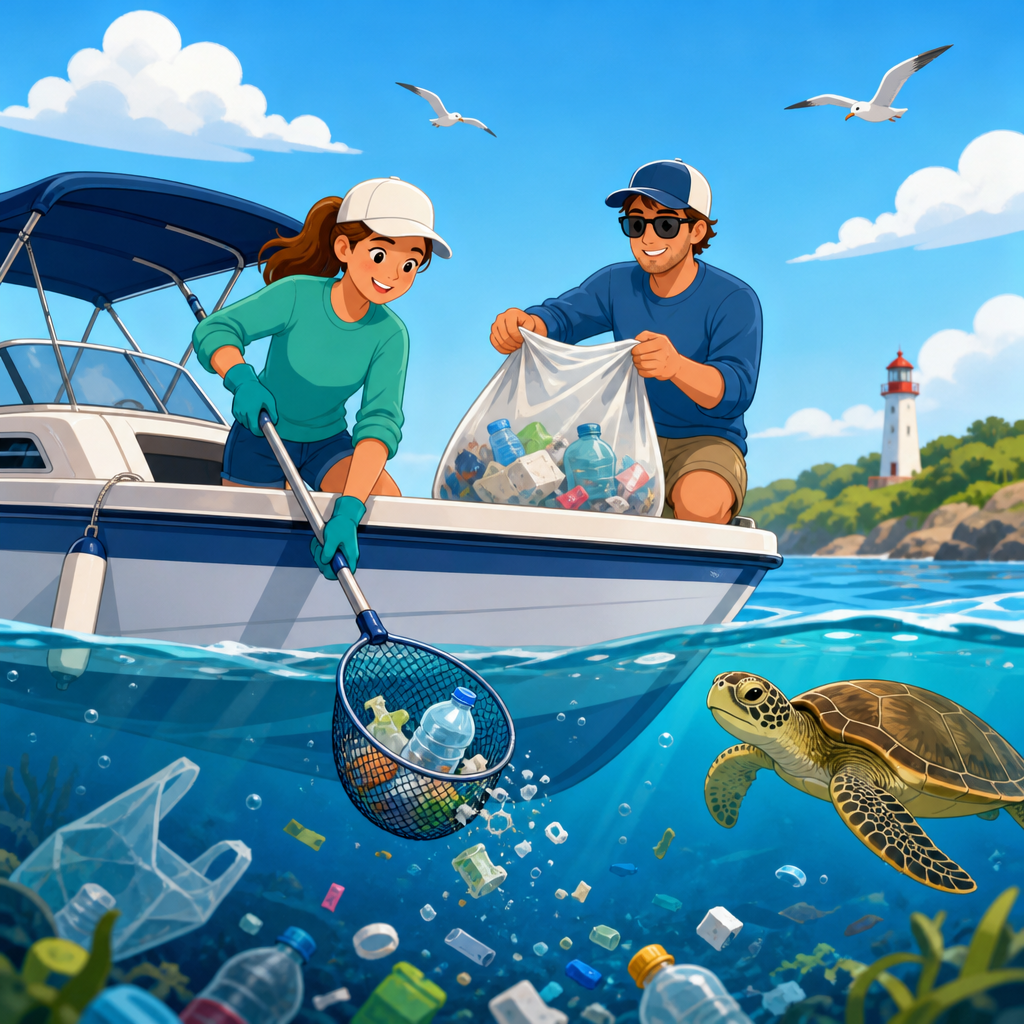
Best boating destinations with marine conservation initiatives are more than scenic stops on a chartplotter; they are places where a day on the water directly connects to reef recovery, wildlife protection, cleaner anchorages, and better long-term access for boaters. In practical terms, a sustainable boating destination is a cruising ground, harbor, island chain, or marine park that combines strong natural appeal with active management such as no-anchor zones, mooring buoy systems, habitat restoration, sewage controls, responsible fisheries rules, and community education. I have planned routes through several of these areas and the pattern is clear: when conservation is visible, the boating experience improves. Water clarity is better, wildlife encounters feel less degraded, and marinas tend to invest in pump-out facilities, waste sorting, and low-impact operations. This matters because recreational boating has real environmental pressure points, including fuel spills, prop scarring, coral breakage, noise disturbance, and greywater discharge. Destinations that address those pressures protect ecosystems while preserving the very qualities boaters travel for. For anyone researching the best sustainable boating destinations, the most useful approach is to look beyond postcard beauty and evaluate how each place manages visitation, enforces marine protected areas, and involves local operators, scientists, and cruising visitors in stewardship.
What makes a boating destination genuinely sustainable
A genuinely sustainable boating destination does not rely on branding alone. It uses measurable management tools that reduce damage from vessels and distribute tourism pressure more intelligently. The strongest examples usually combine marine protected area zoning, fixed mooring fields, anchoring restrictions over seagrass or coral, monitored wildlife approach distances, and marina infrastructure that supports proper waste handling. Programs such as Blue Flag marina standards, Clean Marina certification, and International Maritime Organization pollution rules often appear in these destinations because operators need a framework for fuel handling, emergency response, sewage disposal, and environmental training.
From experience, the fastest way to assess a destination is to ask six questions. Are there pump-out stations? Are eco-moorings available instead of free anchoring on sensitive bottom? Are local guides trained in wildlife interaction rules? Is there active restoration, such as coral nurseries, mangrove planting, or seagrass mapping? Are fees from permits, park entries, or moorings visibly reinvested into conservation? Finally, does enforcement actually exist? Protected areas without patrols or compliance systems rarely stay healthy. The best boating regions answer yes to most of these points, which is why they earn repeat visits from responsible cruisers.
Best sustainable boating destinations around the world
Several destinations stand out because conservation is not peripheral; it shapes how boating works on the ground. The Galápagos Marine Reserve in Ecuador is one of the clearest examples. Access is tightly controlled, guide requirements are strict, and wildlife rules are enforced because the archipelago’s ecological value is globally exceptional. Boaters do not get unrestricted freedom there, but that limitation is the point. The system prioritizes habitat integrity and endemic species over volume tourism, making it a benchmark for conservation-led marine access.
Raja Ampat in Indonesia is another leading destination. It sits within the Coral Triangle, one of the most biodiverse marine regions on Earth, and local marine protected areas are supported by entrance fees, community ranger programs, and partnerships with conservation groups. Visiting yachts and dive liveaboards benefit from extraordinary reef quality precisely because shark protections, no-take areas, and community-backed stewardship have reduced extractive pressure in key zones. Boaters who follow local anchoring guidance and use designated moorings help keep those reefs intact.
The British Virgin Islands offer a different but highly practical model. Mooring buoy networks in places such as The Baths and Norman Island reduce anchor damage, while marine park management and boater education are built into the cruising culture. It is not wilderness conservation in the same way as the Galápagos, but it is highly relevant because it shows how a busy charter destination can protect reefs and seagrass if infrastructure is matched to visitor volume. Similar lessons apply in Bonaire, where the Bonaire National Marine Park uses tagged moorings and long-standing diver and boater fees to support reef monitoring and regulation.
In the Mediterranean, Croatia’s Kornati National Park and Mljet National Park demonstrate how carrying capacity, protected zones, and managed visitation can coexist with popular cruising. In France, the Pelagos Sanctuary for Mediterranean marine mammals spans waters used by many recreational vessels and highlights the importance of speed management and wildlife-sensitive navigation. Closer to North America, Florida Keys National Marine Sanctuary remains a crucial case study. Sanctuary Preservation Areas, no-motor zones in selected habitats, and extensive mooring fields all reflect years of adaptation to protect coral, seagrass, and manatees in a heavily used boating region.
| Destination | Key conservation initiative | Why it matters for boaters |
|---|---|---|
| Galápagos Marine Reserve, Ecuador | Strict access controls, guided visitation, protected zoning | Preserves wildlife density and reduces cumulative tourism impact |
| Raja Ampat, Indonesia | Marine protected areas, shark protection, ranger patrols | Supports exceptional reef quality and clearer site rules |
| Bonaire National Marine Park | Mandatory moorings, user fees for park management | Prevents anchor damage and funds monitoring |
| British Virgin Islands | Large public mooring network, marine park education | Makes low-impact cruising easier for charter and private boats |
| Florida Keys National Marine Sanctuary | Mooring buoys, sanctuary zones, habitat-specific restrictions | Protects coral and seagrass in a high-traffic boating area |
How marine conservation initiatives improve the boating experience
Some boaters assume conservation rules only add friction, but well-designed initiatives usually make trips safer, simpler, and more rewarding. Mooring buoys are the easiest example. They reduce the uncertainty of anchoring in crowded or environmentally sensitive bays and lower the risk of dragging into reefs or neighboring boats. In Bonaire and parts of the British Virgin Islands, that translates into faster, cleaner arrivals and less bottom damage. For skippers, conservation infrastructure often functions as better boating infrastructure.
Water quality improvements also create immediate benefits. Areas with tighter sewage management, marina pump-out access, and stronger runoff controls tend to have better visibility, less odor, and healthier nearshore ecosystems. I have seen the difference between anchorages where wastewater rules are enforced and those where they are ignored; one invites swimming and snorkeling, while the other quickly loses its appeal. Seagrass protections matter too. Healthy seagrass meadows stabilize sediment, support juvenile fish, and feed species such as green turtles and dugongs. When they are shredded by repeated anchoring or prop scarring, the bay becomes cloudier and biologically poorer.
Wildlife management is another direct advantage. Speed zones for manatees, whale approach rules, and seasonal exclusion areas can feel restrictive until you understand their purpose. Disturbed animals abandon feeding or breeding sites, which gradually reduces the quality of encounters for everyone. Destinations with clear marine mammal guidance often provide more reliable sightings because animals remain present and less stressed. In short, conservation done well preserves the core value proposition of boating: clean water, functioning ecosystems, and memorable time outdoors.
Regions that lead through community stewardship and restoration
The best sustainable boating destinations are not always the biggest names. Many lead because local communities have tied marine protection to livelihoods in a practical way. Belize is a strong example. The Belize Barrier Reef Reserve System includes zones where tourism operators, fishers, and conservation groups all have a stake in keeping reefs healthy. Boaters benefit from managed access, local guiding knowledge, and reef-focused education that explains why some sites are off-limits or require moorings. After years of pressure from coastal development and extraction, Belize improved protections enough to be removed from UNESCO’s List of World Heritage in Danger in 2018, a meaningful sign of progress.
Palau has also built a reputation for pairing marine tourism with strict stewardship. Its protected waters, no-take areas, and broader environmental policies signal that the country is willing to limit short-term exploitation to preserve long-term ecological and tourism value. In New Zealand, the Bay of Islands and the Hauraki Gulf illustrate a more mixed but important model: active restoration, island predator control, and marine reserve management exist alongside busy recreational use. The lesson for boaters is that sustainability is rarely a static label. It is an ongoing process of reducing damage, measuring outcomes, and adjusting rules when ecosystems remain under stress.
On the U.S. West Coast, the Channel Islands National Marine Sanctuary and neighboring protected areas show how scientific monitoring and boating access can coexist. Kelp forest recovery, fisheries regulation, and educational outreach all influence the experience of cruisers, kayakers, and divers. In Australia, the Great Barrier Reef Marine Park remains one of the most referenced examples of zoning at scale. It faces major climate threats that local rules alone cannot solve, but site-specific tools such as reef moorings, no-entry research areas, and tourism operator standards still reduce direct human damage. That distinction matters: a destination can be worth visiting responsibly even when broader environmental risks remain serious.
How to choose the right destination for low-impact cruising
If you are comparing destinations for an eco-friendly itinerary, start with fit, not hype. A remote archipelago with excellent conservation may be a poor choice if your vessel range, waste storage, or navigation experience are inadequate. Conversely, a well-managed charter region with robust mooring systems may allow you to cruise more responsibly than a wild anchoring ground where fragile habitat is easily damaged. Match the destination to your boat type, crew skill, season, and willingness to follow local restrictions closely.
Research should include official marine park sites, marina environmental policies, cruising guides, notices to mariners, and recent reports from trusted operators. Look for specifics: mooring maps, discharge rules, invasive species cleaning requirements, speed limits near marine mammals, and permit systems. If that information is hard to find, management may be weak. I also recommend checking whether marinas offer shore power, recycling, used oil disposal, and pump-out services. These practical details are more revealing than generic sustainability claims.
Once underway, small decisions add up. Use reef-safe route planning by anchoring only in approved sand patches or, preferably, taking moorings. Keep bilges clean to prevent oily discharge. Choose slower speeds in shallow wildlife habitat, service engines to reduce smoke and leaks, and brief guests on no-trace snorkeling and tender use. Support operators that hire local guides, cap group sizes, and explain conservation fees transparently. A sustainable boating destination works best when visiting boaters act as participants in stewardship, not just consumers of scenery.
Why this topic matters for every future boating trip
The best sustainable boating destinations prove that marine conservation initiatives are not separate from recreation; they are the foundation of high-quality boating. Places such as the Galápagos, Raja Ampat, Bonaire, the British Virgin Islands, Belize, the Florida Keys, and the Great Barrier Reef Marine Park show different models, but the principle is consistent. Protect habitat, manage access, fund enforcement, and educate visitors, and the boating experience holds its value over time. Ignore those steps, and even famous cruising grounds decline through murkier water, damaged reefs, fewer wildlife encounters, and tighter emergency restrictions after preventable impacts.
For readers building a broader eco-friendly cruising plan, this hub should guide your next research steps. Explore destination-specific pages on mooring practices, marina standards, marine protected areas, waste management, and wildlife-safe navigation, then compare how each region handles the basics. The goal is not perfection. It is choosing destinations where your presence aligns with restoration, compliance, and long-term access instead of adding unmanaged pressure. Start with one well-managed region, follow its rules carefully, and you will quickly see that responsible boating is not a compromise. It is often the best boating available.
Frequently Asked Questions
What makes a boating destination a true marine conservation destination?
A true marine conservation boating destination is not defined by beautiful water alone. It stands out because the area actively protects the ecosystems that make boating there worthwhile in the first place. That usually means there is a clear management framework in place, such as marine protected areas, no-anchor zones over sensitive seagrass or coral, permitted mooring fields, wildlife approach rules, pump-out access, waste reduction programs, and restoration efforts tied to the local harbor, reef, bay, or island chain.
In practical boating terms, these destinations make it easier for captains and crews to enjoy the water without unintentionally damaging it. You might find clearly marked channels that reduce prop scarring, mooring buoys that prevent anchor damage, seasonal closures that protect spawning grounds, or local education programs that explain how to avoid disturbing turtles, manatees, seabirds, or marine mammals. The best destinations also pair conservation with enforcement and community support, so the rules are not just posted on a sign but actually reflected in cleaner anchorages, healthier habitats, and more reliable long-term access for visiting boaters.
In short, the destination earns its reputation when conservation is built into the boating experience. If your route, anchoring choices, wildlife encounters, and shore access are all shaped by efforts to protect the marine environment, you are not just visiting a pretty place—you are boating in a system designed to keep that place healthy for years to come.
How do marine conservation initiatives improve the boating experience?
Well-designed conservation measures often make boating better, not more restrictive. For example, mooring buoy systems can protect reefs and seagrass while also giving boaters a more secure and predictable place to stop. Marked no-anchor areas reduce habitat damage, but they also help captains avoid fouling anchors, damaging gear, or accidentally dropping on sensitive bottom. Cleaner water quality programs and pump-out infrastructure improve marinas, anchorages, and swimming areas, making the overall destination more enjoyable for families, anglers, cruisers, and day boaters alike.
Healthy ecosystems also create better on-water experiences. Protected coral reefs support clearer water and more diverse snorkeling and diving. Conserved mangroves and seagrass beds provide nursery habitat for fish, which can improve recreational fishing in surrounding areas when regulations are science-based and enforced consistently. Wildlife protection zones can lead to more meaningful sightings of dolphins, turtles, seabirds, and other species because the animals are less stressed and habitats are in better condition. In many destinations, conservation is directly linked to the scenic quality that draws boaters there in the first place.
There is also a long-term access benefit that many boaters overlook. Destinations that fail to protect reefs, shorelines, and water quality often face deterioration, crowding conflicts, and eventually tighter restrictions. By contrast, places that invest in habitat restoration, boater education, and practical management tend to remain attractive and usable over time. Conservation can feel like an extra layer of rules at first, but in reality it is often the reason a boating destination stays open, beautiful, and worth revisiting.
What should boaters look for when choosing sustainable boating destinations?
Start by looking for visible signs of active stewardship rather than vague eco-friendly marketing. Good indicators include established mooring buoy programs, published anchoring guidelines, no-discharge or pump-out facilities, reef-safe visitor education, protected wildlife zones, marked seagrass protection areas, and local organizations involved in habitat restoration or marine monitoring. A destination with clear maps, harbor regulations, and boater resources usually signals that conservation is taken seriously and that visiting vessels are expected to be part of the solution.
It is also worth assessing how easy the destination makes responsible boating. For example, are there maintained moorings instead of forcing every vessel to anchor? Are there pump-out stations nearby? Are channels and sensitive areas clearly marked on charts and with local signage? Are there practical guidelines for viewing marine wildlife, disposing of trash, reducing wake near shorelines, and avoiding damage to coral or shallow grass flats? The best sustainable destinations do not rely on guesswork; they help boaters make good choices with straightforward infrastructure and communication.
Finally, consider whether the destination appears to balance conservation with recreation in a realistic way. Strong destinations support boating, fishing, diving, and cruising while setting limits that protect the resource base. That balance often shows up through seasonal protections, permit systems where needed, local conservation partnerships, volunteer reef or shoreline restoration programs, and community buy-in from marinas, tour operators, and waterfront businesses. If conservation is woven into both policy and everyday boating operations, the destination is far more likely to deliver a rewarding and responsible experience.
How can boaters support marine conservation while visiting these destinations?
Boaters can make a significant difference through a series of simple but important habits. The first is bottom awareness: use mooring buoys where provided, anchor only in approved areas, and avoid coral, seagrass, and other fragile habitats. Running aground, dragging anchor, or cutting across shallow flats can cause damage that lasts for years. Responsible waste handling matters just as much, so use pump-out services, secure trash on board, avoid throwing anything overboard, and take extra care with fuel, oil, and cleaning products that can affect water quality.
Wildlife etiquette is another major part of conservation-minded boating. Slow down in manatee zones, keep legal and ethical distances from dolphins, whales, turtles, and nesting birds, and never chase or corner animals for photos. Noise, wake, and repeated close approaches can disrupt feeding, resting, breeding, and migration patterns even when no physical contact occurs. If a destination posts seasonal closures or speed restrictions, treat them as essential protection measures rather than suggestions. These rules are typically based on habitat use, breeding cycles, or collision risk.
Boaters can also support conservation financially and socially. Choosing marinas, charter operators, and guides that follow environmental best practices helps reinforce sustainable local business models. Participating in citizen science, reef cleanups, or donation programs can directly support restoration and monitoring work. Even asking informed questions at check-in—such as where to moor, where not to anchor, and what wildlife guidelines apply—helps create a culture of compliance. In many of the best boating destinations, conservation succeeds because visiting boaters actively cooperate rather than simply passing through.
Are marine conservation rules restrictive, or do they actually help preserve access for future boaters?
In the best-managed destinations, conservation rules are not about shutting boaters out; they are about preventing the kind of damage that leads to degraded waterways, user conflicts, and even stricter closures later. Restrictions such as no-anchor zones, speed limits in wildlife areas, protected reef boundaries, or limits on discharge are usually targeted measures designed to address specific risks. When those protections work, they preserve the very features boaters value most: clear water, healthy reefs, abundant wildlife, stable shorelines, and safe, attractive places to cruise, fish, snorkel, or overnight.
Without conservation management, popular boating areas can decline quickly. Anchor damage can destroy coral and seagrass, shoreline erosion can worsen from excessive wake, pollution can reduce water quality, and stressed wildlife can disappear from once-iconic viewing areas. As those conditions deteriorate, local governments and resource agencies often respond with stronger restrictions, emergency closures, or costly recovery programs. In that sense, practical conservation rules are often the lighter and smarter option because they address problems early and keep destinations usable.
For boaters who value long-term freedom on the water, conservation should be seen as a form of access protection. Healthy marine environments support resilient tourism economies, better boating infrastructure, stronger public support for water access, and more stable management over time. The result is a destination that remains both enjoyable and navigable for future visitors. Good rules, clearly communicated and fairly enforced, help ensure that today’s favorite cruising grounds are still worth boating tomorrow.