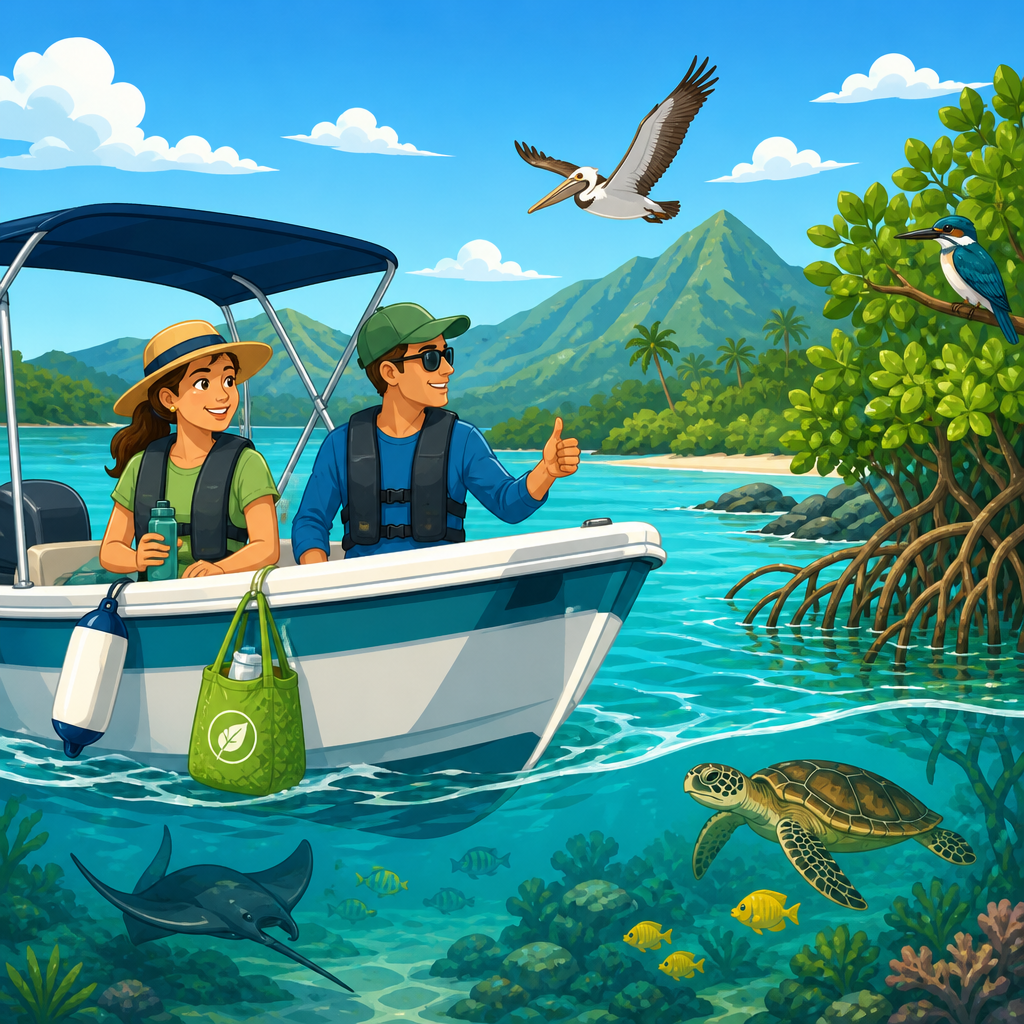
Eco-friendly houseboats turn a vacation into a lower-impact way to explore rivers, backwaters, lakes, and protected coastlines, combining slow travel with practical sustainability measures such as solar power, efficient wastewater systems, and quieter electric propulsion. In this guide to eco-friendly houseboats and the best sustainable boating destinations, I am focusing on where responsible travelers can actually stay, what makes a houseboat genuinely sustainable, and how to choose destinations that protect the ecosystems visitors come to enjoy. A houseboat is simply accommodation on the water, but sustainable houseboats are designed and operated to reduce fuel use, conserve freshwater, manage sewage correctly, minimize noise, and support local communities. That distinction matters because floating lodging can either help visitors experience fragile habitats responsibly or add pressure through pollution, wake damage, and poorly managed tourism. After evaluating marinas, off-grid rentals, canal boats, and floating eco-lodges across multiple regions, I have found that the best options share the same fundamentals: compliance with local environmental rules, durable low-toxicity materials, clear waste procedures, and operators who can explain exactly how their systems work. Travelers care more about these details than marketing labels once they understand the stakes. Wetlands filter water, mangroves buffer storms, seagrass stores carbon, and inland canals often pass through historic towns where congestion, wastewater discharge, and overtourism are real concerns. Choosing the right houseboat destination therefore affects more than personal comfort; it shapes shoreline health, wildlife disturbance, and local economic resilience. The destinations below serve as a practical hub for planning a sustainable boating holiday, whether you want a canal holiday in Europe, a backwater stay in India, a solar-powered floating cabin in North America, or a low-impact lodge in sensitive coastal waters. By the end, you should know which destinations are strongest for sustainability, which questions to ask before booking, and how to match your trip style with a place that treats the water as more than scenery.
What Makes a Houseboat Destination Truly Sustainable
A sustainable boating destination is not defined by one solar panel on the roof or by recycled décor in the cabin. It is defined by the full operating system around the stay. The strongest destinations have mooring infrastructure that supports pump-out services, recycling collection, shore power or renewable onboard power, speed controls that reduce wake, and rules that protect wildlife breeding zones and reed beds. They also have operators who maintain engines, batteries, hull coatings, and graywater systems properly, because neglected equipment quickly turns a green claim into pollution risk.
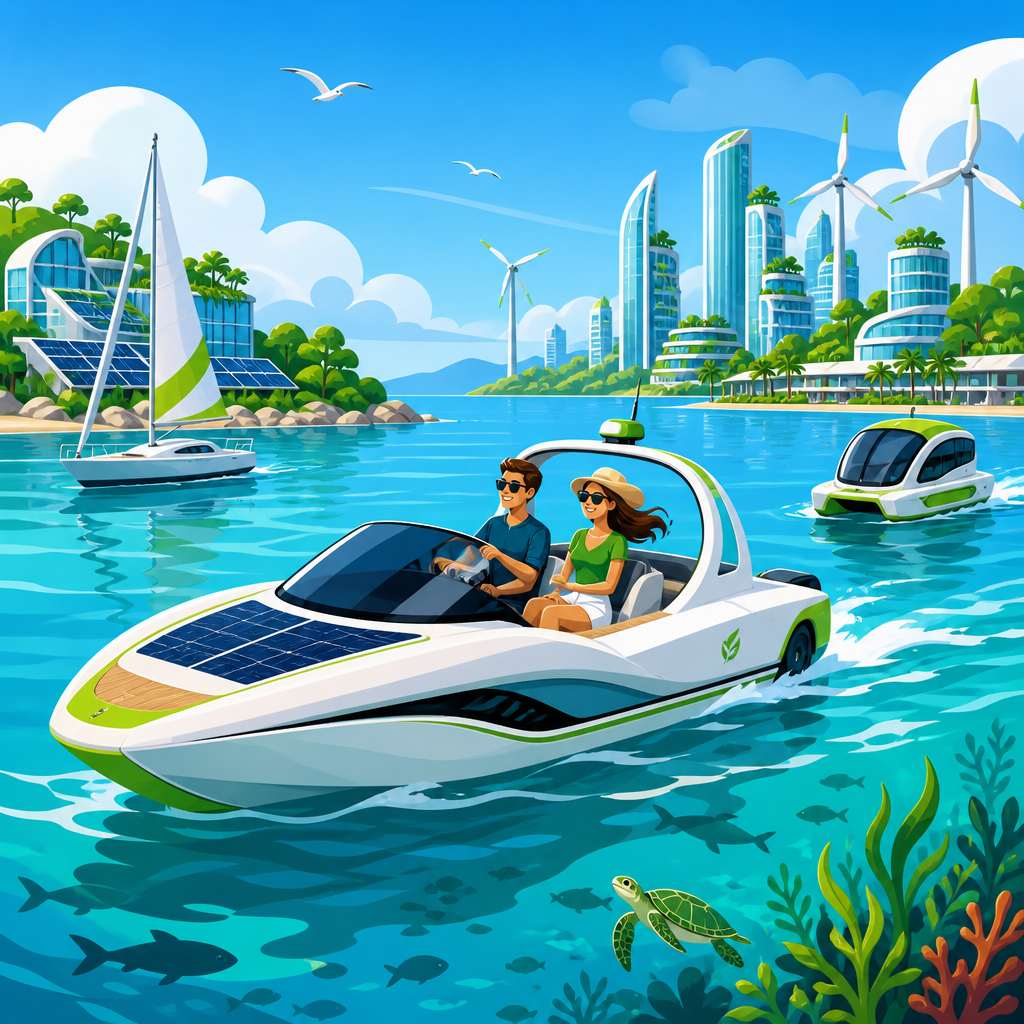
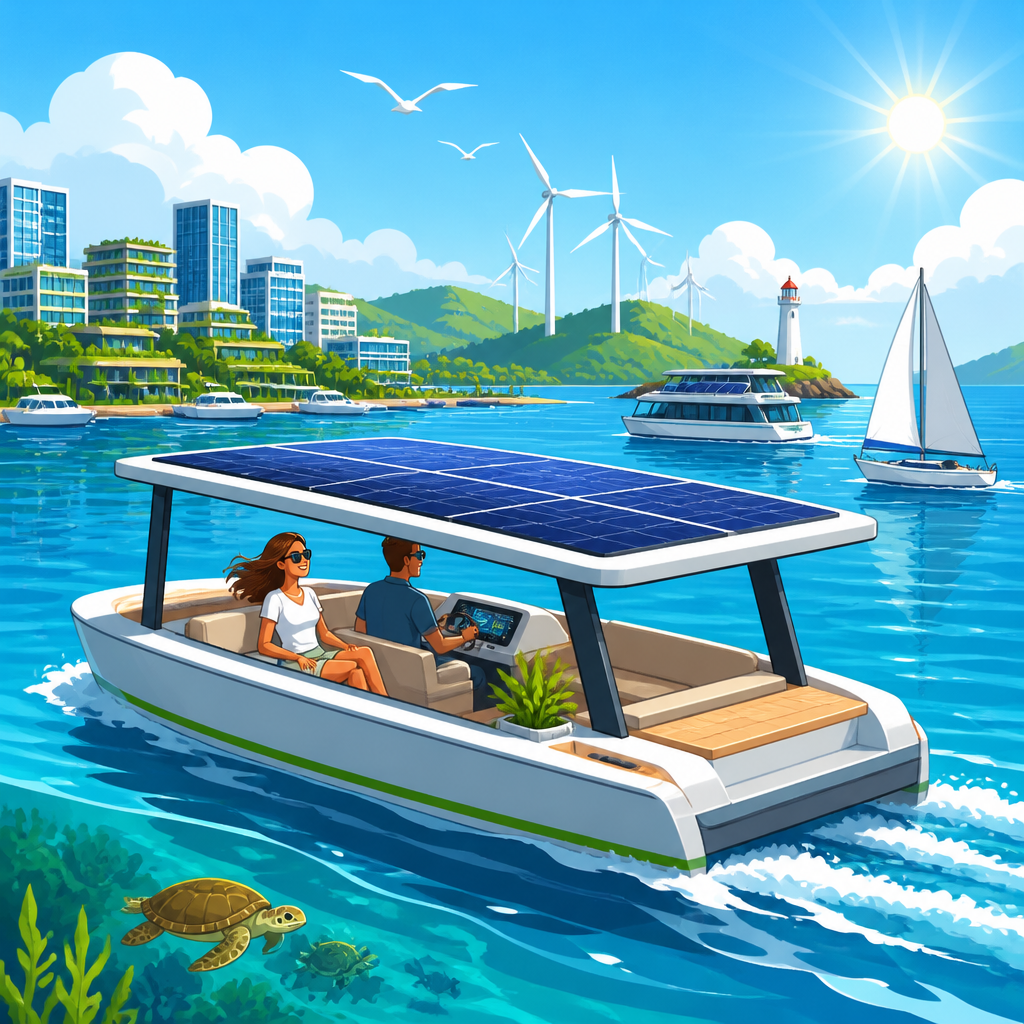
When I assess eco-friendly houseboats, I look first at propulsion and energy. Electric houseboats and hybrid canal boats are ideal in calm inland waters because they reduce local air pollution and noise. In sunnier climates, solar arrays can meaningfully support lighting, refrigeration, navigation electronics, and small appliances, though they rarely eliminate the need for backup charging during high-demand use. Diesel is still common, especially on larger vessels, but the more responsible operators pair efficient engines with route planning, anti-idling policies, and verified maintenance logs. That is a practical improvement, even if it is not perfect.
Water and waste management are equally important. Responsible houseboats use low-flow fixtures, freshwater monitoring, blackwater holding tanks, approved pump-out facilities, and biodegradable cleaning products that are compatible with onboard systems. Some floating lodges also use constructed wetland treatment or compact marine sanitation devices, but travelers should verify what is legal and functional in that specific jurisdiction. In many destinations, the best sign of credibility is simple transparency: operators explain how sewage is stored, where it is emptied, and what guests must not put down the drains.
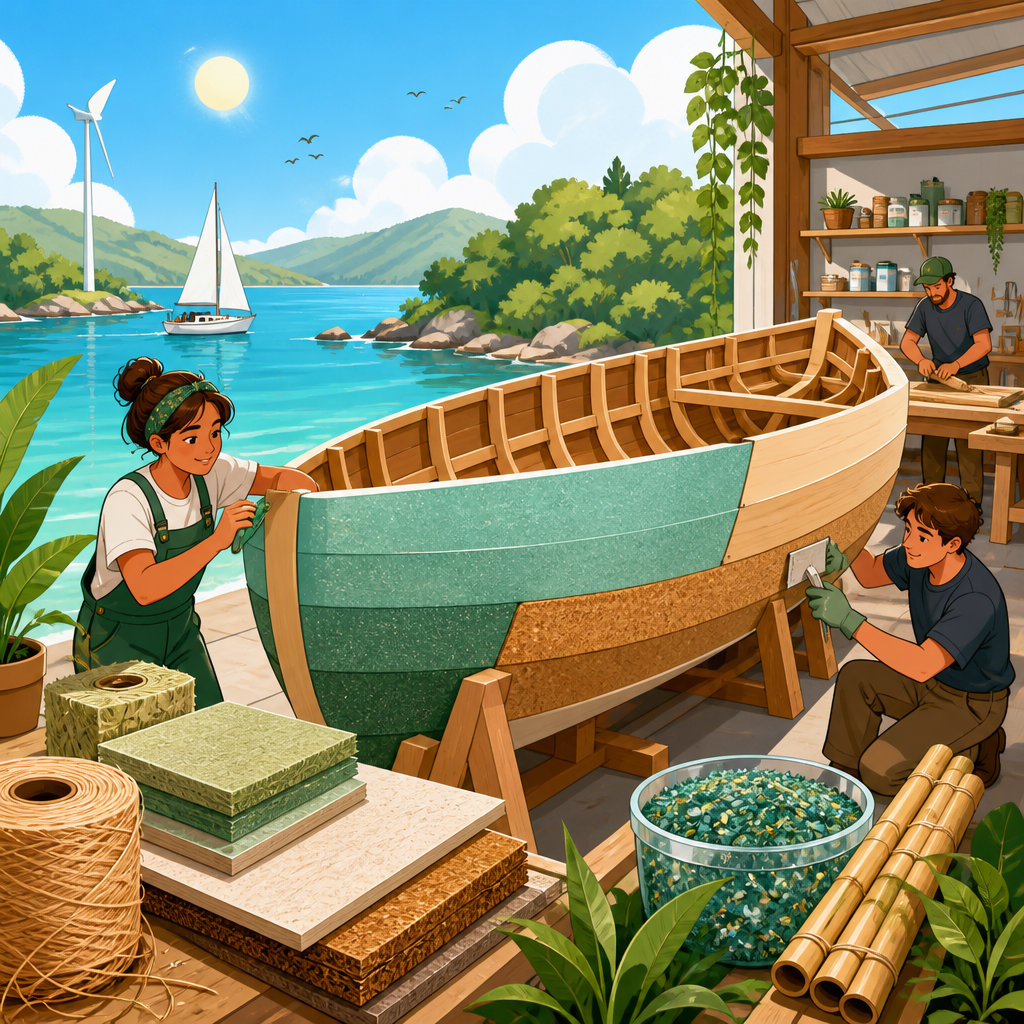
Materials and local supply chains matter too. Bamboo interiors, FSC-certified timber, recycled aluminum, natural fiber insulation, and low-VOC finishes reduce lifecycle impacts when chosen well, but local sourcing and long service life often matter more than fashionable materials. I have seen modest canal boats with durable, repairable fittings outperform luxury eco-lodges that require intensive maintenance and imported décor. Sustainability in boating is usually about restrained, resilient design rather than excess disguised as innovation.
The Best Sustainable Boating Destinations Around the World
The Netherlands is one of the clearest starting points for a sustainable boating holiday because its canals, lakes, and compact cruising routes support slower navigation, efficient fuel use, and easy access to towns by bicycle or foot. Areas such as Friesland and the Weerribben-Wieden region are especially appealing for quieter cruising through wetlands and village networks. Many Dutch operators provide low-speed boats designed for inland navigation, and the country’s boating culture generally supports rules around wake reduction, mooring discipline, and waterway etiquette. For travelers wanting a houseboat experience without long transfers or high fuel burn, the Netherlands consistently performs well.
France remains a leading destination for canal boat vacations, especially along the Canal du Midi, Burgundy canals, and the Canal de Garonne. The appeal is not only scenery but infrastructure. Canal systems support controlled speeds, designated moorings, and service points that make waste management and provisioning more straightforward than in remote anchorages. Some fleets now offer newer, more efficient engines and improved battery systems for hotel loads. Travelers should still avoid assuming every French canal boat is low impact, but the route structure itself encourages the slow-travel model that sustainable tourism depends on.
Kerala’s backwaters in India are one of the world’s most famous houseboat regions, but they also illustrate why destination choice inside a region matters. Traditional kettuvallam-style houseboats can provide a culturally rich stay with local cuisine and skilled craftsmanship, yet rapid tourism growth has created concerns around waste discharge, engine emissions, and crowding in parts of Alleppey and Kumarakom. The better operators use approved waste holding systems, source food locally, and limit generator use. Choosing certified or well-documented operators is essential here, because sustainability quality varies widely from one boat to the next.
British Columbia in Canada offers a different model: floating cabins, marina-based eco-lodges, and small houseboats in sheltered inland waters rather than mass-market canal fleets. The region’s advantage is access to protected landscapes where operators often work closely with conservation rules, wildlife viewing guidelines, and local community partnerships. However, sensitivity is high. In whale habitat or salmon-bearing waterways, low-speed navigation, strict no-discharge policies, and respectful viewing distances are non-negotiable. Travelers who want nature immersion should prioritize operators that actively brief guests on species protection rather than simply advertising wilderness.
Australia’s Murray River is another standout destination for eco-conscious houseboating because it combines long-established river cruising with increasing awareness of water scarcity, bank erosion, and habitat management. The best operators on the Murray use modern wastewater systems, educate guests about shoreline impacts, and encourage conservative water and power use during multiday charters. River conditions can change with drought cycles and environmental releases, so responsible trip planning includes checking local advisories and choosing itineraries that do not pressure stressed sections of the river.
| Destination | Best for | Main sustainability strengths | Key caution |
|---|---|---|---|
| Netherlands | Canals, wetlands, bike-and-boat trips | Low-speed waterways, strong infrastructure, short cruising distances | Peak-season congestion in popular routes |
| France | Historic canal holidays | Managed routes, service points, slow-travel cruising | Older fleets vary in efficiency |
| Kerala | Cultural houseboat stays | Traditional craft, local food, rich wetland scenery | Operator standards differ significantly |
| British Columbia | Wildlife-focused floating stays | Protected landscapes, conservation-led operating rules | Sensitive habitats require stricter guest behavior |
| Murray River | Long river houseboat trips | Established houseboat sector, improving onboard systems | Water scarcity and erosion concerns |
How to Evaluate Eco-Friendly Houseboats Before You Book
The fastest way to separate credible eco-friendly houseboats from vague green marketing is to ask operational questions that require specific answers. Ask how the boat is powered, how often batteries are charged, whether shore power is used, and what percentage of hotel loads can be covered by solar in typical weather. Ask where sewage goes, where pump-outs happen, whether graywater is filtered or contained according to local law, and which cleaning products are used onboard. If the operator cannot answer clearly, that is a useful answer in itself.
Next, examine the destination-level practices behind the vessel. A genuinely sustainable vacation depends on more than the boat. Does the marina or mooring network provide recycling and pump-out access? Are there no-go zones for nesting birds, manatees, seals, or reed habitats? Are guests given speed guidance to reduce bank erosion and wake? Good operators routinely provide these instructions in pre-departure briefings. In my experience, the businesses that take fifteen minutes to explain environmental procedures usually run safer and cleaner operations overall.
Accommodation design also deserves scrutiny. Better houseboats maximize ventilation, daylight, insulation, and shading, reducing the need for air conditioning or generator-heavy power use. Induction cooktops, compressor fridges, LED lighting, and lithium battery banks all improve energy efficiency when installed correctly. On inland rentals, practical details such as refillable water containers, refill stations for toiletries, composting practices where permitted, and reusable kitchenware signal that sustainability has been built into everyday guest use rather than left as a brochure claim.
Finally, review location-specific credentials carefully. Some destinations have recognized eco-certification programs for tourism businesses, while others rely more on marina compliance, wastewater permits, or protected-area operating licenses. A badge can be helpful, but it should be backed by visible practice. Read recent reviews for mentions of noise, odors, discharge concerns, wildlife respect, and staff knowledge. Travelers often reveal more in those comments than operators do in polished listing copy.
Planning a Sustainable Vacation on the Water
Once you have chosen one of the best sustainable boating destinations, the next step is designing the trip to keep impacts low. Start with seasonality. Shoulder-season departures often reduce pressure on waterways, lower energy demand for heating or cooling, and make it easier to secure moorings without crowding sensitive banks. In places like the Netherlands and France, spring and early autumn can deliver ideal cruising conditions with fewer boats and less strain on local services. In wildlife-heavy regions, however, you should check breeding and migration timing so your trip does not coincide with the most sensitive periods.
Transport to the destination often matters as much as the boat itself. A rail-connected canal holiday in Europe can have a much smaller footprint than a long-haul flight to a remote lodge, even if both properties market themselves as green. That does not mean distant destinations should be avoided, but it does mean combining longer stays with fewer flights is usually the better sustainability equation. If you are traveling internationally, stay long enough to justify the journey and spend in ways that benefit local providers, guides, food producers, and maintenance crews.
Behavior onboard has immediate environmental effects. Keep speed low, follow marked channels, avoid unnecessary generator use, use reef-safe or biodegradable toiletries where appropriate, and never discharge anything overboard unless the operator has explicitly explained that it is legal and treated. Respect freshwater limits, because every extra refill requires infrastructure and energy. On self-drive boats, route discipline is important: shortcuts into shallow habitat edges can damage vegetation, stir sediment, and disturb spawning grounds.
Spending choices shape destination resilience too. Book operators that hire local crews, purchase regional food, and maintain boats near the cruising area rather than outsourcing everything to distant suppliers. In Kerala, for example, houseboats that buy fish, produce, and coir products locally spread tourism income more effectively than companies that import standardized hotel supplies. In British Columbia and Australia, Indigenous-led or community-connected experiences often provide stronger environmental interpretation because stewardship is embedded in the business model rather than added as a marketing layer.
How This Hub Connects the Best Sustainable Boating Destinations
This page works best as a planning hub because sustainable boating destinations are not interchangeable. A traveler considering eco-friendly houseboats in Dutch canals has different needs from someone comparing Kerala backwater stays, Murray River charters, or floating eco-lodges in Canada. The right next step is to explore destination-specific guides that go deeper into route planning, seasonal conditions, wildlife rules, marina infrastructure, and the practical tradeoffs of each region. That is especially useful when deciding between self-drive canal holidays, crewed cultural houseboats, and off-grid floating cabins.
As you continue researching the best sustainable boating destinations, focus on a simple hierarchy. First, choose the ecosystem you want to experience responsibly: canal network, river system, wetland backwater, or protected coastal inlet. Second, shortlist operators with clear environmental procedures. Third, compare logistics such as train access, local sourcing, waste facilities, and expected power use. This sequence prevents travelers from being distracted by luxury photography and helps them make decisions based on actual environmental performance.
Eco-friendly houseboats offer a memorable way to travel because they slow people down and reconnect them with the water that supports communities, wildlife, and local economies. The best stays are not necessarily the most expensive or the most remote. They are the ones run with discipline, transparency, and respect for place. Use this hub to narrow your destination, ask better booking questions, and choose a boating holiday that leaves the shoreline healthier, quieter, and more valued. Start with the region that matches your travel style, then book the operator that can prove how sustainability works onboard.
Frequently Asked Questions
What makes a houseboat genuinely eco-friendly rather than just marketed as “green”?
A genuinely eco-friendly houseboat goes beyond surface-level claims and includes practical systems that reduce energy use, pollution, waste, and disturbance to local ecosystems. The clearest signs are renewable or low-impact power sources such as solar panels, battery storage, and efficient electric or hybrid propulsion that reduces fuel consumption, noise, and air emissions. Water management is just as important. Responsible operators use proper wastewater treatment or holding systems, low-flow fixtures, and clear policies that prevent sewage and graywater from being discharged directly into rivers, lakes, backwaters, or coastal habitats.
Materials and operations also matter. Sustainable houseboats often use durable, locally sourced, or reclaimed building materials; non-toxic paints and cleaning products; and thoughtful insulation and ventilation to reduce cooling needs. Some properties limit single-use plastics, provide refillable toiletries, separate recycling, and source food from nearby farms or fisheries. Just as important, they operate in ways that protect the destination itself, including using established moorings, following wildlife-safe navigation practices, and respecting carrying capacity in sensitive areas.
If you are trying to separate meaningful sustainability from marketing language, look for specifics rather than vague promises. Ask how the boat is powered, how wastewater is handled, whether the operator tracks fuel or energy use, and whether they hold credible certifications or work with local conservation groups. A truly sustainable houseboat stay is usually transparent, measurable, and connected to the environmental realities of the place where it operates.
Where are some of the best destinations to stay on an eco-friendly houseboat?
The best destinations for an eco-friendly houseboat vacation are usually places where slow travel naturally fits the landscape and where operators have a strong reason to protect delicate waterways. Kerala’s backwaters in India are one of the most well-known examples, offering a network of canals, lagoons, and lakes where lower-impact houseboats can make a big difference in reducing noise, fuel use, and water pollution. In this kind of destination, choosing operators with proper waste management and cleaner propulsion is especially important because the ecosystem is both beautiful and vulnerable.
In Europe, regions such as the canals and inland waterways of France, the Netherlands, and parts of the United Kingdom are popular for sustainable boating because they support slower cruising, shore power access in some marinas, and itineraries that do not depend on high-speed travel. Scandinavian lake and archipelago regions can also be excellent choices, especially where environmental standards are high and electric boating infrastructure is growing. In North America, select lake districts, river systems, and protected coastal inlets may offer responsible houseboat options, particularly where operators are adapting to stronger sustainability expectations and cleaner marine technology.
The right destination depends on what kind of experience you want. If you are looking for wildlife and wetlands, protected backwaters or estuaries may appeal most. If you want village stops, food culture, and easy navigation, canal networks may be better. In every case, the most sustainable choice is not just about the location but about the operator within that location. A sensitive destination with poor waste practices is never a responsible option, while a well-managed boat in a carefully regulated waterway can offer a far better environmental outcome.
How can I choose a sustainable houseboat stay before booking?
Start by reviewing the operator’s website with a critical eye. The strongest providers explain exactly what they are doing, such as using solar energy, electric motors, composting or vacuum toilets, wastewater holding tanks, refill stations for drinking water, and reef-safe or biodegradable onboard products. They should also mention how they minimize disturbance to wildlife, how often maintenance systems are checked, and whether they work with local guides, communities, or conservation initiatives. Specific details are usually a better sign than broad claims like “eco-conscious” or “earth-friendly.”
It is also worth contacting the operator directly with a short list of practical questions. Ask how blackwater and graywater are stored or treated, whether the boat runs on diesel, hybrid, or electric propulsion, how trash and recycling are handled, and whether guests are expected to follow any environmental guidelines during the trip. You can also ask about group size, route planning, and sourcing for meals and supplies. Smaller-scale operations with local ownership often have stronger ties to the destination, though large operators can also be responsible if they have robust systems and transparent standards.
Finally, look at the overall travel footprint rather than the boat in isolation. A very efficient houseboat reached by multiple long-haul flights may still have a higher impact than a simpler boat closer to home. Reviews can help, but focus on comments that mention cleanliness, maintenance, quiet cruising, responsible staff behavior, and visible sustainability practices. The best booking decisions come from combining environmental features, operational transparency, and a realistic understanding of how your travel choices fit the destination.
Are electric or solar-powered houseboats actually practical for a vacation?
Yes, in many destinations they are not only practical but ideal, especially for travelers who value slow travel, scenic routes, and a quieter onboard experience. Electric and solar-assisted houseboats are particularly well suited to calm inland waterways, canal systems, lakes, and sheltered backwaters where distances are moderate and speed is not the main priority. Because these boats are quieter than conventional fuel-powered models, they often create a more peaceful atmosphere for passengers and a lower level of disturbance for birds, fish, and shoreline communities.
That said, practicality depends on the route, climate, energy storage, and charging or support infrastructure. Solar panels can help power onboard systems and extend range, but they usually work best as part of a wider setup that includes batteries, shore charging, and efficient energy management. In remote areas or on longer itineraries, hybrid systems may still be the most realistic lower-impact option. This does not make them unsustainable by default; in some destinations, a well-managed hybrid boat can represent a meaningful step down in emissions and fuel use compared with older diesel-only vessels.
For travelers, the key is to match expectations to the style of trip. If you want high speed, long open-water crossings, or luxury amenities that demand heavy energy use, a fully electric houseboat may be limiting. If you want to drift through wetlands, visit waterside villages, watch wildlife, and enjoy a more immersive pace, electric and solar-supported boats are often an excellent fit. In many cases, their practical advantages—less noise, lower operating emissions, and a more relaxed travel rhythm—are exactly what make the vacation more enjoyable.
What can travelers do to make a houseboat vacation even more sustainable?
Travelers have more influence than they sometimes realize. One of the most effective steps is to choose a responsible operator and then actively follow the sustainability guidelines provided onboard. Conserve water, use electricity carefully, avoid requesting unnecessary linen changes, and bring reusables such as water bottles, coffee cups, containers, and shopping bags. If meals are part of the stay, favor local and seasonal food where possible, and be mindful of waste. Even small choices matter on a boat, where resources are limited and waste disposal has a direct impact on the surrounding environment.
Behavior on the water matters too. Respect wildlife distances, keep noise levels low, and avoid feeding birds or marine animals. Use only products that are safe for aquatic environments if the operator permits personal toiletries onboard, and never throw anything overboard, including food scraps, cigarette butts, or so-called biodegradable items. When stopping in waterside communities, support locally owned businesses, guides, and artisans so that tourism benefits the people who help protect the destination’s culture and ecosystems.
You can also think more broadly about the trip. Stay longer rather than taking a very short, travel-heavy break, combine the houseboat stay with lower-carbon transport where feasible, and choose an itinerary that aligns with seasonal conditions rather than pushing into fragile periods for wildlife or water levels. A sustainable houseboat vacation is not just about sleeping on a greener vessel. It is about participating in a slower, more respectful style of travel that protects the waterways you came to enjoy.