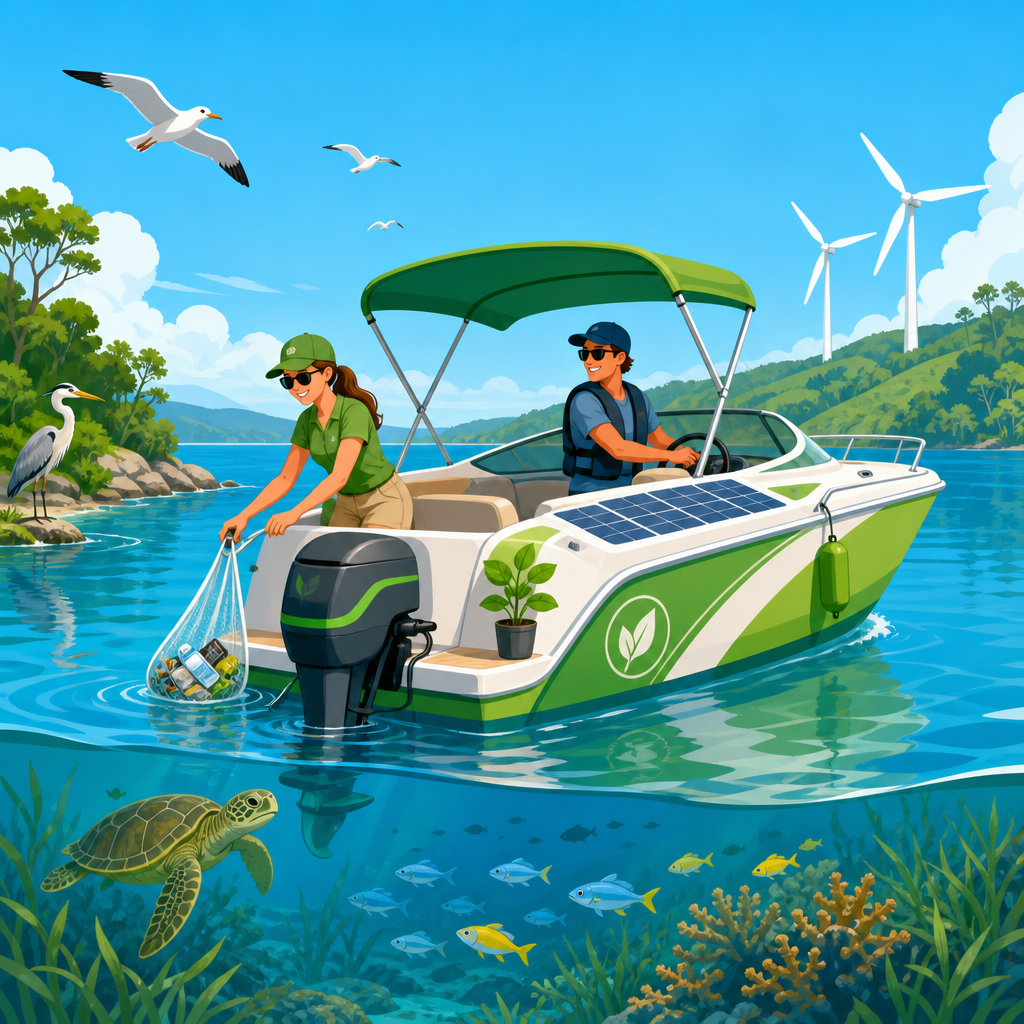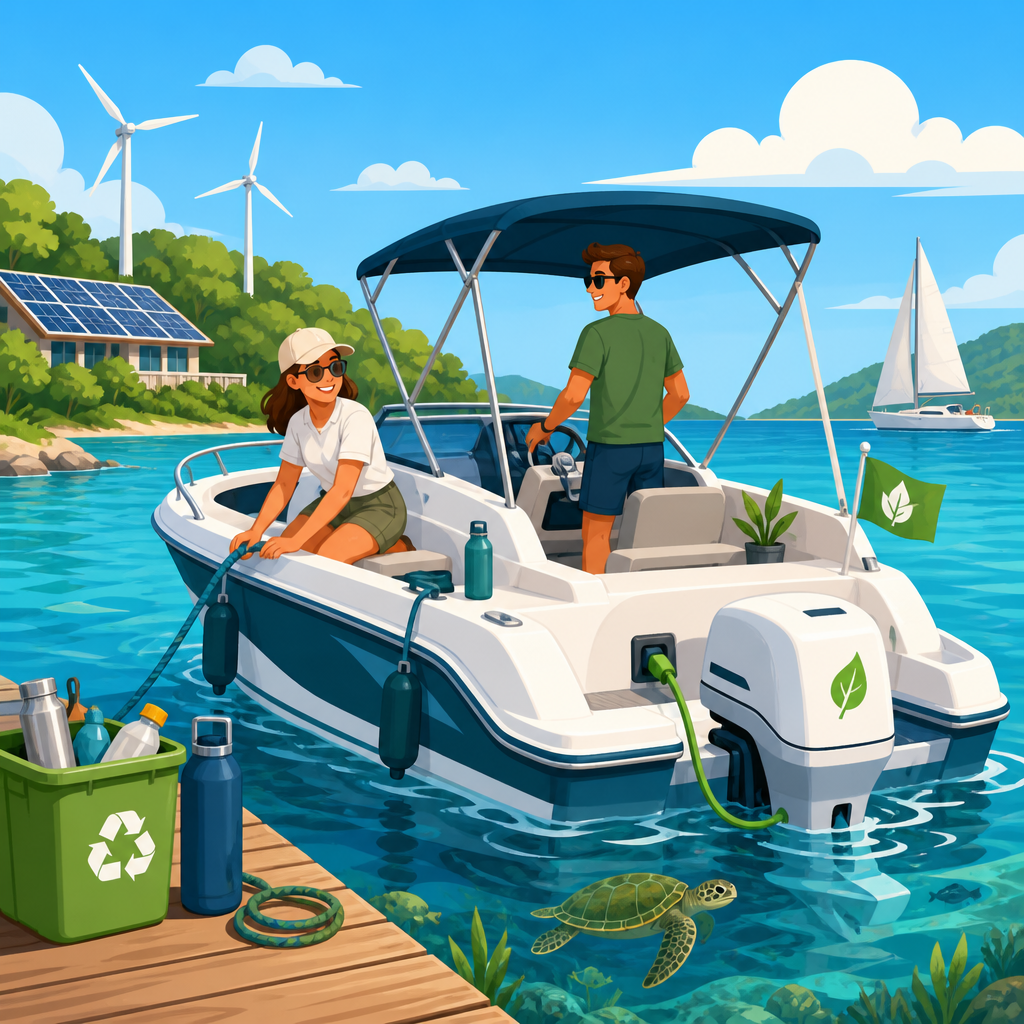
Ocean plastic pollution is no longer a distant environmental issue; it is a daily reality for anyone who spends time on the water. From discarded fishing line wrapped around propellers to microplastics washing into marinas after storms, boaters often see the problem earlier and more clearly than people on shore. That proximity creates responsibility, but it also creates opportunity. Boaters can play a direct role in reducing marine debris, preventing new plastic from entering the water, and shaping cleaner habits across the wider boating community.
Green boating practices for every boater begin with understanding what ocean plastic includes. The term covers visible debris such as bottles, bags, food packaging, foam containers, and abandoned gear, but it also includes microplastics created when larger items break down through sunlight, salt, and wave action. According to the United Nations Environment Programme, millions of tons of plastic enter aquatic environments every year, and once there, it persists for decades or longer. Sea turtles mistake floating bags for jellyfish, seabirds feed fragments to chicks, and fish ingest particles that move up the food chain.
In practical terms, this matters because recreational boating, cruising, fishing, sailing, paddling, and marina use all intersect with the places where plastic accumulates. I have worked with boat owners who assumed marine litter was mainly caused by industrial sources, then changed their view after auditing their own onboard waste streams. Snack wrappers, zip ties, shrink wrap, disposable water bottles, bait packaging, and cleaning product containers added up quickly. The lesson was simple: even conscientious boaters can contribute to the problem unless they build plastic reduction into routine seamanship.
This hub article explains what boaters can do to help clean up ocean plastic while operating more sustainably overall. It covers prevention, onboard systems, marina behavior, gear choices, cleanup participation, maintenance decisions, and ways to influence crews and local boating networks. The goal is not perfection. The goal is to make cleaner boating normal, measurable, and repeatable every time a vessel leaves the dock.
Start with source reduction on board
The most effective way to stop ocean plastic is to keep it from becoming waste in the first place. For most boaters, that starts before departure, during provisioning and trip planning. Single-use plastics multiply fast on the water because convenience drives decision-making. A cooler packed with individually wrapped snacks, bottled drinks, disposable cutlery, bait tubs, and wet wipes can generate a full bag of trash on a short day trip. Replacing those items with durable alternatives cuts waste immediately and lowers the chance of accidental overboard loss.
Use refillable water jugs or insulated bottles instead of cases of bottled water. Store food in hard reusable containers or silicone bags that will not blow away easily in wind. Choose bulk snacks packed into washable tins. Keep dedicated mugs, plates, and utensils on the boat so no one defaults to disposables. If you operate a fishing boat, buy tackle and terminal gear in minimal packaging when possible and remove unnecessary wrapping at home where disposal is controlled. These changes are basic, but they work because they reduce the number of loose, lightweight items that become litter.
Boat shrink wrap deserves special attention. In colder regions, seasonal shrink wrap is a major marina waste stream. If your area lacks a recycling program, ask yards and storage facilities whether they participate in polyethylene film collection. Several marina groups and state clean marina programs now coordinate wrap recovery because the material is recyclable when kept clean and separated from straps, doors, and vents. Boaters who cut wrap carefully, bag it dry, and return it to designated bins prevent a large volume of plastic from heading to landfill or blowing into waterways during spring commissioning.
Another overlooked source is fragmented gear. Aging dock lines with plastic cores, brittle buckets, cracked fenders, foam cushions, and decaying tarps shed particles long before complete failure. A preventive replacement schedule is not just a maintenance decision; it is a pollution-control measure. When I inspect boats for seasonal readiness, I look for anything sun-damaged enough to crumble, fray, or split under use. Replacing that gear on land is cheaper and cleaner than waiting until fragments are lost into the harbor.
Build a waste management system that works underway
Good intentions fail without onboard systems. Waste control on a moving boat needs to account for wind, spray, limited space, and crew habits. The best setups are simple and visible. Every boat should have at least one lidded trash container secured against motion, plus separate storage for recyclables when local facilities accept them. Soft bags clipped to rails are common, but rigid bins with locking tops usually perform better because lightweight packaging cannot escape when the bag is opened in breeze.
Label containers clearly. On mixed crews, people make fewer mistakes when they can identify where to place line clippings, cans, food scraps, and hazardous waste. Keep a small container specifically for micro-trash such as twist ties, lure tabs, monofilament offcuts, and cigarette butts if smoking is allowed. These items are among the easiest to lose and among the most harmful because they are small enough to evade casual cleanup. Monofilament in particular should never go into open bins; store it in a sealed bottle or dedicated line recycling tube until shore disposal.
Nothing should be tossed overboard except what regulations and local conditions explicitly permit, and in many boating contexts that means effectively nothing. International and national rules are clear on plastics. Annex V of the MARPOL convention prohibits the discharge of plastics from ships into the sea, and that principle should guide recreational operators as well. Even where food waste discharge may be legal offshore under certain conditions, plastics, synthetic ropes, fishing nets, and plastic garbage are never acceptable. The practical rule for small craft is easier than memorizing exceptions: if it came aboard, it stays aboard.
Captains can reinforce this by including waste handling in the pre-departure briefing. I have found that a ten-second instruction—trash here, recyclables here, nothing overboard—prevents most casual littering. Families with children benefit from making one person the “deck check” lead before returning to port. A final cockpit and side-deck sweep catches wrappers, zip ties, bait lids, and paper towels before they blow out during docking or trailering.
Choose maintenance and cleaning practices that reduce plastic leakage
Many boaters associate ocean plastic only with obvious litter, yet routine maintenance can release significant synthetic debris. Hull polishing pads, sanding discs, paint chips, disposable wipes, caulk tubes, cable ties, and detergent bottles all contribute if unmanaged. Sustainable boating means treating maintenance areas as contamination zones, especially in boatyards and marina parking lots where runoff goes straight to the water.
When sanding or scraping, use vacuum-assisted tools or attach dust extraction whenever possible. Capture debris with tarps and ground cloths. This is especially important for older coatings, which may contain toxic compounds alongside plastic binders. Use reusable rags instead of stacks of single-use wipes, and launder them properly. Select concentrated cleaning products sold in refillable bottles or bulk containers so fewer containers are discarded over a season. Several marine brands now offer phosphate-free, biodegradable cleaners, but product labels should still be checked for local compliance and suitability for the surface being treated.
Paint and coating selection matters too. Antifouling paints reduce drag and fuel burn, but poor application and aggressive in-water cleaning can shed particles. Follow manufacturer cure times, film thickness guidance, and haulout schedules. Propeller wraps, packaging straps, and cut plastic sheeting should be collected immediately during maintenance jobs rather than left loose on the dock. Marinas with washdown pads, filtration systems, and designated hazardous waste stations make this easier, which is one reason choosing a responsible marina is itself a green boating practice.
| Boating area | Common plastic source | Better practice | Why it helps |
|---|---|---|---|
| Provisioning | Bottled drinks and snack wrappers | Refillable bottles and bulk containers | Reduces loose single-use waste |
| Fishing | Monofilament clippings and bait tubs | Line recycling tubes and reusable tubs | Prevents entanglement and litter |
| Maintenance | Wipes, sanding discs, caulk tubes | Reusable rags and contained debris collection | Stops fragments reaching runoff |
| Docking | Broken zip ties and packaging film | Immediate collection and secure bins | Prevents windblown debris |
| Seasonal storage | Shrink wrap | Participate in wrap recycling programs | Diverts high-volume plastic waste |
Support cleaner marinas, ramps, and boating infrastructure
Individual effort matters, but infrastructure determines whether good habits stick. Clean marinas make sustainable behavior easier by providing recycling access, fishing line disposal, pumpout services, shrink wrap recovery, spill response materials, and staff expectations that support proper waste handling. If your home marina lacks those basics, ask for them specifically. General complaints about sustainability rarely produce change; practical requests do. A dedicated line recycling station near the fillet table, covered bins on the fuel dock, and marked bins for wrap or soft plastics solve real operational problems.
Many regions offer certification or recognition programs for marinas that meet environmental standards. In the United States, Clean Marina programs administered at the state level often address waste, sewage, stormwater, fueling, and habitat protection. Boaters should favor facilities that invest in these practices, because fees spent there reinforce higher standards across the market. The same logic applies to launch ramps and yacht clubs. If a site routinely has overflowing trash cans and unsecured debris after busy weekends, users should report it early rather than accept it as normal.
Organized dock walks are effective because they combine cleanup with education. A marina that schedules monthly litter sweeps often discovers recurring sources, such as packaging from an on-site chandlery, takeaway food containers from weekend events, or broken line at transient slips. Once the source is identified, prevention becomes possible. I have seen marinas cut dock litter significantly just by switching to heavier lidded bins and placing them where people naturally pause rather than at the far end of the parking lot.
Join and improve on-the-water cleanup efforts
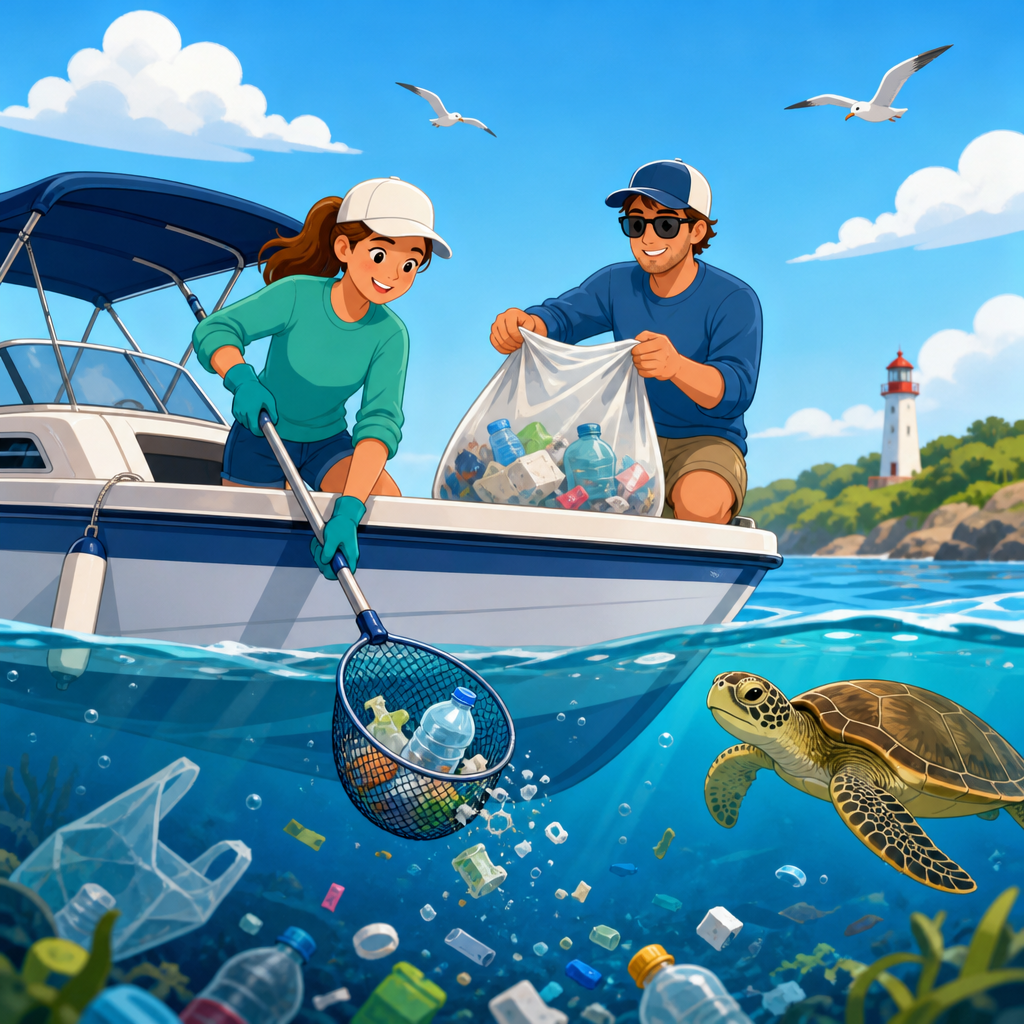
Boaters are uniquely positioned to remove debris that shoreline volunteers cannot reach. Floating docks, mooring fields, coves, mangrove edges, and lee shores often trap plastic beyond the range of casual beach cleanups. Participating in organized marine debris removals is one of the most direct answers to what boaters can do to help clean up ocean plastic. Many harbor authorities, sailing clubs, fishing groups, and conservation organizations run events that supply bags, grabbers, gloves, and disposal coordination.
Safety and reporting matter as much as enthusiasm. Boaters should not attempt to recover hazardous drums, unknown containers, or heavy ghost gear without proper support. Large entangled nets can destabilize a small vessel, foul propellers, or contain wildlife. In those cases, mark the location, photograph it, and notify the relevant harbor office, coast guard unit, or marine debris program. For routine debris, use boat hooks or long-handled grabbers, keep weight centered, and separate recyclables only if facilities are available and contamination is manageable.
Cleanup data has value beyond the bag count. Recording what you collect helps communities target prevention. If a cove yields mostly beverage containers, local outreach may need to focus on day users. If line, lures, and bait packaging dominate, the issue may be concentrated around angling activity. Programs such as the Ocean Conservancy’s International Coastal Cleanup have long used itemized data to identify trends and inform policy. Boaters who log debris types, quantities, and locations contribute useful evidence, not just labor.
Use your influence to normalize sustainable boating
The final step is cultural. Boats are social spaces, and crew behavior follows visible norms. When owners stock reusables, brief guests, secure waste, and participate in cleanup, they signal that clean boating is part of competent seamanship, not an optional extra. That influence extends to charter guests, junior sailors, fishing partners, marina neighbors, and online communities where gear recommendations spread quickly.
Talk specifically, not abstractly. Show new boaters where the trash bin is. Explain why line clippings go into a bottle. Share which marina accepts shrink wrap or where the nearest pumpout and recycling stations are located. Recommend products that reduce disposable packaging because you have tested them, not because they sound eco-friendly. In my experience, practical demonstrations change habits faster than lectures. One owner who switched his crew to refill stations and reusable lunch kits cut cockpit trash by more than half in a season, and neighboring boats copied the setup after seeing how well it worked.
Green boating practices for every boater are ultimately cumulative. No single refill bottle, cleanup event, or dockside conversation will solve ocean plastic pollution. But steady operational choices made across thousands of boats absolutely reduce leakage into the marine environment. Start with the waste your own boat creates, improve the systems that manage it, support marinas that make responsible choices easy, and join cleanup efforts where your access to the water provides an advantage. If you want cleaner anchorages, healthier wildlife, and a better boating experience, make one concrete plastic-reduction change before your next trip and build from there.
Frequently Asked Questions
What are the most effective things boaters can do right away to help reduce ocean plastic pollution?
Boaters can make an immediate difference by focusing on prevention first. The most effective step is to keep every item on board secured so nothing accidentally blows or washes overboard. Lightweight plastic packaging, bait bags, zip ties, cups, lids, and food wrappers are common items that become marine debris simply because they are not contained properly. Using covered storage bins, reusable containers, and dedicated trash receptacles on board greatly lowers that risk. It also helps to separate recyclables from general trash before leaving the dock, so waste is easier to manage throughout the day.
Another highly effective action is replacing disposable supplies with durable alternatives. Refillable water bottles, reusable food containers, cloth towels, and bulk-purchased provisions create less waste from the start. Boaters should also pay close attention to fishing-related debris such as monofilament line, lure packaging, and broken tackle, which are especially harmful to wildlife. Keeping a small container specifically for damaged line and hooks can prevent these materials from ending up in the water.
Just as important, boaters can safely remove debris they encounter when conditions allow. Floating bottles, bags, and abandoned line can often be collected with a net or grabber tool, as long as doing so does not create a navigation or safety hazard. Even small cleanup efforts matter because they remove plastic before it breaks down into microplastics or drifts into sensitive habitat. In practical terms, the best approach is simple: bring less plastic aboard, secure what you do bring, and leave the water cleaner than you found it.
How should boaters safely collect plastic and marine debris while out on the water?
Safety should always come first. Boaters should never attempt to retrieve debris in rough seas, strong current, heavy traffic, or near propellers and intakes. The safest method is to approach debris slowly from downwind or down current, place the engine in neutral when appropriate, and use a boat hook, net, or long-handled grabber to bring the material aboard. Gloves are a smart precaution because marine debris may be sharp, contaminated, or entangled with fishing gear. If an item appears too large, too heavy, or wrapped around underwater structures, it is better to report it than to attempt removal without proper equipment.
Once debris is brought aboard, it should be contained immediately. Wet plastics, old rope, and fishing line can create slipping hazards or become tangled with onboard equipment, so having sturdy bags, buckets, or bins ready makes the process safer and cleaner. If the debris includes fishing line, hooks, or net fragments, these should be isolated to avoid injury to passengers, pets, or wildlife that may later come into contact with them at the dock. Boaters should also be careful not to overload small vessels with collected trash, especially if the debris is saturated and heavier than it appears.
For larger finds such as derelict traps, ghost gear, or partially submerged objects, reporting the location to the marina, harbor authority, Coast Guard, or local marine debris program is often the best course of action. These items can pose both environmental and navigational threats, and they may require trained removal teams. Responsible cleanup is not about taking unnecessary risks. It is about combining awareness, good judgment, and preparation so debris can be removed efficiently without putting people or vessels in danger.
Why is lost fishing line and tackle such a serious problem, and what should boaters do with it?
Lost or discarded fishing line is one of the most persistent and dangerous forms of marine plastic. Unlike many visible pieces of trash, monofilament line can be nearly invisible in the water, yet it can remain in the environment for years. It entangles birds, turtles, fish, dolphins, and propellers, and it often continues to catch or injure wildlife long after it has been lost. Hooks, sinkers, soft plastic baits, and lure fragments add to the problem by creating ingestion hazards and introducing additional plastic and metal waste into the ecosystem.
Boaters should treat all fishing gear waste as a high-priority item. Any damaged, tangled, or unusable line should be cut into shorter lengths and stored in a dedicated container rather than tossed loosely into a trash bag where it can spill out or entangle workers and animals. Many marinas, boat ramps, and piers now offer monofilament recycling tubes or line collection bins. Using these systems is one of the easiest and most effective habits an angler or recreational boater can develop. If no collection point is available, line should still be bagged securely and disposed of properly on shore.
Prevention is equally important. Boaters can reduce gear loss by checking reels, knots, leaders, and storage systems before heading out, and by avoiding overfilled tackle areas where loose materials are more likely to blow overboard. Taking a few extra minutes to clean up scraps after re-rigging or lure changes can prevent a surprisingly large amount of marine debris. Because fishing-related plastics are so harmful and so common, boaters who handle them responsibly are making a direct and meaningful contribution to cleaner, safer waterways.
Can boaters help with ocean plastic pollution even if they are not part of an organized cleanup program?
Absolutely. Organized cleanups are valuable, but day-to-day habits often have an even broader cumulative effect. Every boater can contribute by adopting a clean boating routine: reducing single-use plastics, bringing reusable supplies, securing onboard gear, sorting waste before returning to shore, and picking up litter whenever it can be done safely. These actions may seem small in isolation, but boaters spend repeated time in areas where plastic accumulates, including marinas, launch ramps, coves, and tidal edges. That regular presence gives them ongoing opportunities to prevent pollution from spreading.
Boaters can also serve as early observers and local reporters. Because they often spot debris before it washes onto beaches or breaks into smaller fragments, they are in a strong position to alert marina operators, harbor managers, environmental groups, or local authorities about problem areas. Reporting illegal dumping, abandoned gear, overflowing dockside trash stations, or recurring stormwater outfalls can lead to practical fixes that stop debris at the source. In many communities, a single consistent voice from the boating community can help push marinas and municipalities to improve waste infrastructure.
There is also an important education role. Boaters influence guests, family members, and other boat owners simply by modeling responsible practices. When people see a crew using refillable bottles, collecting floating trash, and properly stowing waste, it normalizes better behavior on the water. Helping reduce ocean plastic does not require a formal title or a special event. It requires consistency, awareness, and a willingness to act every time you launch.
How can marinas and boating communities work together to prevent more plastic from entering the ocean?
Marinas and boating communities are in a unique position to stop plastic pollution before it reaches open water. One of the most important steps is providing convenient, clearly marked waste and recycling stations in areas where people naturally pass, such as fuel docks, launch ramps, fish cleaning stations, and parking lots. When trash management is easy and visible, compliance improves dramatically. Marinas can also install fishing line recycling tubes, storm drain filters where appropriate, and covered bins that prevent windblown litter from escaping into the water.
Boating communities can reinforce these improvements through shared standards and local culture. Yacht clubs, sailing associations, fishing groups, and marina tenants can organize dockside education, cleanup days, and simple onboard waste-reduction guidelines for members and guests. Posting reminders about securing gear, disposing of line properly, and minimizing single-use plastics can be surprisingly effective when paired with accessible facilities. Some marinas also encourage participation by recognizing environmentally responsible boaters or partnering with conservation groups for outreach and debris collection events.
Long-term progress comes from treating plastic prevention as part of normal boating operations rather than a one-time campaign. That means maintaining waste stations, responding quickly when bins overflow, reviewing how trash enters the water after storms, and making environmental stewardship part of dock rules and boating education. When marinas and boaters work together, the results are practical and immediate: less debris in slips and fairways, safer conditions for wildlife and vessels, and a stronger sense that protecting the water is simply part of being a responsible boater.