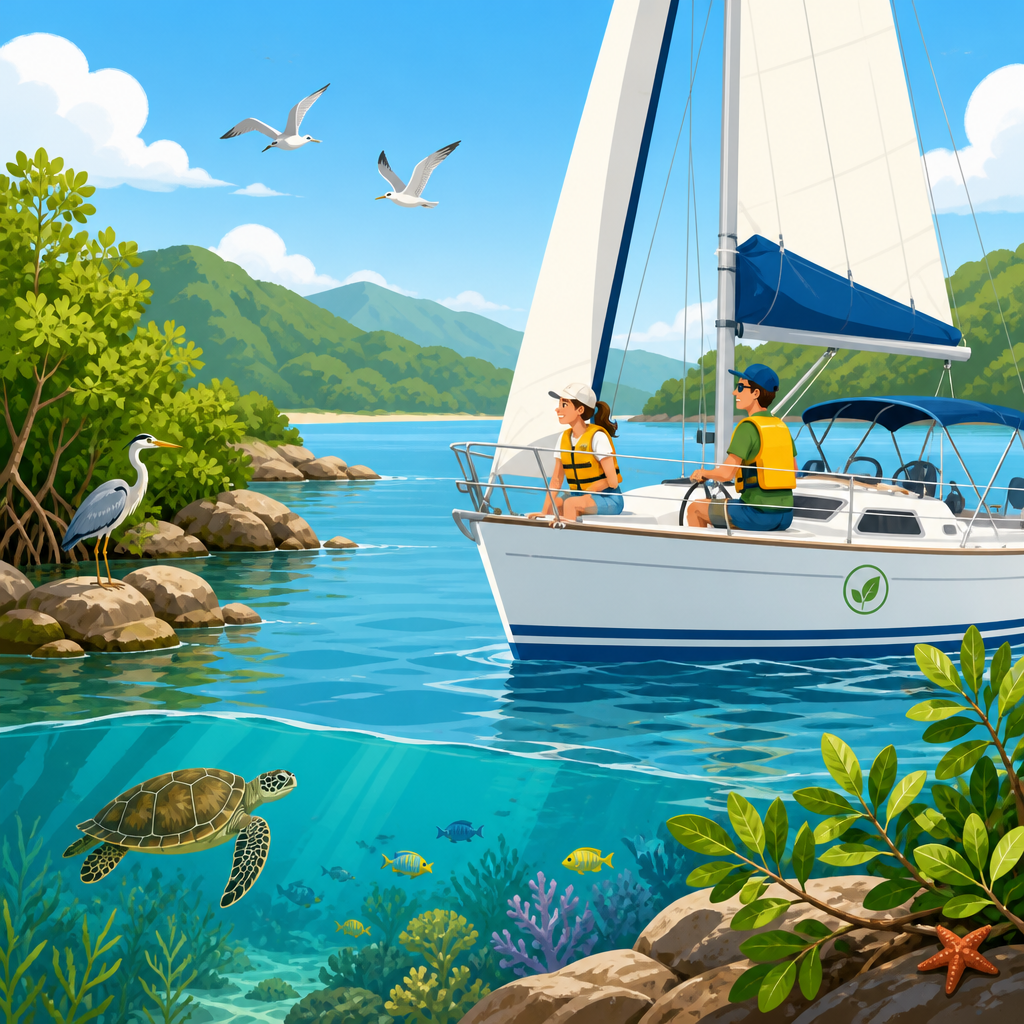
Sailing in protected waters offers one of the clearest ways to experience wild coastlines, quiet estuaries, and thriving marine habitats without leaving a heavy footprint. Protected waters include national marine sanctuaries, marine parks, biosphere reserves, wildlife refuges, no-wake estuaries, and coastal areas managed for habitat conservation alongside recreation. Sustainable boating destinations are places where sailors can enjoy these environments while respecting rules designed to protect seagrass, coral, bird nesting sites, wetlands, and fisheries. I have planned voyages through several such regions, and the same lesson always stands out: the quality of the sailing depends on the quality of stewardship. When boaters anchor carefully, manage waste properly, reduce speed, and choose low-impact services ashore, the destination stays healthy, accessible, and beautiful. This matters because more people are seeking nature-based travel, while many protected coastlines are under pressure from overtourism, warming waters, invasive species, shoreline erosion, and vessel traffic. A well-informed sailor can still explore remarkable places responsibly. This guide explains what makes a boating destination sustainable, how to evaluate protected cruising grounds, and which destinations consistently reward careful seamanship with exceptional wildlife, scenery, and community support.
What Makes a Sustainable Boating Destination
The best sustainable boating destinations combine ecological value, practical access, and clear management. Ecological value means the area supports sensitive habitats or important species, such as mangrove nurseries, eelgrass meadows, seabird colonies, manatee zones, or migratory whale corridors. Practical access means there are charts, moorings, pump-out facilities, marked channels, weather information, and shore services that help visitors avoid accidental damage. Clear management means rules are easy to understand and actively enforced, whether through permit systems, anchoring restrictions, no-discharge zones, speed limits, or seasonal closures. In my experience, destinations with all three features are easier to enjoy because responsible choices are built into the visitor experience rather than left to guesswork.
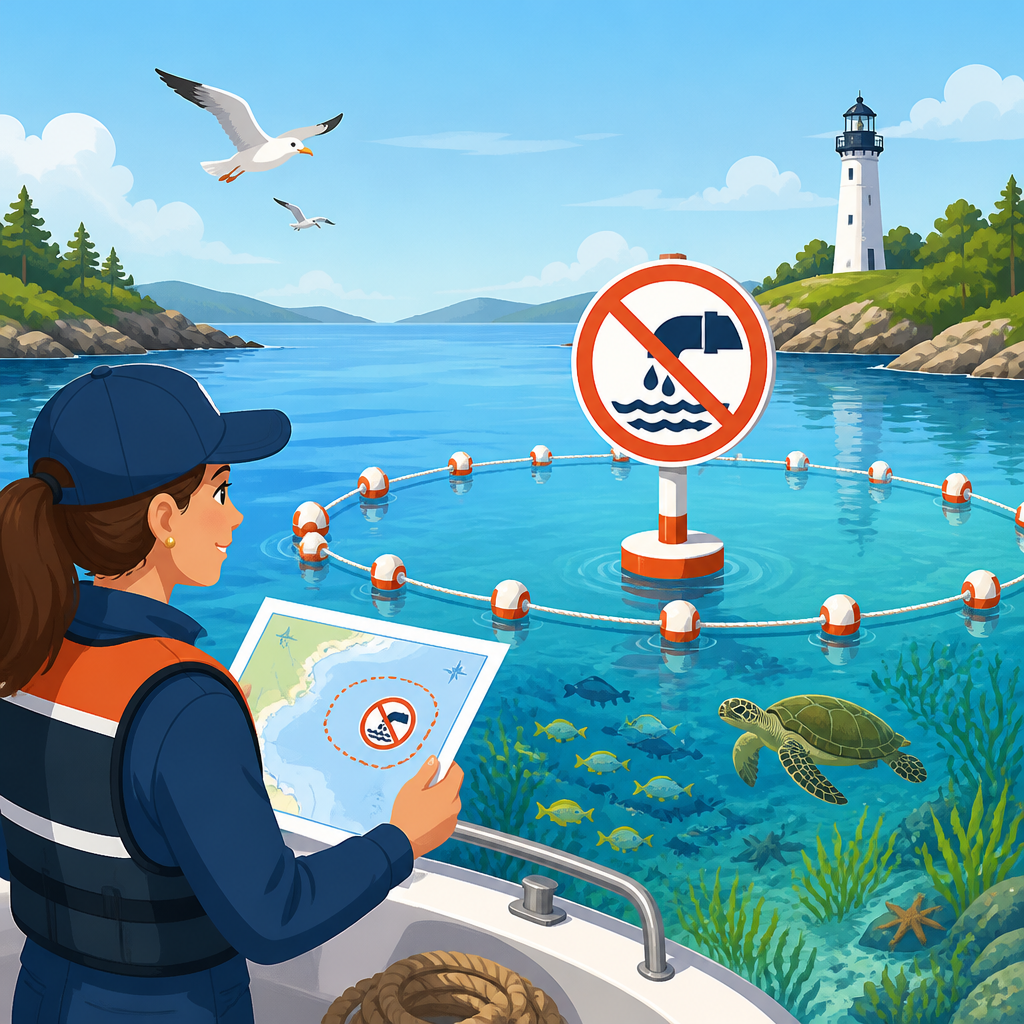
Sustainability in boating is not only about electric propulsion, though that is increasingly relevant for tenders and dayboats. It also includes route planning to reduce unnecessary engine hours, choosing marinas with wastewater treatment and recycling, supporting local guides who follow wildlife-viewing standards, and avoiding products that shed plastics or contaminate water. Established frameworks from the International Maritime Organization, Blue Flag marina criteria, and Leave No Trace style outdoor ethics all point in the same direction: prevent pollution, minimize disturbance, and respect carrying capacity. A destination earns a place on any serious sustainable boating list when visitors can realistically follow these principles without sacrificing safety or enjoyment.
How to Evaluate Protected Waters Before You Go
Before choosing a destination, assess six factors: habitat sensitivity, visitor management, shore infrastructure, weather exposure, seasonal wildlife restrictions, and local community impact. Habitat sensitivity tells you how cautious you must be with anchoring and dinghy landings. Visitor management reveals whether mooring fields, zoning, and booking systems are in place to reduce congestion. Shore infrastructure matters because a beautiful anchorage is less sustainable if the nearest pump-out is far away or rubbish disposal is poorly controlled. Weather exposure determines whether sailors will need engines more often or seek shelter in areas not intended for heavy use. Seasonal restrictions are critical in protected waters because bird nesting, turtle hatching, or whale migration can change access rules. Community impact matters because destinations with year-round residents need visitor spending that supports local livelihoods without pricing out or overwhelming towns.
Reliable sources include official park service websites, hydrographic charts, cruising guides, marina environmental certifications, and notices to mariners. I also check whether an area provides fixed moorings over seagrass or coral, because that single detail often signals a mature management approach. If local authorities have invested in moorings, marked channels, pump-out barges, and ranger education, they usually understand that marine tourism must be actively managed. Responsible sailors should reward that effort by following the system rather than improvising.
The Best Sustainable Boating Destinations to Know
The strongest protected-water destinations share a pattern: extraordinary nature, navigable waters, and rules that preserve both. The list below highlights widely respected examples across different cruising styles, from warm-water island chains to cool-weather archipelagos.
| Destination | Why It Stands Out | Responsible Boating Focus |
|---|---|---|
| British Virgin Islands, Caribbean | Extensive mooring networks reduce anchor damage in popular bays | Use park moorings, respect reef zones, manage greywater carefully |
| Abel Tasman National Park, New Zealand | Sheltered cruising, marine reserves, strong conservation culture | Observe no-take areas, land only in permitted zones, protect seabirds |
| Stockholm Archipelago, Sweden | Thousands of islands with a longstanding right-of-access ethic | Use designated waste stations, minimize wake, follow local island restrictions |
| Maine Coast and Acadia Region, United States | Cold-water ecosystems, lobster communities, protected islands and coves | Avoid eelgrass damage, buy local provisions, monitor fog and fuel use |
| Galápagos, Ecuador | Globally important biodiversity under tightly controlled visitation | Follow permit rules, use licensed operators, maintain strict biosecurity |
| Kornati National Park, Croatia | Island maze with regulated access and sensitive seabed habitats | Pay park fees, use approved moorings, limit discharges and noise |
| Whitsundays and Great Barrier Reef zones, Australia | World-famous reef cruising with zoning plans and reef infrastructure | Anchor only where allowed, use public moorings, follow reef protection maps |
The British Virgin Islands work well for sailors learning low-impact habits because mooring balls are common in heavily visited areas, especially around marine parks. That sharply reduces anchor scarring on coral and seagrass. The Whitsundays show how zoning can protect fragile reefs while still supporting charter tourism. Australia’s Great Barrier Reef Marine Park Authority publishes detailed maps that tell boaters exactly where activities are allowed, making compliance straightforward. In Sweden’s archipelago, sustainability depends less on tropical habitat rules and more on disciplined shore behavior, quiet approaches, and using public waste facilities correctly. The Galápagos demonstrate the strictest model: access is limited because wildlife protection comes first. For sailors, that restriction is not a drawback; it is the reason the destination remains extraordinary.
Regional Patterns: Tropical Reefs, Temperate Coasts, and Inland Sanctuaries
Tropical reef destinations demand the highest anchoring discipline. Coral grows slowly, breaks easily, and recovers poorly from repeated contact. In places like the Great Barrier Reef, the Virgin Islands, Belize marine reserves, and parts of French Polynesia, the best practice is simple: use moorings where provided and anchor only in verified sand patches outside coral structures. Polarized sunglasses, updated charts, and a bow lookout are not optional niceties; they are basic reef-protection tools. Waste control is equally important because nutrient loading can degrade water quality and fuel algal growth.
Temperate coasts such as Maine, British Columbia, Scandinavia, and Scotland present different sustainability priorities. Here, eelgrass beds, kelp forests, shellfish waters, and seabird breeding islands are common concerns. Bottom composition can be harder to read than on clear tropical shallows, so boaters should rely on local guidance for anchoring zones and avoid dragging through vegetated seabeds. Cooler regions also tend to have stronger tidal flows, making route planning and sail trim more important for reducing engine dependence. I have found that sailors in these waters often underestimate wake impact in narrow channels; yet repeated wake stress can erode shorelines and disturb small craft, kayakers, and hauled-out wildlife.
Inland protected waters, including estuarine reserves, lake districts, and delta systems, can be just as sensitive as coastal sanctuaries. Shallow lakes and marsh channels are especially vulnerable to propeller wash, bank erosion, and invasive species transport. Destinations such as the Norfolk Broads, parts of the Wadden Sea approaches, and North American wildlife refuges reward slow cruising, careful sewage management, and thorough hull cleaning between regions. If a destination highlights zebra mussel checks, seagrass maps, or no-wake corridors, take those notices seriously. They usually reflect long-running ecological damage, not bureaucratic overreach.
Responsible Sailing Practices That Protect the Destination
Enjoying nature responsibly starts with arrival. Enter marked channels at controlled speed, keep a watch for paddlers and wildlife, and avoid shortcutting across flats or marsh edges. When anchoring, confirm bottom type, set the hook cleanly, and dive the anchor if conditions and skill allow. A poorly set anchor that drags through seagrass causes more harm than a well-placed anchor in bare sand. If moorings are available, use them properly with correct lines and chafe protection. Never tie to coral heads, mangroves, navigation marks, or unofficial fixtures.
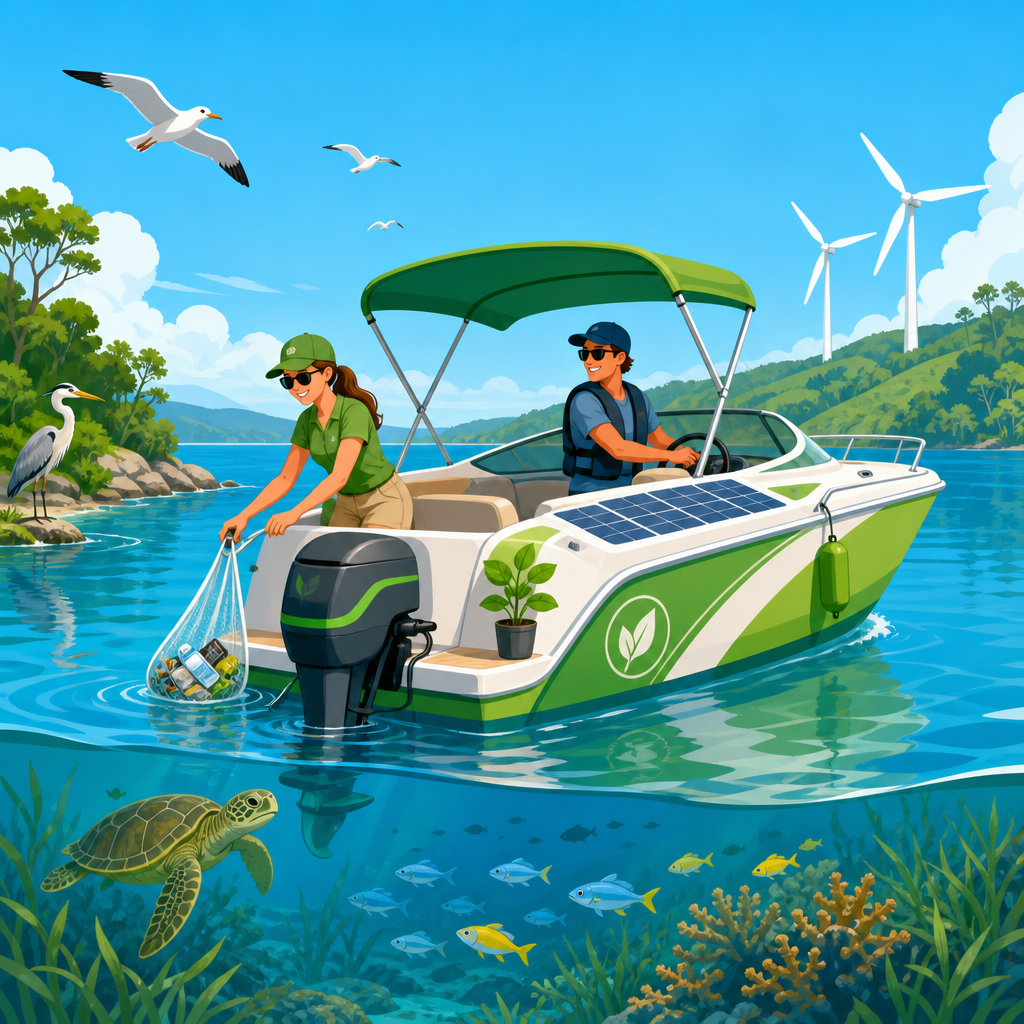
Onboard systems matter more than many crews realize. Hold tanks should be maintained and used consistently in no-discharge zones. Greywater reduction is increasingly relevant in enclosed anchorages, especially when many boats use detergents, sunscreen residues, and food waste sinks in the same bay. Switch to phosphate-free cleaners, reef-safer personal care products, and reusable provisioning systems. Energy management also shapes impact. Solar panels, wind generators, LED lighting, and efficient refrigeration lower generator runtime, noise, and fuel handling risk. Even on charter boats with conventional engines, smart passage planning can cut fuel use significantly. Sailing one extra hour under good breeze is often better for the destination than motoring to keep a lunch reservation.
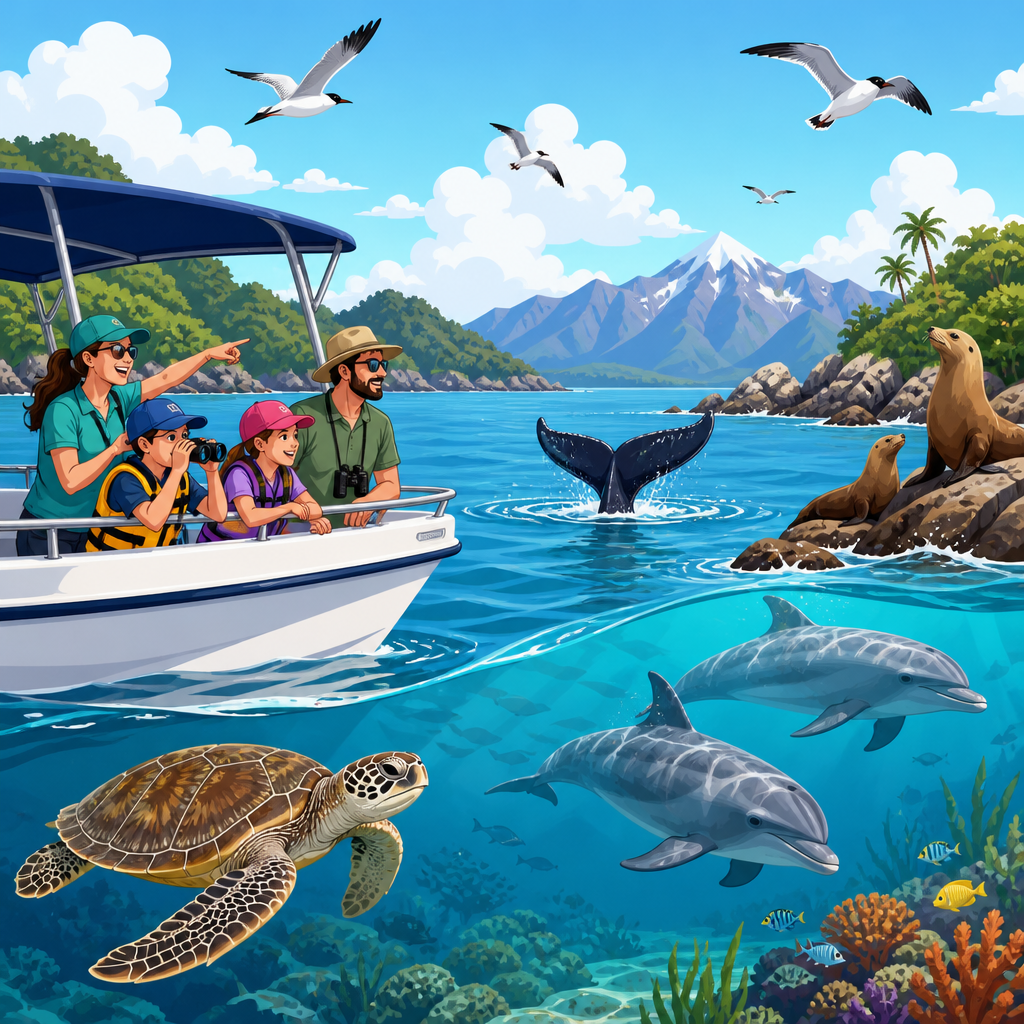
Wildlife etiquette deserves precision. Keep legal distances from whales, dolphins, seals, turtles, and nesting birds; if a local rule is absent, use the most conservative standard available from recognized authorities. Never feed wildlife, chase for photographs, or drone over colonies where disturbance is likely. In seabird areas, I brief crews before going ashore because one careless landing can flush adults from nests long enough for eggs or chicks to overheat or be taken by predators. Responsible boating is often less about dramatic actions and more about consistent restraint.
How Local Communities and Marine Management Shape Better Trips
The most satisfying sustainable boating destinations are not empty museums of nature. They are lived-in places where conservation and local enterprise support each other. Small harbors that sell local produce, fisheries that explain seasonal closures, indigenous or community-led tours, and marinas that invest in pump-outs and habitat education all improve the visitor experience. Spending money locally matters when done thoughtfully. It keeps waterfront economies viable and gives residents a practical reason to support boating access tied to conservation performance.
Good management also reduces conflict. When a marine park publishes mooring locations, visitor caps, and sensitive habitat maps, sailors know where they stand. That predictability improves safety and protects nature. I have seen the opposite as well: under-managed anchorages where too many boats crowd into fragile shallows, generators run late, rubbish overflows, and residents grow hostile to visitors. Sustainable destinations avoid that spiral through infrastructure and enforcement. Fees, when transparently used for moorings, rangers, sanitation, and restoration, are usually worth paying. They are part of the true cost of visiting protected waters without degrading them.
Building a Responsible Itinerary for Your Next Voyage
Choose destinations that match your boat, skill level, and impact tolerance. If you are new to sustainable cruising, start in regions with strong mooring systems and clear rules, such as parts of the British Virgin Islands, the Whitsundays, or well-managed Scandinavian guest harbors. If you have more experience, look for places where planning effort directly supports conservation outcomes, such as remote temperate archipelagos or permit-based marine parks. In every case, book environmentally managed marinas, verify pump-out access, provision to reduce packaging, and study protected area regulations before departure.
The core takeaway is simple: the best sustainable boating destinations are not just beautiful places on a chart. They are protected waters where sailors can actively help keep ecosystems intact through informed choices. Pick destinations with clear management, use low-impact boating practices every day, and support local communities that invest in conservation. Do that, and your voyages will deliver more wildlife, quieter anchorages, stronger local connections, and the confidence that your time under sail is part of the solution. Use this guide as your planning hub, then build your next itinerary around protected waters that deserve both your admiration and your care.
Frequently Asked Questions
What counts as protected waters, and why do they have special boating rules?
Protected waters are coastal or inland marine areas managed to conserve wildlife, habitats, water quality, and natural processes while still allowing certain types of recreation. They can include national marine sanctuaries, marine parks, estuaries with no-wake zones, wildlife refuges, biosphere reserves, seagrass protection areas, coral conservation zones, and coastlines managed for bird nesting or marine mammal habitat. Although these places may still welcome sailors, they often operate under more specific rules than general cruising grounds because they are trying to balance human access with ecological protection.
Those rules are not just administrative details. They exist because even low-impact boating can cause harm if it is poorly managed. Anchors can tear up seagrass meadows, wakes can erode shorelines and disturb nesting birds, noise can stress marine mammals, and careless discharge can degrade water quality in sensitive estuaries. In shallow or enclosed waters, the effects of disturbance can be amplified and recovery may be slow. Special boating rules help reduce those risks by controlling speed, anchoring locations, approach distances to wildlife, permitted landing sites, waste handling, and seasonal access.
For sailors, understanding that purpose is essential. When you know the rules are designed to protect breeding grounds, migration corridors, tidal marshes, coral systems, or nursery habitat for fish, compliance becomes part of seamanship rather than an inconvenience. Responsible sailing in protected waters means treating charts, notices, mooring guidance, and local conservation rules as part of passage planning. The result is a better experience for everyone: healthier ecosystems, quieter anchorages, and continued access for future visitors.
How can sailors minimize their environmental impact while cruising through protected areas?
The most effective approach is to think beyond emissions alone and focus on total impact. Sailing already reduces fuel use compared with purely motorized boating, but responsible cruising also includes how you anchor, where you land, how you handle waste, and how closely you interact with wildlife. Start with route planning. Check official guidance for speed limits, exclusion zones, wildlife closures, no-anchoring areas, and designated moorings. If eco-moorings are available, use them instead of dropping anchor in habitats such as seagrass, coral, or fragile mudflats. If anchoring is allowed, choose appropriate bottom types, use enough scope for security, and avoid repeated dragging or repositioning that can scar the seabed.
Boat handling matters just as much. Maintain slow speeds in no-wake estuaries and narrow channels, both to reduce shoreline erosion and to limit disturbance to birds, seals, manatees, dolphins, and other wildlife. Keep engines well maintained to reduce fuel leaks, smoke, and noise, and avoid unnecessary idling in quiet habitats. Manage gray water, black water, and garbage carefully. Use pump-out facilities where required, never discharge waste in restricted waters, secure loose items on deck, and bring all litter ashore. Even biodegradable scraps can alter feeding behavior in wildlife-rich areas and should not be tossed overboard.
Small habits also make a real difference. Stick to marked access points when going ashore, avoid trampling dunes and marsh vegetation, use reef-safe or low-impact personal care products where relevant, and keep onboard cleaning agents minimal and non-toxic. Respect local guidance on lighting and noise at night, especially in bird roosting areas or turtle-sensitive coastlines. In protected waters, sustainability is not one big action but a collection of disciplined choices. When sailors combine good planning, careful handling, and respect for habitat boundaries, they can enjoy nature in a way that is genuinely low impact.
What should I know about wildlife encounters when sailing in protected waters?
Wildlife encounters are often the highlight of sailing in protected waters, but they require restraint as much as appreciation. The general rule is simple: observe without altering the animal’s behavior. If a bird colony becomes noisy and agitated, if seals begin to move off a haul-out, or if marine mammals change direction or diving patterns because of your presence, you are too close. Protected areas often publish minimum approach distances, speed restrictions, and seasonal closures specifically to prevent disturbance during nesting, breeding, pupping, feeding, or migration periods. Those rules should always be treated as the minimum standard, not the ideal target.
Sailors should also remember that disturbance is not always obvious. Animals do not need to flee dramatically to be affected. Repeated close passes, drones, loud music, sudden changes in engine speed, and attempts to attract animals with food or sounds can all create stress or disrupt normal behavior. In shallow estuaries and sheltered bays, wildlife may have fewer alternative resting or feeding sites, which makes respectful distance even more important. Binoculars, telephoto lenses, and patient observation are far better tools than close pursuit.
If you encounter whales, dolphins, manatees, turtles, seabirds, or hauled-out mammals, reduce speed, hold a predictable course, and give them room to move freely. Never cut across their path, surround them with other boats, or position your vessel in a way that blocks access to shore, feeding grounds, or open water. If wildlife approaches you, remain calm and let the encounter happen on the animal’s terms without accelerating or trying to prolong contact. Responsible wildlife viewing protects both the species and the quality of the experience. Seeing animals behave naturally in a healthy habitat is far more meaningful than forcing a close interaction.
Are there specific anchoring, mooring, and shore access practices I should follow in conservation-focused sailing destinations?
Yes, and these practices are among the most important parts of responsible boating in protected waters. Anchoring is one of the biggest risks to underwater habitats because a single anchor and chain can damage seagrass beds, crush coral, scar shellfish grounds, and disturb soft-bottom ecosystems. In many protected areas, the preferred option is to use installed moorings, especially eco-moorings designed to reduce seabed contact. Before entering an anchorage, check whether moorings are mandatory, first-come first-served, size-limited, or seasonally restricted. If anchoring is permitted, choose durable bottom where allowed, verify that your swing radius will not reach sensitive habitat, and avoid anchoring near marked restoration zones or submerged vegetation.
Mooring etiquette matters too. Approach slowly, minimize prop wash in shallow water, and be prepared in advance so you do not have to circle repeatedly over fragile habitat. Once secured, confirm that your vessel is not drifting into exclusion zones, channels, or neighboring moorings. In popular protected anchorages, crowding can become its own environmental problem, so spacing, quiet operation, and respect for capacity limits are part of responsible use. If an area feels overused or local guidance suggests alternative stops, consider moving rather than contributing to cumulative pressure.
Shore access should be handled just as carefully. Land only where access is clearly permitted, use designated dinghy docks or landing beaches, and avoid crossing dunes, marsh edges, nesting zones, or private conservation land. Foot traffic can erode delicate shorelines and destroy vegetation that stabilizes habitat. If trails or boardwalks are provided, stay on them. In some places, the most responsible choice is to remain aboard and enjoy the area from the water. Following anchoring, mooring, and landing rules protects the ecological integrity of the site and helps ensure sailors continue to be welcomed there.
How can I plan a sailing trip that supports conservation and still delivers a great experience?
Good planning is what turns a protected-water cruise into both a memorable adventure and a responsible one. Start by choosing destinations that actively manage recreation alongside habitat protection and provide clear visitor guidance. Review official charts, protected area websites, harbor notices, tide and weather information, and any permits or booking systems for moorings, anchorages, or shore landings. Learn the local conservation priorities before you arrive. One area may be focused on seabird nesting, another on manatee slow-speed zones, another on seagrass protection or seasonal fish spawning closures. Knowing what matters most locally helps you make better decisions on the water.
Build your itinerary around lower-impact habits. Favor shorter motoring periods, plan arrivals in daylight to reduce rushed anchoring decisions, and identify legal pump-out stations and waste disposal points ahead of time. Consider shoulder-season travel where appropriate, when ecosystems are less crowded and ports may be under less pressure, while still respecting seasonal closures for wildlife. Support marinas, charter companies, guides, and tour operators that follow environmental best practices, invest in clean facilities, and educate visitors about habitat protection. Spending money with responsible local businesses is one of the easiest ways to reinforce sustainable management.
Most importantly, define success a little differently. In protected waters, a great sailing trip is not only about covering miles or finding the most secluded cove. It is about moving carefully through a living environment, reading the landscape, adapting to conservation rules, and enjoying nature without demanding too much from it. Quiet mornings under sail, respectful wildlife sightings, clean anchorages, and the confidence that your visit did not leave damage behind are part of what makes these destinations special. With the right mindset and preparation, protected waters can offer some of the richest and most rewarding sailing experiences available.