The most eco-friendly boating destinations around the world combine clean water, strong marine protection, low-impact tourism, and boating infrastructure designed to reduce harm to wildlife and coastlines. For boaters who care about sustainability, the best destinations are not simply beautiful places with marinas. They are regions where protected areas are enforced, waste disposal is managed responsibly, local operators follow clear environmental standards, and visitors can explore sensitive ecosystems without degrading them. I have planned routes, evaluated marina practices, and worked with charter operators in several of these regions, and the pattern is consistent: sustainability on the water depends as much on governance and local stewardship as it does on scenery.
In practical terms, sustainable boating means choosing destinations where boats can operate with lower emissions, avoid damaging anchorages, respect no-wake and wildlife-distance rules, and access pump-out, recycling, and shore power facilities. It also means favoring itineraries that support communities protecting marine habitats rather than overloading them. This matters because recreational boating has a measurable footprint. Fuel use contributes to air and water pollution. Poor anchoring can destroy seagrass meadows and coral structures. Wastewater discharge adds nutrients and pathogens to enclosed bays. Noise disrupts dolphins, whales, and nesting birds. Yet the same industry can also fund conservation through mooring fees, park permits, and eco-certified tourism spending when destinations are managed well.
This guide covers the best sustainable boating destinations as a global hub for eco-friendly and sustainable boating travel. It explains what makes a destination genuinely low impact, then highlights standout regions where boaters can experience extraordinary coastlines while aligning with conservation goals. Each section answers the questions most travelers ask before choosing a route: what ecosystems are protected, what boating rules matter, what infrastructure supports greener cruising, and what tradeoffs should visitors understand. If you want a destination that rewards careful seamanship and responsible travel, these are the places worth prioritizing.
What makes a boating destination truly sustainable
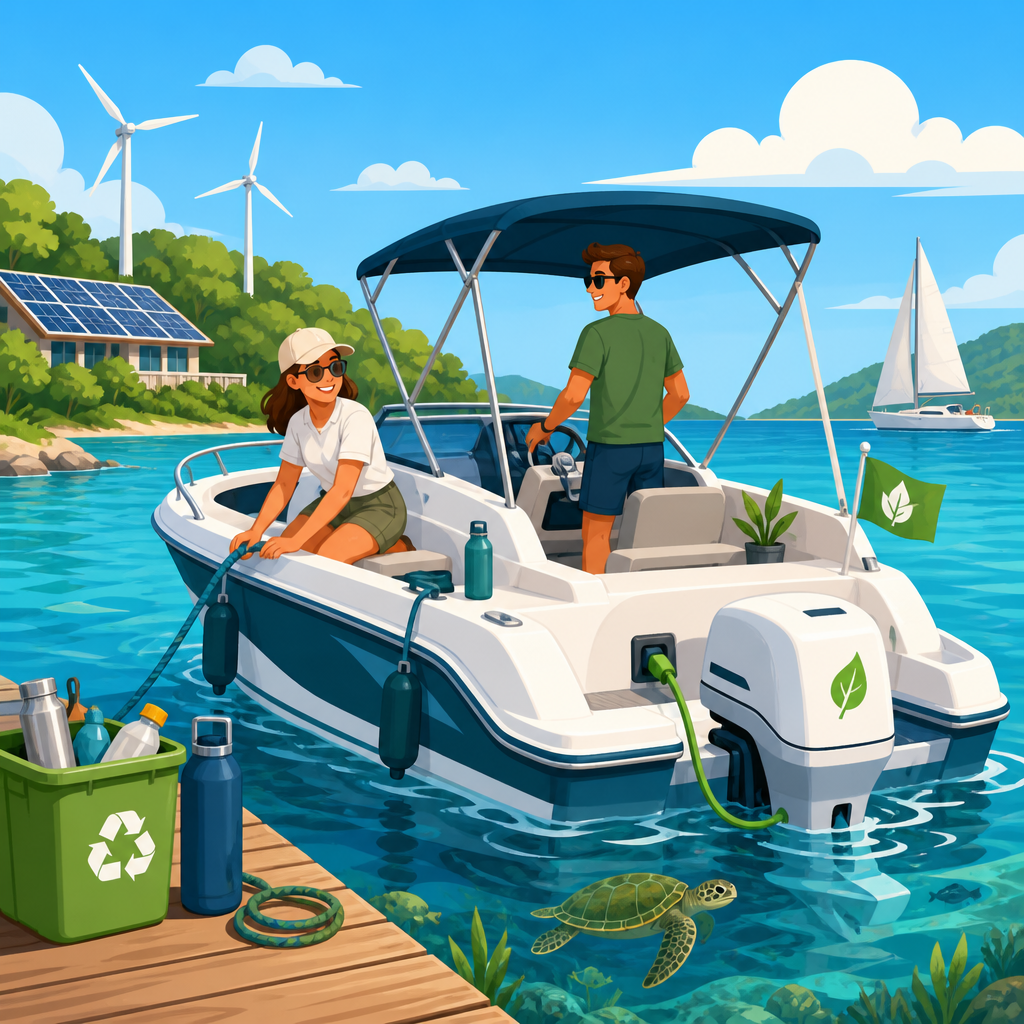
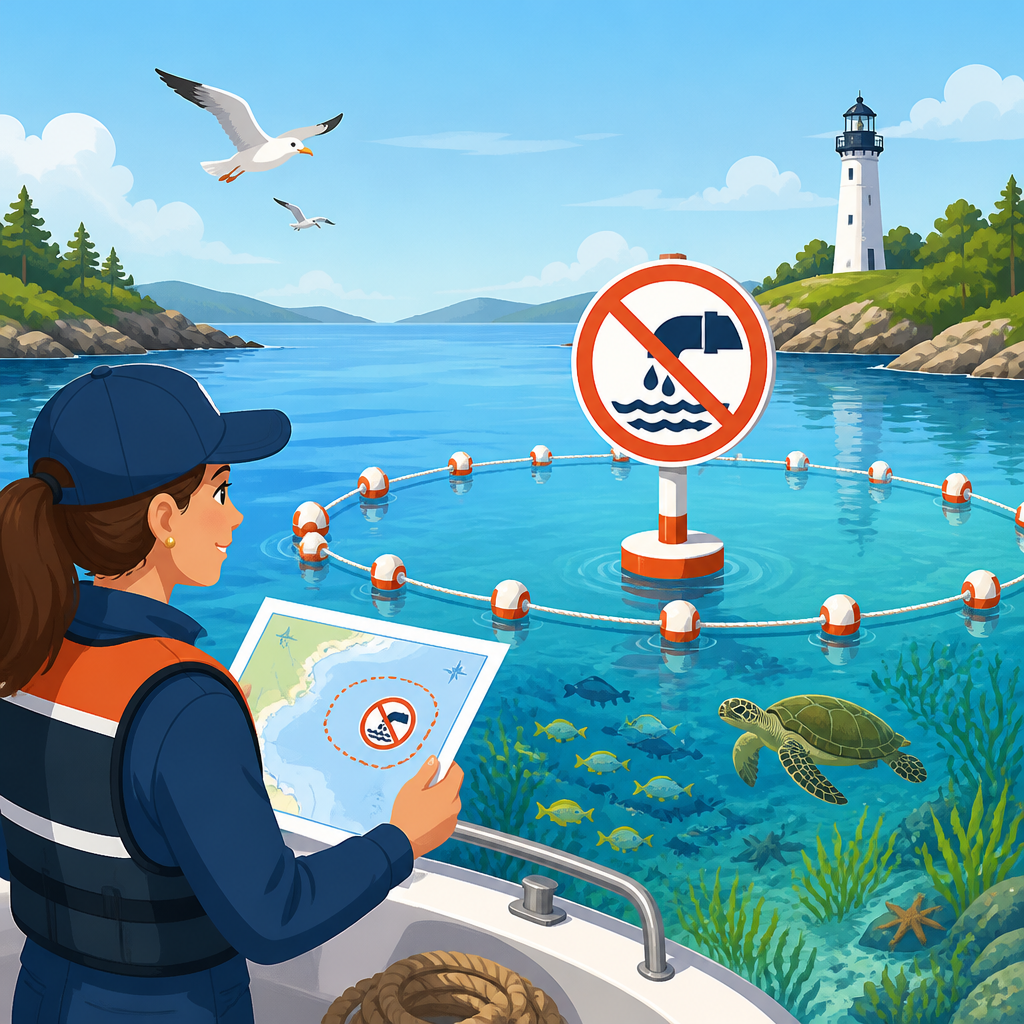
A sustainable boating destination has four core traits: healthy ecosystems, enforceable environmental rules, facilities that reduce operational impact, and visitor models that do not overwhelm local carrying capacity. Healthy ecosystems include coral reefs, mangroves, seagrass beds, kelp forests, salt marshes, and breeding grounds for birds and marine mammals. Environmental rules include marine protected areas, no-discharge zones, speed restrictions, anchoring controls, ballast and biosecurity guidance, and seasonal closures. Practical facilities matter just as much. The best marinas provide pump-out stations, bilge-water handling, recycling, non-toxic hull maintenance guidance, and shore power so boats can switch off generators at berth.
Carrying capacity is the factor many travelers overlook. A destination can market itself as green while still suffering from crowding, habitat stress, and local backlash if too many charter boats arrive in peak season. I have seen bays with excellent mooring systems still degraded by sheer volume. That is why strong destination choices often include permit systems, visitor caps, and zoning. These controls can feel restrictive, but they preserve the exact qualities boaters come to enjoy. In short, the best sustainable boating destinations are not the freest in an unrestricted sense. They are the best managed.
Galápagos Islands, Ecuador
The Galápagos Islands remain one of the clearest examples of conservation-led boating. The archipelago’s fame comes from endemic species, but for boaters the real sustainability lesson is regulatory control. Visitor movement is tightly structured through licensed operators, designated visitor sites, park fees, and approved itineraries. This limits random anchoring and concentrates access in monitored areas. The Galápagos Marine Reserve, one of the world’s most important protected marine zones, safeguards sharks, rays, marine iguanas, sea lions, penguins, and seabirds in a highly sensitive ecosystem shaped by converging currents.
Why is the Galápagos one of the best sustainable boating destinations? Because access is intentionally limited and interpretation is built into the experience. Naturalist guides explain wildlife-distance rules, biosecurity requirements, and site-specific conduct, turning passengers into informed participants rather than passive tourists. Boats operating here must comply with strict standards, and itineraries are designed to reduce ecological disturbance. The tradeoff is cost and reduced flexibility. Independent cruising is heavily constrained. For responsible travelers, that is a strength, not a flaw. The islands demonstrate that fragile places remain viable only when boating is treated as a privilege governed by science.
Norway’s fjords and coastal waterways
Norway offers a different model of eco-friendly boating: advanced infrastructure combined with strong public environmental expectations. The country’s fjords are globally recognized, but sustainability is supported by policy and technology, not just natural beauty. Electric ferries, growing charging networks, strict wastewater standards, and broad national commitment to emissions reduction make Norway increasingly attractive for lower-impact cruising. In famous areas such as Geirangerfjord and Nærøyfjord, local and national authorities have pushed hard to reduce pollution from marine traffic because enclosed fjord systems are especially vulnerable to exhaust accumulation and water-quality stress.
For private cruisers and charter guests, Norway rewards careful passage planning. Marinas are generally well organized, shore power is more common than in many cruising regions, and local boating culture tends to respect wake limits, fisheries rules, and shoreline protection. Wildlife watching, especially for seabirds, seals, and occasionally whales farther north, is best done with generous stand-off distances and low noise. The sustainability challenge here is not only emissions but scale. Some fjords receive intense seasonal visitation. Choosing shoulder-season departures, smaller ports, and hybrid or electric craft where available makes a meaningful difference while preserving the quiet character that defines the experience.
Croatia’s Kornati and Dalmatian coast
Croatia has become one of Europe’s leading charter markets, which makes sustainability management especially important. The Dalmatian coast and Kornati National Park can be excellent choices for eco-conscious boaters when routes are selected carefully. The region’s appeal lies in short passages, island-hopping, and relatively sheltered cruising, which can reduce fuel burn compared with longer offshore runs. Many local operators now address water conservation, marina waste separation, and eco-briefings, though standards vary and travelers should vet fleets closely before booking.
Kornati’s protected landscape illustrates both promise and pressure. The islands are visually stark and biologically rich, with clear waters, fish habitat, and fragile seabed areas vulnerable to anchoring damage. Park authorities manage entry through fees and designated zones. In practice, the most responsible way to cruise here is to use authorized moorings where provided, avoid dropping anchor on seagrass or sensitive substrate, and choose smaller coves outside peak congestion periods. Croatia is sustainable when boaters resist the temptation to treat the coast as an unrestricted playground. Good route design, operator selection, and disciplined anchoring are what turn a popular destination into a lower-impact one.
British Columbia’s Inside Passage, Canada
British Columbia’s Inside Passage is one of the world’s great wildlife cruising regions, and its sustainability value comes from habitat scale, protected areas, and a boating culture shaped by weather, distance, and ecological respect. Cruising these waters means moving through a network of channels, islands, inlets, and temperate rainforest ecosystems that support orcas, humpbacks, sea otters, salmon, bald eagles, and coastal bears. Parks Canada, Fisheries and Oceans Canada, and local First Nations all influence how these areas are used and protected, and responsible trip planning should start with those frameworks.
Boaters here need to think beyond visible pollution. Wildlife disturbance is the central issue. Vessel speed, engine noise, and approach angles can alter feeding and resting behavior, especially for whales. Transport Canada’s guidance and regional whale-watching rules are essential, not optional reading. Many anchorages are pristine, but waste handling can be limited in remote areas, so self-sufficiency matters. I advise crews in this region to treat fuel planning, holding-tank capacity, and provisioning waste as environmental decisions, not just logistics. The Inside Passage is sustainable for boaters willing to cruise slower, observe greater distances, and accept that responsible wildlife encounters often look less dramatic than social media suggests.
New Zealand’s Bay of Islands and Hauraki Gulf
New Zealand’s leading boating grounds stand out because marine conservation, biosecurity, and public recreation are closely linked. The Bay of Islands offers sheltered waters and strong sailing culture, while the Hauraki Gulf near Auckland combines accessible cruising with a nationally significant marine park. These waters support seabirds, dolphins, reef communities, and island restoration projects that depend on careful visitor behavior. New Zealand also takes invasive-species control seriously. Hull fouling, gear contamination, and movement between regions can spread unwanted organisms, so clean-hull expectations are a real part of sustainable boating here.
The Hauraki Gulf Marine Park is especially important because it shows how conservation and heavy recreation can coexist uneasily but productively. Popular anchorages face crowding, yet restoration initiatives, mooring management, island reserves, and education campaigns have created a framework for better boating behavior. Responsible visitors should respect rāhui or temporary closures where applicable, use pump-out facilities, minimize single-use provisioning waste, and avoid sensitive bird nesting areas. The best outcome in New Zealand comes from treating local guidance as living stewardship rather than tourist instruction. That mindset aligns boating with the ecological recovery work happening across the country’s coastal islands.
Raja Ampat, Indonesia
Raja Ampat is often discussed for biodiversity, but its relevance to sustainable boating lies in community-based conservation and fee-supported marine management. Located in West Papua, this region sits within the Coral Triangle and contains some of the richest reef systems on Earth. For liveaboards, dive vessels, and expedition cruisers, the attraction is obvious: extraordinary coral cover, reef fish diversity, manta rays, and striking karst landscapes. The environmental stakes are just as obvious. Anchoring on reefs, improper sewage disposal, and poorly controlled traffic would rapidly degrade the very resources visitors travel to see.
Local marine protected areas, patrol efforts, and conservation partnerships have improved outcomes, although the region still depends heavily on operator quality. Sustainable boating in Raja Ampat means booking vessels with clear waste protocols, mooring use where installed, reef-safe excursion practices, and strong local employment links. It also means understanding limits. Long-haul travel to reach the region carries a carbon cost, and infrastructure can be inconsistent. That does not disqualify Raja Ampat, but it does raise the standard for visitor behavior. Travelers should stay longer, choose operators that contribute fees transparently, and avoid extractive “bucket list” itineraries that maximize movement while minimizing local benefit.
How top sustainable boating destinations compare
The best sustainable boating destinations share core traits, but they differ in access, ecosystem type, and operational demands. This comparison helps match destination choice to boating style and environmental priorities.
| Destination | Main ecosystem | Key sustainability strength | Main boating consideration |
|---|---|---|---|
| Galápagos | Volcanic islands and marine reserve | Strict permit control and guided access | High cost and limited independent flexibility |
| Norway | Fjords and cold-water coasts | Low-emission infrastructure and shore power | Seasonality and concentrated tourism in famous fjords |
| Croatia | Island coast and seagrass habitats | Manageable distances and protected park zones | Peak-season crowding and anchoring pressure |
| British Columbia | Temperate rainforest and inland channels | Large intact habitat and strong wildlife guidance | Remote logistics and strict wildlife-disturbance discipline |
| New Zealand | Marine park islands and coastal bays | Biosecurity and restoration-led stewardship | Busy anchorages and invasive-species precautions |
| Raja Ampat | Coral reefs and island seascapes | Community-linked conservation areas | Operator quality and long-distance travel footprint |
If you are choosing among these destinations, start with the boating behavior each place rewards. Norway and New Zealand suit boaters who want good infrastructure and clear operating norms. British Columbia suits experienced cruisers comfortable with remoteness and wildlife protocols. Croatia works well for charterers who can avoid peak saturation and follow disciplined anchoring practices. The Galápagos and Raja Ampat are best approached as conservation-first experiences where access is shaped by ecological limits. The right destination is the one where your vessel type, cruising habits, and trip goals fit the management system instead of fighting it.
How to choose the best sustainable boating destination for your trip
The best sustainable boating destination for your trip depends on three practical filters: boat type, trip length, and your willingness to operate within environmental restrictions. Start with propulsion and onboard systems. Sailboats and electric or hybrid day boats can take advantage of places with short hops and shore power, while fuel-heavy motor yachts need destinations with efficient routing and reliable waste services if they are to reduce impact. Next, look at trip length. Long-haul flights to reach a destination can outweigh gains from cleaner local boating unless you stay long enough to justify the journey. Finally, assess your comfort with rules. The greenest destinations often involve permits, site limits, mooring requirements, and wildlife stand-off distances that remove spontaneity.
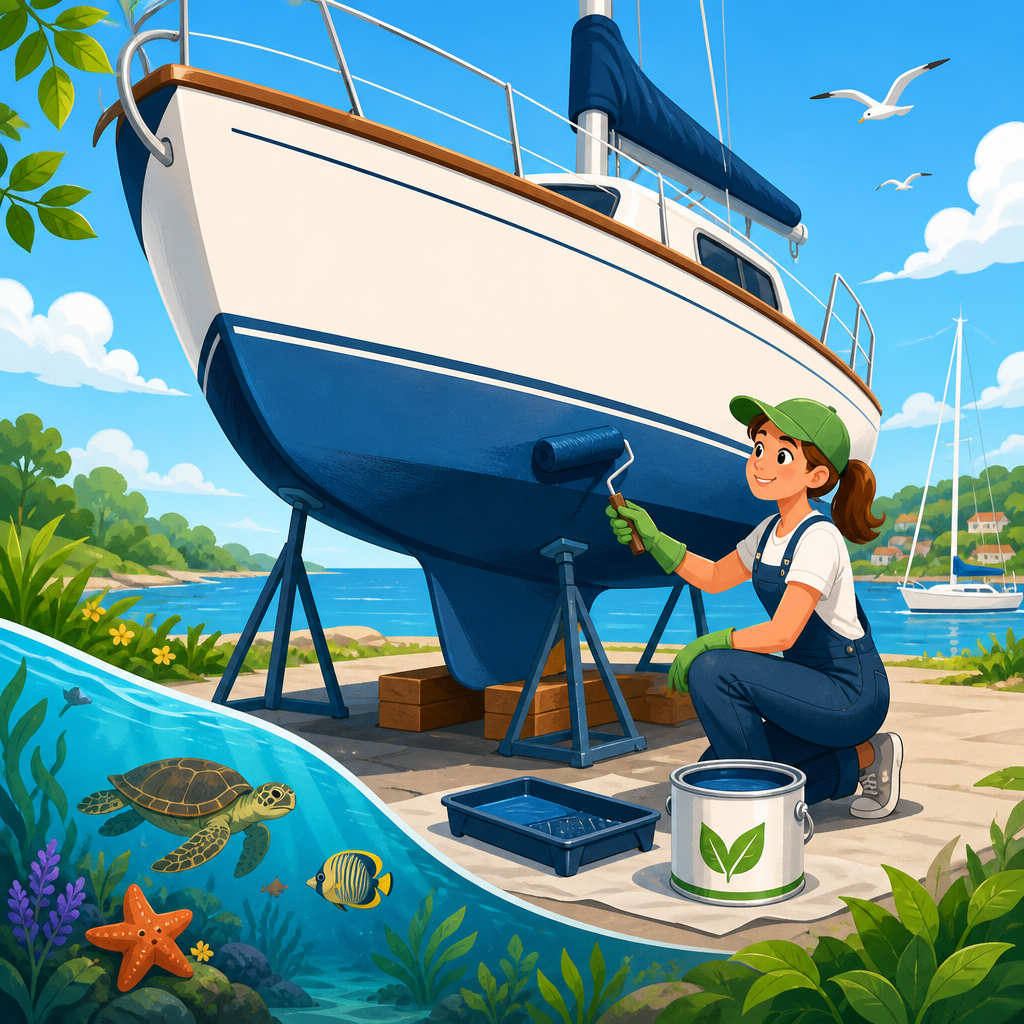
When evaluating operators or marinas, ask specific questions. Is there a pump-out system? Are cleaning products phosphate-free? Is hull maintenance managed to prevent toxic runoff? Are there established no-anchor zones over seagrass or coral? Does the charter company brief guests on local species protection and discharge laws? A credible operator answers quickly and specifically. Vague claims about caring for nature are not enough. The real benefit of choosing well is simple: you get a better boating experience. Cleaner anchorages, healthier reefs, more predictable wildlife encounters, and stronger local support all come from destinations that take sustainability seriously. Use this hub as your planning starting point, then build an itinerary that protects the waters you came to enjoy.
Frequently Asked Questions
What makes a boating destination truly eco-friendly?
An eco-friendly boating destination is defined by much more than scenic coastlines and clear water. The most sustainable boating regions combine healthy marine ecosystems with strong environmental management on land and at sea. That usually means protected marine areas are clearly designated and actively enforced, anchoring rules are in place to prevent damage to seagrass and coral, and marinas provide proper pump-out stations, recycling systems, and wastewater controls. It also means local authorities and tourism operators take a long-term approach to conservation rather than focusing only on visitor growth.
For boaters, the best indicator of an eco-friendly destination is whether the infrastructure and regulations help reduce impact without preventing meaningful access. In high-quality sustainable destinations, you often see eco-moorings instead of unrestricted anchoring, limits on boat traffic in sensitive habitats, wildlife approach guidelines, and clear waste disposal procedures. Many of these places also support electric or hybrid vessels, shoreline habitat restoration, and education programs that help visitors understand how to boat responsibly. In short, a truly eco-friendly boating destination protects water quality, marine life, and coastal communities while still allowing people to enjoy the experience in a low-impact way.
Which regions are often considered among the most eco-friendly boating destinations in the world?
Several destinations consistently stand out for balancing boating access with serious environmental protection. Scandinavia, especially parts of Norway, Sweden, and Finland, is often praised for its clean waterways, strong environmental governance, and boating culture that emphasizes respect for nature. New Zealand is another leading example, with strict biosecurity rules, protected marine environments, and a well-developed outdoor ethic that supports low-impact exploration. In places like British Columbia in Canada, boaters can experience extraordinary wilderness while benefiting from conservation-focused management, wildlife protection efforts, and growing support for sustainable marine tourism.
Other standout destinations include the Galápagos Islands, where boating is tightly managed to protect one of the world’s most sensitive ecosystems, and parts of Croatia and Slovenia, where marine parks and regulated coastal access are helping reduce environmental pressure. Certain island destinations in the South Pacific and Mediterranean are also making progress by installing eco-moorings, improving marina sustainability, and limiting development in fragile shoreline areas. The most eco-friendly regions are rarely those with the largest boating scenes; they are usually places where policy, infrastructure, and visitor behavior are aligned around conservation. That combination is what makes them especially attractive to environmentally conscious boaters.
How can boaters tell whether a marina or local operator follows sustainable practices?
A sustainable marina or boating operator usually shows clear signs of environmental accountability. Start by looking for practical systems rather than broad marketing claims. Responsible marinas typically offer pump-out facilities, spill response equipment, recycling and waste sorting, and policies for handling fuel, sewage, and hazardous materials. They may also use water-saving equipment, shore power, energy-efficient lighting, and habitat-friendly shoreline design. If a marina promotes sustainability, it should be able to explain exactly how it reduces pollution, protects nearby ecosystems, and educates visiting boaters.
For tour operators, charter companies, and excursion providers, good environmental standards often include reduced-speed zones near wildlife, no-go areas in fragile habitats, reef-safe or seagrass-safe mooring practices, and staff training in conservation protocols. Certifications can be helpful, but they should be supported by visible action. A strong operator will communicate wildlife viewing distances, discourage litter and overboard discharge, comply with local marine park rules, and often partner with conservation groups or local communities. In general, the most trustworthy businesses are transparent, specific, and consistent. If sustainability is central to their operation, you should be able to see it in their procedures, not just in their advertising.
What are the best ways to boat responsibly in sensitive marine environments?
Responsible boating in sensitive areas starts with understanding that even small actions can have lasting ecological effects. One of the most important practices is to avoid damaging the seafloor. That means using designated mooring buoys when available, following anchoring restrictions, and never dropping anchor on coral reefs, seagrass beds, or other habitats that recover slowly. Careful speed management is equally important, especially in areas where manatees, dolphins, whales, seabirds, or sea turtles may be present. Slower travel reduces wake damage, lowers noise pollution, and gives wildlife more time to avoid vessels.
Waste management is another major part of low-impact boating. Boaters should use pump-out stations, store trash securely, avoid discharging anything into the water, and choose cleaning products that are biodegradable and marine-safe when permitted by local guidance. Fueling should be done carefully to prevent spills, and routine maintenance should be completed in ways that keep paint, oil, and debris out of the water. It also helps to support destinations that set visitor limits and enforce conservation rules, even if those rules require more planning. The goal is not simply to avoid obvious harm, but to actively reduce cumulative impact so these ecosystems remain healthy for future visitors and local communities.
Why does sustainable boating tourism matter for local communities and marine conservation?
Sustainable boating tourism matters because it helps protect the natural systems that make boating destinations valuable in the first place. Healthy reefs, estuaries, mangroves, seagrass meadows, and open-water habitats support biodiversity, improve water quality, store carbon, and protect shorelines from erosion and storms. When boating activity is poorly managed, these systems can be damaged by anchoring, sewage discharge, shoreline crowding, wildlife disturbance, and overdevelopment. Once that damage becomes widespread, the destination often becomes less appealing, less resilient, and more expensive to restore. Sustainable tourism helps interrupt that cycle by connecting recreation with long-term stewardship.
It also has direct benefits for local communities. Destinations that emphasize eco-friendly boating often create more durable economic value by attracting travelers who respect regulations, support locally owned operators, and are willing to pay for quality experiences instead of high-volume exploitation. That can strengthen conservation funding, improve marina and waste infrastructure, and encourage governments and businesses to maintain high environmental standards. In many places, local livelihoods depend on healthy fisheries, clean beaches, and stable ecosystems as much as they depend on tourism. Sustainable boating supports both. It allows visitors to enjoy remarkable marine environments while helping ensure those environments remain productive, protected, and accessible for the people who live there year-round.