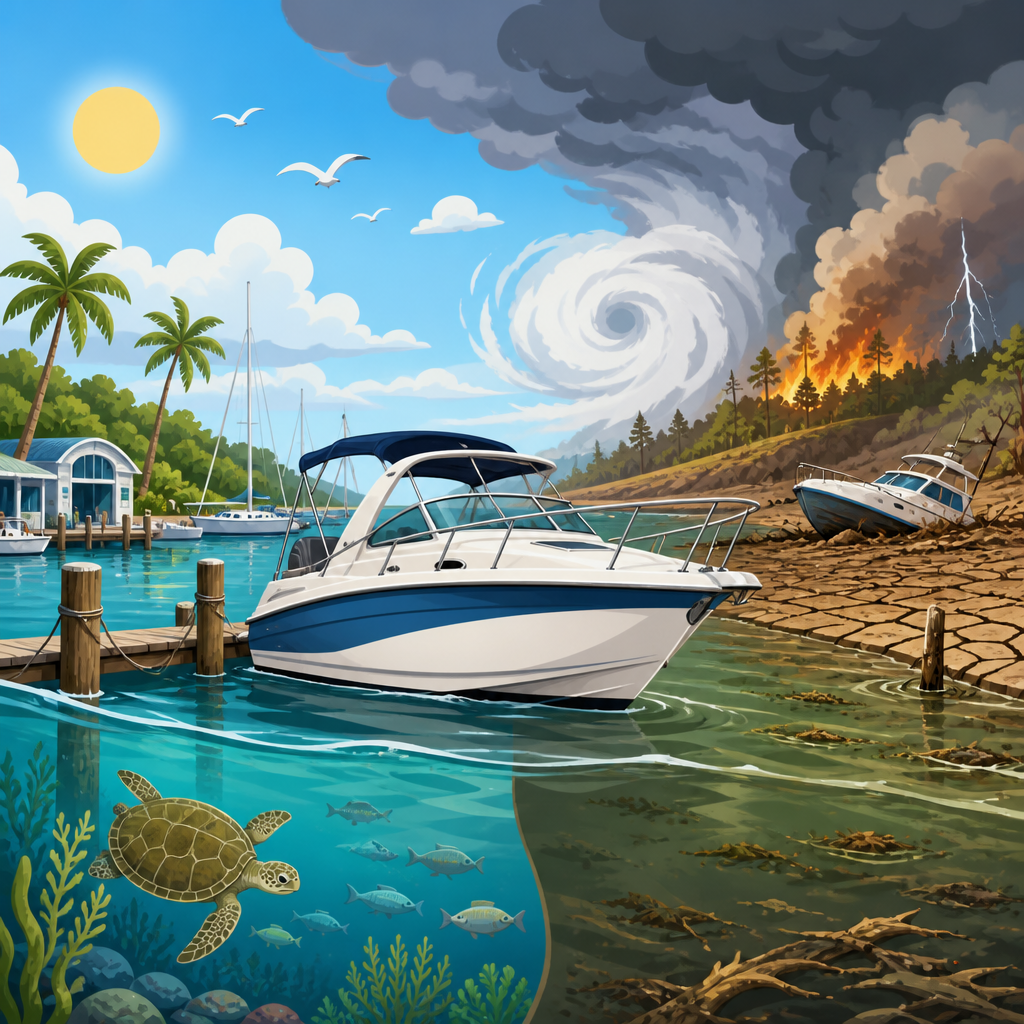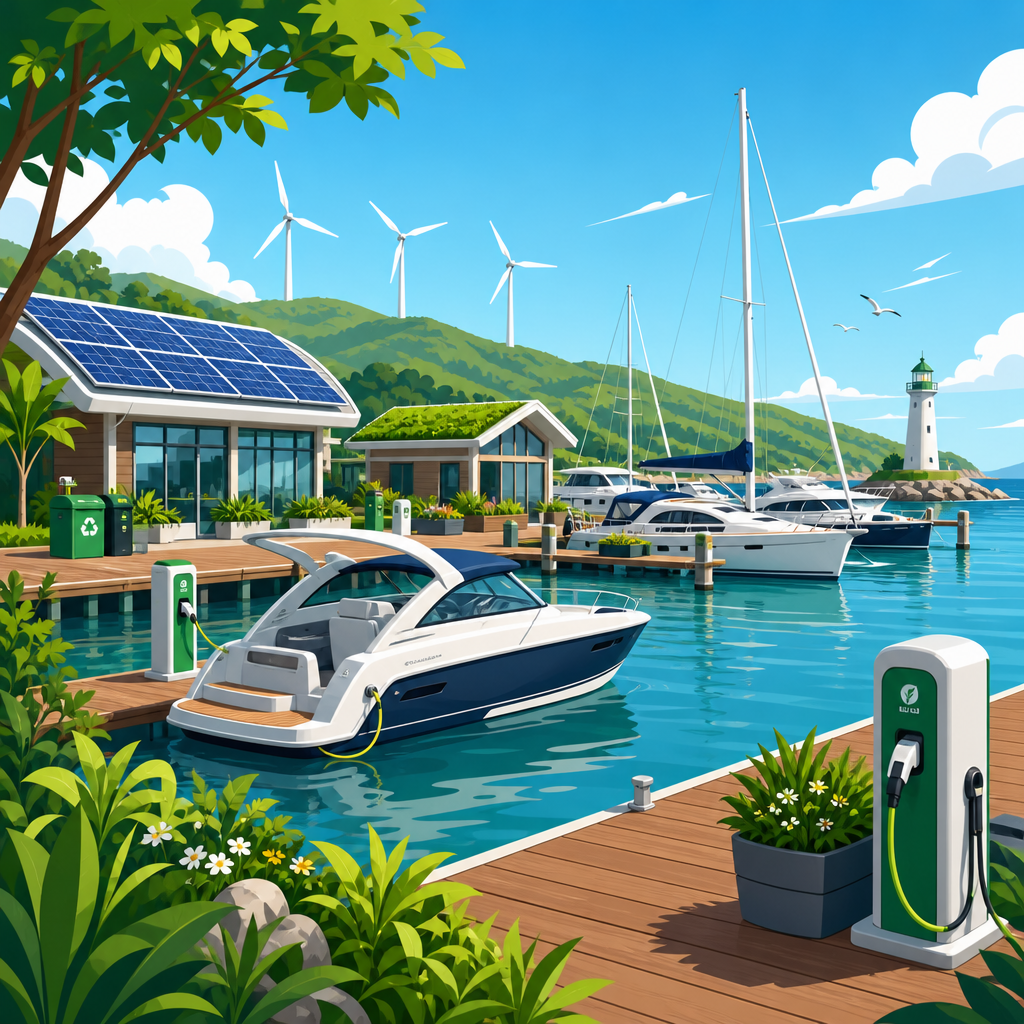
Sustainable boating starts on shore, and the best green marinas prove that cleaner waterfront infrastructure can reduce emissions, protect habitat, and improve the cruising experience at the same time. In practical terms, a green marina is a harbor or yacht basin that manages fuel, waste, water, storm runoff, and energy with environmental performance in mind. The strongest facilities go beyond basic compliance and adopt shore power, pump-out access, recycling systems, native landscaping, low-impact dredging practices, and documented environmental management standards. I have visited marinas that looked polished on the surface but still discharged oily runoff after a storm, and I have also worked with operators whose back-of-house systems were genuinely impressive. That difference matters because marinas sit at the exact point where recreational boating meets sensitive coastal and inland ecosystems. If boaters want cleaner anchorages, healthier fisheries, and more resilient waterfront towns, choosing sustainable boating destinations is one of the simplest decisions that produces measurable impact.
The phrase sustainable boating destinations includes more than a single dock with a recycling bin. It refers to cruising regions and marina networks where environmental safeguards are built into everyday operations, local tourism supports conservation, and visiting boaters can refuel, recharge, provision, and dispose of waste responsibly. The best destinations make low-impact cruising easier, not harder. They provide modern pump-out facilities, clearly labeled waste streams, energy-efficient dock systems, access to public transit or bike paths, and nearby repair yards familiar with electric propulsion, efficient hull coatings, and spill prevention protocols. Many also participate in certification programs such as Blue Flag, Clean Marina, or ISO 14001-aligned environmental management systems. These programs are not perfect, but they create useful accountability by requiring recordkeeping, staff training, and periodic verification. For readers planning eco-conscious routes, this hub explains what to look for, which marinas and regions stand out, and how to evaluate whether a waterfront destination is truly advancing sustainable boating rather than simply marketing it.
What Makes a Marina Truly Green
A marina deserves to be called green when environmental performance is visible in operations, infrastructure, and policy. The basics are straightforward: reliable sewage pump-out, well-maintained spill response kits, hazardous waste collection, bilge-water controls, and fuel-dock procedures that minimize drips and overfills. More advanced features include metered shore power, LED dock lighting, smart water monitoring, permeable paving, solar canopies, rain gardens, and upland boat wash areas that capture and treat runoff. In my experience, the clearest sign of a serious operation is not the marketing brochure but the service area. If staff can explain where used oil goes, how absorbents are disposed of, and what happens to pressure-wash residue, the marina usually has real systems behind the scenes.
Energy is a major differentiator. Traditional marina operations rely on grid electricity, diesel equipment, and constant lighting loads. Leading properties are reducing those demands with rooftop solar, battery storage, heat-pump buildings, occupancy-controlled lighting, and efficient pedestals that help boaters track consumption. Shore power is especially important because it lets visiting vessels avoid idling generators for air conditioning, battery charging, and hotel loads. Water stewardship also matters. Leaking hoses, unrestricted washdowns, and untreated runoff can waste thousands of gallons and carry copper, detergents, and hydrocarbons into the basin. The best facilities install shutoff nozzles, submetering, filtration, and landscaping that slows polluted runoff before it reaches open water.
Top Green Marinas and Sustainable Boating Destinations
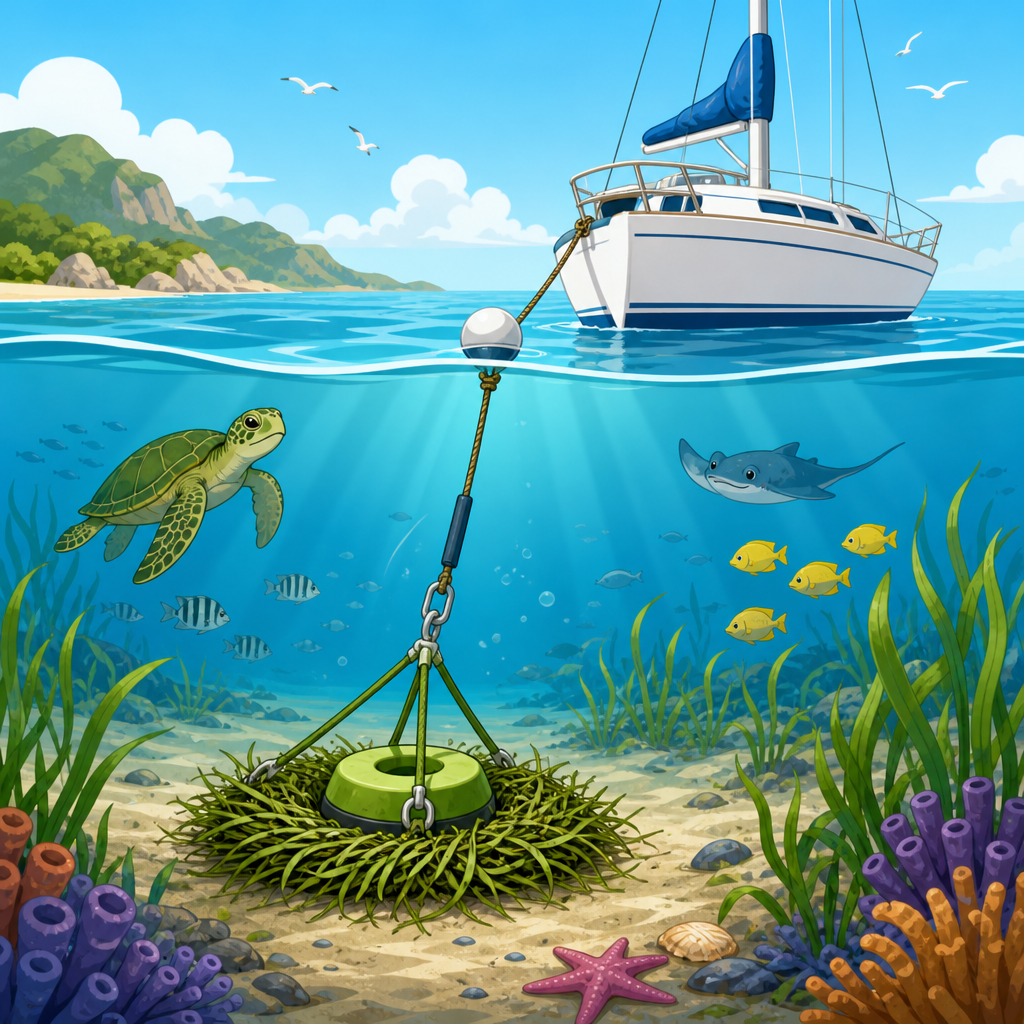
Several destinations consistently stand out for making sustainable boating practical. In the United States, Safe Harbor Marathon in the Florida Keys benefits from a region where coral reef protection has pushed operators to improve pump-out access, waste handling, and boater education. The Keys also reward low-wake, shallow-draft awareness and support itineraries built around mooring fields and marine sanctuaries rather than constant anchoring on sensitive seagrass. On the U.S. East Coast, Bristol Harbor in Rhode Island operates within a state long associated with the Clean Marina program, and visiting boaters benefit from strong local expectations around spill prevention, stormwater control, and pump-out use. In the Pacific Northwest, marinas in British Columbia and Washington often lead on habitat-sensitive dock design, electric charging access, and boater guidance around orca protection zones and no-discharge rules.
Europe offers some of the most visible examples because marina sustainability is often linked with municipal planning and tourism standards. Ports in Sweden and Denmark commonly pair shore power with excellent public transit, cycling access, and strict waste sorting, allowing crews to reduce both onboard and landside emissions. Sanlorenzo and electric dayboat owners operating in northern Europe increasingly choose marinas with charging capability, not just fuel berths. Croatia, despite heavy seasonal traffic, has several marinas improving wastewater systems and environmental auditing because the Adriatic’s water quality directly shapes tourism revenue. New Zealand also deserves attention. Marinas around Auckland and the Bay of Islands have adopted strong biosecurity messaging to reduce hull-fouling transfer and invasive species risk, which is a critical but often overlooked element of sustainable destination management.
| Destination or Marina | Why It Stands Out | Best Fit for Boaters |
|---|---|---|
| Florida Keys, USA | Pump-out access, reef protection rules, sanctuary education | Cruisers planning eco-sensitive warm-water itineraries |
| Rhode Island, USA | Strong Clean Marina culture, waste controls, service quality | Seasonal coastal cruisers and sailing clubs |
| British Columbia, Canada | Habitat-aware dock design, wildlife guidance, clean shore facilities | Nature-focused voyagers and expedition boaters |
| Sweden and Denmark | Shore power, transit access, rigorous waste sorting | Boaters combining low-emission cruising with urban stops |
| Auckland region, New Zealand | Biosecurity controls, modern marina systems, conservation focus | Owners concerned about invasive species and water quality |
Regional Standards, Certifications, and Why They Matter
Certification is not a guarantee of excellence, but it is one of the fastest ways to separate serious operators from those making broad claims. The Blue Flag program, recognized internationally, evaluates beaches and marinas on environmental education, water quality, environmental management, and safety criteria. In the United States, state Clean Marina programs vary, yet the strongest versions require specific best management practices for fueling, waste, maintenance, sewage, and stormwater. Many larger operators also use ISO 14001 principles to formalize environmental management, which means setting objectives, auditing performance, training staff, and documenting corrective actions. Those systems matter because environmental quality at a marina depends on consistency, not one-time upgrades.
When I assess a destination, I do not stop at the logo on the website. I look for evidence that the standards are active. Are spill kits accessible at fuel docks? Are fish-cleaning stations designed to keep waste out of the basin? Does the yard have containment under sanding and painting areas? Is there signage about no-discharge requirements, local protected species, and pump-out locations? A marina that trains dockhands to challenge unsafe fueling practices is usually safer and cleaner than one that only advertises sustainability during boat show season. For travelers, certification should be a starting filter, followed by direct questions and observations on arrival.
How Green Marinas Support Better Boating Experiences
Boaters sometimes assume sustainable facilities require sacrifice, but the opposite is usually true. A well-run green marina is cleaner, quieter, and easier to use. Shore power reduces generator noise at the dock. Better waste sorting keeps dumpsters from overflowing in peak season. Efficient lighting improves nighttime safety without flooding the water with glare. Clear washdown and maintenance rules reduce the chemical smell that too often hangs around service yards. On multiday stays, these operational details have a direct effect on comfort. Families appreciate cleaner restrooms and swimming areas; passagemakers value reliable pump-out and repair support; liveaboards benefit from transparent utility metering and healthier air quality along the fairways.
There is also a resilience advantage. Marinas that invest in stormwater systems, floating dock upgrades, native shoreline buffers, and emergency planning are better positioned for extreme weather and sea-level change. After major storms, the facilities that recover fastest are often those with documented asset management plans and trained staff. That reliability matters to transient boaters choosing stopovers during hurricane season, king tide periods, or shoulder-season cruising windows. Sustainable marina design is not a cosmetic add-on. It is increasingly tied to business continuity, insurance outcomes, and the long-term viability of boating destinations that depend on clean water to attract visitors.
Planning a Low-Impact Route Through Sustainable Destinations
If you want your itinerary to align with sustainable boating, route planning should start with infrastructure, not scenery alone. First, map marinas with pump-out, recycling, and shore power, then evaluate distance, weather windows, and nearby protected areas. For example, a weeklong trip through New England can be planned around certified marinas, municipal pump-out docks, and harbors with launch service or walkable provisioning, reducing generator hours and dinghy fuel use. In Scandinavian waters, many crews combine marina nights at high-service ports with mooring systems designed to protect shorelines, which limits ad hoc anchoring damage. On inland waterways, choosing marinas near bike rentals or rail links can significantly reduce the footprint of shore excursions.
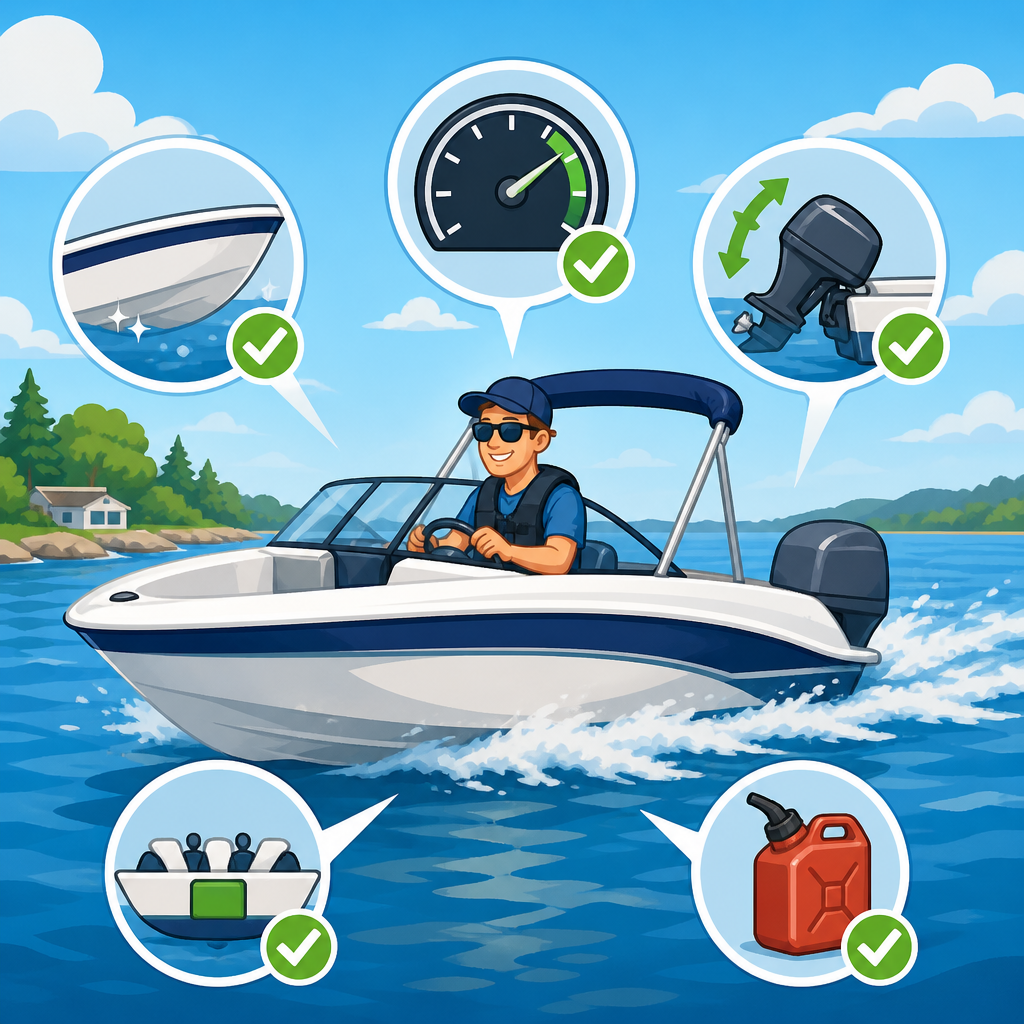
Boat preparation matters just as much as destination choice. Before departure, service the engine to minimize smoke and fuel inefficiency, check bilge absorbents, inspect sanitation hoses, and carry non-phosphate cleaners. If your boat supports it, use lithium battery banks or efficient AGM systems to cut generator run time. Hull condition is another overlooked factor. A clean hull can reduce drag materially, lowering fuel burn over a season, but cleaning methods must follow local rules to avoid spreading invasive species or releasing contaminants. In practice, sustainable cruising is a chain of decisions: efficient boat, responsible marina, protected route, and informed crew behavior. When all four align, the environmental gains are substantial and the trip usually runs more smoothly.
Questions to Ask Before Booking a Green Marina
The fastest way to evaluate a marina is to ask specific operational questions. Does the property offer sewage pump-out on site, and is it available during the hours you will arrive? How are used oil, batteries, paint waste, and absorbents collected? Is shore power metered, and what amperage options are available? Are hull cleaning, pressure washing, or bottom work controlled through capture systems? If the marina claims sustainability leadership, ask whether it participates in Blue Flag, a state Clean Marina program, or an audited environmental management framework. Serious operators answer quickly and precisely. Vague replies usually indicate that environmental practices are informal or inconsistent.
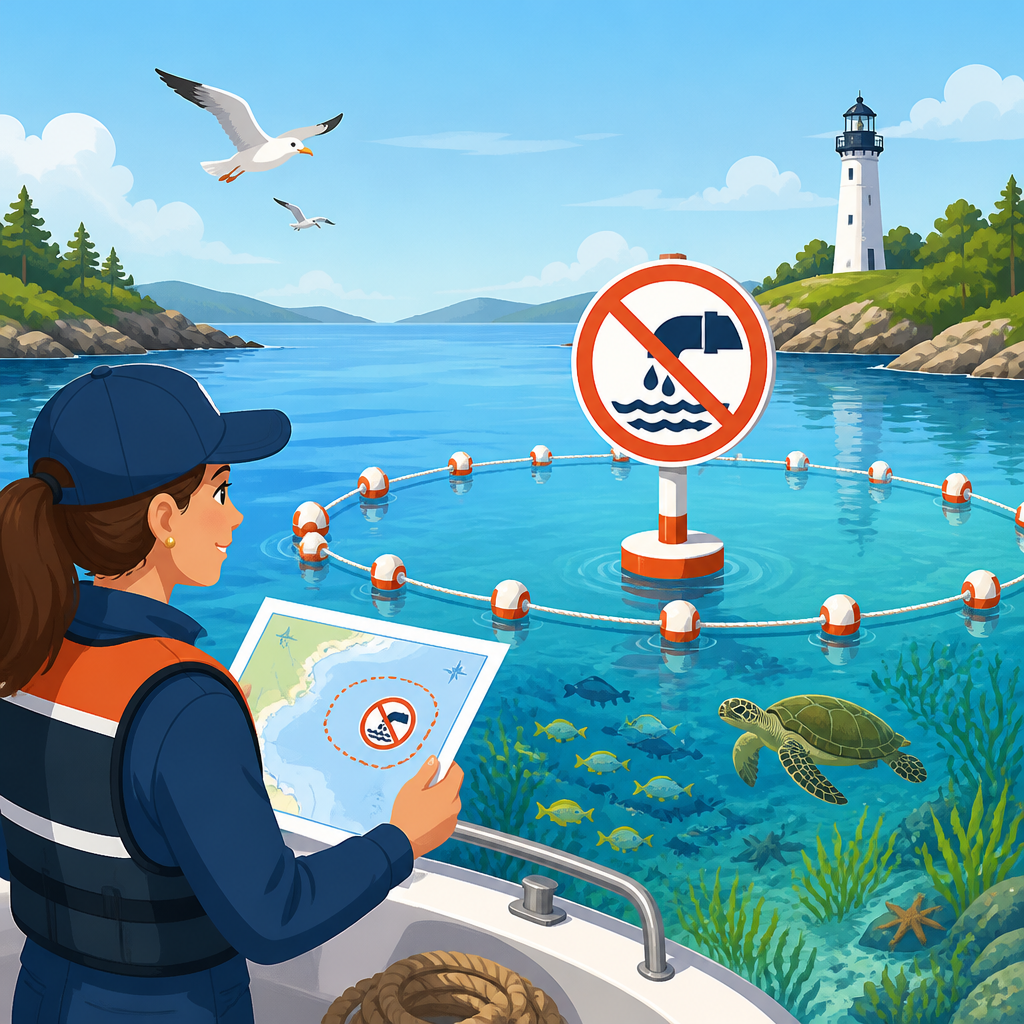
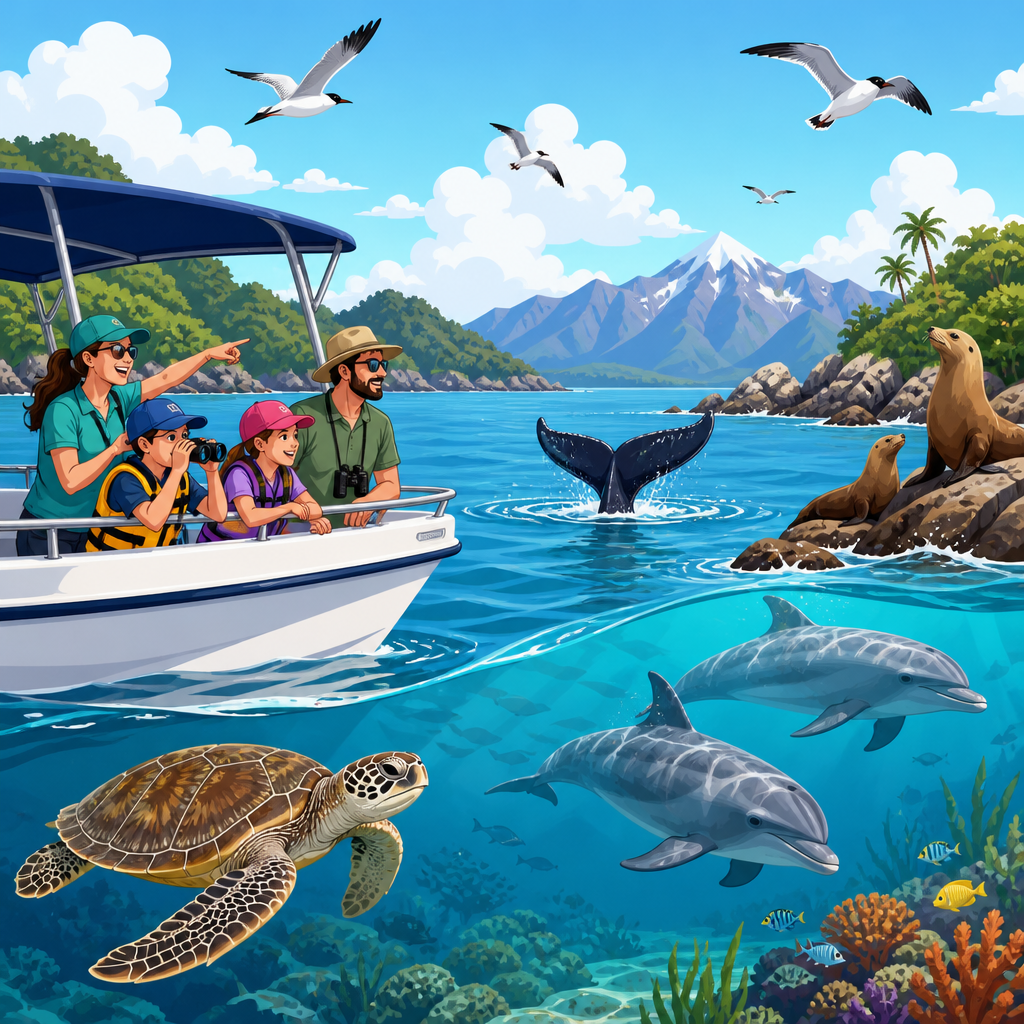
You should also ask destination-level questions. Are there no-discharge zones nearby? Are manatee, whale, or seabird protection rules in force? Is anchoring restricted over seagrass or coral? Which local yards can service electric propulsion, solar arrays, or advanced battery systems? For sub-pillar planning, these questions help identify the best sustainable boating destinations by use case: family cruising, long-range passagemaking, electric dayboating, sailing club travel, or eco-tourism expeditions. They also reveal whether a region supports responsible boating beyond one standout marina. That broader support network is what turns a single green facility into a truly sustainable destination.
Top green marinas that promote sustainable boating do more than offer a convenient berth. They reduce pollution at the source, support cleaner cruising habits, and make responsible travel easier for visiting crews. The best sustainable boating destinations combine strong marina operations with regional conservation rules, practical infrastructure, and a culture that treats clean water as an economic and environmental asset. For boaters, that means looking past glossy branding and focusing on pump-out access, shore power, waste handling, habitat protection, and credible certifications. It also means choosing routes where marinas, municipalities, service yards, and nearby attractions all reinforce low-impact behavior instead of working against it.
This hub should guide every related destination search within eco-friendly and sustainable boating. Whether you are comparing the Florida Keys with British Columbia, planning a Scandinavian summer circuit, or looking for marinas that support electric propulsion and modern waste systems, the same principles apply: verify the infrastructure, understand the local rules, and reward operators that invest in measurable environmental performance. Cleaner marinas lead to healthier waterways, better guest experiences, and more resilient waterfront communities. Use this page as your starting point, shortlist destinations that meet these standards, and book your next voyage where sustainable boating is built into the dock from the ground up.
Frequently Asked Questions
What makes a marina “green” or sustainable?
A green marina is more than a place with a few recycling bins or a clean dock. It is a marina that actively manages its environmental impact across daily operations, infrastructure, and long-term planning. The most credible green marinas focus on the full waterfront system: fuel handling, sewage pump-out access, bilge and wastewater control, stormwater runoff, shoreline protection, waste reduction, and energy efficiency. Their goal is to reduce pollution before it reaches the water while also creating a safer, healthier boating environment.
In practice, that usually means installing and maintaining pump-out stations, providing clearly labeled recycling and waste collection points, using spill-prevention tools at fueling docks, and training staff to respond quickly to leaks or contamination. Many top facilities also add shore power so visiting boats can plug in instead of idling generators, which cuts noise, fuel use, and dockside emissions. Others improve landscaping with native plants, reduce hard runoff surfaces where possible, and use lighting, buildings, and equipment designed for lower energy consumption.
The strongest sustainable marinas go beyond minimum legal compliance. They often participate in clean marina certification programs, publish environmental policies, upgrade aging infrastructure, and educate slip holders about best practices. A truly green marina supports both ecological health and a better customer experience, proving that environmental responsibility and comfortable cruising can work together.
Why do green marinas matter for boaters and local waterways?
Green marinas matter because much of boating’s environmental footprint begins on shore, not just underway. Marinas are where vessels fuel, discharge waste, connect to power, wash down equipment, store supplies, and spend long periods at berth. If those activities are poorly managed, the result can be fuel sheens, sewage releases, trash in the water, contaminated runoff, and unnecessary air pollution. Over time, even small repeated impacts can degrade water quality, stress fish and bird habitat, and make harbors less pleasant for everyone who uses them.
For boaters, the benefits are both environmental and practical. Cleaner facilities typically have better waste handling, safer fueling procedures, more reliable utility systems, and clearer rules that help prevent costly mistakes. Access to shore power can reduce generator runtime, which means quieter nights and lower fuel consumption. Convenient pump-out services make it easier to dispose of sewage properly instead of delaying action until the next stop. Thoughtful site design can also improve dock conditions, reduce erosion, and create more resilient shorelines during heavy rain or storms.
Local communities benefit as well. Healthy waterfronts support tourism, recreational fishing, paddling, wildlife viewing, and stronger property values. Cleaner marinas help protect seagrass beds, marsh edges, shellfish waters, and nursery habitat that many coastal and inland ecosystems depend on. In short, green marinas matter because they turn sustainability into direct, visible improvements for boaters, marine life, and the long-term health of the cruising destination.
What features should I look for when choosing a sustainable marina?
Start with the essentials: a well-maintained pump-out station, clearly organized recycling and trash facilities, safe fueling systems, and visible spill-response equipment. These are baseline indicators that a marina takes pollution prevention seriously. You should also look for clean restrooms and service areas, since strong housekeeping standards often reflect stronger overall environmental management. If the marina provides used oil collection, battery recycling, or hazardous waste guidance, that is another strong sign.
Beyond the basics, top green marinas often invest in shore power, energy-efficient lighting, water-saving fixtures, and infrastructure that reduces stormwater pollution. For example, some facilities use permeable surfaces, bioswales, rain gardens, or vegetated buffers to slow and filter runoff before it reaches the basin. Native landscaping is another positive feature because it usually requires less irrigation and supports local habitat better than ornamental plantings. Marinas that protect shoreline edges, reduce erosion, and preserve nearby wetlands or mangroves are generally taking sustainability seriously at a larger scale.
Operational culture matters too. Look for posted environmental policies, staff who can explain waste and fueling procedures, and evidence of recognized clean marina or sustainability certifications. Ask whether the marina educates tenants about hull cleaning, bilge management, and no-discharge practices. A marina does not need to be perfect to be a good choice, but the best ones show consistent effort, transparency, and a willingness to improve. That combination usually signals a facility that is genuinely committed to sustainable boating rather than using “green” as a marketing label.
How do green marinas reduce emissions and protect marine habitat?
Green marinas reduce emissions primarily by cutting unnecessary fuel use and improving energy systems on land and at the dock. Shore power is one of the biggest tools because it allows boats to run onboard systems without idling engines or generators while berthed. Energy-efficient dock lighting, solar installations, electrified service equipment, and efficient marina buildings can further lower the facility’s carbon footprint. Even simple steps such as reducing water leaks, maintaining pumps and utilities, and optimizing service operations can decrease overall resource consumption.
Habitat protection comes from preventing pollution and designing the waterfront with ecology in mind. Proper sewage pump-out access reduces the risk of nutrient and bacteria contamination. Careful fuel dock procedures prevent petroleum spills that can damage fish, birds, and sensitive vegetation. Stormwater controls help keep oil, detergents, heavy metals, and sediment out of the marina basin. When marinas use native plants and maintain vegetated buffers, they help stabilize shorelines, improve filtration, and create better conditions for local species.
Some of the best facilities also limit harmful maintenance practices by encouraging less-toxic cleaning products, controlling in-water hull work, and providing designated service areas that capture debris and runoff. These measures are especially important in enclosed basins, estuaries, and shallow habitats where pollution can linger. The result is a marina that not only operates more cleanly day to day, but also helps preserve the water clarity, shoreline integrity, and biodiversity that make boating destinations attractive in the first place.
Can boaters support green marinas and make their visits more sustainable?
Absolutely. Even the best marina infrastructure works best when boaters use it properly. One of the most important steps is to take advantage of pump-out facilities and never discharge sewage where it does not belong. Boaters should also sort trash and recyclables carefully, dispose of used oil and batteries through approved channels, and avoid releasing oily bilge water or harsh chemicals into the basin. Using spill-proof fueling habits, topping off cautiously, and keeping absorbent pads onboard can also make a meaningful difference.
Energy and water use matter too. If shore power is available, use it responsibly and reduce generator dependence when practical. Minimize freshwater waste during washdowns, and choose biodegradable, marine-safe cleaning products whenever possible. If the marina has rules around hull cleaning, storm prep, wildlife protection, or maintenance work, follow them closely. These policies usually exist because certain routine boating activities can create disproportionate environmental harm if left unmanaged.
Boaters can also support sustainable marinas through their choices and feedback. Favor facilities that invest in cleaner infrastructure, ask questions about environmental practices, and leave reviews that recognize genuine sustainability efforts. If you are a seasonal tenant, participate in marina education events and encourage neighboring boaters to do the same. Sustainable boating is not only about the vessel itself; it is also about the systems and habits that surround it. When marinas and boaters work together, cleaner water, healthier habitat, and a better cruising experience become much more achievable.