Choosing a charter company is no longer just about price, cabin layout, or whether the photos show turquoise water. For travelers who care about marine ecosystems, coastal communities, and the long-term future of boating, the better question is how to find and support sustainable charter boat companies while planning trips to the best sustainable boating destinations. In practice, that means evaluating how an operator manages fuel, waste, wildlife interactions, local sourcing, crew training, anchoring, and guest education, then matching those standards with destinations that actively protect the waters they depend on.
Sustainable boating refers to operating recreational vessels in ways that reduce environmental harm, respect wildlife, comply with conservation rules, and generate fair local economic benefits. A sustainable charter boat company may use efficient engines, hybrid propulsion, mooring buoys instead of anchoring on reefs, refillable water systems, non-toxic cleaning products, and documented recycling procedures. It also tends to hire and train local crew, partner with responsible guides, and brief guests on no-discharge zones, reef-safe sunscreen, and wildlife distance rules. Sustainability is not a vague marketing style. It is a set of visible operating choices that can be checked before you book.
This matters because boating has direct impacts. Conventional anchoring can scar seagrass meadows that store carbon and shelter juvenile fish. Fuel spills and exhaust affect water quality and air quality. Poor waste handling sends plastics, graywater, and sewage into enclosed bays. Irresponsible wildlife tourism can alter feeding and breeding behavior. At the same time, well-run charters can fund marine parks, support restoration projects, and create incentives for communities to protect coastlines instead of overdeveloping them. I have seen both sides: crowded anchorages with damaged bottoms and, elsewhere, charter fleets that follow strict mooring rules and leave sensitive coves healthier than casual private traffic does.
As a hub for the best sustainable boating destinations, this guide explains what to look for in a company, how to compare destinations, and where sustainable chartering is strongest today. If you want a simple standard, start with three checks: the company should show measurable environmental practices, the destination should have real protection and enforcement, and your trip should direct money toward local conservation and businesses. When those pieces align, boating becomes not just lower impact, but genuinely supportive of the places you came to enjoy.
What Makes a Charter Boat Company Truly Sustainable
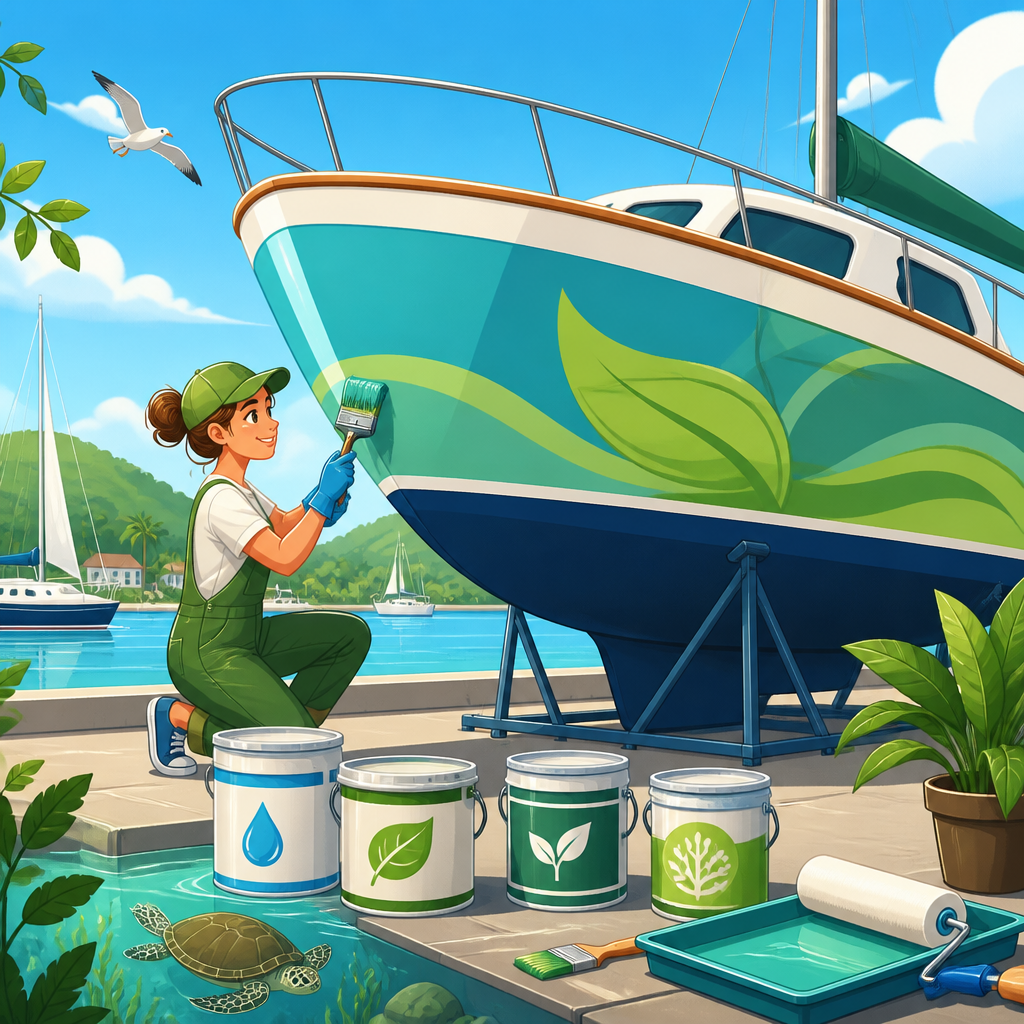
A sustainable charter company is identifiable by operations, not slogans. Start with the vessel. Ask about engine type, fuel consumption, maintenance schedules, antifouling paints, blackwater systems, and whether the boat carries reusable service ware and onboard water filtration. Catamarans and monohulls under sail generally have lower fuel use than motor yachts, but hull cleanliness, route planning, and generator hours also matter. Some newer operators use lithium battery banks, solar arrays, induction cooking, and high-output alternators to reduce diesel generator reliance. These details change emissions materially over a weeklong charter.
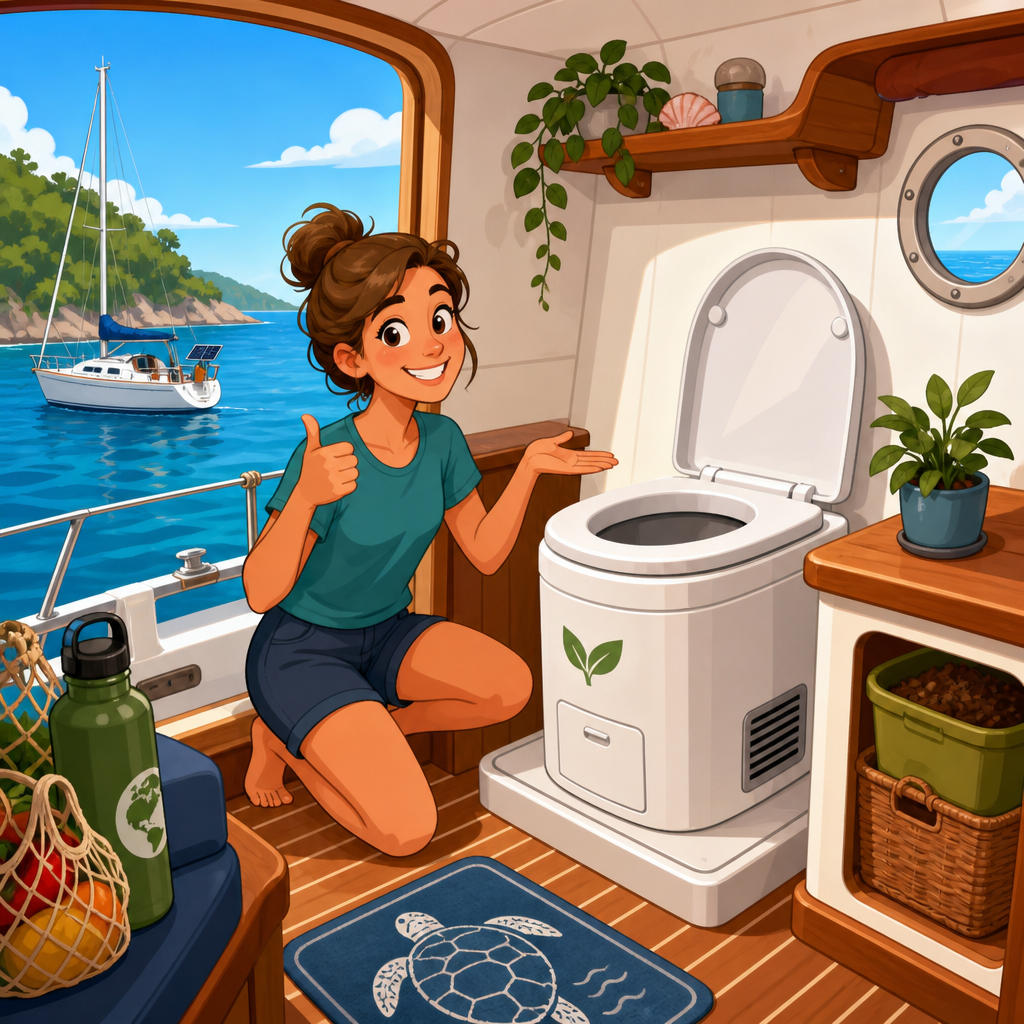
Waste management is the next major test. Responsible operators can explain where sewage is held and discharged, whether graywater is minimized with biodegradable products, and how trash is separated, stored, and landed ashore. In strong destinations, marina partners provide pump-out stations, recycling points, and hazardous waste handling for oil, filters, and batteries. Crew behavior matters as much as equipment. A company that trains staff to avoid single-use plastics, buy in bulk, and prevent food waste is usually serious. If booking staff cannot answer basic questions about discharge rules or anchoring policy, that is a warning sign.
Look closely at certifications and affiliations, but do not treat logos as proof by themselves. Blue Flag marinas, Clean Marina programs, Green Key properties, and regional marine park permits can indicate standards around water quality, waste, and environmental education. For wildlife tourism, independent guidance from organizations such as the World Cetacean Alliance or local park authorities is more useful than broad claims about “eco tours.” I place the most weight on transparent policies: published sustainability pages, annual impact reporting, local conservation partnerships, and specific guest briefings. The best companies document actions in plain language.
Community impact is another defining feature. Sustainable charter boat companies source food from nearby producers when feasible, recommend locally owned restaurants and guides, and employ residents in skilled roles rather than importing entire crews seasonally. In island economies, charter spending can leak outward quickly through foreign provisioning chains and offshore ownership. Operators that keep more value local help justify marine protection politically and economically. Ask who owns the company, where they provision, and whether they contribute to mooring funds, reef restoration, beach cleanups, or citizen science. Sustainable boating is environmental stewardship tied to local livelihoods.
How to Vet an Operator Before You Book
The fastest way to evaluate a charter company is to ask direct operational questions. Request details on fuel strategy, refillable water options, no-discharge compliance, anchor policy, and wildlife approach distances. Ask whether the captain uses mooring buoys whenever available, whether route plans avoid sensitive habitats, and how the company handles snorkeling or diving near coral. A serious operator answers clearly and without defensiveness. In my experience, companies doing the work are usually proud to discuss it because sustainability reduces risk, appeals to repeat guests, and often lowers operating costs over time.
Reviews can help, but generic five-star praise is less useful than specific mentions of briefings, eco practices, and crew decisions. Look for wording such as “used moorings instead of dropping anchor,” “provided reef-safe products,” or “adjusted the route to avoid stressing dolphins.” Cross-check claims on third-party platforms, marina listings, and park websites. If a company says it supports a protected area, verify that relationship independently. You can also assess transparency through charter contracts and sample itineraries. Responsible operators mention weather limits, wildlife rules, provisioning policies, and conservation fees before payment, not after arrival.
Price deserves context. Sustainable charters are not always more expensive, but they can carry higher upfront costs because of better waste systems, efficient retrofits, staff training, and permit compliance. Over a full trip, however, efficient sailing itineraries, local provisioning, and lower generator use may offset some expenses. Be wary of unusually cheap offers in heavily regulated destinations. Deep discounting sometimes signals shortcuts in maintenance, labor standards, or environmental compliance. A fair rate from a reputable company usually reflects proper insurance, legal moorings, trained crew, and equipment that keeps impact lower without compromising safety.
Use this checklist when comparing companies and destinations:
| What to Check | Good Sign | Why It Matters |
|---|---|---|
| Anchoring policy | Mooring buoys preferred; reef and seagrass avoidance stated | Prevents habitat scarring and sediment damage |
| Waste systems | Holding tanks, pump-out use, recycling plan | Reduces sewage and plastic pollution |
| Energy setup | Solar, battery storage, efficient engines, limited generator hours | Lowers fuel burn, noise, and emissions |
| Wildlife rules | Published approach distances and no-feeding policy | Protects animal behavior and legal compliance |
| Local impact | Local crew, local provisioning, conservation donations | Keeps tourism benefits in the destination |
The Best Sustainable Boating Destinations and Why They Stand Out
The best sustainable boating destinations combine natural beauty with management that actually works. That means marine protected areas, mooring infrastructure, pump-out access, enforcement, science-based rules, and a visitor economy that values lower-impact travel. The British Virgin Islands remain important because of their extensive mooring fields, straightforward cruising grounds, and a charter culture that has increasingly normalized reef protection and designated anchoring areas. They are not impact-free, especially in peak season, but for new charterers the availability of moorings can reduce one of the biggest risks to benthic habitat.
Croatia, especially parts of Dalmatia and Kornati-adjacent cruising routes, stands out for combining established marinas with protected landscapes and short sailing legs that can reduce fuel use. Operators there often work within strict harbor systems, and many itineraries support local konobas, vineyards, and island suppliers rather than isolated resort compounds. Greece offers similar advantages in areas where meltemi-aware routing, compact island chains, and growing marina services allow efficient charters, though anchoring pressure in popular coves remains a challenge. In both countries, the most sustainable outcomes come from shoulder-season travel and captains who avoid overburdened hotspots.
For tropical sailing, the Seychelles are a leading example because large areas of ocean are under protection, visitor numbers are lower than in many Caribbean hubs, and conservation financing has become central to national planning. Chartering there works best with operators that follow park zoning and source guides who understand turtle nesting beaches and coral sensitivity. Belize is another strong choice, particularly around managed reef zones where responsible snorkeling and mooring use are taken seriously. The country’s barrier reef is ecologically significant, but that significance is exactly why operator standards matter. A good charter in Belize behaves very differently from a careless one.
Temperate destinations deserve equal attention. British Columbia’s Inside Passage and Gulf Islands offer remarkable wildlife viewing, but sustainability here depends on strict whale-distance compliance, quiet operation, waste retention, and respect for Indigenous territories and local guidance. New Zealand’s Bay of Islands and Hauraki Gulf also reward operators that align with biosecurity rules, mooring management, and marine mammal protections. In every region, the pattern is consistent: the best sustainable boating destinations are not merely scenic. They are places where infrastructure, rules, and operator behavior work together to keep tourism within ecological limits.
How Travelers Can Support Sustainable Charter Companies After Booking
Booking the right operator is only the first step. Guests shape outcomes through their own choices onboard. Bring a refillable water bottle, soft bags instead of hard luggage, reef-safe sun protection that avoids harmful chemicals where local guidance recommends it, and quick-dry clothing that reduces laundry loads. Accept shorter showers, limited air-conditioning hours, and route changes made for weather or wildlife protection. On many charters, the highest energy draw comes from cooling and generator use at anchor. When guests understand that tradeoff, crews can run quieter, cleaner boats without reducing comfort in any meaningful way.
Provisioning is another practical lever. Ask for seasonal produce, local seafood from well-managed sources, and fewer individually wrapped snacks. In island chains, imported convenience foods create a surprising amount of packaging waste and cold-chain energy use. If you drink bottled water heavily for a week, your footprint changes quickly. Good charter companies can stock filtered water in carafes, bulk staples, and reusable containers. Tipping can reinforce values too. Reward crews who explain environmental decisions, refuse risky wildlife encounters, and choose moorings over picturesque but damaging anchoring spots. Money sends a clearer signal than online approval alone.
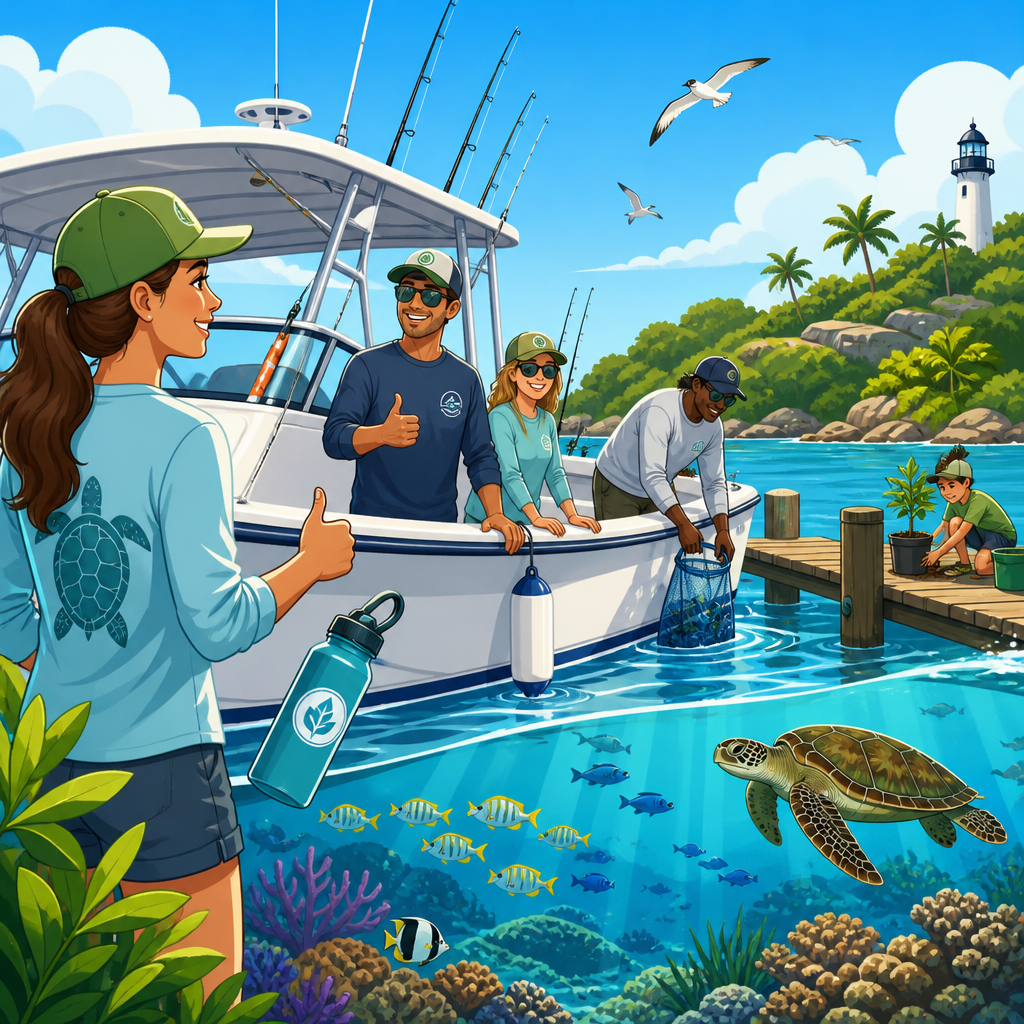
While traveling, support businesses that reflect the same standards as your charter operator. Choose locally owned waterfront restaurants, guides who follow marine park rules, and shops selling durable goods rather than disposable beach items. If the destination offers reef fees, park permits, or community mooring charges, pay them willingly. Those systems are imperfect, but many are essential to enforcement and maintenance. When possible, join a beach cleanup, mangrove planting day, or citizen science excursion. Even small participation deepens your understanding of how boating destinations stay healthy under visitor pressure and strengthens your ability to choose better operators next time.
After the trip, leave detailed reviews that mention sustainable practices specifically. Operators need public credit for doing the right things because those choices are sometimes less flashy than luxury extras. Mention the captain’s mooring discipline, wildlife briefings, refill systems, or local sourcing. Share photos that highlight respectful boating rather than crowding or risky encounters. If something was weak, give constructive feedback privately first. I have seen companies improve pump-out routines, provisioning lists, and guest education simply because informed travelers asked better questions. Sustainable boating grows when customers reward evidence, not when they accept green language at face value.
Conclusion: Better Choices Create Better Boating Destinations
Finding and supportинг sustainable charter boat companies comes down to evidence. The right operator can explain its fuel use, waste systems, anchoring rules, wildlife policies, and local partnerships clearly. The right destination has more than pretty anchorages; it has moorings, enforcement, protected areas, and businesses that benefit when ecosystems stay healthy. That is why the best sustainable boating destinations, from the British Virgin Islands and Croatia to the Seychelles, Belize, British Columbia, and New Zealand, consistently reward travelers who do a little homework before they book.
The main benefit is simple: your trip can protect what makes boating worthwhile in the first place. Cleaner water, healthier reefs, more reliable wildlife sightings, and stronger coastal communities are not abstract ideals. They are the direct results of operational choices made by charter companies and guests every day. Use this hub as your starting point for deeper destination research, compare operators with a critical eye, and book with companies that can prove their standards. Better charters create better seas. Your next itinerary is a vote, so cast it carefully.
Frequently Asked Questions
How can I tell whether a charter boat company is genuinely sustainable and not just using green marketing language?
A good way to evaluate a sustainable charter boat company is to look for specific, verifiable practices rather than broad claims like “eco-friendly” or “green.” Start by reviewing the company’s website, charter materials, and booking information for details about fuel management, waste reduction, water use, wildlife guidelines, and support for local communities. Strong operators usually explain what they do in practical terms, such as using efficient routing to reduce fuel burn, limiting single-use plastics on board, installing holding tanks and pump-out systems, using reef-safe cleaning products, or sourcing food and supplies from local businesses. If a company talks about sustainability but provides no examples, no standards, and no operational details, that is often a sign that the message is more marketing than substance.
It also helps to ask direct questions before booking. You can ask how the company handles sewage and graywater, what its recycling process looks like at marinas and remote anchorages, how the crew is trained to avoid damaging seagrass or coral, and whether wildlife encounters follow a formal code of conduct. Ask whether they hire local captains, guides, or provisioning partners, and whether they contribute to conservation efforts in the cruising region. A reputable company should be able to answer clearly and confidently. Transparency is one of the strongest indicators of genuine sustainability. Companies that are serious about their environmental and social impact usually welcome these conversations because they have already built those practices into daily operations.
What sustainability practices should I look for when comparing charter boat companies?
When comparing operators, focus on the systems that have the biggest real-world impact on the marine environment and coastal communities. Fuel efficiency is one of the most important areas. Sustainable charter companies often maintain engines carefully, optimize cruising speed, plan efficient itineraries, and in some cases invest in newer low-emission engines, hybrid systems, solar panels, or energy-efficient onboard equipment. For sailing charters, look for operators that prioritize sailing whenever conditions allow instead of relying heavily on engines. Efficient energy use on board matters too, including LED lighting, battery monitoring, watermakers that reduce unnecessary marina demand, and smart refrigeration systems.
Waste management is another major category. Responsible companies have clear policies for trash separation, recycling, sewage disposal, and avoiding overboard discharge. They often reduce packaging before provisioning, discourage single-use water bottles, and provide refillable containers or filtered drinking water. You should also look for responsible anchoring and mooring practices, especially in sensitive habitats. Companies that use mooring balls where available and train crews to avoid anchoring on coral reefs or seagrass beds are making an important contribution to habitat protection. Finally, evaluate their social sustainability practices. The strongest companies respect local regulations, pay fair wages, hire local talent, recommend locally owned restaurants and guides, and educate guests on how to travel responsibly in the destination. Sustainability is not just about the boat itself; it is about the entire operating model.
Why does crew training matter so much when choosing a sustainable charter company?
Crew training matters because even a well-equipped vessel can cause environmental harm if the people operating it are not following responsible procedures. In day-to-day chartering, many of the most important sustainability decisions happen in real time. The captain decides where to anchor, how close to approach wildlife, when to run engines, and how to navigate sensitive coastal areas. The crew manages cleaning products, waste sorting, water use, guest behavior, and food provisioning. If those team members are trained in low-impact boating practices, the charter experience is much more likely to align with sustainability goals. Without training, even companies with good intentions can create avoidable damage through poor handling, improper discharge, reef contact, or disturbing marine animals.
Well-trained crews also improve the guest experience because they can explain why certain practices matter. For example, they can help guests understand why a route may be adjusted to reduce fuel use, why nothing should be thrown overboard, why reef-safe sunscreen is preferred, or why a whale, dolphin, turtle, or nesting shoreline should be observed from a respectful distance. This educational role is especially important in popular boating destinations where tourism pressure can accumulate quickly. A charter company that invests in crew training is showing that sustainability is treated as an operational standard, not an optional add-on. If you are comparing companies, ask whether the crew receives formal environmental training, destination-specific wildlife guidance, and procedures for waste, anchoring, and local cultural respect.
How can travelers support sustainable charter boat companies beyond simply booking with them?
Booking with a responsible operator is a strong first step, but travelers can do much more to reinforce sustainable practices. Start by being the kind of guest that makes low-impact operations easier. Pack reusable water bottles, shopping bags, food containers, and reef-safe personal care items. Be mindful of fresh water and energy use on board, especially in destinations where infrastructure is limited and every refill or recharge has an environmental cost. Follow the crew’s guidance on waste sorting, toilet use, wildlife viewing, and shore visits. Small choices made by guests can reduce pressure on the boat, the marina, and the destination as a whole.
You can also support sustainability through where your money goes during the trip. Choose locally owned markets, restaurants, guides, and artisans when you go ashore. Ask the charter company to provision from regional producers when possible, especially for seafood, produce, and other staples that can be sourced responsibly. If the operator supports local conservation projects, marine protected areas, or coastal restoration efforts, consider donating or participating if appropriate. After the trip, leave a detailed review that mentions the company’s sustainable practices specifically. That kind of public feedback helps responsible operators stand out in a market where price and luxury often dominate the conversation. Travelers have more influence than they realize, and rewarding companies that protect ecosystems and benefit communities helps shift the industry in a better direction.
Are the best sustainable boating destinations always the same as the best sustainable charter companies?
Not necessarily. A destination can have strong environmental protections, clean marinas, established mooring systems, and active marine conservation programs, but that does not automatically mean every charter operator there follows high sustainability standards. In the same way, an excellent charter company can operate responsibly even in a region that is still improving its infrastructure or regulations. The best outcome happens when both the destination and the operator are aligned: protected habitats are respected, waste facilities are available, local businesses benefit from tourism, and charter companies actively help reduce pressure on the environment. That is why it is important to research both the place and the provider rather than assuming one guarantees the other.
When evaluating sustainable boating destinations, look for signs that the region supports low-impact travel at a broader level. These might include marine protected areas, mooring fields that reduce anchor damage, clear wildlife interaction rules, pump-out access, local conservation organizations, and community support for responsible tourism. Then compare charter companies within that destination to see which ones are actually operating in step with those values. A thoughtful traveler will consider the whole picture: the condition of the marine ecosystem, the local tourism model, the charter company’s daily practices, and the way guests are expected to behave. Choosing a destination known for stewardship is helpful, but choosing a company that turns those principles into action is what truly makes a boating trip more sustainable.