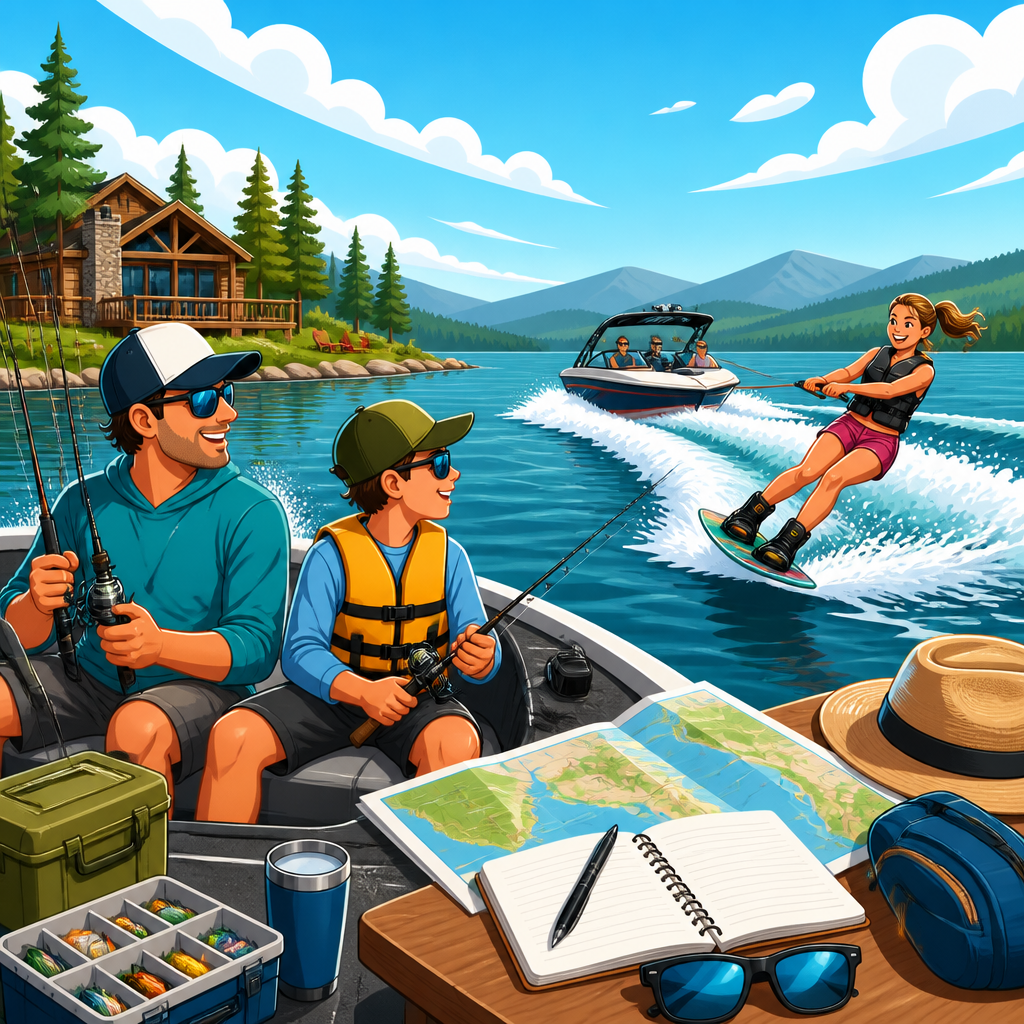
Planning the ultimate fishing and wakeboarding vacation means building one trip that satisfies two very different goals: productive time on the water with rods and tackle, and high-energy sessions behind a boat or cable system. Done well, the combination creates a rare kind of getaway. Mornings can be dedicated to stalking tarpon on a flat, afternoons to wake sets in protected water, and evenings to gear prep, marina dining, and route planning for the next day. I have planned mixed-purpose water trips for families, tournament anglers, and serious riders, and the best ones always start with the same principle: choose a destination that supports both sports without forcing major compromises.
In practical terms, a fishing and wakeboarding vacation is a dual-activity travel plan built around water conditions, seasonality, access, equipment logistics, and skill level. Fishing success depends on species, migration windows, local regulations, bait availability, and whether the area favors offshore, inshore, lake, or river techniques. Wakeboarding depends on boat quality, ballast, tow speed consistency, sheltered water, cable park access, and safety rules on local waterways. A destination may be excellent for one activity and poor for the other. The strongest locations offer reliable fishable water, dependable riding conditions, marina infrastructure, rentals or guides, and enough nearby lodging to keep travel time short.
This matters because the wrong plan wastes the two resources that are hardest to replace on vacation: daylight and energy. If your launch ramp is an hour from the hotel, the wind comes up by noon, and the nearest wake-capable boat rental is fully booked, the trip starts feeling like work. By contrast, a well-designed hub destination gives you options. If offshore seas are rough, you can fish backwater creeks. If tide timing is poor at dawn, you can ride first and fish later. That flexibility is the real key to the best locations for fishing and water sports, and it is what separates an average trip from the ultimate one.
What Makes a Destination Great for Fishing and Wakeboarding
The best locations for fishing and water sports share a short list of measurable traits. First, they offer diverse water access. A destination with offshore grounds, protected bays, rivers, or inland lakes gives travelers a weather backup plan. Second, they have service infrastructure: marinas, launch ramps, bait shops, fuel docks, tackle stores, certified boat mechanics, and rental operators with modern safety standards. Third, they are seasonally predictable. You do not need perfect conditions every hour, but you do need a destination where historical patterns make success likely. Wind data, water temperature, rainfall cycles, and fish calendars matter more than glossy travel photos.
Fourth, a strong destination supports different experience levels. On mixed-group trips, not everyone is an advanced rider or an obsessed angler. The most practical vacation hubs have beginner-friendly flats or stocked waters, easy cruising zones, reputable guides, and calm coves for novice wakeboarders. Fifth, they offer accommodation close to the water. I strongly prefer staying within fifteen minutes of the marina or launch point. That one decision reduces missed departures, simplifies ice and bait runs, and creates more usable time for sunrise fishing or evening glass sessions.
Budget is part of the equation too. A trip that looks affordable on room rate alone may become expensive after slip fees, guide deposits, launch fees, fuel, rental insurance, fish processing, and board rental charges. The most useful way to compare options is by all-in daily cost and by convenience.
| Destination Type | Fishing Strength | Wakeboarding Strength | Best For | Main Limitation |
|---|---|---|---|---|
| Coastal flats and bays | Redfish, snook, sea trout, tarpon | Good in protected channels and mornings | Anglers wanting variety with moderate riding | Wind and tide can limit sessions |
| Large freshwater lakes | Bass, pike, walleye, crappie | Excellent on coves and open runs | Families and boat-based groups | Species variety may be narrower |
| Resort islands with marinas | Reef, offshore, inshore options | Very good with charter operators | Travelers wanting convenience | Higher total cost |
| Cable park destinations | Nearby lakes or rivers if planned well | Excellent for progression and lessons | Riders who also want casual fishing | Less ideal for serious boat fishing |
Best Locations for Fishing and Water Sports in North America
Florida is the most complete hub in the United States for a fishing and wakeboarding vacation. The Florida Keys deliver legendary flats species, reef access, and offshore potential, while many mainland areas provide calmer interior waters for riding. Islamorada is exceptional for anglers targeting tarpon, bonefish, permit, mahi, and sailfish depending on season, but pure wakeboarding conditions can be inconsistent if wind is up. For better balance, the greater Orlando region stands out. You get nearby bass lakes, world-class cable parks, and access to dedicated wake boats and coaching. This makes central Florida one of the most practical answers for travelers searching the best locations for fishing and water sports.
Texas deserves equal attention. Lake Austin, Lake Travis, and the Highland Lakes chain support strong freshwater fishing and excellent wakeboarding infrastructure. Guides are plentiful, marinas are modern, and sheltered coves help preserve ride quality even when the main lake gets busy. On the coast, areas around Port Aransas and Rockport offer redfish and speckled trout with enough protected water for boating, though serious wake sessions depend more heavily on weather. If your group wants a split between inshore angling and social lake riding, combining a few nights on the coast with a few in the hill country works surprisingly well.
Tennessee and the broader southern reservoir belt are often overlooked. Lakes such as Norris, Dale Hollow, and Lake Guntersville offer bass fishing that is nationally respected and long stretches of rideable water. These are excellent destinations for groups trailering their own boat because lodging, houseboat options, and ramp access are straightforward. In the west, Lake Havasu and nearby Arizona waters provide warm-weather riding and striped bass or largemouth opportunities, but midseason heat, boat traffic, and exposure to wind require careful timing. In Canada, British Columbia and Ontario can be remarkable in summer for pike, muskie, walleye, and lake riding, although water temperatures and shorter shoulder seasons matter more than many first-time visitors expect.
Best International Destinations Worth Considering
Outside North America, the best mixed-activity destinations tend to be places with developed marine tourism and predictable calm-water windows. Costa Rica is one of the strongest choices because it offers world-famous sportfishing and a mature charter culture. The Pacific coast around Los Sueños is renowned for sailfish, mahi-mahi, tuna, and roosterfish, while inland lakes and private operators can support wakeboarding. The tradeoff is travel complexity between fishing grounds and ideal riding water, so this is best for travelers prioritizing fishing first and wakeboarding second.
Mexico offers more flexible combinations. Los Cabos is famous for billfish and dorado, but wakeboarding conditions are not always ideal on open water. For a better all-around setup, travelers often do well in areas with protected bays or luxury resorts that maintain water sports fleets. The Riviera Maya can work for casual fishing and tow sports, though seaweed events and weather variability should be monitored. In the Caribbean, the Bahamas can be outstanding for bonefishing, reef species, and calm-water boating around the right islands. Exuma in particular provides clear, protected water and resort logistics that simplify family trips.
Australia is an elite option for those willing to travel farther. Queensland supports both exceptional fishing and sophisticated boating culture. Depending on exact location and season, anglers can target barramundi, reef species, tuna, and billfish, while wakeboarding benefits from extensive river systems, impoundments, and coastal inlets. The major limitation is distance and shipping complexity for gear. New Zealand is another compelling destination, especially for freshwater anglers and travelers who value scenery and uncrowded lakes. It is not the easiest place for a pure wake progression trip, but for a premium adventure with trout fishing and glassy mornings, it deserves consideration.
How to Match the Trip to Season, Skill Level, and Travel Style
Season is the single biggest driver of outcome. I always start planning by asking what species the group truly wants to catch and what kind of riding they expect. If someone says they want tarpon and smooth water in south Florida, timing becomes critical because migration periods, thunderstorms, and tourism peaks all affect availability and price. On freshwater trips, prespawn and fall fishing are often excellent, but water temperatures can change comfort levels for long wake sets. Summer brings warmer water and longer days but also heavier boat traffic, afternoon wind, and storm patterns in many regions.
Skill level changes destination choice more than people think. Advanced anglers may be happy in a technical fishery where sight casting, tides, and selective fish are part of the challenge. Beginners generally have more fun where action is steady, tackle is simple, and guides are used to teaching. Wakeboarding is similar. New riders need calm water, patient instruction, and shorter tow intervals, while advanced riders need a clean wake, ballast tuning, and room for repeated passes. A trip built around elite conditions can frustrate less experienced travelers if no one plans for progression.
Travel style also matters. Families usually benefit from resort-based hubs with on-site rentals, flexible dining, and half-day charter options rather than full-day runs offshore. Friend groups with their own tow boat can save money and gain flexibility by choosing lake destinations with vacation homes near private docks. Couples often do best with a balanced itinerary: one guided fishing day, one wake lesson or boat rental day, one weather backup day, and one low-key exploration day. That structure preserves energy and reduces the pressure to force every hour on the water.
Building the Itinerary, Gear Plan, and Budget
The strongest itinerary alternates intensity. If you run offshore at dawn and return in afternoon chop, do not schedule a demanding wake session immediately after unless your crew is exceptionally fit and motivated. A better plan is early fishing on day one, sunset riding on day two, a split day on day three, and a premium guided session on the day with the best forecast. Forecast discipline matters. I rely on tide charts, marine forecasts from NOAA where relevant, radar apps, and wind tools such as Windy to decide whether to fish first or ride first.
Gear planning should be ruthlessly practical. Confirm airline rules for rods, reels, batteries, and tackle, especially hooks and lithium-powered accessories. If you are renting a wake boat, verify tower height, ballast setup, rope length options, life vest sizes, and whether boards are current models from brands such as Hyperlite, Ronix, or Liquid Force. For fishing, ask guides exactly what they provide. Many include terminal tackle and ice but not specialty lures, fly gear, or fish cleaning. Bring polarized sunglasses, sun gloves, waterproof bags, reef-safe sun protection where required, and a simple tool kit with pliers, line cutters, and spare charging cables.
Budgeting should include visible and hidden costs. Fuel can become the biggest line item on boat-heavy trips. Add launch fees, parking, marina gratuities, guide tips, fishing licenses, state invasive species permits where applicable, rental deposits, insurance waivers, and cooler or ice purchases. If you are comparing destinations, calculate cost per effective water day rather than headline airfare. A slightly more expensive hub with short transfers and reliable backup options usually delivers better value than a cheaper place that loses half your itinerary to logistics or weather. Book core items early, especially guides, marina slips, and premium wake boats, because the best operators sell out first in peak season.
Common Mistakes and How to Avoid Them
The most common mistake is choosing a destination based on only one activity. A spectacular fishing town may have no suitable wake rental fleet, or a famous cable park may sit far from worthwhile fishing. Another frequent error is ignoring local boating culture. Some waterways are crowded with personal watercraft by midday, others become dangerous with afternoon storms, and some coastal passes are unsuitable for inexperienced operators. Always ask locals what the water looks like at the hour you plan to ride.
Travelers also underestimate fatigue. Consecutive sunrise launches, alcohol-heavy evenings, and full-sun riding blocks can flatten a group by the second day. Build rest into the schedule and keep hydration and shade simple and consistent. Finally, do not skip regulations. Fishing licenses, catch limits, no-wake zones, observer requirements, and life jacket rules are enforced more often than casual visitors assume. A smooth trip comes from respecting the water, the fishery, and the schedule.
The ultimate fishing and wakeboarding vacation is not defined by one famous destination. It comes from matching the right place to the right season, then building an itinerary around real water conditions, realistic skill levels, and efficient logistics. The best locations for fishing and water sports give you flexibility: fish when tides, bite windows, or offshore weather line up; ride when the water turns glassy; pivot quickly when conditions change. Florida, Texas, major southern lakes, parts of Mexico, Costa Rica, the Bahamas, and selected destinations in Australia and New Zealand all deserve a place on the shortlist, but each works best for a specific type of traveler.
If you remember only three things, make them these. First, choose a hub with proven infrastructure for both activities, not just one. Second, let seasonality and forecast patterns guide the booking window. Third, budget around total water-day value instead of headline travel cost. Those decisions consistently produce better fishing, better wake sessions, and far less wasted time.
Start by listing your target species, preferred riding setup, ideal travel month, and maximum daily transfer time. With those four filters, you can narrow the field quickly and plan a trip that feels seamless from the first cast to the last set.
Frequently Asked Questions
How do you choose a destination that works well for both fishing and wakeboarding?
The best destination for a combined fishing and wakeboarding trip is one that offers variety in water conditions, easy access to ramps or marinas, and enough nearby infrastructure to support both activities without forcing you to spend half the vacation in transit. Start by looking for places with protected water for wakeboarding, such as lakes, bays, canals, or calm inland waterways, paired with proven fishing opportunities nearby. Inshore coastal regions are often ideal because they can provide calm early-morning flats, backwaters, or estuaries for anglers, along with smoother afternoon water for towing a wakeboarder once the fishing session wraps up.
It also helps to think seasonally. A destination may be outstanding for wakeboarding year-round, but fishing quality can change dramatically depending on migration patterns, water temperatures, or local regulations. Research target species first, then confirm that the same time of year also offers favorable boating conditions. If your group wants tarpon, redfish, bass, or offshore species, check local reports and charter calendars before booking accommodations. For wakeboarding, look into prevailing wind patterns, water traffic, and whether the area is known for glassy conditions in the morning or better protection later in the day.
Practical logistics matter just as much as scenery. Make sure there is reliable fuel, tackle, launch access, boat service, and storage for gear. If you are not bringing your own boat, verify whether the destination has a vessel suitable for both fishing and watersports or whether you will need separate rentals or guides. The strongest all-around destinations usually make it easy to pivot from one activity to the other without sacrificing quality, which is exactly what turns a split-focus vacation into a seamless one.
Is it better to use one boat for both activities or plan separate setups for fishing and wakeboarding?
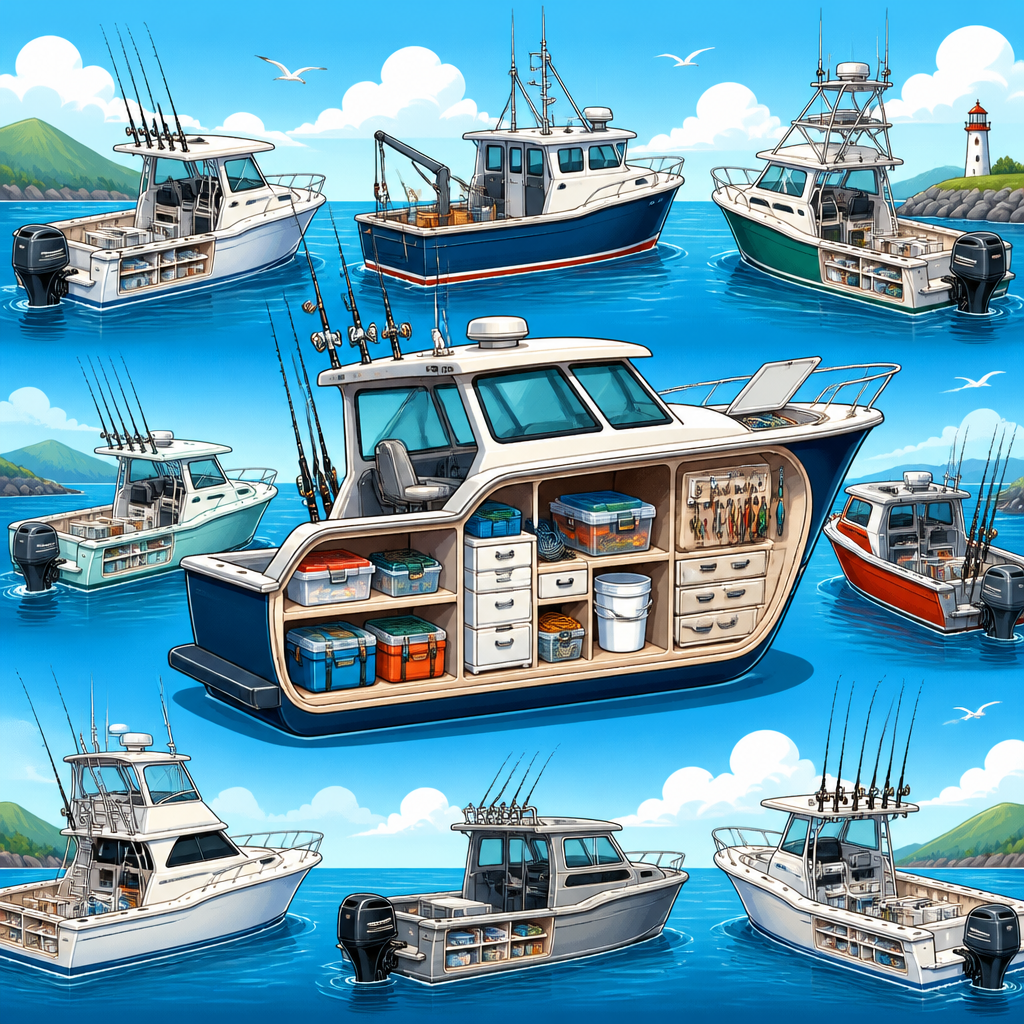
That depends on your priorities, your budget, and how specialized you want each part of the trip to be. A true dual-purpose boat can work very well if your goal is convenience and you are willing to accept some compromise. Many family sport boats, fish-and-ski models, bay boats with the right seating, or multipurpose center consoles can handle light to moderate fishing and still pull wakeboarders effectively. This approach simplifies planning, reduces rental and docking costs, and makes it easier to transition from one activity to the next in a single day.
However, if you are serious about both sides of the trip, separate setups often deliver a much better experience. Dedicated fishing boats are designed around casting space, livewells, rod storage, trolling capability, and access to specific types of water. Dedicated wake boats are built for ballast, wake shaping, towing comfort, and rider-focused features. Trying to force one platform to excel at both can lead to frustration, especially if anglers need stealth and low draft while wakeboarders want clean wakes, power, and onboard amenities.
A smart middle-ground option is to split the vacation intentionally. Use a guide or charter for the fishing days and reserve a tow boat or cable park for wakeboarding sessions. That structure gives everyone a high-quality experience without requiring you to find a perfect all-in-one vessel. If you do plan to use one boat, confirm tow-sport legality, seating capacity, storage space for wet and dry gear, safety equipment, and whether the hull design suits your target fisheries. The right answer is not always the cheapest or simplest option, but the one that preserves the quality of both experiences.
What is the best way to schedule fishing and wakeboarding during the same vacation?
The most effective schedule usually separates the two activities by water conditions, energy levels, and priorities rather than trying to split every day exactly in half. In many destinations, fishing is best early, especially if you are targeting species that feed more actively at dawn, in cooler temperatures, or around moving tides. Wakeboarding, on the other hand, often fits well later in the morning or afternoon, particularly if you are in protected water and not chasing a narrow feeding window. Structuring your days this way lets you take advantage of the best conditions for each activity instead of forcing both into mediocre time slots.
That said, flexibility is essential. Wind, tides, boat traffic, and weather can all reshape the plan. If one morning brings exceptional wake conditions and the next day offers the better fishing tide, switch the order. Build your itinerary with “priority windows” instead of rigid hour-by-hour commitments. For example, mark two or three mornings as premium fishing opportunities, reserve one or two afternoons for dedicated wake sessions, and leave room for spontaneous adjustments based on local advice and forecasts.
It is also wise to think about recovery and energy management. Fishing can mean early wake-ups, sun exposure, and long hours standing or casting. Wakeboarding adds its own physical demands, especially for newer riders or anyone taking repeated falls. Avoid overloading every day. Many successful mixed-purpose trips use a rhythm such as hard fishing one morning, lighter wakeboarding that afternoon, then a more relaxed day with shorter sessions, gear maintenance, and dining or sightseeing. A realistic schedule protects the fun factor and helps everyone stay enthusiastic through the entire trip rather than burning out halfway through.
What gear should you pack for a fishing and wakeboarding vacation without overpacking?
The key is to pack in systems instead of packing for each activity separately as if they were unrelated trips. Start with the shared essentials: sun-protective clothing, polarized sunglasses, waterproof bags, quick-dry towels, deck-friendly footwear, reef-safe sunscreen, hydration gear, and a compact first-aid kit. These items support both anglers and riders and eliminate duplicate packing. Choose performance apparel that can move from a fishing skiff to a wake boat with minimal change, and bring layers for early starts, rain, or wind.
For fishing, narrow your loadout to the species and techniques you are realistically going to use. That means selecting a few rod-and-reel combinations that cover your likely presentations instead of bringing every possible setup. Pack terminal tackle in organized boxes, keep tools compact, and confirm in advance what a guide, charter, or rental operator will provide. If bait, rods, life jackets, and landing gear are already included, there is no need to bring your own unless you have a strong preference. The same logic applies to wakeboarding gear. If the boat provider includes boards, ropes, and vests, decide whether your personal setup is worth the travel space.
Overpacking usually comes from uncertainty, so solve that with a checklist and a few phone calls before departure. Ask accommodation hosts about storage, laundry, freezer space, fish-cleaning access, and drying areas for wet gear. Use one waterproof tote for marine equipment, one soft-sided bag for clothing, and one small repair pouch with essentials like extra line, pliers, board screws, fin tools, electrical tape, and zip ties. A well-edited packing plan keeps your vehicle or rental boat uncluttered, which matters more than people expect when you are shifting quickly between fishing tackle and wake gear.
How can you keep everyone in the group happy if some people prefer fishing and others mainly care about wakeboarding?
The best mixed-purpose vacations succeed when expectations are discussed before anyone books flights, lodging, or rentals. Not everyone will care equally about both activities, and that is completely normal. The mistake is assuming the group will “figure it out” once the trip begins. Instead, talk openly about priorities. Identify who is most committed to fishing, who wants serious wake time, who is flexible, and who mainly wants a fun day on the water. Once those preferences are clear, you can build an itinerary that gives each person at least one or two high-value sessions centered on what they enjoy most.
It helps to design the trip around rotating focus rather than constant compromise. One day might prioritize an early guided fishing run while others sleep in or enjoy a relaxed breakfast, followed by an afternoon wake session everyone can watch or join. Another day might revolve around wakeboarding first, with a sunset dock-fishing plan or casual inshore outing later. By giving each activity its own spotlight instead of watering both down every day, the group tends to feel more satisfied overall.
You should also create options off the water. Marina restaurants, beach time, waterfront bars, fish markets, nature walks, and sightseeing can turn transition periods into part of the vacation instead of downtime that frustrates nonparticipants. If budget allows, splitting up for part of a day can be extremely effective as well. A few people can fish with a guide while others head to a cable park or enjoy the resort, then regroup for dinner and story-swapping. The ultimate goal is not forcing every person to love every session, but building a trip where everyone gets meaningful time doing what they came for while still sharing the broader experience together.