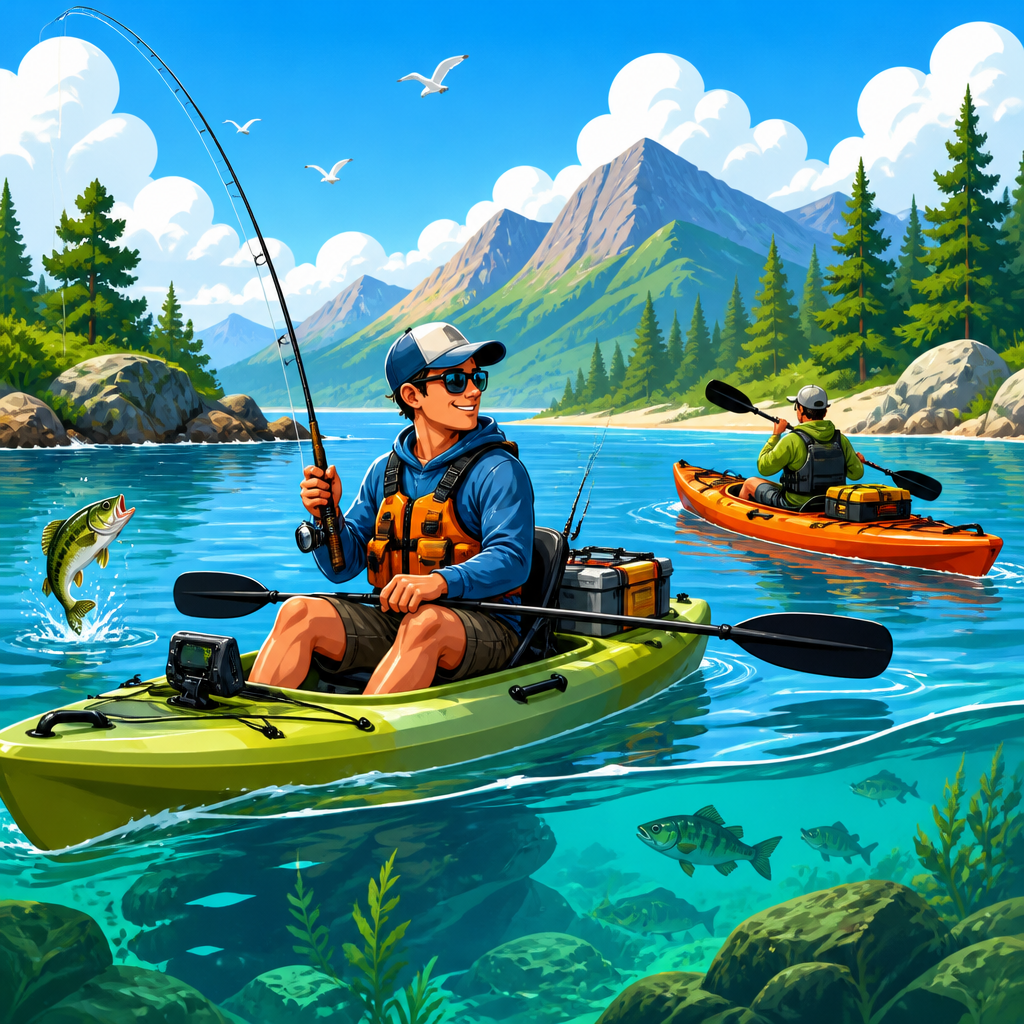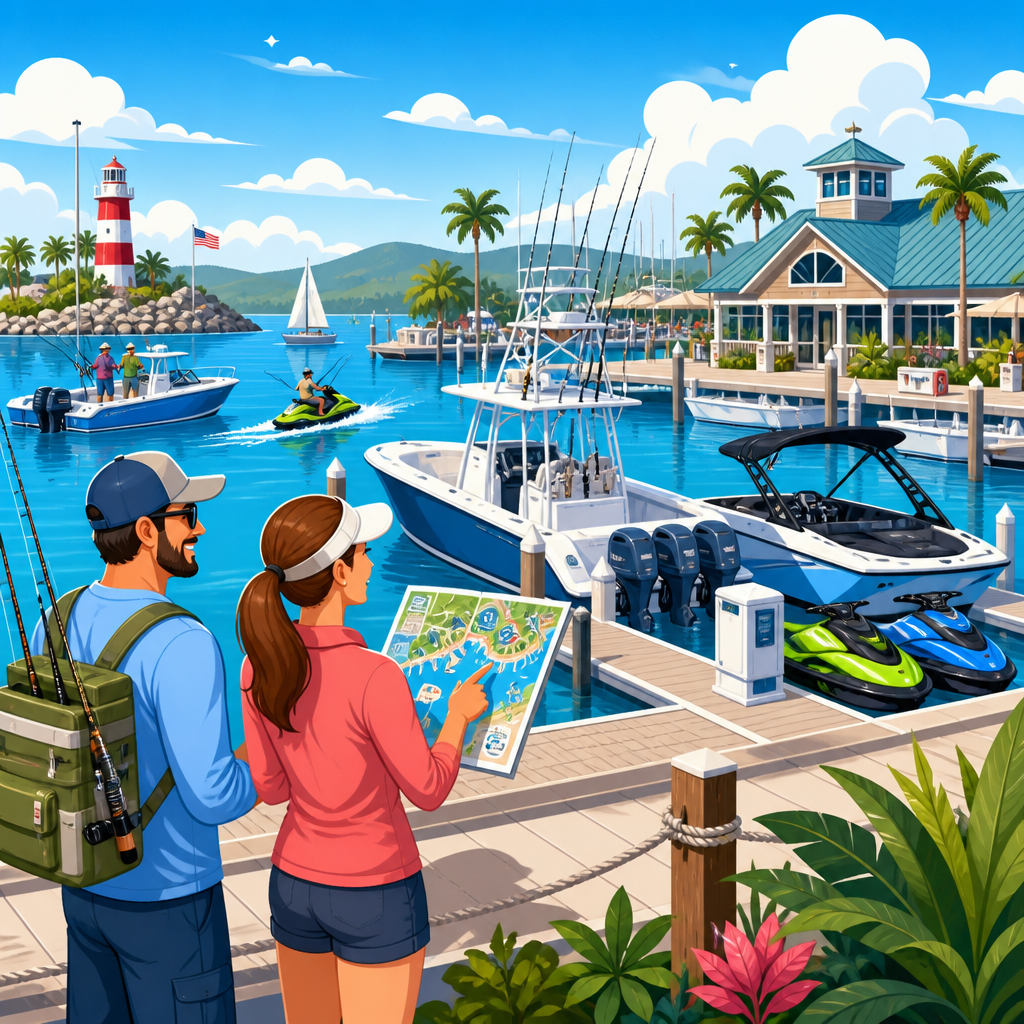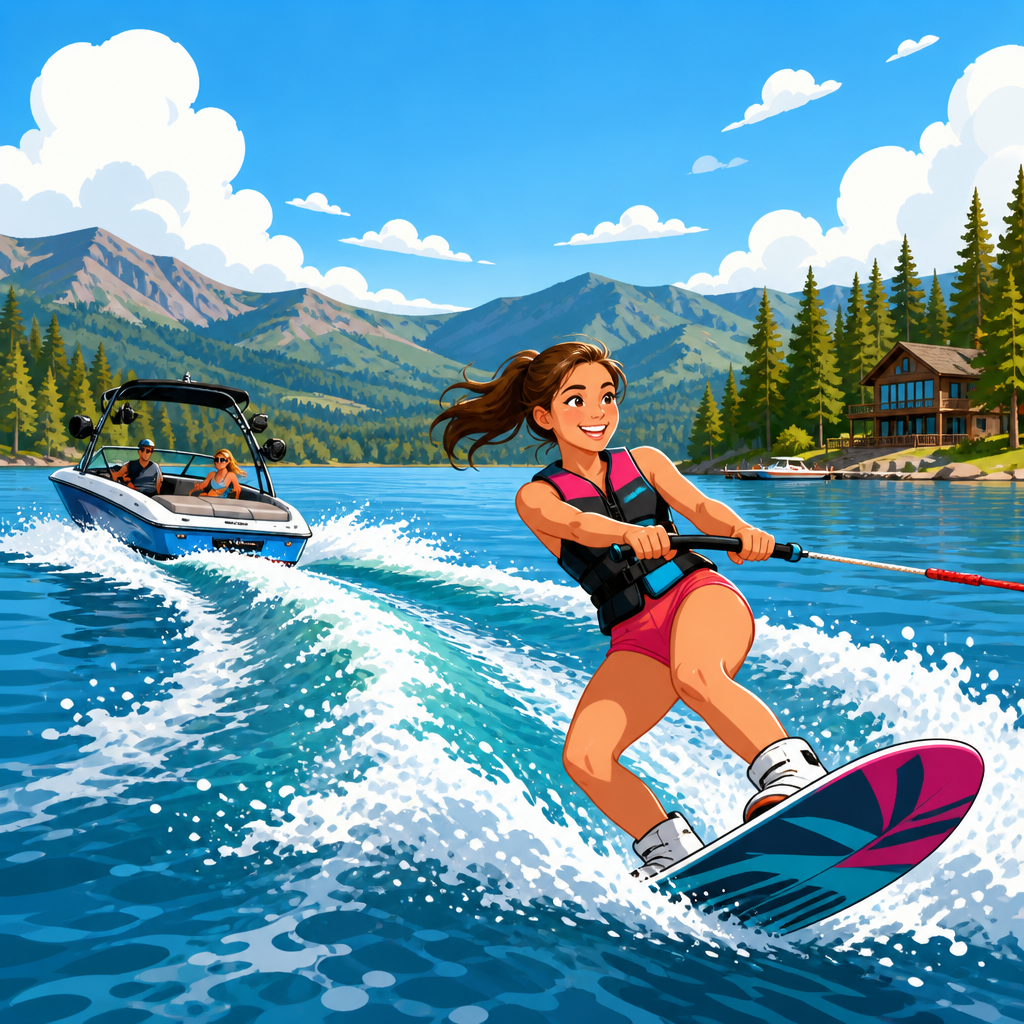
The best lakes for wakeboarding and waterskiing in the U.S. combine flat water, long protected coves, reliable weather, quality ramps, and nearby services that make a full day on the water practical. For families, tournament riders, and first-time skiers, the difference between a frustrating session and a productive one usually comes down to lake design, wind exposure, traffic patterns, and local rules. I have planned trips, tested boats, and coached riders on enough reservoirs and natural lakes to know that “best” does not mean biggest. It means water that stays usable through changing conditions and a destination that supports more than a single morning set.
Wakeboarding uses a boat’s wake as a ramp for aerial tricks, while waterskiing typically prioritizes speed, line control, and smoother water, especially for slalom. Some lakes favor wakeboarding because they allow ballast-heavy wakes and have broad open basins. Others are stronger for waterskiing because they offer narrow, sheltered arms with less chop. Many of the top U.S. destinations work for both, which is why this hub matters for anyone researching the best locations for fishing and water sports. A great multi-use lake lets one group chase bass at dawn, another pull a slalom course by midmorning, and the whole crew anchor in a cove by afternoon.
This article covers the lakes that repeatedly stand out across the country, explains what makes each one useful, and shows how to evaluate conditions before towing your boat across state lines. It also serves as a central guide to best locations for fishing and water sports by connecting lake quality with practical trip planning. If you are comparing destinations for wakeboarding, waterskiing, tubing, and angling, start with the lakes below and match them to your season, skill level, and boat setup.
What Makes a Lake Great for Wakeboarding and Waterskiing
The core factors are simple: water shape, wind protection, traffic management, launch quality, and consistency. A lake with long north-south stretches may become difficult when prevailing winds run the same line. A reservoir with branching arms, bluff walls, or tree-lined coves gives you options as conditions shift. For waterskiing, especially slalom, protected early-morning water is critical because chop increases load on the skier and reduces edge precision. For wakeboarding, a little texture is manageable, but rollers from heavy cruiser traffic quickly ruin approach timing and landing stability.
Depth matters too. Extremely shallow areas can produce inconsistent wakes and create prop risk, while very deep open water can become wind-affected fast. The best lakes usually have broad ride zones with enough depth for inboards and sterndrives, plus coves that flatten out before pleasure-boat traffic builds. Local infrastructure also separates elite destinations from merely scenic ones. Multiple launch ramps, fuel docks, marine service shops, short-term slips, nearby lodging, and restaurants close to marinas all extend actual ride time. If your impeller fails or a ballast pump clogs, easy service access can save a weekend.
Because this is a hub under fishing and water sports, it is worth stating directly: the top lakes are often versatile ecosystems, not single-sport arenas. Reservoirs with healthy striped bass, largemouth bass, crappie, or trout fisheries attract a broader travel base and tend to support stronger marina networks. That overlap benefits wake sports travelers. In practical terms, the best locations for fishing and water sports often outperform specialized destinations because they justify better ramps, clearer navigation marking, and more resilient visitor services.
Best U.S. Lakes for Wakeboarding and Waterskiing
Lake Powell, spanning Utah and Arizona, is one of the most visually dramatic wake sports destinations in America. Its flooded canyon system creates long protected channels, towering sandstone walls, and countless coves where riders can escape wind. In my experience, Powell is at its best for crews who stay several days because conditions vary by section and reward exploration. Wakeboarders appreciate the room for long runs and clean setups, while skiers can often find glass in side canyons early and late. The tradeoff is logistics: distances are large, fuel planning matters, and summer heat is serious. As a fishing and water sports destination, Powell also supports striped bass and smallmouth bass, making it ideal for mixed-interest groups.
Lake Havasu, on the Arizona-California border, is warmer, more urban, and more social. It has a strong boating culture, dependable sunshine, and extensive launch access. Havasu is not always the calmest option during peak periods, but weekday mornings and shoulder seasons can be excellent for wakeboarding and recreational skiing. Its draw is convenience. You can launch quickly, find marine supplies without hunting, and stay close to the water. Anglers target largemouth and smallmouth bass, striped bass, and catfish, so Havasu belongs on any list of best locations for fishing and water sports, especially for travelers who value amenities as much as water texture.
Table Rock Lake in Missouri is one of the most balanced lakes in the country for families who want both serious ride conditions and accessible tourism. The lake’s many coves and timber-lined arms help block wind, and the cleaner Ozarks water tends to stay attractive through the warm season. I recommend Table Rock often because it accommodates different skill levels well. Beginners can work in quieter coves, while advanced riders can use broader sections when traffic is low. It also supports strong bass fishing, and nearby Branson provides lodging, dining, and off-water entertainment that few dedicated ski lakes can match.
Lake of the Ozarks is a more complicated recommendation, but still a major one. On summer weekends, main-channel traffic can be rough enough to discourage serious skiing. Yet the lake is enormous, packed with coves, and backed by one of the most developed marina systems in the Midwest. If you go early, target weekdays, and know where to run, there are excellent sessions available. Wakeboarders often handle modest chop better than skiers here, but protected arms can flatten out nicely at sunrise. For anglers, the lake is known for bass and crappie. As a hub topic example, it shows why timing can matter as much as geography when evaluating the best locations for fishing and water sports.
Lake Martin in Alabama deserves more national attention. It has more than 40,000 acres, relatively clear water, and many islands and coves that break up wind. The boating scene is active without always feeling overcrowded, and that middle ground is valuable. I have found Lake Martin especially good for recreational slalom and family wake sessions because you can usually adapt to conditions without making a long run. The fishery includes spotted bass, largemouth bass, and striped bass. For Southeastern travelers who want a strong all-around lake without the price and congestion of better-known resort markets, Lake Martin is a smart choice.
Possum Kingdom Lake in Texas is a favorite among dedicated water sports boaters because of its dramatic shoreline and protected stretches. Texas wind can be an issue on many reservoirs, but Possum Kingdom offers enough coves and bends to create usable water if you choose your route carefully. The lake has a long-standing wake and ski culture, solid marinas, and enough nearby vacation housing to support group trips. Fishing is another asset, with striped bass, white bass, and largemouth bass drawing regular traffic. That combination makes it one of the strongest best locations for fishing and water sports in the southern plains.
Lake Cumberland in Kentucky is often discussed for houseboating, but it is underrated for wakeboarding and waterskiing. Its sheer size, branching creek arms, and marina network make it highly adaptable. When one section gets rough, another may still be usable. That flexibility is the hallmark of a top destination. Cumberland also offers substantial fishing opportunities, including striped bass and smallmouth bass. For groups towing larger wake boats, the abundant ramps, slips, and service options reduce trip friction in a way smaller lakes cannot.
| Lake | Best For | Key Advantage | Fishing Tie-In |
|---|---|---|---|
| Lake Powell | Multi-day wake and ski trips | Protected canyon water | Striped bass, smallmouth bass |
| Table Rock Lake | Families and mixed skill levels | Wind-blocking coves | Largemouth and spotted bass |
| Lake Martin | Balanced recreation | Clear water and manageable traffic | Spotted bass, striped bass |
| Possum Kingdom | Texas road trips | Protected bends and strong marina culture | Striped bass, white bass |
How to Match a Lake to Your Boat, Skill Level, and Season
Not every highly rated lake suits every crew. Direct-drive ski boats perform best where smooth, narrow runs are easy to find. Heavier V-drive wake boats with ballast need launch ramps, deeper water, and room to turn safely. Personal watercraft-heavy lakes can still work for wakeboarding at dawn but frustrate slalom skiers by midmorning. In the western U.S., summer water levels and drought management can change ramp access quickly, so always verify marina reports and state recreation updates before travel. The U.S. Army Corps of Engineers manages many reservoirs, and its notices often affect usable shoreline, no-wake zones, and temporary closures.
Season also changes the ranking. Havasu shines in spring and fall when temperatures are warm but traffic is lower. Ozarks lakes become far more ski-friendly on weekdays and outside holiday windows. Southern lakes such as Martin and Cumberland extend the practical season earlier and later than many northern options. For tournament-minded skiers, the ideal pattern remains consistent across regions: launch before sunrise, ride in protected arms, and finish your technical sets before cruiser wakes multiply. For wakeboarders, late afternoon can still work if your chosen lake has coves large enough to absorb traffic without stacking rollers.
If your group wants fishing and water sports on the same trip, map the day around both patterns. Fish low-light periods for bass or stripers, then transition to wakeboarding and waterskiing once the crew is fully assembled. This split schedule is common on the best multi-use lakes because it uses each lake at its strongest times. It also explains why destinations with broad species diversity and broad cove networks consistently rank highest in the best locations for fishing and water sports category.
Planning a Better Trip: Safety, Access, and Local Knowledge
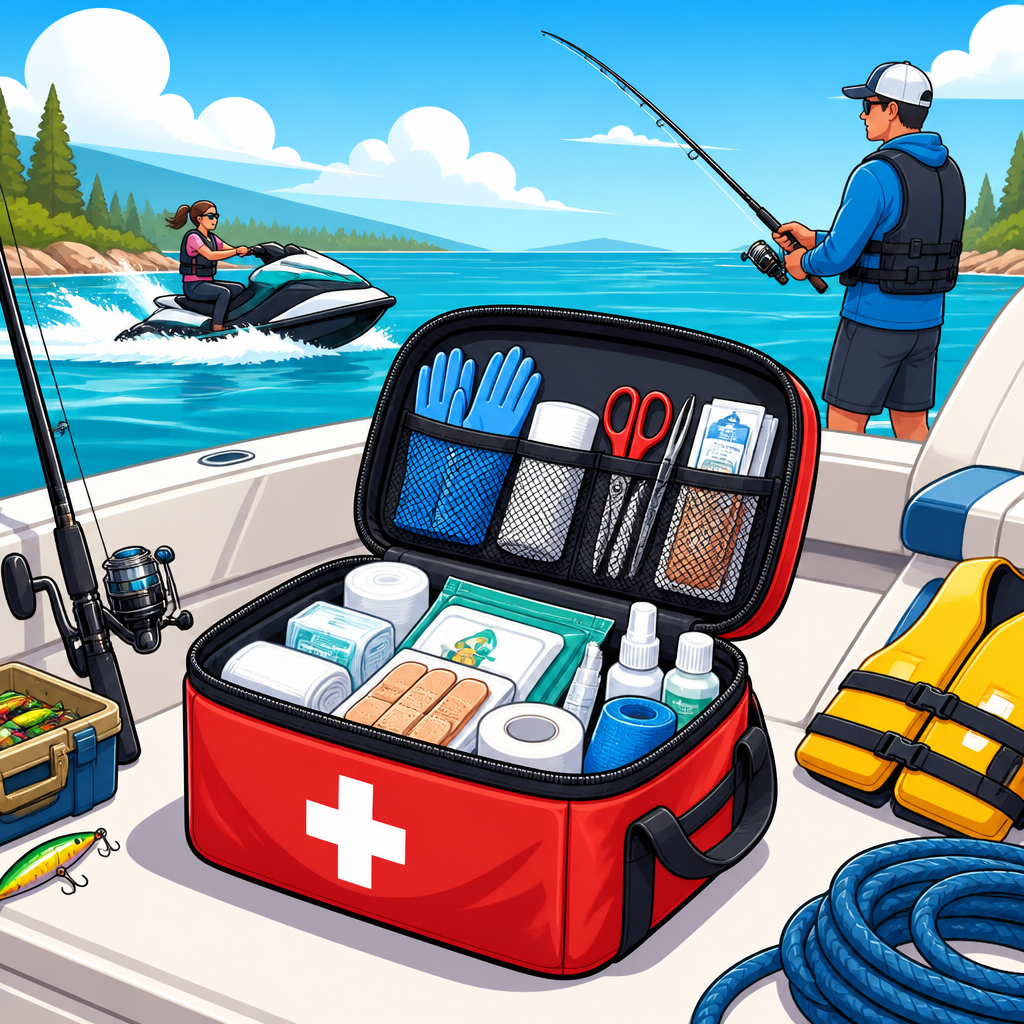
The best lake can become a poor experience without route planning and local awareness. Study navigation charts before arrival, especially on fluctuating reservoirs where rock hazards, standing timber, or shallow points sit outside marked lanes. Weather apps help, but on-water observation matters more. Canyon lakes can funnel wind. Large reservoirs can build dangerous afternoon chop. Lightning risk in the Southeast rises fast in summer, and cold water in shoulder seasons can turn a minor fall into a serious issue. Carry fitted life jackets, a throwable flotation device, a reliable tow rope setup, and enough fuel reserve to avoid pushing range limits.
Use local marine shops and marinas as intelligence sources. They know which ramps are easiest for larger trailers, which coves stay calm in prevailing winds, and which sections are clogged by afternoon rental traffic. I routinely call ahead to ask three questions: current lake level, morning wind pattern, and launch line length on Saturdays. Those answers shape the day more than glossy tourism material ever will. Also confirm ballast and noise regulations, especially where shoreline homeowners or narrow channels increase enforcement attention.
As a hub page for best locations for fishing and water sports, this article should help you narrow options, not pretend one lake solves every need. Choose Lake Powell for scale and scenery, Table Rock for balance, Havasu for convenience, Cumberland for adaptability, Possum Kingdom for Texas-friendly performance, Lake Martin for Southeastern versatility, and Lake of the Ozarks for infrastructure if you can time it right. The common thread is not hype. It is usable water, service access, and enough variety to support anglers and riders on the same itinerary.
Start with your priorities: flatter water for slalom, bigger water for wakeboarding, marina support for longer stays, or fishery quality for mixed-use travel. Then match them to season, traffic expectations, and towing distance. When you do that, the best lakes for wakeboarding and waterskiing in the U.S. stop being a generic list and become a practical planning tool. Use this hub as your starting point, build your short list, and book your next fishing and water sports trip around a lake that truly fits how your group rides, skis, and spends time on the water.
Frequently Asked Questions
What makes a lake ideal for wakeboarding and waterskiing?
The best lakes for wakeboarding and waterskiing usually share a few very specific characteristics: calm water, predictable conditions, room to run, and easy access. Flat water is the obvious starting point, because both sports depend on a clean, consistent surface. Wakeboarders want a dependable wake shape and less chop for edging and landing, while waterskiers need smooth water to hold speed, maintain body position, and make controlled cuts. Long protected coves, narrow arms, and shorelines that block wind can make a huge difference, especially during the morning and evening windows when conditions are already best.
Lake design matters more than many first-time visitors expect. A wide-open lake may look impressive on a map, but if it is fully exposed to afternoon wind, heavy cruiser traffic, or rolling chop, it can be far less useful than a smaller reservoir with protected channels. Good ski and wake lakes often have long straight stretches for passes, quiet pockets for practice, and enough shoreline contour to reduce crosswinds. Water depth also plays a role. Extremely shallow areas can affect wake shape and boat handling, while clear channel markings and gradual transitions help riders stay focused on the session instead of constantly watching for hazards.
Practical details are just as important as water conditions. A great lake also needs reliable launch ramps, fuel nearby, marinas, rentals or repair services, and lodging close enough that getting on the water early is realistic. Local rules matter too. No-wake zones, designated ski hours, ballast restrictions, and towing regulations can dramatically shape your experience. In my experience, the lakes that riders return to year after year are not just scenic—they are functional. They let you launch quickly, find protected water, ride productively, and get through a full day without unnecessary friction.
When is the best time of day and year to go wakeboarding or waterskiing on U.S. lakes?
For most lakes in the U.S., the best time of day is early morning, usually from sunrise through mid-morning. That is when wind is lightest, boat traffic is lowest, and the water is most likely to be glassy. Evening can also be excellent, especially on lakes where daytime heat produces stronger afternoon wind but conditions settle near sunset. If you are planning serious ski sets, slalom practice, barefoot runs, or wakeboarding sessions where consistency matters, those low-traffic windows are usually far more valuable than the middle of the day.
Seasonally, late spring through early fall is the broad sweet spot, but the ideal timing depends on region. Southern lakes often offer a longer season, with good conditions starting earlier in spring and extending well into autumn. In the Mountain West and Upper Midwest, peak riding season is more concentrated around summer because of water temperature and weather stability. Reservoirs in popular vacation areas can be excellent midweek in June or September, when temperatures are favorable but holiday crowds are gone. That timing often delivers the best balance of warm water, lighter traffic, easier lodging, and more usable riding hours.
Weather patterns should guide your trip planning as much as the calendar does. Some lakes are known for dependable calm mornings and windy afternoons; others are heavily influenced by passing storms, canyon wind, or weekend traffic. If you are traveling for a dedicated riding trip, it is smart to build flexibility into your schedule and prioritize weekday sessions. Serious riders often get more quality water in two weekday mornings than in an entire busy Saturday. The best strategy is simple: choose the right season for the region, launch early, and let local wind and traffic patterns dictate the rest of the day.
Are natural lakes or reservoirs better for wakeboarding and waterskiing?
Both can be excellent, but reservoirs often have an edge for wakeboarding and waterskiing because they are more likely to offer long, narrow, protected runs. Many man-made lakes were formed in valleys or canyons, which creates shorelines that help block wind and reduce cross chop. That kind of shape is especially useful for waterskiers who need clean lines and for wakeboarders looking for more predictable pull and wake conditions. Reservoirs also frequently have regulated access points, marked channels, and recreation infrastructure designed around towing sports.
Natural lakes can still be outstanding, particularly when they are large enough to provide multiple ride zones or shaped in a way that creates sheltered bays and coves. Some natural lakes have a long history with ski clubs, family boating, and tournament culture, which can make them excellent destinations. The challenge is that many natural lakes are wider and more exposed, so wind can build quickly and afternoon traffic can turn prime water into rough chop. Shoreline development may also limit launch options, reduce available staging space, or create stricter noise and towing rules.
In practical terms, the “better” choice depends on what kind of session you want. If you prioritize protected water and reliable structure, reservoirs are often easier to plan around. If you value scenery, vacation amenities, and a broader all-around lake experience for a family trip, a natural lake may be the better fit. The smartest approach is to evaluate each lake individually rather than assume one category always wins. Look at wind exposure, cove length, traffic density, launch quality, and local regulations. Those factors matter much more than whether the lake is natural or man-made.
What should families and first-time riders look for when choosing a lake?
Families and beginners should focus on ease, safety, and consistency over reputation alone. A famous lake is not automatically the best choice for a learning session. The right lake for first-time wakeboarders or waterskiers should have calm water during predictable hours, low to moderate boat traffic, simple navigation, and comfortable access points. Protected coves are ideal because they give the driver more control and reduce distractions for a rider who is just learning to get up, cross the wake, or hold a basic line outside the wash.
Good support facilities make the day easier for everyone in the boat. That includes wide ramps, ample parking, clean restrooms, nearby fuel, shaded picnic areas, restaurants or grocery options, and lodging close enough that early starts are manageable. For families with children, the best lakes often have swim areas, quiet shore access, and enough non-riding activities to keep the trip enjoyable even when conditions are not perfect. If you are renting a boat or booking instruction, nearby pro shops, marinas, and local coaches can save time and help new riders progress much faster.
Safety and local rules should be part of the decision from the start. Beginners do better on lakes with straightforward right-of-way patterns, clearly marked hazards, and fewer high-speed congestion areas. Check whether the lake has designated towing zones, time-of-day restrictions, observer requirements, or life jacket rules beyond state minimums. Also think about water temperature, elevation, and afternoon weather changes, especially if kids or inexperienced swimmers are involved. In my experience, families have the best trips when they choose a lake that removes obstacles: easy launching, protected water, simple driving lines, and enough nearby services that the whole day feels smooth rather than stressful.
How can I compare lakes before planning a wakeboarding or waterskiing trip?
The most effective way to compare lakes is to evaluate them through a riding-specific checklist instead of a general travel lens. Start with the water itself: look for protected coves, long straight runs, likely wind exposure, and the amount of open fetch that can create chop. Satellite maps are extremely useful here. A lake with multiple narrow arms and irregular shoreline often provides better sheltered water than a broad, open basin. Then look at traffic patterns. Ask whether the lake is primarily a fishing lake, a family boating lake, or a high-traffic recreation hub. That tells you a lot about how usable the water will be once the day gets busy.
Next, compare infrastructure and logistics. Strong launch access, nearby fuel docks, marina support, boat service, food options, and lodging close to the ramp all affect the quality of the trip. A technically great lake can become frustrating if the nearest fuel is far away, the ramp is crowded and steep, or the closest accommodations add an extra hour to every morning. Also check local regulations carefully. Some lakes have ballast restrictions, horsepower limits, no-wake sections that disrupt towing routes, seasonal water level changes, or rules that make certain coves off-limits at key times.
Finally, look for local knowledge, because it often reveals what maps and brochures miss. Recent trip reports, regional boating forums, marina staff, ski clubs, and instructors can tell you when the wind usually picks up, which coves stay calm, where floating debris collects, and whether weekends are worth avoiding altogether. If you are planning a destination trip, prioritize lakes that offer both high-quality water and dependable support services. The best wakeboarding and waterskiing lakes are not just the ones with the prettiest shoreline—they are the ones where conditions, layout, access, and local management consistently help you get better sessions on the water.