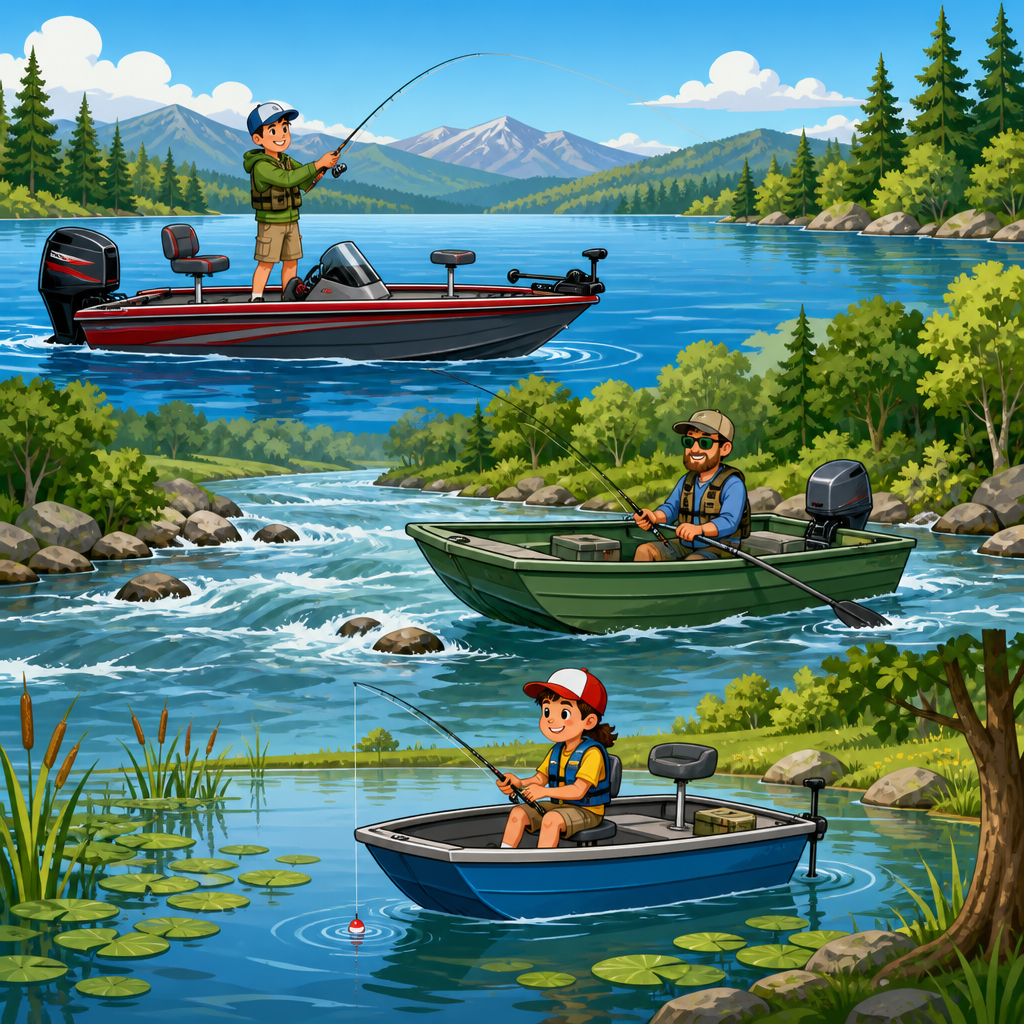
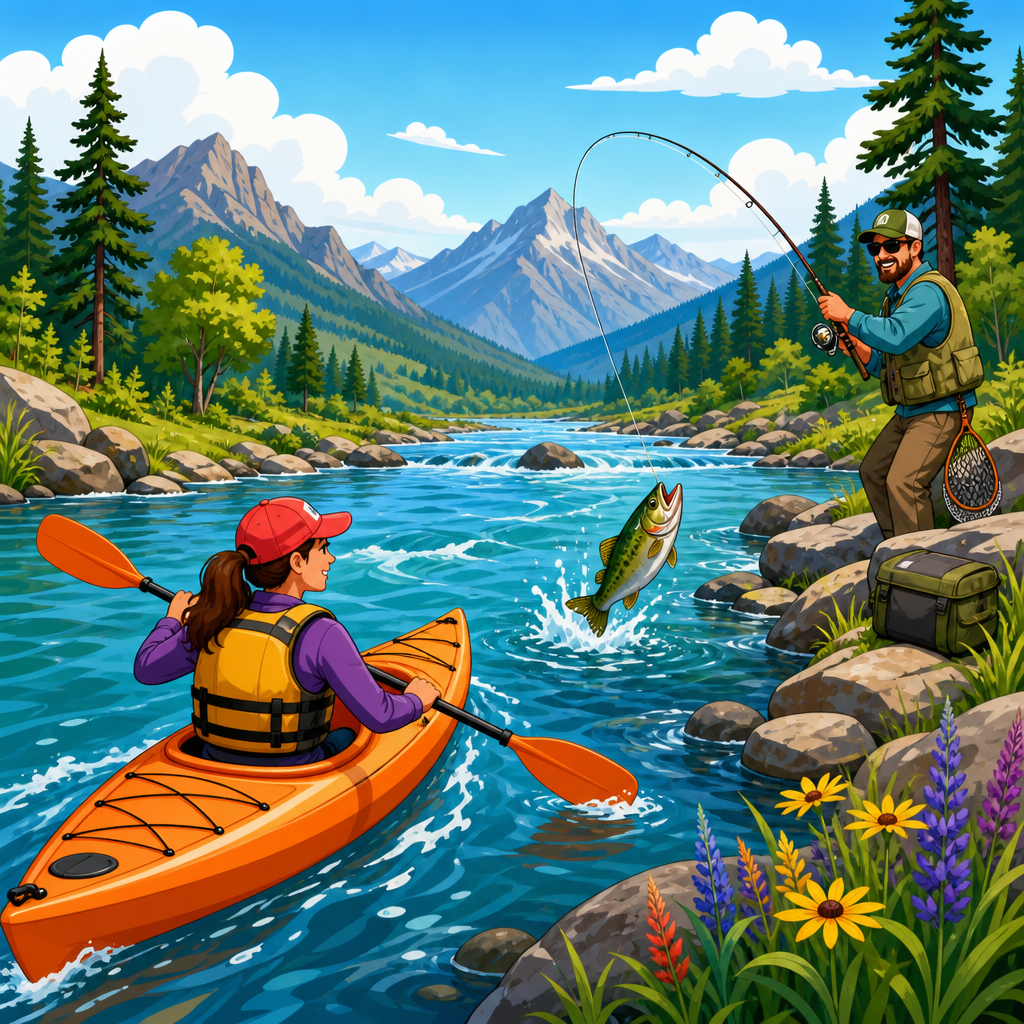
Choosing the best rivers for kayaking and fishing is not just about scenery; it is about matching water conditions, fish habitat, seasonal timing, access points, and paddler skill to create a safe, productive day on the water. In the fishing and water sports space, rivers stand out because they combine motion, habitat diversity, and route variety in a way lakes and reservoirs often do not. A good river for this dual purpose offers stable public access, manageable current, enough depth for paddling, and healthy populations of target species such as trout, bass, pike, catfish, salmon, or redfish. After years of planning paddling routes and fishing trips, I have found that the best trips happen where logistics are simple, launch sites are clear, and the river gives anglers and kayakers room to succeed without working against each other.
This guide to the top 10 best rivers for kayaking and fishing serves as a hub for anyone researching the best locations for fishing and water sports. It covers iconic U.S. rivers that consistently perform well for both activities, explains what makes each one special, and highlights practical tradeoffs such as crowds, river flow changes, and seasonal limits. Kayaking here includes recreational paddling, kayak fishing, and short touring routes rather than only whitewater runs. Fishing refers to legally accessible, sustainable angling opportunities that can be reached by kayak or from riverbank access linked to common launch corridors. If you want rivers that deliver both memorable paddling and strong fishing potential, these are the destinations that belong at the center of your planning.
What makes a river ideal for both kayaking and fishing
The best rivers for kayaking and fishing share several traits. First, they have a current profile that is engaging but not constantly punishing. Slow to moderate flow is ideal for most anglers because it allows controlled drifts, accurate casting, and easier return paddles. Second, they have structural diversity. Deep pools, cut banks, eddies, gravel bars, submerged timber, weed lines, and riffle transitions all improve fishing while also making the paddle more visually and physically interesting. Third, they have dependable public infrastructure, including ramps, put-ins, take-outs, parking, and local outfitter support. Fourth, they support a fishery that remains productive across multiple seasons, not just a brief run or hatch window.
Water clarity, temperature, and regulation also matter. Tailwaters below dams often provide excellent fishing because releases stabilize temperatures and oxygen levels, especially for trout. Free-flowing rivers can be better for scenic paddling and warmwater species like smallmouth bass. Safety is nonnegotiable. Before recommending any river, I look at U.S. Geological Survey gauge history, state wildlife regulations, known hazards, and whether a beginner can realistically navigate a common section. That matters because the best location is not simply the most famous river; it is the river where a paddler can launch confidently and fish effectively under normal seasonal conditions.
| River | Best Known For | Common Target Fish | Typical Kayaking Style |
|---|---|---|---|
| Buffalo National River | Scenic float fishing | Smallmouth bass | Recreational river touring |
| Delaware River | Long multi-use paddling corridors | Smallmouth bass, shad, trout | Day trips and overnights |
| Colorado River, Texas | Accessible central Texas kayak fishing | Guadalupe bass, largemouth | Flatwater and mild current |
| Green River, Utah | Canyon scenery and remote floats | Smallmouth bass, catfish | Touring and expedition paddling |
| Snake River, Wyoming/Idaho | Blue-ribbon trout water | Cutthroat, brown, rainbow trout | Scenic current paddling |
| Susquehanna River | Premier smallmouth system | Smallmouth bass, walleye, catfish | Shallow-water kayak angling |
| Kenai River | Salmon and trophy trout | Salmon, rainbow trout, Dolly Varden | Cold-water drift sections |
| New River | Mixed flatwater and rapids | Smallmouth bass, musky, walleye | Skill-dependent river paddling |
| St. Johns River | Easy paddling and warmwater fishing | Largemouth, crappie, catfish | Beginner-friendly touring |
| Lower Sacramento River | Consistent trout fishery | Rainbow trout, striper | Controlled drift paddling |
Top rivers for scenic paddling and reliable freshwater fishing
The Buffalo National River in Arkansas is one of the most balanced rivers in the country for combining kayaking and fishing. Its free-flowing character creates classic Ozark smallmouth habitat, and the limestone bluffs, gravel bars, and clear pools make even a short float memorable. Anglers do best with soft plastics, topwater plugs in summer, and compact spinnerbaits around current seams. Kayakers benefit from the National Park Service access network, but water level is critical. In low summer flow, dragging through shoals is common; in higher spring flow, speed increases quickly. For paddlers who want scenery first and bass action second, Buffalo is hard to beat.
The Delaware River is equally valuable because it serves many skill levels across different reaches. The Upper Delaware is known for wild trout and famous insect hatches, while the middle and lower sections support smallmouth bass, walleye, and American shad during seasonal runs. From a hub-page perspective, Delaware matters because it demonstrates how one river can support multiple water sports trip styles: family floats, kayak fishing day runs, and multi-day camping routes through the Delaware Water Gap region. The best approach is to pick a target species first, then choose the river section. That simple planning step prevents many disappointing trips.
In central Texas, the Colorado River offers one of the most accessible combinations of urban paddling, bass fishing, and weekend-friendly logistics. Around Austin and farther downstream, kayak anglers target largemouth bass, Guadalupe bass, and sunfish in reaches where current remains manageable for intermediate paddlers. Reservoir influence changes some sections, so the river fishes more like connected flats and channels than a classic fast-flowing stream. That is not a drawback. It means easier boat control, especially for stand-and-cast anglers using pedal kayaks or wider sit-on-top models. During hot months, early launch times matter because boat traffic and wind increase by late morning.
Best rivers for trout, cold-water species, and technical drifts
If your priority is trout, the Snake River deserves a top-tier ranking. The section through Jackson Hole is globally recognized for cutthroat trout, with braided channels, undercut banks, and side channels that reward accurate presentations. I have always viewed the Snake as a place where paddling discipline matters as much as tackle choice. Rowing and paddling angles, ferrying across current, and reading sweepers are part of the fishing equation. Dry-dropper rigs, streamers, and nymph setups all work depending on flow and season, but the river demands respect. Afternoon wind, cold water, and changing channels can tire inexperienced paddlers faster than expected.
Alaska’s Kenai River is a very different cold-water experience. It is larger, busier in peak salmon periods, and heavily regulated for fish conservation and boater safety. Those rules are a strength, not an inconvenience, because they protect one of the most productive sportfishing rivers in North America. Sockeye runs bring intense seasonal opportunity, while rainbow trout and Dolly Varden attract anglers outside the peak salmon push. For kayakers, the Kenai is not a casual sightseeing float in every section. Water temperature stays cold, motorized traffic can be substantial in some reaches, and proper dry gear, communication, and route selection are essential. Well-prepared paddlers, however, gain access to world-class fishing corridors.
The Lower Sacramento River in California rounds out the cold-water list because it offers remarkable consistency. As a tailwater fishery below Keswick Dam, it maintains temperatures favorable to trout for much of the year, and aquatic insect life supports reliable feeding activity. Rainbow trout dominate, with some seasonal striped bass opportunities lower down. For kayak anglers, the appeal is controlled drift fishing through long productive lanes rather than technical whitewater. The key constraint is traffic from drift boats and guides. Launching early, choosing quieter weekdays, and understanding local etiquette dramatically improve the experience. Among trout rivers, Sacramento stands out for dependable year-round planning.
Best rivers for bass, mixed species, and beginner-friendly kayak fishing
The Susquehanna River is one of the premier smallmouth bass fisheries in the eastern United States and one of the most practical rivers for kayak anglers who value shallow structure. Rock gardens, ledges, grass edges, and moderate current create ideal bass water, while channel catfish and walleye add variety. In Pennsylvania, many productive stretches are broad and shallow enough for precise positioning with a paddle rather than constant anchor management. The caution is that broad shallow rivers can become deceptively dangerous during high flow. A section that feels easy at summer base flow can become pushy, muddy, and hard to read after rain.
The New River, running through North Carolina, Virginia, and West Virginia, gives anglers a wider mix of experiences. Some sections are gentle and ideal for float fishing smallmouth bass, while others include rapids requiring solid boat control or complete avoidance by fishing-focused paddlers. This variety is exactly why the New belongs in a hub article about the best locations for fishing and water sports. It can serve beginners on easy stretches and challenge advanced paddlers seeking more dynamic current. Smallmouth bass are the headline species, but muskellunge and walleye create serious upside for anglers who know seasonal holding water and bring heavier gear.
Florida’s St. Johns River is often overlooked by paddlers focused on dramatic gradient rivers, yet it is one of the best beginner-friendly choices on this list. Because much of the river moves slowly, new kayakers can focus on casting, wildlife watching, and route awareness without constantly correcting for current. Largemouth bass, crappie, bluegill, and catfish provide steady action, and the surrounding marsh habitat supports birding that makes the paddle rewarding even when the bite slows. Wind, thunderstorms, and motorboat lanes remain real considerations, but from a pure accessibility standpoint, St. Johns is among the easiest rivers for combining fishing and kayaking.
Best destination rivers for remote scenery, multi-day trips, and broader trip planning
The Green River in Utah delivers a different kind of value: space, silence, and long-distance paddling through desert canyon country. In Labyrinth Canyon and other calmer reaches, kayakers can combine multi-day camping with fishing for smallmouth bass and catfish. The fishery is not the only reason to go; the landscape is the point, and the fishing enriches the route rather than carrying it by itself. For trip planners building a broader fishing and water sports calendar, the Green is the classic destination where paddling, camping logistics, weather planning, and self-sufficiency all matter as much as lure selection. It rewards preparation more than spontaneity.
One more river belongs in the top ten because it bridges freshwater and coastal fishing better than almost any other U.S. option: the lower stretches of the Myakka-adjacent Peace system are good, but the clearer standout is the lower Colorado? No. The stronger pick is Louisiana’s Atchafalaya Basin corridor, where river paddling intersects backwater fishing for bass, catfish, and panfish in a truly expansive wetland network. It is less straightforward than the others, which is precisely why serious anglers appreciate it. Navigation requires mapping, water levels alter access, and local knowledge helps enormously. Yet for paddlers who want exploration instead of a linear float, it offers unusual depth.
The main lesson across these ten rivers is that the best river for kayaking and fishing depends on your goal. Choose Buffalo or St. Johns for easy scenic access. Choose Snake, Kenai, or Lower Sacramento for technical cold-water fisheries. Choose Susquehanna or New for smallmouth-driven river angling. Choose Green for expedition-style water sports travel. Start with your target species, skill level, and preferred trip length, then match those needs to river flow, access, and season. That approach consistently produces better outings than chasing reputation alone. Use this hub as your planning baseline, then map launches, check regulations, and build your next fishing and kayaking trip with intention.
Frequently Asked Questions
What makes a river ideal for both kayaking and fishing?
An ideal river for both kayaking and fishing balances paddle-friendly water with healthy fish habitat. That usually means a current that is manageable for the paddler’s experience level, enough depth to float a kayak consistently, and a mix of river features such as pools, runs, seams, eddies, undercut banks, and structure. These features matter because they create fish-holding water while also giving kayakers route variety and places to slow down, reposition, and cast effectively.
Access is another major factor. The best rivers for this dual purpose typically have dependable public launches, take-out points, and parking areas that make trip planning easier. A river may be beautiful, but if it has limited legal access or difficult bank entry, it becomes much less practical for a full day of paddling and fishing. Water clarity, flow stability, and seasonal consistency also matter. Rivers that swing wildly from too shallow to dangerously high can be frustrating or unsafe, while rivers with more predictable conditions allow anglers and paddlers to plan with confidence.
Finally, the best rivers support the kind of fishing you actually want to do. Some are known for smallmouth bass in moving water, others for trout in cold, oxygen-rich stretches, and others for catfish, walleye, or panfish in slower sections. The strongest choices are rivers where the water conditions, fish species, and paddling experience all line up. In other words, the “best” river is not just scenic—it is one that matches your boat, your fishing style, the season, and your skill level on moving water.
How do I choose the right river based on my kayaking skill level?
Your kayaking skill level should always come before fishing potential when choosing a river. A productive fishery is not worth the risk if the current, obstacles, or remoteness exceed your ability. Beginners usually do best on slow to moderate rivers with clearly defined access points, minimal rapids, forgiving current, and plenty of recovery water such as wide pools and gentle eddies. These rivers let you focus on boat control, positioning, and casting without constantly fighting the flow.
Intermediate paddlers can expand into rivers with more current variation, mild riffles, tighter channels, and longer float sections between access points. These rivers often provide excellent fishing because they create more diverse habitat, but they also require better reading of the water. You need to identify current seams, avoid strainers, manage ferry angles, and hold position long enough to fish effectively. At this level, success often comes from balancing movement and stopping points—knowing when to drift, when to anchor where legal and safe, and when to pull over and fish from shore.
Advanced paddlers may target rivers with stronger flow, technical maneuvering, and more remote sections, but even experienced kayakers should be cautious when combining fishing with moving water. Casting, reaching for tackle, landing fish, and handling gear all divide your attention. That is why river selection should be conservative, especially if you are solo. Before committing to a river, check flow rates, recent weather, hazards, local regulations, and shuttle logistics. A smart rule is to fish one class below the most difficult water you can comfortably paddle, because fishing adds complexity that changes the safety equation.
When is the best time of year to kayak and fish on rivers?
The best time of year depends on the river, target species, and regional climate, but in many places spring through fall offers the most reliable combination of paddling conditions and fishing activity. Spring can be outstanding because many fish become more active as water temperatures rise, and current can position fish around seams, breaks, and flooded cover. However, spring also brings one of the biggest cautions: higher flows from rain or snowmelt. A river that is perfect in summer can become pushy, muddy, or unsafe in spring, so seasonal timing must always be paired with current water data.
Summer is often the most accessible season for kayak anglers because flows tend to stabilize, weather windows are longer, and more access points are usable. Warmwater species such as bass, panfish, and catfish can be especially active, and early morning or evening floats can be highly productive. The tradeoff is that some rivers become low and technical in late summer, requiring more dragging, route picking, or shorter boat-friendly sections. On heavily used rivers, recreational traffic can also affect both fishing quality and overall experience.
Fall is a favorite season for many experienced paddlers and anglers because temperatures are more comfortable, crowds often thin out, and many fish feed aggressively ahead of winter. Water clarity can improve, and river scenery is hard to beat. Winter can also be productive in certain regions, particularly where flows remain navigable and cold-water fisheries are strong, but it adds major safety concerns related to cold shock, immersion risk, and self-rescue. In practical terms, the best season is the one when water levels are safe, fish are active, and temperatures support both comfort and emergency preparedness.
What should I look for in river conditions before launching a kayak to fish?
Before launching, check water level, flow rate, weather, water temperature, clarity, and any known hazards. Flow rate is especially important because it affects not only paddling difficulty but also how fish position in the river. Moderate, stable flows often create the best blend of navigability and fishable structure, while very high water can reduce control, hide obstacles, and push fish into hard-to-reach or unsafe areas. Extremely low water can make a river bony, increase dragging, and limit access to deeper holding water.
Weather is more than a comfort issue. Wind can complicate casting and boat control even on rivers, thunderstorms can create serious exposure risk, and upstream rain can change conditions quickly. Water temperature matters for both fish behavior and paddler safety. Cold water can be dangerous even when air temperatures feel mild, and it may require different clothing, tighter trip planning, and more conservative decision-making. Clarity is also worth noting because stained water and clear water often call for different fishing approaches, lure choices, and presentation speeds.
It is also wise to review maps, local reports, and any posted advisories before you go. Look for low-head dams, strainers, sweepers, sudden drops, restricted zones, or sections with limited take-out options. If you are planning a float, confirm shuttle timing and backup exits. For fishing-specific planning, note where current breaks, tributary mouths, deeper bends, gravel bars, and woody cover appear along your route. The more you understand the day’s river conditions before launching, the better you can match your safety plan and fishing strategy to what the water is actually doing.
What gear is most important for a successful day of kayaking and fishing on a river?
The most important piece of gear is a properly fitted personal flotation device, and it should be worn at all times. After that, think in terms of control, safety, and efficiency. A stable fishing kayak or a river-capable recreational kayak matched to the river’s conditions is essential. Your paddle should be the right length and weight for all-day use, and a leash can help in some setups, though it should never create entanglement risk. Dry storage for essentials such as phone, keys, first-aid supplies, extra layers, and snacks is also a must.
For fishing, keep your setup streamlined. Rivers reward simplicity because gear can snag, shift, or get in the way during launches, landings, and quick maneuvers. One or two rods, a compact tackle box, line cutters, pliers, and a landing net are often enough for a highly effective trip. An anchor system can be useful in the right water, but it should be used carefully and only where current and bottom conditions make it safe. Many river anglers prefer to fish by drifting, using eddies, or stepping out at access points rather than anchoring in stronger current.
Navigation and trip-planning gear matter more than many beginners expect. A river map, GPS app, printed backup map, whistle, headlamp, and fully charged phone can make a big difference, especially on longer floats. Clothing should match water temperature more than air temperature, and sun protection is important in open stretches. If fish handling is a priority, bring a measuring device and understand local regulations for seasons, limits, and protected species. The best gear setup is not the biggest one—it is the one that keeps you safe, organized, mobile, and able to fish effectively without sacrificing boat control.