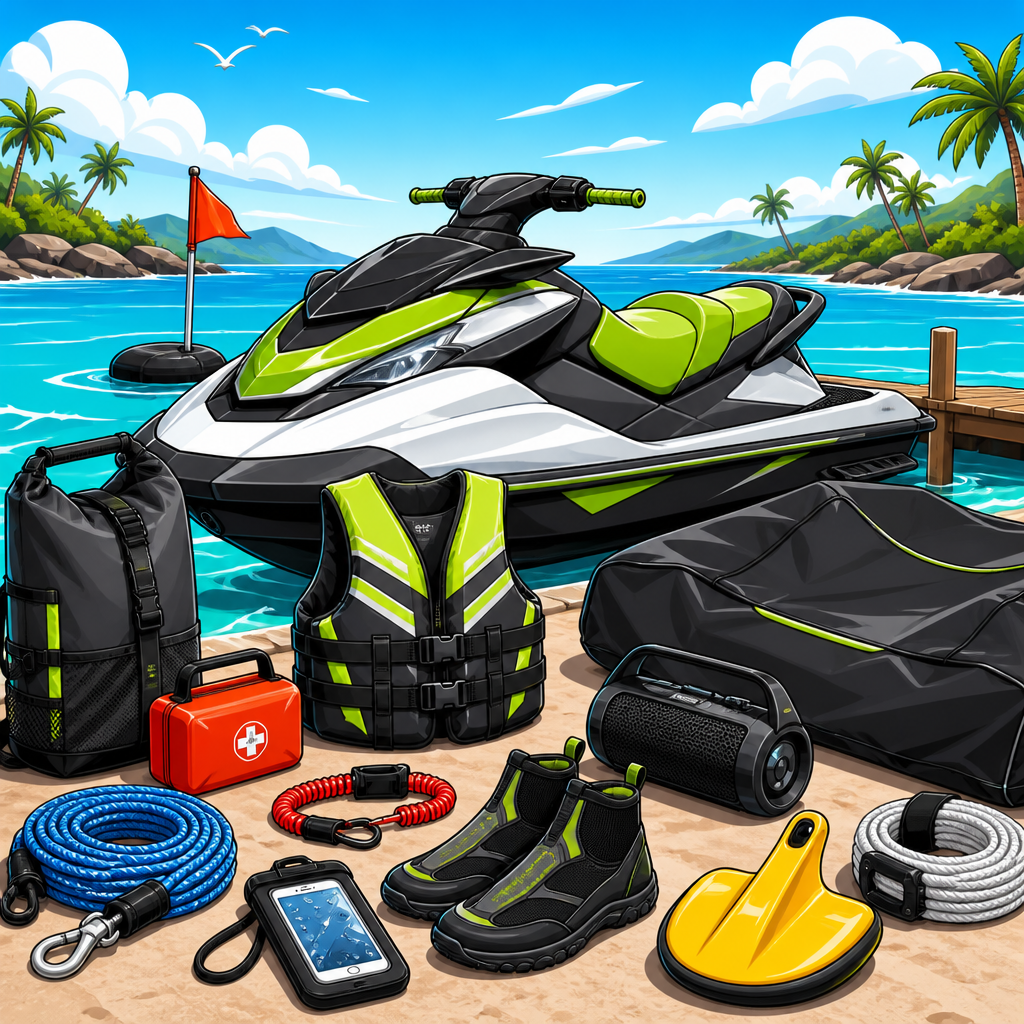
Jet skiing combines speed, sun, and open water in a way few recreational machines can match, but the quality of any ride depends heavily on the accessories mounted, worn, or packed before launch. In the world of Jet Ski and Personal Watercraft adventures, accessories are not just add-ons; they shape safety, comfort, storage, navigation, fishing capability, and long-term ownership costs. A Jet Ski, often used loosely to describe any personal watercraft, is a sit-down or stand-up watercraft powered by an inboard jet pump rather than an exposed propeller. That design makes PWCs agile and relatively shallow-draft, which is why riders use them for towing, cruising, exploring coves, and increasingly for nearshore fishing. After years of rigging PWCs for day rides and fishing runs, I have learned that the best accessories solve practical problems first: staying afloat after a fall, carrying gear without clutter, finding your way back in changing weather, and protecting the craft between outings. This hub article covers the top 10 best accessories for Jet Skis, explains who needs each one, and provides a solid starting point for deeper articles on Jet Ski gear, PWC safety equipment, fishing setups, maintenance, and trip planning.
1. Coast Guard Approved Life Jacket
The single most important Jet Ski accessory is a properly fitted, Coast Guard approved life jacket, often labeled a PFD, or personal flotation device. Many riders treat the life jacket as basic compliance gear, but for PWC use it is performance equipment. A good Jet Ski life vest should fit snugly, stay in place at speed, and allow full arm movement while turning, standing over chop, or reboarding from the water. Neoprene vests are popular because they are comfortable and reduce chafing during longer rides. Nylon models cost less and dry quickly, but premium neoprene usually feels better for all-day use.
Look for features such as segmented foam panels, heavy-duty zippers, durable buckles, and grab handles. For fishing or touring, some riders prefer PFDs with pockets for a whistle, VHF radio, or waterproof phone case. Fit matters more than brand. A vest that rides up around the neck is too loose, and one that restricts breathing is too tight. Leading names include O’Neill, Yamaha, Sea-Doo, Mustang Survival, and Jettribe. If you carry passengers, size your spare vests for real people, not for storage convenience. A life jacket is the accessory that protects every other part of the adventure.
2. Safety Lanyard and Engine Cut-Off Switch
The safety lanyard is small, inexpensive, and easy to overlook, yet it is essential on every personal watercraft. This tether clips to the rider and connects to the engine shutoff system. If the rider falls off, the lanyard pulls free and immediately stops the engine, preventing the craft from circling unattended or drifting under power. Modern PWCs integrate this system cleanly, but owners still need to inspect the clip, cord, and attachment point regularly. A worn lanyard can fail when you need it most.
For families or rental-style use, keep an extra lanyard onboard because different brands use different keys and clips. I also recommend explaining the shutoff system to every passenger before departure. If the operator goes overboard and a passenger remains aboard, confusion can turn a minor spill into a dangerous situation. On high-powered craft from Sea-Doo, Yamaha, or Kawasaki, where acceleration is immediate, the cut-off lanyard acts as a basic but critical risk control. It is not glamorous, but it belongs in any serious Jet Ski accessories list.
3. Dry Storage Bag and Waterproof Phone Protection
Storage is one of the first limitations new PWC owners encounter. Even larger touring models such as the Sea-Doo GTX, Yamaha FX, and Kawasaki Ultra have finite, oddly shaped compartments that can become wet from spray, humidity, or accidental flooding during reboarding. A dedicated dry bag solves this problem better than loose packing. Roll-top dry bags from brands like YETI, NRS, and Earth Pak keep spare clothes, snacks, registration papers, first-aid items, and electronics separated and protected. Smaller waterproof pouches handle phones, keys, and cards.
For hub-level trip planning, this accessory matters because it supports almost every Jet Ski adventure type. A rider exploring a sandbar needs dry towels and sunscreen. A touring rider needs documents, water, and a charging cable in a protected space. A fishing rider needs tackle, pliers, and leader spools isolated from splashing salt water. Choose bright colors so the bag is easy to locate in low-light compartments. Add tether points where possible. A floating waterproof phone case is especially valuable because phones are now used for maps, weather checks, marina contacts, and emergency calling.
4. Boarding Ladder or Reboarding Step
One of the most useful comfort and safety upgrades for a Jet Ski is a boarding ladder or reboarding step. Falling in is normal during towing sports, swim breaks, and fishing trips, but climbing back onto a wet PWC can be surprisingly difficult, especially for children, older riders, or anyone wearing a life jacket and water shoes. A folding step mounted at the stern creates leverage and significantly reduces the strength needed to reboard. On larger three-seat PWCs, this single accessory often determines whether swim stops are enjoyable or exhausting.
Factory ladders are available on many touring models, and aftermarket kits exist for others, though fitment should be checked carefully against hull design and reverse gate clearance. Stainless steel hardware and corrosion-resistant brackets are mandatory in saltwater use. This is also an accessibility accessory. If you routinely ride with less athletic passengers, the reboarding step is not optional. In practical use, I have seen riders skip good anchor spots or avoid swimming entirely because they were unsure they could get back on. A ladder changes that and expands the kind of PWC outings you can comfortably plan.
5. Marine GPS and Phone Mounting System
Navigation on a personal watercraft is more important than many casual riders realize. Shorelines shift visually from the water, fuel range can disappear quickly under heavy throttle, and weather can close in faster offshore than it appears from the launch ramp. A marine GPS unit or a secure waterproof phone mount gives the rider route awareness, speed data, waypoint marking, and a much safer sense of distance. While many newer premium PWCs feature integrated display systems, accessory mounts remain useful for phones running Navionics, Garmin ActiveCaptain, or weather apps.
The key is choosing a mount rated for vibration, spray, and impact. RAM Mounts is widely respected because its marine components hold position well even in chop. Position the screen where it is visible without forcing the rider to look too far down from the horizon. For anglers, GPS is invaluable for marking productive structure, reef edges, and launch coordinates. For touring riders, it helps track no-wake zones, marina locations, and return routes through mangroves or unfamiliar channels. Navigation gear makes Jet Ski adventures less guesswork-driven and more deliberate, especially on full-day excursions.
6. Anchor Kit
An anchor kit is one of the most practical accessories for riders who stop at beaches, sandbars, islands, or fishing spots. Without one, many owners either drift continuously, tie off unsafely, or run the risk of watching their PWC move away in wind or current. For most personal watercraft, a compact mushroom anchor, folding grapnel anchor, or sand anchor paired with floating line is sufficient. The best choice depends on where you ride. Grapnel anchors bite better on rocky or weedy bottoms, while sand anchors work well in soft-bottom areas and shallow beaches.
The rope matters as much as the anchor itself. Floating line reduces fouling around the pump intake and stays more visible in the water. Many riders also add an anchor buoy and a quick-release clip for easier retrieval and safer line management. The table below compares common options.
| Accessory | Best For | Main Benefit | Key Buying Tip |
|---|---|---|---|
| Mushroom anchor | Calm lakes and mud bottoms | Simple, compact holding | Choose enough weight for loaded PWCs |
| Folding grapnel anchor | Rock, weeds, mixed bottoms | Better bite in varied terrain | Use with floating line and storage bag |
| Sand anchor | Beaches and shallow sandbars | Fast setup in soft sand | Check shaft length for local conditions |
| Anchor buoy | Any anchoring setup | Improves visibility and retrieval | Match buoy size to rope and conditions |
Anchoring also connects directly to fishing and swimming articles within this Jet Ski and personal watercraft hub. A stable stop lets anglers cast properly, lets families picnic without chasing the craft, and reduces accidental hull contact with docks, rocks, or neighboring boats.
7. PWC Fishing Rack or Cooler Setup
Fishing has become one of the fastest-growing uses for larger personal watercraft, and the accessory that unlocks that category is a dedicated fishing rack or cooler system. Brands such as Jet Tech, FishPro, and LinQ-compatible Sea-Doo components let owners mount rod holders, tackle trays, live bait storage, and insulated coolers behind the seat without ruining balance. This matters because a Jet Ski has almost no excess deck space. Randomly bungeeing a cooler to the rear platform creates instability and blocks reboarding access. A purpose-built rack solves both issues.
For beginners, the best setup is usually a rear cooler with integrated rod holders, a cutting surface, and tie-down points. It keeps weight centered and converts quickly back to general recreation use. More advanced anglers may add fish finders, transducer mounting arms, and cast-net storage, but those upgrades require attention to battery draw, spray protection, and launch ergonomics. A fishing rack turns a touring PWC into a compact inshore platform capable of targeting redfish, striped bass, mackerel, or freshwater species in reservoirs. It is one of the clearest examples of how accessories expand the mission of a personal watercraft.
8. Cover and Trailer Protection Gear
Owners often spend heavily on visible riding accessories while neglecting the equipment that preserves the machine between trips. A fitted Jet Ski cover is one of the best investments you can make because UV radiation, road grime, standing water, and tree debris all shorten the life of seats, plastics, decals, and electronics. The best covers are trailerable, vented, and matched to the exact hull model. Generic covers flap, trap moisture, and wear through at stress points. In my experience, a poor cover can do almost as much cosmetic damage as no cover at all.
Trailer protection matters too. Bow stops, transom straps, bearing maintenance, wheel chocks, and spare light kits are all part of responsible PWC ownership, especially for riders planning longer road trips to coastal launches or large reservoirs. If this hub page leads readers deeper into transport and storage topics, this is the bridge: protecting your craft off the water directly affects reliability on the water. A covered, well-secured Jet Ski stays cleaner, launches faster, and retains value better when it is time to trade or sell.
9. Portable Safety and Communication Kit
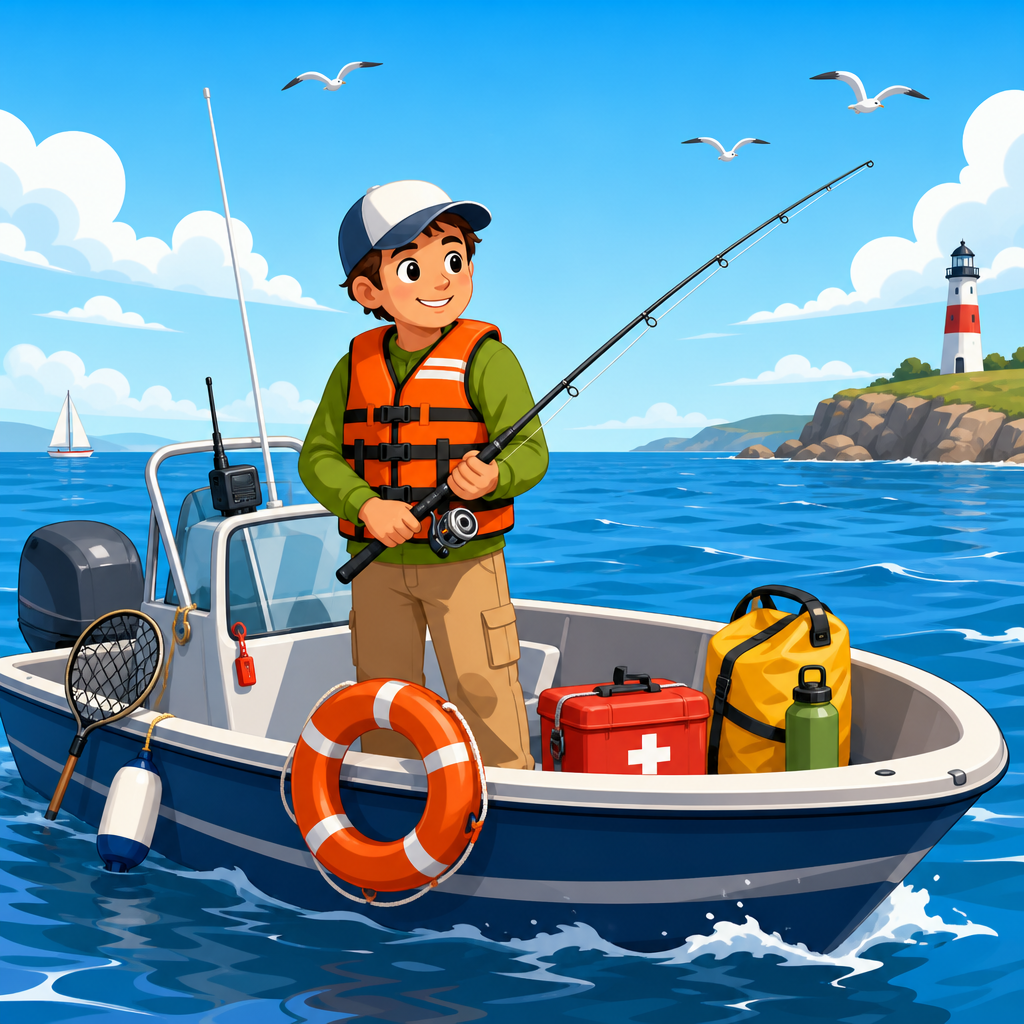
A portable safety kit belongs on every PWC, even for short rides close to shore. At minimum, I recommend a whistle, waterproof flashlight, first-aid supplies, emergency signaling device, tow rope, and a means of communication such as a floating VHF radio or a phone in a waterproof case. Regulations vary by state and waterway, so riders should also verify local carriage requirements for sound-producing devices, fire extinguishers, and registration documentation. The point is not to overload a small craft with gear; it is to carry the compact items most likely to matter when conditions change.
Communication is especially important because personal watercraft travel farther and faster than many owners initially expect. A quick ride can become a ten-mile run, and a minor mechanical issue can feel major if weather builds or daylight drops. Handheld marine radios from Standard Horizon and Icom are proven options for coastal riders because they provide access to Channel 16 and marina traffic. Inland riders may rely more on phones, but coverage is never guaranteed. A compact safety kit supports the entire PWC adventure category, from family cruising to fishing to longer expedition-style rides.
10. Maintenance Essentials and Flushing Kit
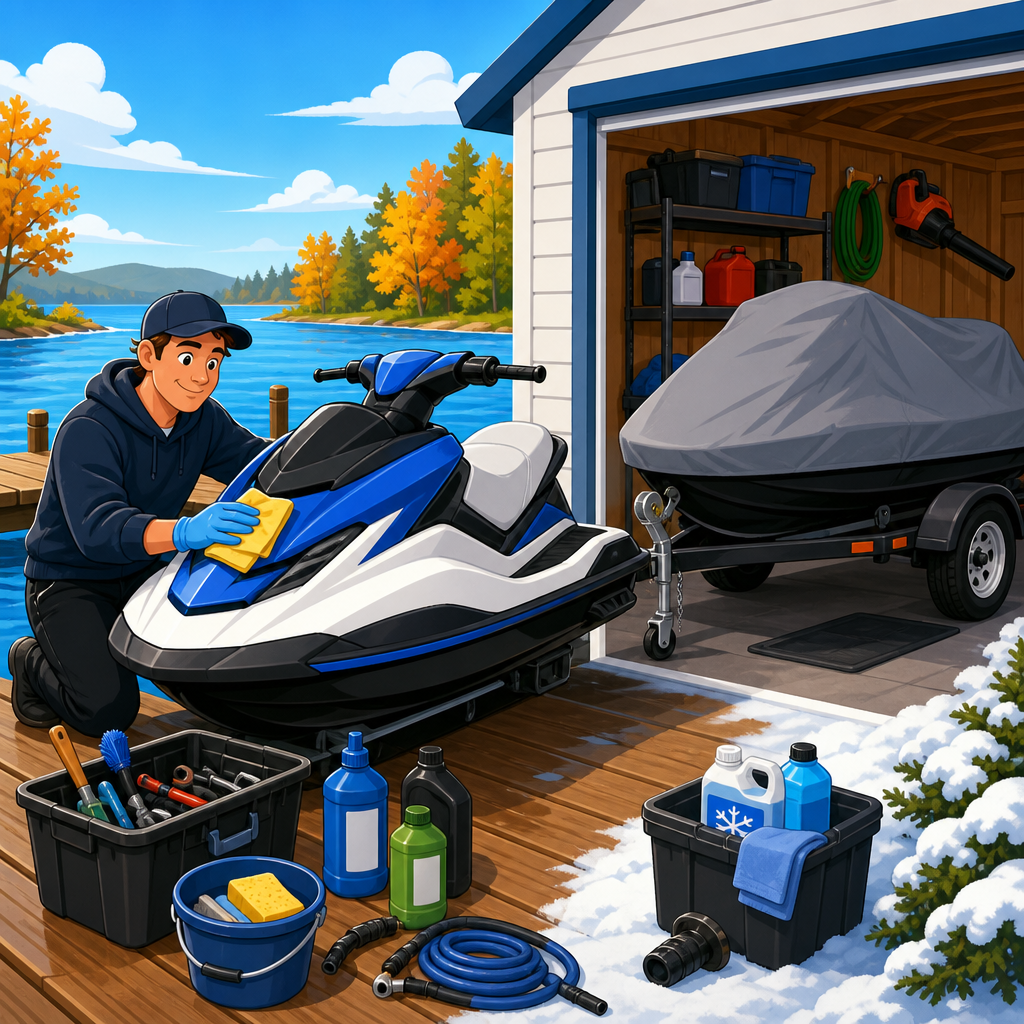
The final must-have category is maintenance accessories, especially a flushing kit, corrosion protection spray, battery tender, and basic cleaning supplies. Personal watercraft are high-performance machines operating in one of the harshest environments for engines, pumps, and electrical systems. Salt, sand, heat, and extended storage can turn a great-running Jet Ski into an expensive repair quickly. A post-ride freshwater flush, when recommended by the manufacturer, helps clear salt and debris from the cooling system. Products like Salt-Away are commonly used in saltwater regions, while anti-corrosion sprays protect metal components around the engine bay and fasteners.
A smart battery charger maintains voltage during off weeks and reduces no-start surprises at the ramp. Marine soap, pump inspection routines, and impeller checks also matter more than new owners think. Performance losses are often traced to intake grate damage, wear rings, or debris ingestion rather than major engine failure. The biggest long-term benefit of maintenance accessories is reliability. Riders who care for their PWCs consistently spend more time riding and less time troubleshooting. If you are building out your Jet Ski and personal watercraft adventure setup, start with safety, then storage, then maintenance, and expand from there. The right accessories make every ride safer, more capable, and more enjoyable. Use this hub as your starting point, then build a kit that matches how and where you actually ride.
Frequently Asked Questions
What accessories are most important for Jet Ski safety?
The most important Jet Ski accessories for safety are the ones that protect the rider, improve visibility, and help you respond quickly if something goes wrong on the water. A properly fitted U.S. Coast Guard-approved life jacket is at the top of the list, because it is the one item that should be worn every single ride, regardless of distance, weather, or experience level. A safety lanyard, often called a kill switch cord, is equally critical because it shuts the engine off if the operator is thrown from the craft. Protective eyewear and gloves can also make a major difference by shielding your eyes from glare, wind, and spray while improving grip and reducing hand fatigue during long rides.
Beyond what you wear, onboard safety gear matters just as much. A waterproof dry bag with a phone or VHF radio, a whistle or horn, a first aid kit, and a compact fire extinguisher are all smart additions. Mirrors are another highly useful accessory because they help you maintain awareness of riders, swimmers, or tow lines behind you. If you ride in changing conditions, a GPS unit or navigation app in a waterproof mount can help prevent you from getting disoriented. The best approach is to think of safety accessories as a system rather than as isolated items: flotation, engine shutoff, communication, visibility, and emergency readiness all work together to make Jet Skiing significantly safer and more controlled.
Which Jet Ski accessories improve comfort on longer rides?
Comfort-focused accessories can completely change how enjoyable a long day on a personal watercraft feels. One of the biggest upgrades is a quality seat cover or touring seat attachment that improves cushioning and reduces pressure during extended riding sessions. Handlebar grips and throttle-assist accessories also help by minimizing wrist strain, especially when riding in choppy water or covering long distances. Foot mats with better traction and padding are another worthwhile addition because they reduce fatigue, improve stance stability, and make the craft feel more secure underfoot.
Storage and weather protection accessories also contribute heavily to comfort. A waterproof storage bag or rear cargo organizer keeps essentials dry and easy to reach, which means less time stopping to search for sunscreen, drinks, or towels. Cup holders, cooler racks, and insulated storage units are especially useful for recreational riders who spend several hours on the water. For riders in strong sun, wearing a rash guard, waterproof gloves, and polarized sunglasses can greatly reduce discomfort from UV exposure, spray, and glare. Even small additions such as boarding steps or reboarding ladders improve comfort by making it easier to get back onto the craft after swimming. In practice, the most comfortable Jet Ski setup is one that reduces physical strain, keeps essentials organized, and makes the rider feel supported from launch to return.
What storage accessories are best for carrying gear on a Jet Ski?
The best storage accessories for a Jet Ski depend on how you use the craft, but in general, waterproofing, secure mounting, and easy access should guide your choices. Dry bags are among the most versatile options because they protect valuables such as phones, wallets, keys, and extra clothing from spray and unexpected splashes. For riders who carry more equipment, stern-mounted cargo racks, deck bags, and tunnel bags provide expanded storage without requiring major modification to the watercraft. These options are particularly useful for day trips, island hopping, and touring where snacks, tools, rope, and spare gear need to stay organized and stable.
If you fish from your personal watercraft or spend full days on the water, specialized storage systems are often worth the investment. Cooler racks, fuel caddies, tackle storage units, and rear platform organizers can transform a Jet Ski into a highly functional mini-adventure machine. That said, weight distribution is extremely important. Overloading the rear or placing heavy items too high can affect handling, acceleration, and stability. The best setup keeps heavier gear low and balanced while reserving quick-access compartments for emergency items and frequently used essentials. A smart storage plan does more than create extra room; it protects your equipment, preserves ride quality, and helps the craft remain safer and easier to manage.
Are fishing accessories worth adding to a Jet Ski or personal watercraft?
Yes, fishing accessories can absolutely be worth adding to a Jet Ski if you want to turn your watercraft into a more versatile platform. In recent years, personal watercraft fishing has grown rapidly because a Jet Ski can reach shallow water, cover large areas efficiently, and cost less to own and fuel than many traditional boats. The right accessories make this possible. Common upgrades include rod holders, fish finder and GPS units, cooler racks, live bait storage, anchor systems, and specialized rear platforms designed to hold fishing gear securely while preserving balance. These accessories can convert a standard recreational ride into a surprisingly capable fishing setup.
However, the value depends on how often you fish and how well the accessories match your riding style. If you fish only occasionally, a simple setup with a cooler rack, a rod holder, and waterproof storage may be all you need. If fishing is a primary use case, then investing in a more complete package makes sense, especially if it improves organization and reduces clutter on deck. The key is choosing accessories built specifically for marine use and for your exact watercraft model. Poorly mounted gear can interfere with movement, compromise handling, or create safety hazards in rough conditions. When selected carefully, fishing accessories are not just worth it; they can turn a Jet Ski into a highly efficient and exciting angling platform.
How do you choose the best Jet Ski accessories for your specific model and riding style?
Choosing the best Jet Ski accessories starts with understanding how you actually use the craft. A rider focused on high-speed recreation will prioritize different gear than someone interested in touring, towing, swimming, or fishing. Start by identifying your primary needs in a few categories: safety, comfort, storage, navigation, and specialty use. For example, families may want boarding ladders, mirrors, tow points, and extra storage, while long-distance riders may benefit more from GPS mounts, dry bags, seat upgrades, and fuel-carrying solutions. The most effective accessory strategy is to solve real needs rather than buying generic add-ons that look useful but do not improve your time on the water.
Compatibility is just as important as purpose. Always verify that an accessory is designed for your specific make and model, whether that is Sea-Doo, Yamaha WaveRunner, Kawasaki Jet Ski, or another personal watercraft brand. Mounting points, deck space, weight limits, and hull design all influence what will fit and perform correctly. Look for marine-grade materials that resist corrosion, UV exposure, and constant vibration. Reading owner reviews, checking manufacturer recommendations, and choosing reputable accessory brands can help you avoid poor-quality products that fail quickly in saltwater or rough conditions. In the end, the best Jet Ski accessories are the ones that enhance safety, improve usability, and match the way you ride without compromising handling or reliability.