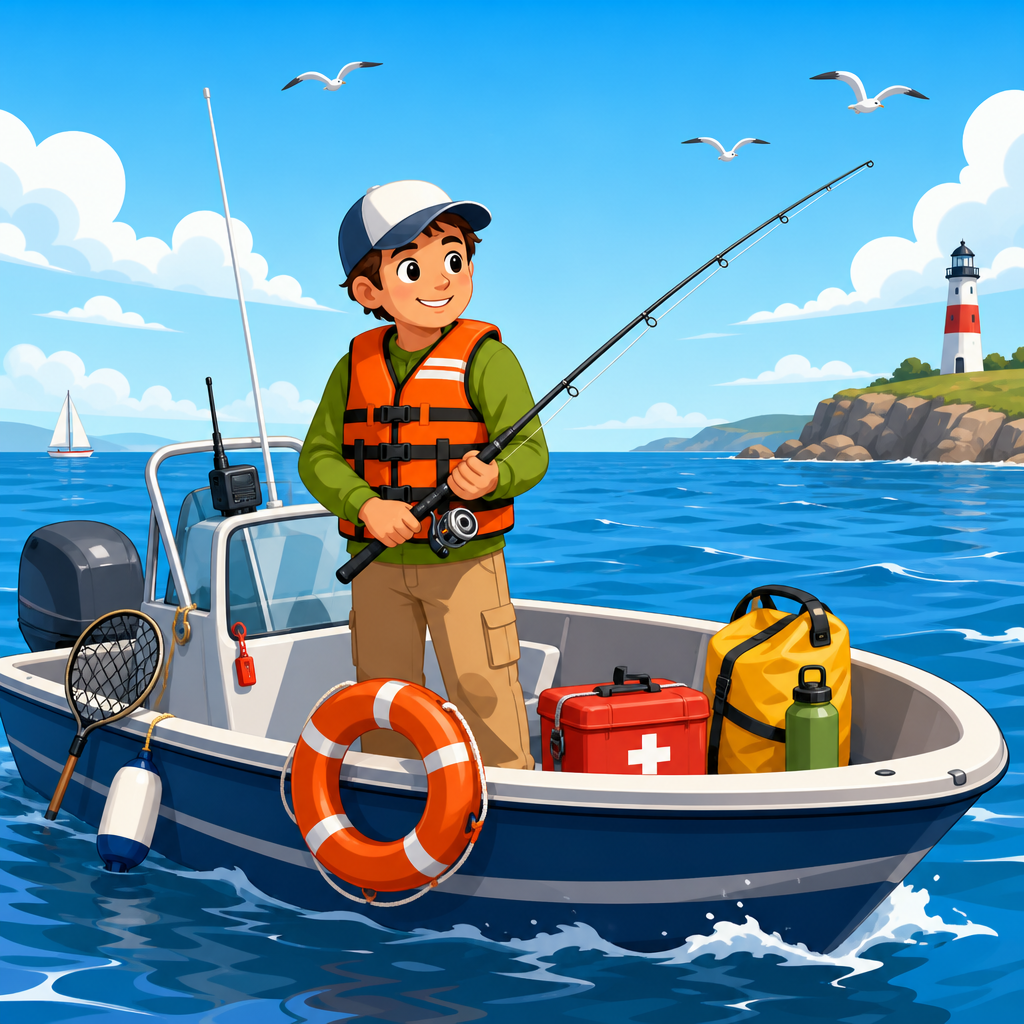
Open-water fishing is rewarding because it combines navigation, weather judgment, boat handling, fish behavior, and personal endurance, but that same mix creates risks that injure or kill unprepared anglers every year. Staying safe while fishing in open water means controlling the hazards you can predict, preparing for the ones you cannot, and building habits that work whether you are casting from a center-console offshore, trolling a large lake, or drifting a bay in changing conditions. In practical terms, open water refers to any area where distance from shore, boat traffic, wind exposure, current, depth, or weather can quickly turn a routine trip into an emergency. Safety and training for water sports and fishing matter here because rescue times are longer, conditions change faster, and small mistakes compound. I have seen experienced anglers lose control of the day by overlooking simple steps such as checking a marine forecast, wearing a life jacket consistently, or telling someone when they planned to return. The safest anglers are not the boldest; they are the most methodical. They prepare equipment before launch, understand local rules, train for man-overboard and radio use, and stop fishing when the environment says stop. This hub explains the core systems behind open-water fishing safety so you can make better decisions before, during, and after every trip.
Start with a trip plan, realistic risk assessment, and local knowledge
The first rule of staying safe while fishing in open water is to decide whether the trip should happen at all. A trip plan is more than a rough idea of where you will fish. It should include the launch site, intended route, primary and backup fishing areas, names of everyone onboard, vessel registration details, communications devices carried, fuel status, and a return deadline shared with a reliable contact on land. If you change areas, update that contact when possible. On larger lakes, coastal bays, and offshore grounds, this single habit shortens search time dramatically if something goes wrong.
Risk assessment starts with matching the trip to the least experienced person aboard, not the most confident. A calm inshore morning may be appropriate for a beginner; crossing a wind-against-tide inlet is not. Check the marine forecast, not just a general weather app. In the United States, the National Weather Service marine forecast, NOAA data, tide tables, and local buoy observations are standard references. Wind speed, gust spread, wave period, water temperature, tide stage, current direction, visibility, and thunderstorm timing all matter. A forecast of three-foot seas can be manageable offshore in a heavy, well-handled boat with long wave periods, but steep short-period chop on a small craft can be punishing and unsafe.
Local knowledge closes the gap between forecast and reality. Every open-water area has hazards that maps do not explain well: shifting sandbars, ferry lanes, tidal rips, submerged timber, afternoon thermal winds, fog corridors, and launch ramps that become difficult at low tide. Learn them from charts, harbor authorities, experienced captains, and tackle shops with a reputation for giving practical advice. When I prepare a new area, I mark no-go shoals, emergency harbors, no-wake zones, and alternate ramps before I ever leave the dock. That preparation reduces rushed decisions, which are often the real cause of emergencies.
Wear the right personal safety gear and make it accessible
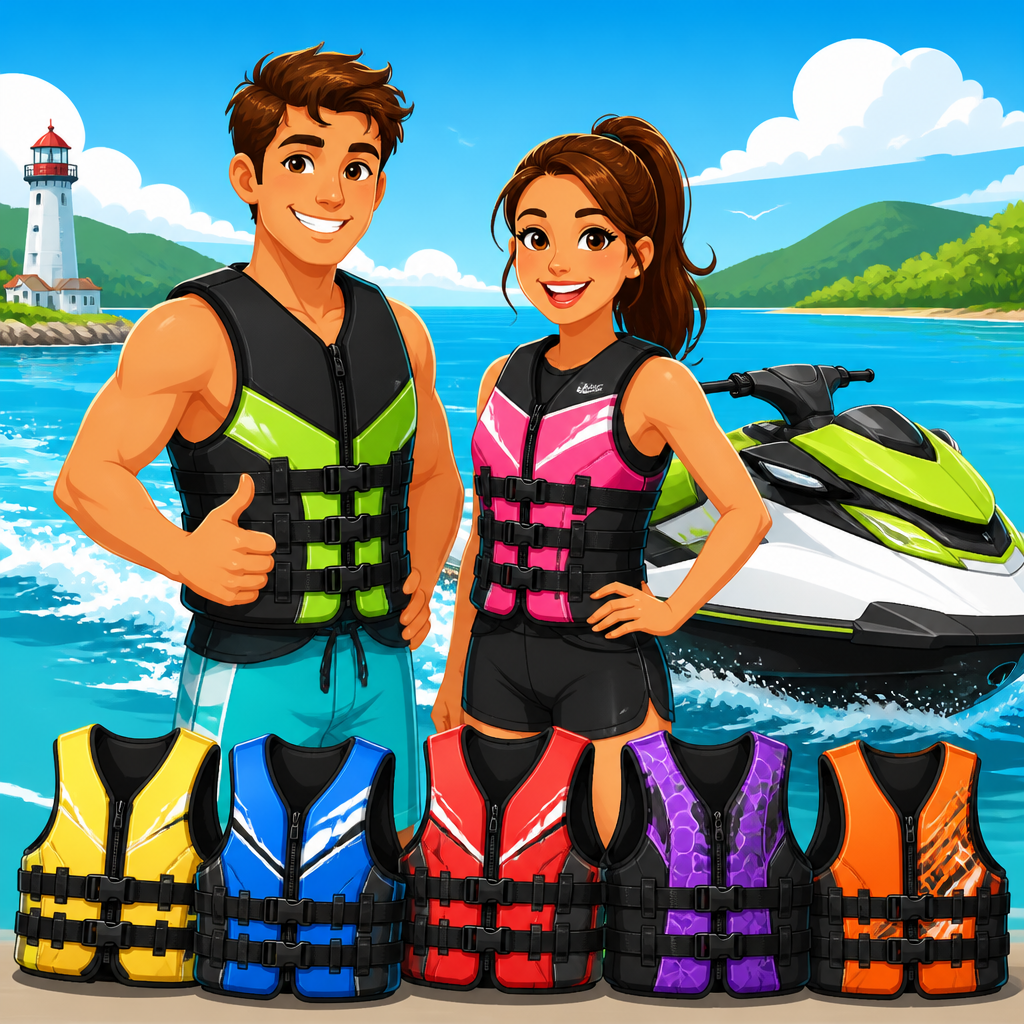
The most important piece of fishing safety gear in open water is a properly fitted, Coast Guard-approved personal flotation device. On many boats, there are enough life jackets onboard to satisfy regulations, yet they are buried under seats and never worn. In cold water, rough weather, night operations, or solo fishing, wearing the life jacket is the only defensible standard. Automatic inflatable PFDs are popular because they are less bulky, but they require inspection, compatible use conditions, and understanding of maintenance intervals. Foam vests are simpler, more durable, and often better for children and high-spray conditions.
Clothing is also survival equipment. Dress for immersion, not just air temperature. Water removes heat far faster than air, and even relatively mild water can disable someone quickly through cold shock and loss of coordination. Layered technical clothing, waterproof outerwear, non-marking footwear with aggressive grip, sun-protective fabric, gloves for leader handling, and polarized eyewear all contribute directly to safety. Sunglasses are not just about comfort; they reduce glare and improve your ability to read waves, spot floating debris, and judge depth over shoals.
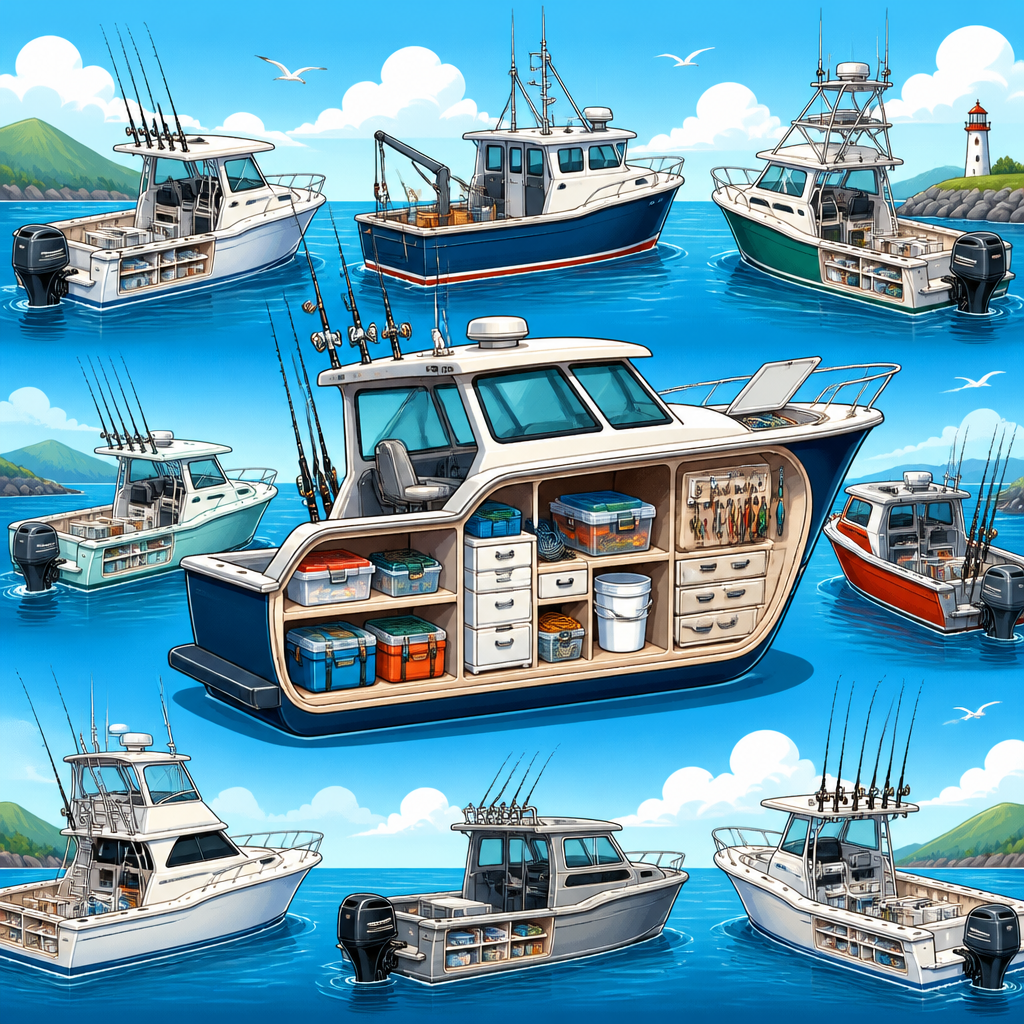
Every crew should know where critical gear is stored and how to use it without instruction. That includes throwable flotation, visual distress signals where required, whistle or horn, first-aid kit, knife, fire extinguisher, anchor, emergency paddle on small craft, dewatering pump or bailer, and a boarding ladder. Accessibility matters as much as possession. A first-aid kit under tackle bags and spare coolers is effectively absent when a hook goes through a hand or someone slips and splits a scalp on a gunwale.
Build a communications and navigation system you trust
Open-water fishing safety depends on redundancy. Your phone is useful, but it is not a complete safety system. Battery depletion, water damage, poor signal, and operator stress all limit its reliability. A fixed-mount VHF radio with Digital Selective Calling is the benchmark on larger boats because it provides stronger transmission power, direct access to Channel 16, and distress alert capability when connected to GPS and registered with an MMSI number. Handheld VHFs add backup value, especially in kayaks, skiffs, and center-consoles where a crew member may become separated from the vessel.
Navigation should be layered as well. A chartplotter is excellent, but every skipper should understand paper or downloaded charts, buoyage, depth interpretation, and safe-route planning. GPS makes it easy to run the same track repeatedly, which can create false confidence if tide, visibility, or debris conditions change. Radar becomes important in fog-prone or high-traffic areas, while AIS improves awareness of commercial traffic and crossing situations. The point is not to buy every tool; it is to know what tool closes what risk.
| Safety Need | Primary Tool | Why It Matters in Open Water |
|---|---|---|
| Distress calling | Fixed-mount VHF with DSC | Reliable range, direct emergency access, location-enabled alerting |
| Backup communication | Handheld VHF or PLB | Works if power fails or you become separated from the boat |
| Route awareness | Chartplotter with updated charts | Helps avoid shoals, structure, and restricted areas |
| Traffic detection | AIS and radar where appropriate | Reduces collision risk in fog, darkness, or busy channels |
| Location sharing | Float plan plus GPS waypoints | Speeds search and recovery if you miss check-in |
Before departure, test the radio, verify chart updates, set key waypoints, and confirm everyone aboard knows how to issue a distress call. In training sessions I recommend a simple drill: each person points to the radio, life jackets, extinguisher, first-aid kit, and kill switch. That two-minute exercise reveals confusion before confusion becomes dangerous.
Operate the boat for conditions, not ego
Boat handling causes many preventable incidents because anglers focus on fishing conditions and overlook seamanship. Weight distribution matters. Overloading the stern with coolers, batteries, extra fuel, and multiple anglers can increase bow rise, reduce visibility, and make following seas more hazardous. Secure loose gear before running. A tackle tray underfoot becomes a slip hazard the moment the boat pitches. Use the engine cut-off lanyard, especially when operating alone or at speed in a small craft; an unmanned circling boat is a classic fatal scenario.
Speed should match visibility, traffic, and sea state. In open water, pounding into chop is not just uncomfortable; repeated hull impact can damage equipment, fatigue the driver, and injure passengers’ backs and knees. Trim, tab adjustment, throttle discipline, and route angle into the seas all affect safety. If conditions deteriorate, slow down early and head for a protected option before the inlet, crossing, or ramp becomes difficult. The best captains turn around sooner than pride wants them to.
Anchoring requires equal attention. Use adequate rode scope, account for wind and current shifts, and keep hands clear of pinch points and cleats. Anchor lines under load can snap back violently. When drifting, monitor orientation so lines, sea anchors, and loose ropes cannot foul the propeller. These are ordinary operations, but in real incidents, ordinary operations are where fingers are crushed, ankles are twisted, and boats end up sideways to dangerous seas.
Prepare for weather, cold water, fatigue, and medical emergencies
Weather is the dominant external threat in open-water fishing. Thunderstorms deserve zero negotiation. If lightning is in the forecast window, shorten the trip or cancel. Squall lines, sea breezes, and frontal passages can push wind speeds up far faster than casual anglers expect. The safest practice is to set objective limits before departure: maximum wind, maximum wave height, minimum visibility, and a latest safe return time. Decision rules prevent “just one more drift” thinking when conditions are already shifting.
Cold water is dangerous even in moderate air temperatures because of cold shock, involuntary gasping, and rapid loss of dexterity. According to long-standing boating safety guidance, unexpected immersion can incapacitate an adult long before true hypothermia develops. That means ladders, reboarding methods, and man-overboard practice are essential. Solo anglers face the highest stakes here; if you go overboard without a PFD and communication device on your person, the situation may be unrecoverable within minutes.
Fatigue and dehydration are quieter risks. Long runs, sun exposure, motion, and concentration erode judgment. Schedule water intake, keep shade available when possible, and rotate demanding tasks like spotting navigation markers or running in rough seas. A first-aid kit should support marine realities: seasickness treatment, bandages that stay on when wet, antiseptic, hook-removal tools or cutters, compression wrap, burn treatment for sun or hot surfaces, and any required personal medications. Take a first-aid and CPR course if you fish open water regularly. That training pays off faster than most gear purchases.
Fish safely: manage hooks, knives, fish handling, and human factors
Fishing itself introduces hazards that boaters sometimes underestimate because they are familiar. Hooks in motion, braided line under tension, gaffs, knives, bleeding decks, and excited crews create injury chains quickly. Establish casting zones so nobody is backcasted in the face. During trolling or live-bait fishing, call out when lines cross or a fish changes direction around the bow. Keep cutting tools sharp and stored, not loose in cup holders. Dull knives require more force and cause worse slips.
Fish handling should protect both angler and catch. Species with spines, teeth, crushers, bills, or violent head shakes need species-specific handling methods. Dehooking tools, lip grips used correctly, wet hands for sensitive fish, and a stable deck position reduce harm. On larger fish, many injuries happen at the moment of celebration, not the fight itself, when balance is lost near the gunwale. Use one person to control the fish and another to clear the cockpit. If blood, slime, or spray coats the deck, clean it before someone steps backward onto it.
Human factors matter as much as equipment. Alcohol, overconfidence, target fixation, and peer pressure repeatedly appear in boating incident reports. The skipper must be willing to cut a trip short, decline a crossing, or require life jackets without debate. Safety culture sounds abstract until you fish with a crew that has one. Then it looks simple: clear roles, calm communication, no running with loose gear, no unsafe horseplay, and immediate correction of small problems before they grow.
Train regularly and connect this hub to every future trip
The best answer to how to stay safe while fishing in open water is consistent training backed by repeatable systems. Practice docking, man-overboard recovery, radio distress calls, anchoring, navigation in low visibility, and reboarding from the water. New boat owners should take a recognized boating safety course, and offshore anglers benefit from advanced instruction in weather, sea state, and emergency procedures. If you fish from kayaks, paddleboards, or small skiffs, train specifically for capsize recovery and cold-water self-rescue rather than assuming general boating advice is enough.
As a hub for safety and training for water sports and fishing, this topic naturally branches into life jacket selection, marine weather reading, navigation basics, kayak fishing safety, solo boating precautions, hook injury first aid, trailering safety, and emergency communication tools. Treat those as connected skills, not separate articles in your mind. Real-world safety is cumulative. A sound trip plan helps radio response. Proper clothing supports survival after a fall. Good deck management prevents the injury that distracts the skipper during a weather change.
The core takeaway is straightforward: safe open-water fishing is built before the first cast. Plan the trip carefully, monitor marine weather, wear the right flotation, carry redundant communication, operate the boat conservatively, and rehearse emergencies until they feel routine. Those habits protect you, your crew, and the people who may have to rescue you. Review your current setup before your next trip and fix the weakest link now.
Frequently Asked Questions
1. What safety gear should I always bring when fishing in open water?
The most important item is a properly fitted, U.S. Coast Guard-approved personal flotation device for every person on board, and it should be worn, not just stored. Many open-water emergencies happen too fast for someone to find and put on a life jacket after trouble starts. Beyond flotation, carry a reliable VHF marine radio, a fully charged phone in a waterproof case, visual distress signals, a sound-producing device such as a whistle or horn, and a well-stocked first-aid kit. A throwable flotation device, fire extinguisher, navigation lights, anchor and rode, bilge pump, paddle or backup propulsion, and emergency tool kit should also be considered standard equipment, not extras.
It is also smart to pack for exposure, because weather and water temperature can become dangerous long before a true emergency develops. Bring drinking water, sun protection, extra layers, rain gear, polarized sunglasses, and dry storage for essential items. If you are fishing offshore or in large, remote water, add an EPIRB or personal locator beacon, spare batteries or backup power, and paper charts as a backup to electronics. The goal is simple: if the engine fails, the weather turns, someone is injured, or you end up in the water, you should already have the gear needed to stabilize the situation and call for help.
2. How can I tell if weather and water conditions are too dangerous for open-water fishing?
Start by checking multiple forecasts before you leave, including wind speed and direction, wave height, radar, tide information, water temperature, and the chance of thunderstorms. Open water becomes risky quickly when strong wind stacks waves against tide or current, when visibility drops, or when storms are likely to build during the hours you plan to be out. Many anglers make the mistake of only looking at the morning forecast, but safe trip planning means checking how conditions will change throughout the day and whether your return run could be rougher than your departure.
On the water, keep reassessing. Darkening clouds, sudden wind shifts, building chop, lightning, fog, and temperature drops are all warning signs. If conditions are getting worse faster than expected, leaving early is usually the safest choice. Also remember that “fishable” does not always mean “safe for your boat, crew, and experience level.” A large offshore boat can handle conditions that would be dangerous in a small aluminum boat, kayak, or lightly powered skiff. The right decision depends on vessel size, freeboard, fuel range, crew ability, communication equipment, and distance from shelter. Good judgment is one of the most valuable safety tools you can bring.
3. What should I do before leaving shore to prepare for a safe open-water fishing trip?
Preparation starts with the boat itself. Check fuel levels, battery charge, engine oil, cooling flow, bilge operation, steering response, lights, electronics, and safety gear before every trip. Make sure the drain plug is in, the anchor is secure, and the weather-resistant storage areas are actually closed and sealed. Confirm that navigation systems, fish finders, radios, and GPS units are functioning, but do not rely on electronics alone. If you launch with mechanical issues, weak batteries, or missing equipment, you are increasing the chance that a routine problem turns into a serious emergency far from shore.
Just as important, leave a float plan with someone dependable. Tell them where you are launching, where you expect to fish, who is with you, when you plan to return, and when they should call for help if they have not heard from you. Brief everyone on board about life jackets, radio use, emergency shutoff lanyards, first-aid supplies, and what to do if someone falls overboard. Load the boat carefully, distribute weight evenly, avoid overcapacity, and make sure everyone understands basic movement rules so no one destabilizes the vessel during a fight with a fish or while changing positions. A safe trip usually begins long before the first cast.
4. What are the biggest mistakes anglers make in open water, and how can I avoid them?
One of the biggest mistakes is underestimating conditions because the trip begins in calm weather. Open water can turn dangerous with surprising speed, especially when wind, current, and distance from shore combine. Another common mistake is not wearing life jackets, particularly among experienced anglers who become comfortable over time. Complacency is a major safety risk. People also get into trouble by overloading a boat, standing or moving suddenly at the wrong time, failing to monitor fuel use, venturing farther than their range allows, and relying too heavily on a single electronic device for navigation or communication.
Alcohol is another serious issue. Even small amounts can affect judgment, balance, reaction time, and awareness, all of which matter more in open water than many people realize. Fatigue, dehydration, sun exposure, and cold stress also impair decision-making and physical ability. To avoid these mistakes, keep routines simple and repeatable: wear your PFD, monitor weather throughout the trip, maintain the boat, know your fuel margin, stay within your skill level, and turn back before conditions force the decision for you. Safe anglers are rarely the ones who take the most chances; they are the ones who build disciplined habits and follow them every time.
5. What should I do if someone falls overboard or an emergency happens while fishing in open water?
If someone goes overboard, act immediately and keep your eyes on that person at all times. Shout “man overboard” so everyone on board knows what is happening, throw flotation right away, and assign one person to point continuously at the victim to maintain visual contact. Approach carefully from downwind or down-current if possible, and avoid putting the boat in a position where the person could be struck by the hull or propeller. Use a boarding ladder, rescue sling, or multiple hands from a stable position to bring them back aboard. If the water is cold, treat the rescue as time-critical, because cold shock and loss of swimming ability can happen within minutes.
For any major emergency, such as mechanical failure, fire, collision, flooding, serious injury, or sudden severe weather, your priorities are to keep everyone afloat, communicate clearly, and prevent the situation from escalating. Use the VHF radio to call for help if needed, activate emergency signaling devices, put life jackets on anyone not already wearing one, and control immediate hazards such as water intrusion or flames if it is safe to do so. If the boat is disabled, stay with it unless remaining aboard is more dangerous than entering the water, because a vessel is usually easier for rescuers to locate than a person. In every emergency, calm, practiced responses save lives. That is why reviewing procedures before leaving the dock is so important: when stress spikes, people fall back on habits.