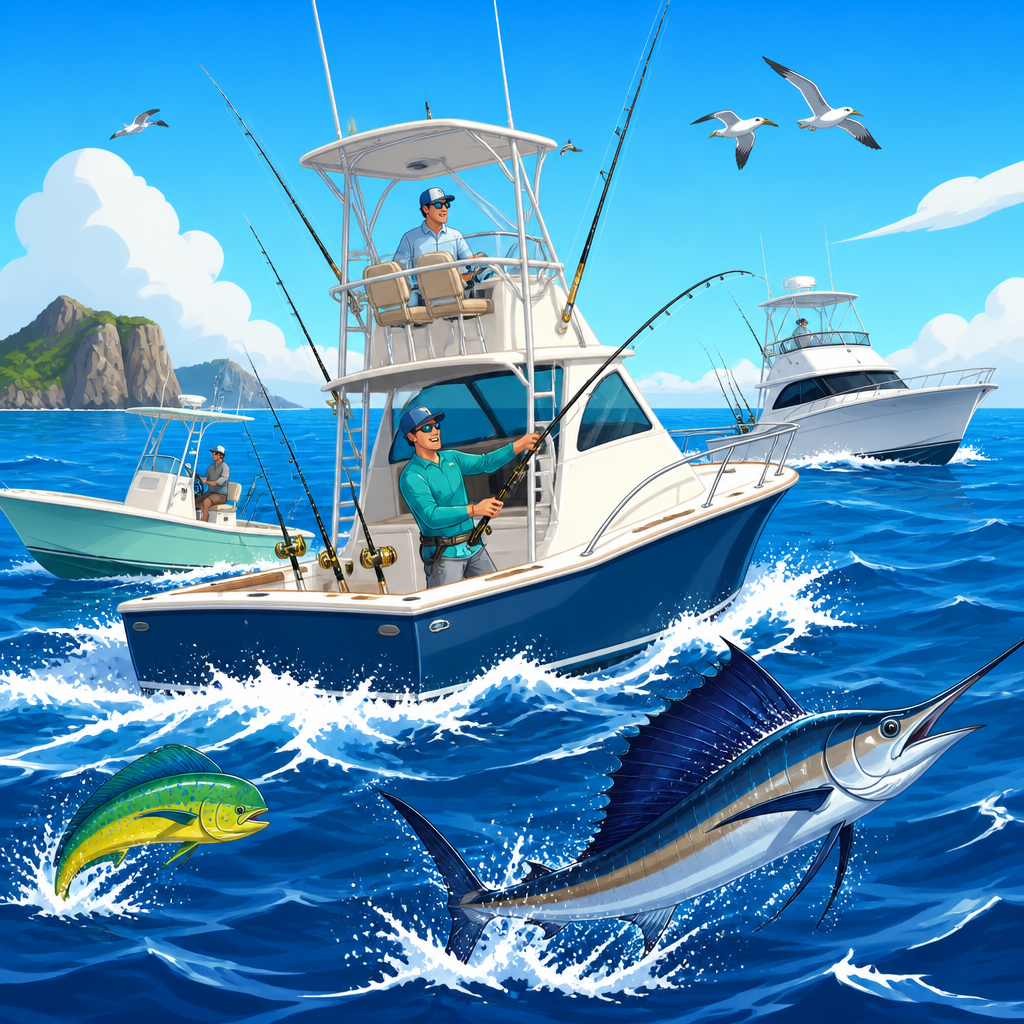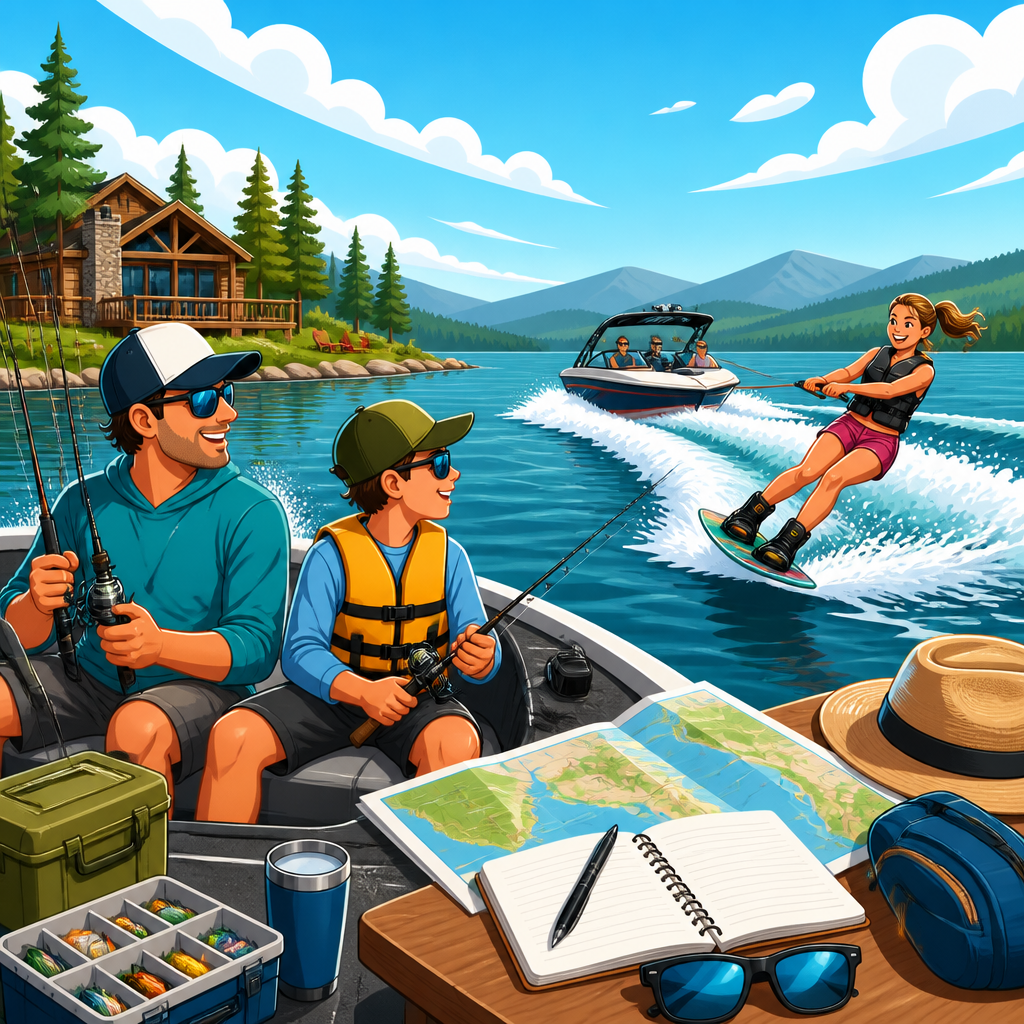

Water sports are exhilarating because they combine speed, weather, water conditions, and human judgment, but those same variables make safety gear and proper training nonnegotiable for anyone who kayaks, surfs, sails, paddles, water-skis, fishes from a boat, or rides a personal watercraft. In practical terms, safety gear for water sports means the wearable equipment, rescue devices, communication tools, and training systems that reduce the chance of injury, drowning, collision, hypothermia, heat illness, and delayed rescue. This hub article covers the full safety and training picture for fishing and water sports, from life jackets and helmets to float plans, weather awareness, rescue practice, and boating regulations. I have learned on guide boats, paddle launches, and marina docks that incidents rarely come from a single dramatic mistake; they usually begin with a small oversight, like a poorly fitted personal flotation device, a dead VHF radio battery, a missing whistle, or an angler who underestimates wind and current. That is why the essential safety gear for water sports enthusiasts is never just one item. It is a layered system built around preparation, visibility, flotation, communication, and skill. For beginners, this article answers a basic question directly: what gear do you absolutely need before getting on the water? For experienced participants, it serves as a practical reference point that connects equipment choices to real conditions and realistic risk management. Good safety habits protect not only the individual athlete or angler but also companions, bystanders, and rescue personnel.
Across fishing and water sports, the baseline objective is simple: stay afloat, stay visible, stay connected, and stay capable of self-rescue long enough for help to arrive or for conditions to improve. The U.S. Coast Guard, boating agencies, paddlesports instructors, surf schools, and sailing organizations all emphasize the same principle in different language: equipment works best when matched to the activity, the environment, and the person using it. A surf leash makes sense for surfing but not for every river scenario. A Type III or Type V life jacket may be ideal for paddling, while an offshore boater may need a different flotation profile and additional signaling gear. Chest waders without a belt can create hazards during bank fishing, and cotton clothing can accelerate heat loss in cold spray or sudden immersion. Training matters just as much as buying gear. A waterproof phone pouch is helpful only if someone knows who to call, where they are, and how to communicate under stress. Likewise, a throwable flotation cushion does little if nobody aboard has practiced an overboard recovery. This page is designed as the hub for safety and training in the broader fishing and water sports category, so it addresses universal essentials first and then explains how gear and instruction change by craft, location, and season. The result is a more reliable way to make decisions before, during, and after every trip.
Core Personal Protective Equipment Every Water Sports Participant Needs
The first and most important piece of safety gear is a properly fitted personal flotation device, often called a PFD or life jacket. For most recreational users, the right choice is not simply the one with the highest buoyancy rating; it is the one approved for the activity, correctly sized, and comfortable enough to be worn continuously. I have seen new paddlers buy bulky vests, stash them under deck bungees, and then discover too late that inaccessible gear is effectively absent gear. A good PFD should fit snugly at the shoulders and torso without riding up over the chin when lifted. Youth sizes must match weight ranges, and anglers should look for high-back designs that work with kayak seats and include practical pocket layouts for pliers, line cutters, and signaling devices.
Helmets are equally essential in whitewater paddling, wake sports, foiling, river fishing near rapids, and any environment where impact with boards, rocks, docks, masts, or boom hardware is plausible. A water helmet differs from a bike helmet because it is built for repeated immersion, drainage, side impact management, and retention in moving water. Eye protection also belongs on the essentials list. Polarized sunglasses improve hazard detection by cutting surface glare, while retention straps prevent loss in rough conditions. For sun exposure, long-sleeve UPF clothing, brimmed hats compatible with the activity, reef-safe sunscreen, and lip protection reduce heat stress and cumulative skin damage during long sessions.
Footwear is often overlooked until someone slips on algae-slick ramps, cuts a foot on shells, or steps onto hot decking barefoot. Closed-toe water shoes, neoprene boots, or nonmarking deck shoes should match surface conditions and drainage needs. Thermal protection matters whenever water temperature, not air temperature, creates the real hazard. In many climates, cold shock and hypothermia are possible well outside winter. Wetsuits insulate by trapping a thin layer of water warmed by the body, while drysuits use seals and insulating layers to keep the wearer dry in significantly colder conditions. For anglers in waders, a snug wading belt helps limit water entry and supports mobility during a fall. Gloves can protect against line burns, blisters, cold exposure, and fish handling injuries, but dexterity requirements vary. The key principle is exact matching: wear gear designed for immersion, impact, traction, and weather, not generic outdoor clothing that happens to get wet.
Boat, Board, and Shore Safety Equipment That Prevents Small Problems From Escalating
Once personal gear is covered, the next layer is craft-based safety equipment. Whether someone is on a fishing skiff, kayak, stand-up paddleboard, sailboat, or personal watercraft, they need tools that help them signal distress, control emergencies, and stay with the vessel. Sound signaling devices are a legal requirement in many jurisdictions and a practical necessity everywhere. A pealess whistle attached to a PFD is lightweight, inexpensive, and effective in low visibility or after a capsize. Visual signaling equipment ranges from signal mirrors and waterproof strobes to daytime distress flags and U.S. Coast Guard approved flares for larger boats. Navigation lights become critical during low-light operation and are often required by law, but even daylight users benefit from bright deck colors, reflective tape, and high-visibility clothing.
Leashes deserve special attention because they are context-dependent. For surfers, a board leash prevents separation from the flotation platform and reduces danger to others. For stand-up paddleboards, an ankle or calf leash may be appropriate in flatwater, while quick-release waist systems are safer in moving water where entanglement is a real risk. Kayak anglers should secure essential gear with tethers sparingly; too many loose lines create snag hazards during re-entry. Every vessel should also carry a basic first aid kit tailored to the trip length and injury profile. On fishing boats, that usually means bandages, antiseptic, seasickness medication if appropriate, trauma dressings, tweezers, hook removal tools, and gloves. On paddle craft, compact waterproof packaging matters more than quantity.
| Activity | Must-Have Gear | Why It Matters |
|---|---|---|
| Kayaking or canoeing | PFD, whistle, bilge pump or sponge, paddle leash if suitable, dry bag | Supports flotation, signaling, water removal, and retention of essentials after a capsize |
| Boat fishing | PFD, throwable device, VHF radio, first aid kit, fire extinguisher | Addresses overboard recovery, communication, medical response, and onboard fire risk |
| Surfing or foiling | Leash, impact vest where appropriate, helmet in higher-risk settings | Keeps rider connected to flotation and reduces blunt-force injury risk |
| SUP in open water | PFD or legal equivalent, quick-release leash as conditions require, phone or VHF | Prevents board separation and improves rescue chances if wind carries the craft away |
| Sailing | PFD, harness or tether offshore, knife, lights, VHF radio | Helps prevent overboard loss and supports communication and line emergency response |
On motorized vessels, fire extinguishers, ventilation, engine cut-off switches, and anchor systems are part of safety gear, not optional accessories. An emergency paddle on small boats can be just as important as a spare prop pin. For shore anglers and beach users, the “craft” may be absent, but the need for rescue-ready equipment is not. A dry bag, headlamp, charged phone, small first aid kit, hydration, and traction aids for rocks are often the difference between a manageable inconvenience and a night emergency. Safety equipment should be packed so the most urgent items are wearable or instantly accessible, not buried under coolers, tackle crates, or tow ropes.
Communication, Weather Awareness, and Navigation Tools That Save Lives
Communication failures turn routine incidents into serious emergencies. The most common mistake I see is overreliance on a smartphone without redundancy. Phones are useful for maps, weather radar, emergency calling, and location sharing, but they fail through water intrusion, battery drain, overheating, and loss of signal. A waterproof case or pouch helps, yet dedicated marine communication remains superior on larger waters. A fixed-mount or handheld VHF radio provides direct contact with nearby boaters, marinas, and emergency channels, especially Channel 16 in U.S. waters. Digital Selective Calling features, when properly registered with an MMSI number, add another layer of emergency precision. For remote areas, a personal locator beacon or satellite messenger can be the decisive tool when cellular service disappears.
Weather planning starts before departure and continues on the water. Participants should check wind speed, gust forecasts, tide tables, swell period, river discharge, lightning risk, water temperature, and sunset time. Wind direction often matters more than total speed because offshore winds can carry paddleboards and kayaks away from shore, while strong crosswinds make return trips exhausting and dangerous. Anglers in small craft should evaluate not only forecasted waves but also boat traffic, wakes, and the interaction between tide and inlet current. Named tools such as NOAA marine forecasts, local buoy data, radar apps, and chart plotters provide actionable information, but they require interpretation. A simple example is a beginner kayak angler who launches in calm morning conditions and ignores a forecast showing afternoon gusts over twenty knots; the outbound leg feels easy because the wind is helping, and the return becomes a draining safety problem.
Navigation tools are safety gear because getting lost on water increases exposure time. At minimum, users should know the launch point, nearby safe landings, restricted zones, and return bearings. GPS watches and chart apps are helpful, but a waterproof chart, deck compass, or basic shoreline navigation plan remains valuable when screens fail. The most underrated navigation habit is filing a float plan with a reliable person on shore. It should include launch location, route, expected return time, vessel description, vehicle description, and emergency contacts. This is especially important for solo anglers, offshore paddle users, and anyone launching before daylight. Search operations begin faster and more accurately when someone can provide exact details instead of saying only that a friend went fishing sometime that morning.
Training, Rescue Skills, and Safety Habits That Make Gear Effective
The best gear in the world is compromised by poor skill, panic, or lack of rehearsal. Water safety training should be viewed as a system of competencies, not a one-time class. Every enthusiast should be able to swim competently, tread water, control breathing after unexpected immersion, and assist without creating a second victim. For paddlers, this includes wet exits, self-rescue, assisted rescue, and deep-water re-entry. For boaters, it includes man-overboard procedures, engine cut-off use, anchoring basics, and emergency communication protocols. For anglers, it includes safe casting distances, hook handling, knife use, livewell awareness, and balance management when landing fish.
Formal instruction accelerates judgment. Recognized courses from boating safety agencies, sailing schools, surf instructors, lifeguard programs, and paddlesports organizations teach not only technique but also decision frameworks. In my experience, the most valuable training outcome is learning when not to launch. Novices often focus on performance skills, yet conservative go or no-go judgment prevents more incidents than advanced maneuvers do. Cold-water immersion training is particularly useful because it dispels myths. People often assume they can simply swim back if they capsize, but cold shock, impaired dexterity, and heavy clothing can make even short distances unrealistic within minutes.
Routine safety habits should become automatic. Check buckles and zippers before launch. Test radios and lights. Confirm drain plugs, kill switches, and battery charge. Stow hooks and gaffs securely. Keep decks clear to prevent entanglement and trips. Hydrate before thirst appears, because dehydration worsens judgment and motion sickness. Establish a buddy check before leaving shore or dock, especially with children. If teaching beginners, assign one skill at a time and use controlled water first. The objective is not fear; it is calm competence. Repetition builds speed under stress, and speed matters when someone is in cold water, bleeding from a hook injury, or drifting toward a channel marker.
Choosing Safety Gear for Specific Conditions, Seasons, and Experience Levels
No single checklist fits every session, so the final step is adjusting gear to conditions and user profile. Cold water, offshore distance, river current, surf zone energy, night operations, and participant age all change the equipment threshold. Families with children should prioritize inherently buoyant life jackets, sun shelters, extra hydration, and simple communication plans. Older participants may need boarding ladders, re-entry aids, and high-contrast displays that reduce physical strain. Beginners should favor stable craft, sheltered water, short trip durations, and gear with low setup complexity. Experienced users may carry more specialized tools, but specialization should never replace core safety fundamentals.
Seasonal adjustment is critical. Summer brings heat illness, thunderstorms, heavy traffic, and complacency. Winter and shoulder seasons bring cold water, shorter daylight windows, and fewer nearby rescuers. Fishing-specific hazards also deserve attention: barbed hooks, castable treble lures, fish spines, blood slicks on decks, and distraction during active bites all raise incident potential. A landing net can be considered safety gear when it reduces leaning, overreaching, and chaotic fish handling. Likewise, a line cutter on the PFD is a safety tool, not just tackle convenience. The most effective safety setup is the one reviewed before every trip, updated after every close call, and chosen with humility about changing water conditions.
The essential safety gear for water sports enthusiasts is not a shopping list to complete once and forget. It is an integrated approach that combines proper flotation, activity-specific protective equipment, reliable communication, weather and navigation awareness, and practiced rescue skills. The hub principle for safety and training in fishing and water sports is straightforward: match the gear to the risk, then build the judgment to use it well. A life jacket that fits, a radio that works, a whistle within reach, and a realistic understanding of wind, current, and water temperature prevent more emergencies than any last-minute improvisation. Training turns equipment from passive insurance into active capability, whether that means re-entering a kayak, recovering a person overboard, or deciding to postpone a trip because the conditions have shifted beyond your margin.
If you want safer, more confident days on the water, start by auditing your current setup against the fundamentals in this guide. Replace missing essentials, practice one rescue skill this week, and create a float-plan habit before your next launch. From there, build outward into the specific safety and training topics linked throughout your fishing and water sports planning. Better preparation does not reduce the fun of water sports; it protects the freedom to keep enjoying them season after season with fewer close calls, stronger judgment, and far greater peace of mind for everyone on the water.
Frequently Asked Questions
What safety gear is absolutely essential for most water sports enthusiasts?
The most essential safety gear for nearly all water sports starts with a properly fitted personal flotation device, or PFD. Whether someone is kayaking, paddleboarding, sailing, fishing from a boat, riding a personal watercraft, or participating in tow sports, a life jacket is the single most important piece of protective equipment because it reduces the risk of drowning if a person is injured, exhausted, or unexpectedly enters the water. Beyond flotation, the basics usually include a whistle or sound-signaling device, a waterproof communication tool such as a VHF radio or phone in a dry case, weather-appropriate clothing, and a method of preventing separation from the craft, such as a leash for paddlers or an engine cut-off lanyard for personal watercraft operators. In many situations, protective footwear, gloves, a helmet, and eye protection are also smart additions.
The exact list should always match the activity, location, and conditions. For example, a surfer may prioritize a leash, wetsuit, and impact vest, while a boater may need flares, navigation lights, a throwable flotation device, and a first-aid kit. Cold water environments call for thermal protection such as a wetsuit or drysuit, while sunny open-water conditions demand sun-protective clothing, sunglasses with retention straps, and high-SPF sunscreen. The key point is that “essential” does not mean minimal. It means choosing gear that addresses the real hazards involved: drowning, blunt-force injury, collision, hypothermia, sun exposure, dehydration, and delayed rescue. The best safety setup combines flotation, communication, signaling, environmental protection, and activity-specific equipment rather than relying on a life jacket alone.
How do I choose the right life jacket or personal flotation device for different water sports?
Choosing the right life jacket begins with understanding that fit, intended use, and certification matter just as much as buoyancy. A PFD should be approved by the relevant safety authority in your region, matched to the user’s weight and chest size, and designed for the specific activity. A general boating life jacket may be perfectly suitable for fishing from a boat or casual paddling, but it can feel bulky and restrictive for high-mobility sports like kayaking, paddleboarding, or sailing. In those cases, low-profile paddling or sailing PFDs are often better because they allow freer arm movement while still providing reliable flotation. For personal watercraft use, a more secure, impact-capable vest is usually the better choice, especially at higher speeds.
Fit is critical. A life jacket that rides up over the chin, shifts excessively, or feels loose when the straps are tightened is not a safe fit. Users should try the jacket on with the kinds of clothing they will actually wear on the water, because a thin rash guard fits differently under a vest than a thick wetsuit or rain layer. Features also matter. Pockets can be useful for storing a whistle, waterproof light, or knife; high-visibility colors improve detection in the water; and mesh panels can help with ventilation in hot weather. For offshore or rough-water situations, inflatable PFDs may appeal because of comfort, but they are not ideal for every user or every sport. They require maintenance, familiarity, and a realistic understanding of limitations. Anyone who may be unconscious after impact, is a weak swimmer, or participates in activities with frequent immersion should carefully evaluate whether a standard inherently buoyant vest is the safer option.
Why is cold-water protection such a big part of water sports safety gear?
Cold-water protection is crucial because water removes body heat far faster than air, and even experienced athletes can become incapacitated surprisingly quickly. Many people assume the main danger is simply “feeling cold,” but the more serious concerns are cold shock, loss of breathing control, reduced swimming ability, impaired judgment, and hypothermia. In practical terms, a person who unexpectedly falls into cold water may gasp involuntarily, struggle to regulate breathing, lose hand function, and become unable to self-rescue long before true hypothermia fully develops. That is why thermal protection is not just a comfort item. It is lifesaving equipment.
The right choice depends on water temperature, air temperature, wind, activity level, and how likely immersion is. Wetsuits work by trapping a thin layer of water that the body warms, making them useful for surfing, paddling, and many active sports where getting wet is expected. Drysuits, by contrast, keep water out and are often preferred in very cold conditions or for activities where prolonged immersion could be especially dangerous. Layering underneath a drysuit helps regulate warmth. Accessories matter too: neoprene boots, gloves, and hoods can significantly reduce heat loss and preserve dexterity. Water sports enthusiasts should plan around water temperature first, not just the day’s air temperature, because a warm sunny day can still involve dangerously cold water. Training also matters here. Knowing how to re-enter a kayak, remount a board, or get back onto a boat while wearing thermal gear makes the equipment much more effective in a real emergency.
What communication and rescue equipment should I carry on the water?
Communication and rescue equipment are essential because the fastest way to turn a manageable problem into an emergency is to be unable to call for help or assist someone in distress. At a minimum, water sports participants should carry a sound-signaling device such as a whistle attached directly to their PFD. On larger bodies of water, a waterproof VHF marine radio is often one of the best communication tools because it allows direct contact with nearby vessels and emergency channels. A fully charged mobile phone in a quality waterproof case can be useful as a backup, but it should not be the only communication method in remote areas or offshore conditions where coverage may be unreliable. In low-light conditions, a waterproof strobe or personal light can make a major difference in being seen.
Rescue gear should match the craft and setting. Boaters often need a throwable flotation device, heaving line, boarding ladder, first-aid kit, and visual distress signals where required by law. Paddlers may benefit from a tow line, bilge pump, paddle float, and rescue knife. Personal watercraft riders should have an engine cut-off lanyard attached and understand reboarding procedures. Groups venturing into isolated areas may also consider a personal locator beacon or satellite messenger, especially when weather can change quickly or travel plans involve open water. The larger lesson is that gear is only half the equation. Everyone should know how to use it under stress. A radio buried in a dry bag, a flare kit no one has practiced with, or a first-aid kit missing basic supplies provides a false sense of security. Reliable communication, accessible rescue tools, and routine practice together create a real safety margin.
Is training really as important as safety gear for water sports?
Yes, absolutely. Safety gear is essential, but training is what allows people to use that gear effectively and make good decisions before a situation becomes dangerous. Water sports combine changing weather, shifting water conditions, equipment handling, fatigue, and human judgment. That means accidents are rarely caused by just one thing. More often, they result from a chain of small errors: misreading conditions, overestimating skill, delaying a return to shore, not wearing the right gear, or not knowing how to respond after a capsize or fall. Training interrupts that chain. It teaches people how to assess risk, prepare properly, and respond calmly when something goes wrong.
Good training includes both formal instruction and practical drills. Depending on the sport, that may mean boating safety courses, paddling instruction, surf lessons, open-water rescue practice, CPR and first-aid certification, or education on navigation and marine weather. It also means rehearsing the basics: fitting a PFD correctly, using a radio, reboarding a personal watercraft, performing a self-rescue in a kayak, identifying signs of hypothermia or heat illness, and knowing when conditions exceed personal limits. For families and groups, training should include communication plans and buddy procedures so no one is relying entirely on improvisation. The most safety-conscious water sports enthusiasts understand that equipment reduces risk, but knowledge, skill, and judgment are what make that equipment work. In other words, the best gear in the world cannot compensate for poor preparation, while solid training dramatically improves the value of every piece of safety equipment you carry.