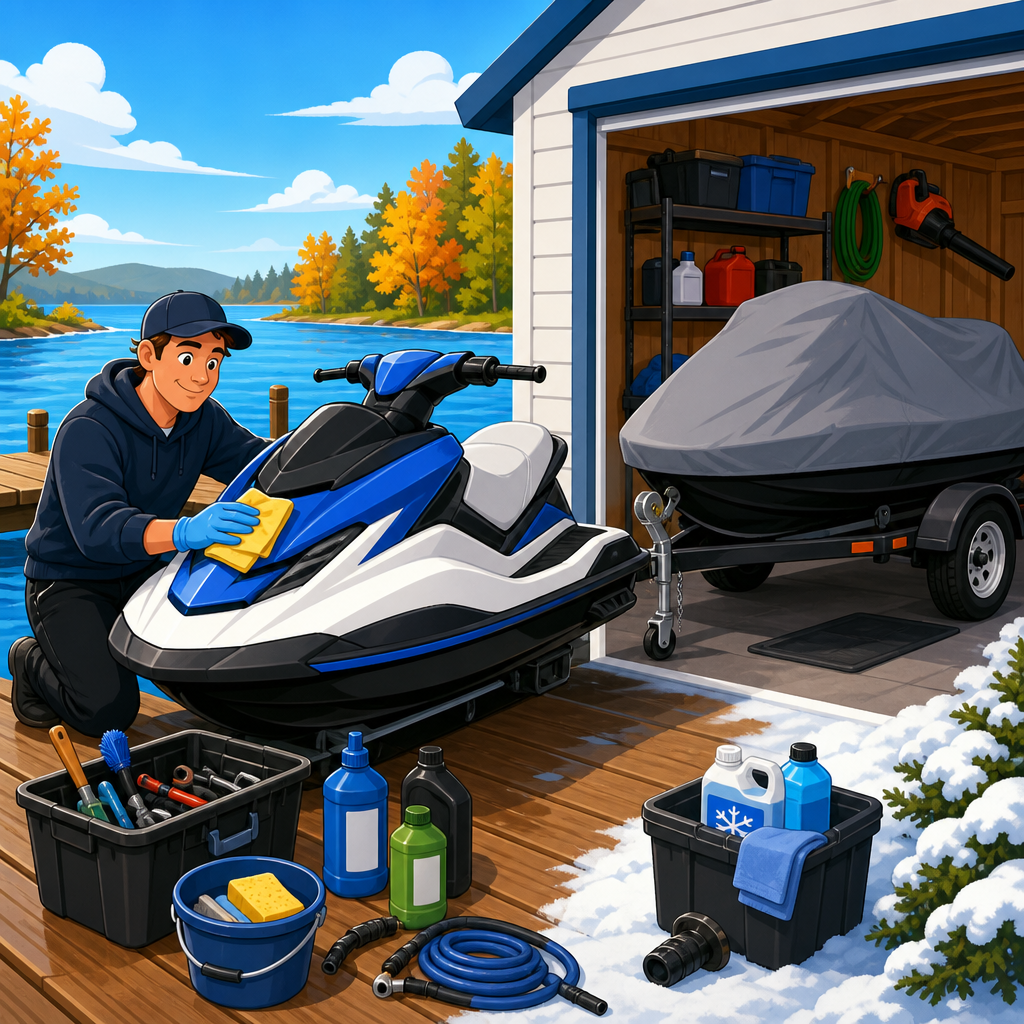
How to maintain and winterize your jet ski starts with understanding that a personal watercraft is a compact, high-output marine machine that lives in one of the harshest environments possible: sun, vibration, salt, sand, and stale fuel all work against it. In this guide, jet ski refers broadly to stand-up and sit-down personal watercraft, including models from Sea-Doo, Yamaha WaveRunner, and Kawasaki Jet Ski. Good maintenance protects reliability, resale value, and safety, while proper winterization prevents cracked engine components, corroded fuel systems, weak batteries, and seized bearings during off-season storage.
I have maintained PWCs used for lake recreation, inshore fishing access, and guided coastal rides, and the same pattern appears every season: the machines that get a disciplined inspection schedule start faster, burn cleaner, and avoid expensive spring repairs. This hub article covers the full Jet Ski & Personal Watercraft Adventures topic from a maintenance angle, including post-ride care, service intervals, storage strategy, towing preparation, battery management, hull inspection, and cold-weather layup. If you ride for family fun, fishing, island hopping, or wake exploration, these steps form the foundation for every other PWC article you will read in this category.
Why does winterization matter so much? Unlike many cars, a jet ski often sits for long stretches, uses ethanol-blended gasoline that degrades quickly, and pulls cooling water directly from the environment. Residual moisture, untreated fuel, and battery neglect can quietly damage injectors, pumps, superchargers, and electrical systems. A clear routine reduces those risks. It also helps you spot wear before a long trip, whether you are planning a calm reservoir cruise or a surf-zone launch. The practical goal is simple: preserve the machine so your next ride begins with confidence, not troubleshooting at the ramp.
At a minimum, every owner should know how to rinse correctly, dry the bilge, stabilize fuel, protect the battery, inspect the jet pump, lubricate key points, and store the craft with the right cover and ventilation. Owners should also know the limits of do-it-yourself service. Basic tasks are straightforward, but advanced work such as supercharger rebuild intervals, carbon seal diagnosis, wear ring replacement, and software fault analysis may require a dealer or marine technician. Treat this article as the central reference for keeping a PWC dependable year-round and as the starting point for deeper exploration across the broader fishing and water sports hub.
Build a maintenance routine around ride frequency, water type, and engine design
The best jet ski maintenance plan is not generic. It depends on how often you ride, whether you operate in fresh or salt water, and whether your machine uses a naturally aspirated four-stroke, a supercharged four-stroke, or an older two-stroke engine. Salt water is far more corrosive, so flushing, rinsing, and anti-corrosion treatment become mandatory after every outing. Two-strokes require close attention to oil delivery and smoke characteristics, while supercharged four-strokes demand strict oil quality, spark plug monitoring, and adherence to manufacturer service intervals.
Start with the owner’s manual and service manual. Manufacturers specify engine oil grade, spark plug gap, torque values, and flushing procedures because these vary by model year. For example, closed-loop cooled Sea-Doo models still require exhaust cooling system flushing, even though the engine block may not circulate raw water the same way an open-loop system does. Yamaha and Kawasaki models may have different hose routing, flush timing, and lanyard procedures. Following the exact sequence matters because running a PWC out of water too long can overheat seals or exhaust components within minutes.
My field rule is simple: inspect before every ride, clean after every ride, and perform calendar-based service even if the hour meter is low. A ski that ran only ten hours but sat for eight months can have worse fuel and battery issues than a rental unit with heavy weekly use and disciplined upkeep. Before launching, check fuel level, engine oil where applicable, battery voltage, drain plugs, steering movement, reverse bucket action, and trailer tie-down removal. After recovery, rinse, flush, dry, inspect, and record anything unusual like cavitation, hard starting, vibration, or warning lights.
What to check after every ride
Post-ride care has the highest return on effort because it interrupts corrosion and catches damage while it is still minor. Begin with a visual walkaround at the ramp or driveway. Look for dock rash, intake grate impacts, loose rub rail sections, and weeds or fishing line near the pump. Line wrapped around the driveshaft is a common cause of seal damage and should never be ignored. Open the seat and inspect the engine compartment for standing water, fuel smell, oil residue, and loose gear that could obstruct ventilation or contact moving parts.
Flush the cooling system according to the manufacturer’s sequence. On many models, water goes on only after the engine starts and turns off before the engine stops; reversing that order can force water backward into the engine. Use fresh water, moderate pressure, and the recommended duration, often a few minutes rather than an extended rinse. If the craft ran in salt water, I follow the flush with a corrosion inhibitor on external metal surfaces, cable ends, hose clamps, and electrical connectors, avoiding belts, brake surfaces on the trailer, and intake openings.
Wash the hull and deck with a pH-balanced marine soap. Household detergents can strip protective waxes and dry plastics. Drying matters almost as much as washing. Water trapped under the seat, in storage bins, or around electrical plugs encourages corrosion and mildew. I towel dry first, then let the seat off for ventilation. Finally, inspect the intake grate and impeller area with a light. Small nicks in the impeller or wear ring can cause cavitation, which feels like high engine revs with weak acceleration and should be corrected before the next demanding ride.
Core service points that extend engine and pump life
Routine service protects the expensive components owners rarely see. Engine oil and filter changes are central for four-stroke PWCs because these engines operate at high RPM under sustained load. Use the exact oil specification listed by the manufacturer; marine formulations address moisture exposure and shear demands differently than many automotive oils. Spark plugs should be inspected for color, gap, and deposit pattern. A clean light tan or gray appearance is normal on many engines, while oily fouling, white blistering, or uneven coloration can indicate lubrication, fueling, or cooling issues.
The jet pump deserves equal attention. The impeller, wear ring, pump bearings, and seals determine thrust efficiency. In sandy shallows, abrasive material erodes clearances quickly. If acceleration becomes soft or top speed drops without an engine fault, inspect the pump. Many owners also overlook the sacrificial anodes fitted to some models or accessories. In salt environments, these components corrode by design to protect more valuable metal parts and must be replaced when depleted. Steering and reverse systems should move smoothly with no binding, and all pivot points should be lubricated with marine-grade products where specified.
| Maintenance task | Typical interval | Why it matters |
|---|---|---|
| Engine oil and filter | Annually or manufacturer hour interval | Reduces wear, manages heat, protects internal components |
| Spark plug inspection | Every season or sooner with hard use | Confirms combustion health and supports reliable starting |
| Cooling system flush | After every ride, especially salt water | Removes salt, sand, and mineral residue |
| Battery charge check | Monthly during storage | Prevents sulfation and weak spring starts |
| Jet pump inspection | After impact, weeds, line contact, or cavitation symptoms | Maintains thrust and protects seals and bearings |
How to winterize your jet ski the right way
Winterizing a jet ski means preparing it for weeks or months of inactivity so fuel stays usable, internal surfaces resist corrosion, and freezing temperatures cannot damage components. Start with fresh fuel if possible, then add a marine fuel stabilizer at the dosage on the bottle. Fill the tank to reduce condensation space, but do not overfill. Run the engine on the hose long enough to circulate treated fuel through the rail and injectors. On carbureted older models, fogging procedures and fuel shutoff strategies may differ, so follow the manual closely.
Next, flush and drain as directed by the manufacturer. Some owners assume flushing alone removes all water, but trapped moisture can remain in exhaust sections or low points. Brief throttle blips out of water are sometimes specified to clear residual water, yet this must be done cautiously and only where the manual permits. For engines with recommended fogging, apply fogging oil through the intake path or cylinders using the approved method. The goal is to leave a protective film on internal metal surfaces so humidity does not create rust during storage.
Battery care is where many winterization jobs fail. Remove the battery or disconnect it, clean the terminals, and store it on a smart marine-compatible maintainer, not a constant trickle charger. Modern maintainers cycle as needed and reduce overcharge risk. Also empty water from removable storage compartments, clean the hull thoroughly, grease fittings where applicable, and place moisture absorbers in the storage area if your climate is damp. Store the craft level or slightly bow-up per trailer setup, use a breathable cover, and avoid sealing the machine so tightly that condensation cannot escape.
Storage, trailer, and spring recommissioning best practices
Off-season protection involves more than the hull itself. The trailer is part of the system, especially for anglers and adventure riders who tow long distances to reach launches, flats, and remote lakes. Rinse the trailer after salt exposure, paying attention to brakes, bunks, lights, hubs, and the winch strap. Grease wheel bearings or service bearing protectors as required. Check tire date codes, sidewall cracking, and air pressure before storage and again before the first spring trip. A neglected trailer can ruin opening day faster than a minor engine issue.
Indoor storage is ideal, but many owners use outdoor pads or side-yard spaces. In that case, avoid low spots where water pools around the trailer tires, and keep the bow slightly elevated so rain sheds properly. A high-quality cover should fit tightly enough to resist flapping but still vent moisture. I recommend checking the craft monthly through the winter for rodent activity, standing water, and battery maintainer status. Mice can damage seat foam, wiring insulation, and air intake materials surprisingly quickly in quiet storage buildings.
When spring arrives, recommission methodically. Inspect the battery first, then fuel condition, hoses, clamps, and the engine bay for leaks or nests. Reinstall drain plugs, confirm steering and reverse movement, and test safety lanyard function. Start the engine according to the manual and watch for warning messages, rough idle, or water leaks during the flush test. On the first water trial, stay close to the ramp and verify acceleration, cooling flow, braking or reverse response where equipped, and stable idle. A careful recommissioning process turns winterization from a checklist into real reliability.
Common mistakes, safety implications, and when to call a professional
The most common maintenance mistakes are simple but costly: using automotive instead of marine products, skipping the flush after salt-water riding, leaving old fuel in the tank, storing a discharged battery, and ignoring early cavitation. Another frequent error is running the engine too long without cooling water during driveway checks. Even experienced owners sometimes miss the danger of fishing line behind the impeller hub, which can cut seals and let water reach bearings. Small symptoms matter on PWCs because compact packaging means heat, load, and vibration amplify problems quickly.
Maintenance is also a safety issue. Weak batteries can leave you stranded offshore. Sticking reverse buckets affect docking control. Fuel leaks in enclosed engine compartments create fire risk, while damaged intake grates or pumps can reduce handling when you need predictable thrust in current or boat wake. If your PWC is used for fishing access, tow sports support, or long exploration runs, reliability becomes even more important because you may operate farther from help and carry more gear than a casual beach rider.
Know when to hand the job to a certified technician. Compression loss, repeated check-engine codes, water in engine oil, supercharger service, major electrical faults, and carbon seal or pump bearing replacement deserve professional diagnosis. The best outcome is a documented maintenance log with dates, engine hours, products used, and parts replaced. That log improves resale and makes troubleshooting faster. Build your routine now, use this hub as your maintenance baseline for every Jet Ski & Personal Watercraft adventure article that follows, and schedule your next inspection before your next ride.
Frequently Asked Questions
What regular maintenance does a jet ski need to stay reliable throughout the season?
Routine jet ski maintenance is all about preventing the most common causes of breakdowns before they start. At a minimum, owners should rinse the entire craft with fresh water after every ride, especially after saltwater use, because salt deposits accelerate corrosion on metal fittings, cooling passages, fasteners, and the pump area. The hull, intake grate, ride plate, and jet pump should be inspected for weeds, fishing line, shells, or debris that can reduce performance or damage seals and bearings. It is also smart to check the engine compartment for standing water, loose hoses, fuel smells, and any signs of oil or coolant leaks.
Beyond post-ride care, seasonal maintenance should include checking and changing engine oil and filter at the intervals recommended by the manufacturer, inspecting spark plugs, examining the battery terminals for corrosion, and verifying that the cooling system is functioning normally. Owners should also inspect the jet pump and impeller for nicks or wear, because even small damage can affect acceleration, top speed, and vibration levels. Steering and reverse systems should move freely, throttle response should feel smooth, and all safety systems, including the lanyard and bilge operation, should be tested. Keeping up with these basics helps extend engine life, improves reliability on the water, and protects resale value.
How often should I change the oil, spark plugs, and battery on a personal watercraft?
Service intervals vary by model, engine type, and how the craft is used, so the owner’s manual should always be the final authority. In general, modern four-stroke personal watercraft should have the oil and filter changed at least once per season or after the manufacturer’s recommended number of operating hours, whichever comes first. If the jet ski is ridden hard, used in hot weather, towed long distances, or operated frequently in choppy water where the engine works under heavy load, more frequent oil service is a wise precaution. Clean oil is especially important in high-output marine engines because they run at sustained RPM in a humid environment where contamination can become a long-term problem.
Spark plugs should be inspected regularly and replaced when they show fouling, excessive wear, corrosion, or weak performance symptoms such as hard starting, rough idle, or hesitation under acceleration. Some riders replace plugs preventively at the beginning or end of each season because the cost is low compared with the inconvenience of a misfire on the water. Batteries typically last several seasons, but lifespan depends heavily on charging habits, storage conditions, and vibration exposure. A battery that cranks slowly, loses charge quickly, shows terminal corrosion, or tests weak under load should be replaced before it strands you. During the riding season, keeping the battery fully charged and securely mounted is just as important as replacing it on schedule.
What is the proper way to winterize a jet ski for off-season storage?
Proper winterization is more than parking the craft and putting on a cover. The process begins with a thorough cleaning so salt, algae, sand, and grime do not sit on the hull or in the pump assembly for months. After cleaning, the fuel system should be stabilized with a marine-grade fuel stabilizer added at the proper ratio, then run long enough for treated fuel to circulate through the system. On four-stroke models, changing the engine oil and filter before storage is strongly recommended because used oil can contain acids and contaminants that should not remain inside the engine over winter. The battery should be removed if practical, cleaned, and stored on a smart maintainer in a cool, dry location.
In freezing climates, the most important goal is preventing water from remaining where it can freeze and cause damage. Depending on the model, that may include draining or blowing out cooling passages according to manufacturer procedures and fogging the engine if recommended. Not every modern personal watercraft uses identical winterizing steps, so this is one area where following the exact service manual matters. The engine compartment should be dried out, moisture should be minimized, and corrosion protection can be applied to appropriate metal components. Finally, store the jet ski in a dry, well-supported position with a breathable cover, and avoid sealing in moisture. Done correctly, winterization protects the engine, fuel system, electrical components, and pump from expensive off-season deterioration.
Can I winterize my jet ski myself, or should I have a dealer do it?
Many owners can winterize a jet ski themselves if they are comfortable following model-specific instructions and have the right supplies. Basic owner-level winterization tasks usually include washing the craft, treating the fuel, changing the oil on four-stroke models, charging or removing the battery, lubricating recommended components, drying the engine bay, and preparing the hull and trailer for storage. For mechanically inclined owners, doing it themselves can save money and help them become more familiar with the machine. It also gives them direct control over the quality of the work, which matters when proper storage can determine how easily the craft starts next season.
That said, dealer or professional service is often the better choice for first-time owners, high-performance models, supercharged engines, or anyone unsure about draining procedures, fogging requirements, or warranty-related service records. Mistakes in winterization can be costly, especially if water is left in a vulnerable system, the battery is neglected, or the fuel system is not properly stabilized. A qualified marine technician can also spot developing issues such as pump wear, carbon seal concerns, hose deterioration, or charging-system problems before storage begins. If there is any doubt, professional winterization is usually less expensive than spring repairs caused by an off-season oversight.
What are the biggest mistakes owners make when storing a jet ski for winter?
One of the most common mistakes is storing the craft with untreated fuel. Gasoline degrades over time, and stale fuel can create starting problems, varnish deposits, and injector or carburetor issues by the time spring arrives. Another major mistake is failing to remove trapped water or follow the proper procedure for the cooling system and exhaust path in freezing climates. Water that freezes inside the wrong area can crack components and lead to extremely expensive repairs. Owners also frequently overlook the battery, leaving it installed and unattended until it deeply discharges, sulfates, or freezes in severe cold.
Other storage mistakes include covering a damp jet ski too tightly, which traps moisture and encourages mildew and corrosion; skipping an end-of-season oil change; and ignoring minor wear that turns into major repair work during storage. Some owners also forget to inspect the trailer, even though tires, wheel bearings, lights, and winch components should be checked before long-term parking and again before spring transport. Finally, many people assume all personal watercraft are winterized the same way, but stand-up and sit-down models, naturally aspirated and supercharged engines, and different brands such as Sea-Doo, Yamaha WaveRunner, and Kawasaki Jet Ski can have important differences. The safest approach is to combine general best practices with the exact recommendations in the owner’s manual for that specific machine.