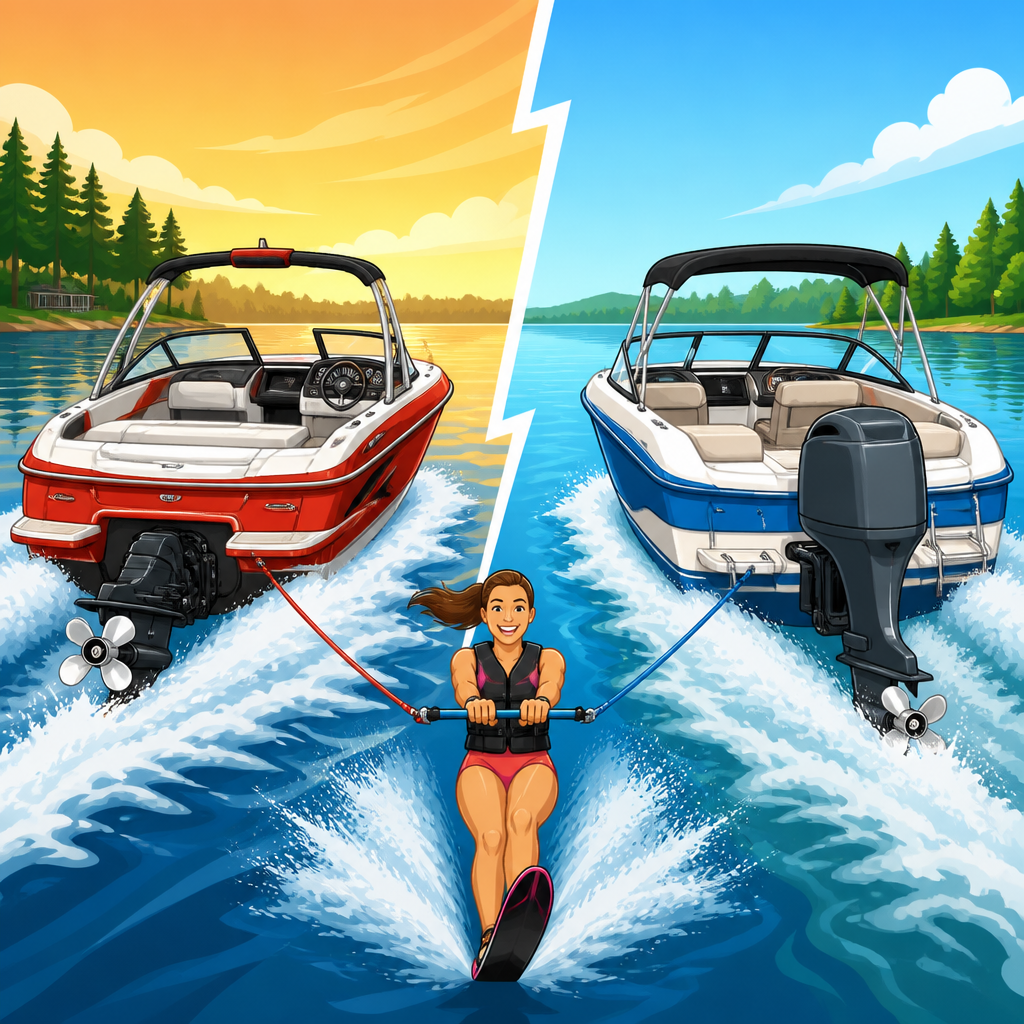
Wakeboarding performance starts with the right hull, ballast system, and tow technology, which is why choosing the best boats for wakeboarding in 2026 is less about flashy upholstery and more about how a boat shapes water under real riding conditions. In practical terms, a wakeboard boat is an inboard towboat engineered to create a clean, rampy wake at controlled speeds, usually between 18 and 24 miles per hour, with enough torque, stability, and adjustability to suit beginners and advanced riders alike. I have spent years around towboats at dealer demos, rider clinics, and test days, and the same lesson repeats itself: the boat that looks impressive at the dock is not always the one that delivers the most consistent pull, best wake tuning, or easiest ownership experience. For 2026 buyers, the decision matters even more because modern wake boats are larger, more software-driven, and more specialized than older crossover models. Features such as surf tabs, auto ballast, GPS speed control, and touchscreen rider profiles now influence wakeboarding as much as raw engine output. At the same time, sticker prices, fuel use, maintenance complexity, and local lake restrictions can quickly narrow the field. A good buying decision therefore depends on understanding what actually affects wake shape, rider progression, crew comfort, and long-term value. This guide breaks down the top boat categories, standout brands, and key buying criteria so you can compare the best wakeboard boats for 2026 with confidence instead of relying on marketing claims alone.
What Makes a Great Wakeboarding Boat in 2026
The best wakeboarding boat in 2026 creates a steep or rampy wake on demand, holds speed precisely, and gives the driver simple tools to repeat the same pull every set. Three design elements matter most: hull geometry, ballast capacity, and propulsion layout. Dedicated wake boats use inboard V-drive or direct-drive layouts because the propeller sits safely under the hull, weight stays low and centered, and the boat can be tuned to displace more water than a stern-drive runabout. Ballast tanks and plug-and-play bags increase displacement, while wake plates, tabs, and surf systems clean up the lip and adjust transition shape. Riders often focus on size alone, but clean shape matters more than massive volume. A medium wake with a crisp top and predictable transition helps progression better than an oversized, washed-out wake.
Speed control is equally important. Systems such as Zero Off and proprietary GPS cruise control from Nautique, MasterCraft, Malibu, and Centurion reduce speed fluctuation that would otherwise change line tension and wake consistency. Tower design also matters because a rigid tower improves tow-point height, supports racks and speakers, and often integrates board storage that keeps the cockpit usable. In my experience testing loaded boats, visibility from the helm and ballast fill logic make a bigger daily difference than buyers expect. If a driver struggles to see over the bow during pickup or has to work through multiple menus to switch from a beginner setup to an advanced profile, the premium price becomes harder to justify.
Top Wakeboard Boat Brands and Standout 2026 Models
For 2026, the leading names remain MasterCraft, Nautique, Malibu, Supra, Moomba, Centurion, and Tigé, but they serve different buyers. Nautique’s G-Series and GS models continue to set the benchmark for high-end fit, digital integration, and tournament-grade pulls. The G23, in particular, remains a reference point because it creates a powerful, clean wake with strong vertical pop while still offering multisport flexibility. MasterCraft’s XStar and X24 stay competitive with refined ballast tuning, quality construction, and intuitive software. Malibu’s 23 LSV and 25 LSV are still among the smartest choices for families who split time between wakeboarding and wakesurfing, thanks to the Wake Plus hull, Surf Gate, and broad dealer support.
Supra has earned respect for blending luxury touches with serious tow performance; the SA and SL lines offer strong ballast, aggressive wakes, and excellent audio and helm layouts. Moomba remains one of the better values in the segment, especially for buyers who want a true wake boat without top-tier pricing. The Kaiyen and Mojo deliver substantial wake potential for the money, though finish materials and software polish do not always match the flagship brands. Tigé’s 22RZX and 25ZX appeal to buyers who like customizable wave and wake behavior through TAPS adjustment, while Centurion stays a favorite among riders who appreciate deep-freeboard hulls and heavy-displacement performance.
| Brand | Notable 2026 Model | Best For | Key Strength |
|---|---|---|---|
| Nautique | Super Air Nautique G23 | Advanced riders, premium buyers | Elite wake shape and build quality |
| MasterCraft | XStar | Performance-focused crews | Precise wake tuning and finish |
| Malibu | Wakesetter 23 LSV | Families wanting versatility | Balanced wakeboard and surf capability |
| Supra | SA | Luxury buyers who still ride hard | Strong ballast and premium helm tech |
| Moomba | Kaiyen | Value-conscious wake buyers | Accessible pricing with real wake performance |
| Tigé | 22RZX | Tech-oriented multisport users | TAPS-based wake customization |
Best Boats by Rider Type, Crew Size, and Budget
The right wakeboard boat depends heavily on who will ride behind it. Beginners benefit from smaller, cleaner wakes and straightforward controls. In many cases, a 21- to 22-foot boat with moderate ballast is better than a 24-foot flagship because it produces less intimidating transitions and costs less to fuel, store, and maintain. Boats such as the Malibu Wakesetter 22 MXZ, Moomba Mojo, or Nautique GS22 are practical examples. Intermediate riders who are learning inverts and spins usually want more adjustability, enough ballast to lengthen the transition, and a tower with easy board access. This is where boats like the Supra SA or MasterCraft XT23 become strong options.
Advanced riders and larger crews generally favor 23- to 24-foot boats with high ballast capacity, aggressive hulls, and ample seating. The Nautique G23, MasterCraft X24, and Malibu 25 LSV excel in that environment because they preserve wake quality even when ten or more people are aboard. Budget also changes the recommendation. A new premium wake boat can exceed the price of a house in some markets once a trailer, upgraded stereo, and heated seats are included. Buyers trying to maximize value should compare well-optioned Moomba and Axis models, and they should also consider certified pre-owned inventory from the last three to five model years. I have seen many riders spend less and progress faster because they bought a slightly older boat with proven ballast and speed control instead of stretching for a new flagship they could not equip properly.
Key Features to Prioritize Before You Buy
If you want the best wakeboard boat for 2026, prioritize wake function over lounge gimmicks. First, confirm ballast capacity and how that ballast is distributed. Rear lockers, center tanks, and bow bags all affect transition length and lip shape differently. Second, evaluate wake adjustment systems. Malibu’s Power Wedge, Tigé’s TAPS, and similar plate or tab systems are not interchangeable; each changes running attitude in a distinct way, so test them with a rider, not just at idle. Third, check engine torque curves and propeller pairing. High-altitude lakes punish under-propped boats, and a wake boat that struggles onto plane with ballast full will frustrate every session.
Fourth, assess the helm software and preset logic. The best systems save rider profiles that include speed, ballast, plate position, and stereo volume, reducing setup errors between sets. Fifth, inspect storage and layout. Wakeboarding means wet gear, multiple boards, ropes, pumps, and vests. Deep lockers, transom walkthroughs, and smart observer seating make ownership easier than decorative lighting ever will. Finally, think about after-sales realities: dealer reputation, warranty responsiveness, winterization access, and parts availability. In service bays, I have watched small hardware delays sideline expensive boats during peak season. The strongest brands are not only good on the water; they also support owners quickly when pumps, screens, or sensors fail.
How to Test Drive and Compare Wakeboard Boats Effectively
A proper demo should mirror a normal riding day. Bring your usual crew size, have ballast filled fully, and insist on pulling an actual rider at your typical line length and speed. Dockside impressions hide too much. During the pull, look for three things: wake cleanliness at the top, consistency through double-ups and turns, and how the boat recovers speed after pickup. If the wake washes at practical rope lengths, or if the boat porpoises with ballast loaded, move on. Pay attention to driver ergonomics as well. A great wake means less if the captain cannot monitor riders, touchscreen settings, and traffic comfortably.
Noise, fuel burn, and rough-water ride also deserve attention because many wake sessions include long idle zones and afternoon chop. Deep-hull boats such as some Centurion models may feel more composed in rough water, while flatter wake-specific hulls can deliver sharper wake performance on glass but a firmer ride later in the day. Ask the dealer to demonstrate manual overrides for ballast and tabs in case the touchscreen fails. Also ask for service intervals, impeller access, and real seasonal ownership costs. A trustworthy dealer will answer directly. The best boat purchase is rarely the one with the biggest brochure numbers; it is the one that fits your water conditions, rider level, service network, and actual use pattern with the fewest compromises.
Final Verdict on the Best Wakeboarding Boats for 2026
The best boats for wakeboarding in 2026 are the ones that combine a clean, repeatable wake with dependable speed control, useful ballast, and ownership support you can trust. For buyers seeking the highest-end performance, the Nautique G23 and MasterCraft XStar remain top-tier benchmarks. For versatile family use, the Malibu 23 LSV stands out as one of the smartest all-around choices. For strong value, Moomba continues to offer legitimate wake capability without premium-brand pricing. And for riders who want luxury plus serious tuning range, Supra and Tigé deserve close attention. There is no single best wake boat for everyone, because rider ability, crew size, lake conditions, storage limits, and service access all matter as much as brand reputation.
The most important takeaway is simple: buy based on wake performance and support, not showroom theater. Test the boat loaded, ride behind it at your real settings, compare dealer service quality, and think about total ownership over several seasons. If you do that, you will end up with a boat that helps riders improve instead of a boat that only photographs well at the marina. Shortlist two or three models, schedule on-water demos, and let the wake make the decision.
Frequently Asked Questions
What makes a boat a good wakeboarding boat in 2026?
A great wakeboarding boat in 2026 is defined by how well it creates a clean, consistent, and adjustable wake at typical riding speeds, not by cosmetic features alone. The most important foundation is the hull design. Purpose-built wake boats use inboard configurations and hull shapes engineered to displace water in a controlled way, which helps produce the firm, rampy wake riders want for edging, pop, and predictable landings. Unlike general runabouts or sterndrive boats, true wakeboard boats are designed specifically for towing sports and water shaping performance.
Ballast is another major factor. Modern wakeboarding boats rely on integrated ballast systems to add weight strategically, increasing displacement and making the wake larger and more defined. In 2026, the best boats offer fast-filling ballast tanks, flexible ballast zones, and user-friendly controls that let drivers tune wake size and shape for different rider preferences. That matters because beginners usually benefit from a smaller, mellower wake, while experienced riders often want more size and lip for advanced tricks.
Tow technology also plays a central role. Features such as cruise control, rider presets, and surf or wake shaping interfaces make it easier to hold a precise speed, usually in the 18 to 24 mph range for wakeboarding. Consistent speed is essential because even small fluctuations can affect line tension, wake timing, and rider confidence. Add in strong low-end torque, good tracking, a solid tower, and smart storage for boards and gear, and you have the core traits that separate a serious wakeboarding boat from a boat that can simply pull a rider.
How important are ballast systems when choosing the best wakeboarding boat?
Ballast systems are extremely important because they directly influence wake size, shape, and consistency. When a boat carries more weight in a controlled way, it sits deeper in the water and displaces more volume, which creates a larger and more usable wake. For wakeboarding, that means better pop off the wake, improved transition, and a more tunable setup for different skill levels. A boat without an effective ballast system may still pull a wakeboarder, but it typically will not deliver the same performance, especially for riders progressing into intermediate or advanced tricks.
In 2026, the better wakeboarding boats tend to include integrated ballast rather than relying entirely on loose bags or aftermarket solutions. Built-in systems are cleaner, faster, and easier to manage from the helm. Many boats now let you adjust ballast independently in the bow, center, and rear sections, which helps fine-tune the wake depending on crew size, rope length, riding style, and water conditions. That kind of adjustability is valuable because wakeboarding is rarely one-size-fits-all. A younger rider learning basic jumps may need a different setup than an adult rider trying to maximize vertical lift.
It is also worth paying attention to how quickly the system fills and drains, how intuitive the controls are, and whether the boat maintains balanced handling under load. A strong ballast system should enhance wake quality without making the boat cumbersome or difficult to dial in. If wakeboarding is a priority, ballast is not a minor add-on feature. It is one of the core systems that determines whether the boat performs like a dedicated tow machine or just an all-purpose recreational boat.
Is hull design more important than engine power for wakeboarding?
Hull design is usually more important than raw engine power when evaluating wakeboarding boats, although both matter. The hull is what actually shapes the water and determines whether the wake is clean, symmetrical, and well-formed at riding speeds. A purpose-built wake hull can create a more useful wake with less effort than a generic hull with a powerful engine. If the hull is wrong for wake sports, extra horsepower will not magically fix poor wake shape, inconsistent transitions, or wash at the crest.
That said, engine performance still matters because wakeboarding boats often carry substantial ballast, multiple passengers, fuel, and gear. The best boats for wakeboarding in 2026 need enough torque to get on plane efficiently and hold speed steadily under load. This is where modern marine engines shine, especially when paired with transmission and propeller setups tuned for towing performance. Strong low-end pulling power helps the boat recover quickly after rider cuts, maintain speed through turns, and avoid bogging down when heavily weighted.
The smartest way to think about it is that hull design creates the wake, while engine power supports the wake. A well-designed hull gives the boat its wakeboarding identity. The right engine ensures that wake remains usable in real-world conditions with ballast and crew on board. If you have to prioritize, choose the better wake hull first, then make sure the engine package is appropriately matched to the boat’s intended ballast load and riding demands.
Can beginners use the same wakeboarding boat as advanced riders?
Yes, beginners and advanced riders can absolutely use the same wakeboarding boat, provided the boat offers enough adjustability. In fact, many of the best wakeboarding boats in 2026 are designed to accommodate a wide range of skill levels through configurable ballast, speed presets, and wake shaping controls. A new rider does not need an enormous wake. They usually learn best behind a smaller, cleaner, more forgiving setup that helps them build confidence with edging, crossing the wake, and landing consistently. An advanced rider, on the other hand, may want more ballast, a firmer lip, and a longer line to access bigger tricks and more upward pop.
This is where versatility becomes a major buying advantage. Boats with flexible ballast zones, user profiles, and simple touchscreen controls can be adjusted quickly between sessions. One rider may want a mellow wake at 19 mph, while the next wants a more aggressive setup at 23 mph. A good wake boat can adapt without requiring complicated manual changes every time someone new grabs the handle. That convenience is especially valuable for families, mixed-skill crews, and owners who host multiple riders on the same day.
The key is not whether the boat is “for beginners” or “for experts,” but whether it can produce a clean wake across multiple setups. If the hull performs well and the controls are intuitive, the same boat can serve as a progression platform for years. That makes a well-chosen wakeboarding boat a better long-term investment, because it can support riders from first wake crossings all the way to advanced inverts and spins.
What should buyers compare when shopping for the best boats for wakeboarding in 2026?
Buyers should start by comparing wake performance before looking at luxury features. The first questions should be whether the boat creates a clean wake at common wakeboarding speeds, how adjustable that wake is, and how easy it is to repeat a preferred setup. Hull design, integrated ballast capacity, and speed control systems should be near the top of the checklist because they directly affect how the boat performs on the water. A beautiful interior means very little if the wake is inconsistent or difficult to tune.
Next, compare engine torque, drivability, and loaded performance. Wakeboarding boats do real work, especially when carrying ballast and a full crew, so buyers should look for an engine and prop combination that can hold speed confidently under heavy load. It is also smart to assess helm usability. Clear controls, rider presets, and intuitive interfaces make a noticeable difference in day-to-day use, particularly when switching between riders with different preferences. Storage, tower quality, board racks, seating layout, and visibility from the driver’s seat also contribute to the overall ownership experience.
Finally, buyers should consider build quality, dealer support, maintenance access, and long-term value. The best boat on paper is less appealing if service is difficult or support is weak in your area. Demo rides are especially useful because wake feel, handling, and interior functionality are easier to judge in person than from a spec sheet. In short, the best boats for wakeboarding in 2026 are the ones that combine a proven wake hull, efficient ballast, reliable tow-focused performance, and enough versatility to match the riders who will actually use them most.