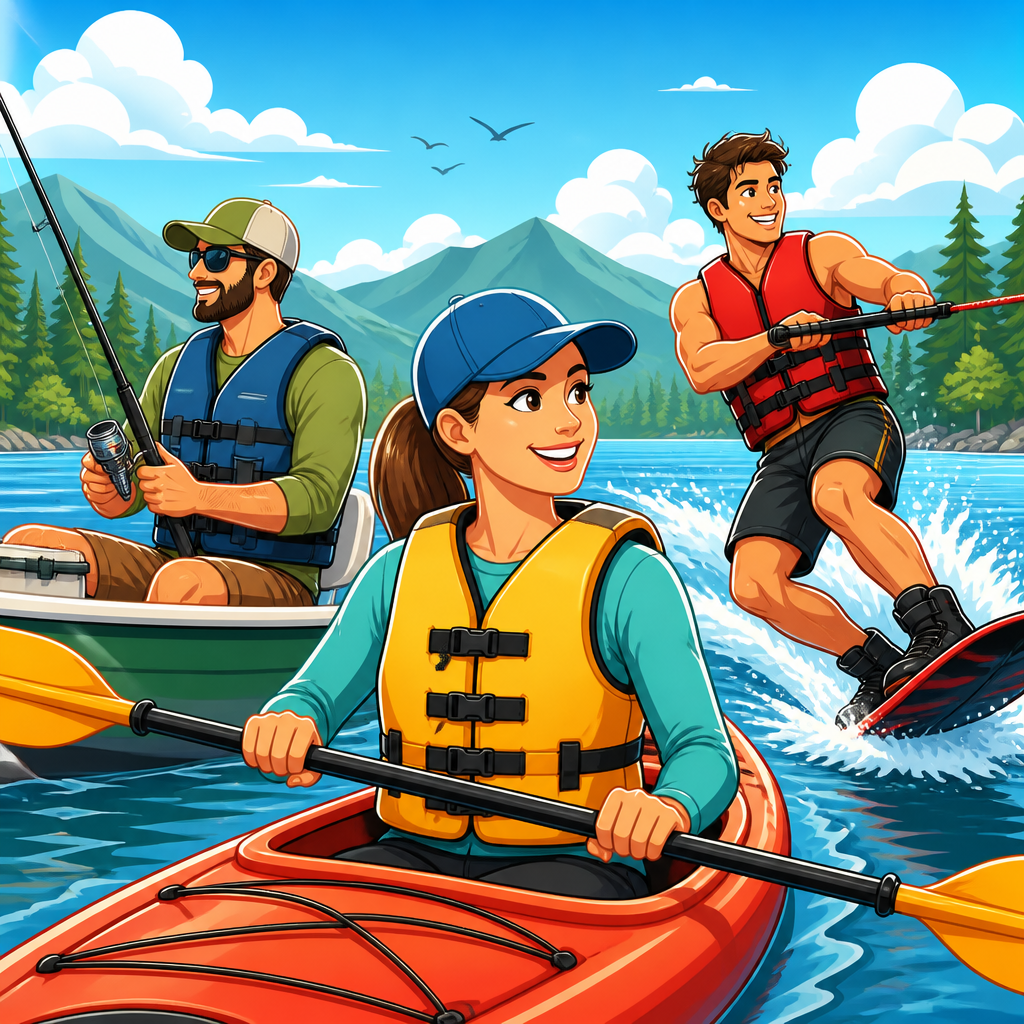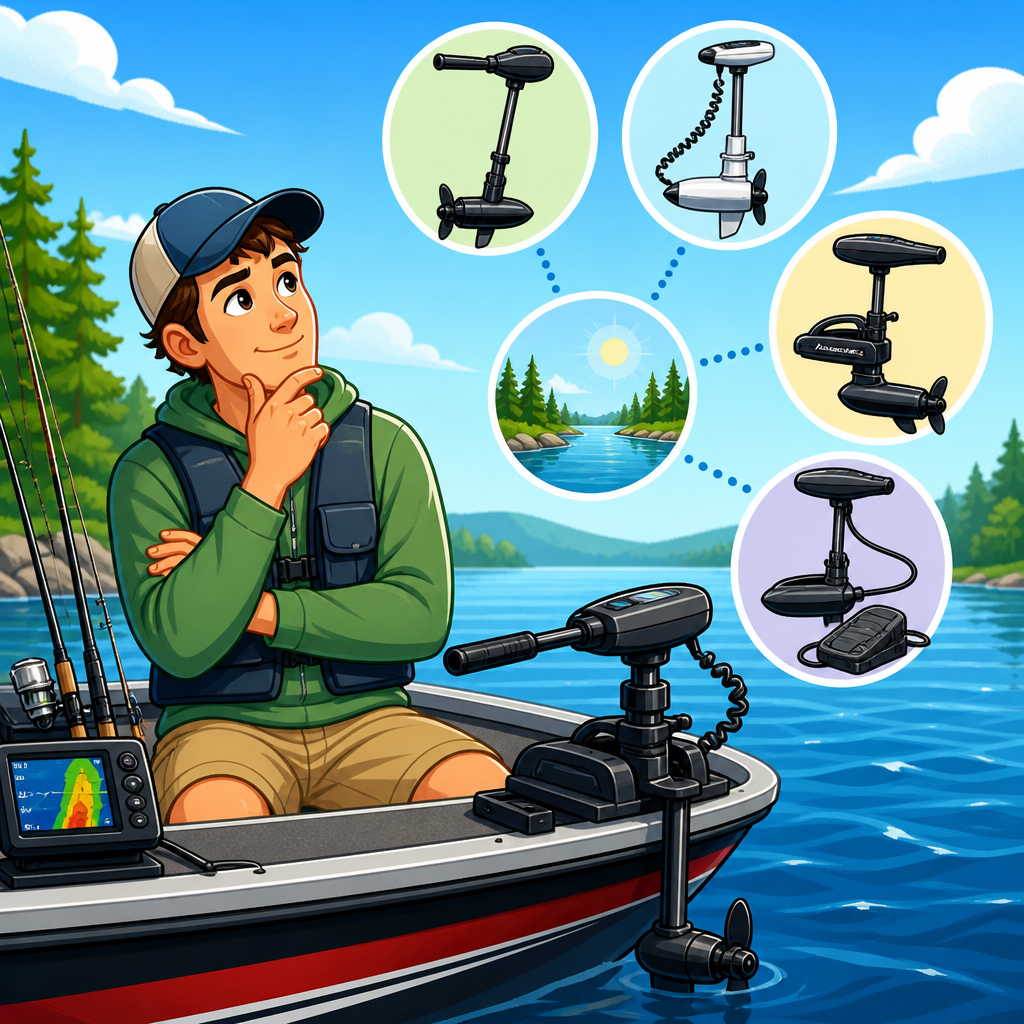
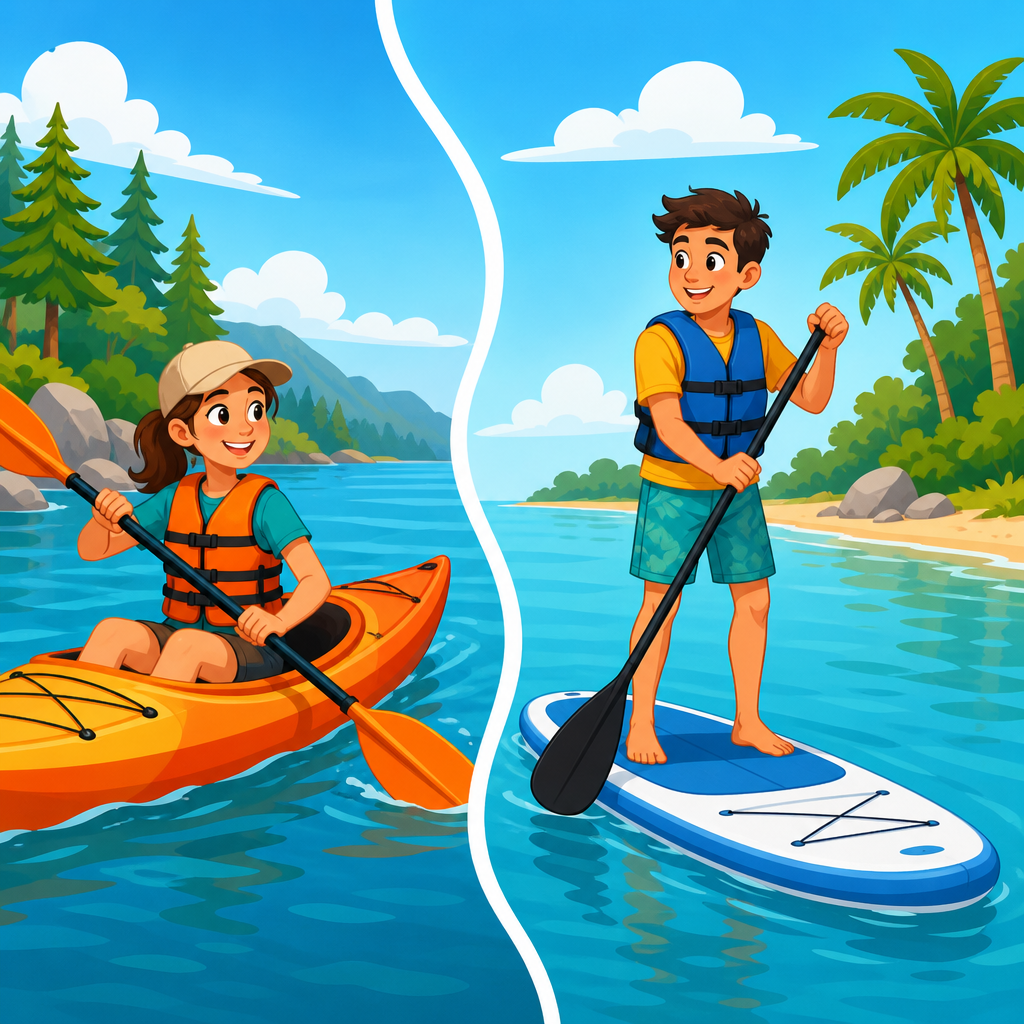
Choosing between kayaking and paddleboarding as a beginner comes down to how you want to experience the water, how quickly you want to feel confident, and what kinds of adventures you plan to pursue. Kayaking uses a seated position and a double-bladed paddle, usually inside or on top of a narrow watercraft designed for tracking and stability. Paddleboarding, often called stand-up paddleboarding or SUP, uses a long, buoyant board and a single-bladed paddle, with the rider standing, kneeling, or occasionally sitting. Both are accessible entry points into water sports, both can be used for fitness, exploration, fishing, and family outings, and both can scale from calm ponds to more technical conditions. For beginners, though, the learning curve, physical demands, safety profile, transport needs, and comfort on the water differ in practical ways that matter immediately. I have coached first-time paddlers on sheltered lakes, guided families comparing rental options, and watched confident swimmers love paddleboarding while nervous newcomers relaxed instantly in recreational kayaks. The right choice is not the trendier one or the cheaper one; it is the one that matches your goals, local waterways, balance, storage, and tolerance for getting wet. This guide compares kayaking vs. paddleboarding for beginners and serves as a hub for kayaking and paddleboarding adventures, from first outings to fishing setups, touring day trips, and skill progression.
What beginners usually want from their first water sport
Most beginners are not looking for advanced technique. They want a craft that feels stable, simple to launch, easy to control, and forgiving when conditions change. They also want to know how wet they will get, whether they can bring a child, dog, or cooler, and whether the activity is relaxing or more athletic. Recreational kayaking usually wins on immediate comfort because you sit low, your center of gravity is stable, and you can paddle effectively within minutes. On a calm lake, a wide sit-on-top kayak often feels intuitive even to people with no boating background. Paddleboarding can also be beginner-friendly, especially on flat water, but it asks more from balance and core engagement early on. Many first-timers start kneeling, then stand once they understand board movement.
Why does this matter? Early success determines whether someone returns for a second outing. A beginner who spends an hour drifting comfortably in a kayak often leaves feeling capable. A beginner who spends the same hour repeatedly falling from a board may still have fun, but the experience is less predictable. That does not mean paddleboarding is harder in every case. In warm weather, on calm water, with a wide all-around board, many people learn quickly because the equipment is simple and the body position feels natural. Still, if your top priority is confidence from the first launch, kayaking generally has the lower barrier to entry. If your top priority is freedom of movement, a full-body workout, and an easy transition from casual cruising to yoga, fitness, or beach exploring, paddleboarding may be the better fit.
Stability, balance, and the first-day learning curve
The biggest beginner question is simple: which is easier to learn? For most people, kayaking is easier on day one. Stability in a beginner kayak comes from hull width, hull shape, and your low seated position. A recreational kayak with a wide, flat hull resists tipping and tracks predictably in protected water. New paddlers can focus on forward strokes, stopping, and turning without constantly managing balance. Paddleboarding requires active balance because you are elevated above the waterline. Even on wide boards, your feet, ankles, and core make constant small adjustments. That can feel exciting, but also tiring if you are tense.
Board and boat design matter more than labels. A 34-inch-wide all-around SUP is dramatically easier for beginners than a narrow touring board. A short whitewater kayak is less straightforward for a novice than a stable recreational sit-on-top. In lessons, I have seen beginners who ski, surf, skate, or practice yoga adapt to SUP quickly because they already understand balance and weight transfer. I have also seen older beginners with limited mobility prefer kayaking because getting settled into a seat feels safer than standing on a moving platform. If you are choosing only for ease of learning, recreational kayaking is usually the safer recommendation. If you are comfortable being wobbly for the first session and like active movement, SUP remains highly accessible.
Comfort, fitness, and how each craft feels over time
Comfort is where preferences split sharply. Kayaking offers back support, a seated rest position, and better protection from fatigue caused by standing. For longer outings, especially for beginners not yet conditioned to paddle, a decent seat and foot braces make a major difference. You can drift, snack, take photos, and continue at an easy pace with less physical strain. Paddleboarding offers more freedom to move. You can stand, kneel, stretch, step back, or sit on the deck. Many people prefer that variety because it prevents stiffness. It also creates a stronger whole-body workout. SUP activates legs, core, shoulders, and stabilizing muscles continuously, while kayaking concentrates effort more on torso rotation, shoulders, and back.
If your goal includes fitness, calorie burn, and balance training, paddleboarding has the edge. If your goal includes longer, less tiring scenic paddles, kayaking often feels more sustainable. Weather also changes comfort. On cool mornings, kayaking keeps more of your body out of the water and out of the wind. On hot days, paddleboarding feels open and refreshing, and falling in is less of a problem. Beginners should be honest about body mechanics too. People with knee issues may dislike kneeling on a board. People with tight hips or lower back sensitivity may prefer the ability to shift around on a SUP, unless the kayak has a highly supportive seat. Comfort is not a minor issue; it is often the factor that determines whether an hour becomes a hobby.
Safety basics, water conditions, and beginner-friendly environments
Neither activity is inherently unsafe, but both become risky when beginners underestimate wind, cold water, current, and distance from shore. The best beginner environment for kayaking or paddleboarding is protected flat water: small lakes, calm coves, slow rivers without strainers, and sheltered bays with light wind. Wind is especially important. Paddleboards sit high and act like sails, so beginners drift downwind quickly and may struggle to paddle back. Lightweight recreational kayaks are affected by wind too, but seated paddlers generally maintain control more easily. Cold water is another hidden hazard. Falling from a SUP is more common in early sessions, so water temperature matters more than air temperature. Standard guidance from safety organizations such as the American Canoe Association emphasizes wearing a properly fitted personal flotation device, checking forecasts, and dressing for immersion, not just comfort on shore.
For absolute beginners, one overlooked safety advantage of paddleboarding is visibility. You stand higher and can read shallow water, weeds, rocks, and shoreline features more easily. One overlooked safety advantage of kayaking is recoverability. Beginners often feel secure because accidental falls happen less often on stable kayaks. Rescue skills should still be learned. Sit-on-top kayaks are easier to remount than sit-inside kayaks after a capsize. Inflatable SUPs are forgiving to fall onto, but self-rescue still requires practice, especially in wind. Before choosing either craft, ask where you will actually paddle most often. On small inland lakes, both work well. On breezy reservoirs, kayaking usually gives beginners more margin for error. On warm, calm coastal shallows, SUP can be ideal.
Gear, transport, cost, and setup for first-time buyers
Equipment logistics shape beginner satisfaction more than many buying guides admit. A hard recreational kayak often needs roof racks, garage space, and enough strength to carry 45 to 70 pounds. Inflatable kayaks reduce storage problems but vary widely in tracking, stiffness, and durability. Paddleboards, especially inflatables, are easier to store in apartments, fit in a car trunk, and carry to the water in a backpack-style bag. That convenience is one reason SUP participation grew rapidly over the past decade. For many beginners, the easiest craft to use is the one they will actually take out regularly.
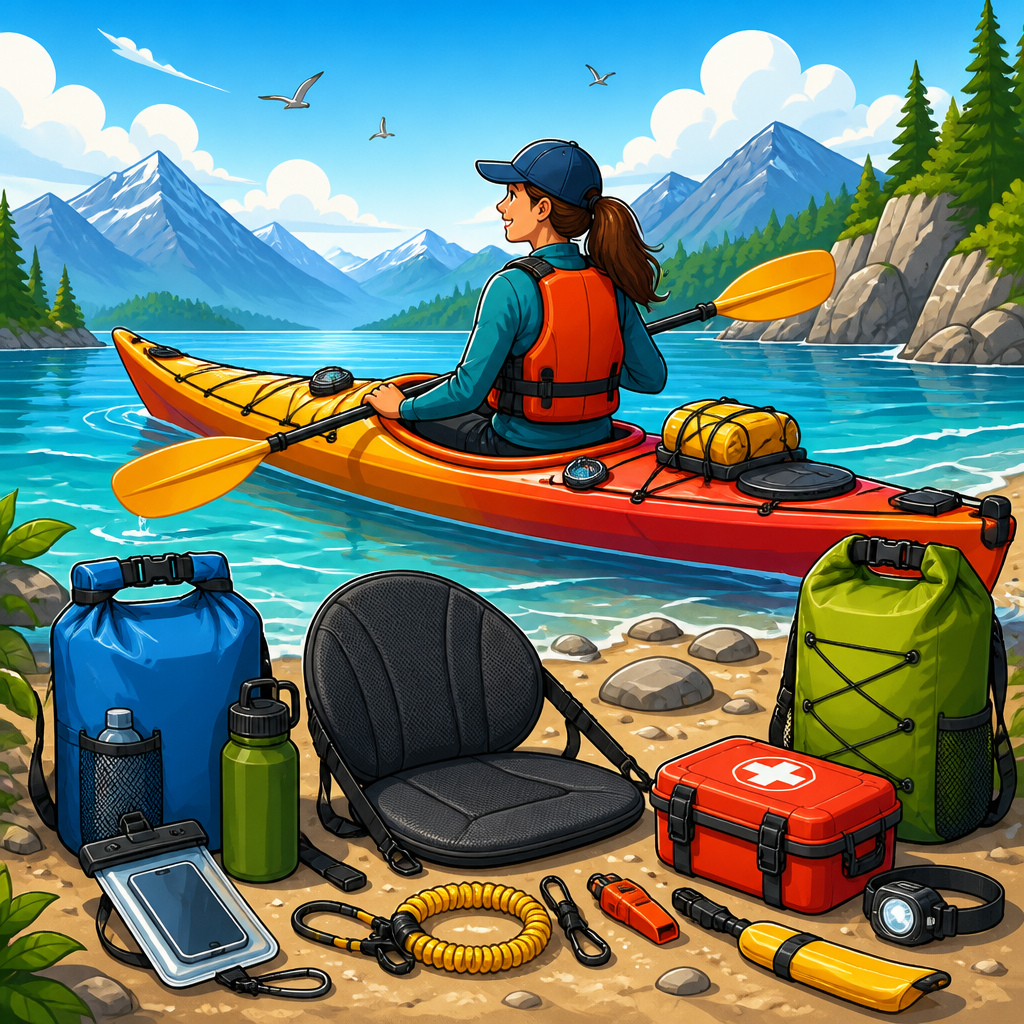
Entry-level pricing varies by quality. Cheap package deals can be disappointing in both categories, with weak paddles, poor seats, or flexible boards that hinder learning. Buying from reputable brands and recognized retailers matters. Features beginners should prioritize include width and stability over speed, adjustable paddle length, comfortable carrying handles, deck bungees for SUPs, and supportive seating plus foot braces for kayaks. Safety gear adds to the budget: PFD, whistle, dry bag, leash for SUP in suitable flatwater settings, pump for inflatables, and transportation accessories for hard-shell craft.
| Beginner Factor | Kayaking | Paddleboarding |
|---|---|---|
| First-day stability | Usually easier, especially in wide recreational models | Good on wide boards, but balance demands are higher |
| Transport and storage | Harder with hard-shell boats; easier with inflatables | Inflatable SUPs are usually the simplest to store and carry |
| Staying dry | Better chance of remaining mostly dry | Beginners should expect to get wet |
| Fitness benefit | Solid cardio and torso work | Strong full-body and balance workout |
| Wind performance | Generally better control for beginners | More affected by wind drift |
| Fishing potential | Excellent platform for gear and longer sessions | Good in calm water, but balance and deck space management matter |
Adventure potential: touring, wildlife, family outings, and fishing
As a hub for kayaking and paddleboarding adventures, this comparison should go beyond first lessons. Both craft open the door to exploration, but they do so differently. Kayaking is the stronger platform for longer touring days, carrying dry bags, crossing larger calm lakes, and handling changing conditions with less fatigue. It is also often better for wildlife watching because you sit lower, move quietly, and can paddle steadily for hours. Paddleboarding excels in shoreline exploration, swimming breaks, warm-weather recreation, and social sessions where people move, talk, and hop on and off boards. It is also excellent for clear, shallow water because the standing view reveals fish, bottom contours, and hazards.
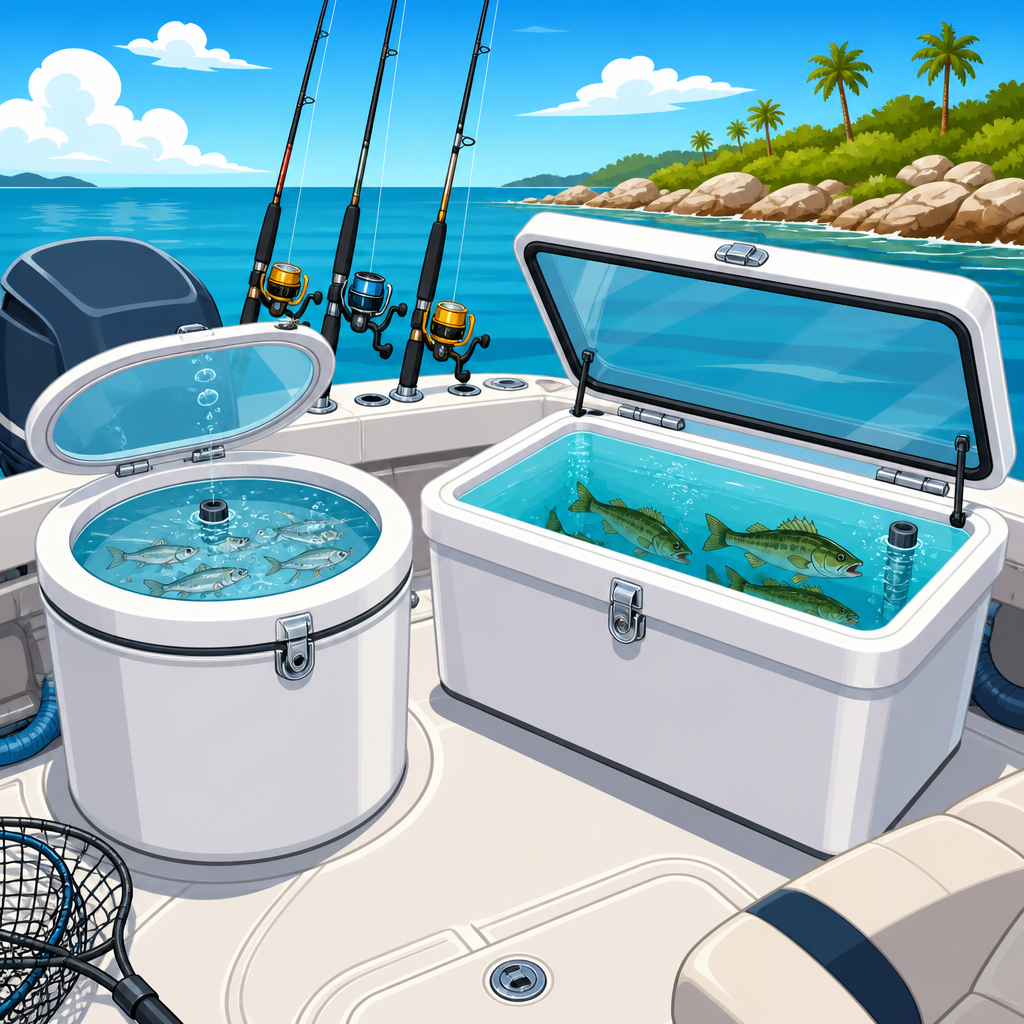
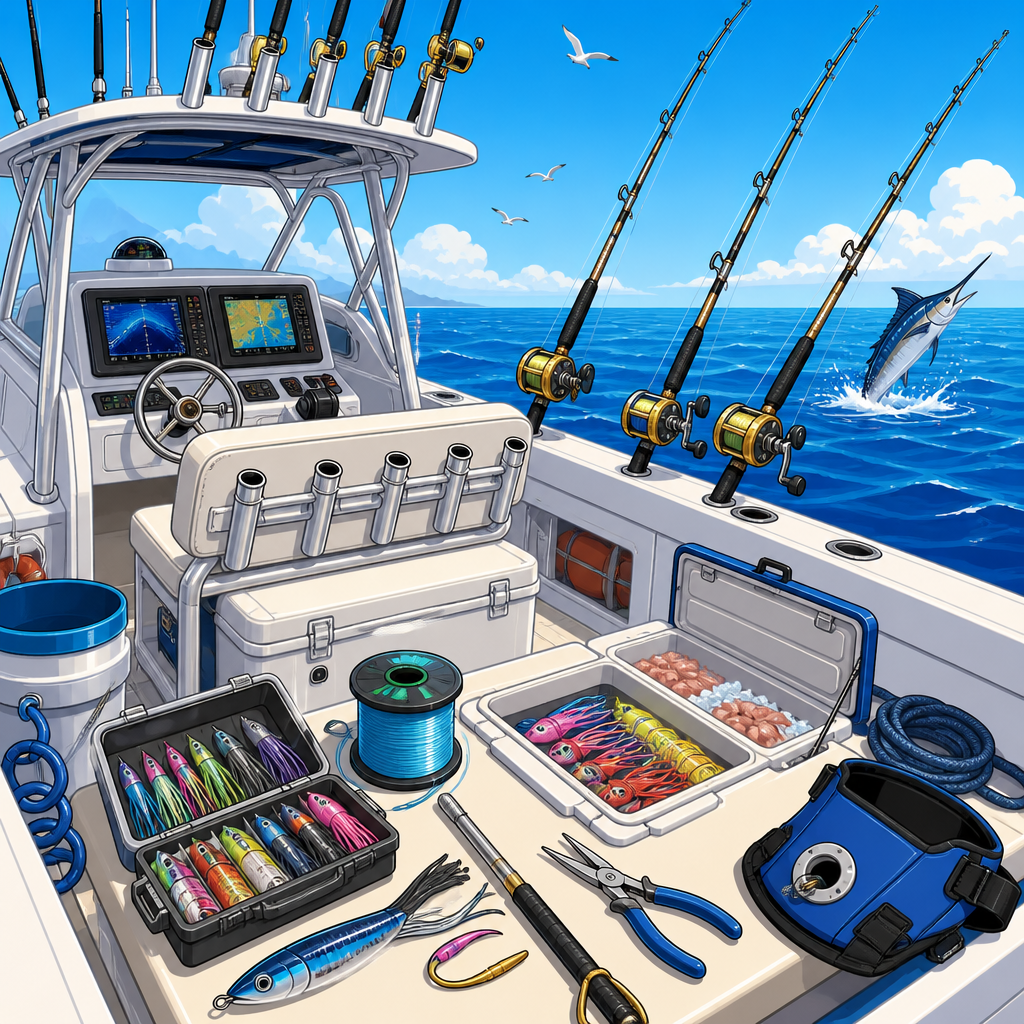
For families, the right answer depends on age and confidence. Many parents choose tandem or stable sit-on-top kayaks because they can bring a child or dog more securely. Some larger all-around SUPs can carry kids, but beginners must manage balance and weight distribution. For fishing and water sports crossover use, kayaks usually offer more practical advantages. Fishing kayaks have rod holders, gear tracks, tank wells, and superior seated stability for casting and handling tackle. SUP fishing is real and growing, especially in flats and ponds, but it demands cleaner deck organization and better balance. If your subtopic journey includes kayak fishing guides, scenic paddle routes, overnight touring, or gear setup articles, kayaking provides more pathways. If it includes beach fitness paddles, SUP yoga, beginner balance drills, and warm-water micro-adventures, paddleboarding creates a broader lifestyle angle.
Who should choose kayaking, who should choose paddleboarding, and how to decide
Choose kayaking if you want the easiest start, prefer to stay drier, expect to paddle in breezier conditions, want to bring more gear, or plan to fish, tour, and take longer relaxed trips. It is the better beginner choice for people who feel uncertain about balance, for cooler climates, and for anyone who values comfort over movement variety. Choose paddleboarding if you want a more active workout, need easy storage, enjoy being in the water, and will mainly paddle on warm, calm, protected waterways. It is also a smart choice for beach travelers, apartment dwellers, and beginners who want one platform for cruising, swimming, fitness, and casual social outings.
If you are still unsure, rent both before buying. Take each out in the same location for at least an hour. Notice whether you feel tension or freedom, whether wind changes your confidence, and whether carrying, launching, and packing away the gear feels manageable. A beginner who loves the simplicity of an inflatable SUP will paddle far more often than one who buys a heavy kayak that never leaves the garage. The opposite is equally true: a beginner who wants peaceful, low-stress lake time may quickly outgrow a wobbly first SUP but happily keep using a stable recreational kayak for years. For most beginners, kayaking is better if the goal is immediate confidence and versatility. Paddleboarding is better if the goal is active fun and simple ownership. The best next step is practical: book a rental session, wear a PFD, start on calm water, and let your first real outing decide.
Frequently Asked Questions
Is kayaking or paddleboarding easier for complete beginners?
For most complete beginners, kayaking usually feels easier on day one because the seated position creates a lower center of gravity and a stronger sense of stability right away. Sitting close to the water in a kayak can make first-time paddlers feel more secure, especially if they are nervous about balance, deep water, or tipping over. The double-bladed paddle is also fairly intuitive to use, and many beginners find it easier to move in a straight line with less trial and error.
Paddleboarding can still be very beginner-friendly, but it often comes with a slightly steeper learning curve at the start because balance is a bigger part of the experience. On a stand-up paddleboard, you need to coordinate posture, foot placement, core engagement, and paddle strokes while managing movement under your feet. That said, many people start by kneeling and then stand up once they feel comfortable, which makes the learning process more approachable. In calm, flat water, a wide beginner SUP can feel very stable and surprisingly easy to use.
So if “easier” means feeling confident quickly, kayaking tends to win for many beginners. If “easier” means having a simple setup and enjoying a more open, flexible experience where you can sit, kneel, or stand, paddleboarding may be just as appealing. The better choice depends on your comfort with balance, your fitness level, and whether you want a more relaxed seated ride or a more active, full-body challenge.
Which is better for balance, stability, and confidence on the water?
Kayaking is generally better for beginners who want immediate stability and confidence. Because you are seated inside or on top of a watercraft designed to track efficiently, the motion often feels more controlled and predictable. This can be especially helpful for people who are uneasy around open water, worried about falling in, or simply looking for a lower-stress first paddling experience. Recreational kayaks in particular are built with beginner stability in mind, making them a strong option for calm lakes, slow rivers, and protected coastal areas.
Paddleboarding places more emphasis on active balance, which can be both the challenge and the appeal. A beginner SUP is usually wide, buoyant, and stable enough for learning, but it still requires you to respond to small shifts in water movement and body position. Many beginners gain confidence quickly once they realize they do not need perfect balance to enjoy the board. Starting on flat water, keeping your knees soft, and looking toward the horizon instead of down at your feet can make a major difference.
If your top priority is feeling steady and secure from the beginning, kayaking is the safer bet. If your goal is to build balance skills and you like the idea of a more interactive relationship with the water, paddleboarding can be extremely rewarding. In short, kayaking usually offers more passive stability, while paddleboarding develops active stability over time.
What are the main differences in physical effort and workout benefits?
Kayaking and paddleboarding both provide excellent low-impact exercise, but they challenge the body in different ways. Kayaking tends to emphasize the upper body, shoulders, back, and arms, especially during longer paddles or when moving against wind or current. Good kayaking technique also engages the core and torso rotation, so it is not just an arm workout, but beginners often notice the pulling and paddling effort in the upper body first. Because you are seated, kayaking can feel less demanding on the legs and balance systems, which may make it more comfortable for longer outings early on.
Paddleboarding is often considered a more full-body balance workout. Standing on the board activates the core continuously, and your legs and ankles work to keep you stable even in calm conditions. The paddle stroke adds upper-body effort, but the overall experience often feels more integrated because posture, balance, and movement are happening all at once. For beginners who want a sport that feels active without being high impact, SUP can be a great choice.
In practical terms, kayaking may feel less tiring at first for someone who wants to relax and cruise, while paddleboarding may appeal more to someone who wants to combine recreation with balance training and general fitness. Neither is universally “better” for exercise. The better workout is the one you will actually enjoy enough to do regularly, because consistency matters far more than the label of the activity.
Which is better for different types of adventures and water conditions?
Kayaking is often the more versatile choice for beginners who want to explore a wider variety of environments over time. It performs well on lakes, slow-moving rivers, reservoirs, and many coastal areas, and it is generally better than a paddleboard in wind, chop, and cooler conditions. A kayak’s shape helps it track more efficiently, and the seated position can feel more practical for longer distances, casual fishing, wildlife viewing, and carrying small gear such as a dry bag, lunch, or extra clothing. If you picture yourself taking half-day or full-day paddling trips, kayaking often offers more comfort and utility.
Paddleboarding shines in calm, flat water and in outings where the experience is just as important as the distance. It is ideal for gentle cruising near shore, short fitness sessions, yoga, swimming breaks, and warm-weather recreation. The elevated view from a SUP can make it easier to see below the surface in clear water, which is one reason many people love paddleboarding for scenic lakes, bays, and relaxed beach settings. However, wind can affect a stand-up board quickly, and rough conditions are usually more challenging for beginners.
If you want a craft that supports longer exploration and changing conditions, kayaking usually has the edge. If you want a simple, playful, and flexible way to enjoy calm water, paddleboarding can be an excellent fit. Beginners should think honestly about where they plan to paddle most often, because the best option is usually the one that matches local water conditions and the type of outings they will realistically do.
How should a beginner choose between kayaking and paddleboarding?
The best way for a beginner to choose is to match the activity to personal comfort, goals, and the kind of experience that sounds genuinely fun. If you value stability, want to learn quickly, prefer sitting, or plan to paddle in cooler weather or for longer distances, kayaking is often the stronger starting point. It can feel more reassuring, especially for people who are not confident swimmers or who simply want a smoother first introduction to paddlesports.
If you enjoy balance-based activities, want a more open and versatile platform, or like the idea of switching between standing, kneeling, and sitting, paddleboarding may be the better fit. SUP often appeals to beginners who want a sport that feels relaxed but also engaging, social, and fitness-oriented. It can also be a great choice for short sessions after work, beach days, or calm-water outings where simplicity matters more than speed or distance.
Whenever possible, try both before buying gear. A short rental or beginner lesson can tell you more in one hour than weeks of research. Pay attention to how natural each activity feels, how confident you are on the water, and whether you leave wanting to go again. For most beginners, there is no wrong choice between kayaking and paddleboarding. The right choice is the one that aligns with your comfort level, your local conditions, and the kind of adventure you want to have most often.