The best paddleboards for stability and speed help riders do two things that often seem opposed: stay confidently upright and move efficiently across the water. In practice, buyers are not choosing between balance and performance as much as they are choosing the right design for their weight, skill level, water conditions, and intended use. After testing all-around boards on calm lakes, touring shapes on tidal estuaries, and wider platforms during guided family outings, I have found that the best results come from understanding hull shape, width, length, volume, fin setup, and construction before comparing brands. This hub for kayaking and paddleboarding adventures explains those fundamentals, then connects them to trip planning, safety, fitness, fishing, travel, and gear selection so readers can make better decisions and explore more water with less trial and error.
A paddleboard, or stand up paddleboard, is a human-powered craft propelled with a single-bladed paddle while standing, kneeling, or occasionally sitting. Stability refers to how resistant the board feels to tipping. Speed refers to how efficiently it glides with each stroke, how well it tracks forward, and how much effort it takes to maintain pace. Primary stability is the immediate, flat-water steadiness a beginner notices first. Secondary stability is the support the board gives when it rolls slightly onto an edge in chop, turns, or boat wake. Speed is influenced by waterline length, drag, rocker, hull profile, and paddler technique. These terms matter because many shoppers buy a board based on generic labels like beginner, touring, or fishing without realizing how dimensions and design create those experiences on the water.
This topic matters because paddleboarding now spans recreation, fitness, touring, camping, racing, fishing, yoga, surf, and family travel, while kayaking remains the closest companion sport for people deciding how they want to explore rivers, lakes, estuaries, and protected coastlines. Industry reports from outdoor trade groups have consistently shown strong participation in paddlesports, and rental fleets have expanded accordingly, but ownership still brings confusion. A first-time buyer may ask whether a 34-inch-wide inflatable is best for balance, whether a 12-foot-6 touring board will feel too tippy, or whether a kayak hybrid seat kit is a practical solution for windy afternoons. This article answers those questions directly, and it serves as the central resource for deeper coverage across kayaking and paddleboarding adventures, from beginner launches and stroke technique to overnight trips, fishing setups, and seasonal maintenance.
The central rule is simple: for most people, the best paddleboards for stability and speed are not the absolute widest or the narrowest boards, but the shapes that balance width, length, stiffness, and intended load. A beginner on a sheltered lake often does best on a board around 10 feet 6 inches to 11 feet 6 inches long and 32 to 34 inches wide, especially if carrying a child or dog. A larger paddler, angler, or photographer may benefit from 34 to 36 inches of width with high volume and generous deck space. A fitness or touring paddler covering distance usually gets better glide from 11 feet 6 inches to 14 feet and 30 to 32 inches wide, provided construction is stiff enough to avoid flex. Understanding that spectrum is the key to choosing gear that supports enjoyable paddling instead of merely surviving it.
How board design affects stability and speed
Width is the quickest predictor of comfort, but it is not the whole story. A 35-inch-wide board can feel slow and barge-like if the rails are boxy and the nose pushes water, while a 31-inch touring board with a recessed deck and well-distributed volume can feel secure once underway. Length improves glide because each stroke moves a longer waterline through the water with less yaw. That is why 12-foot-6 touring boards routinely outpace 10-foot-8 all-around boards on flatwater crossings. Thickness and volume affect buoyancy. Inflatable boards commonly use 6-inch thickness to increase stiffness and carrying capacity, but too much thickness paired with excessive width can raise the paddler’s center of gravity and make crosswinds more noticeable. Shape matters equally: a wider tail improves step-back turns and general steadiness, while a narrower race-style tail releases water more cleanly for speed.
Hull profile changes how the board interacts with chop. Many all-around stand up paddleboards use a planing-style hull that is broad, forgiving, and suitable for casual use, light surf, and family paddling. Touring boards often incorporate a displacement-style nose that parts water more efficiently, improving glide and tracking. The tradeoff is that displacement shapes can feel more technical when a novice shuffles around on deck. Rocker, the upward curve at the nose and tail, also deserves attention. More rocker helps in surf and boat wake but reduces flatwater efficiency. Less rocker increases speed on calm water yet can cause the nose to pearl in steeper waves. In buyer consultations, this is where I see the biggest mismatch: people shopping for a lake board often choose surf-oriented designs because they look sporty, then wonder why the board wanders and feels slow over distance.
Construction determines whether a good shape performs as intended. Inflatable paddleboards dominate travel and storage-friendly use because modern drop-stitch cores and fusion-laminated PVC have become far stiffer than early-generation inflatables. A quality inflatable pumped to its rated pressure, often 15 to 20 PSI, can be impressively stable and efficient. Cheap inflatables sag through the standing area, creating drag and making footwork less predictable. Hard boards still hold an edge in speed, acceleration, and clean water release, especially in composite layups using fiberglass, carbon, or bamboo veneers over EPS cores. They are also more vulnerable to dings and require storage care. For anglers and families, premium inflatables from brands such as Red Paddle Co, Starboard, Isle, and BOTE often strike the best balance of forgiveness and convenience. For dedicated touring or racing, hard boards from SIC Maui, NSP, Naish, and Starboard usually deliver the fastest feel.
Best paddleboard categories for different paddlers
The best paddleboards for stability and speed fall into clear use categories. All-around boards are the most versatile hub choice because they cover casual cruising, learning, light fitness paddling, and occasional small-wave use. Their typical dimensions, around 10 feet 6 inches to 11 feet 6 inches by 32 to 34 inches, make them the default recommendation for first-time owners. Touring boards are longer, usually 11 feet 6 inches to 14 feet, narrower, and built to track straighter with less effort. They suit fitness paddlers, campers, and anyone crossing large lakes or slow coastal routes. Fishing paddleboards are wider, often 34 inches or more, with higher capacity, tie-downs, cooler mounts, and deck pads designed for standing all day. Yoga and family boards favor width, traction, and stability over speed. Race boards are fastest but have a steeper learning curve and are rarely the right first purchase outside dedicated training plans.
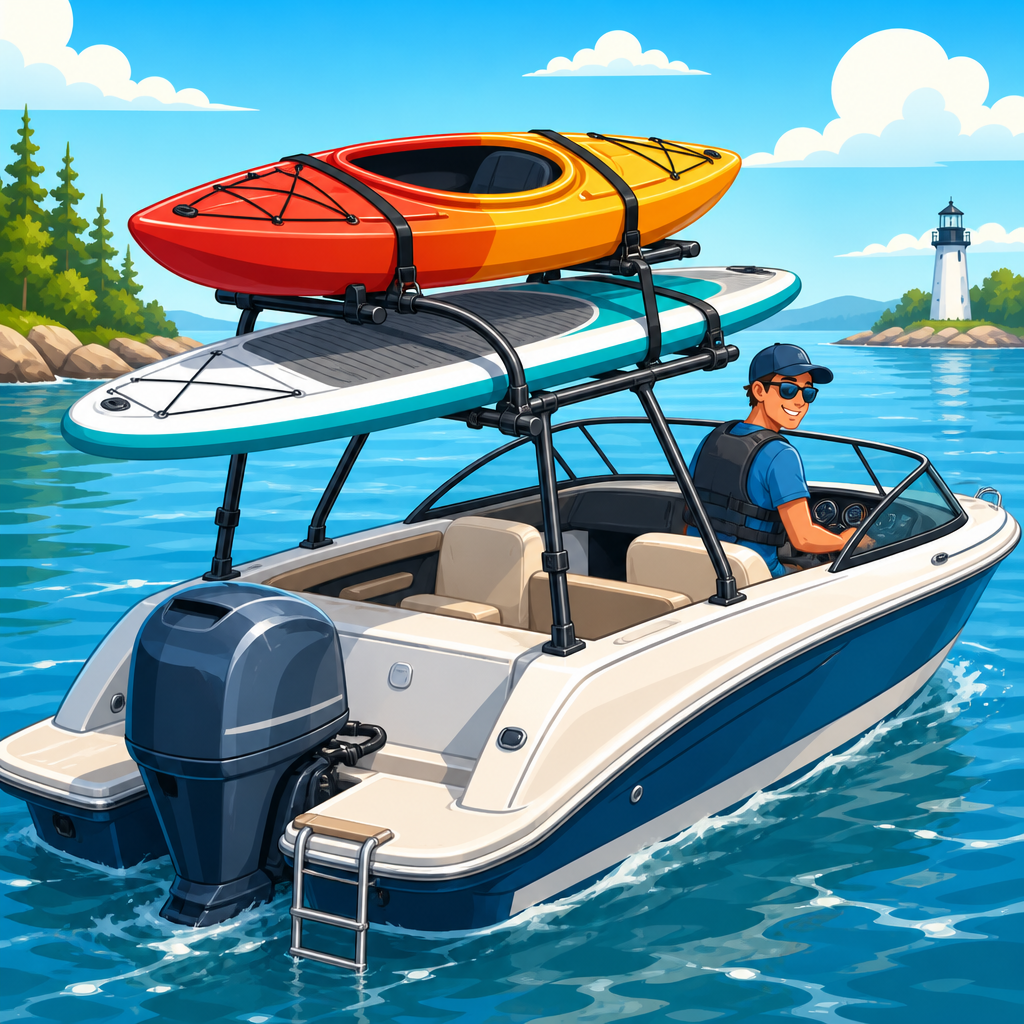
Hybrid decision-making matters because many buyers are also comparing a paddleboard with a sit-on-top kayak. If your priority is hands-free photography, rougher water confidence, or cold-season comfort, a kayak may be the better primary craft. If your priority is easy beach launches, full-body movement, sight-fishing in shallow water, and simple transport, a stand up paddleboard usually wins. Some inflatables include seat conversion kits, but these work best as occasional backups rather than true substitutes for a well-designed kayak. For families building out a paddlesports setup, I often recommend one stable all-around SUP and one recreational kayak before adding a second board. That pairing lets different skill levels share the same outing and covers a wider range of wind, current, and comfort needs.
| Category | Typical Size | Best For | Main Strength | Main Tradeoff |
|---|---|---|---|---|
| All-around SUP | 10’6″ to 11’6″ x 32″ to 34″ | Beginners, families, mixed use | Balanced stability and versatility | Moderate glide only |
| Touring SUP | 11’6″ to 14′ x 29″ to 32″ | Distance, fitness, overnight trips | Better tracking and speed | Less forgiving for novices |
| Fishing SUP | 11′ to 12’6″ x 34″ to 36″ | Anglers, larger paddlers, gear hauling | High stability and load capacity | Heavier and slower |
| Yoga or family SUP | 10’8″ to 11’6″ x 34″ to 36″ | Casual recreation, pets, kids | Very stable deck platform | Reduced efficiency in wind |
| Race SUP | 12’6″ to 14′ x 23″ to 28″ | Training and competition | Maximum speed | Minimal stability margin |
Top features to look for before you buy
Weight capacity should be treated as a functional performance limit, not a marketing headline. Many brands publish maximum loads that only indicate flotation, not ideal handling. A board rated for 350 pounds may technically float a 280-pound paddler with a cooler, but it may sit low, push water, and lose speed. A better target is to stay comfortably below the top rating, especially for touring. Fin setup influences tracking and maneuverability. A single large center fin is simple and effective for flatwater. A 2+1 arrangement can add versatility for surf or shallow use. Tool-free fin boxes are convenient, but standard US fin boxes allow better aftermarket upgrades. Deck pad texture matters more than many buyers expect. Diamond-groove EVA is comfortable for bare feet and knees, while raised kick pads improve control during step-back turns.
Attachment points, cargo bungees, handles, and accessory mounts separate a board that photographs well online from one that works on real outings. Front and rear bungees are useful on touring and fishing boards; carrying dry bags low and secure improves trim. Multiple grab handles help with tandem launches and rescues. Action camera mounts can be useful, but threaded accessory mounts for rod holders, cup holders, and navigation lights matter more for anglers and expedition paddlers. On inflatables, examine seam quality, included pump type, and backpack design. A dual-chamber or triple-action pump reduces setup fatigue, and quality wheeled bags make a major difference at long parking-lot approaches. Warranty length is another signal. Reputable brands commonly offer two to five years, and some premium manufacturers back their materials even longer.
Paddle choice is often undervalued, yet it directly affects speed, fatigue, and shoulder comfort. A lightweight fiberglass or carbon blend paddle can improve cadence and reduce strain compared with heavy aluminum entry-level paddles. Blade size should match paddler strength and stroke style; oversized blades feel powerful at first but can overload joints over time. Leashes are non-negotiable on moving water, open coast, or windy lakes. On flatwater, a coiled leash reduces drag behind the board. Personal flotation devices remain essential, and local regulations frequently require them even when paddlers are standing. For navigation, a simple phone case is not enough. A waterproof VHF radio, whistle, and weather app are sensible on larger water, while GPS watches or smartphone tracking apps like Strava, Gaia GPS, and onX Backcountry add trip records and route confidence.
Planning kayaking and paddleboarding adventures
A hub article should help readers move from purchase decisions to real outings, because the best gear still performs poorly when trip planning is weak. Start by matching water type to skill level. Sheltered lakes and slow rivers are ideal for first paddles. Tidal estuaries, big reservoirs, and exposed coasts demand stronger route judgment because wind, current, and fetch can multiply effort quickly. The practical rule I use with new paddlers is to launch into the wind or current when possible so the easier leg comes on the return. Check NOAA marine forecasts on coastal routes, local dam release schedules on rivers, and park access rules before loading the car. Distance should be conservative at first. A three-mile out-and-back with shore access teaches more than an overambitious ten-mile slog that ends in poor technique and unsafe fatigue.
For kayaking and paddleboarding adventures, packing and trim affect performance almost as much as board selection. Keep heavy items centered and low. Use dry bags in contrasting colors so they are easy to spot during a shoreline reload. Hydration matters because reflected sun and wind can mask effort. Clothing should follow water temperature, not air temperature; cold shock remains a major hazard in shoulder seasons. On shared waterways, understand right-of-way, avoid anchoring in channels, and make yourself visible near powerboats. Fishing-specific outings add another layer: use leashes on rods and pliers, secure tackle trays, and plan where fish will be landed before you hook up. If you also paddle kayaks, the same route-planning habits apply, but transitions at launches differ. Boards need cleaner staging areas and more attention to wind during launching and recovery.
Skill development, maintenance, and long-term value
Technique is the cheapest speed upgrade available. Many paddlers blame their board when the real issue is a sweeping stroke that pulls the nose off course every few seconds. A vertical paddle shaft, early catch, and clean exit improve tracking and efficiency immediately. Looking at the horizon instead of your feet improves balance because the body stabilizes around visual reference points. For turning, learn both sweep turns and step-back pivots; the latter unlocks maneuverability on longer boards without sacrificing cruising speed. If stability is a challenge, spend time kneeling, then standing with feet parallel and shoulder-width apart, soft knees, and the paddle in the water as a third point of contact. On kayaks, comparable gains come from torso rotation and proper paddle length, which is why readers exploring both sports should treat technique instruction as core gear, not optional add-on spending.
Maintenance protects resale value and safety. Rinse saltwater off fins, fin boxes, and metal hardware. Store inflatables dry and loosely rolled if they will sit for long periods, and avoid leaving any board baking on asphalt or strapped tightly in extreme heat. Hard boards need rail tape or careful rack handling to prevent chips. Inspect leash swivels, fin screws, and valve tightness regularly. For fishing setups, remove hooks and knives before transport and check coolers or crates for shifting loads that can dent soft deck pads. Long-term value comes from buying a board that supports progression. Most paddlers outgrow poor construction before they outgrow a smart shape. Choose a platform that fits current use but leaves room for longer tours, modest gear loads, and better technique. That is how one board stays satisfying for years instead of one season.
The best paddleboards for stability and speed are the ones matched honestly to your body size, experience, local water, and ambitions across kayaking and paddleboarding adventures. Width creates confidence, length creates glide, shape controls handling, and construction determines whether those design benefits appear on the water or only in marketing copy. All-around boards remain the best starting point for most households, touring boards reward distance-focused paddlers, and fishing platforms justify their extra width when gear, casting room, and standing comfort matter most. If you compare categories carefully, prioritize quality construction, and build technique alongside your gear list, you will spend less, paddle farther, and enjoy more days on the water. Use this hub as your starting point, then map your next adventure, shortlist the right board, and get on the water with a setup that truly fits.
Frequently Asked Questions
What makes a paddleboard both stable and fast?
A paddleboard feels stable and fast when its shape balances width, length, thickness, hull design, and overall volume in a way that matches the rider and the conditions. Stability usually comes from a wider platform, generous volume, and a shape that resists side-to-side wobble. Speed usually comes from a longer waterline, cleaner glide, and a narrower outline that reduces drag. The key is that these qualities are not completely at odds. A well-designed board can track efficiently and still feel planted underfoot.
In real-world use, the most important factor is not simply choosing the widest or longest board available. A beginner or casual paddler may find that an ultra-narrow touring board feels fast only in theory because they spend too much energy trying to stay upright. On the other hand, a very wide all-around board may feel stable but require more effort to maintain cruising speed over distance. The best paddleboards for stability and speed usually sit in the middle: wide enough to inspire confidence, long enough to glide well, and shaped to support efficient paddling without becoming twitchy.
Board length is especially important for speed. Longer boards, particularly in the 11′ to 12’6″ range, tend to move farther per stroke and hold momentum better than shorter recreational shapes. Width matters for comfort and control. Many paddlers find that a board in the low-30-inch range offers a practical blend of security and performance. Fin setup, rail shape, and nose profile also contribute. A board with good tracking will waste less energy correcting course, which makes it feel faster in everyday paddling even if it is not technically a race design.
How do I choose the right paddleboard size for my weight and skill level?
Choosing the right size starts with honest expectations about your experience, body weight, and how you plan to paddle. Riders who are newer to stand-up paddleboarding usually benefit from more width and volume because those features make the board less reactive and easier to learn on. More experienced paddlers can often step down in width to gain efficiency and speed, but only if the board still supports them properly. A board that is too small for your weight will sit lower in the water, feel less stable, and lose some of the glide you were hoping to gain.
Volume is one of the most overlooked specifications. It determines how much flotation the board provides and how well it carries the rider, gear, and any extra passengers like a child or dog. A stable, efficient ride depends on having enough volume to keep the board riding high and level. If you are close to the upper end of a board’s capacity, you may notice more drag, slower acceleration, and a less confident feel in choppy water. That is why published weight limits should be treated as broad guides rather than ideal performance ranges. For the best combination of stability and speed, it is smart to choose a board that gives you some margin rather than pushing its maximum load.
Skill level should influence size just as much as body weight. A beginner at 180 pounds might be happier on a 10’6″ to 11’6″ board with ample width, while an advanced paddler of the same weight may prefer a longer, narrower touring shape for better glide. If your paddling includes fitness sessions, flatwater distance, or coastal cruising, leaning slightly longer can be a smart move. If you want a forgiving board for family use, casual exploring, and mixed conditions, an all-around shape with moderate width is often the safer choice. The best size is the one that lets you paddle efficiently without feeling like you are constantly managing instability.
Are inflatable paddleboards as good as hard boards for stability and speed?
Inflatable paddleboards have improved dramatically, and many modern models are excellent for recreational stability and respectable cruising speed. High-quality inflatables built with dense drop-stitch cores and reinforced rails can feel impressively rigid when inflated to the proper pressure. For beginners, families, and travelers, they often provide a very approachable platform because they are durable, portable, and generally forgiving underfoot. Many wider inflatable touring and all-around boards deliver enough stability for new paddlers while still gliding well on lakes, slow rivers, and sheltered coastal water.
That said, hard boards still tend to hold an edge in outright performance. Because they are inherently stiffer and can be shaped with more refined hull lines, they usually accelerate more cleanly, maintain glide more efficiently, and respond more precisely. If your priorities lean heavily toward speed, tracking, and longer-distance efficiency, a hard touring board will often feel more alive on the water. It will typically waste less energy flexing and may cut through chop more smoothly. For intermediate and advanced paddlers especially, the difference becomes more noticeable over distance.
The better choice depends on how you will use the board. If convenience matters as much as performance, a premium inflatable may be the best overall value. It is easier to store, easier to transport, and less intimidating for a broader range of users. If your focus is fitness paddling, covering miles, or getting the cleanest possible glide, a hard board is usually the stronger option. The good news is that stability and speed are available in both categories now. The real question is whether you prioritize portability and practicality or maximum on-water efficiency.
What type of paddleboard is best for beginners who still want decent speed?
For most beginners, the best choice is a stable all-around or touring-inspired board rather than a pure race board or a very short recreational shape. A beginner-friendly board with decent speed should provide a solid standing platform, predictable tracking, and enough length to glide efficiently without feeling difficult to control. In many cases, that means choosing a board that is slightly longer than a basic entry-level shape but not so narrow that balance becomes the main challenge. A board that helps you stay relaxed will almost always feel faster than one that looks fast but constantly disrupts your stroke rhythm.
All-around boards are often the easiest starting point because they are versatile and forgiving. They are designed to handle casual cruising, small chop, family outings, and skill-building sessions without feeling overly specialized. If you want a bit more efficiency, a touring-style board with a wider, beginner-friendly platform can be an excellent middle ground. Touring boards generally track straighter and glide farther per stroke, which can make even easy paddles feel smoother and less tiring. For a beginner who expects to paddle regularly on flatwater, that added efficiency can be very noticeable.
The biggest mistake many new buyers make is choosing a board based on the promise of speed alone. Narrow, performance-oriented boards can be rewarding later, but they can slow your progress if they make basic balance difficult. A confident stance, steady stroke, and consistent forward momentum matter more than top-end speed in the early stages. Look for a board that gives you room to improve rather than one you will quickly outgrow or struggle to enjoy. The best beginner board with decent speed is one that makes good technique easy to develop from day one.
Which features should I look for if I want one paddleboard for lakes, light chop, and family outings?
If you want one board that can handle calm lakes, occasional light chop, and relaxed family use, versatility should be your priority. The ideal design will combine a stable standing area, enough length for efficient glide, and a shape that remains manageable when conditions are not perfectly flat. A moderately wide board with a clean outline often performs best in this role. It should feel steady when you shift your feet, step back to turn, or bring extra weight onboard, but still move well enough that longer paddles do not become work.
Deck layout matters more than many shoppers realize. A comfortable traction pad with enough usable space helps when sharing the board with a child or dog, and quality bungee storage adds convenience for carrying water, a dry bag, or extra layers. Handles, cargo placement, and tie-down points all affect how practical the board is beyond simple solo paddling. If you expect mixed use, pay attention to weight capacity and how the board performs when loaded. Some boards remain composed with extra weight, while others start to feel sluggish or unstable once they are carrying more than a single rider.
For mixed environments, also consider the board’s fin system and nose shape. A board that tracks well on flatwater but can still handle mild texture on the surface will feel more confidence-inspiring across different outings. Slightly touring-oriented models often work well because they offer better glide than basic all-around boards without becoming too technical for casual users. In the end, the best single-board solution is one that suits the broadest range of your real paddling needs, not the most extreme version of any one use case. A well-balanced board will serve you better than a highly specialized one when your time on the water includes everything from quiet morning lake paddles to easy family adventures.