Choosing a multi-purpose boat for maximum fun starts with an honest look at how you actually spend time on the water. A multi-purpose boat is designed to handle more than one activity well enough that families, friend groups, and owner-operators do not need separate vessels for fishing, tubing, cruising, and casual tow sports. In the boating world, that usually means balancing hull design, seating, storage, horsepower, fishability, and towing performance rather than optimizing for only one job. I have helped buyers compare center consoles, fish-and-ski models, deck boats, dual consoles, and aluminum crossover rigs, and the same lesson comes up every season: the right boat is the one that fits your water, your crew, and your priorities without forcing major compromises every weekend.
This matters because a boat is not just a purchase price. It is trailer weight, tow vehicle capacity, marina costs, fuel burn, maintenance hours, insurance requirements, and the comfort level of every passenger on board. The wrong layout can turn a family day into a storage puzzle. Too little freeboard can make choppy bays unpleasant. Too much draft can limit shallow fishing access. A weak tow setup can make wake toys disappointing, while limited livewell space or poor rod storage can frustrate anglers. A smart choice delivers flexibility: early-morning casting, midday swimming, sunset cruising, and occasional watersports from one platform. This guide explains how to evaluate multi-purpose boats for fishing and watersports, the key tradeoffs between common styles, and the practical features that create the broadest range of fun for real owners.
Start with your real use case, not the brochure
The fastest way to choose well is to rank your top five on-water activities in order. Most buyers say they want “everything,” but in practice one or two activities dominate. If 60 percent of your time will be family cruising and towing kids on a tube, your ideal setup differs from someone who spends dawn hours bass fishing and only occasionally pulls a skier. I tell buyers to write down expected usage by percentage, where they launch, average passenger count, and how often they boat in chop, current, or skinny water. That simple exercise filters out many poor fits immediately.
Water type is the next decision point. Lakes and reservoirs reward versatile bow seating, easy boarding, and efficient planing performance. Coastal bays demand corrosion-resistant hardware, higher freeboard, stronger bilge capacity, and confidence in changing weather. Rivers may require shallow draft, responsive handling, and protection from submerged hazards. Great Lakes and larger inland waters place more importance on hull length, deadrise, and dry ride characteristics. The same nineteen-foot boat can feel spacious on a calm lake and undersized when afternoon wind stacks up on open water. Match the boat to the harshest conditions you will reasonably use it in, not the calmest day at the dealership.
Crew matters as much as conditions. Young children need secure seating, swim ladders, and uncluttered movement paths. Serious anglers need casting access, rod management, trolling motor compatibility, and easy washdown surfaces. Tow-sport riders want smooth acceleration, stern access, and enough power to maintain speed with a loaded crew. Grandparents may care most about shade, boarding stability, and a head compartment. When I walk boats with buyers, I watch how they step through the cockpit, reach cleats, access coolers, and move past one another. Fun drops quickly when a boat technically fits your activities but fails basic comfort and safety tests.
Which boat type gives the best mix of fishing and watersports?
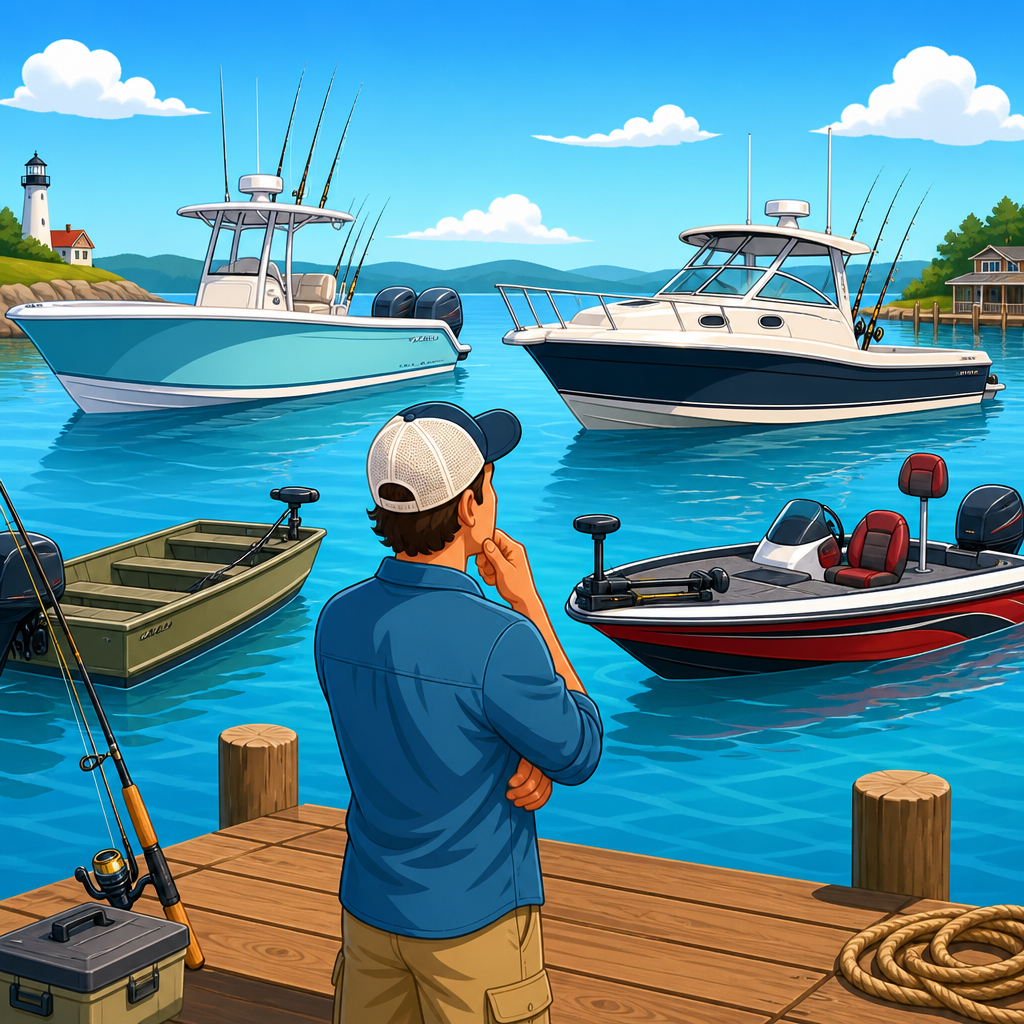
No single category is perfect, but several designs consistently perform well as multi-purpose boats for fishing and watersports. Dual console boats are among the strongest all-around choices because they combine windshield protection, family seating, tow-friendly layouts, and enough cockpit versatility for inshore fishing, freshwater casting, and day cruising. They usually offer better weather protection than center consoles and more fishing utility than pure runabouts. For families who split time between cruising, tubing, and moderate fishing, a dual console in the twenty-to-twenty-four-foot range often hits the sweet spot.
Fish-and-ski boats remain excellent for freshwater owners who prioritize casting and tow sports equally. They typically include pedestal seat bases, livewells, rod lockers, and removable cushions that convert fishing decks into family seating. Their low profile and sportier handling make them efficient on lakes, though they are less ideal in rough coastal chop. Deck boats are another practical option, especially for larger groups. Their wide beam and open seating deliver easy social space and boarding access, and some modern deck boats include trolling motor mounts, livewells, and ski tow pylons. The tradeoff is that serious anglers may find their elevated upholstery and open layout less casting-friendly.
Center consoles deserve consideration if your fishing commitment is high but family versatility still matters. A center console handles changing water conditions confidently, offers 360-degree fishability, and works well for sandbar trips and swimming with the right seating package. Many newer models add foldaway aft benches, bow cushions, and ski tow options. However, in direct comparisons, they usually provide less weather protection and family seating comfort than similarly sized dual consoles. Aluminum crossover boats, including modified-V and deep-V designs, are also strong values. They are durable, lighter to tow, practical in freshwater, and increasingly sophisticated in layout. Their ride, finish level, and noise profile can vary widely by brand and build quality.
| Boat type | Best for | Main strengths | Main compromise |
|---|---|---|---|
| Dual console | Families mixing cruising, tubing, and moderate fishing | Wind protection, flexible seating, balanced layout | Less fish-focused than a center console |
| Fish-and-ski | Lake owners splitting time between angling and tow sports | Fishing features plus ski performance | Limited rough-water capability |
| Deck boat | Large groups, swimming, casual watersports | Space, boarding ease, social layout | Not ideal for serious fishing |
| Center console | Fishing-first owners needing family versatility | Fishability, access around the boat, rough-water confidence | Less seating comfort and weather shelter |
| Aluminum crossover | Value-focused freshwater owners | Low tow weight, durability, practical layouts | Ride quality varies in chop |
Hull, size, and power: the choices that shape fun
Hull design determines much of the boat’s personality. Deep-V hulls cut chop better and usually provide a softer ride in open water, but they may require more horsepower, draw more water, and feel less stable at rest than flatter designs. Modified-V hulls balance efficiency, draft, and comfort for mixed-use freshwater boating. Tri-toon-style deck platforms can offer huge stability and social space, but they belong in a different buying conversation if fishing is more than occasional. For true multi-purpose use, pay close attention to deadrise at the transom, beam width, and how the hull carries weight when passengers cluster aft during tow sports.
Length matters more than many first-time buyers expect. An extra two feet can improve storage, ride quality, passenger separation, and confidence in rough conditions. It can also increase cost, trailer size, and storage limitations at home. In many markets, twenty to twenty-three feet is the practical middle ground for a multi-purpose boat. Boats under nineteen feet can work well for smaller lakes and light crews, but compromises show up quickly when gear, coolers, and four to six people come aboard. Boats above twenty-four feet are highly capable but may push owners into larger tow vehicles, higher fuel spend, and more expensive slips.
Do not underpower a crossover family boat. Manufacturers publish minimum and maximum horsepower ratings, but real satisfaction often comes from choosing power closer to the upper half of the range. That does not mean chasing top speed. It means better holeshot with a full crew, safer throttle response when crossing wakes, and less strain maintaining ski or tube speeds. Four-stroke outboards dominate this category because they are quiet, reliable, fuel-efficient, and easy to service through broad dealer networks. Sterndrives still appear on some deck boats and sport models, but outboards generally simplify maintenance access and free up cockpit space. Stainless prop selection, engine mounting height, and trim tabs can further refine performance after purchase.
Fishing features and watersports features must coexist
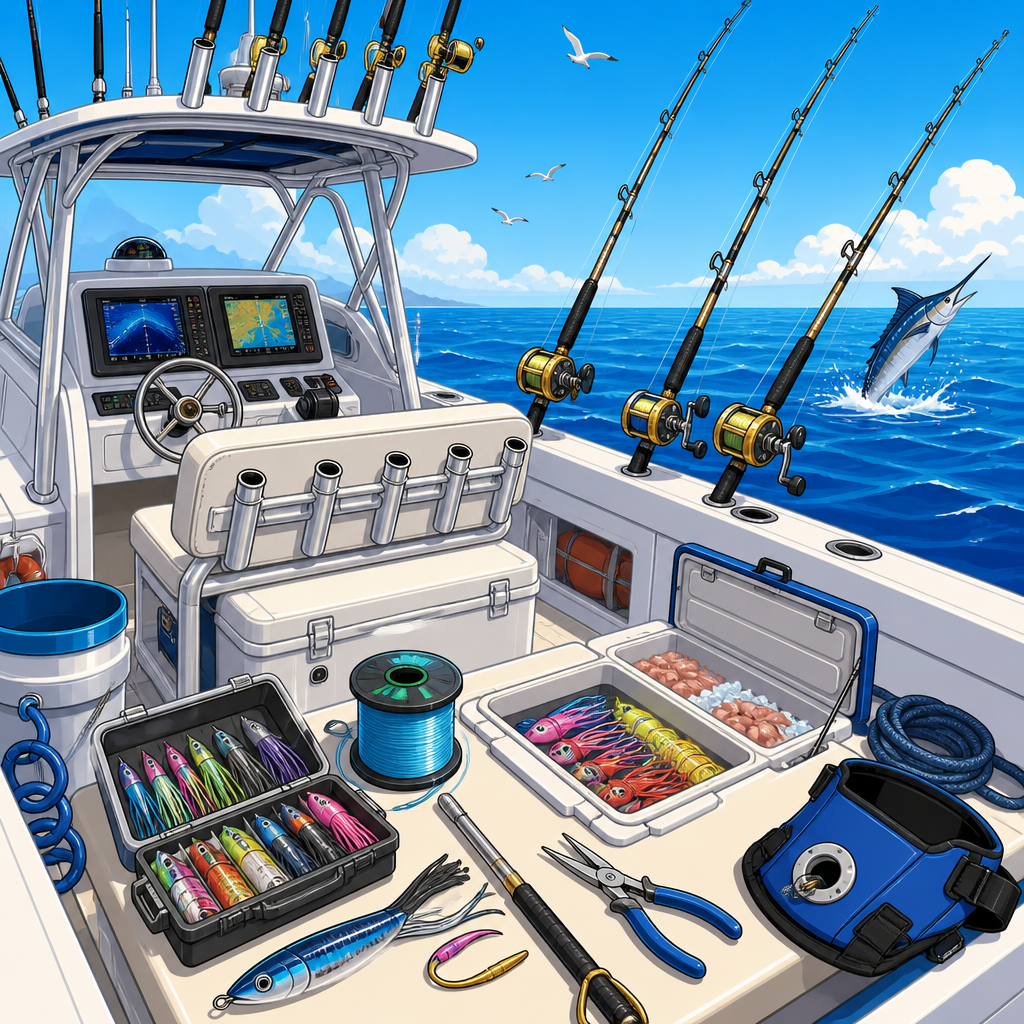
The best multi-purpose boats do not merely include fishing gear and a tow point; they integrate both without getting in each other’s way. For fishing, look for at least one aerated livewell, secure rod storage, a trolling motor mounting option if applicable, nonskid surfaces, and clear casting lanes at bow or stern. Flush-mounted hardware reduces snag points. Removable cushions matter because permanent lounge seating can make casting awkward and hook damage expensive. If your fishing includes trolling, verify whether there is room for downrigger mounts, planer tow points, or electronics networking. A boat can claim to be angler-friendly while failing practical rigging tests.
Watersports create a different set of demands. You need a sturdy ski tow pylon, tow arch, or approved transom towing setup; smooth acceleration; predictable tracking; and a swim platform or ladder that makes reboarding easy. Wakeboarding and wakesurfing require more specialized hull and ballast considerations than casual tubing or waterskiing, so be realistic. Most multi-purpose fishing and watersports boats can tube and ski very well, but they will not replace a dedicated wake boat for surf-quality wakes. That is an acceptable compromise for many families. The goal is broad capability, not elite specialization.
Storage is where smart design separates great boats from frustrating ones. Wet items need dedicated lockers. Tow ropes should store separately from tackle trays. Life jackets should be easy to reach without unloading the boat. Batteries, chargers, and onboard electronics must be protected from clutter and water intrusion. I strongly favor boats with insulated fish boxes that can double as cooler space, plus under-seat compartments deep enough for sports gear. A boarding ladder that deploys quickly from the water is non-negotiable if swimming or tubing is part of the plan. So are cup holders placed away from rod butts and casting zones.
Budget, ownership costs, and how to buy with confidence
Maximum fun comes from a boat you can afford to use often. Set a purchase budget, then price the complete ownership picture: trailer, safety gear, registration, insurance, winterization, routine service, storage, fuel, and accessories. National Marine Manufacturers Association standards, Coast Guard equipment requirements, and ABYC electrical and fuel-system practices are worth understanding because quality construction reduces long-term headaches. During inspections, check wiring runs, hose clamps, access to pumps, deck hardware backing, transom finish, trailer brake condition, and whether the bilge is clean and dry. Sloppy rigging usually predicts future problems.
Used boats can be outstanding values, especially when the first owner absorbed depreciation and upgraded electronics. Still, a marine survey and engine diagnostic report are money well spent. On outboards, ask for service records, total hours, compression data where relevant, and confirmation that software updates or recalls were addressed. On the water, test cold starting, idle quality, steering feel, hole shot, visibility from the helm, and whether the boat lists with passengers moving around. Bring the people who will use it most. A sea trial often reveals ergonomic flaws that spec sheets never show.
The final filter is local support. A respected dealer with a responsive service department can outweigh a slightly lower price from farther away. Parts availability, warranty handling, and launch-day orientation matter, especially for first-time owners. Once you narrow the field, compare two or three boats side by side and score them against your usage priorities. If one model excels in your top activities, fits your tow and storage realities, and feels easy for your family to use, you have likely found the right multi-purpose boat.
A great multi-purpose boat creates more than convenience; it expands how often and how confidently you use the water. The right choice balances fishing utility, tow-sport capability, comfort, safety, and ownership costs without pretending every boat can do everything equally well. Start with your real activities, the water conditions you face, and the people who come aboard. Then match those needs to the boat type, hull shape, size, power, and onboard features that support them. That process consistently leads to better decisions than shopping by brand image or isolated features.
For most buyers, the best answer is a well-equipped dual console, fish-and-ski, deck boat, center console, or aluminum crossover selected around specific use patterns rather than trends. Prioritize practical storage, reliable power, safe boarding, and a layout that keeps fishing gear and watersports gear organized. Inspect carefully, sea-trial thoroughly, and buy from a dealer or seller you trust. If you are building out your Fishing & Water Sports plan, use this hub as your starting point and compare related guides on boat types, towing setups, electronics, and family safety before making your final choice.
Frequently Asked Questions
What makes a boat truly “multi-purpose” instead of just a compromise?
A true multi-purpose boat is not simply average at everything; it is intentionally designed to support several popular activities without creating major frustrations in any one area. For most buyers, that means the boat can cruise comfortably, pull a tube or skier with confidence, offer enough fishable space for casual angling, and still provide family-friendly seating, safety, and storage. The difference comes down to balance. A boat that is too heavily optimized for fishing may sacrifice comfortable lounge seating and tow-sport features, while a boat built only for speed and sunbathing may lack practical deck layout, rod storage, livewell options, or stable casting space.
When evaluating whether a boat is genuinely versatile, focus on the layout and not just the marketing label. Look for flexible seating, open deck space, usable swim access, enough horsepower for your typical crew size, and storage that can handle watersports gear, life jackets, and fishing equipment at the same time. Hull design matters too. A deep-V can improve ride comfort in rougher water, while other designs may emphasize stability at rest or better efficiency. The best multi-purpose models make it easy to shift from one activity to another in the same outing without feeling like the boat is constantly working against you. That is what separates a well-rounded family platform from a boat that only sounds versatile on paper.
How do I decide which activities should drive my buying decision?
The smartest way to choose a multi-purpose boat is to start with how you actually use the water, not how you imagine using it once or twice a season. Make a realistic list of your top activities and rank them in order. If your weekends usually involve cruising with family, stopping at sandbars, towing kids on a tube, and doing only occasional fishing, your ideal boat will look very different from one meant for serious early-morning casting with a little family cruising mixed in. Buyers often get disappointed when they shop aspirationally instead of practically.
A useful approach is to think in percentages. For example, if your boating time is 50 percent cruising, 25 percent tow sports, 15 percent swimming and lounging, and 10 percent fishing, then cruising comfort and towing capability should carry more weight than tournament-style fishing features. That may push you toward a deck boat, bowrider, fish-and-ski model, or certain crossover center consoles rather than a dedicated bass boat or ski boat. Also consider your water conditions, passenger count, and storage needs at home or at the marina. A boat that is perfect for a couple may feel cramped with six people and a pile of gear. Choosing the right multi-purpose boat is really about matching your most common use cases to the boat’s strongest capabilities, while making sure the less frequent activities are still enjoyable enough to justify owning only one vessel.
What hull and layout features should I prioritize for maximum versatility?
Hull and layout are the foundation of versatility because they affect comfort, safety, performance, and how easily the boat transitions between activities. If you boat on larger lakes, coastal bays, or water that can get choppy, a deeper-V hull can deliver a smoother ride and better confidence underway. If stability at rest is more important because you fish often or spend lots of time anchored and swimming, you may prefer a design that feels steadier when people move around. Neither is universally best; the right choice depends on where and how you use the boat most often.
In terms of layout, prioritize adaptable space. You want enough seating for family and guests, but not so much fixed furniture that it limits movement or fishing access. Walk-through transoms, convertible rear seating, removable tables, integrated swim platforms, and open cockpit areas all add flexibility. Storage should be large, dry, and easy to access so that tubes, ropes, tackle, vests, and coolers do not end up underfoot. If fishing matters, look for features like pedestal seat bases, livewell options, rod storage, trolling motor compatibility, and clean casting areas that do not interfere too much with family comfort. If tow sports matter, swim access, tow points, acceleration, and unobstructed stern space become more important. The best layouts feel organized and uncluttered, allowing one boat to support a full day that may include cruising, towing, relaxing, and casting a line without constant rearranging.
How much horsepower do I need for a multi-purpose boat?
Horsepower is one of the most important decisions because it affects acceleration, towing ability, passenger load performance, top-end confidence, and even long-term satisfaction. Many buyers make the mistake of underpowering a boat to save money upfront, only to discover that the boat struggles once it is loaded with family, fuel, coolers, and gear. A multi-purpose boat often carries more people and supports more varied activities than a specialized boat, so adequate power matters even more. If tubing, wake play, or skiing are part of the plan, you need enough engine output to get up on plane quickly and maintain speed reliably.
Rather than choosing the bare minimum horsepower rating, look for an engine package that suits your real-world use. If you regularly boat with a full crew, operate at higher elevations, or want stronger towing performance, stepping up in horsepower is often worthwhile. That does not always mean maxing out the engine, but it usually means avoiding the bottom of the range. Ask for performance data with realistic loads, not just light-demo conditions. Find out how quickly the boat planes, what cruise speeds feel efficient, and how it performs when towing. Also consider fuel economy and engine technology, since modern power packages can offer a better blend of punch and efficiency than older assumptions might suggest. In a multi-purpose boat, the right horsepower helps everything feel easier and more enjoyable, from relaxed cruising to active watersports, while also protecting resale appeal.
Which type of multi-purpose boat is best for families who want the most fun with the fewest trade-offs?
For many families, the sweet spot is often found in crossover designs such as fish-and-ski boats, versatile bowriders, deck boats, or family-friendly center consoles, depending on the local water and primary activities. Fish-and-ski models are especially appealing when the household is evenly split between casual fishing and family recreation because they typically blend casting capability, tow-sport readiness, comfortable seating, and practical storage. Bowriders are often excellent for cruising, swimming, and tubing, with enough flexibility for occasional fishing if properly equipped. Deck boats shine when passenger space, comfort, and social use are the top priorities, while some center consoles work surprisingly well as all-around platforms for coastal and inland families who want fishing utility with room to relax.
The best choice comes from identifying which trade-offs you can live with. If hardcore wake performance is the priority, a dedicated tow boat will outperform a general-purpose model. If serious fishing is the mission, a purpose-built angling boat will be more efficient and specialized. But if your real goal is maximizing fun across a wide range of outings, a thoughtfully chosen crossover boat usually provides the best ownership experience. It gives more people more ways to enjoy the boat on more days of the season. That is the real value of a multi-purpose setup: fewer limitations, less need to own multiple boats, and a better chance that the boat fits the way your family actually spends time on the water.