A fishing boat can become a capable platform for wakeboarding and tubing when upgrades are planned around hull limits, engine power, tow geometry, passenger safety, and on-water storage. Many owners want one boat that can troll at dawn, pull kids on a tube after lunch, and still handle gear, coolers, and changing lake conditions without feeling compromised. That goal is realistic, but only if the boat is evaluated as a system rather than modified piece by piece.
In practice, multi-purpose boats for fishing and watersports usually include aluminum deep-V boats, fish-and-ski models, dual-console fiberglass boats, and some center consoles with enough horsepower and cockpit space. Key terms matter here. Wakeboarding depends on a consistent tow point, enough speed control to hold roughly 16 to 24 mph depending on rider size and skill, and a wake shape the rider can predict. Tubing places different demands on the boat. It needs strong low-end pull, secure tow attachment points, clear observer seating, and room to keep tow ropes away from propellers and fishing hardware.
I have helped owners convert fishing-first rigs into weekend tow boats, and the biggest lesson is simple: the best upgrade is not always a tower or more speakers. The best upgrade is the one that matches the boat’s rated capacity, transom design, engine output, and the way your family actually uses the water. A 17-foot aluminum boat with a 90 hp outboard can tow a tube well with the right setup, but it will not replicate the wake or interior layout of a dedicated wake boat. A 20-foot fish-and-ski with a 200 hp engine, by contrast, can serve both jobs with surprisingly few compromises.
This matters because poor upgrades create real risks. Excess stern weight can change planing attitude. Improper tow points can overload hardware not designed for dynamic pull. Deck clutter increases falls, hook injuries, and rope entanglement. Smart upgrades solve these issues while protecting the boat’s resale value and reliability. If you want a practical guide to upgrading a fishing boat for wakeboarding and tubing, start by understanding what the boat can safely do, then build a towing, seating, storage, and electronics package that supports both fishing and family watersports.
Choose the right multi-purpose platform before buying upgrades
The best hub topic in fishing and water sports is boat selection because every later decision depends on it. Not all fishing boats convert equally well. Fish-and-ski boats are purpose-built hybrids, usually with pedestal fishing seats, livewells, casting decks, and an open cockpit with stern seating for riders. They often accept ski pylons from the factory and are the easiest path into multi-purpose boats for fishing and watersports. Deep-V aluminum boats are next best. Their stability, freeboard, and storage are helpful, especially on larger lakes, but their wakes tend to be narrower and less shaped for wake sports.
Center consoles can tow tubes effectively, especially in saltwater or large inland conditions, yet they demand careful rope management around antennas, rod holders, and outboards. Bass boats are the hardest conversion. They are fast and can pull riders, but limited passenger seating, low freeboard, and front deck layouts make them less practical for family tow sports. If you are evaluating your current rig, check the U.S. Coast Guard capacity plate, transom condition, bilge setup, battery reserve, and minimum planing speed before buying any accessory. A healthy hull and engine are more important than cosmetic upgrades.
Horsepower determines your margin. A lightweight tube with one child may only need modest output, but an adult wakeboarder deep-water starting behind a loaded boat requires torque and propeller bite. Stainless props with the right pitch often improve hole shot more than owners expect. Lower pitch increases acceleration but may reduce top speed, so prop selection should match your typical load and elevation. I generally recommend testing with normal crew weight, half a tank of fuel, and your actual tow gear aboard.
Install a safe tow system that matches your hull and engine
A proper tow system is the core upgrade. For tubing, many fishing boats can use stern tow eyes rated by the manufacturer, a bridle that centers the pull, or a dedicated pylon designed for outboards or sterndrives. For wakeboarding, a higher tow point is better because it reduces line drag on the water and helps riders maintain edge control. However, adding a wake tower to a fishing boat is not automatic. Towers add weight high in the boat, create leverage on mounting points, and may interfere with casting, bimini tops, electronics, and garage storage.
Factory ski pylons or aftermarket removable pylons are often the smartest middle ground. They provide a raised tow point without the structural demands of a full tower. If your transom or deck is thin aluminum, backing plates and manufacturer guidance are essential. Dynamic towing loads are far greater than static loads. A tube that catches air, lands sideways, and swings wide can shock hardware hard enough to deform weak mount points. Use marine-grade stainless hardware, large backing washers or plates, and sealed penetrations to prevent leaks and corrosion.
Rope choice matters too. Use a non-stretch wakeboard line for wakeboarding so riders get consistent pull and timing. Use a tube rope sized for the tube’s rider capacity and keep it well clear of the propeller at idle and pickup. Bright rope colors improve visibility in chop. A floating rope can help line retrieval, but check compatibility with your specific tow sport. Never connect tow ropes to cleats unless the manufacturer explicitly rates them for towing.
| Upgrade area | Best choice for fishing boats | Main benefit | Key caution |
|---|---|---|---|
| Tow point | Factory ski pylon or rated bridle | Safer load path and cleaner pull | Verify structural rating |
| Propeller | Lower-pitch stainless prop | Better hole shot for starts | May cut top speed |
| Ballast | Minimal, removable ballast only | Can shape wake slightly | Watch capacity and freeboard |
| Storage | Under-seat lockers and rope bags | Less deck clutter | Keep wet gear ventilated |
| Electronics | GPS speed control and engine data | Steadier towing speed | Do not rely on speedometer alone |
Improve towing performance with prop, trim, and speed control
Owners often assume they need more horsepower when they really need setup changes. Propeller pitch, engine trim, weight distribution, and speed management have a direct effect on wakeboarding and tubing. For tow sports, the boat should plane quickly without excessive bow rise. Moving portable gear forward, asking passengers to sit evenly, and trimming the outboard in during launch reduces time to plane. Once on top, trim can be adjusted slightly for efficiency, but too much positive trim causes porpoising and inconsistent pull.
For wakeboarding, speed consistency matters more than maximum speed. Many fishing boats have analog speedometers that are inaccurate, especially during turns or in wind. GPS-based speed from multifunction displays, smartphone apps in waterproof mounts, or integrated systems from brands like Garmin, Humminbird, and Lowrance are much more dependable. Holding 18 to 22 mph steadily gives beginner and intermediate riders the best learning platform. Tubing speeds vary widely by age and risk tolerance, but the driver should accelerate progressively and avoid sharp turns that can sling riders into docks, shallow areas, or crossing wakes.
Wake shape is the biggest limitation of a fishing boat. You can improve it somewhat by balancing load and using minimal removable ballast where capacity allows, but most fishing hulls are not designed to create a large, clean wake. That is acceptable. Focus on recreational wakeboarding rather than trying to mimic dedicated wake boats with built-in ballast tanks, surf systems, and high-displacement hulls. The advantage of a multi-purpose setup is versatility, not specialization.
Reconfigure seating, storage, and deck layout for dual use
The transition from fishing mode to watersports mode should be fast and safe. Start with seating. Pedestal fishing seats are excellent for casting but poor for towing because they occupy deck space and create impact hazards during rider pickup. Replace one or more with removable posts or stow the seats before towing. If your boat has jump seats or stern cushions, verify hinges, latches, and bases are tight. Observer seating is important because in many jurisdictions the driver needs a spotter when towing a person.
Storage is where hybrid boats either shine or fail. Wakeboards, tubes, tow ropes, life jackets, and inflators consume more room than many owners expect. Use ventilated rope bags, under-gunnel racks, and dedicated bins so wet tow gear does not mix with tackle trays and soft plastics. Hooks and treble baits should be locked away before riders reboard. On several conversions I have worked on, the single best improvement was adding labeled storage zones: one locker for fishing tackle, one for tow ropes and handles, one for vests, and one for first-aid and emergency gear. That reduced clutter and sped up every launch.
Deck traction also deserves attention. EVA foam marine flooring can improve footing and comfort over bare aluminum or aged fiberglass. Choose a texture that drains well and remains grippy with fish slime, sunscreen, and spray. Boarding ladders are another essential upgrade. Riders climbing over the transom of an outboard-powered fishing boat risk contact with sharp edges and propeller areas. A deep, telescoping ladder mounted away from the engine dramatically improves reboarding safety.
Upgrade safety gear, legal compliance, and passenger protection
Safety upgrades are not optional when turning a fishing boat into a towing platform. Start with life jackets designed for the sport. Standard fishing vests are not the same as properly fitted tow-sport personal flotation devices, and oversized adult vests for children are unacceptable. Keep a throwable flotation device onboard, confirm the fire extinguisher is charged, and inspect navigation lights if outings run into evening. A loud horn or whistle, a visible tow flag where required, and a first-aid kit should all be easy to reach.
Propeller awareness is critical. Shut the engine off when a rider is boarding from the stern or when anyone is near the swim ladder. Establish a pickup routine: approach the fallen rider from the driver’s side for better visibility, keep the rider in sight at all times, shift to neutral early, and retrieve rope only when clear of the prop. Many accidents happen during pickup, not during towing.
Legal rules vary by state, province, and waterway. Common requirements include an observer in addition to the driver, sunset restrictions, distance rules from shore or docks, and age limits for operators. Insurance should also be reviewed. Some policies cover fishing use but have conditions around watersports towing or aftermarket towers. A quick call to your insurer before upgrading can prevent a denied claim later.
Use smart accessories without compromising fishability
The best accessories support both missions. A bimini top offers shade during family tubing sessions, but it must fold out of the rope path. Marine stereos with Bluetooth are popular, yet speaker placement should not block rods, nets, or storage hatches. Battery management is more important than flashy add-ons. Fish finders, livewell pumps, stereo amplifiers, and repeated engine restarts during rider pickup can strain a small electrical system. A dual-battery setup with a switch or automatic charging relay is a worthwhile upgrade for many boats.
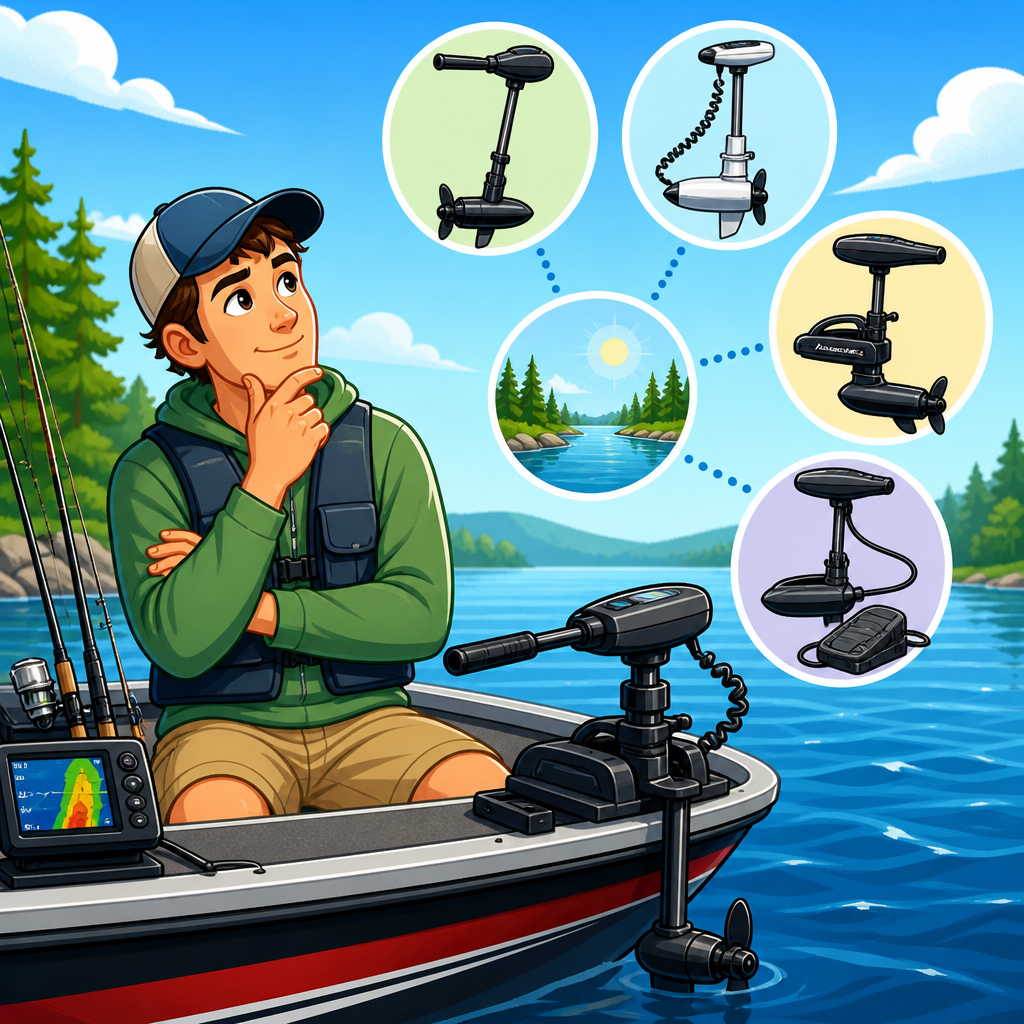
Trolling motors and shallow-water anchors can stay on a dual-purpose boat, but they should be checked for secure stowage before towing. Bow-mounted electronics and graphs need covers if spray is heavy. If you fish with downriggers, planer boards, or removable rod trees, remove them before watersports to open deck space and reduce snag hazards. The general rule is to favor removable accessories over permanent ones. A modular layout preserves the boat’s primary value while making it easier to swap between activities.
If you are building this page as a hub for multi-purpose boats for fishing and watersports, the practical message is clear. Start with hull suitability, then move in order through tow system, prop and speed setup, storage, seating, and safety. That sequence saves money because each step informs the next. Owners who skip straight to cosmetic accessories often end up redoing hardware later.
Upgrading a fishing boat for wakeboarding and tubing works best when you accept the boat’s real strengths. It may never throw a tournament wake, but it can deliver reliable family fun, preserve early-morning fishability, and reduce the cost of owning separate boats. The most successful conversions are balanced: rated tow points, strong hole shot, clean storage, secure seating, proper ladders, and disciplined safety habits. Those upgrades make the boat easier to use every weekend, not just on perfect weather days.
For most owners, the main benefit of a multi-purpose setup is flexibility. One well-planned boat can handle casting, cruising, tubing, and beginner wakeboarding with far less compromise than people assume. Focus on structural safety first, performance second, and convenience third. Use manufacturer ratings, quality marine hardware, and GPS-backed speed control. Keep the cockpit clear, the observer engaged, and the pickup routine consistent.
If you are ready to build out your own fishing and water sports hub, begin by auditing your boat today: capacity plate, horsepower, tow points, storage, ladder, and battery system. That checklist will show which upgrades matter most and help you create a boat that serves both anglers and riders confidently.
Frequently Asked Questions
Can a fishing boat really be upgraded for wakeboarding and tubing, or do I need a dedicated tow boat?
Yes, many fishing boats can be upgraded to handle tubing and light-to-moderate wakeboarding, but the answer depends on the boat’s hull design, engine output, transom strength, weight capacity, and overall layout. The most important mindset is to treat the boat as a complete system rather than adding accessories one at a time. A boat that trolls well at low speeds may still be capable of pulling a tube or beginner wakeboarder, but only if the hull can plane cleanly with extra passengers, the motor can accelerate safely under load, and the tow point is installed in a way that does not overstress the structure.
In general, larger deep-V aluminum fishing boats, fish-and-ski hybrids, and fiberglass multi-species boats tend to adapt better than very small tiller boats or ultra-light jon boats. Tubing is usually easier to accommodate because it does not require the same wake shape or tow height that wakeboarding benefits from. Wakeboarding often works best when the boat can maintain steady speed, carry passengers comfortably, and pull from an elevated tow point such as a properly rated pylon or tower. Even then, a converted fishing boat will not behave exactly like a purpose-built wake boat, especially in terms of wake size and ballast carrying ability.
Before upgrading, check the manufacturer’s capacity plate, horsepower rating, and any structural guidance related to towers, ski pylons, or transom-mounted accessories. If the boat struggles to get on plane with a normal fishing load, it will likely struggle more once you add tow sports, extra people, coolers, and water gear. A realistic goal is not to turn a fishing boat into a competition wake machine, but to create a safe, versatile family setup that can fish in the morning and tow riders in the afternoon without exceeding design limits.
What upgrades matter most if I want my fishing boat to tow wakeboarders and tubers safely?
The most valuable upgrades usually fall into five categories: tow hardware, propulsion setup, control and visibility, passenger safety, and storage organization. A proper tow point is one of the first priorities. For tubing, some owners use heavy-duty transom tow eyes with a bridle, while wakeboarding generally benefits from a center-mounted ski pylon or a tower engineered specifically for the boat. The key is to use hardware rated for towing loads and installed according to structural requirements. Random aftermarket attachment points or improvised tie-offs can create dangerous stress concentrations and should be avoided.
Propulsion setup is equally important. The engine must be able to pull riders onto plane smoothly and hold a consistent speed. That may mean evaluating propeller pitch, blade count, and engine health rather than immediately assuming you need more horsepower. In many cases, a lower-pitch prop improves hole shot and towing performance, especially when the boat frequently carries several passengers and gear. Trim behavior also matters. A boat that porpoises, struggles to plane, or loses speed in turns can make towing unpredictable. Trim tabs or hydrofoil-style planing aids may help some hulls, but they should be selected carefully and with an understanding of how they affect handling.
Visibility and control upgrades can make a major difference in real-world use. A wide-angle mirror, reliable speedometer or GPS speed display, and an observer seat with a clear aft view help the driver maintain safe control while another adult watches the rider. Many states require an observer for towed watersports, so seating layout matters. Passenger safety additions such as non-slip flooring, boarding ladders, grab handles, and designated life jacket storage are often overlooked but become essential once the boat is used for active recreation instead of only fishing. Finally, clean storage solutions for ropes, inflatables, pumps, wet gear, tackle, and coolers prevent cluttered decks and reduce trip hazards. The best upgrade plan improves how the boat works during the entire day, not just while someone is being towed.
Do I need a wakeboard tower, or is a ski pylon or tow bridle enough?
It depends on how you plan to use the boat and what the boat’s structure can support. For tubing, a tow bridle attached to properly rated stern tow points is often sufficient and is commonly the simplest solution. It keeps the tow line clear of the outboard or stern drive and works well for casual family use. For wakeboarding, however, an elevated tow point is generally better because it changes the pull angle, makes deep-water starts easier for many riders, and can reduce line drag on the water. That elevated pull can come from a ski pylon or a tower, but the right choice depends on the boat’s design and intended usage.
A ski pylon is often a practical middle ground for fishing boats because it provides a higher, centered tow point without the complexity, weight, and cost of a full wakeboard tower. It can also be less intrusive when you still need room for casting, rod storage, and moving around the cockpit. A tower offers the highest tow point and can add board racks and accessory mounting locations, but it is not automatically the best option. Towers add weight up high, can affect storage and trailering, may interfere with bimini tops or electronics, and require strong mounting locations. On some fishing boats, especially lighter aluminum models, tower installation may be structurally inappropriate unless the manufacturer specifically supports it.
The biggest mistake is choosing based on appearance rather than engineering. Any tow system must match the hull structure, deck reinforcement, and manufacturer guidance. The loads generated during towing are dynamic, not static, and they increase with aggressive turns, rider falls, and repeated use. If you are mainly pulling kids on a tube with occasional novice wakeboarding, a rated pylon or quality bridle setup may be the smartest solution. If you want a more wake-sports-focused setup and the boat is large and structurally suitable, a professionally installed tower can make sense. In all cases, make sure the tow point is rated, centered appropriately, and positioned so the rope stays clear of the engine, passengers, and fishing equipment.
How much engine power and propeller setup do I need for wakeboarding and tubing on a fishing boat?
There is no single horsepower number that guarantees success because towing performance depends on the total package: hull shape, boat length, dry weight, passenger count, gear load, propeller selection, elevation, and water conditions. That said, tubing is generally less demanding than wakeboarding. Many fishing boats with moderate horsepower can tow a tube safely if they plane easily and maintain control with passengers aboard. Wakeboarding demands more consistent acceleration and speed holding, especially when pulling heavier riders or multiple participants throughout the day. If the boat already feels marginal with a normal fishing load, it will likely feel underpowered once you add tow sports.
Propeller choice often has a bigger impact than owners expect. A prop designed for top-end speed may not deliver the low-end thrust needed for strong hole shot when towing. Moving to a slightly lower pitch or changing blade configuration can help the engine reach its power band more quickly and improve pull-out performance. This can be especially useful on boats that carry livewell water, batteries, tackle, coolers, and several passengers. The tradeoff is that you may lose some maximum speed, so the prop should be chosen based on how you truly use the boat. For a family multi-purpose setup, stronger midrange towing performance is often worth more than a few extra miles per hour at wide-open throttle.
It is also important to think beyond raw power. The engine should run cleanly, cooling and fuel systems should be healthy, and the boat should steer predictably under towing loads. A modern speed control aid, or at least GPS-based speed awareness, helps maintain the consistent speeds riders need. For wakeboarding, that often means a narrow target speed range depending on rider size and skill level. For tubing, speed should be moderated based on the rider’s age and conditions rather than pushed for excitement. If you are unsure whether your current setup is adequate, a sea trial with a realistic crew and load is the best test. Measure hole shot, planing behavior, turning control, and speed consistency before investing in major accessories.
What safety and storage changes should I make so the boat stays practical for both fishing and watersports?
Safety and storage upgrades are what separate a fun multi-purpose boat from one that feels chaotic and compromised. Start with deck management. Fishing boats often accumulate tackle trays, rods, landing nets, pliers, anchors, bait gear, and electronics accessories in places that are fine for angling but hazardous when people are boarding from the water or moving around with tow ropes. Create dedicated storage zones so the cockpit and swim access areas stay clear. Tow ropes should have a dry, ventilated place when stored and a separate staging area when in use so they do not tangle with hooks, cleats, or rod tips.
Boarding and recovery deserve special attention. A sturdy boarding ladder, easy transom access, non-slip surfaces, and secure handholds make getting back into the boat much safer after a ride. This is especially important with children, older passengers, or anyone wearing a bulky life jacket. Keep properly sized U.S. Coast Guard-approved life jackets organized and immediately accessible, not buried under tackle or coolers. A throwable flotation device, first-aid kit, emergency cut-off lanyard, whistle or horn, and