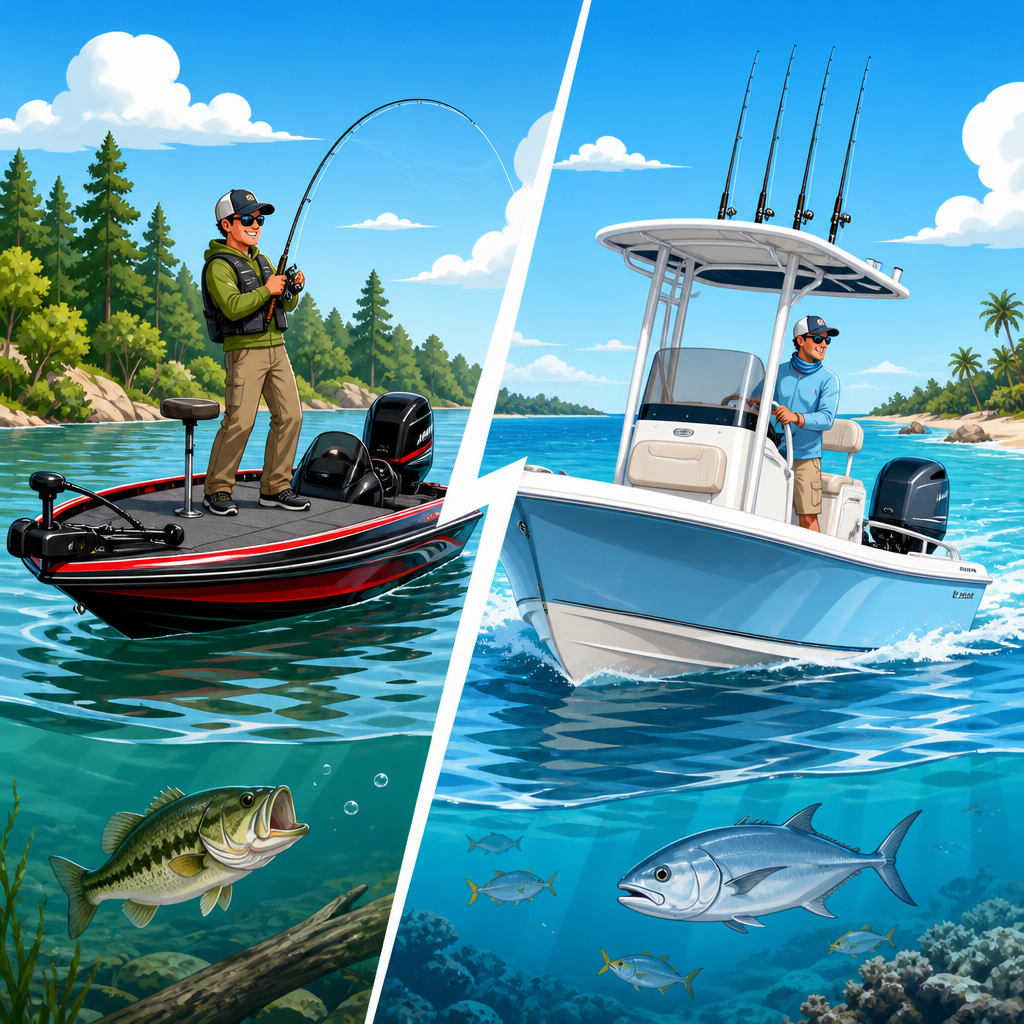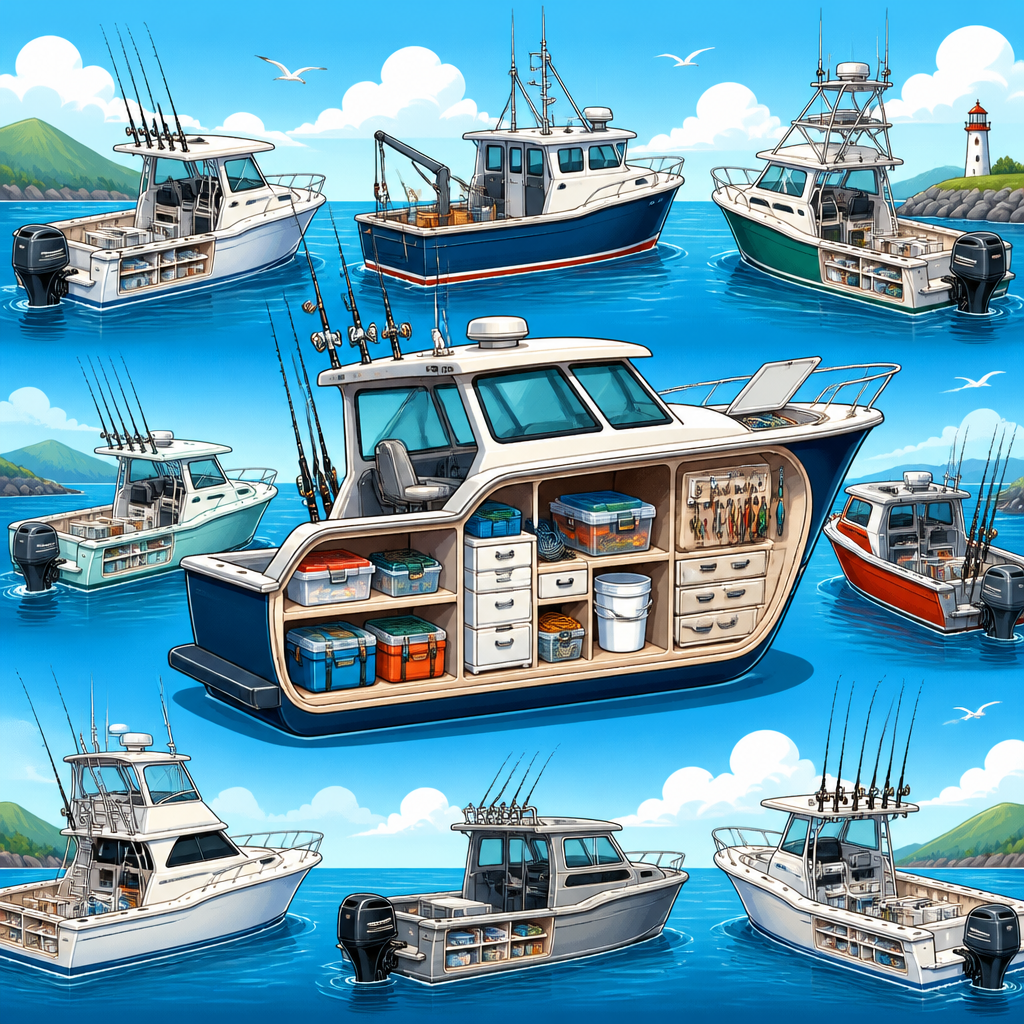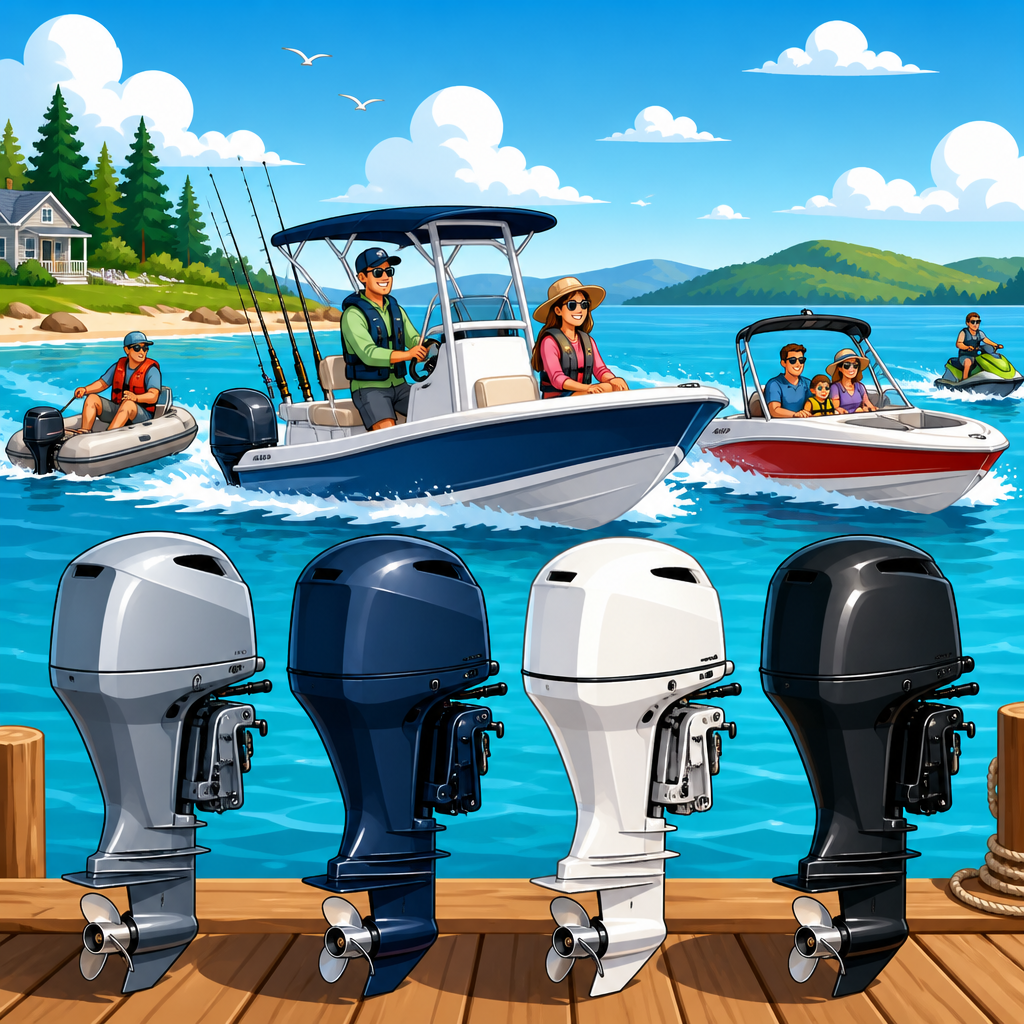
Choosing the best outboard motors for multi-purpose boating starts with understanding how one engine must serve very different jobs: idling quietly along a weed line at dawn, pushing a family onto plane with a tube in tow by noon, and cruising home efficiently before weather changes. In this context, multi-purpose boating means using one boat for fishing, watersports, sandbar trips, and general recreation, rather than owning specialized rigs for each activity. The outboard motor is the key system that determines hole shot, top speed, fuel burn, shallow-water control, noise levels, maintenance demands, and long-term resale value. I have rigged and tested boats for anglers who also tow wakeboards, and the lesson is always the same: the right horsepower, weight, and propeller setup matter more than brand hype. A great multi-purpose setup balances low-speed manners with strong midrange acceleration, because most owners need versatility more than maximum speed. This hub explains how to match an outboard to a dual-role boat, which motor features make daily use easier, what tradeoffs come with two-stroke versus four-stroke designs, and how to evaluate leading options from major manufacturers. If you want one boat that fishes hard and still keeps kids smiling behind a tube, motor selection is the decision that shapes every day on the water.
What Makes an Outboard Good for Fishing and Watersports
The best outboard motors for multi-purpose boating share a specific performance profile. They need enough torque to lift a loaded hull onto plane quickly, predictable throttle response for towing, and quiet, stable idle characteristics for fishing. On a multi-purpose boat for fishing and watersports, low-end torque affects hole shot when coolers, batteries, fuel, and passengers add weight. Midrange efficiency matters because most owners cruise between 3000 and 4500 rpm. Noise and vibration matter more than brochures admit; on long trolling runs or shoreline drifts, a smooth engine reduces fatigue and makes conversation easier. Reliability is non-negotiable, especially if the same boat handles family outings and serious fishing trips.
Modern four-stroke outboards dominate this category because they combine clean emissions, broad powerbands, and strong resale value. Direct-injection two-strokes still have fans for their lighter weight and punchy acceleration, but options are fewer than they once were. For a 19- to 23-foot bay boat, fish-and-ski, dual console, or crossover center console, the sweet spot is often 150 to 250 horsepower. Below that range, towing performance with multiple passengers can suffer. Above it, cost, fuel burn, and stern weight can climb enough to reduce all-around practicality.
Boat type also changes the answer. An aluminum multi-species boat benefits from a lighter motor to preserve draft and transom balance. A fiberglass dual console can absorb more weight and may reward a bigger displacement engine with smoother acceleration. A center console used offshore occasionally needs enough reserve power to maintain safe cruise in chop. That is why the best outboard motor is never judged alone; it is judged as part of a hull, load, propeller, and use-case system.
How to Match Horsepower, Weight, and Hull Design
Horsepower ratings printed on the capacity plate set the legal ceiling, but choosing the right percentage of that maximum is where smart rigging happens. In practice, most multi-purpose owners are happiest when they power the boat near the upper end of the rating, typically 80 to 100 percent of maximum. That approach improves planing with mixed loads, supports watersports, and reduces strain at cruise because the engine works less aggressively. An underpowered boat often burns more fuel than expected because the throttle stays open longer and the hull struggles to stay on top of the water.
Engine weight deserves equal attention. Adding 80 to 150 extra pounds on the transom can change static trim, scupper height, holeshot attitude, and shallow-water draft. I have seen otherwise excellent family fishing boats become stern-heavy after repowers, causing slower planing and more bow rise with full livewells. Compare not only horsepower but also block size and shaft length. A 200 hp four-cylinder and a 200 hp V6 may perform differently because displacement affects torque delivery. Shaft length must match the transom exactly, usually 20 inches for many trailers boats and 25 inches for larger offshore-oriented hulls, to avoid ventilation and poor efficiency.
| Boat Type | Typical Length | Common Outboard Range | Best Use Balance |
|---|---|---|---|
| Aluminum multi-species | 17 to 20 ft | 90 to 150 hp | Fishing priority with light towing |
| Fish-and-ski | 18 to 21 ft | 150 to 200 hp | Balanced fishing and watersports |
| Dual console crossover | 20 to 24 ft | 150 to 250 hp | Family cruising, tubing, inshore fishing |
| Center console crossover | 21 to 25 ft | 200 to 300 hp | Fishing first, watersports second |
Propeller selection completes the match. Stainless steel props usually provide better grip, sharper handling, and improved durability than aluminum props, especially on heavier boats used for towing. Three-blade props often deliver stronger top speed, while four-blade props can improve stern lift, rough-water bite, and low-speed control. For many multi-purpose boats, a four-blade stainless prop is the best compromise because it helps both skiers and anglers.
Best Outboard Motor Ranges by Use Case
For compact family fishing boats, 90 to 115 horsepower is the practical entry point. Motors in this class from Yamaha, Mercury, Suzuki, and Honda are efficient, widely supported, and ideal for aluminum multi-species boats, smaller bay boats, and simple runabouts. They troll cleanly, launch easily, and keep ownership costs manageable. Their limitation appears when adults, gear, and tow sports combine on hotter days or higher elevations, where performance drops.
The 150 horsepower class is arguably the center of the market for multi-purpose boats for fishing and watersports. Engines such as the Yamaha F150, Mercury 150 FourStroke, Suzuki DF150, and Honda BF150 have built reputations for reliability and broad dealer support. On 18- to 21-foot hulls, they usually provide enough speed for tubing and enough efficiency for regular fishing travel. This class is often the smartest choice for buyers who trailer frequently and want good performance without V6 fuel costs.
For larger crossover boats, 175 to 250 horsepower is the premium all-around range. Yamaha’s 4.2-liter V6 models, Mercury’s V6 and V8 families, Suzuki’s DF200 and DF250 line, and Honda’s BF200 and BF250 give stronger acceleration with heavy crews and rough-water capability. If your boat regularly carries six people, full fuel, fishing tackle, and watersports gear, this range preserves versatility. The tradeoff is purchase price, higher annual service cost, and more sensitivity to prop setup and transom loading.
Above 250 horsepower, the mission usually shifts away from true all-around efficiency and toward larger center consoles or offshore-capable dual consoles. These engines can still support family towing and nearshore fishing, but for most sub-pillar readers comparing multi-purpose boats, they exceed the realistic needs of a do-everything trailerable platform.
Brand Strengths, Technology, and Ownership Factors
Yamaha remains a benchmark because of consistent reliability, quiet operation, and exceptionally strong resale. The F150 became a standard recommendation for good reason: it is easy to service, well understood by technicians, and matched to countless hulls. Mercury’s recent four-stroke lineup stands out for brisk acceleration, digital integration, and broad model depth, from portable engines to high-output V8s. On many boats I have tested, Mercury motors deliver excellent midrange punch, which helps when pulling skiers out of the water.
Suzuki often offers strong value with generous standard equipment and efficient lean-burn strategies. Many practical buyers appreciate Suzuki for delivering competitive torque and fuel economy at attractive pricing. Honda is known for refined operation and durable engineering, particularly for owners who prioritize smoothness, longevity, and predictable maintenance. Tohatsu, while more visible in lower horsepower classes, remains worth considering on smaller crossover applications where simplicity and cost matter.
Technology can add real value if it solves a real problem. Digital throttle and shift systems improve docking precision and make helm controls lighter. Hydraulic or electro-hydraulic steering reduces effort and torque steer, especially above 150 horsepower. Networked engine displays from Simrad, Garmin, Lowrance, or proprietary systems simplify fuel-flow tracking and maintenance reminders. Trim assist, trolling modes, and alternator output matter too. Anglers running live sonar, multiple multifunction displays, shallow-water anchors, and big trolling motors should check alternator amperage, because electrical load is no longer a minor detail on modern fishing boats.
Dealer support may be the most underrated factor in outboard ownership. The best motor on paper becomes frustrating if warranty work requires a four-hour drive during summer. Before choosing a brand, verify certified service locations, parts availability, and seasonal turnaround times in your region. That practical step saves more trouble than chasing an extra two miles per hour.
Rigging, Fuel Economy, and Maintenance That Protect Value
Correct rigging turns a good outboard into a great multi-purpose package. Engine mounting height affects speed, fuel burn, steering feel, and ventilation in turns. A motor mounted too low drags and wastes fuel; too high, and the prop may lose bite during aggressive cornering or in chop. Sea trials should include full fuel, realistic crew weight, and towing or fishing gear, not just a light dealer demo. Record wide-open-throttle rpm and compare it to manufacturer recommendations. If the engine cannot reach its rated range, prop pitch or setup likely needs adjustment.
Fuel economy depends less on advertising claims than on hull cleanliness, propeller match, load discipline, and throttle habits. Most four-stroke outboards deliver their best miles per gallon in the midrange, often around 3500 to 4500 rpm, where the boat is comfortably on plane without excessive trim drag. Ethanol-blended fuel requires vigilance. Use the right water-separating fuel filter, stabilize fuel during storage, and avoid leaving tanks partially filled for long periods in humid climates.
Maintenance schedules are straightforward but essential: engine oil and filter changes, gearcase lubricant, water pump service, spark plugs, anodes, and periodic thermostat inspection. Saltwater use adds flush routines and closer corrosion checks. Keep digital service records and receipts. When owners ask how to protect resale on a multi-purpose boat, my answer is simple: maintain the outboard meticulously, because buyers may forgive worn upholstery sooner than uncertain engine history. Compression consistency, clean rigging, and documented service speak louder than cosmetic shine. If you want this hub to guide a broader purchase, connect your motor choice to the boat layout, electronics load, trailer limits, and intended activities, then shop sea trials instead of spec sheets alone.
The best outboard motors for multi-purpose boating are the ones that match real use, not fantasy use. For most buyers in the fishing and water sports category, that means choosing a modern four-stroke with enough horsepower to run near the top of the hull rating, keeping transom weight in balance, and pairing the engine with the right stainless propeller. A 150 horsepower motor is the sweet spot for many 18- to 21-foot crossover boats, while 200 to 250 horsepower suits larger dual consoles and center consoles carrying bigger crews and mixed gear. Brand reputation matters, but dealer support, rigging quality, and maintenance discipline matter just as much over the life of the boat.
If your goal is one boat that can troll, tube, cruise, and still hold value, focus on torque, midrange efficiency, quiet operation, and service access. Use this hub as your starting point for comparing multi-purpose boats for fishing and watersports, then narrow the search by hull type, payload, and towing priorities. Sea trial several combinations, review engine data carefully, and choose the package that performs well across the widest range of real days on the water.
Frequently Asked Questions
What size outboard motor is best for multi-purpose boating?
The best outboard size for multi-purpose boating depends on your boat’s length, hull design, passenger load, and how you actually use it from week to week. In most cases, the right choice is not simply the biggest motor the transom can handle, but the engine that gives you a balanced mix of hole shot, cruising efficiency, load-carrying ability, and manageable operating costs. A multi-purpose setup has to perform well in several scenarios, such as slow-speed fishing, pulling a tube or skier, carrying coolers and guests to a sandbar, and still cruising comfortably when the weather starts to shift. That means the ideal horsepower rating is usually somewhere in the middle to upper end of the manufacturer’s approved range, where the boat feels responsive without becoming wasteful or overly stern-heavy.
For smaller boats, a modest horsepower engine may be enough for two anglers and light gear, but once you add family passengers, tow sports, or regular all-day outings, underpowering becomes much more noticeable. A boat that struggles to get on plane with a full crew is not truly versatile. On the other hand, maxing out horsepower can improve acceleration and reduce strain under heavy loads, but it can also increase fuel burn, purchase price, insurance cost, and sometimes affect low-speed handling or transom weight balance. A well-matched outboard should allow the boat to plane quickly, hold plane at reasonable midrange speeds, and run efficiently at common cruising RPM.
One of the smartest ways to choose is to think about your hardest-use day rather than your easiest one. If your typical outing includes four or five people, a towable, fuel, safety gear, and a livewell or cooler, size the motor for that reality. Also look at the boat builder’s recommended horsepower range and performance data if available. For true multi-purpose use, many owners are happiest when they choose enough motor to avoid feeling limited, but not so much that they sacrifice economy and simplicity. In practical terms, the best size is the one that delivers confident all-around performance across fishing, family recreation, and watersports instead of excelling at just one task.
Should I choose a two-stroke or four-stroke outboard for a multi-purpose boat?
For most modern multi-purpose boaters, a four-stroke outboard is the default choice because it offers quiet operation, smooth idle characteristics, strong reliability, and excellent fuel efficiency across a broad range of activities. Those traits matter when one engine has to handle early-morning fishing runs, long no-wake zones, casual cruising, and towing the kids in the afternoon. Four-strokes are especially appealing for families and mixed-use owners because they tend to be refined, easy to live with, and less tiring over a full day on the water. Their quieter sound signature and smoother low-speed behavior also make them well suited for trolling, dock approaches, and general recreation.
That said, modern direct-injection two-stroke outboards still have strengths that can make them attractive in certain multi-purpose applications. They are often known for strong torque, lively acceleration, and in some cases lighter weight compared with similarly powered four-strokes. If your boat benefits from lower transom weight or if quick hole shot is a major priority for towing and heavy loads, a two-stroke may be worth considering. Today’s advanced two-strokes are very different from older carbureted designs and can be clean-running and capable, but they may still be perceived differently in terms of sound, feel, and maintenance preferences depending on the brand and model.
The best decision comes down to how you prioritize refinement versus character, and efficiency versus weight and acceleration benefits. If your boating style emphasizes broad family use, quiet cruising, frequent idle time, and simplicity at resale, a four-stroke is usually the safest and most versatile answer. If you need sharp performance, appreciate a more performance-oriented feel, and have a hull that benefits from weight savings, a modern two-stroke can still be an excellent fit. In either case, the more important factor is choosing a high-quality engine with a strong dealer network, proper rigging, and a horsepower rating that truly matches the way your boat is used.
What features matter most in an outboard motor for fishing, watersports, and family cruising?
The most important features in a multi-purpose outboard are the ones that help the engine perform smoothly across very different kinds of use without forcing constant tradeoffs. Reliable starting, stable idle quality, strong midrange power, good fuel economy, and quiet operation top the list because those traits benefit nearly every activity. For fishing, smooth low-speed control is a major advantage, especially if you spend time in no-wake zones, along shorelines, or maneuvering near docks and structure. For watersports, you want crisp throttle response and enough torque to get the boat on plane quickly with passengers and a rider in tow. For family cruising and sandbar trips, comfort, low vibration, and range often matter even more than top-end speed.
Trim and tilt performance is another feature that deserves attention. A responsive power trim system helps the driver fine-tune bow attitude for changing loads, water conditions, and activities. That becomes especially useful when the same boat might be lightly loaded in the morning and carrying several guests by afternoon. Hydraulic steering compatibility, digital throttle and shift on applicable setups, and integrated engine monitoring can also improve the ownership experience dramatically. These features make the boat easier to handle, easier to learn, and more pleasant for multiple drivers in a household.
Many buyers also overlook charging output and electrical support. If your boat uses fishfinders, livewell pumps, stereos, lighting, and device charging all in the same day, a strong charging system helps keep batteries healthy and reduces headaches on longer outings. Corrosion protection is equally important if the boat will see brackish or saltwater use. Finally, think about service access and dealer support as features in their own right. An outboard may look great on paper, but if routine maintenance is inconvenient or qualified service is far away, that affects real-world versatility. The best multi-purpose outboard is one with a broad, user-friendly feature set that improves performance, comfort, and dependability across every type of day on the water.
Is it better to buy the maximum horsepower rating for better all-around performance?
Not always, but in many cases choosing horsepower near the top of the boat’s approved range can make a multi-purpose boat more capable and less stressed in real use. A stronger engine usually improves acceleration, helps the boat plane faster with a heavy passenger load, and gives you more authority in rough conditions or during tow sports. That extra power can be especially valuable on a boat expected to shift between fishing duty, family cruising, and recreational towing. It is easier to manage a capable engine at moderate throttle than to constantly push a smaller engine near its limit just to maintain acceptable performance.
However, maximum horsepower is not automatically the best value or the smartest fit. More power often means higher upfront cost, greater fuel consumption at aggressive throttle settings, and increased weight on the transom. On some hulls, extra engine weight can affect draft, balance, and slow-speed manners. There is also the question of how you truly use the boat. If you rarely carry more than two or three people, never tow riders, and prioritize quiet economical cruising, a slightly smaller engine may deliver better overall satisfaction. What matters is not bragging rights, but how comfortably the motor supports your typical and heaviest-use conditions.
A good rule is to avoid being significantly underpowered on a multi-purpose boat, because that is where versatility tends to break down first. Underpowered boats often struggle with hole shot, feel sluggish when loaded, and can be less efficient than expected because they must run harder for longer periods. At the same time, choosing the maximum rating only makes sense if the hull is known to perform well with that weight and power, and if the budget supports the added cost of the engine, propeller tuning, and possible rigging upgrades. The best all-around decision is usually a well-matched horsepower choice that gives you reserve capability without creating unnecessary expense or imbalance.
How important are propeller selection and setup when choosing the best outboard for multi-purpose boating?
Propeller selection and engine setup are extremely important, and they are often the difference between an outboard that feels merely adequate and one that feels perfectly suited to multi-purpose use. Even an excellent motor can disappoint if it is paired with the wrong propeller pitch, diameter, blade design, or mounting height. Because multi-purpose boating includes competing demands, such as quick acceleration for tow sports, efficient cruising for family outings, and stable low-speed manners for fishing, the propeller has to help balance those needs. It is one of the most effective tuning tools available, and yet many buyers treat it as an afterthought.
In simple terms, a lower-pitch propeller can improve hole shot and load-carrying performance, which is helpful when pulling tubes or getting a heavily loaded boat onto plane. A higher-pitch propeller may improve top-end speed and reduce engine RPM at certain speeds, but it can also make the boat feel lazy when accelerating. Blade count and propeller material also matter. Stainless steel props usually offer better durability and performance precision than aluminum, while four-blade designs can improve grip, stern lift, and handling in some applications. There is no universal best