
Jet ski adventures in the United States combine speed, scenery, and easy access in a way few water sports can match. A personal watercraft, often shortened to PWC, is a small motorized vessel designed for one to three riders who sit or stand and steer with handlebars. In everyday conversation, many riders say Jet Ski, though that is technically a Kawasaki brand name, much like people say Sea-Doo or WaveRunner. I have planned coastal rides, lake loops, and guided wildlife tours across several states, and the best locations share the same essentials: reliable launch access, safe riding zones, clear local rules, and water conditions that fit the rider’s skill level.
This topic matters because the right destination changes the entire experience. A beginner who rents a PWC in a protected bay needs different conditions than an experienced rider chasing open-water swells or long-distance touring routes. Good locations also support the broader Fishing & Water Sports category by offering marinas, bait and tackle shops, beaches, paddle sport launches, snorkeling, and charter access in one trip. That makes a jet ski hub useful not only for thrill seekers, but also for families, anglers, and travelers building a full watersports itinerary. In practical terms, choosing well improves safety, reduces downtime from weather or restrictions, and gives riders more value from rental fees, fuel, and travel.
Across the U.S., the strongest jet ski destinations fall into a few clear types. Tropical island chains deliver warm water and sightseeing. Large reservoirs offer dependable summer riding and straightforward navigation. River systems create urban touring routes with skyline views and waterfront dining. Gulf and Atlantic coastal zones combine beaches, mangroves, and wildlife encounters. Western alpine lakes and desert waterways add dramatic scenery, though they often come with elevation, wake, and seasonal limits. The sections below explain where to go, what makes each region stand out, and how to match conditions, regulations, and trip style so your next PWC adventure is fast, memorable, and well planned.
Florida Keys, Miami, and Tampa Bay: the most versatile coastal playground
Florida is the deepest single-state hub for jet ski and personal watercraft adventures because it offers warm weather, dense rental infrastructure, and multiple riding environments within one day’s drive. The Florida Keys are ideal for scenic touring. Around Key Largo and Islamorada, riders can follow marked channels between mangrove islands, sandbars, and shallow flats with striking water color changes from pale green to deep blue. Guided eco-tours often point out rays, sea turtles, and bird rookeries while keeping visitors away from seagrass damage zones. In my experience, first-time riders do especially well here when wind stays moderate, because the routes are visually obvious and the scenery is rewarding even at lower speeds.
Miami adds a different kind of energy. Biscayne Bay supports skyline rides, celebrity-home sightseeing routes, and open areas where experienced operators can enjoy more speed when conditions allow. The tradeoff is traffic. Weekends can bring heavy boat wakes, rental fleets, and sudden weather shifts, so morning sessions are usually smoother. Tampa Bay and nearby Clearwater offer another strong option, especially for families. Protected sections around the Intracoastal Waterway can be less intimidating than exposed ocean runs, and beach towns provide easy add-ons like parasailing, fishing charters, and dolphin cruises. Florida Fish and Wildlife Conservation Commission rules, boater safety education requirements, and local idle-speed zones are enforced, so riders should confirm age limits, temporary boater certificates, and map boundaries before launch.
Lake Havasu and the Colorado River: high-energy riding in the desert Southwest
Lake Havasu, straddling Arizona and California, is one of the most recognized PWC destinations in the country for a simple reason: it was practically built for motorized fun. The lake has broad open water, numerous coves, warm-weather appeal, and a culture centered on boating. London Bridge is the iconic landmark, but the real draw for riders is variety. Beginners can stay near calmer shoreline areas and no-wake zones, while confident operators can explore long stretches of the main channel. Rentals, fuel docks, launch ramps, and waterfront lodging are plentiful, which makes logistics much easier than at more remote lakes.
The Colorado River corridor extending south from Havasu toward Parker adds touring value. Riders can find narrower river sections, beach pull-offs, and restaurant stops that create an all-day route instead of a short rental loop. The desert climate means spring and fall often deliver the most comfortable conditions; midsummer heat is intense, and dehydration becomes a real performance and safety issue. Water levels, current, and local speed restrictions can change by section, especially near marinas and bridges. I advise riders to treat Havasu as a performance-oriented destination with real operational discipline: wear a properly fitted U.S. Coast Guard approved life jacket, carry a lanyard cutoff switch, monitor fuel closely, and respect afternoon wind because chop can build fast on the wider reaches.
Lake of the Ozarks and Table Rock Lake: Midwest access with big water appeal
For riders in the central U.S., Missouri delivers some of the most practical and rewarding jet ski adventures. Lake of the Ozarks is famous for its size, marina network, and summer boating scene. The main channel can become very rough from cruiser traffic, especially on holiday weekends, but the countless coves and side arms give riders options. That mix is exactly why it works as a hub destination. You can rent near resort areas, spend part of the day in protected water, then venture into more active sections once you understand the traffic pattern. Waterfront restaurants and docks make point-to-point riding more enjoyable than simply circling a marina basin.
Table Rock Lake near Branson offers a more scenic and often calmer alternative. The water is typically clearer, the shoreline is heavily wooded, and the atmosphere is slightly less party-driven than Lake of the Ozarks. Families often prefer Table Rock because it pairs well with other activities and has many sheltered coves where beginners can build confidence. Both lakes benefit from established state boating regulations and clear enforcement, but riders still need to account for submerged hazards, variable depth near shore, and wake interaction with larger boats. A successful Midwest PWC trip depends on route timing. Early mornings provide the cleanest water, least congestion, and best wildlife visibility, while midafternoon tends to bring the roughest surface conditions.
Lake Mead and Lake Powell: scenic long-range touring for experienced riders
If your idea of a jet ski adventure is less about quick thrills and more about distance, geology, and exploration, Lake Mead in Nevada and Arizona and Lake Powell in Utah and Arizona are top-tier choices. These reservoir systems are enormous, visually dramatic, and fundamentally different from a beach rental experience. On Lake Mead, riders can launch near Las Vegas and quickly leave the city atmosphere behind, entering long arms bordered by volcanic rock and desert cliffs. Hoover Dam proximity adds historical interest, though restricted zones must be respected. The scale can surprise newcomers. Distances between services are much greater than they appear on a map, and weather exposure is serious.
Lake Powell is even more specialized. Its canyon walls, side slots, and red-rock scenery create one of the most photogenic PWC environments in the country. However, it is best approached as an expedition-style destination. Fuel planning is essential, navigation apps may fail in remote coves, and changing water levels can alter ramp access and shoreline hazards. National Park Service regulations, invasive species inspection requirements, and seasonal marina operations all affect trip planning. I recommend these lakes mainly for riders with solid endurance, situational awareness, and a willingness to ride conservatively far from launch. The reward is unmatched scenery and a sense of range that few other U.S. locations can offer on a personal watercraft.
Great Lakes and Northeast coast: short season, huge payoff
The Great Lakes and the Northeast coast are often overlooked in roundups focused on warm weather, but they deserve serious attention. In Michigan, Lake St. Clair and sections of Lake Michigan provide excellent riding when conditions line up. Lake St. Clair is especially popular because it connects metro Detroit to broad open water, channels, and social boating spots. On the Atlantic side, destinations such as Barnegat Bay in New Jersey, Narragansett Bay in Rhode Island, and parts of Cape Cod offer a blend of sheltered riding and ocean access. These regions reward riders with lighthouses, harbors, salt marshes, and historic waterfront towns.
The limiting factor is not quality but season length and cold-water risk. Even on sunny days, water temperatures can remain dangerously low outside peak summer, and wind can turn a manageable ride into a punishing one very quickly. That means wetsuits or drysuits may be appropriate earlier and later in the season, and ride plans should stay conservative. Tidal current, fog, commercial traffic, and harbor speed restrictions also demand more navigation awareness than many inland lakes. For riders willing to plan around weather windows, these destinations can be outstanding. The scenery is distinctive, the crowds are lighter than in Florida, and the combination of natural coastline and maritime culture creates a more exploratory style of PWC travel.
Best U.S. jet ski destinations at a glance
Choosing among top locations becomes easier when you compare water type, trip style, and ideal rider profile side by side. The destinations below consistently deliver strong access, memorable scenery, and enough supporting infrastructure to function as reliable trip-planning anchors for this jet ski and personal watercraft hub.
| Destination | Best For | Water Type | Skill Level | Main Watchouts |
|---|---|---|---|---|
| Florida Keys | Scenic eco-tours, island hopping | Coastal bays and channels | Beginner to intermediate | Shallows, protected habitat zones, wind |
| Miami/Biscayne Bay | Skyline rides, social outings | Urban coastal bay | Intermediate | Heavy traffic, wakes, storms |
| Lake Havasu | High-speed recreation, day trips | Desert lake and river | Beginner to advanced | Heat, chop, crowd density |
| Lake of the Ozarks | Marina access, mixed-use boating | Large reservoir | Intermediate | Rough main channel traffic |
| Lake Powell | Long-range scenic exploration | Canyon reservoir | Advanced | Fuel range, remoteness, water levels |
| Barnegat or Narragansett Bay | Coastal touring, harbor scenery | Tidal bay | Intermediate | Cold water, current, fog |
How to choose the right PWC adventure and ride safely
The best location is the one that fits your actual riding style, not the one with the loudest reputation. Start with four questions: Are you renting or trailering your own machine? Do you want a guided tour or independent exploration? Are you riding for scenery, speed, wildlife, or all-day distance? And how comfortable are you in chop, boat traffic, and navigation-dependent water? Beginners usually do best in protected bays, resort lakes, and guided eco-rides where local operators define boundaries clearly. Intermediate riders often enjoy larger lakes and river systems with room to roam but easy fuel access. Advanced riders can target open bays, large reservoirs, and coastal runs where range, weather judgment, and route planning matter.
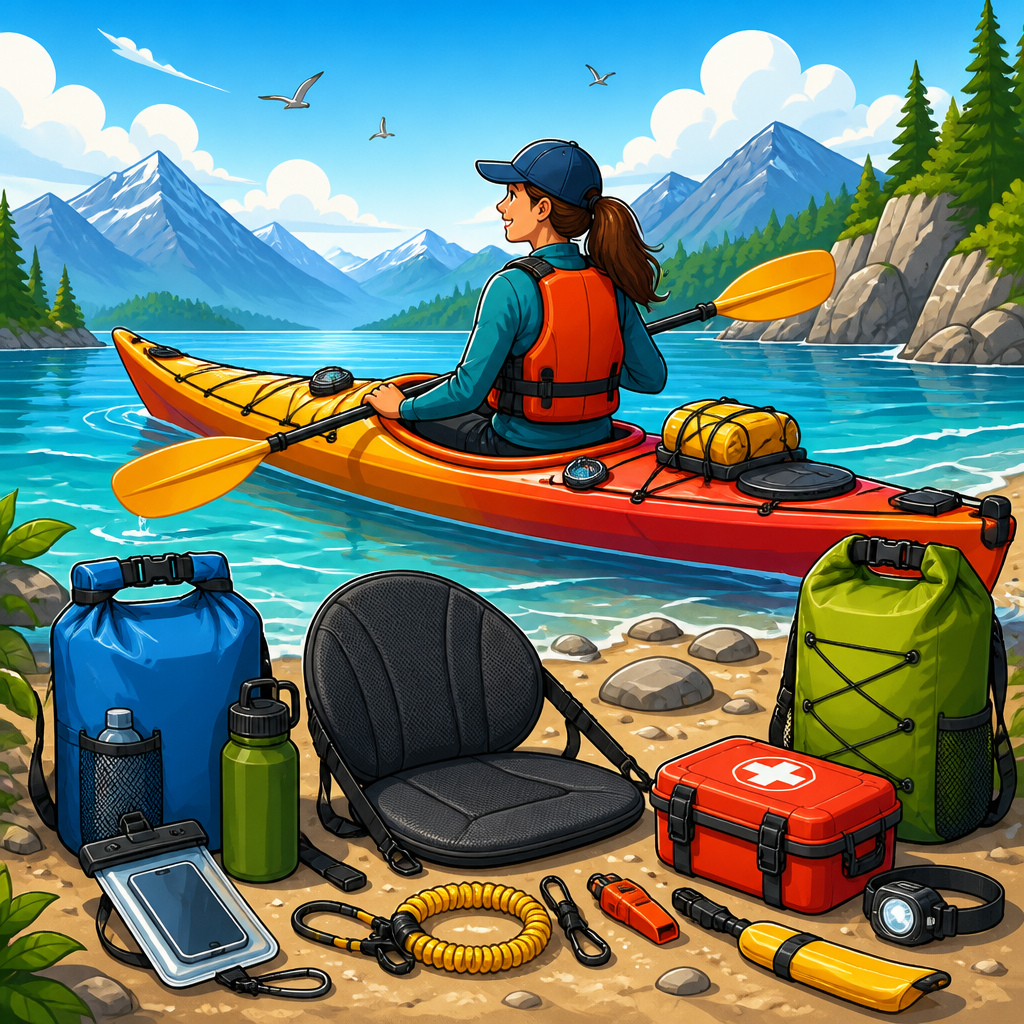
Safety standards are not optional details; they shape destination quality. Every rider should review state boater education rules, minimum age requirements, and rental operator policies before booking. Core gear includes a properly fitted life jacket, eye protection, whistle, engine cutoff lanyard, and a waterproof phone or VHF option where appropriate. Check weather twice, paying special attention to wind speed, lightning probability, and small craft advisories. On the water, maintain generous spacing, cross wakes at controlled angles, and avoid shallow seagrass or rocky shoreline shortcuts. As this Fishing & Water Sports hub expands, use these location principles to branch into specialized guides on rentals, PWC fishing setups, seasonal riding, maintenance, and destination-specific route planning. Pick a region, study the local rules, and book a ride that matches your skill level.
Frequently Asked Questions
What are some of the best places in the U.S. for a jet ski adventure?
Some of the best jet ski destinations in the United States stand out because they combine reliable riding conditions, memorable scenery, and strong rental or tour infrastructure. In Florida, the Florida Keys, Miami, and the Tampa Bay area are favorites for warm water, long riding seasons, and a mix of open-water cruising and protected coastal routes. California offers excellent riding in places like San Diego and parts of Lake Havasu on the California-Arizona border, where riders get sunshine, scenic shorelines, and a social watercraft culture. In the Southwest, Lake Powell in Utah and Arizona is a standout for its red-rock canyons, clear water, and expansive room to explore. Lake Mead near Las Vegas is another popular option for riders who want broad open stretches and dramatic desert surroundings.
Other top-tier locations include the Great Lakes region, especially around Lake Michigan in the summer, where freshwater riding and beautiful coastal views attract experienced and casual riders alike. In the Southeast, Myrtle Beach and coastal South Carolina appeal to travelers who want easy vacation access and guided tours through marshes, inlets, and nearshore waters. Hawaii is also high on many riders’ lists, especially for guided experiences, though conditions there can be more demanding and tour rules are often stricter. The best location ultimately depends on what kind of adventure you want: high-speed open water, calm family-friendly bays, scenic canyon exploration, or wildlife-focused coastal touring.
Is it better to ride a jet ski on the ocean, a lake, or in coastal bays and intracoastal waterways?
Each environment offers a very different kind of jet ski experience, and the best choice depends on your skill level, comfort with changing conditions, and what you want from the ride. Lakes are often the easiest place for beginners to start because the water can be more predictable, there is usually less tide and current to manage, and many lake destinations have broad riding areas with fewer navigational complications. Popular lake locations also tend to be ideal for families or first-time renters because staff can explain simple riding zones, no-wake areas, and basic safety expectations without the extra variables that come with the ocean.
Ocean riding tends to feel more adventurous and dynamic, but it usually requires more awareness. Wind chop, boat traffic, tides, and surf conditions can all affect how the watercraft handles. That can make coastal riding exciting for confident riders who want speed and variety, but it can also be tiring for inexperienced users. Bays, sounds, and intracoastal waterways often provide a middle ground. These areas can deliver scenic shoreline views, calmer water than the open ocean, and access to wildlife, sandbars, and guided routes. For many travelers, coastal bays are the best overall mix of excitement and approachability. If you are unsure, a guided tour in a protected coastal area is often the smartest first step before moving on to larger lakes or more exposed ocean routes.
What should beginners look for when choosing a jet ski destination?
Beginners should prioritize destinations that make the learning process easy, safe, and enjoyable. The first thing to look for is calm or moderately protected water. Sheltered bays, inland lakes, and well-managed recreation areas are usually more beginner-friendly than rough surf zones or busy shipping channels. A good destination should also have reputable rental operators or guides who provide clear instruction, properly fitted life jackets, safety lanyards, and a well-explained riding area. That support matters more than many first-time riders realize, because understanding local rules, no-wake zones, distance requirements, and weather patterns can have a major impact on confidence and safety.
It is also smart to look for places with defined riding routes, visible landmarks, and access to help if needed. Destinations known for guided wildlife tours or scenic beginner loops are often ideal because they are designed with first-timers in mind. Before booking, check age restrictions, driver requirements, weight limits, and whether the area is known for heavy boat traffic. Reading recent reviews can help you spot whether a location is genuinely beginner-friendly or simply marketed that way. In practical terms, the best beginner destination is one where you can focus on learning throttle control, turning, and situational awareness without feeling overwhelmed by rough water or confusing navigation.
When is the best time of year to go jet skiing in the U.S.?
The best time of year depends heavily on the region, because the United States offers everything from tropical winter riding to short but excellent northern summer seasons. In Florida, southern Texas, southern California, and parts of Arizona and Nevada, the riding window is long and often extends through much of the year. Spring and early summer are especially popular because temperatures are warm, water conditions are often favorable, and crowds may still be more manageable than during peak vacation periods. In tropical or subtropical areas, it is also important to monitor hurricane season and afternoon storm patterns, especially in late summer and early fall.
For northern lakes, the Great Lakes, and many inland destinations, summer is usually the prime season. From roughly late May through early September, weather tends to be warm enough for comfortable riding, rental businesses are fully operational, and water conditions are generally more inviting. Mountain and canyon destinations like Lake Powell often shine in late spring and early fall, when temperatures are still pleasant but the midsummer heat can be less intense. No matter where you plan to ride, the best day is not just about season but also about local weather: lighter winds, good visibility, and lower storm risk can make a huge difference in both safety and enjoyment.
Do I need experience, a license, or a guided tour to enjoy the best jet ski locations?
You do not always need prior experience to enjoy top jet ski destinations, but you do need to understand that rules vary by state, by waterway, and sometimes by rental company. Many rental operations are set up specifically for first-time riders and provide a safety orientation before you head out. That makes popular destinations accessible even if you have never operated a personal watercraft before. However, some states require boater education for certain age groups or for anyone operating a PWC, and some companies may have their own minimum age, identification, or training requirements. It is always worth checking local regulations before you arrive rather than assuming the rules are the same everywhere.
Guided tours are often one of the best ways to experience premier locations, especially in places with wildlife zones, mangrove channels, canyons, tidal areas, or complicated navigation. A guide can take you to scenic sections you might miss on your own while also helping you avoid restricted areas, shallow hazards, and unsafe conditions. Self-guided rentals work well in simple, clearly marked riding zones, particularly on lakes and designated recreation waters. If you are new to the sport, a guided experience can reduce stress and increase safety without taking away the thrill. For many travelers, the ideal approach is to start with a tour in a destination known for dependable operators, then move on to independent riding once they feel comfortable handling the craft and reading the water.