Choosing the best boats for tubing starts with understanding what makes a day on the water safe, comfortable, and exciting for every age group. Tubing looks simple: pull an inflatable behind a boat and hold on. In practice, the right boat determines how smoothly the tube tracks, how quickly riders get up to speed, how safely the driver can maintain visibility, and how relaxed the family feels between runs. Because this page sits within the broader Fishing & Water Sports category and serves as a hub for Water Skiing & Wakeboarding Boats, it covers the full decision-making picture: hull design, engine power, tow setup, seating, storage, wake characteristics, and the tradeoffs between pontoons, runabouts, deck boats, and dedicated tow boats.
When I help families compare tubing boats, I define a few key terms first. A runabout is a versatile fiberglass boat, usually with sterndrive or outboard power, built for cruising and mixed watersports. A deck boat expands seating and bow space for larger groups. A pontoon uses aluminum tubes for buoyancy and excels at comfort, stability, and easy boarding. A wake boat or tow boat is purpose-built for water skiing, wakeboarding, and wakesurfing, often with inboard propulsion, ballast, and specialized hull shaping. For tubing specifically, the goal is not the biggest wake or the highest top speed. The goal is controlled acceleration, predictable handling, strong tow capacity, and enough room for observers, gear, coolers, and tired kids coming back aboard.
This matters because tubing is often the entry point into family water sports. It is less technique-heavy than slalom skiing, less intimidating than wakeboarding, and easier to enjoy across age groups. Yet it still places real demands on a boat. The driver needs responsive steering at 18 to 25 mph, the spotter needs a clear line of sight, and the transom area must support safe reboarding after every ride. Families also need a boat that can do more than tow. Many buyers want one platform that supports tubing in the morning, swimming at noon, a fishing stop in the afternoon, and sunset cruising later. The best tubing boat, therefore, is not simply the most powerful model. It is the one that matches crew size, water conditions, storage constraints, and the broader mix of activities your family will actually use all season.
What Makes a Boat Good for Tubing
A good tubing boat combines four essentials: adequate power, predictable tracking, passenger-friendly layout, and safe tow geometry. In real use, horsepower matters less than low-to-midrange torque and the ability to plane quickly with several people aboard. A 150-hp outboard on a lightweight 19-foot runabout may outperform an underpowered 24-foot pontoon loaded with eight passengers and a full cooler. For most family tubing, a practical baseline is enough power to pull one to three riders without straining the engine, usually around 150 hp and up depending on hull type and load.
Hull design influences the ride just as much as power. Deep-V runabouts cut chop better on larger lakes and maintain steadier turns. Deck boats often offer a compromise between sport handling and social space. Tri-toons, which add a center tube and often larger lifting strakes, transform pontoon performance by improving planing, speed, and cornering. Dedicated tow boats provide the sharpest throttle response and strongest pulling performance, but they can be expensive and more specialized than many tubing families need. I have seen buyers overpay for wake-specific features they rarely use, while a well-equipped family runabout would have covered tubing, cruising, and beginner skiing more effectively.
The towing setup is equally important. A factory-rated tow point, ski pylon, or tow arch is preferable to improvised hardware. Proper tow attachment keeps the rope clear of passengers and engine components and provides a consistent pull angle. Visibility from the helm matters too. Boats with supportive captain’s chairs, intuitive throttle placement, and unobstructed aft sightlines reduce driver fatigue and improve safety during repeated pickup loops. Finally, boarding ladders, non-slip swim platforms, grab handles, and dry storage make tubing days far easier, especially with younger children who cycle in and out of the water frequently.
Best Boat Types for Family Tubing
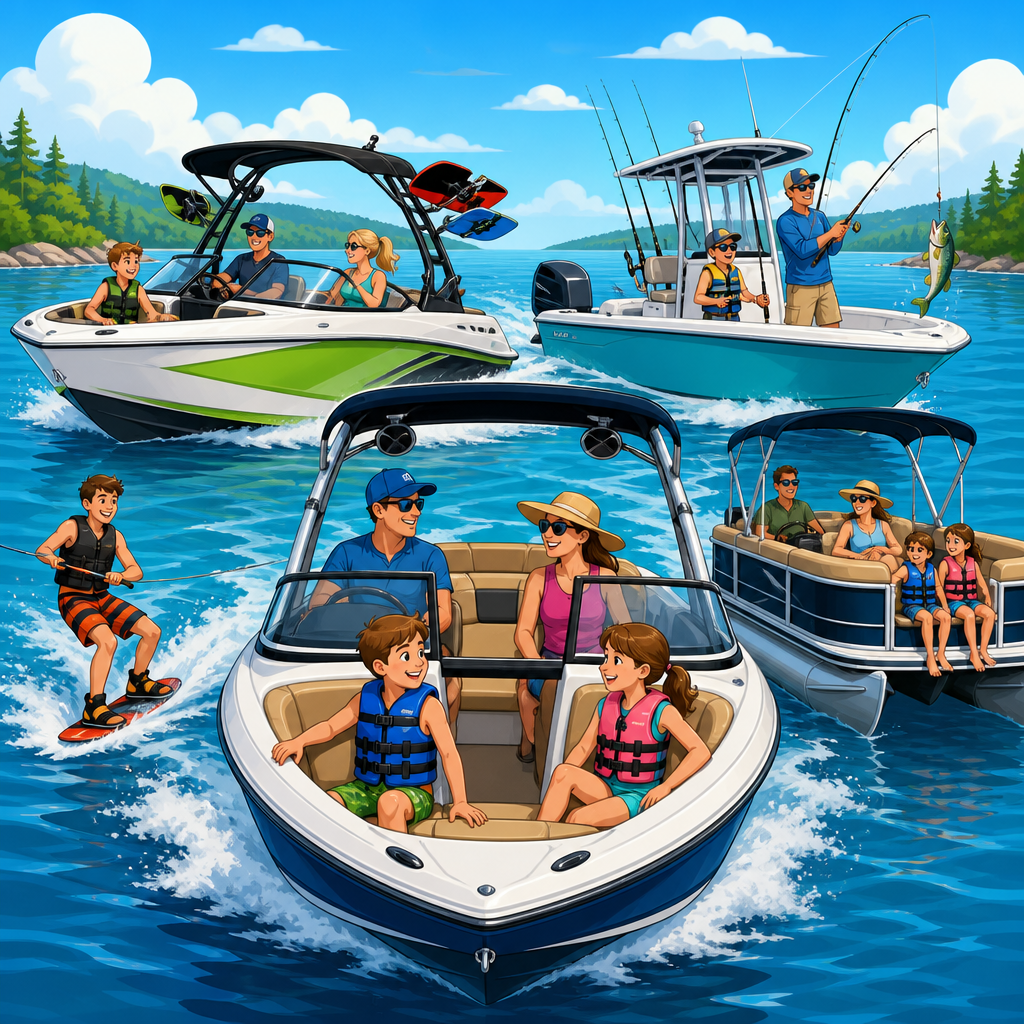
For most families, the best tubing boats fall into four categories: bowriders, deck boats, tri-toons, and tow boats. Bowriders are often the strongest all-around choice because they blend speed, comfort, and versatility. Models from Sea Ray, Chaparral, Regal, and Four Winns commonly offer 19- to 24-foot layouts, swim platforms, and reliable tow points. They handle moderate chop well, seat six to ten people, and can support tubing, skiing, and occasional wakeboarding without becoming difficult to trailer or store.
Deck boats suit larger families that prioritize seating and open floor space. Brands such as Hurricane and Starcraft build deck boats with wide beams, generous bow lounges, and boarding access that makes life easier when multiple kids are rotating through rides. They can feel less sporty in tight turns than some bowriders, but for social boating with tubing as the main sport, they are highly practical. The extra room also helps if you carry tubes, life jackets, ropes, snacks, and shade gear all at once.
Tri-toons have become a serious tubing platform rather than just a cruising choice. The third tube improves buoyancy, allows more horsepower, and adds stability during acceleration and turns. On calmer lakes, a well-powered tri-toon can be ideal for multigenerational crews because grandparents appreciate the level deck and easy movement, while kids still get a strong tow. Traditional two-tube pontoons can pull tubes, but they are generally less agile and more sensitive to heavy passenger loads. If tubing is a priority, tri-toons deserve the stronger look.
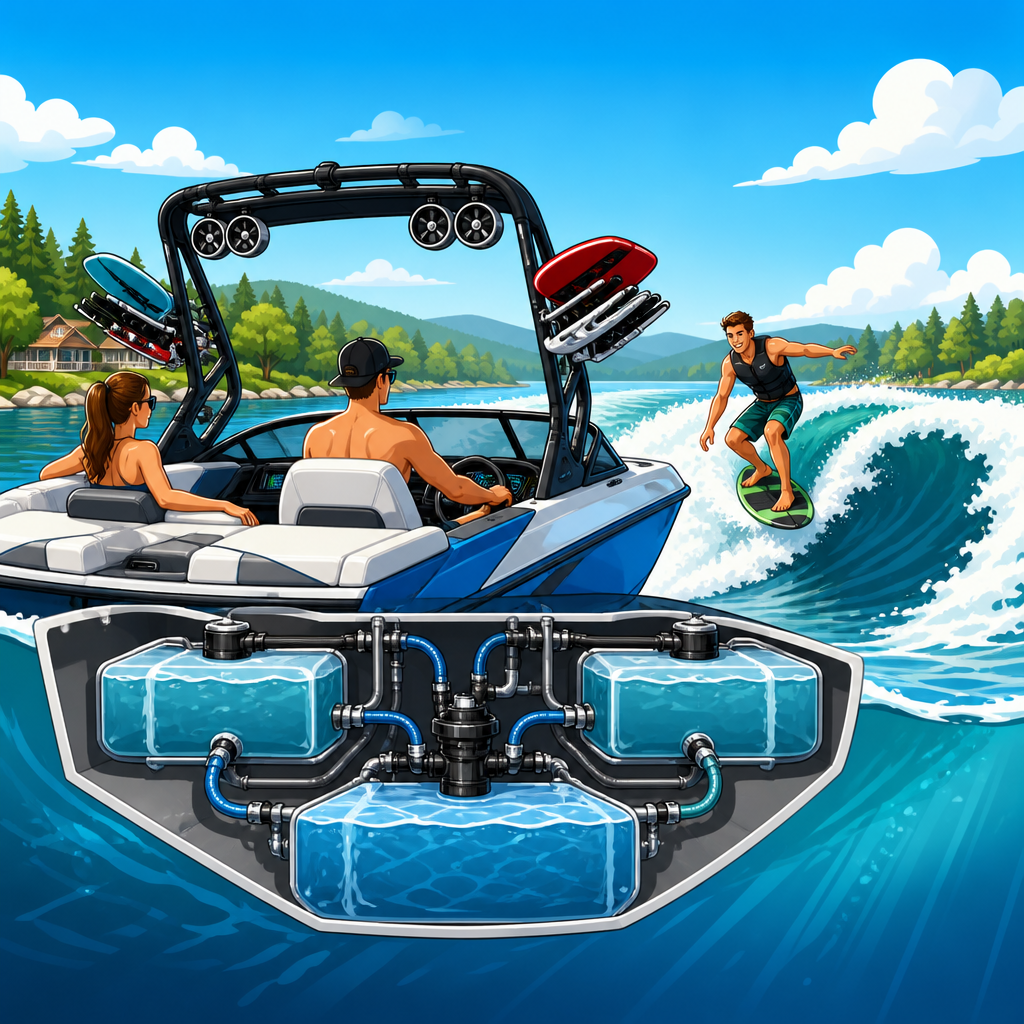
Dedicated tow boats from MasterCraft, Malibu, Nautique, and Centurion are the premium option for families heavily invested in water sports. These boats are engineered around pull quality, speed control, ballast systems, and wake tuning. For tubing, their acceleration and handling are excellent, but the very features that make them great for wakeboarding and wakesurfing can be unnecessary if your crew mainly wants casual family rides. They also cost substantially more to buy, insure, maintain, and store, so they make the most sense when tubing is part of a broader, frequent watersports lifestyle.
Comparing Popular Choices
The easiest way to narrow the field is to compare how each boat type performs in the situations families actually face: towing two kids, carrying eight people, navigating afternoon chop, docking at a swim beach, and fitting into a garage or marina slip. The table below summarizes the practical differences.
| Boat type | Best use | Typical strengths | Main tradeoffs |
|---|---|---|---|
| Bowrider | Mixed family tubing and cruising | Good handling, strong acceleration, versatile layouts | Less seating than deck boats or pontoons |
| Deck boat | Larger groups and all-day recreation | Open space, easy boarding, family-friendly comfort | Can feel less nimble in turns |
| Tri-toon | Comfort-first tubing on calmer water | High capacity, stable platform, easy movement onboard | Bulkier storage and less sporty feel than runabouts |
| Tow boat | Frequent skiing, wakeboarding, and premium towing | Excellent pull, precise speed control, watersports features | High cost and narrower single-purpose focus |
If your family wants one boat for tubing plus general lake use, bowriders and deck boats usually deliver the best value. If comfort, capacity, and easy boarding outrank sporty handling, tri-toons are compelling. If your household already lives around ski, wakeboard, and surf sessions, a tow boat becomes easier to justify because its benefits will be used every weekend rather than a few times each summer.
Power, Size, and Performance Guidelines
Boat size affects both safety and enjoyment. For family tubing, the sweet spot is often 19 to 24 feet. Below that range, storage and passenger room tighten quickly. Above it, cost, tow vehicle requirements, and docking complexity rise without always improving tubing performance. On inland lakes, a 20- or 21-foot bowrider with a 200-hp engine is a proven formula. It planes fast, turns confidently, and still remains manageable for first-time owners. On bigger, windier water, stepping up to a deeper 22- or 24-foot hull improves ride comfort and confidence.
Engine choice depends on hull type. Outboards are popular for deck boats, pontoons, and many modern runabouts because they are easier to service, free up interior space, and offer efficient performance. Sterndrives remain common on fiberglass sport boats and can provide strong pull and a clean swim platform feel. Inboards dominate dedicated tow boats because they centralize weight and improve tracking. For tubing, what you want most is smooth throttle modulation. Abrupt acceleration can sling riders too aggressively, while a weak engine struggles to keep speed steady through turns.
As a rough guide, a small family runabout used for one or two riders often performs well with 150 to 200 hp. Larger deck boats and tri-toons carrying bigger groups frequently benefit from 200 to 300 hp. Dedicated tow boats are tuned differently, so their performance comes not just from rated horsepower but from prop selection, gear ratios, and hull engineering. I always recommend sea trials with a realistic load because brochure numbers rarely reflect a full family, full fuel, and tube gear on a warm afternoon.
Safety Features Families Should Prioritize
The safest tubing boats are not only powerful enough to tow; they are designed to keep every person onboard and in the water under control. Start with capacity and weight limits. Exceeding either hurts handling and lengthens stopping distance. The U.S. Coast Guard capacity plate on monohull boats under 20 feet is a critical reference, while manufacturers publish passenger and weight ratings for larger boats and pontoons. Never select a boat right at your usual maximum. Leave margin for coolers, bags, wet gear, and growth in how many friends your children bring.
Look for a clear observer seat, secure grab handles, a boarding ladder deep enough for tired swimmers, and a broad swim platform that keeps reboarding orderly. Tubing also benefits from mirrors, though they never replace a dedicated spotter. Kill switches, now increasingly supported by engine cut-off requirements and common on modern helm designs, add another layer of protection. So do nonskid flooring materials such as EVA foam or textured fiberglass, which reduce slips when kids rush aboard with wet feet.
One nuance many first-time buyers miss is propeller location. Outboards and sterndrives require disciplined engine-off procedures before anyone approaches the stern. Inboards on tow boats place running gear under the hull, which changes some risks but does not eliminate the need for strict pickup routines. Good boating habits matter more than marketing claims. The right boat supports those habits through thoughtful design.
How This Fits Water Skiing and Wakeboarding
Because this article is the hub for Water Skiing & Wakeboarding Boats, tubing should be viewed within the larger progression of tow sports. Families often start with tubing, then add combo skis, kneeboards, wakeboards, and eventually surfing if they buy a specialized tow boat. That progression affects which boat makes sense today. A pure tubing setup can be relatively simple. A future-proof family boat should also have a suitable tow point height, enough storage for boards, and wake characteristics that will not frustrate beginners.
For water skiing, smaller and flatter wakes are helpful, especially at slalom-friendly speeds around 28 to 36 mph depending on skier skill. Many bowriders and some tow boats with ski modes perform well here. For wakeboarding, riders usually want a firmer, more defined wake at slower speeds, often around 18 to 24 mph. Dedicated wake boats excel because ballast and tabs let owners shape the wake intentionally. For tubing, wake shape is secondary; a controlled path and consistent speed are primary. This is why many all-purpose family boats can serve tubing extremely well even if they are not elite wake machines.
Internal planning matters too. If your household expects to stay mostly with tubing and casual skiing, prioritize versatility and comfort. If your teenagers are already pushing into wakeboarding and your weekends revolve around tow sports, buying toward a wake-capable platform now may save an upgrade later. The hub takeaway is simple: the best tubing boat often overlaps strongly with the best beginner ski and wakeboard boat, but not always with the best wakesurf boat.
Buying Tips, Ownership Costs, and Best Use Cases
Before buying, define your top three use cases and your real-world constraints. I ask families to answer five questions: How many people are usually aboard? What water conditions do you boat in most often? Will the boat be trailered, dry-stacked, or slipped? Is tubing the main sport or one of several? What annual budget covers fuel, insurance, maintenance, storage, and accessories? Clear answers eliminate many bad fits quickly.
New buyers should compare not just sticker price but ownership profile. Tow boats usually command premium fuel use, higher insurance, and more expensive service. Fiberglass runabouts can offer strong value on the used market, especially from major brands with good dealer support. Tri-toons can hold appeal for broad family use, but storage and towing requirements should be checked carefully because beam, height, and trailer weight add up fast. A bargain boat with weak local service support often becomes more expensive than a slightly pricier model from a dealer that stocks parts and schedules seasonal maintenance reliably.
For many households, the winning setup is simple: a 20- to 22-foot bowrider or deck boat with a reliable 200-hp class engine, a rated tow point, comfortable seating, and enough storage for a full day on the lake. Larger groups on calmer water may be happier with a tri-toon. Serious ski and wake families should test dedicated tow boats and compare how often they will use those specialized capabilities. Start with your family’s real habits, not brochure fantasies. Choose a boat that makes tubing easy, safe, and repeatable, and you will also build a better platform for skiing, wakeboarding, and the rest of your time on the water.
Frequently Asked Questions
What type of boat is best for tubing with the family?
The best boat for family tubing is one that combines steady acceleration, predictable handling, good visibility for the driver, and enough seating to keep everyone comfortable between rides. In many cases, bowriders, deck boats, and some pontoon boats rise to the top because they are designed for recreation and can handle a mix of cruising, watersports, and relaxed family time. A bowrider is often a favorite because it typically delivers strong performance, easy towing, and a layout that keeps passengers comfortable while still feeling sporty on the water.
Deck boats are another strong choice if you want extra space and flexibility. They usually offer wider beams, more room to move around, and plenty of seating, which makes them especially appealing for larger families or groups bringing coolers, towels, and gear. Modern pontoon boats can also be excellent for tubing, particularly when equipped with a capable engine and a proper tow point. They provide outstanding comfort and stability, and they tend to be very welcoming for younger children, grandparents, or anyone who prefers an easier boarding experience.
The right choice depends on how you plan to use the boat beyond tubing. If tubing is one part of a bigger family boating routine that includes swimming, cruising, and casual watersports, a versatile runabout or deck boat is often ideal. If comfort and lounge space matter most, a well-powered pontoon may be the better fit. The key is to choose a boat that is built for towing, has enough horsepower for your passenger load, and offers a layout that helps the spotter and driver work safely together.
How much horsepower do you need for tubing safely and effectively?
Horsepower matters because tubing requires enough pulling power to get riders moving smoothly and maintain control without stressing the engine. For smaller groups and lighter loads, many family boats with moderate horsepower can tow a tube just fine. However, if you regularly carry several passengers, plan to tow larger tubes, or want stronger acceleration for deeper-water starts and more responsive performance, a higher-horsepower setup makes the experience safer and more enjoyable.
In practical terms, the best horsepower range depends on the size and type of boat, the number of people onboard, and the size of the tube. A lightweight runabout with a modest engine may be perfectly adequate for one or two younger riders on a small tube. But when the boat is loaded with family members and gear, or when older kids and adults want a livelier ride, extra power helps the boat plane more easily and hold speed with less effort. That translates into smoother towing and better control for the driver.
It is also important to remember that more horsepower is not about creating a dangerously fast ride. It is about having enough reserve power to tow confidently, adjust speed gradually, and operate without straining. A boat that is underpowered for its load may struggle to accelerate, wander at lower speeds, or force the engine to work harder than necessary. For family tubing, the smartest approach is to choose a boat and engine combination that feels comfortable rather than borderline. That gives you better responsiveness, a more relaxed driving experience, and a safer day on the water for everyone involved.
What safety features should you look for in a boat used for tubing?
Safety should be the first filter when choosing the best boat for tubing. Start with essentials that support visibility, control, and communication. A proper tow point designed for watersports is one of the most important features because it keeps the rope attachment secure and properly positioned. A rearview mirror made for towing can help the driver maintain awareness, but it should never replace a dedicated spotter. A comfortable passenger layout that allows one adult to serve as the spotter without obstruction is just as important as raw performance.
You should also look for easy-to-read gauges, reliable steering response, non-slip flooring, and sturdy boarding access. Families often underestimate how much time is spent getting on and off the boat, repositioning riders, and preparing for the next run. Swim platforms, boarding ladders, and uncluttered entry points make those transitions safer and less stressful. If younger children are part of the group, secure seating and deeper interior layouts can provide added peace of mind while the boat is underway.
Beyond the boat itself, safe tubing depends on having the right equipment and habits. Every rider should wear a properly fitted life jacket approved for watersports use. The driver should know local boating laws, maintain a safe distance from docks and other boats, and avoid sharp turns or excessive speed. A spotter should always watch the tube while the driver keeps eyes forward. When evaluating boats, think beyond appearance and focus on how well the design supports safe family routines. The best tubing boat is one that makes safe operation easy, natural, and repeatable every time you head out.
Are pontoon boats good for tubing, or do you need a speedboat?
Pontoon boats can be very good for tubing, and many families are surprised by how capable modern models have become. You do not automatically need a traditional speedboat to enjoy tubing. A pontoon with the right engine, tow setup, and capacity can deliver a fun, stable, and family-friendly experience. In fact, for households that prioritize comfort, easy boarding, and roomy seating, a pontoon may be one of the most practical choices available.
That said, not every pontoon is equally suited for towing watersports equipment. Smaller or lower-powered pontoons may be fine for relaxed cruising but may struggle when pulling multiple riders or trying to maintain consistent speeds with a full passenger load. If tubing is a major priority, look for a pontoon with enough horsepower, solid overall build quality, and a manufacturer-approved tow bar or ski pylon setup. Performance-oriented pontoons with upgraded engine packages are often the best fit for active families.
A speedboat or bowrider usually offers quicker acceleration, sharper handling, and a sportier towing feel, which can be ideal for families who want more energetic rides and broader watersports capability. But for many buyers, the trade-off favors the pontoon’s comfort and space. The better question is not whether a pontoon is “good enough,” but whether it matches your family’s style of boating. If your ideal day includes cruising, swimming, relaxing, and taking tubing turns without sacrificing comfort, a well-equipped pontoon can be an excellent answer.
How do you choose the right boat size and seating capacity for tubing trips?
Choosing the right size boat for tubing means thinking about more than the number of riders on the tube. You need enough room for the driver, a spotter, waiting passengers, and all the gear that comes with a family day on the water. Tow ropes, life jackets, snacks, towels, and coolers add up quickly, and a boat that feels large enough at the dealership can feel cramped fast once everyone is onboard. For that reason, many families are happiest when they buy slightly more space than their minimum headcount suggests.
Boat size also affects ride quality and confidence at the helm. A larger boat often feels more stable, carries weight more comfortably, and gives passengers more room to spread out, which can make tubing days far more relaxing. At the same time, size should match the waterways you use, your storage situation, and your comfort level with trailering or docking. A boat that is too large for your experience or local conditions can become less enjoyable, even if it offers more capacity on paper.
When reviewing seating capacity, treat the manufacturer’s number as a legal maximum, not an ideal everyday target. For family tubing, it is wise to leave breathing room so passengers can move safely and the spotter has a clear place to sit. A layout with balanced seating, open sightlines, and dedicated storage often matters more than squeezing in the biggest possible passenger count. In short, the best tubing boat size is one that supports your typical crew comfortably, has enough power for that load, and leaves everyone feeling safe and unhurried from the first ride to the last.